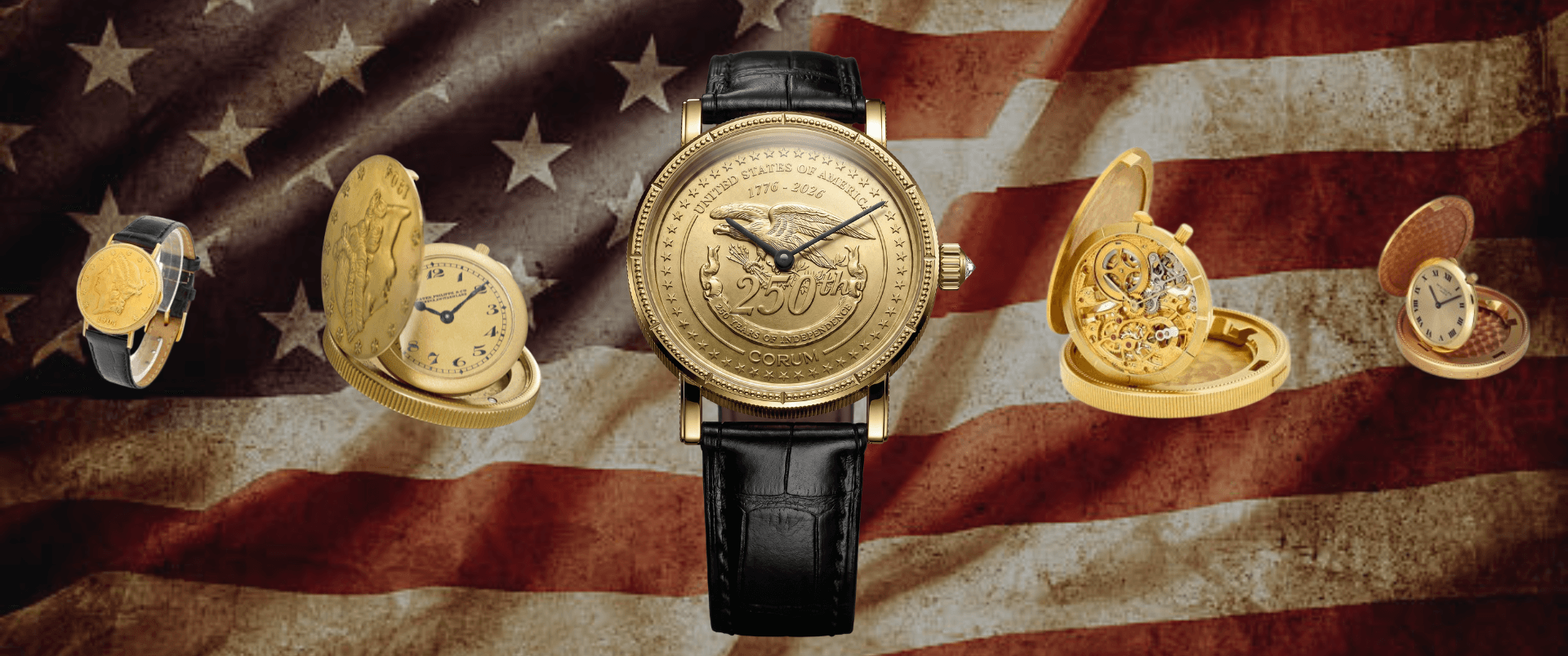
The Hidden Luxury Watch Inside a Gold Coin: The Fascinating History of Coin Watches
 5 min read

What if one of the world's most collectible luxury watches was hiding in plain sight? At first glance, it appears to be nothing more than a rare gold coin. Yet, with the gentle lift of a concealed hinge, the coin opens to reveal an exquisitely crafted mechanical timepiece. This remarkable fusion of numismatics and horology is known as the coin watch, one of watchmaking's most ingenious and enduring creations.
Combining the artistry of historic coins with the precision of Swiss watchmaking, coin watches occupy a unique place in luxury collecting. They are discreet, technically sophisticated, and rich in historical significance, making them one of the most fascinating yet often overlooked categories in horology. Produced by some of the world's most prestigious watchmakers and coveted by discerning collectors, these hidden masterpieces continue to captivate enthusiasts today.
The Origins of the Coin Watch
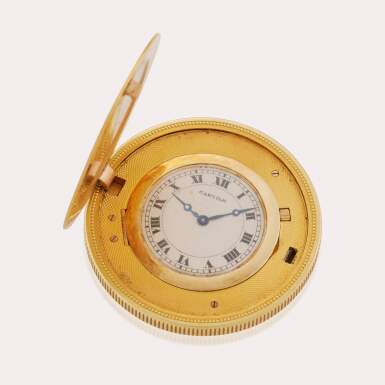
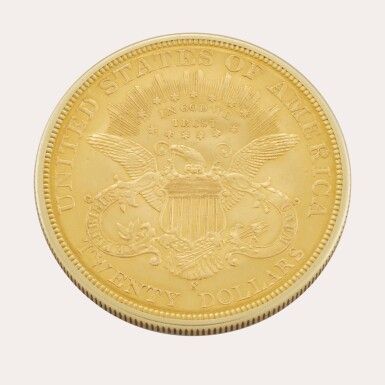
The concept of concealing a watch within another object has fascinated watchmakers for centuries. By the early twentieth century, luxury manufacturers had begun incorporating historic gold coins into their designs, creating timepieces that were as much objets d'art as they were functional watches. Among the early luxury maisons to popularise this concept was Cartier. One notable example, dating to around 1927, features a rare 1898 United States Double Eagle gold coin measuring approximately 35 mm in diameter. Beneath its engraved hinged lid lies an 18-jewel mechanical movement supplied by the European Watch & Clock Co., reflecting the technical ingenuity and refined craftsmanship that would come to define the coin watch. As appreciation for these concealed timepieces grew, other prestigious Swiss manufacturers introduced their own interpretations, each bringing its distinctive approach to this remarkable design.
A Collector's Treasure
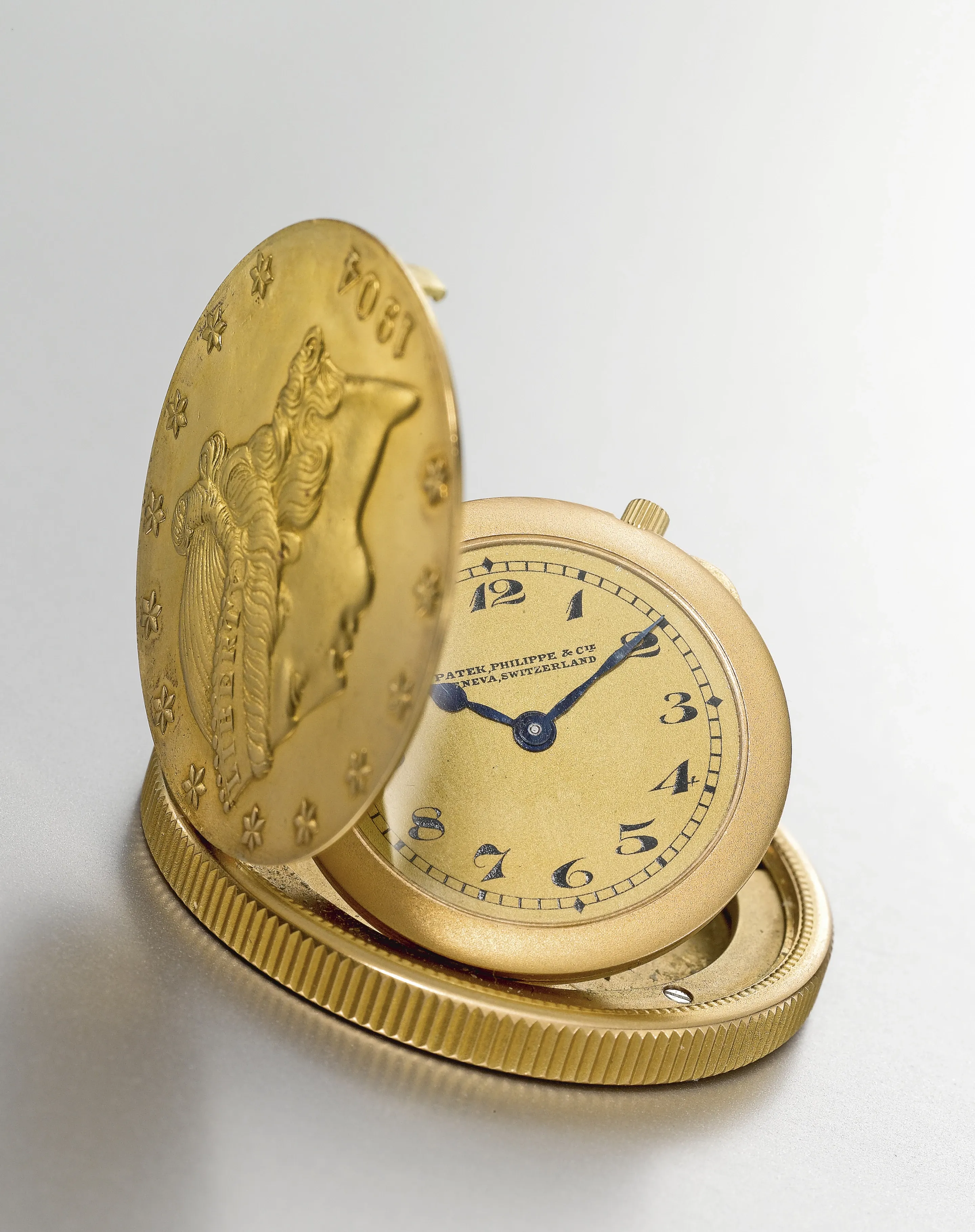
Few collectors have had a greater influence on the appreciation of fine watchmaking than Henry Graves Jr. The American investment banker assembled one of the most celebrated private watch collections in history, commissioning extraordinary pieces from the finest manufacturers of his era. Among the remarkable watches associated with his collection is a rare 1925 Patek Philippe coin-form watch. Crafted in 18k yellow gold, the 35 mm timepiece is ingeniously concealed within a hinged United States Twenty Dollar gold coin. It is regarded as one of the earliest known Patek Philippe coin watches and illustrates the manufacture's early exploration of this distinctive design, which it would revisit in later decades.
The Holy Trinity's Interpretation
As the appeal of coin watches grew throughout the twentieth century, each member of the celebrated "Holy Trinity" of Swiss watchmaking introduced its own interpretation of the concept.
Audemars Piguet
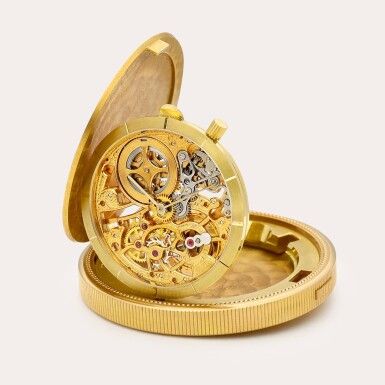
Produced during the 1990s, Audemars Piguet's interpretation centres on the iconic American Double Eagle twenty-dollar gold coin. Housed within an 18k yellow gold case measuring approximately 34.5 mm, the watch conceals an ultra-thin mechanical movement beneath the historic coin. A particularly ingenious feature is its hinged and swivelling watch module, allowing collectors to admire both sides of the beautifully skeletonised movement, a fitting showcase of Audemars Piguet's expertise in ultra-thin watchmaking.
Vacheron Constantin
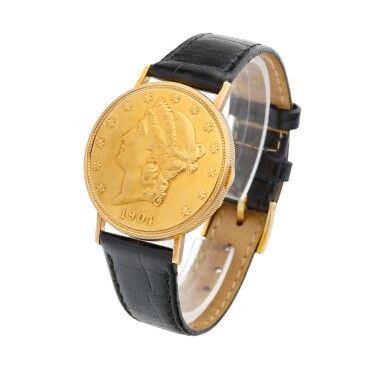
Vacheron Constantin also embraced the coin watch, producing elegant examples that paired historic American gold coins with the manufacture's renowned ultra-thin mechanical movements. One example from around 1980 features a 34.5 mm yellow gold case powered by the celebrated calibre 1003/1. Combined with a gilt dial, black leather strap, and yellow gold buckle, the watch reflects the maison's understated approach to elegant dress watches.
Patek Philippe Reference 802
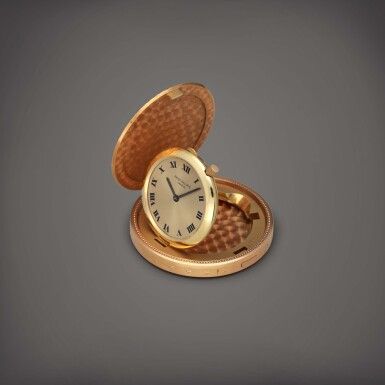
Among Patek Philippe's best-known interpretations is the Reference 802, introduced during the 1970s. Crafted from a United States Twenty Dollar Liberty gold coin, the approximately 35 mm case opens to reveal a refined champagne dial powered by the manually wound calibre 175. It remains one of the manufacture's most recognisable executions of the coin watch concept.
Piaget's Artistic Interpretation
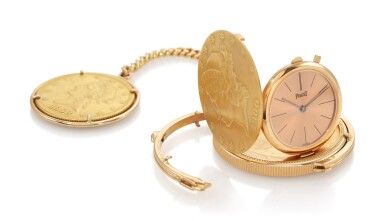
Piaget approached the coin watch from a more artistic perspective. Its Reference 900, produced during the 1980s, transforms the traditional wristwatch into an elegant pendant. Concealed within a 1900 United States Twenty Dollar gold coin and complemented by an 1888 United States Ten Dollar coin suspended from the same chain, the piece demonstrates Piaget's flair for jewellery watchmaking. Opening the case reveals a distinctive pink dial powered by the manufacture's celebrated ultra-thin 9P manual-winding movement, showcasing Piaget's mastery of elegant, minimalist mechanics.
Why Coin Watches Continue to Fascinate Collectors
The enduring appeal of coin watches lies in their remarkable dual identity. They are simultaneously historical artefacts and precision mechanical timepieces. Each example preserves the story of a nation's currency while showcasing the extraordinary craftsmanship of traditional Swiss watchmaking. Unlike conventional luxury watches, coin watches reward curiosity. Their beauty is intentionally concealed, known only to the wearer until the hidden lid is opened. That sense of discovery gives these timepieces a character unlike almost anything else in horology. Produced in relatively limited numbers and often commissioned for discerning clients, many vintage examples remain highly sought after by collectors today.
CORUM Revives an Icon
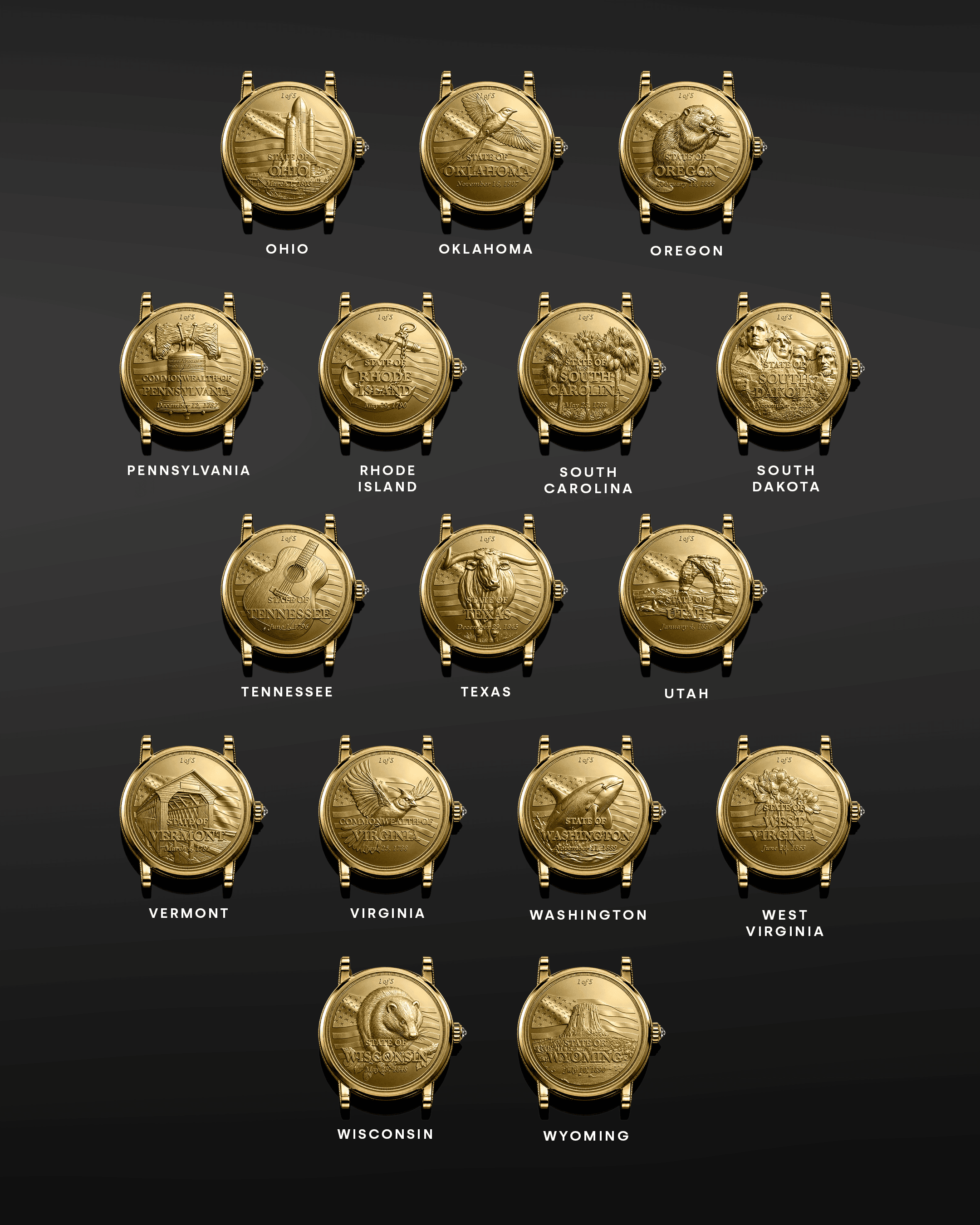
No modern manufacturer is more closely associated with the coin watch than CORUM.To commemorate the 250th anniversary of the United States, the brand has reinterpreted one of its signature creations through the Heritage Collector collection. Limited to fifty unique timepieces, the collection celebrates American history by dedicating each watch to an individual state, incorporating imagery inspired by its landscape, heritage, or cultural identity.
The collection retains the classic coin watch aesthetic while embracing contemporary watchmaking. Encased in a 39 mm yellow gold case measuring just 7.6 mm thick, each watch is powered by the automatic CO082 calibre with a 42-hour power reserve. A vulcanised rubber strap, designed to resemble textured leather, offers enhanced durability while maintaining an elegant appearance. Rather than simply recreating a historic design, CORUM demonstrates how a classic concept can evolve while remaining faithful to its heritage.
More Than a Watch
Coin watches represent far more than clever engineering. They embody the intersection of history, craftsmanship, and mechanical artistry. From Cartier's early interpretations and Patek Philippe's elegant executions to the refined creations of Audemars Piguet, Vacheron Constantin, and Piaget, these remarkable timepieces have carved out a distinctive place within the world of luxury collecting. Today, as collectors increasingly seek watches with compelling stories alongside exceptional craftsmanship, the coin watch remains as relevant as ever. Its continued appeal serves as a reminder that some of watchmaking's most enduring innovations are not always the most complicated, but often the most imaginative.
Price: ₹53,81,636 Approx