 6 min read

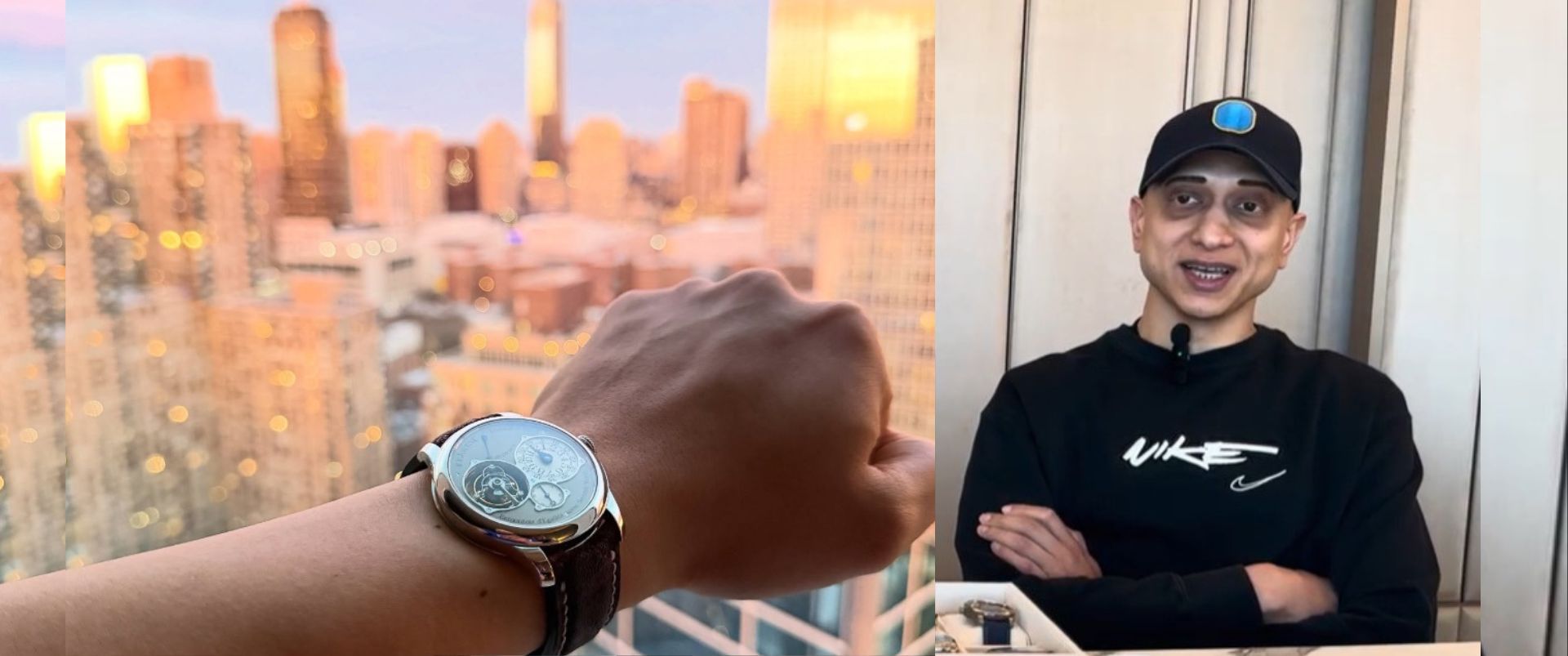
I didn't walk into this conversation with an agenda. I just knew I was sitting across from Vasu Kulkarni, better known online as NYC Watch Guy. And that talking about watches with him is never boring. As an Indian watch collector based in New York, this interview was bound to unearth some insights into the mind of a collector so passionate and knowledgeable. It was Game 7 of the Western Conference Finals that night, so we both knew we had to keep things moving if we wanted to make it to dinner in time. But once Vasu started pulling pieces out, the clock stopped mattering. He didn't bring a couple of watches this time. He brought the safe. Read on to know more about my conversation with Vasu Kulkarni.
The Birthday Watch That Took Four Months
We started with the piece he's clearly still buzzing about: a world timer from Anderson Genève, finished just in time for his birthday. What struck me wasn't just the watch, it was the story behind it. Vasu designed the dial himself, leaning on AI to help him pull together a concept he'd never have been able to execute on his own. He took the idea to Anderson Genève in late January and gave them an absurd deadline: May 12th. "They said, you're out of your mind," he told me, laughing. They hit the deadline anyway.
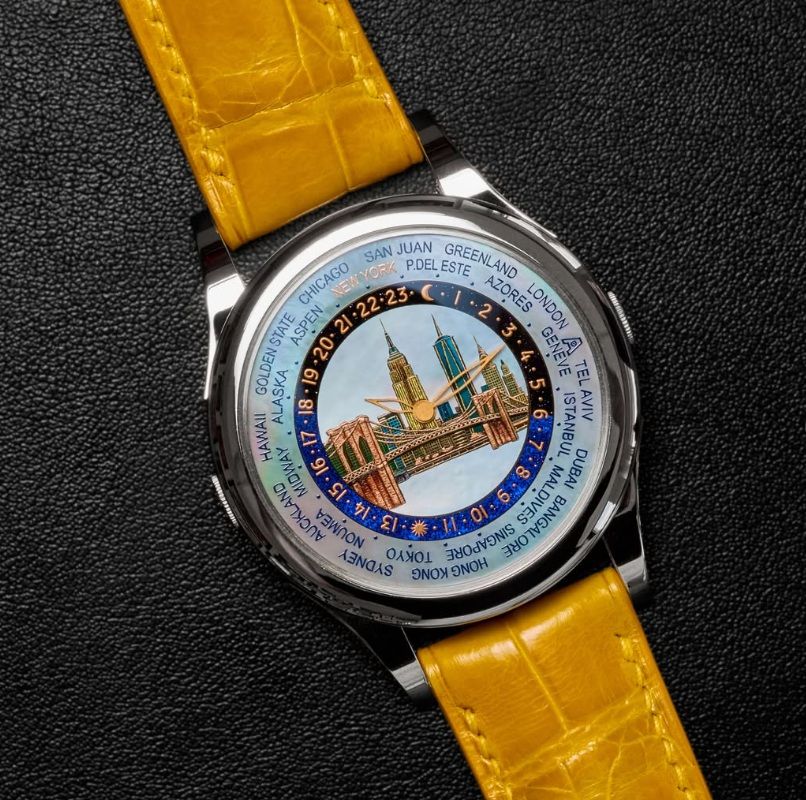
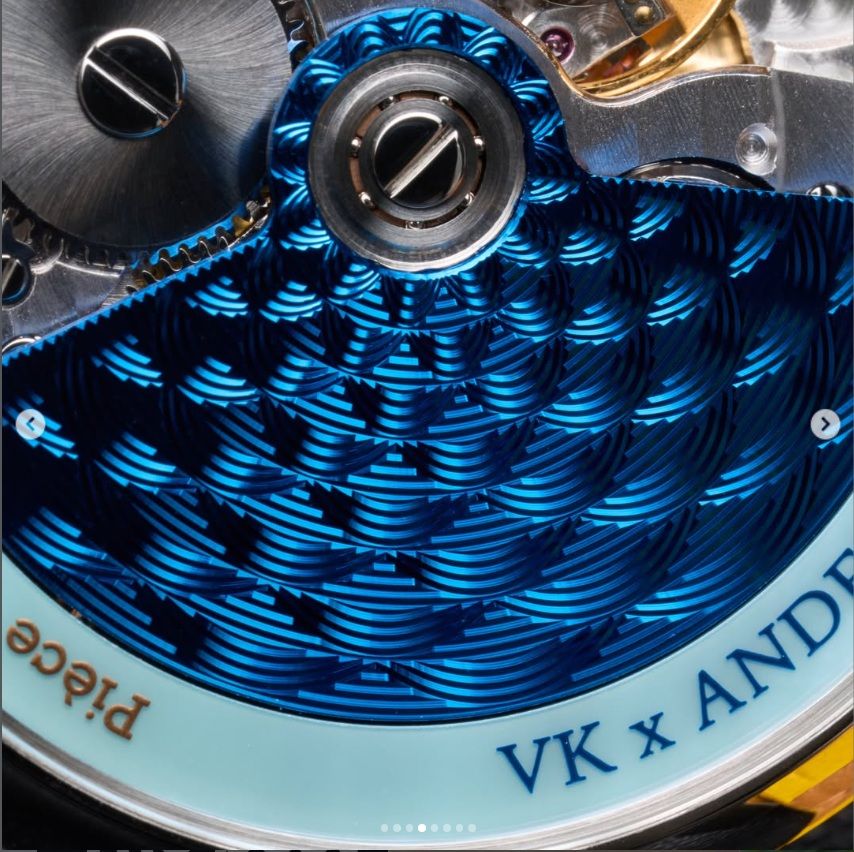
The result was good enough that he's now commissioning eleven more for friends, each with a unique city on the dial. Three of the twelve, he told me, are Indian cities New Delhi, Bombay, and Hyderabad. His own piece carries the city of Bangalore, where he grew up. There's something quietly meaningful about watching a world timer historically a very European, very old-world category of watchmaking make room for the cities he comes from.
The Watch He Hasn't Taken Off in a Month
Then there was the Rexhep Rexhepi CC2, which might be the most coveted independent watch in the world right now. But Vasu's story actually started earlier than that, with the AK06, the first watch he ever bought from Rexhepi Rexhepi, back when Akrivia was still an unknown name and nobody wanted to spend serious money on it. He told me about meeting Rexhepi over Indian food in New York in 2017, back when Akrivia's tourbillons were going for $140,000–150,000 and barely moving. “Independent watches were trading at 60% under retail at the time not because they weren't good, but because almost nobody cared yet. I bought in because he loved the work and because, frankly, it was cheap,” admits Vasu.
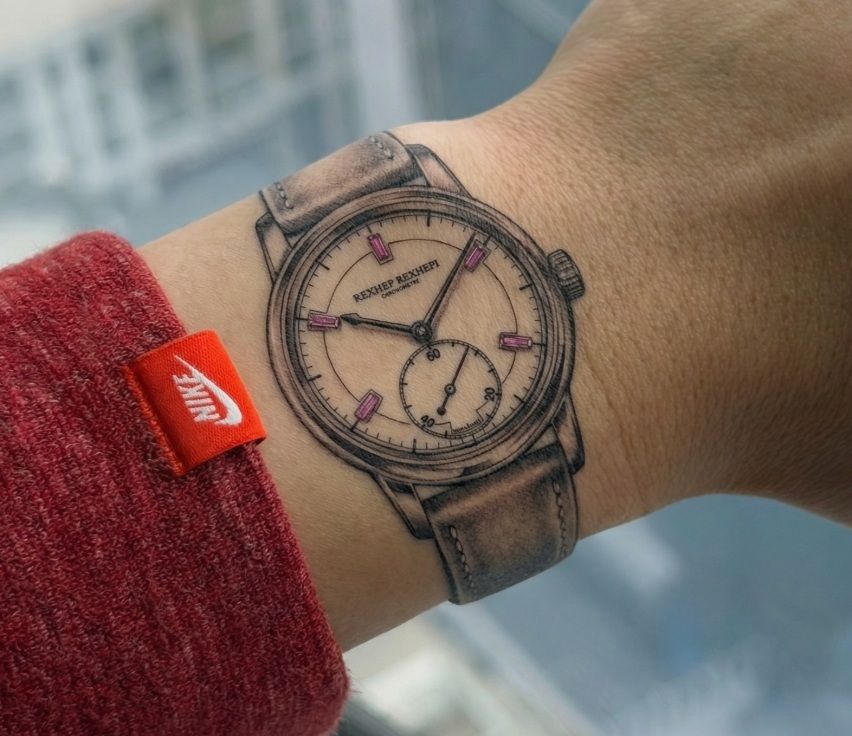
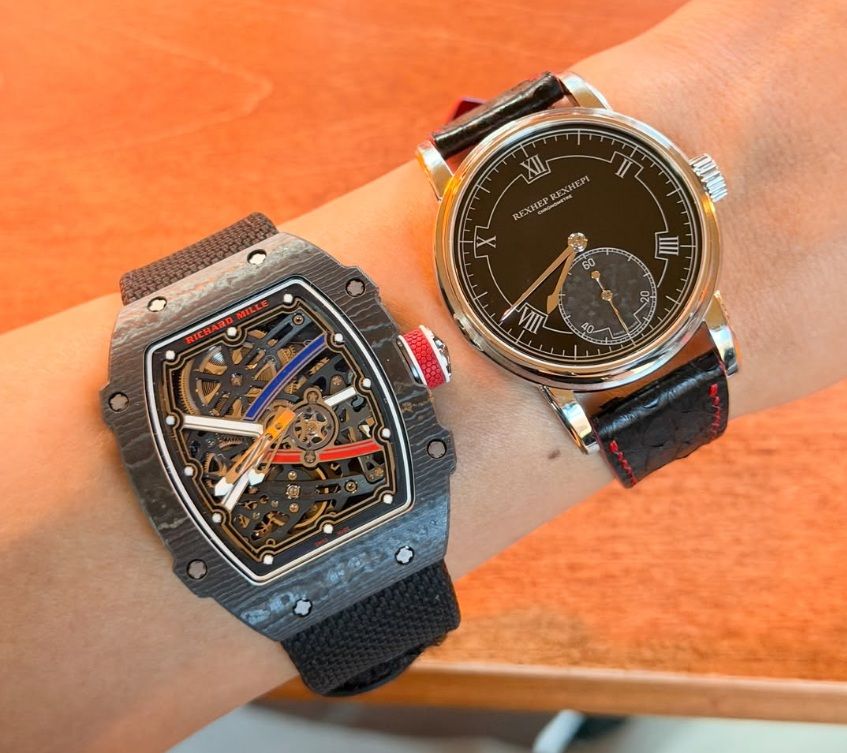
That early conviction is part of why his CC2 means so much to him now. So great is his love for the watch that he even got it tattooed on his arm before it graced his wrist He'd posted pictures earlier that day of himself picking it up. "It was very emotional. I specifically wanted the black dial platinum version with the hand-engraved sub-dial a detail that matters to me because it's one of the few touches Rexhepi, now running a much larger team, still does personally,” he says.
Why He Thinks Independents Have Finally "Arrived"
We talked about how quickly the independent scene has exploded over the last several years not, in his view, out of proportion, but finally getting recognition it always deserved. He brought up an event his company ran in India years ago featuring Kari Voutilainen, where literally no one wanted to buy the watches because they weren't a recognizable name like Rolex. Today, Voutilainen's waitlist runs eleven years and is officially closed. His read on why this shift happened ties back to something bigger: “As AI eats more of daily life, I believe people will pull toward handmade, artisanal things precisely because they're not mass-produced. Watches, in that sense, become one of the last places where craft still visibly matters.”
With so many new independent brands surfacing constantly, I asked how he decides who gets his money. His answer was refreshingly honest it's mostly a function of limited capital, not lack of enthusiasm. "You guys don't know how many I say no to," he said, pushing back on his reputation as the watch world's Medici, the guy who funds anyone with a project.
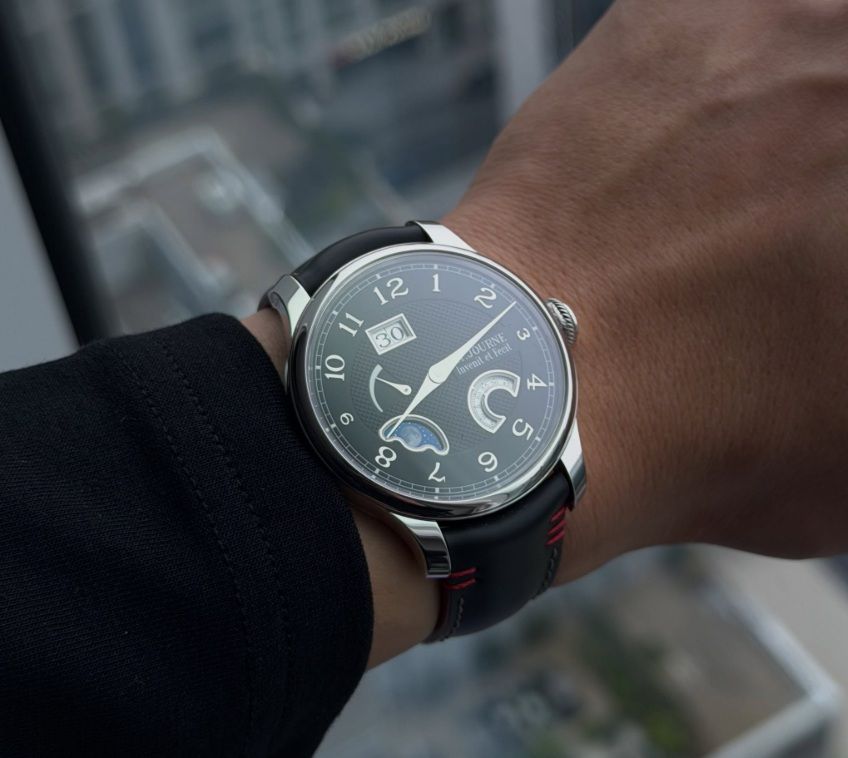
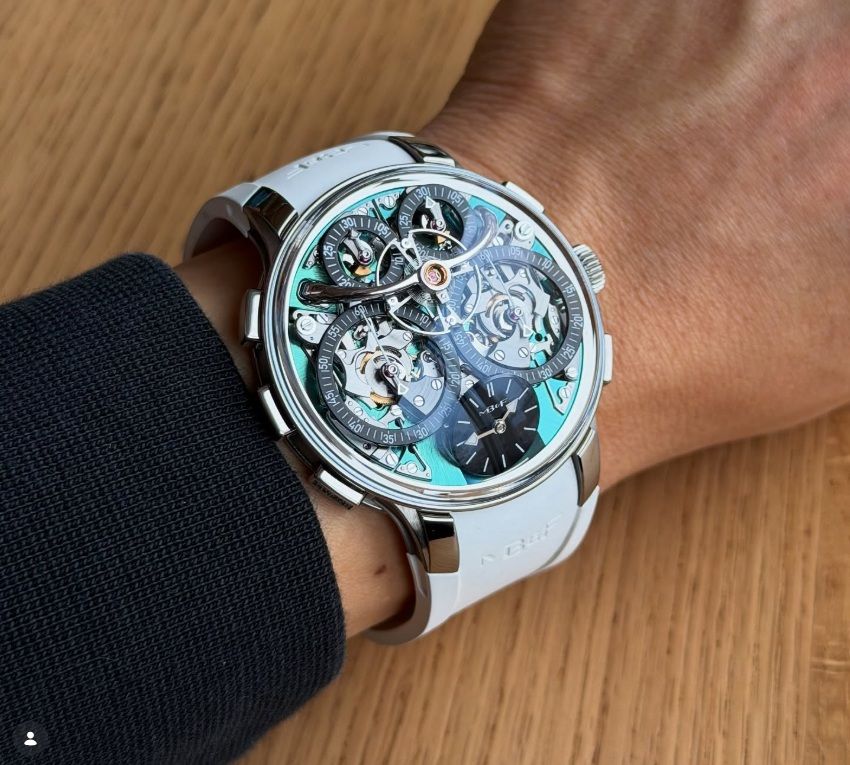
“My filter comes down to three things: the dial aesthetics first, the movement and finishing second, and maybe most importantly the story and staying power of the watchmaker,” comments Vasu. He's trying to figure out, often after just one dinner, whether someone is building a brand for the next thirty years or just looking for a quick exit. He pointed to Rexhepi as someone he believes will keep delivering, and to the young founders behind Atelier de Chronométrie as a case where youth didn't mean inexperience, he was skeptical until he actually held one of their pieces.
On Value, Risk, and the Myth of "Safe" Buying
This was probably the most useful part of the conversation for anyone newer to collecting. I pushed him on the idea that independents are riskier than mainstream brands when it comes to resale value. He flipped the framing entirely: most Patek Philippe and Vacheron Constantin pieces lose value the moment you buy them too, unless you're getting something off-catalog like a Nautilus or Aquanaut. Rolex holds value relatively well, but the absolute dollar amounts are small.
His argument is straightforward supply and demand. "Scarcity is not the constraint in this business. Scarcity is the product," he notes. When a brand makes 50 to 200 pieces a year instead of 30,000 to 70,000, that scarcity does the heavy lifting on value, regardless of brand recognition. He was clear that he's not chasing 5x returns. He just doesn't want his watches going to zero, and he feels safer on that front with independents than with most mainstream catalog pieces.
His Advice for Someone Starting Out
I asked him directly: if someone has limited capital and wants to get into independents, what should they do? His answer was practical, put a deposit down now, because wait times are long enough that you'll have time to save before payment is due. He was candid about his own mistakes, admitting he's bought plenty of "filler" watches over the years just to scratch an itch while waiting for the piece he actually wanted, often losing money in the process.
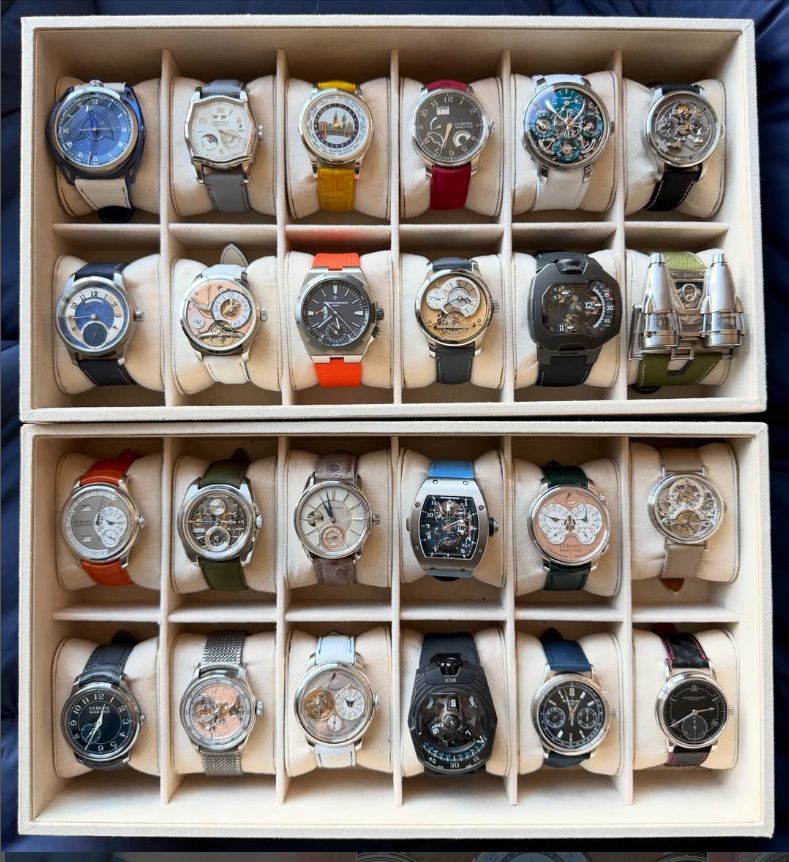
But he didn't frame that as purely a mistake. Early in the hobby, he thinks you need to make those purchases to actually wear different watches daily, on a plane, in a car, on vacation to learn what kind of collector you are. “The mistake, isn't buying the wrong watch early on. It's never getting out of that cycle,” advises Vasu.
Variety as the Point
Looking through his box that evening a Breguet, a Vacheron, a vintage Roger Dubuis from when it was still an independent brand, sitting next to ultra-modern pieces, it was clear his collection isn't built around one aesthetic. He told me variety is the whole point. Wearing a neo-vintage dress watch one day and an MB&F Thunderbolt the next keeps the hobby alive for him. He admitted most collectors get bored eventually with a single lane, even if they don't say it out loud.
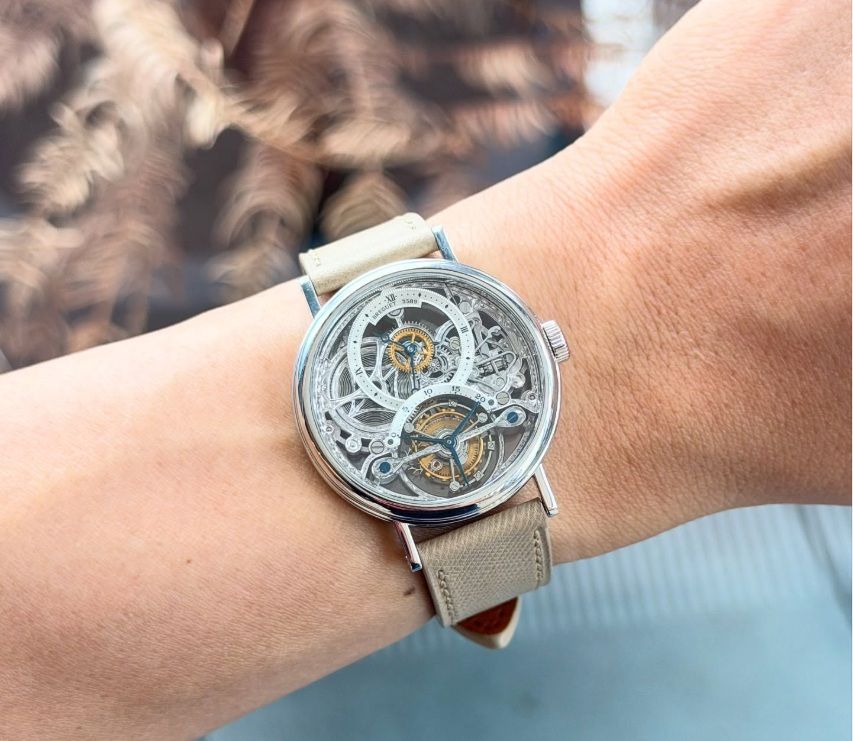
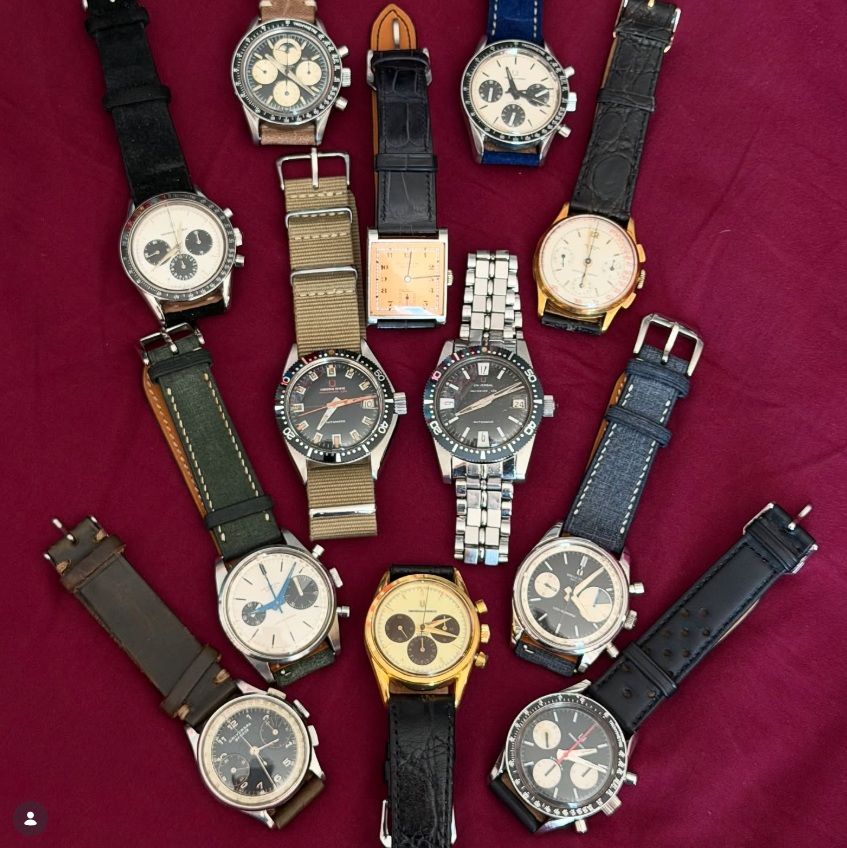
We ended on MB&F and Max Büsser, who Vasu credits as one of the founding figures of modern independent watchmaking- someone who isn't a watchmaker himself but who, in Vasu's words, has a genius for bringing people and ideas together. By the time we wrapped, it was time for dinner, and Game 7 was waiting. But what stayed with me wasn't any single watch he showed me. It was the consistency of his philosophy: "Buy what moves you, understand the story behind the maker, and don't let fear of resale value keep you out of a hobby built, at its core, on scarcity and craft,” concludes Vasu.
Check out Part 1 of the Youtube conversation here.
No articles found