Omega And The Art Of Legendary Storytelling
 7 min read

Human beings are the only species with the ability to use language - not just as a medium to communicate, but also to tell stories. And who doesn’t love stories, for they mentally transport us to another time and place. And isn’t that what we all need now?
For most, the words ‘Once upon a time’ will exist as the earliest memories.
There’s actual science behind why stories excite us neurologically and emotionally, and how our bodies react to indicate our engagement.
While a story is the actual meat, it’s the narrative - or how you tell the story, that makes it matter. While the basic story is that there is a God, it’s the narrative of religion that creates belief in that story. Even atheism, a disbelief in God’s existence, is a narrative of this story. That shows you how important a story and its narrative is.
In other words, a strong narrative is imperative to legitimize a great idea and a good product. After all, an idea or a product, no matter how great, falls short if you fail to rally others to make it come alive and be relevant. Also, the repeating of stories via strong narratives even makes them fact synonyms.
Having established the impetus of a story and the impact of its narrative, let’s now apply the learnt to how Omega - via the power of narrative, sells stories of real achievement and sustainable impact as tangible products.
A Brand With The Greatest Stories To Tell
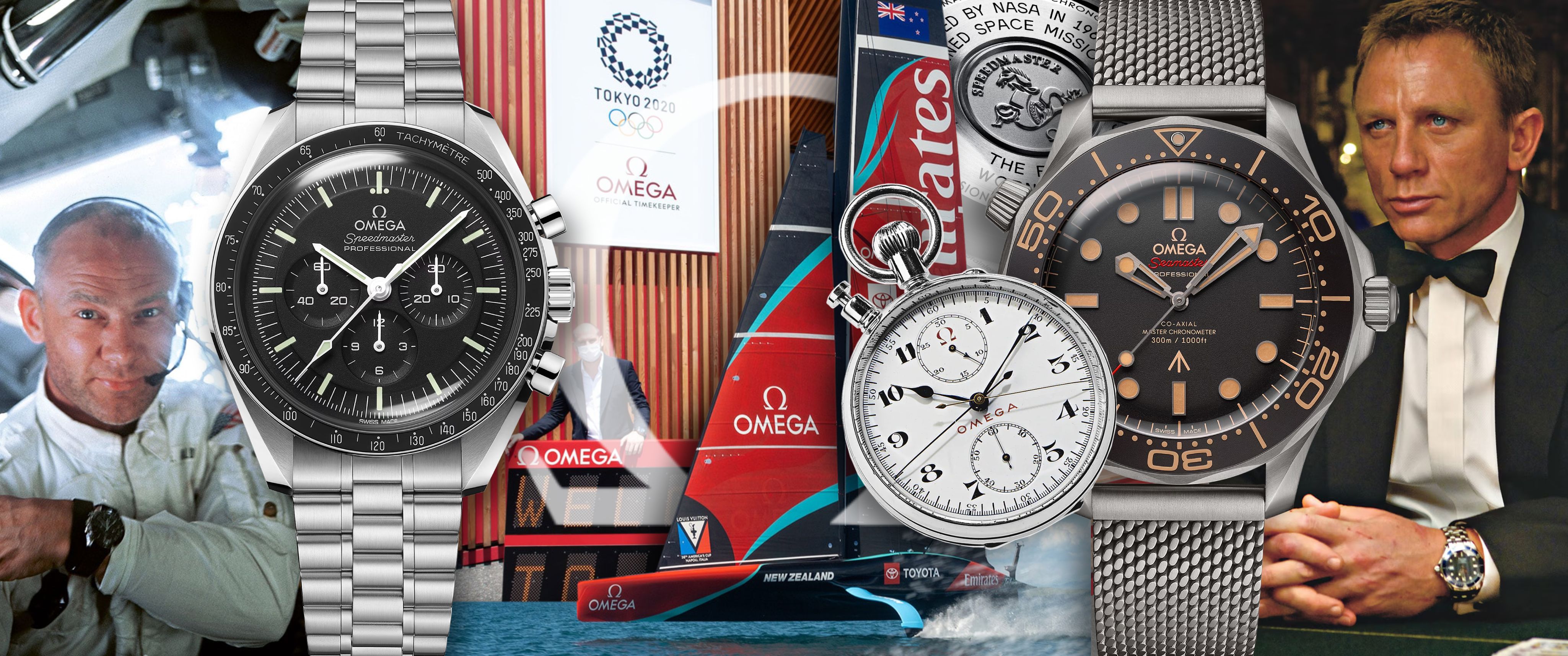
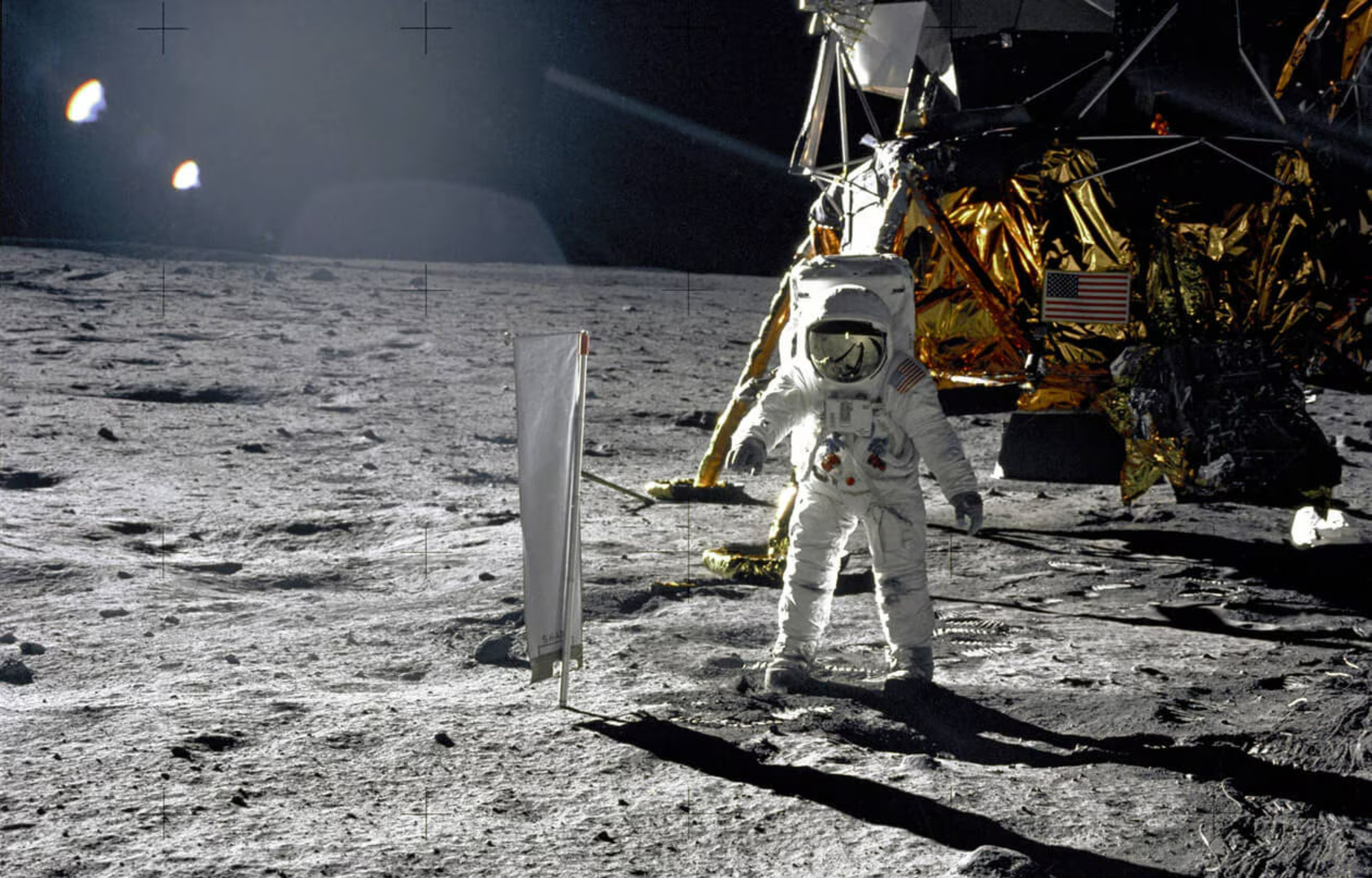
To understand Omega only as a watchmaker is to miss a key central thesis. It isn’t simply a manufacturer of timekeeping instruments, it is one of the very few luxury brands whose products have repeatedly crossed over from commerce and utility into culture. The company’s enduring significance lies not only in its products, but in their narratives - stories forged in laboratories, Olympic stadiums, deep oceans, war rooms, Hollywood, and, perhaps most importantly, on the lunar surface itself.
Brands frequently attempt to create stories around products. Omega occupies the rarer position of having stories happen to its products.
This distinction matters. When heritage is often reverse-engineered via marketing, Omega’s legacy feels unusually resistant to fabrication because its most celebrated associations emerged from moments of genuine historical consequence. The Speedmaster was not designed to become “the Moonwatch.” The Seamaster was not originally conceived as the uniform of Britain’s most famous fictional spy. The brand’s Olympic connection was not born from lifestyle sponsorship culture. These relationships evolved organically, often unpredictably, and over decades. That accumulated authenticity is what gives Omega a narrative depth few competitors can replicate.
The modern luxury consumer is, increasingly, not purchasing objects alone - he or she is purchasing participation in a story. Omega understood this long before storytelling became an overused corporate buzzword. More importantly, Omega understood that the best stories cannot be invented overnight. They must be earned through repeated proximity to moments that matter.
Speedmaster Supremacy
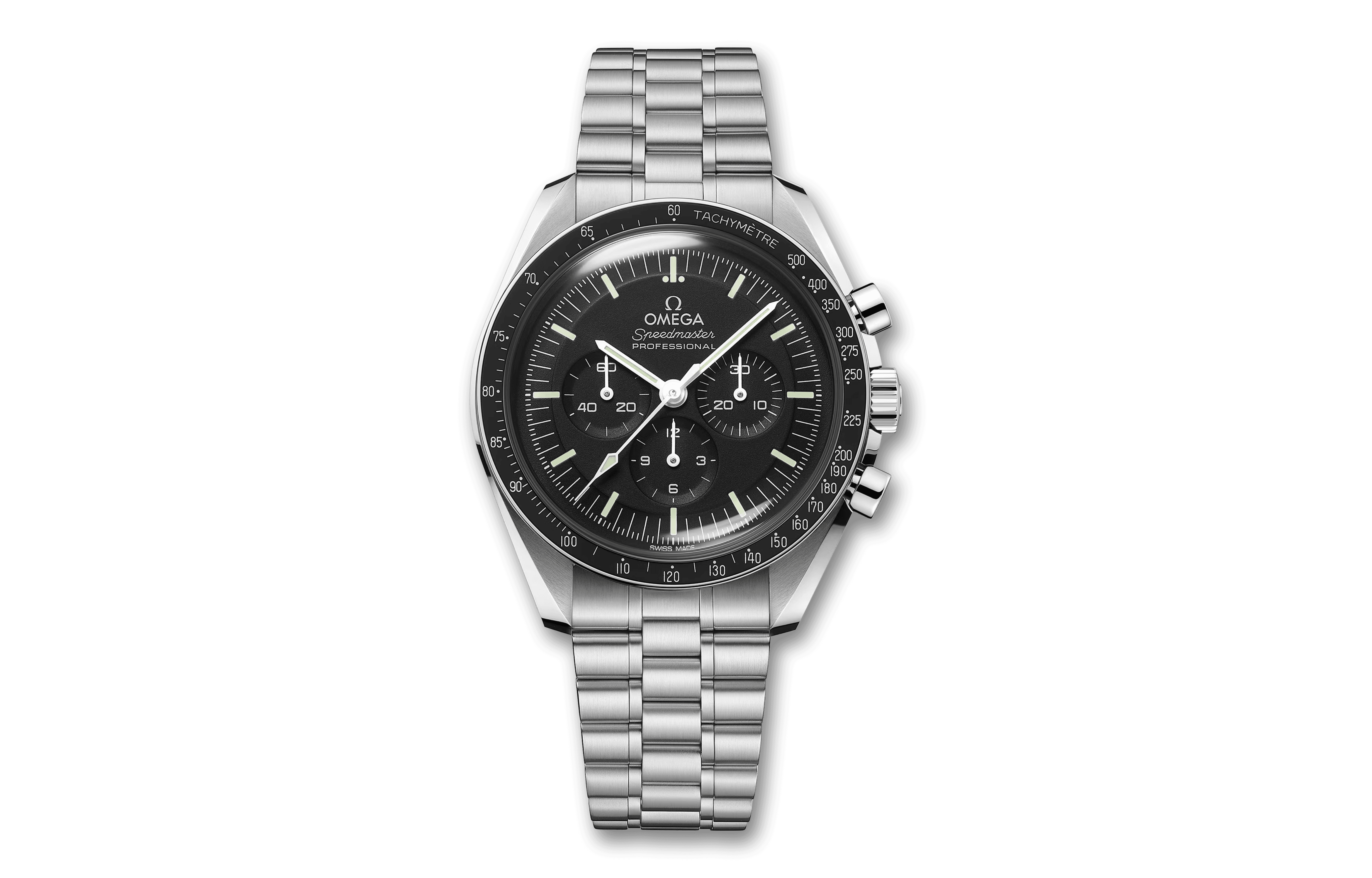
The clearest example of Omega’s strengths in stories, naturally, is the Speedmaster Professional Moonwatch. Much has already been written about the Speedmaster’s role during the Apollo missions, yet the watch’s cultural gravity continues to deepen rather than diminish with time. That is because the Moonwatch represents something larger than horology. It stands as a symbol of human competence under pressure.
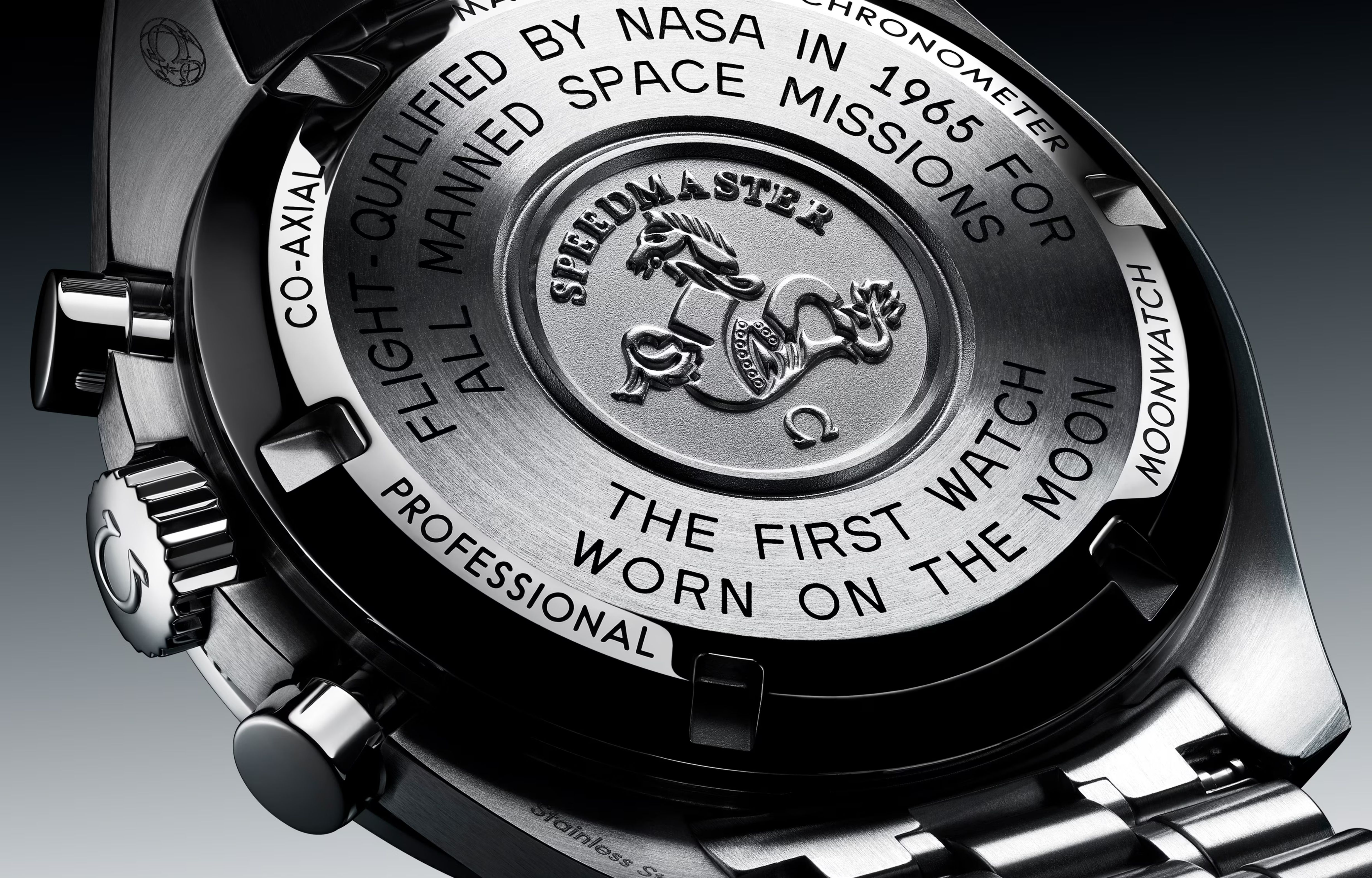
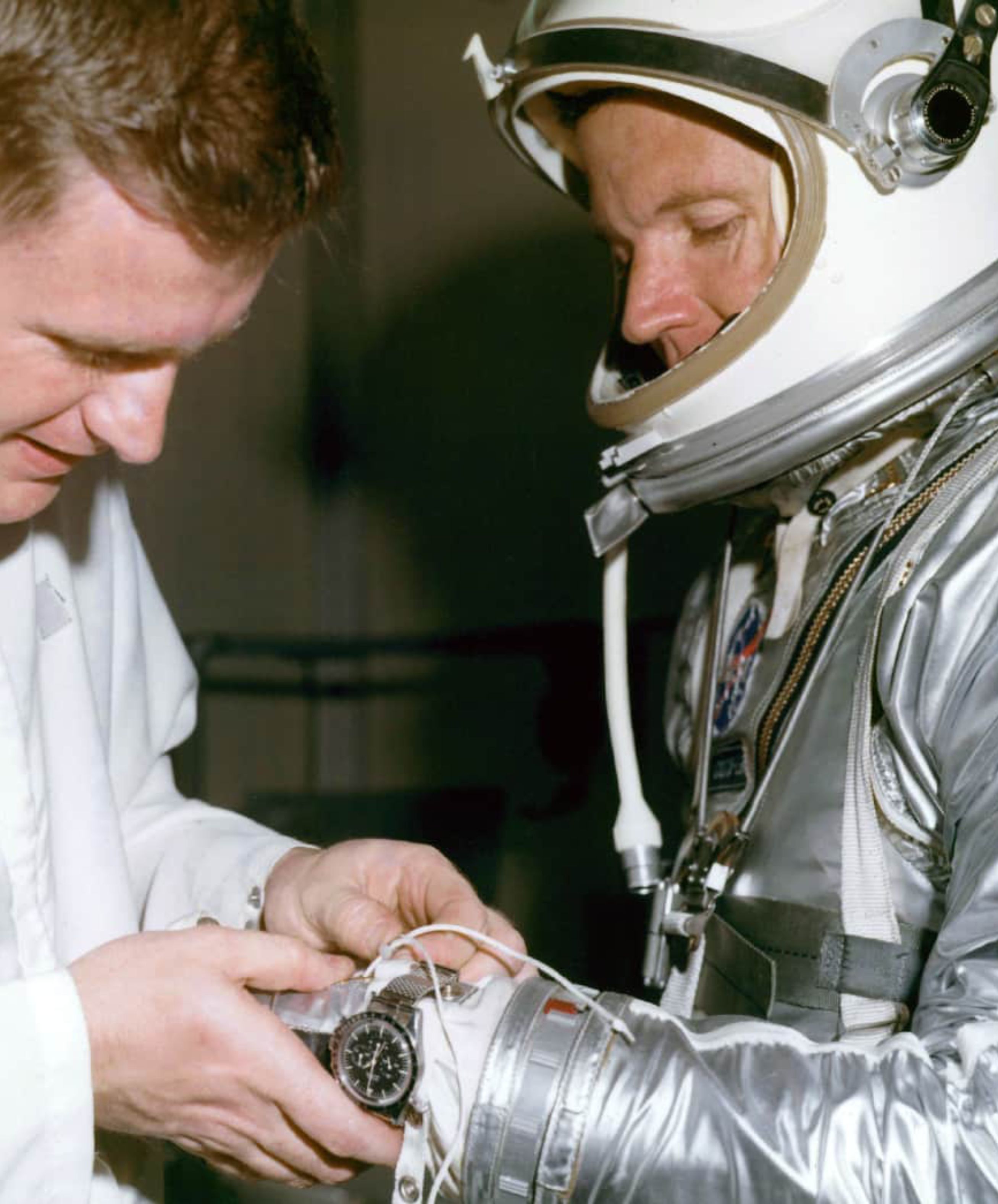
When NASA tested chronographs in the 1960s for manned spaceflight qualification, the Speedmaster survived conditions that destroyed competing watches: violent shocks, extreme temperatures, decompression, humidity, acceleration, and vibration. Omega did not “partner” with NASA in the contemporary luxury-marketing sense. NASA engineers simply found that the Speedmaster worked. In the brutally practical environment of aerospace engineering, romance means nothing. Reliability means everything.
That utilitarian origin story gives the Moonwatch its emotional credibility. Collectors admire the twisted lugs, the black stepped dial, the tachymeter bezel, and the asymmetrical case - but what truly elevates the watch is the knowledge that it once accompanied astronauts into environments where a mechanical failure could carry existential consequences. Few luxury products can claim to have been selected not by influencers or celebrities, but by engineers whose professional instinct was to distrust everything until proven otherwise.
And then there is the small matter of the Moon.
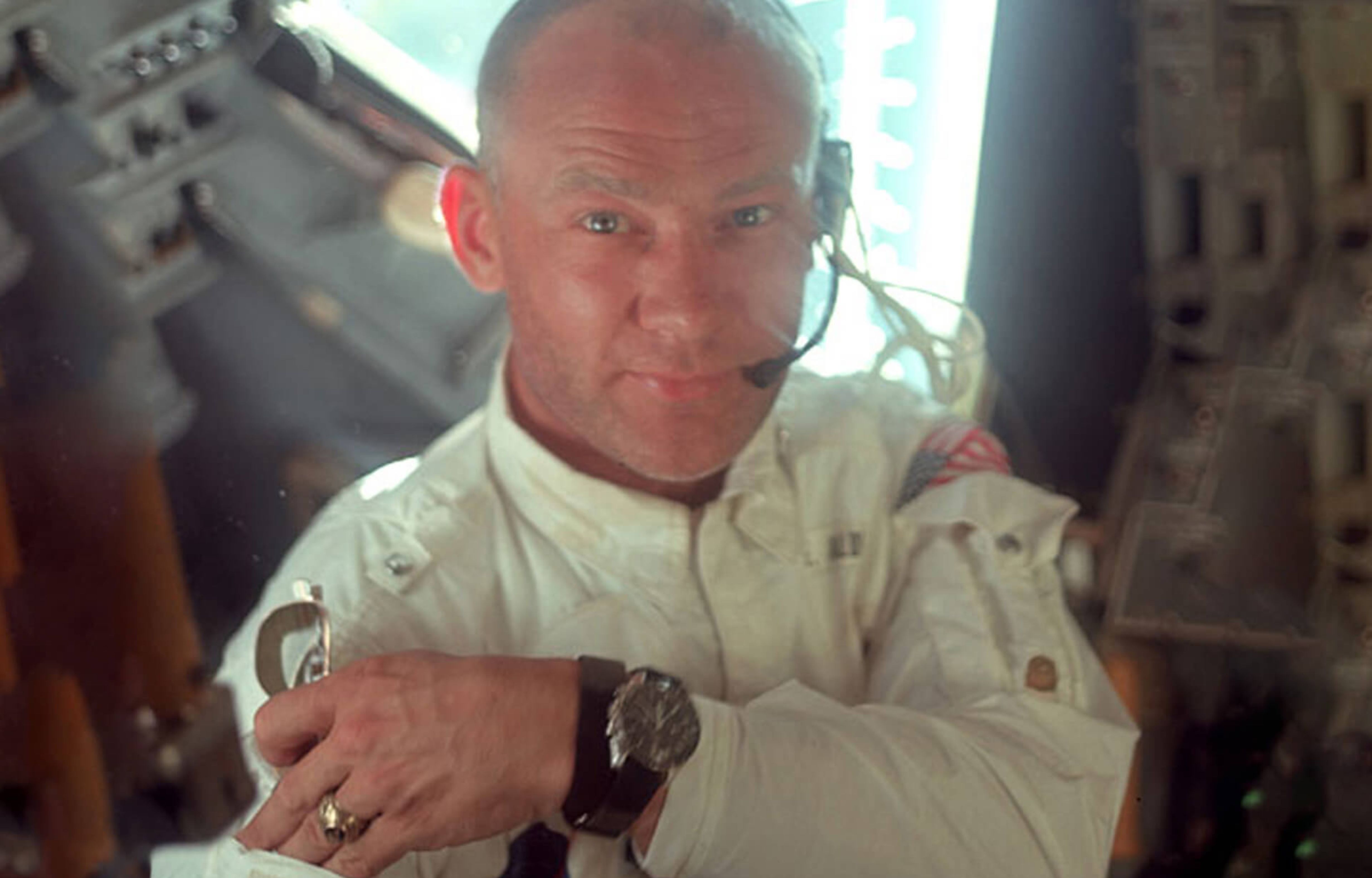
The phrase “Moonwatch” has become so normalized within enthusiast culture that it is easy to forget how astonishing the achievement remains. Human beings left Earth, landed on another celestial body, and strapped to their wrists was an Omega chronograph powered not by software, batteries, or satellite synchronization, but by springs, gears, and levers assembled in Switzerland. In contemporary terms, it almost sounds absurd.
The Speedmaster’s mythology deepened further during the Apollo 13 mission crisis. Astronaut Jack Swigert used the chronograph function to manually time a critical engine burn that helped return the crippled spacecraft safely to Earth. In watch journalism, there is a tendency to overstate significance. Here, understatement is more appropriate. A mechanical wristwatch became part of a real-world survival story in space. Hollywood could scarcely improve upon it.
Yet Omega’s storytelling prowess extends well beyond NASA.
Secret Agent Strategy
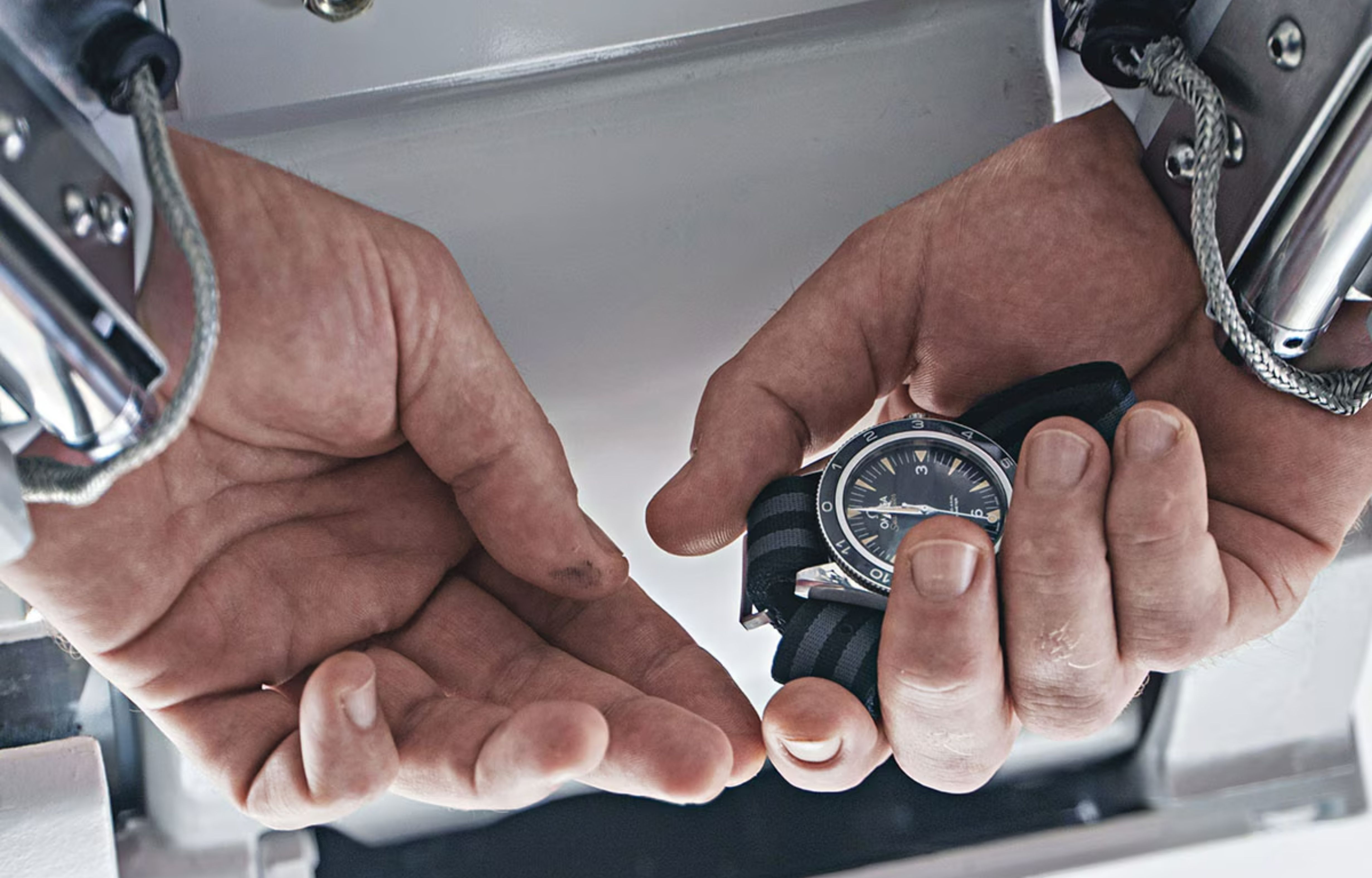
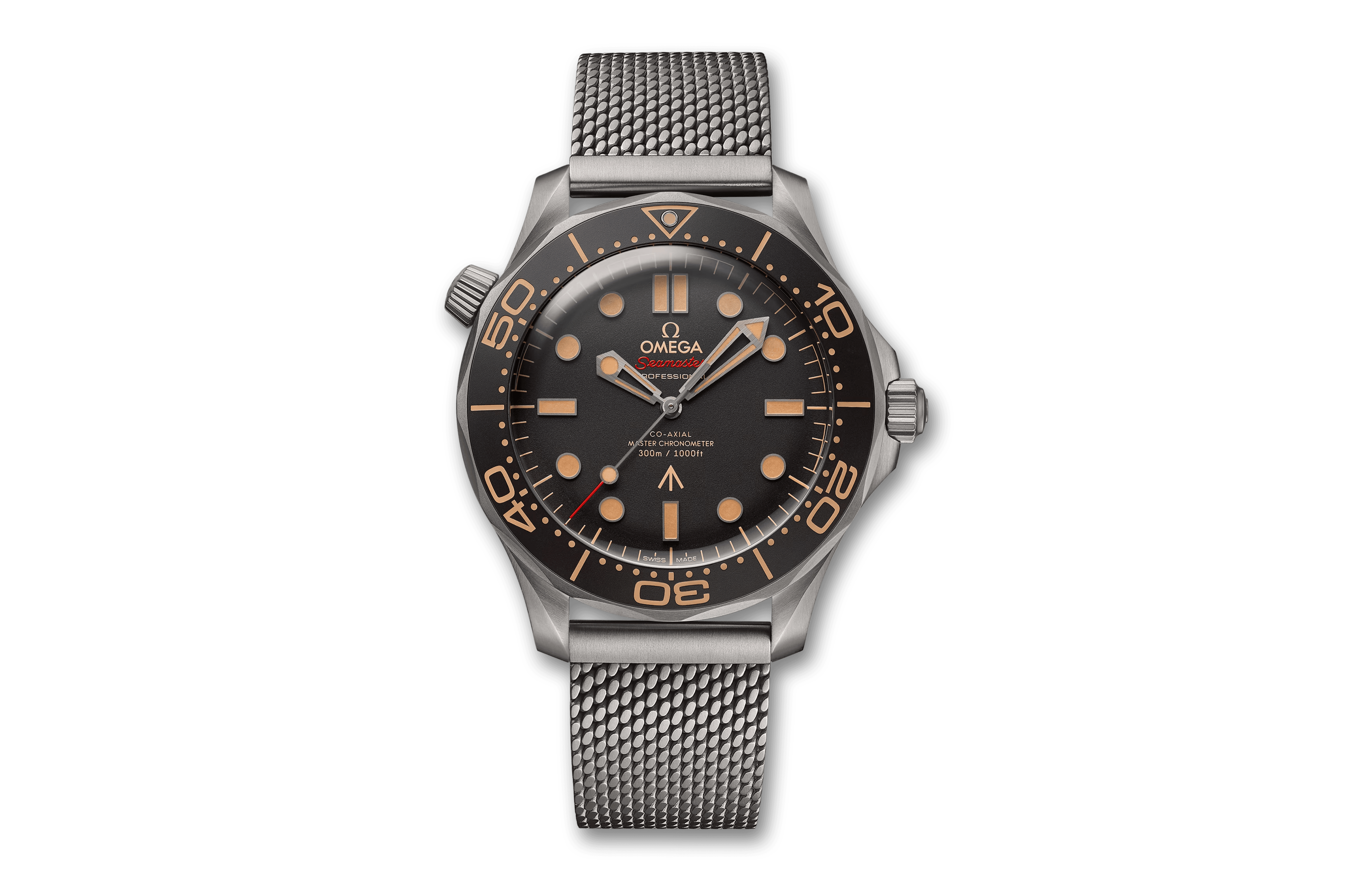
The Omega Seamaster occupies an entirely different cultural register. If the Speedmaster represents engineering heroism, the Seamaster embodies cinematic charisma. Its association with James Bond transformed the watch from a respected professional diver into one of the most recognizable luxury sports watches in the world.
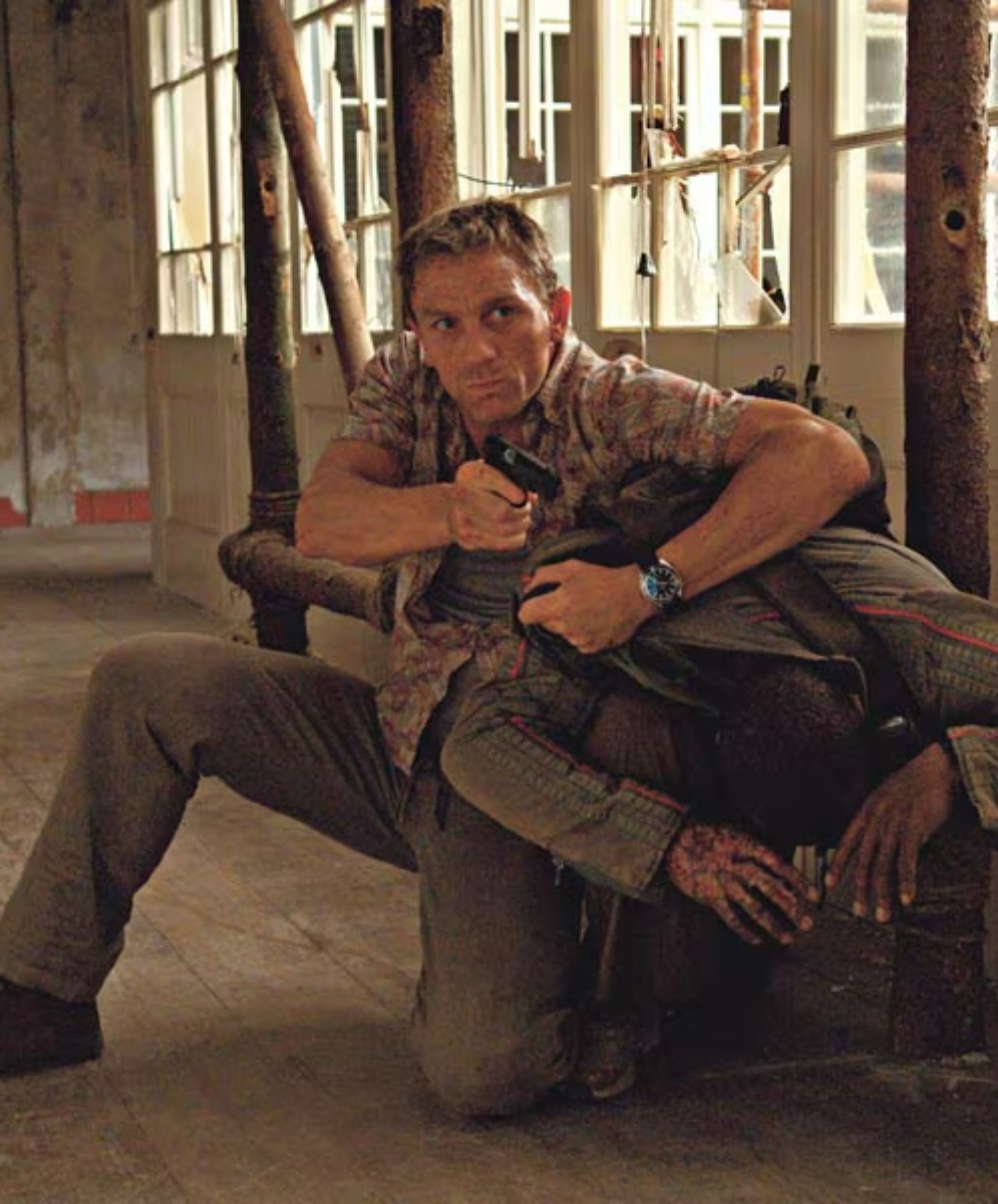
What makes the Bond partnership particularly fascinating is how naturally it fit the evolving character. Earlier Bond films favored Rolex and occasionally other brands, but when Pierce Brosnan debuted the Seamaster Professional 300M in GoldenEye (1995), the choice felt unexpectedly coherent. This product placement blockbuster was orchestrated by none other than Jean-Claude Biver. Bond was no longer merely a blunt Cold War instrument - he had become a more refined and technologically literate operator. The Seamaster - elegant yet militaristic, polished yet functional, mirrored that transition perfectly.
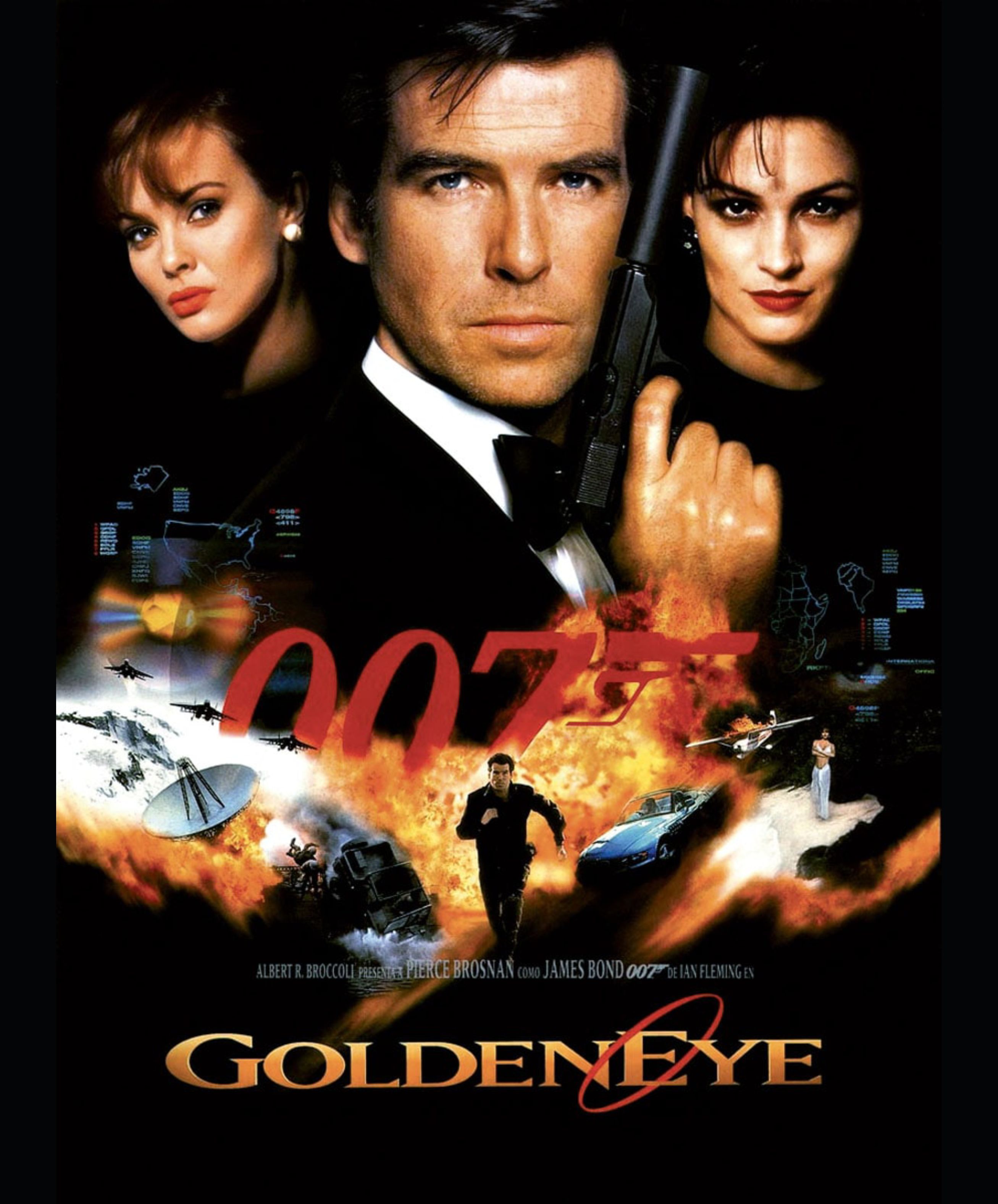
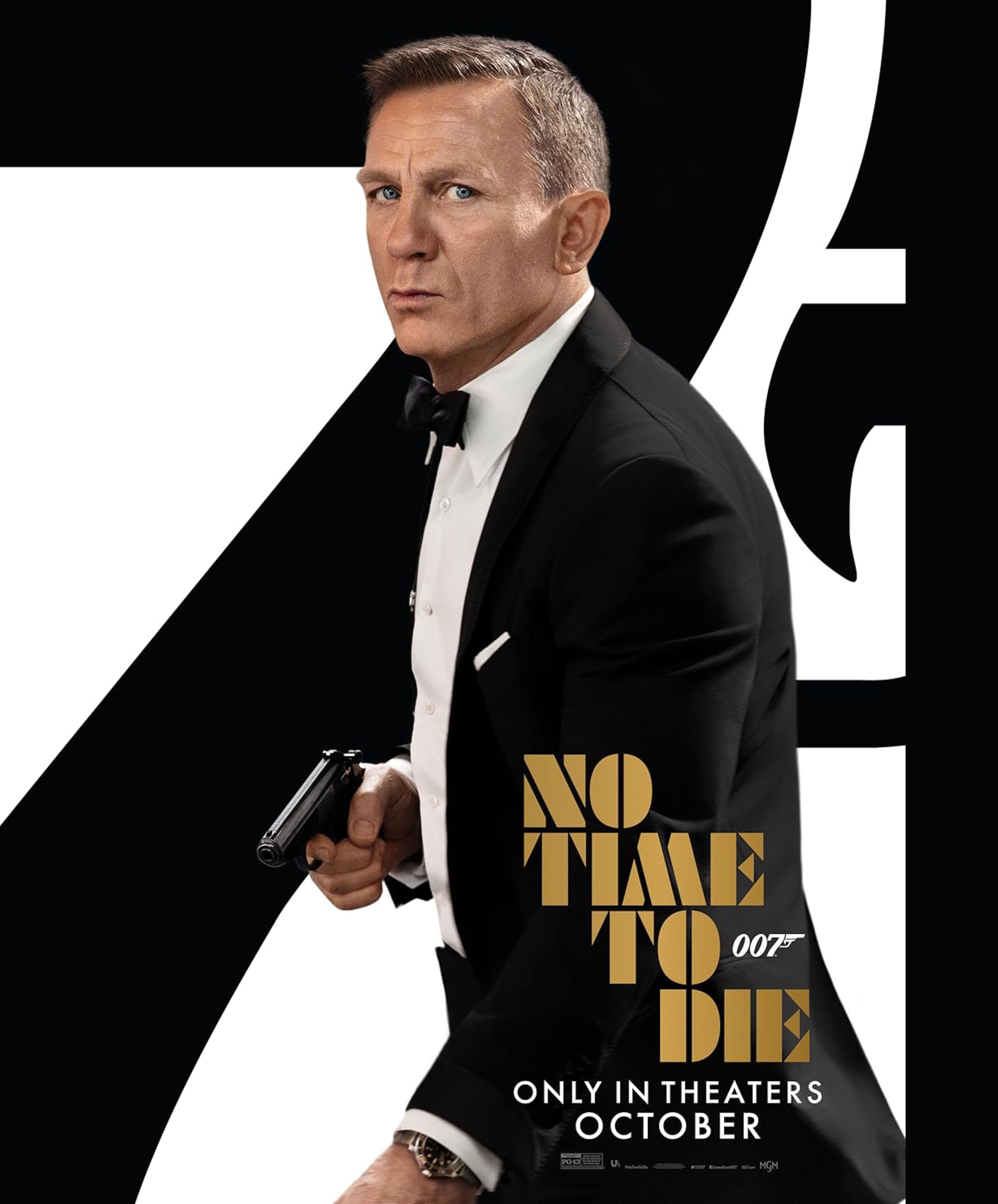
Importantly, Omega resisted the temptation to make the watch excessively theatrical. While Bond films featured explosive pens, invisible cars, and satellite weapons, the Seamaster itself remained recognizably wearable. Even the gadget-laden cinematic versions retained enough realism that enthusiasts could imagine the watch outside the movie universe. This balance between fantasy and practicality helped sustain the partnership across multiple Bond eras, from Brosnan to Daniel Craig.
Craig’s tenure, in particular, elevated the Seamaster’s credibility among collectors. His portrayal of Bond emphasized physicality, grit, and operational realism. Accordingly, Omega introduced more restrained, military-inflected Seamasters with tropical tones, mesh bracelets, titanium cases, and vintage-inspired details. The watches no longer felt like movie merchandise. They felt like actual field equipment for a dangerously well-dressed intelligence officer.
And this is where Omega excels: it understands that storytelling works best when the product remains believable.
Omega And High‑Stakes Sports
The same principle underpins the brand’s longstanding role as Official Timekeeper of the Olympic Games. In 1932, Omega became the first watchmaker to time an entire Olympic Games. At these events, Omega has introduced numerous technological breakthroughs and improved sports timekeeping from 1/10th of a second in 1932 to 1/1000th of a second today.
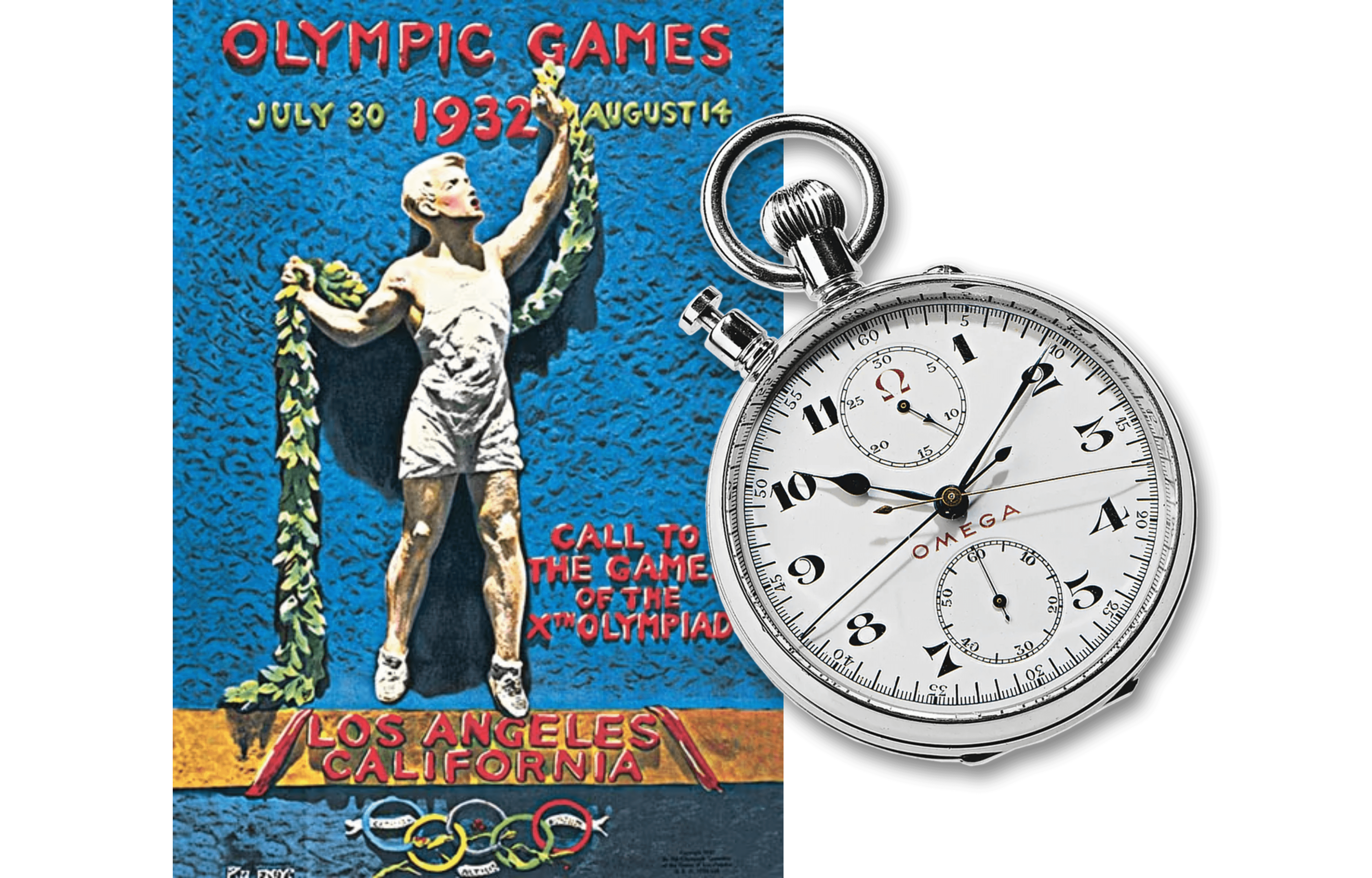
On paper, sports timing sounds technical and perhaps even dry. In practice, it has become one of Omega’s most powerful narrative platforms. Omega’s innovations in sports timing have repeatedly altered how athletic performance is measured and perceived.
There is also something deeply poetic about a watchmaker serving as the custodian of sporting time. Omega recognized this philosophical symmetry early on. The Olympics were not merely sponsorship inventory. They were narrative territory.

A Deliberate Narrative Strategy
Omega’s stories span wildly different emotional landscapes. The brand can credibly inhabit the worlds of astronauts, spies, divers, Olympic sprinters, Arctic explorers, and diplomats without appearing incoherent. Most luxury brands struggle to sustain even one authentic narrative identity. Omega sustains several simultaneously.
And this breadth has strategic importance!
Omega communicates participation. Wearing an Omega is an act referencing a shared cultural memory. The watches become conversational anchors rather than static luxury objects. Much like Apple’s “1000 songs in your pocket” iPod messaging, Omega transforms technical specifications into emotional benefits that customers connect with. That emotional accessibility partly explains why Omega occupies such a unique position within watch culture. This deliberate narrative strategy enables Omega to maintain market leadership despite intense competition from products with similar or even superior technical specifications.
Luxury watchmaking has always involved a degree of romantic irrationality. Nobody truly needs a mechanical watch in the smartphone era. What people seek instead is emotional resonance - an object capable of connecting daily life to larger human stories. Omega succeeds because it consistently provides that connection without feeling contrived.


