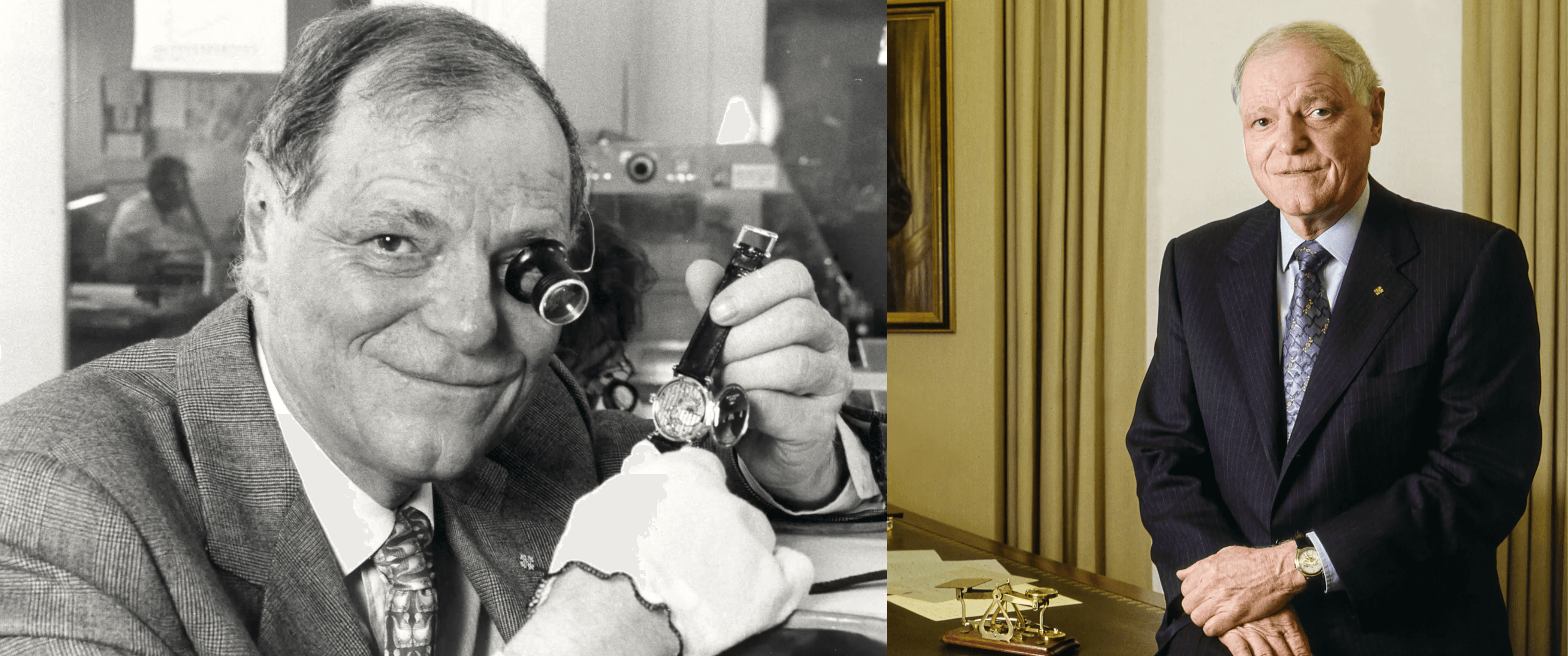
Philippe Stern (1938–2026): The Man Who Saved Patek Philippe and Changed Watchmaking Forever
 5 min read

The watch world lost one of its last true guardians on 14 June 2026. Philippe Stern - Honorary President of Patek Philippe, one of the most influential figures in the history of Swiss watchmaking, and the man who steered the world's most prestigious independent manufacture through its most turbulent decades, passed away at the age of 88. His death marks the end of an era. His legacy, however, is built to outlast all of us. In an industry where the word "legacy" is used far too casually, there are rare occasions when it is the only word that fits. This is one of them.
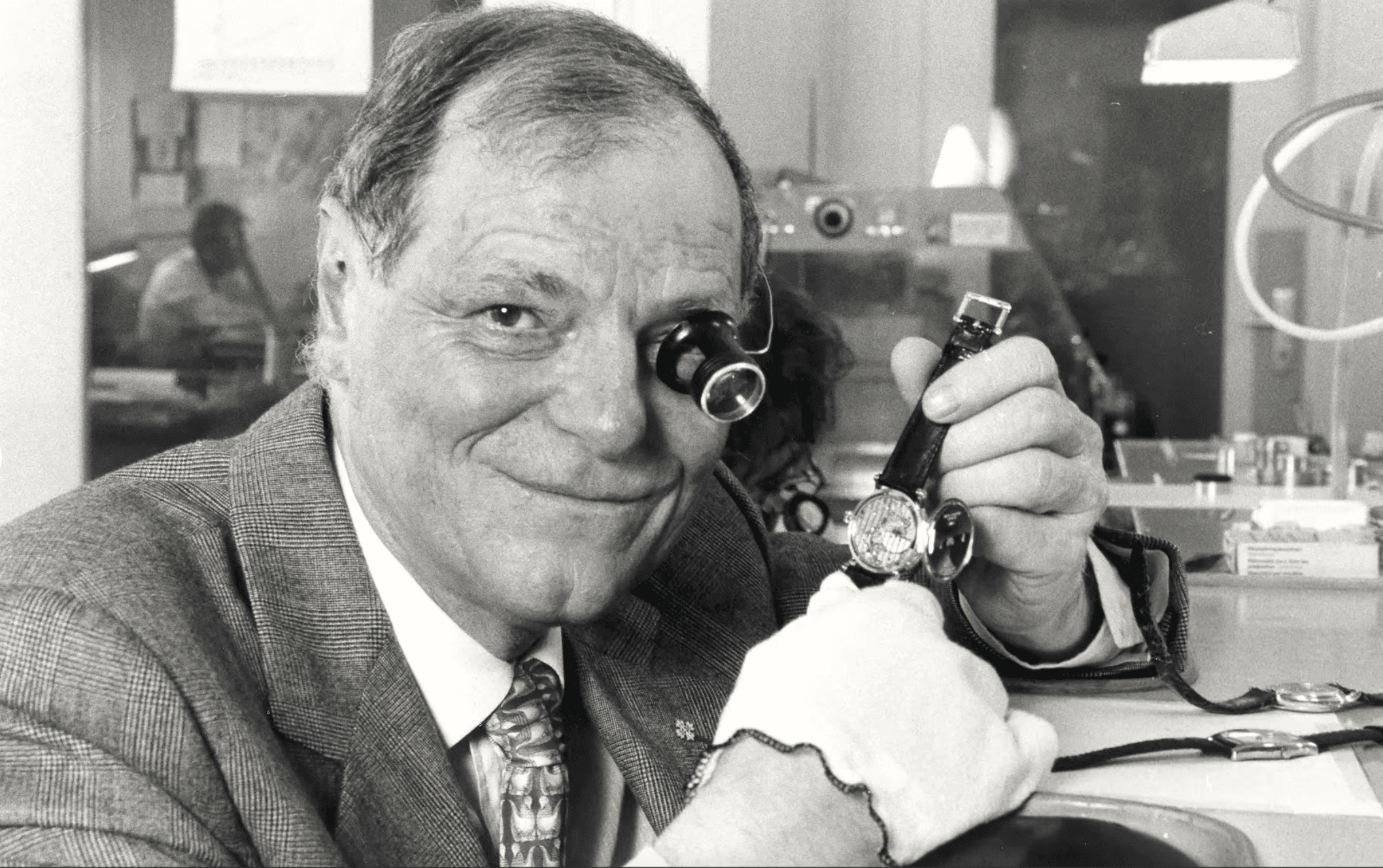
A Family Born Into Watchmaking
Philippe Stern did not arrive at Patek Philippe by accident. He was born into it. His grandfather Charles Stern and great-uncle Jean Stern, owners of the dial-making company Cadrans Stern Frères had acquired Patek Philippe in 1932, during the Great Depression, after having been suppliers to the manufacture for years. That acquisition, driven as much by belief as by business, set in motion a philosophy that Philippe Stern would spend his entire life defending: that Patek Philippe must remain independent, family-owned, and answerable to no one but its own standards.
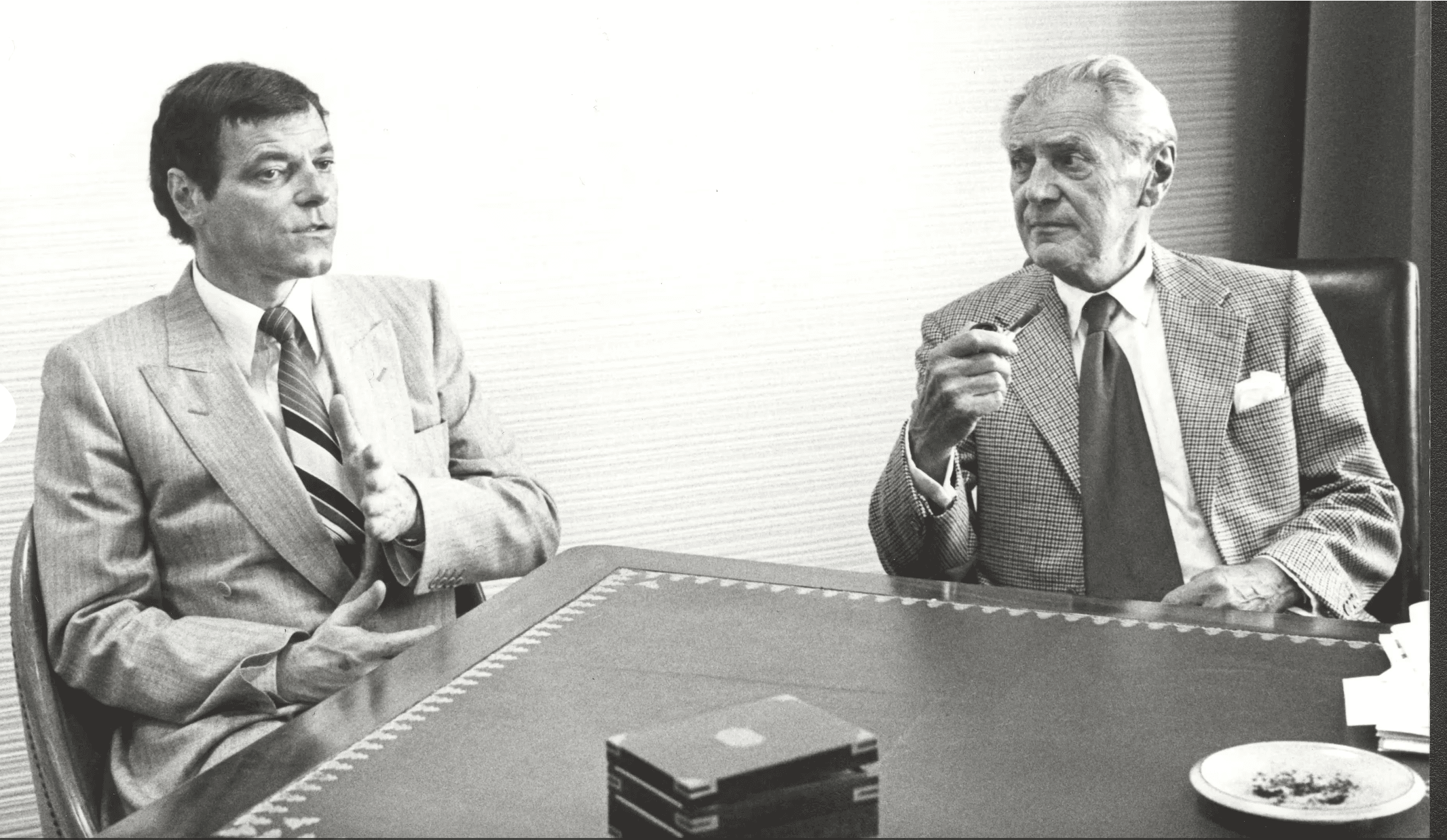
Philippe joined the Henri Stern Watch Agency in New York in 1963, learning the business from the ground up in one of the world's most demanding markets, before returning to Geneva in 1966 to continue his work within the manufacture. He did not inherit the top job quickly. He earned it, department by department, market by market, across nearly three decades before becoming President in 1993.
The Decisions That Defined an Industry
What came next was, by any measure, extraordinary. Philippe Stern became General Director in 1977. at the height of the quartz crisis, the moment that destroyed or permanently diminished almost every great Swiss watchmaking name. The industry was fractured and largely convinced that the mechanical watch was finished. Philippe Stern was not. While competitors sold their independence to survive, he did the opposite. He doubled down on mechanical watchmaking, invested in the tools to produce it, and refused to fold Patek Philippe into a larger group. That commitment to independence first set in motion by Charles and Jean Stern in 1932 - remains at the heart of Patek Philippe's strategy to this day. Philippe Stern is the reason it survived intact.
The fruits of that conviction are not abstract. They are on wrists all over the world.
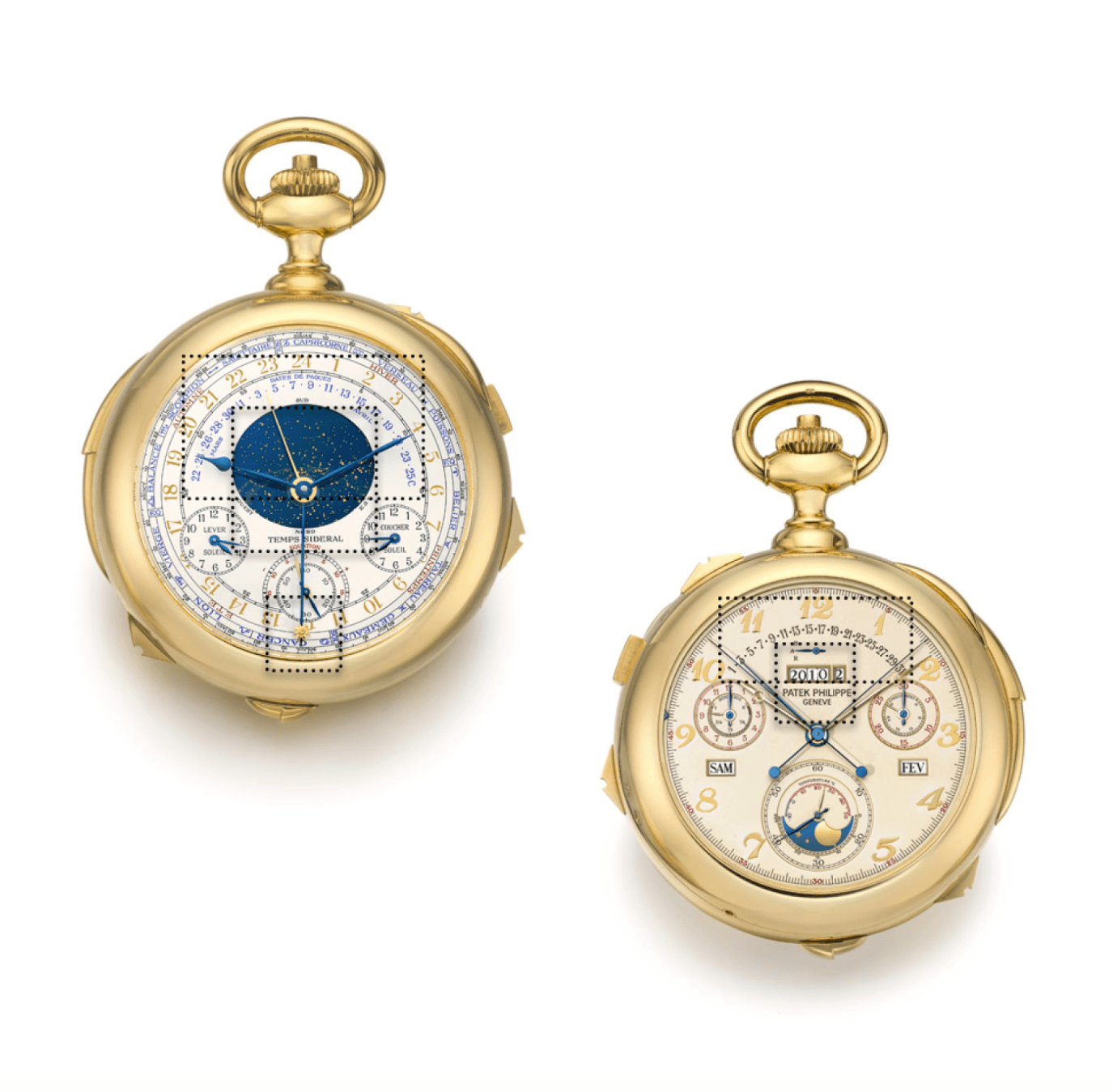
His vision played a pivotal role in the launch of the Nautilus in 1976 - Patek's bold answer to the growing market for luxury steel sports watches, and now one of the most culturally significant timepieces ever created. Then came the Calibre 89, the world's most complicated portable mechanical watch at the time, the result of nine years of research and development, featuring 33 complications and unveiled for the brand's 150th anniversary. Not a marketing exercise. A statement of intent.
Building for Permanence
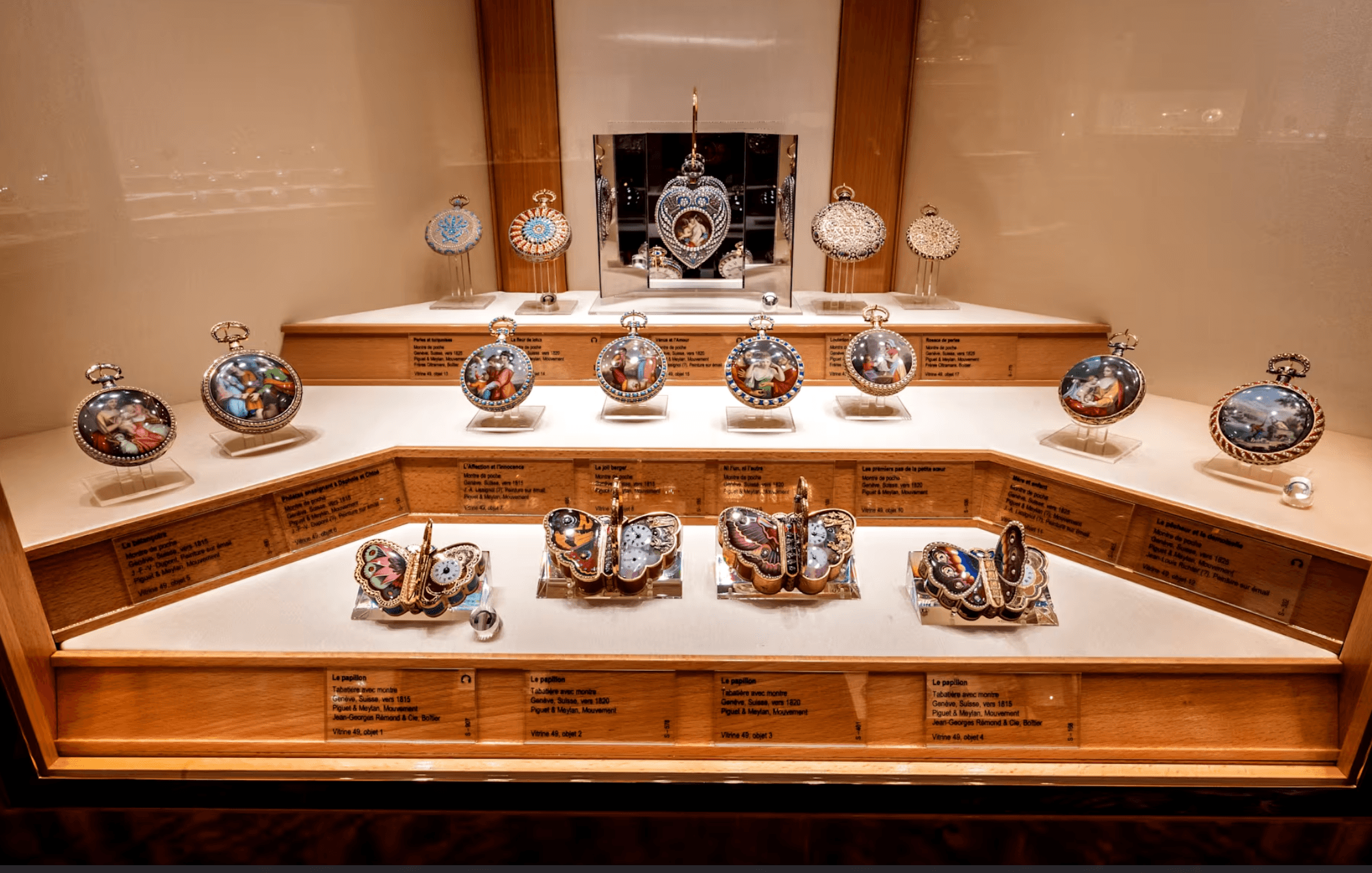
Every significant decision Philippe Stern made pointed in the same direction: toward permanence. He centralised all of Patek Philippe's production operations which had been split across different locations into a single, purpose-built manufacture inaugurated in 1996. He spent forty years privately collecting timepieces and in 2001 opened the Patek Philippe Museum in Geneva, giving the world's horological heritage a permanent, public home. In 2005 he launched the Advanced Research programme, which brought silicon to Patek's production proving that a nearly 170-year-old manufacture could still pioneer materials science at the frontier of the craft. And in 2009, before passing the presidency to his son Thierry, he presided over the creation of the Patek Philippe Seal - the manufacture's own exacting standard of quality, widely regarded as among the most rigorous certifications in all of watchmaking. That is a body of work that very few individuals in any industry, let alone watchmaking can claim across a single lifetime.
A Legacy Written in Four Generations
What strikes me most, looking back, is not any single achievement. It is the consistency of the instinct behind all of them. Philippe Stern understood something that most business leaders never grasp: that the decisions that matter most are the ones made when the pressure is highest and the easy answer is right in front of you.
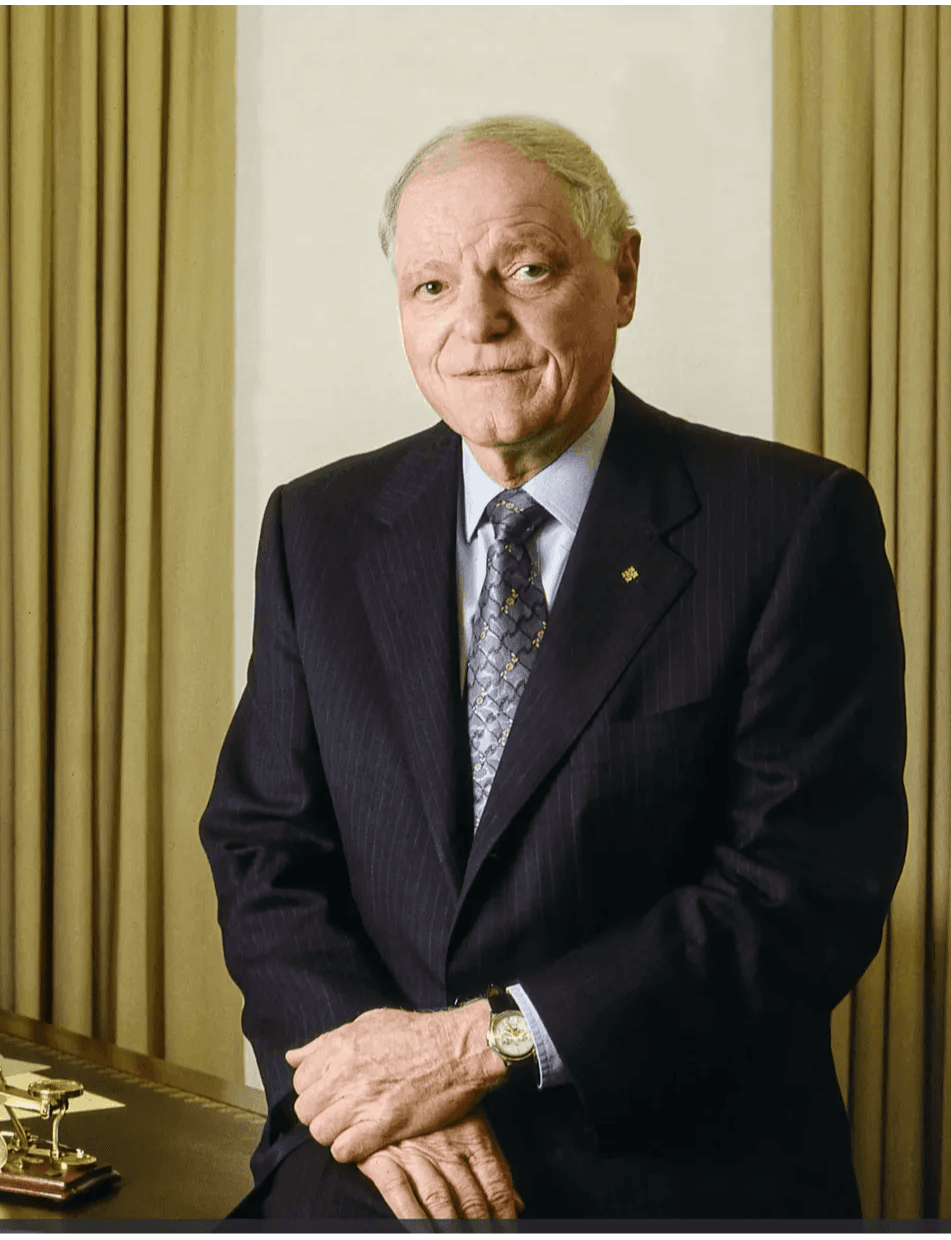
He had every reason to sell. To merge. To modernise in the way the market was demanding. He chose none of those paths. He chose the harder one and the watch world is immeasurably richer for it. As Patek Philippe itself notes of the Stern family's succession: successors must share not only blood but values, visions, and understanding. Philippe Stern did not just pass those things on to his son Thierry, he demonstrated them, in action, across five decades. That is the greatest inheritance a leader can leave. Away from the manufacture, he was a father, a husband, an accomplished skier, a great sailor, and a lover of Lake Geneva. A full life, lived with the same passion and precision he brought to everything else.
The Hands Keep Turning
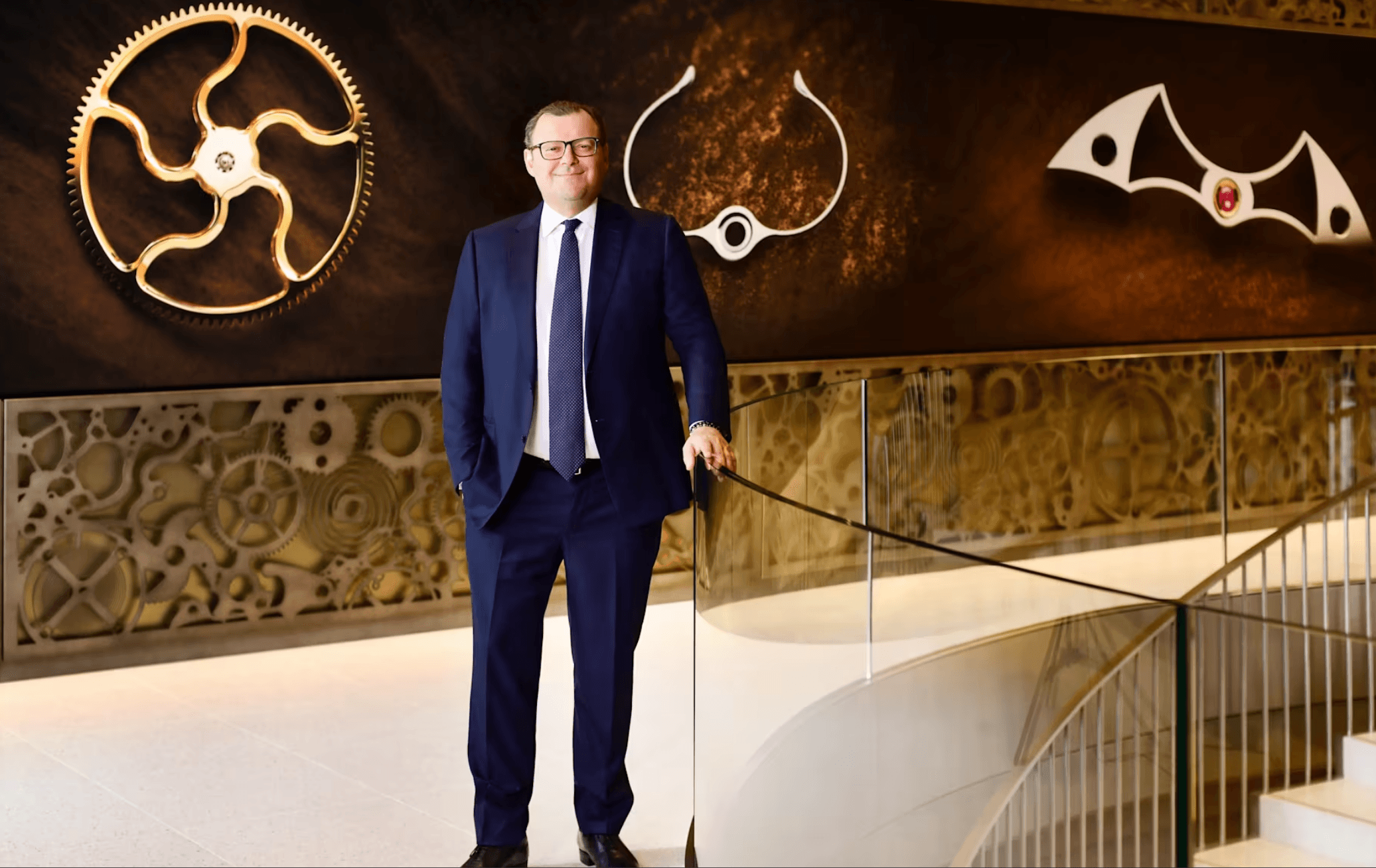
Thierry Stern, the fourth generation of the family, carries these convictions forward today. The manufacture Philippe built - centralised, independent, sealed by its own standard of excellence, is in good hands. But there will not be another Philippe Stern. The men who shape institutions across half a century, who make the right call when everyone else is making the easy one, do not come along often. Rest peacefully, Mr. Stern.


