Audemars Piguet Unveils The Neo Frame Collection With A Bold New Jumping Hour
 4 min read

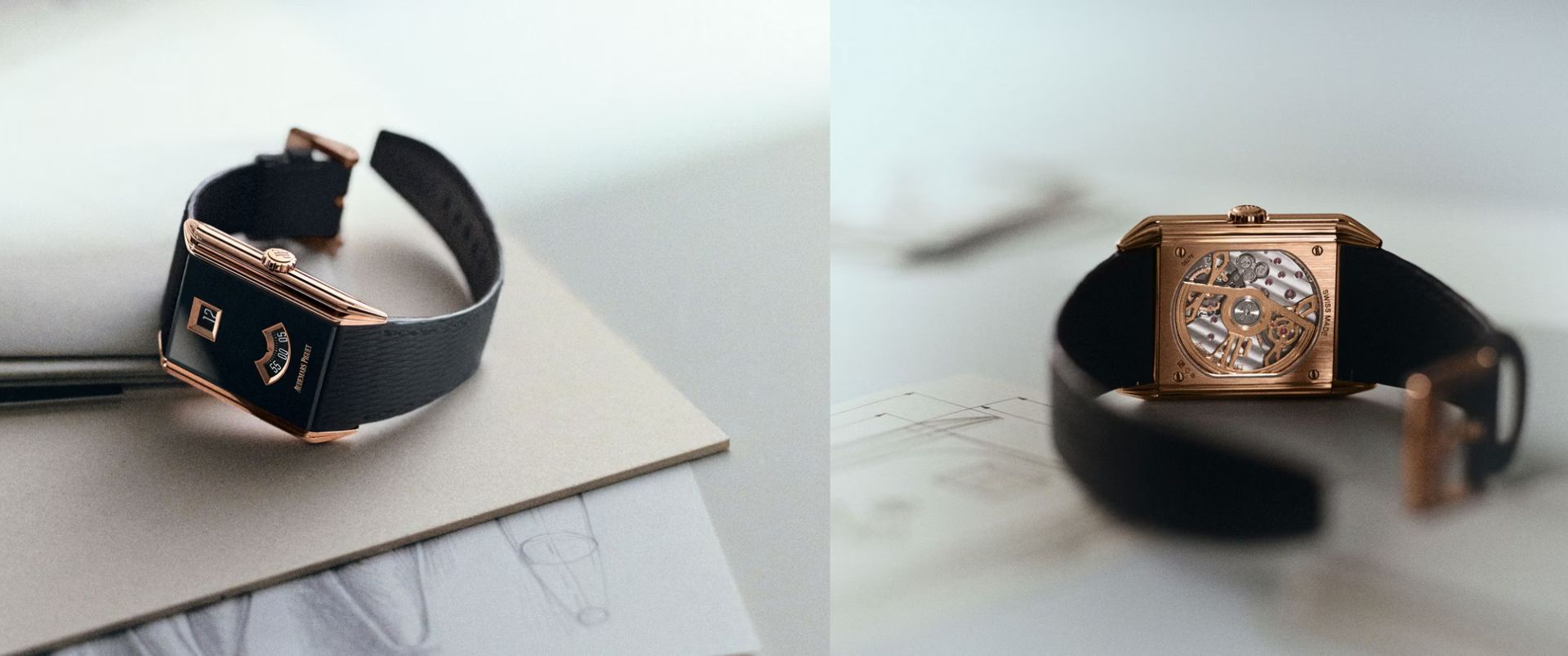
Audemars Piguet turns 150 in style! With a new case architecture and an entirely new movement, the maison is introducing a distinctly fresh aesthetic direction for 2026. Yet, as with many of the brand’s most compelling creations, the future is being shaped by revisiting its past. In one of its most unexpected launches in recent years arguably rivalled only by the maison’s recently revealed pocket watch Audemars Piguet has introduced a compact, highly complicated wristwatch that stands completely apart from its current catalogue. The timepiece inaugurates an entirely new collection named Neo Frame, centred on aperture-based time displays and shaped cases inspired by the brand’s early 20th-century design language, particularly its Streamline Modern creations from 1929 and 1930.
While the Neo Frame Jumping Hour shares philosophical ties with the brand’s [RE]Master series, it is not part of that line. The [RE]Master collection will reportedly continue alongside this new family, which instead draws inspiration from Audemars Piguet’s 1920s pre-model watches. Featuring a brand-new case, an all-new movement, and a fresh design language, the Neo Frame represents another strategic pillar for the manufacture as it builds upon its 150-year legacy.
A Compact Case Rooted In Heritage
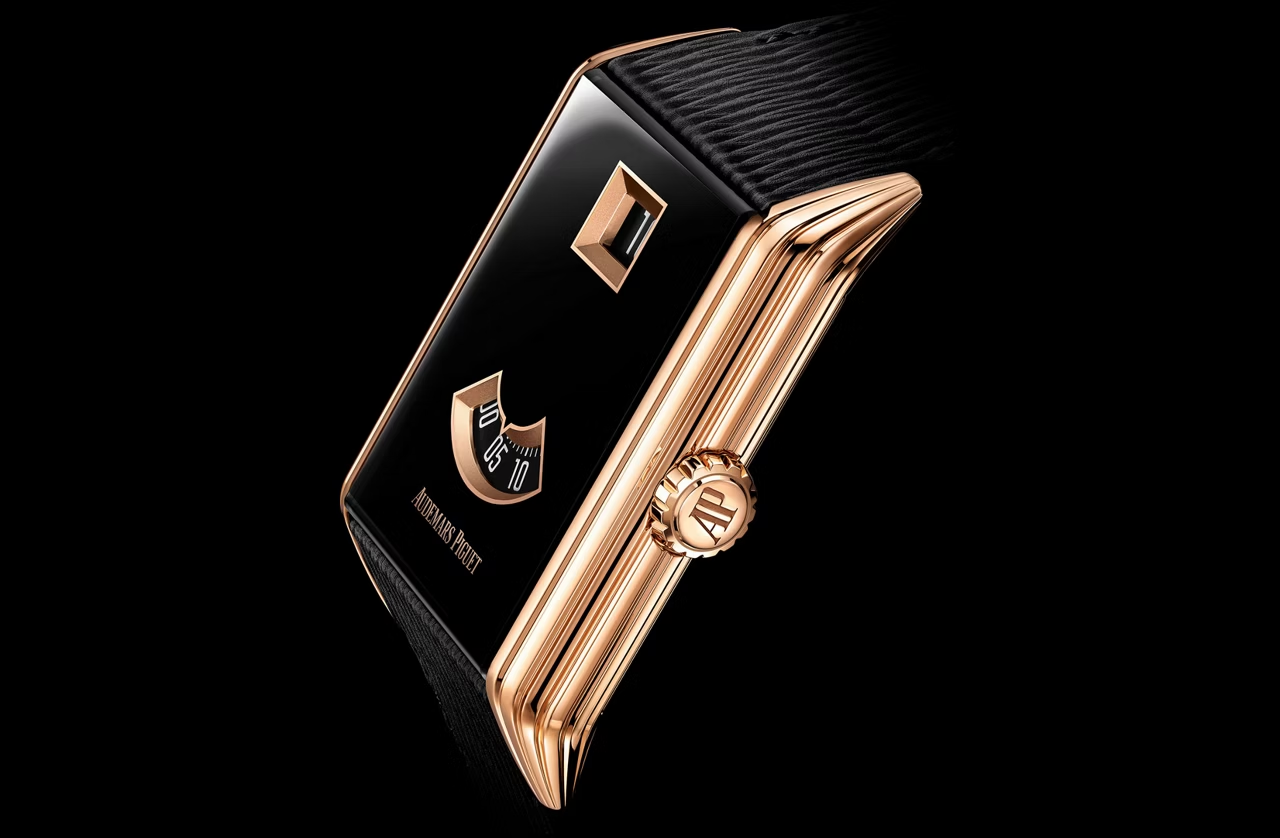
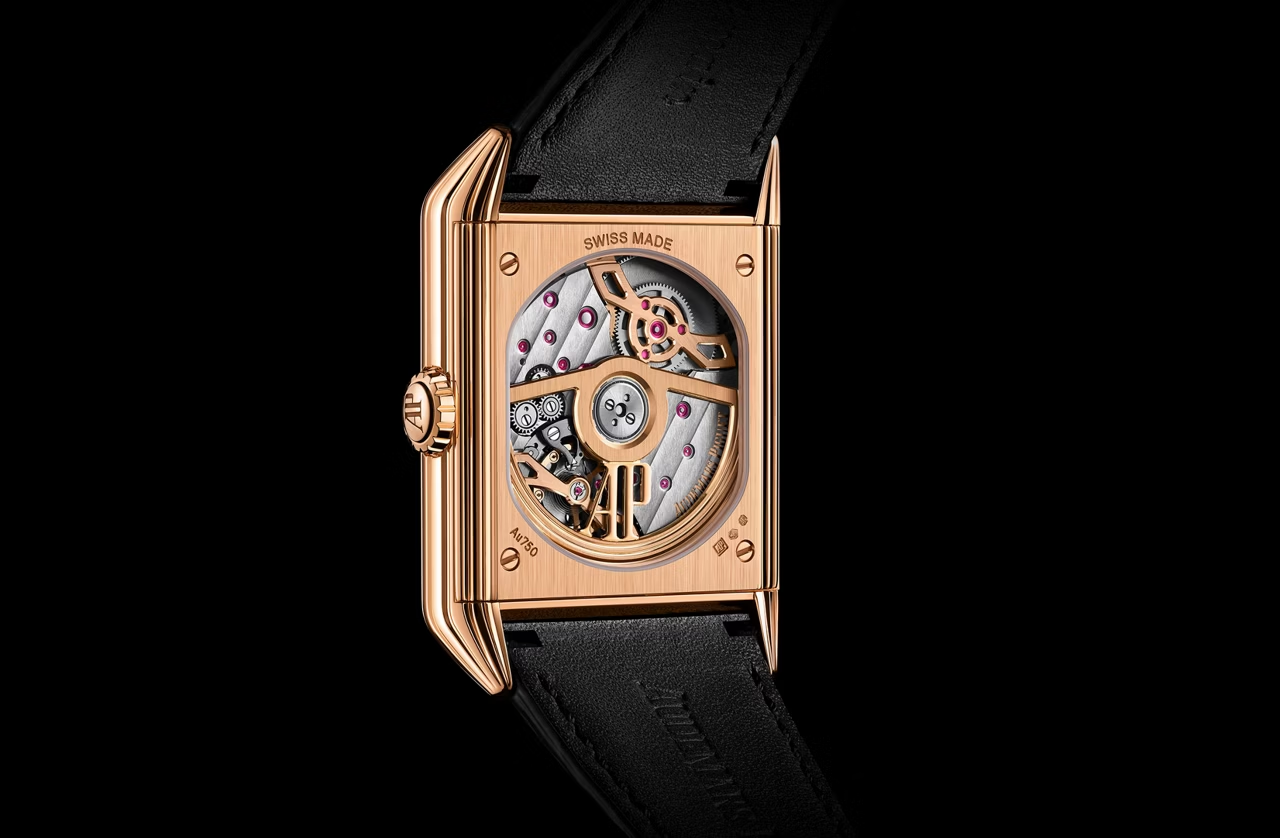
Crafted in 18k pink gold, the Neo Frame Jumping Hour measures 34.6mm vertically, 34mm across from gadroon to gadroon, 47.1mm lug-to-lug, and 8.8mm in thickness. The rectangular case houses a round movement measuring 29.6mm in diameter and 4mm in height
Visible through a sapphire caseback is the self-winding Caliber 7122, which is derived from the Caliber 7121 currently used in the Jumbo Royal Oak models. The distinctive bridge architecture remains visible, connecting the new watch to one of Audemars Piguet’s most celebrated modern calibres. Leveraging the adaptability of the 7121 platform, the manufacture has created its first-ever self-winding jump-hour mechanism. The movement features 43 jewels, beats at 4Hz, and delivers a 52-hour power reserve capabilities envisioned when the original 7121 was first developed.
Revisiting A Forgotten Design Language
Although the rectangular silhouette may appear like a contemporary divergence, it is deeply embedded in Audemars Piguet’s historical repertoire. Long before rectangular watchmaking became synonymous with designs like the Cartier Tank or Jaeger-LeCoultre Reverso, Audemars Piguet produced numerous rectangular watches between the 1920s and 1950s. During that era, many brands relied on shared case and movement suppliers, often using the LeCoultre GHSM calibre.
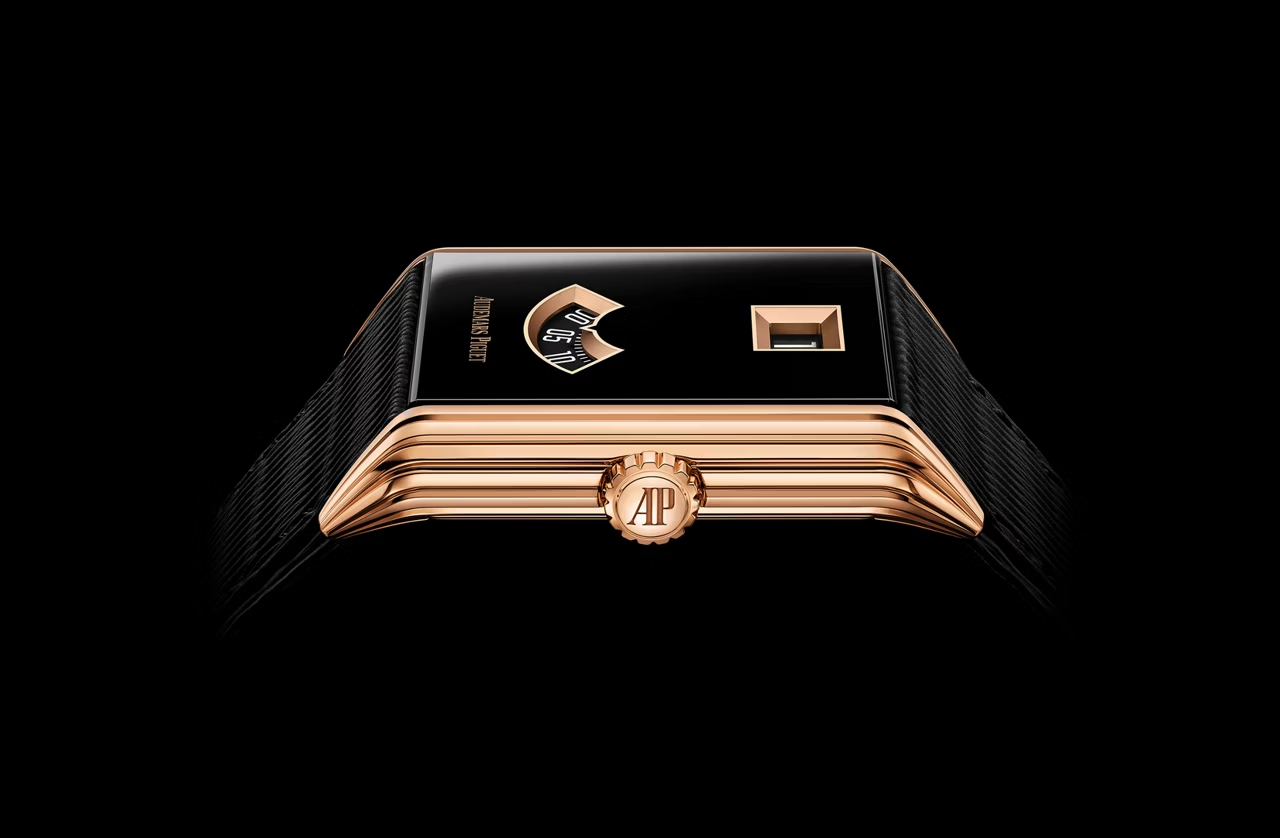
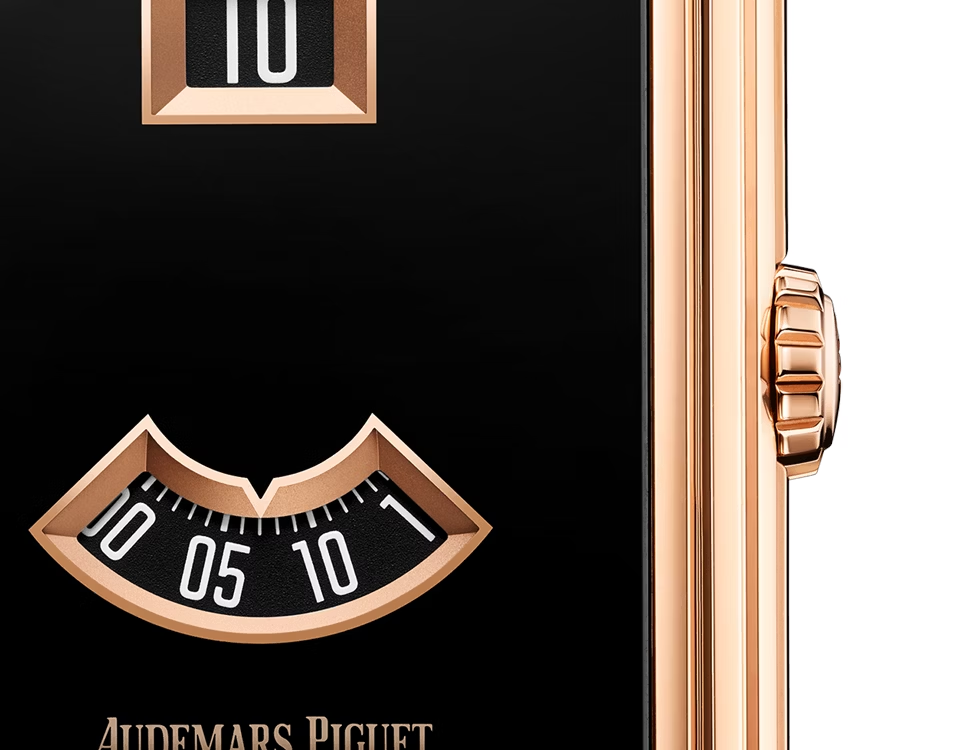
Between 1924 and 1951, Audemars Piguet produced 347 timepieces featuring a jumping hour complication, including 135 examples using dual aperture displays. Among these, one reference stands out the pre-model 1271 from 1929, now housed in the brand’s museum after previously belonging to collector Marcus Margulies. This historic piece featured the same guichet-style jumping hour display paired with trailing minutes. More notably, it incorporated ribbed vertical lines running across the brancards or gadroons, as Audemars Piguet refers to them which form the watch’s distinctive lugs. This architectural detail strongly anchors the Neo Frame within the brand’s own lineage rather than referencing external influences.
The Neo Frame’s construction is equally noteworthy. Despite offering only 20 metres of water resistance, achieving this specification presented considerable technical challenges. The case eliminates traditional crosspieces at the top and bottom, instead featuring a flat sapphire crystal treated with black PVD coating across the entire front surface. The dial plate is bonded directly to the crystal, revealing only two gold-toned apertures displaying the jumping hour and trailing minutes. This entire assembly is then screwed into the case, allowing the watch to maintain an exceptionally clean and uninterrupted design language.
At launch, the Neo Frame collection debuts with a single reference. However, Audemars Piguet has confirmed that additional models will follow. Meanwhile, the [RE]Master collection remains active and will continue to evolve through limited-edition releases. Unlike many contemporary launches, the Neo Frame Jumping Hour is not limited, positioning it as a long-term framework for the brand’s creative evolution. The timepiece retails for $71,200.
First Impressions
The Neo Frame Jumping Hour is a surprisingly bold move for Audemars Piguet. While the [RE]Master 01 and 02 offered strong vintage inspiration, their larger proportions created a degree of separation from their historical references. The Neo Frame, by contrast, feels far more aligned with classic rectangular dress watches. Without its lugs, its proportions align closely with a large Cartier Tank Must, though on the wrist it is expected to wear slightly larger, closer to an Extra-Large Tank Must.
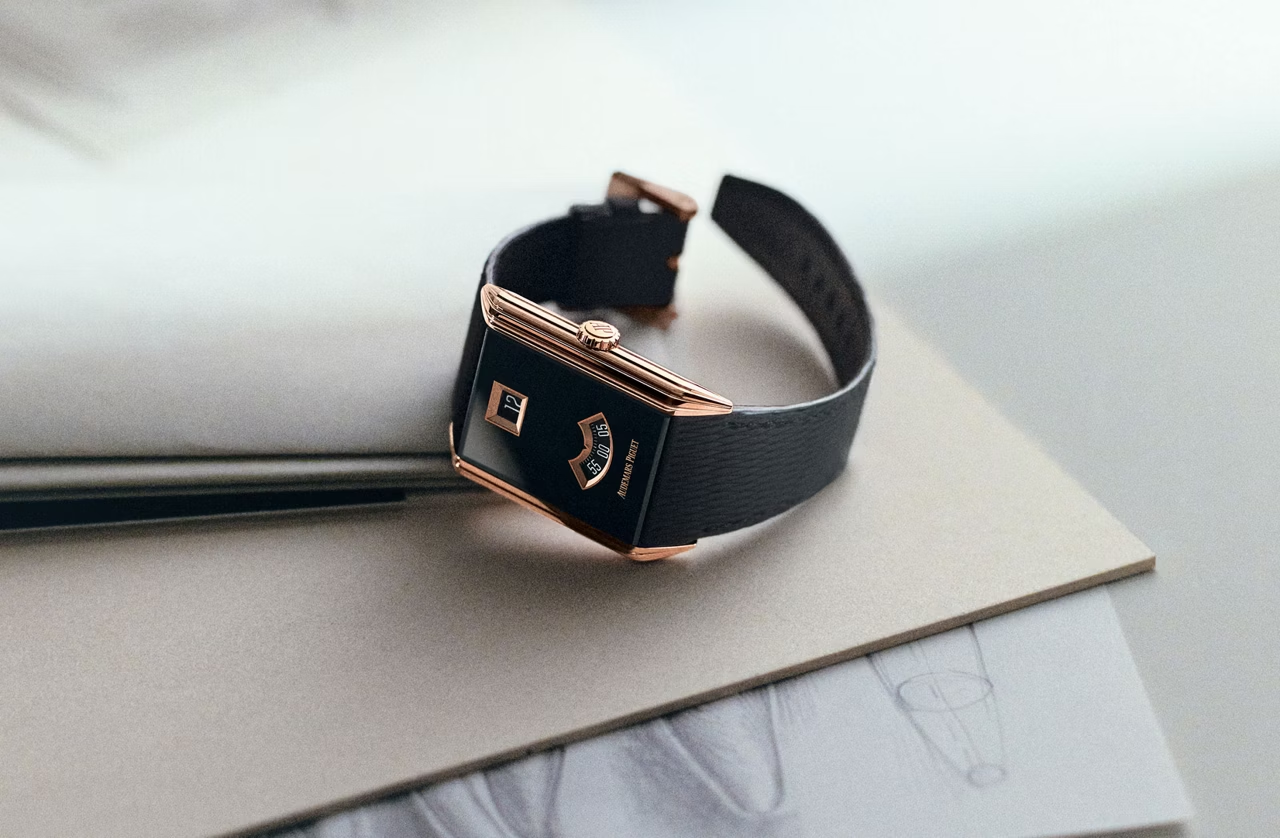
From the front, the dial treatment is the clearest indication that this is not a direct historical reissue. At the same time, it leaves room for future variations that could lean more heavily into vintage styling. Given Audemars Piguet’s extensive history with jumping hour complications, the Neo Frame manages to feel both deeply authentic and refreshingly unexpected. With the introduction of an entirely new collection, Audemars Piguet signals a willingness to expand beyond its familiar pillars. The Neo Frame Jumping Hour may well represent the beginning of an important new chapter for the manufacture.


