Is Baselworld Making A Comeback? Presenting Basilia, A New Jewellery & Watch Fair
 5 min read

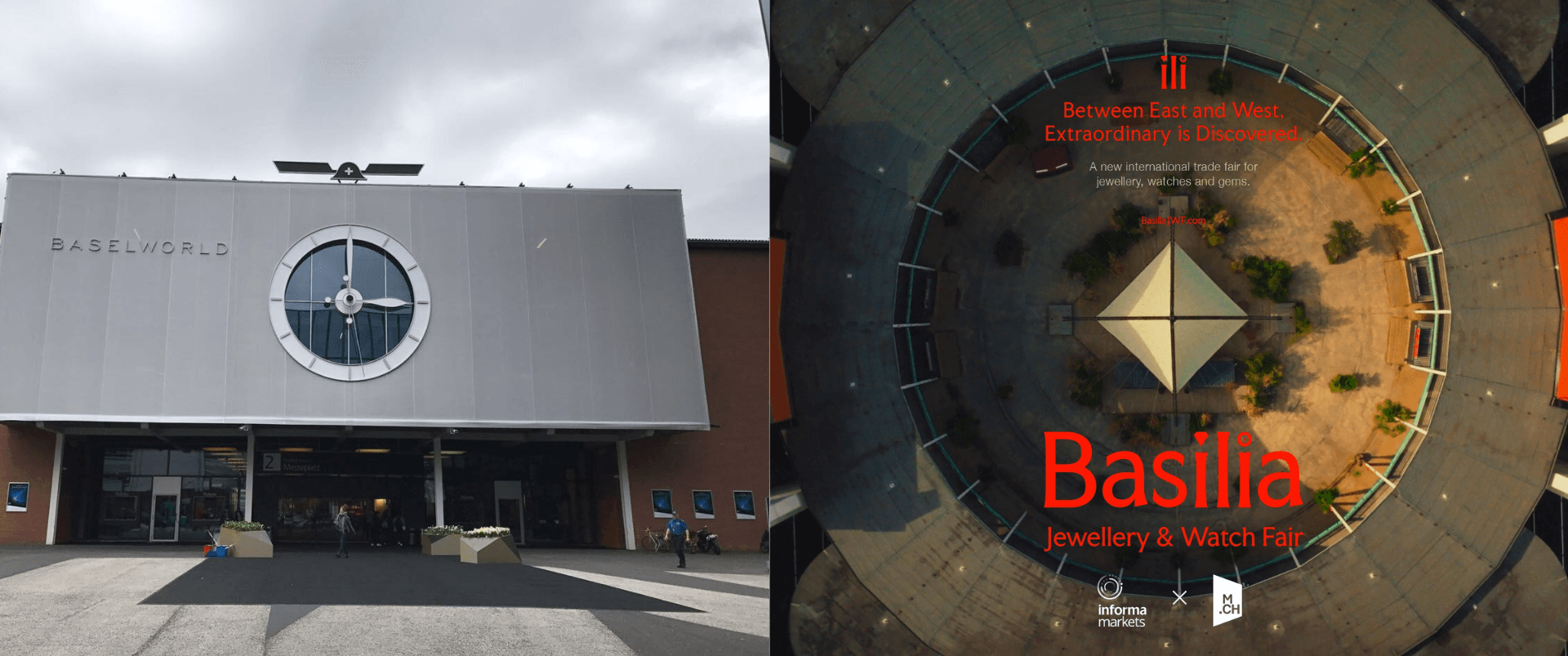
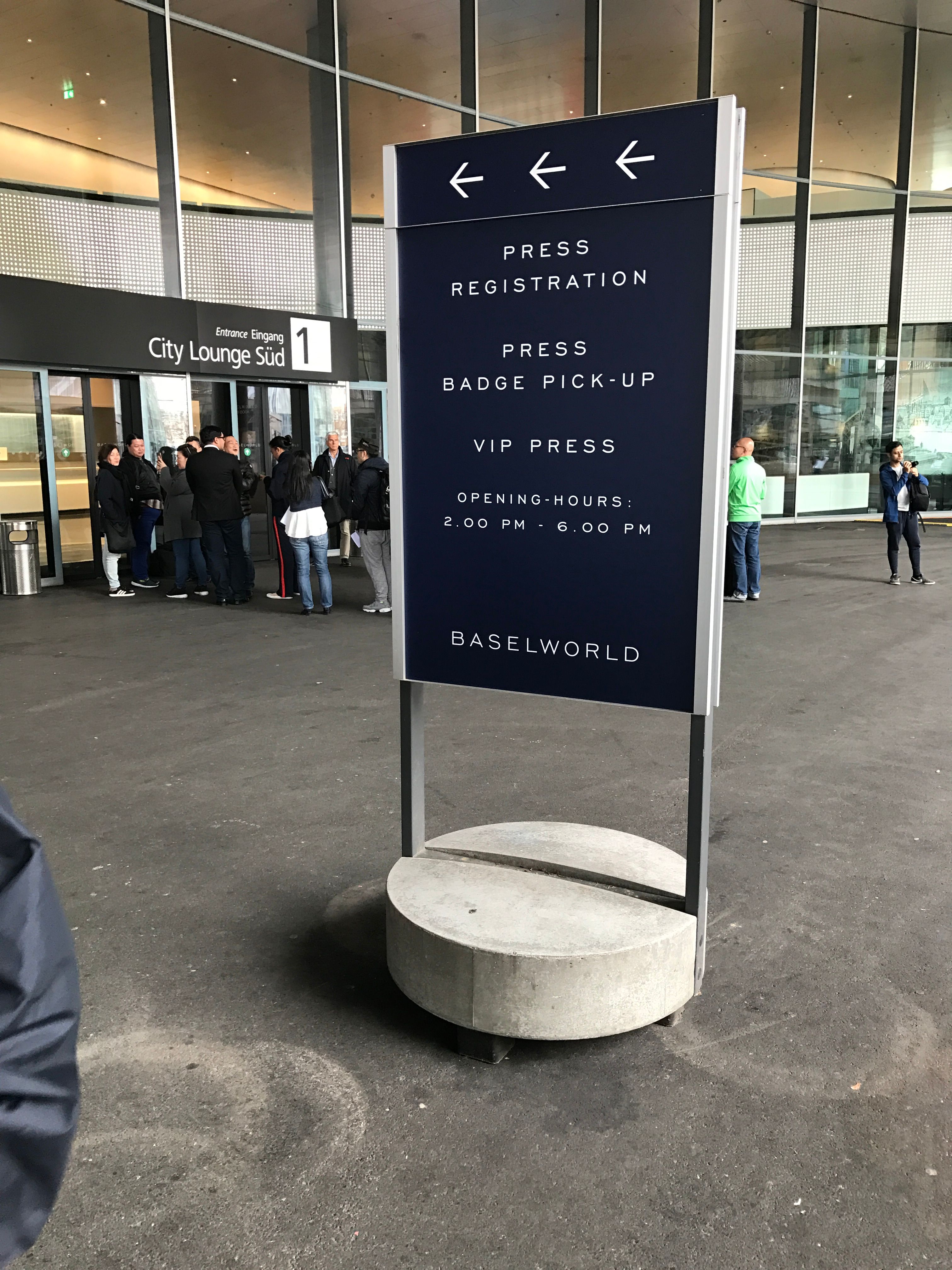
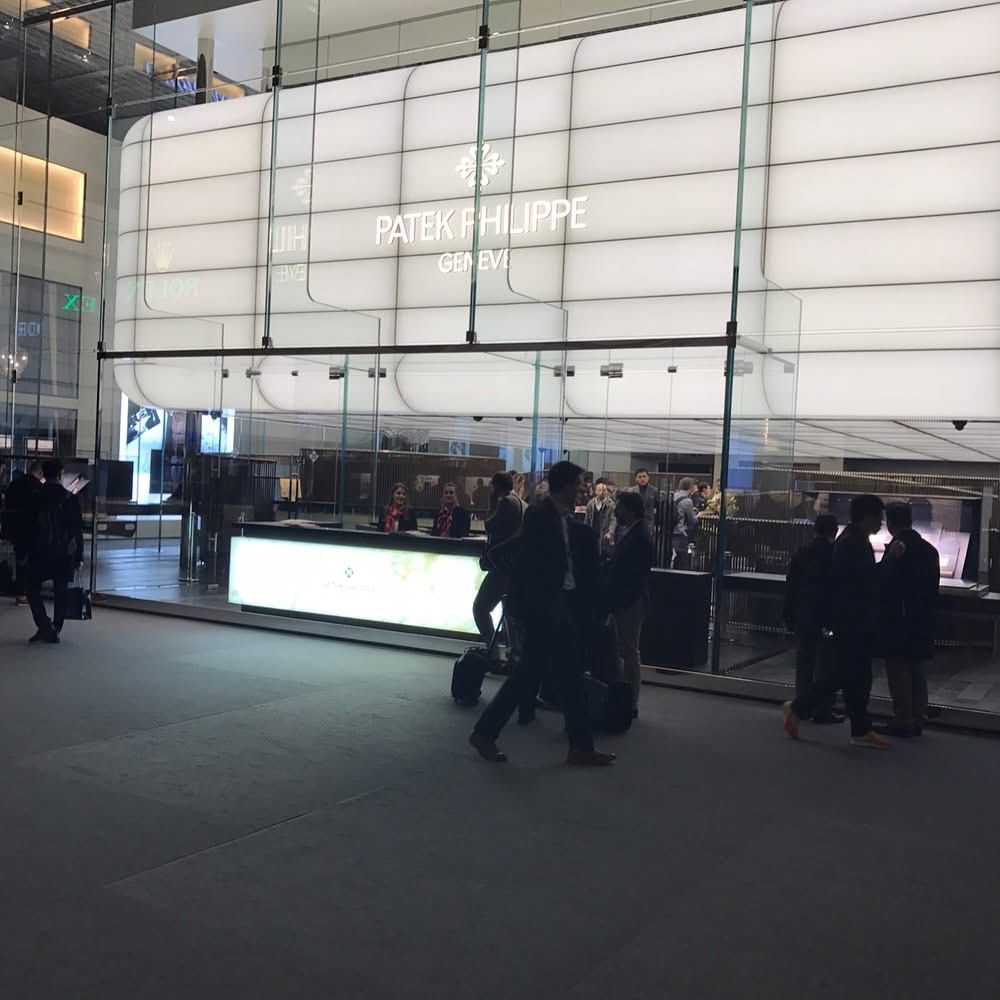
After the spectacular fall of Baselworld, the world's most famous watch fair venue is getting a second chance. But this time, organisers insist they've learned the lessons that brought down a giant. For decades, the watch industry revolved around one city every spring- Basel. Basel wasn't just a destination. It was a pilgrimage. The annual Baselworld fair attracted everyone from Rolex and Patek Philippe to retailers, collectors, journalists and suppliers. Deals were signed, launches were unveiled and trends were set from the halls of Messe Basel. Then it all fell apart.
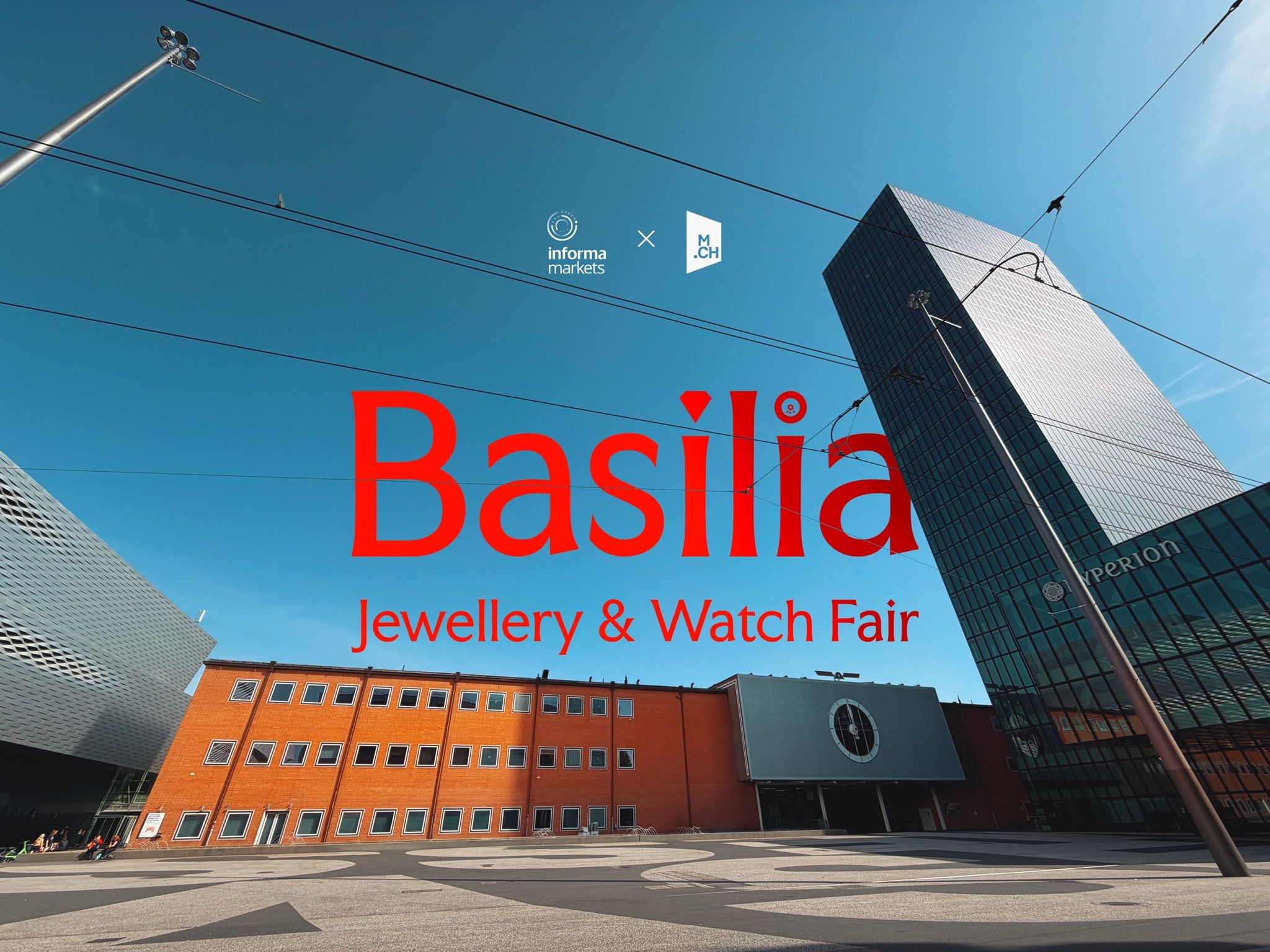
Now, seven years after Baselworld's dramatic collapse, Basel is preparing for a comeback. Enter Basilia. Launching in April 2027 at Hall 2 of Messe Basel, the new jewellery and watch fair is the result of a partnership between MCH Group, the former owner of Baselworld and Informa Markets, organiser of some of the world's largest jewellery trade exhibitions. The organisers are promising a global event bringing together Asia, Europe and key international markets. More than 400 exhibitors are expected to participate in the inaugural edition. But beyond the glossy press release lies a more important question: Can Basel really convince the industry to return?
The Fair That Became Too Big
To understand Basilia, one must first understand why Baselworld died. At its peak, Baselworld was untouchable. The world's biggest brands built multi-storey exhibition palaces costing millions of francs. Entire collections were launched there. Yet success eventually became its downfall. For many exhibitors, participating became increasingly expensive. Massive booth construction costs spiralled. Smaller brands struggled to justify the investment. Visitors faced their own challenges. During Baselworld week, hotel rates in Basel became notorious throughout the industry. Stories of rooms costing five, six or even ten times their normal rates became commonplace. Restaurants increased prices. Accommodation became scarce. What was once the industry's premier gathering increasingly felt inaccessible. Many brands began questioning whether the return on investment justified the cost.


The first major crack appeared when the Swatch Group announced its departure from Baselworld. The move shocked the industry as the group occupied a large stake of the show. Soon after, Rolex, Patek Philippe and many others announced they too would leave Basel and create a new event in Geneva. That event would eventually become Watches and Wonders. What followed was inevitable. Once the industry's biggest names departed, other brands quickly reassessed their commitment. The exodus accelerated, and Baselworld's relevance diminished almost overnight. The pandemic merely hastened a decline that had already begun. By 2020, Baselworld was effectively history.
The Return To The Scene Of The Crime
What makes Basilia fascinating is that it is returning to exactly where Baselworld once reigned. The event will take place at Messe Basel, the same venue that hosted generations of watch launches and industry-defining moments. Yet organisers are keen to stress that this is not Baselworld 2.0. If Baselworld represented excess, Basilia wants to represent accessibility. If Baselworld became exclusive, Basilia wants to be inclusive. And if Baselworld increasingly catered to a handful of giant brands, Basilia appears determined to build a platform that works for companies of all sizes.

One detail immediately stands out. Basilia will overlap with Watches and Wonders. For longtime industry observers, this evokes memories of Baselworld and SIHH (Salon International de la Haute Horlogerie), whose overlapping schedules often forced retailers, journalists and executives to split their time between Geneva and Basel. The logistical challenge was one of the industry's longest-running complaints.
The new organisers insist the circumstances are different today. Rather than competing directly with Watches and Wonders, Basilia aims to occupy a different position in the ecosystem. Its focus is broader, encompassing jewellery, gemstones and watches, while placing particular emphasis on connecting Asian manufacturing and sourcing expertise with European buyers and brands. In many ways, it is attempting to bridge a structural gap between Asian supply and European demand.
A Global Marketplace, Not A Swiss Fortress
Unlike Baselworld, which became increasingly associated with Swiss watchmaking's elite, Basilia is positioning itself as an international commercial hub. The inaugural edition is expected to feature more than 400 exhibitors, with jewellery accounting for 50 per cent of participants, gemstones 25 per cent and watches the remaining 25 per cent. The show's concept is particularly ambitious. Rather than organising exhibitors into traditional halls, Basilia plans to create themed "districts" inspired by global centres of trade and craftsmanship. Visitors will encounter Watch Valleys, Diamond & Gem Districts, Jewellery Neighbourhoods and dedicated spaces inspired by destinations such as Hong Kong, Bangkok, Jaipur, Istanbul, Antwerp, Paris and Milan. The idea is less trade fair and more global marketplace.
The timing is hardly accidental. The centre of gravity in luxury continues to shift eastward. Asian manufacturing remains critical to the jewellery supply chain, while Europe continues to dominate luxury branding, distribution and retail. By combining MCH Group's event expertise with Informa Markets' extensive jewellery network across Asia, Basilia is betting that the industry's future lies in stronger cross-continental connections. As sourcing becomes increasingly complex and supply chains evolve, organisers believe buyers are looking for more specialised partners and more efficient ways to connect with suppliers.
Basel's Second Chance
Perhaps the most intriguing aspect of Basilia is what it represents for Basel itself. The city lost more than an exhibition when Baselworld collapsed. It lost a major economic engine and a significant part of its identity within the luxury industry. Now Basel has an opportunity to rewrite the narrative. Whether brands, retailers and visitors are willing to return remains to be seen.
What is certain is that the industry has not forgotten the lessons of Baselworld. The soaring costs. The hotel price gouging. The oversized stands. The growing disconnect between exhibitors and organisers. Basilia's success may ultimately depend on one simple promise: that it will not repeat those mistakes. Because Basel doesn't need another Baselworld. It needs something better.
For more information on Baselworld watch the detailed video here.