225 Years Later, Breguet Reinvents Its Greatest Invention With 4 New Tourbillons
 7 min read

I have spent a fair amount of my professional life trying to explain why a small rotating cage, no bigger than a fingernail, deserves the reverence horology affords it. Every so often, an anniversary comes along that makes that explanation unnecessary - the watches, and the history behind them, do the talking. This is one of those moments.
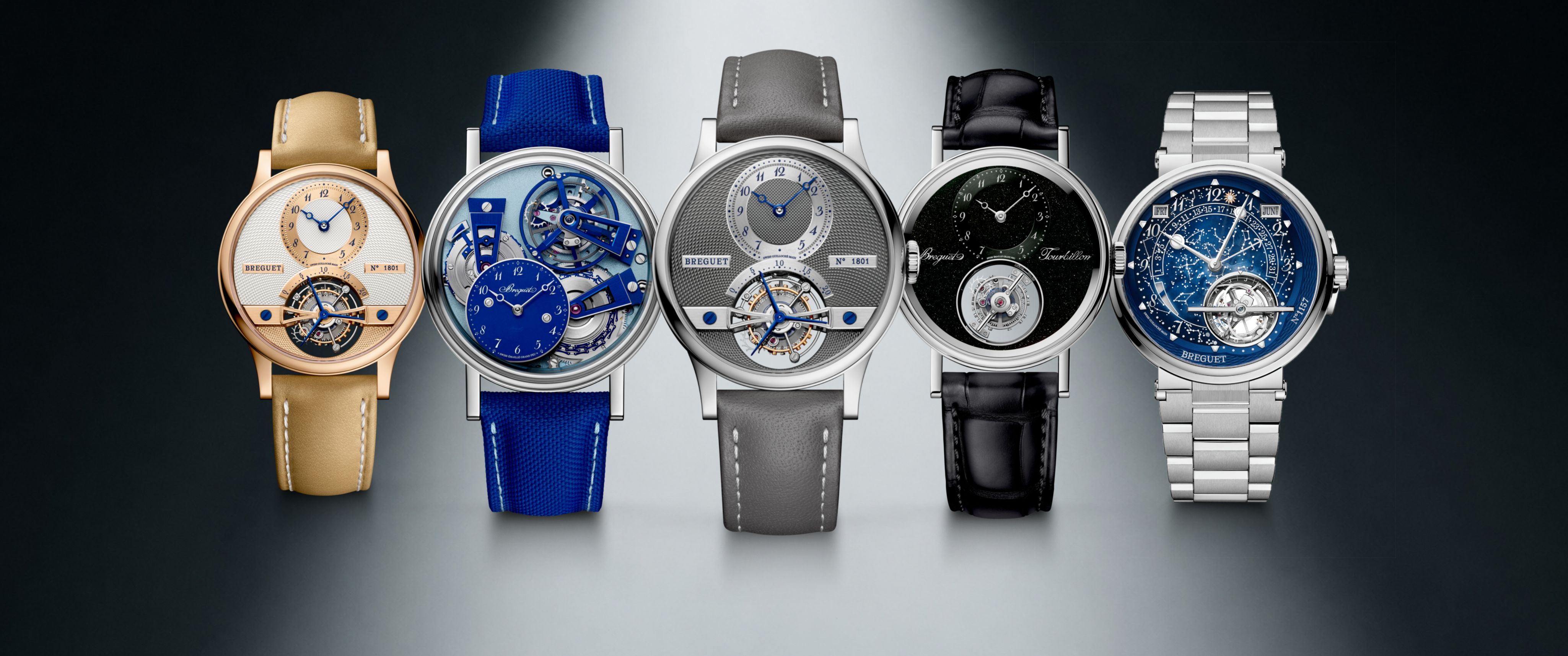
On 26 June 1801 - 7 Messidor, Year 9, by the calendar of a France still finding its post-revolutionary footing, Abraham-Louis Breguet was granted a patent for what he called a “tourbillon regulator.” Two hundred and twenty-five years later to the day, Manufacture Breguet has answered its own anniversary with six new wristwatches that, taken together, render a curated retrospective of everything the tourbillon has meant to this house: precision, lineage, and an almost stubborn refusal to treat invention as a finished sentence.
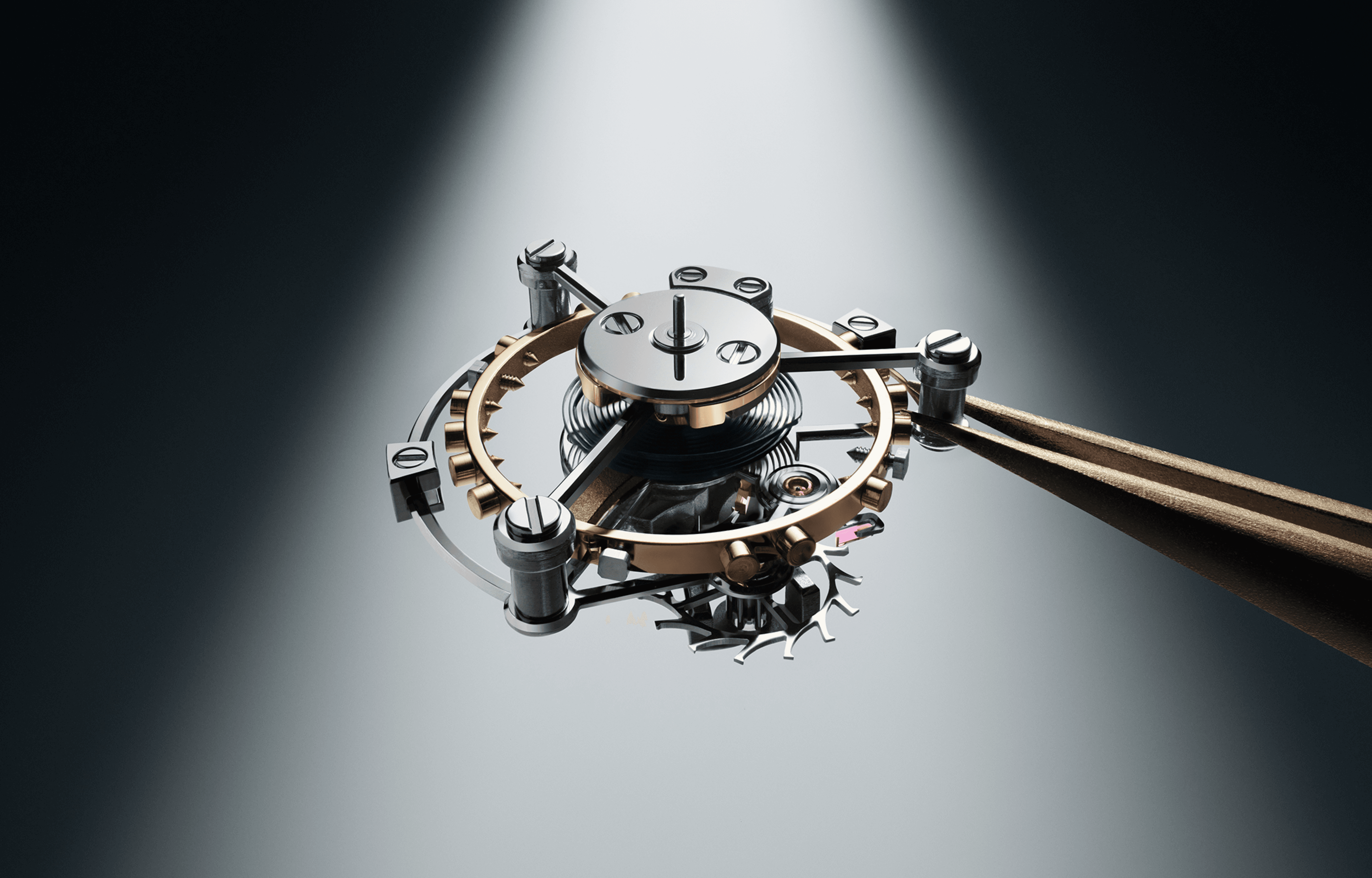
What strikes me most, working through this collection, is how deliberately Breguet has resisted the temptation to simply repaint history. Each of these six watches engages with a different chapter of the Tourbillon story - its 1989 revival, its astronomical etymology, its unlikely marriage with Da Vinci’s fusee-and-chain, its naval heritage, and now, its experimental future. That is not incidental curation. That is a Manufacture using its own archive as raw material for genuine watchmaking.
Here’s how Breguet celebrates the 225 years of the tourbillon.
The Direct Descendant: Classique Tourbillon 7357
Any conversation about Breguet’s modern tourbillon legacy has to begin with the Ref. 3350 - the first tourbillon wristwatch of its contemporary era, built around the now-legendary Caliber 558. That watch, and that movement, did more than revive a complication, they reintroduced an entire discipline of watchmaking to a world that had largely forgotten it.
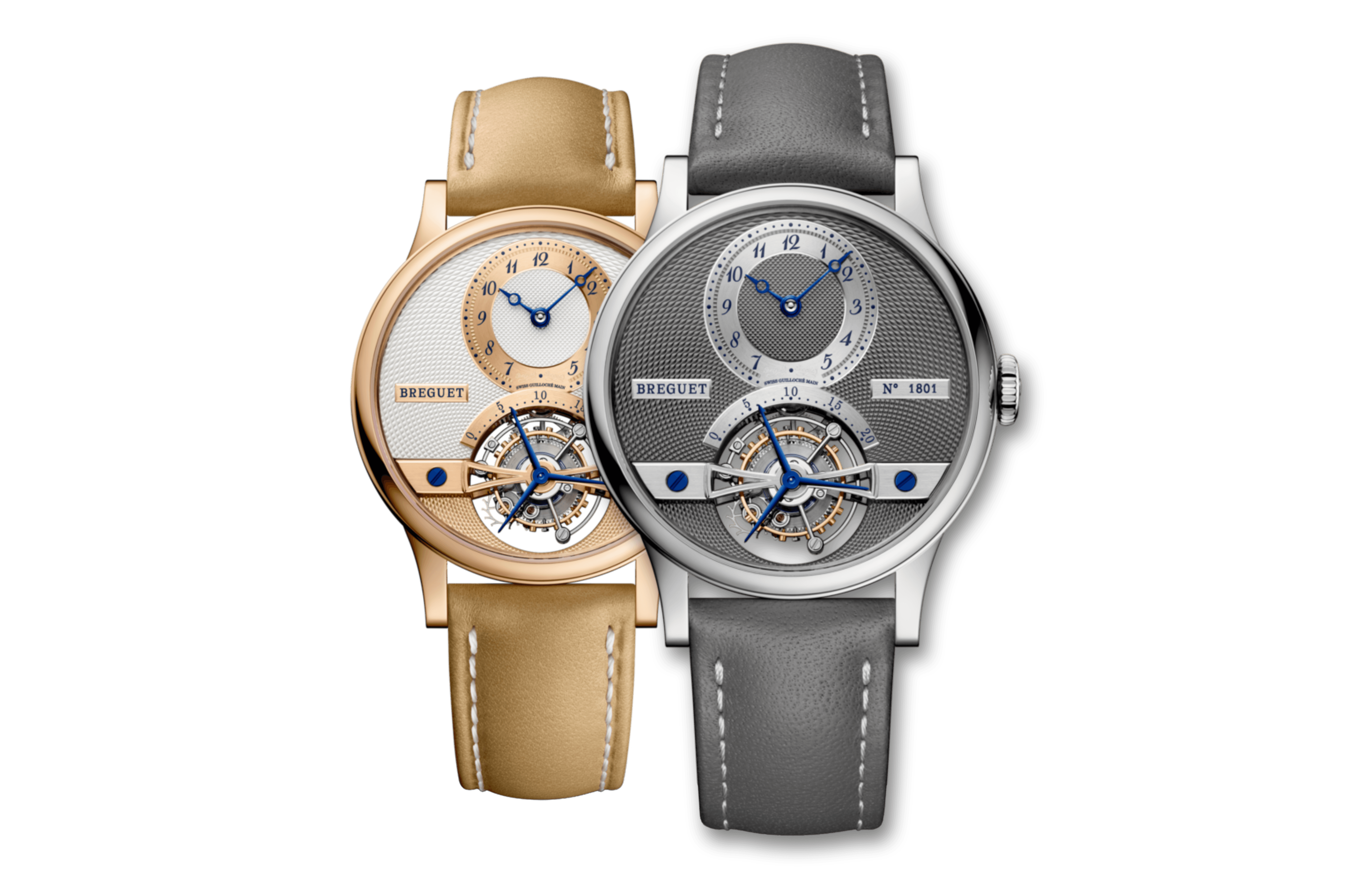
The new Classique Tourbillon 7357 is presented as the direct descendant of that watch, built around an optimized evolution of the 558 architecture now designated Cal. 187B. Gregory Kissling, Breguet’s CEO, calls Cal. 558 “a turning point in the contemporary history of the Tourbillon,” and he is not exaggerating for effect - it is the caliber that put the complication back at the center of haute horlogerie in the 20th and 21st centuries. Learn more about the tourbillon’s invention and evolution here.
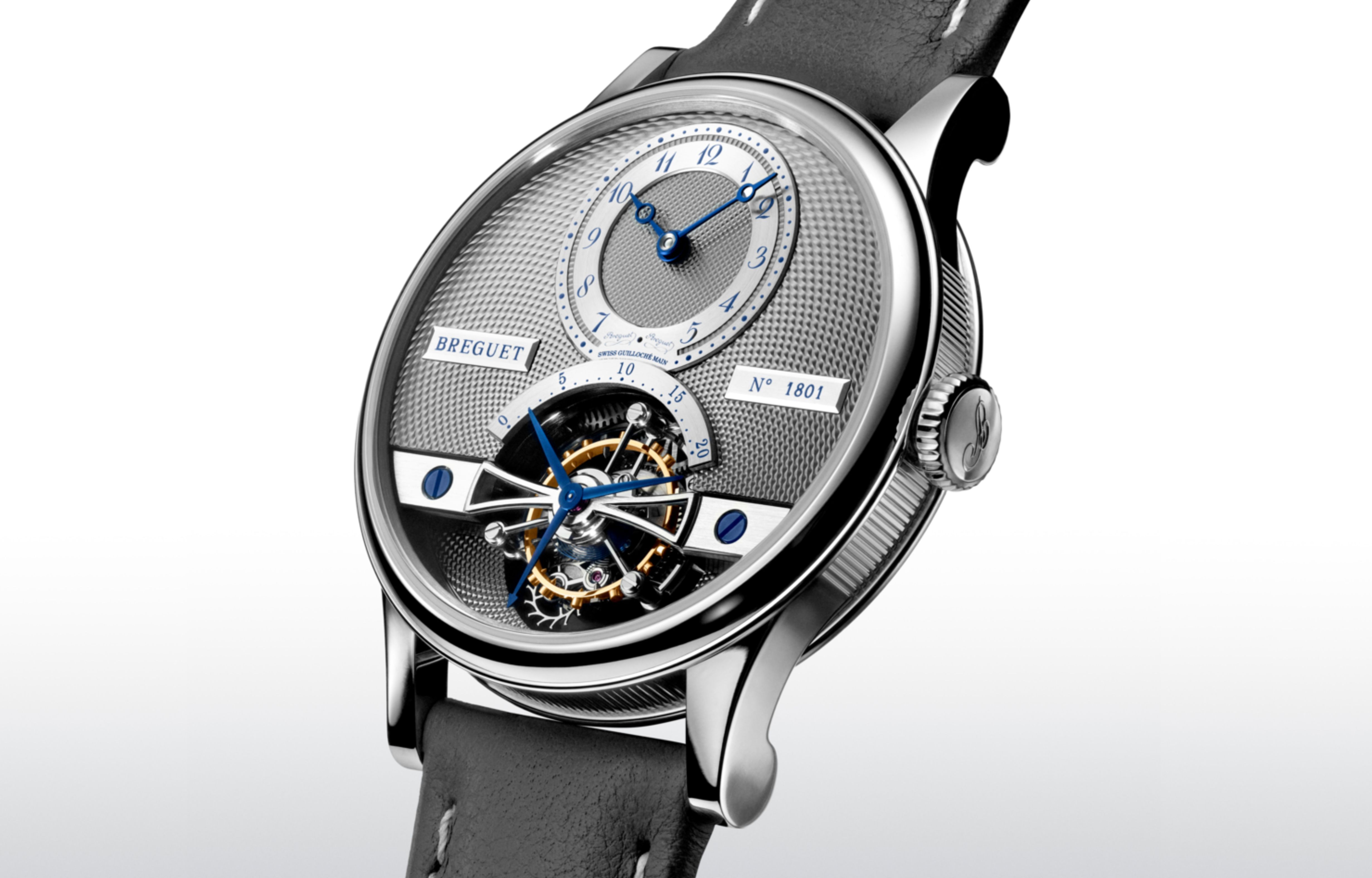
What Breguet has done with the 187B is refine rather than reinvent. It keeps the historic 2.5 Hz beat that A.-L. Breguet himself used, now delivered through a 60-hour power reserve, a Breguet Nivachron balance-spring, and a silicon pallet-lever for full magnetic resistance - refinements substantial enough that the hands themselves are rendered in gold rather than steel, precisely to avoid introducing magnetic interference of their own. The 35 mm watch is offered in two executions: a 950 platinum version with a hand-guilloché anthracite dial, and an 18K Breguet gold variant with a silvered barleycorn dial. Both carry the design language introduced for Breguet’s 250th anniversary collections in 2025. Caseback side, two Bleu de France inlays at six o’clock bear the inscriptions “Brevet du 7 Messidor An 9” and “Tourbillon 225e Anniversaire,” a quiet, legible footnote to the occasion, rather than a shout.
The First Flying Tourbillon: Classique Tourbillon Sidéral 7255
If the 7357 looks backward with confidence, the Classique Tourbillon Sidéral 7255 looks somewhere stranger - toward the sky. This is Breguet’s first wristwatch to combine a flying Tourbillon with a mysterious display, a pairing the Manufacture had not attempted in nearly two decades.
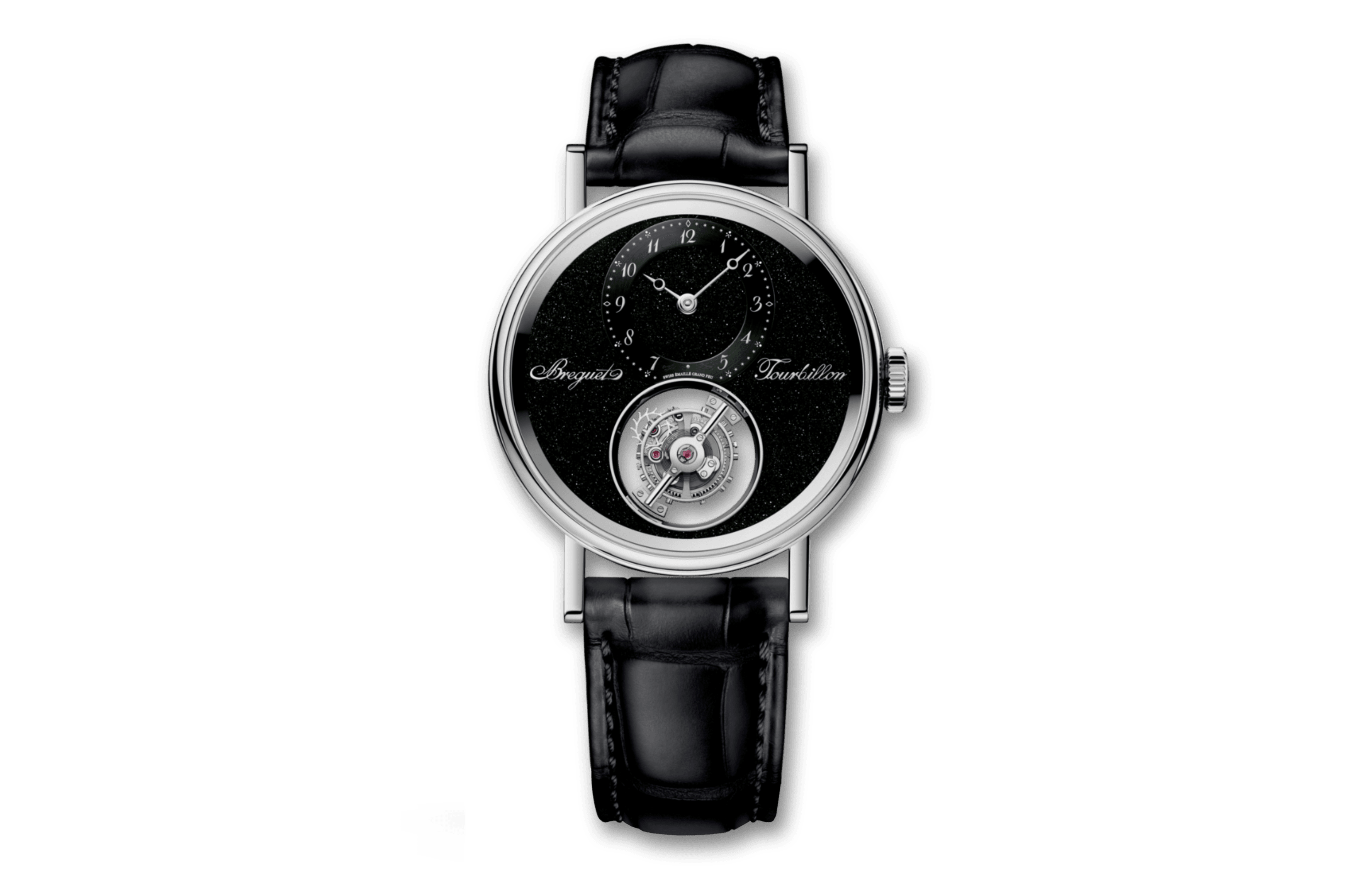
The mechanics matter here, and they’re worth understanding rather than glossing over. A flying Tourbillon dispenses with the upper bridge entirely and looks like it’s floating. The “mysterious” element is, paradoxically, simpler than it appears: the gears linking the tourbillon cage to the rest of the movement are real, just rendered in anti-reflective sapphire crystal, so they vanish to the eye while continuing to function.
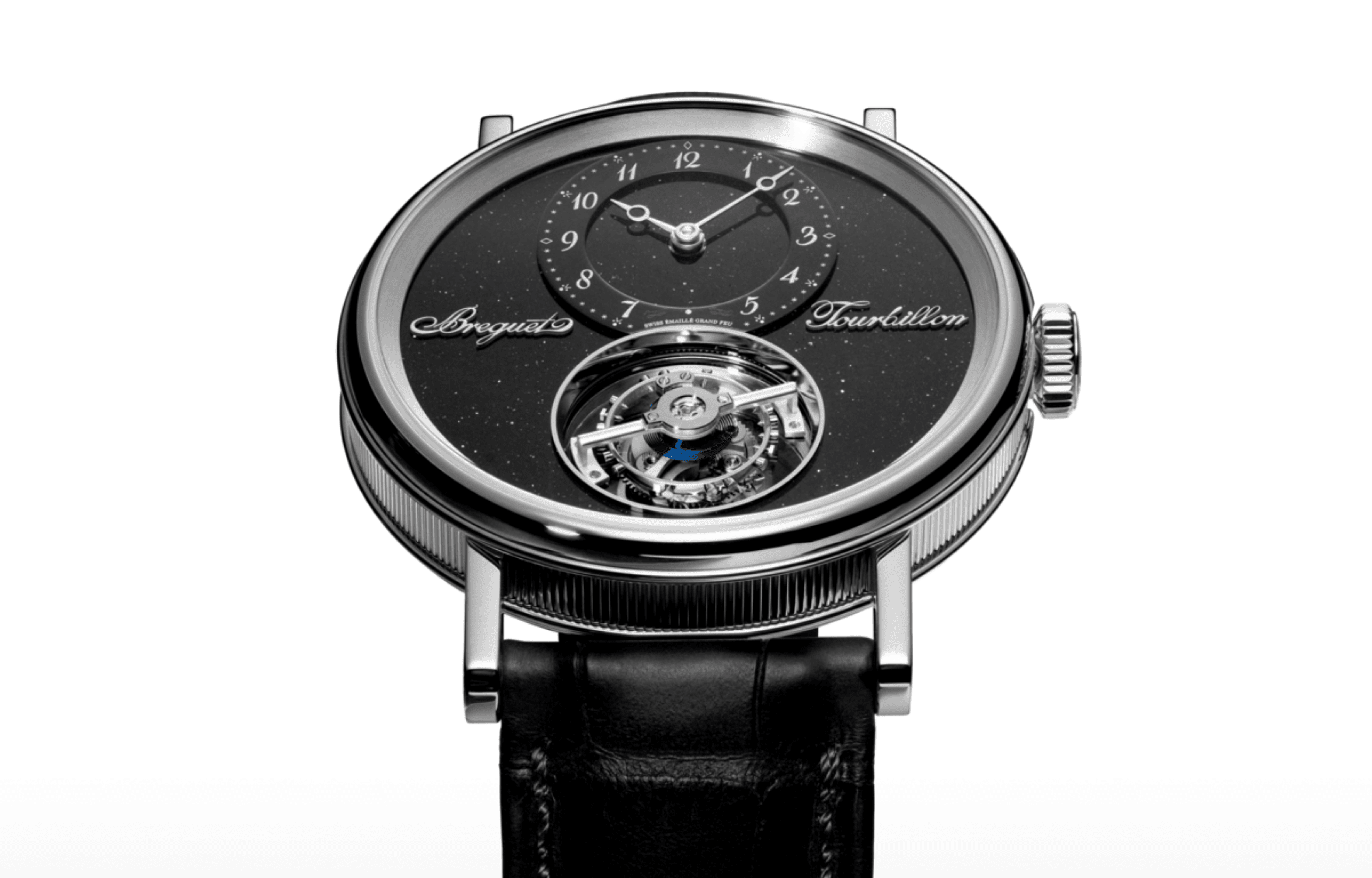
This release reinforces the historical relationship between the Tourbillon and astronomy: the word “Tourbillon” itself carries astronomical roots and Breguet, trained in astronomy, would have approved intimately. The new 38 mm platinum execution, with its black aventurine Grand Feu enamel dial flecked with green highlights, leans into that cosmic reading rather than away from it. Limited to 50 pieces, it runs on the manually wound, 50-hour Caliber 187M1.
Two Geniuses, One Watch: Tradition Tourbillon 7047
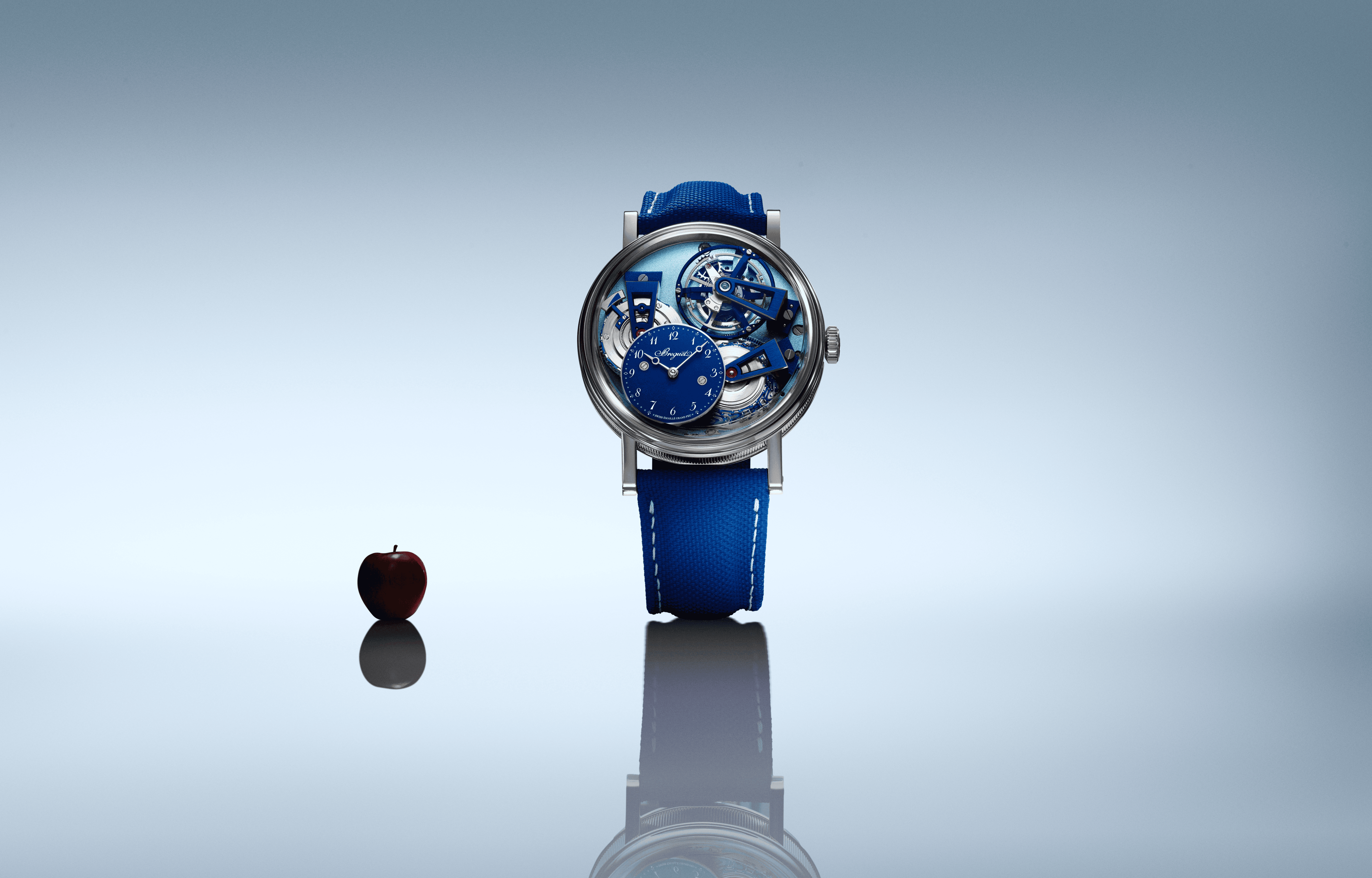
The Tradition Tourbillon 7047 makes its case for inclusion here on the strength of an unlikely historical pairing. Breguet’s 1801 Tourbillon patent followed his 1798 patent for the constant-force escapement - both developed in the years after his return to Paris from Swiss exile. The 7047 picks up that second thread and braids it with a mechanism Breguet never patented but that nonetheless completes the picture: the fusee-and-chain, whose geometry Leonardo da Vinci documented in sketches predating it by roughly fifty years.
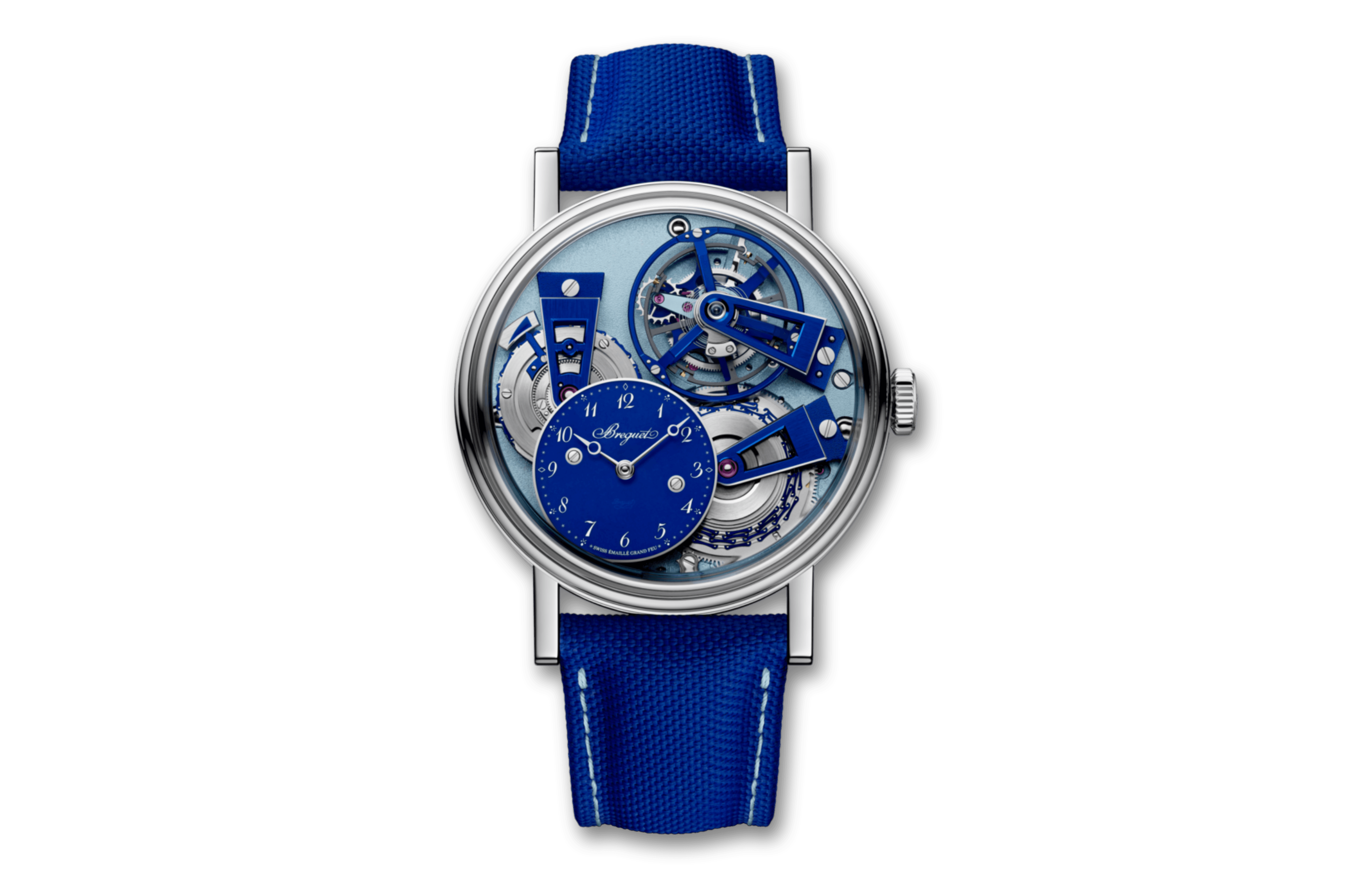
This new 25-piece limited edition, finished entirely in Bleu de France, a shade first introduced on the Classique Répétition Minutes 7365 for the 250th anniversary, extends that color across the dial, both fusee-and-chain bridges, the titanium Tourbillon cage, and even the chain itself. In a detail I find genuinely touching, the traditional ruby-red jewel on the Tourbillon bar has been swapped for a blue spinel purely for chromatic consistency, even though Breguet notes plainly that synthetic ruby remains structurally preferable - a rare instance of aesthetic conviction being allowed to override the easier engineering choice. The Caliber 569 inside its 41 mm case withstands a tensile chain force equivalent to six kilograms, runs at the historic 2.5 Hz, and offers 55 hours of power reserve.
A Patent Written in Starlight: Marine Tourbillon Équation Marchante 5887
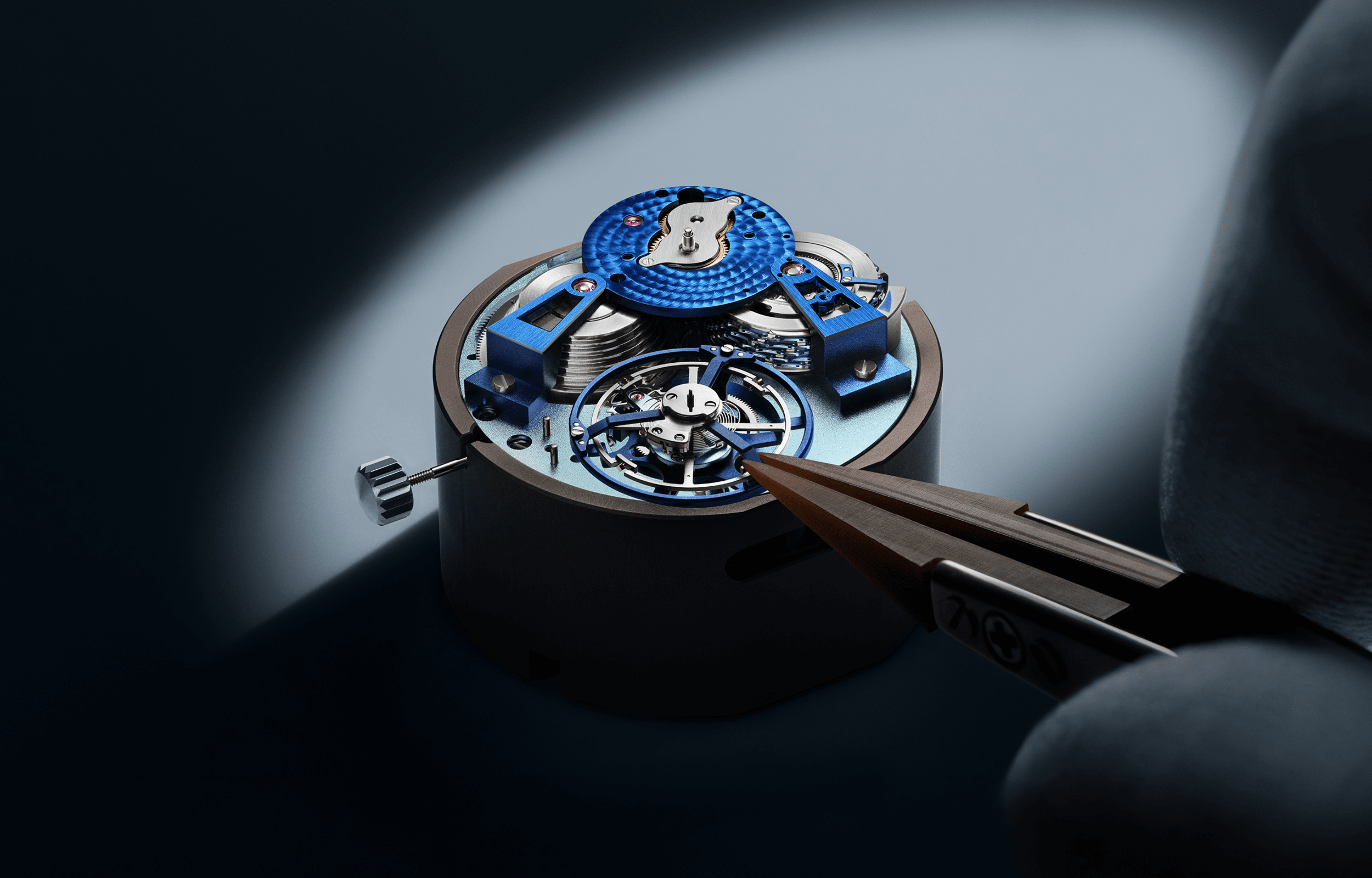
Of the six watches in this collection, the Marine Tourbillon Équation Marchante 5887 carries the heaviest mechanical ambition, and the most poetic conceit. Breguet’s relationship with maritime chronometry isn’t incidental marketing. A.-L. Breguet was named Horloger de la Marine Royale by Louis XVIII in 1815, a singular, personal title held by exactly one watchmaker in the kingdom, awarded in recognition of his marine chronometers’ extraordinary reliability - instruments that reportedly remained in active naval service for up to seventy years.
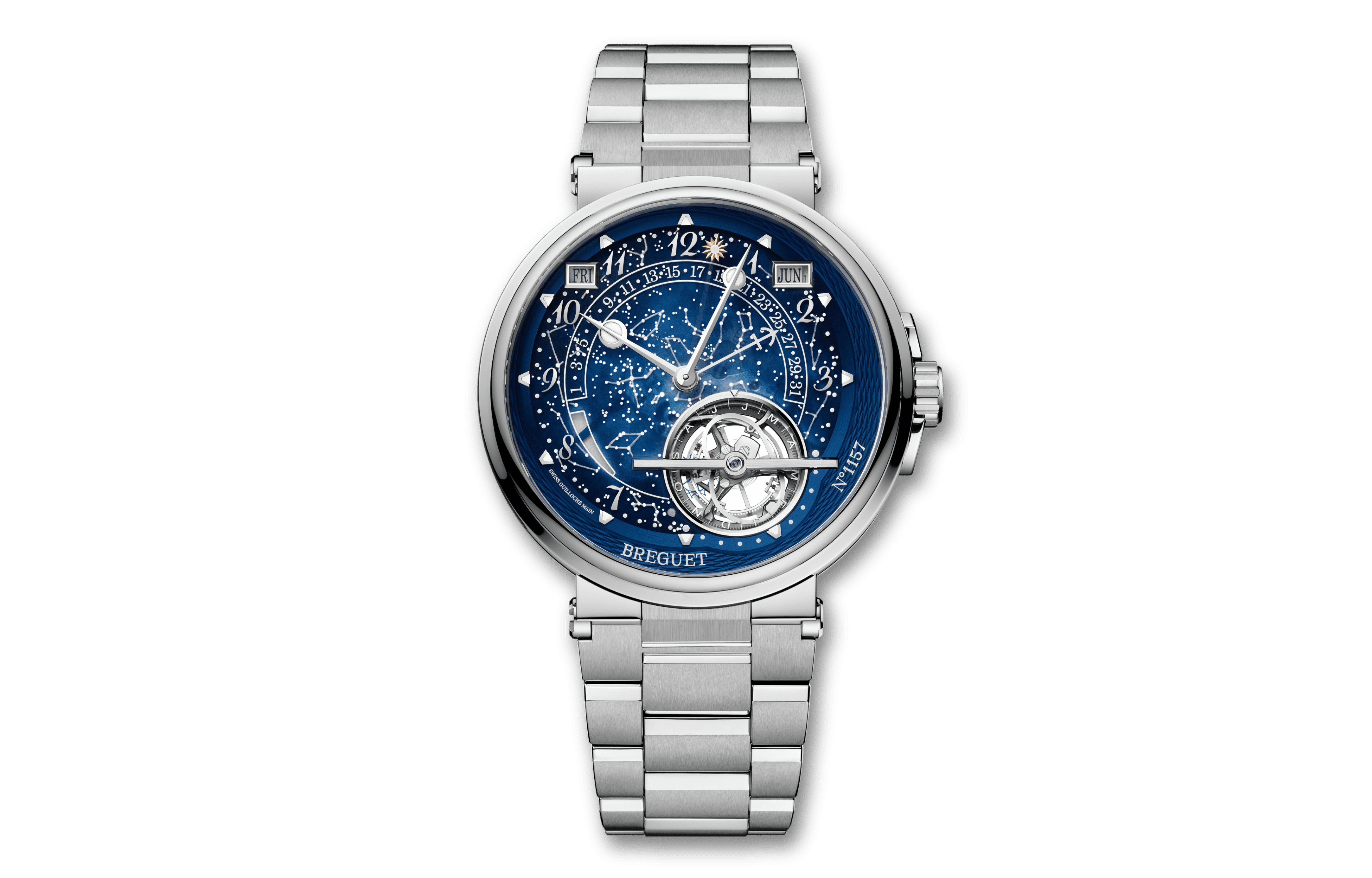
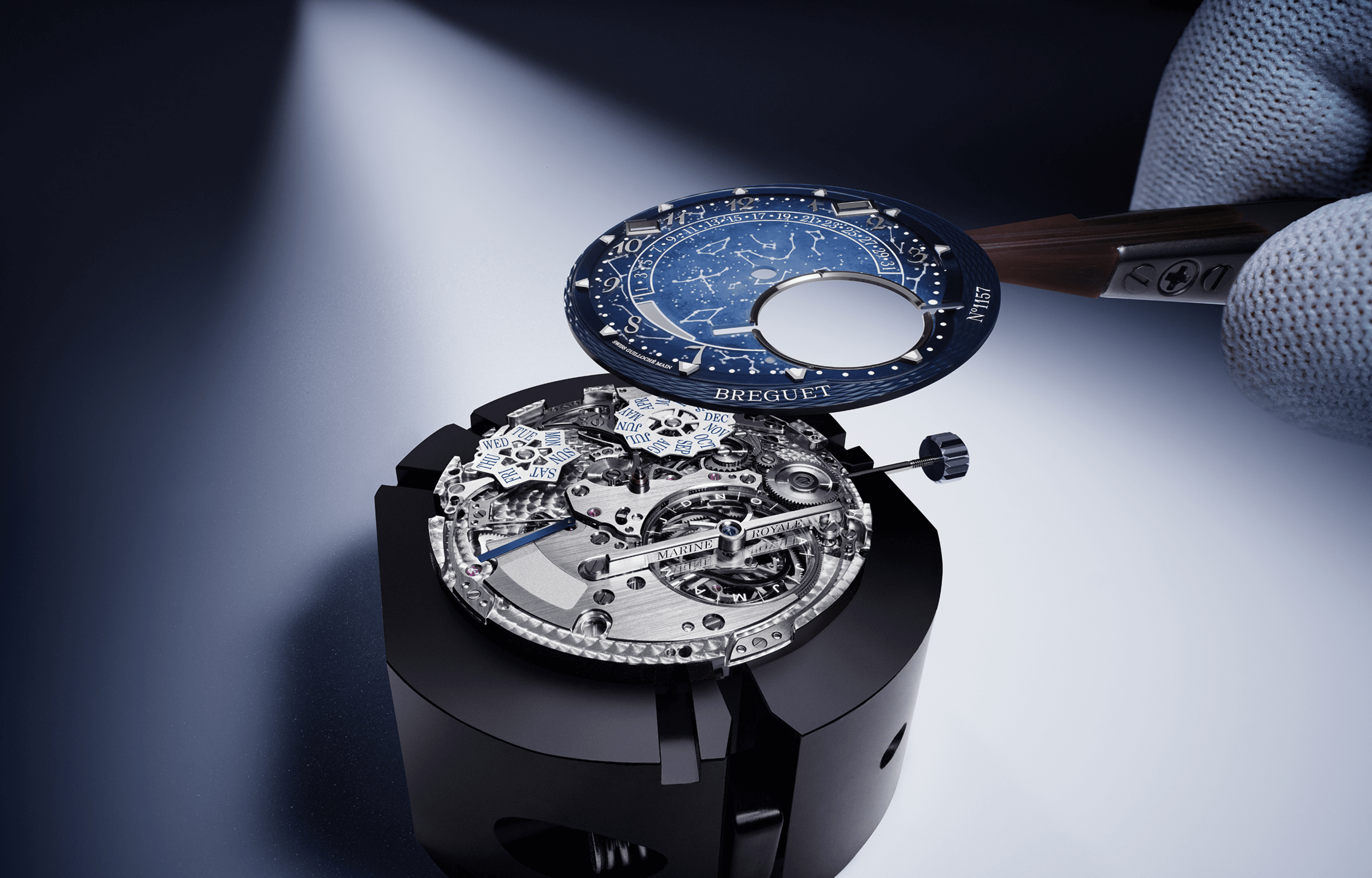
This 25-piece limited edition combines three major complications in one architecture: a perpetual calendar, a running equation of time, and a Tourbillon. What sets this particular execution apart, though, is the dial itself: a sapphire disc bearing a hand-painted, gradient-blue Grand Feu enamel miniature depicting the exact night sky over Paris at midnight on 26 June 1801 - the night Breguet’s patent was granted. It is, by Breguet's own account, the first dial in the Manufacture’s history designed to illuminate at night with an astronomically accurate sky. Each of the 25 pieces can be personalized to a buyer’s own chosen date, time, and location - turning a fixed historical reference into something quietly, individually theirs. The caseback carries an engraved depiction of the Royal Louis under sail, and the self-winding Caliber 581DPE delivers 80 hours at a modern 4 Hz.
The Argument for the Future: Expérimentale 1
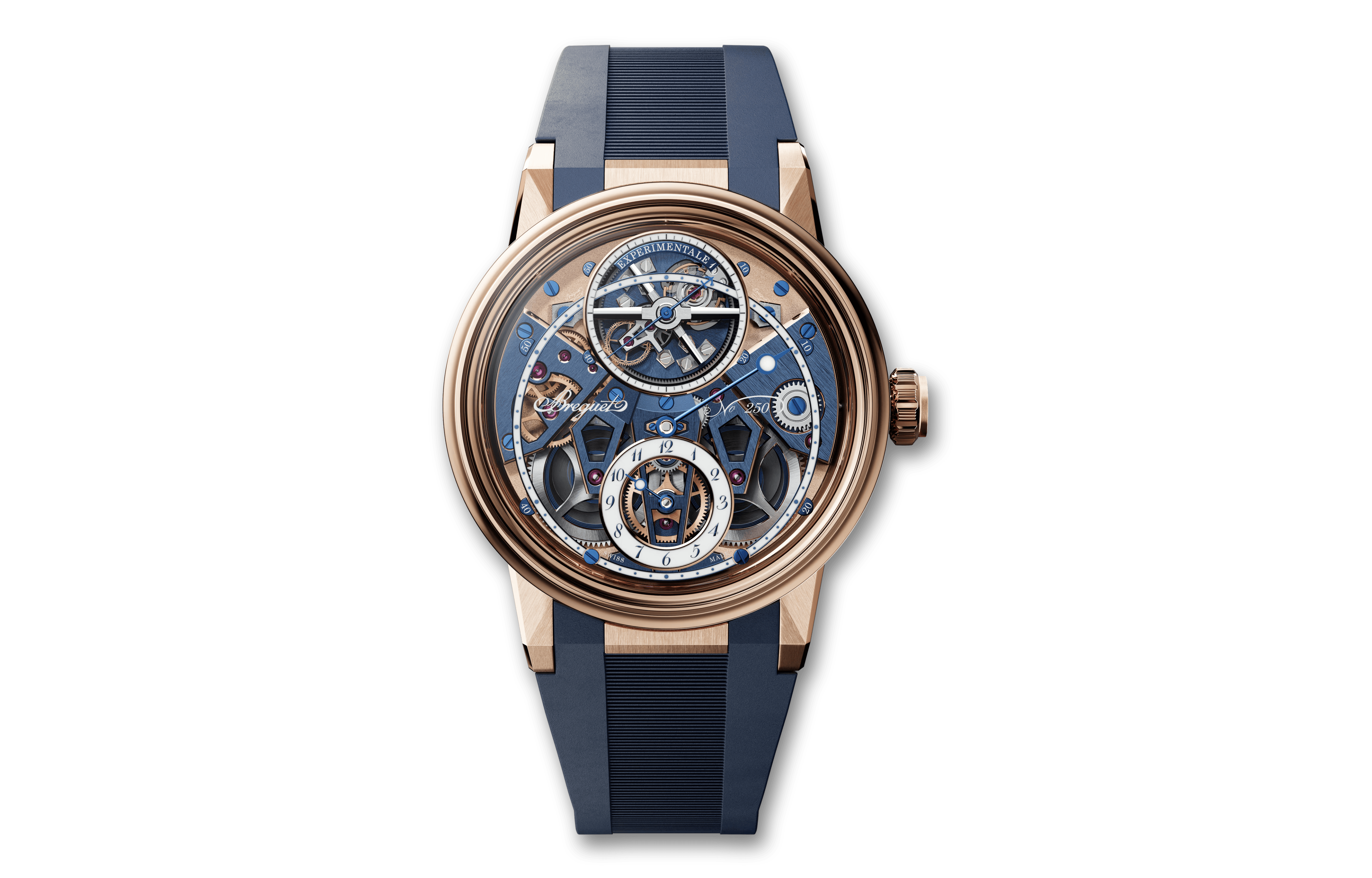
If the previous five watches make the case for the Tourbillon’s past, the Expérimentale 1 makes the case for its next 225 years - and it is, to my mind, the most quietly radical recent horological invention. This watch, through a constant-force magnetic escapement, runs at 10 Hz - a frequency made possible by research into magnetic pivots that Breguet’s R&D division began in the early 2000s. Limited to 75 pieces, it is the first watch in an entirely new line the Manufacture has named, fittingly, Expérimentale. Know more about the Expérimentale 1 here.
These latest releases by Breguet trace the actual shape of a 225-year argument about how to make a mechanical watch tell better time in the presence of gravity, shock, and an unwinding spring. Breguet’s invention never fully settled that argument, and to its credit, the Manufacture has never pretended otherwise. A.-L. Breguet himself, by his own house’s account, never regarded the Tourbillon as finished business, his son continued refining it after his death in 1823, and the Manufacture that bears their name is, with this collection, simply continuing a conversation that started on a single patent filing in the summer of 1801 and, on this evidence, still has a great deal left to say.


