Breguet’s Tourbillon: Invention, Evolution And Innovation
 7 min read

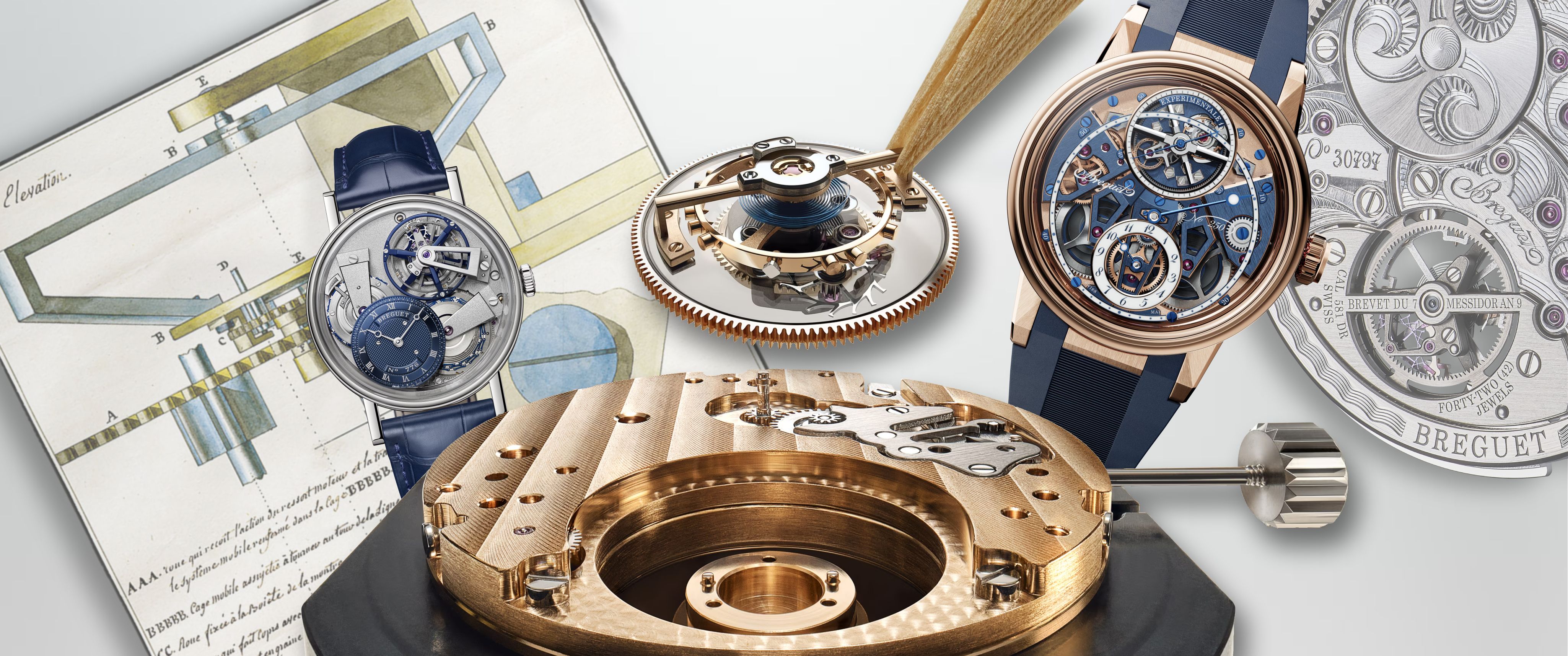
When Abraham‑Louis Breguet patented the tourbillon regulator on 26 June 1801, he was not chasing a spectacle - he was solving a physics problem that plagued precision pocket chronometers worn vertically in the waistcoat. By mounting the balance, spring and escapement in a rotating cage making a full revolution on its axis, he set out to average out gravitational errors and distribute friction and oil more evenly over the pivots, creating a regulator that could “maintain accuracy, irrespective of whether the position of the watch is upright or tilted.” Now, 225 years later, that same idea - time regulated through motion, re‑emerges in the Breguet Expérimentale No. 1 as a 2025 research platform that pushes his whirlwind into a new materials and kinematics regime.

1801: A New Regulator For A New Age
Breguet’s tourbillon is a child of the enlightenment: a miniature mechanical cosmos designed by a man equally at ease with geometry, astronomy and courtly patronage.
Between exile in Switzerland (1793-1795) and his return to Paris in 1795, Breguet conceived a rotating “whirling about regulator” in which the sprung balance and escapement are carried in a carriage driven around a fixed fourth wheel, typically in one minute.

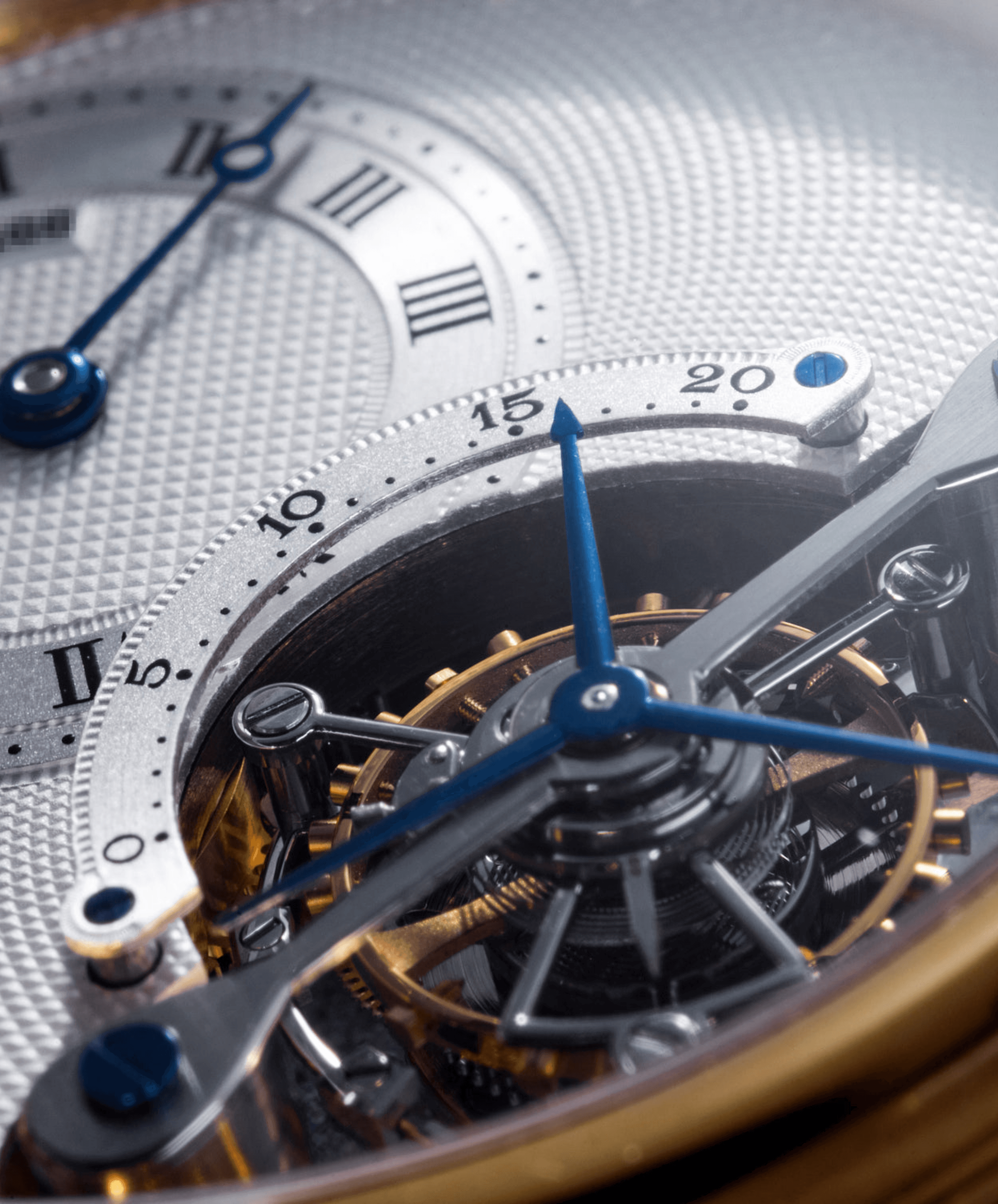
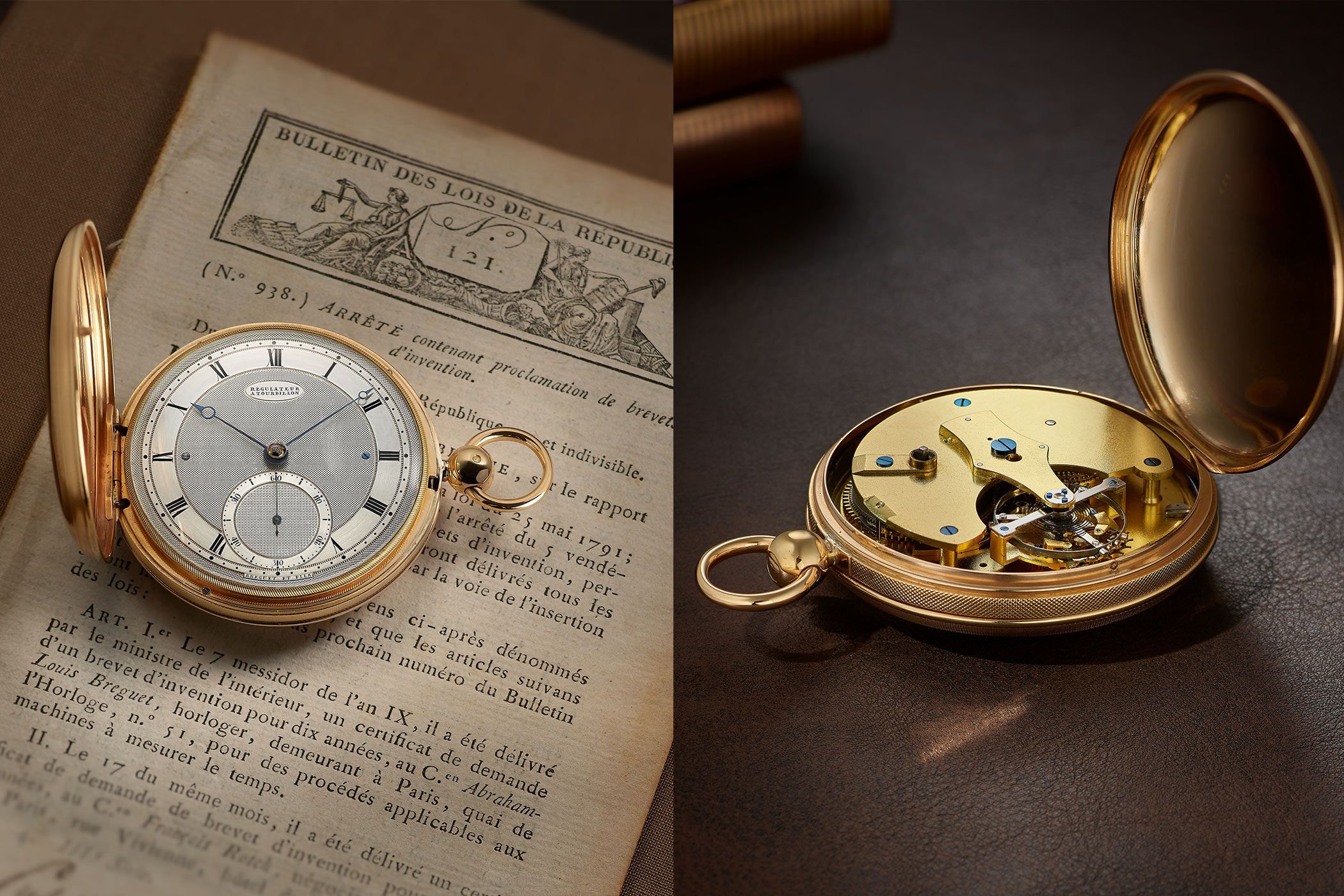
In his 1801 petition to the French Minister of the Interior, Breguet explains that the tourbillon compensates for “anomalies arising from different positions of the centers of gravity” of the regulator, distributes friction uniformly around the balance pivots and mitigates the effects of oil thickening, problems that could previously only be attacked “by constant trial and error.”
The carriage is not a decorative frame but an active kinematic link: the gear train drives a pinion on the cage, the cage rotates around a fixed escape wheel, and the balance and lever ride inside this orbit, ensuring that fast and slow positions under gravity are continuously traversed and averaged.
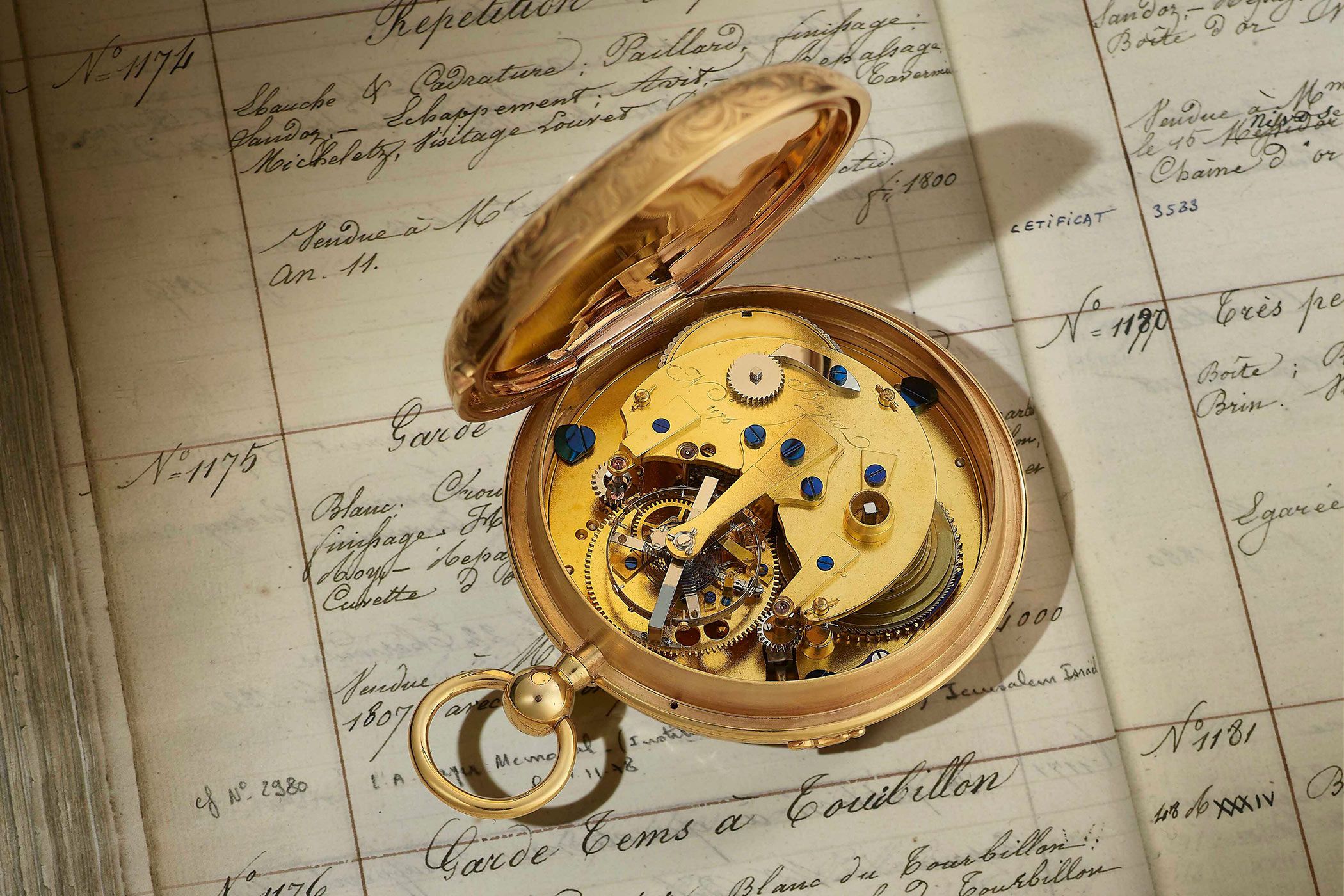
In a period when a pocket chronometer might spend its life crown‑up in a pocket or pendant, Breguet’s rotating regulator was an attempt to impose dynamic symmetry on a static, gravity‑biased environment.
Early Breguet Tourbillons: Scientific Instruments In Court Dress
The romance of the tourbillon obscures how experimental, and how scarce, the original pieces were. Breguet underestimated the difficulty of making the mechanism reliable and spent more than a decade, and considerable capital, bringing it from paper to precision instrument.
Production Scale And Types
Between approximately 1796 and 1829, Breguet’s workshop produced 40 tourbillon timepieces and began, but never finished, nine more, which survive only as ledger entries marked scrapped, lost or written off.
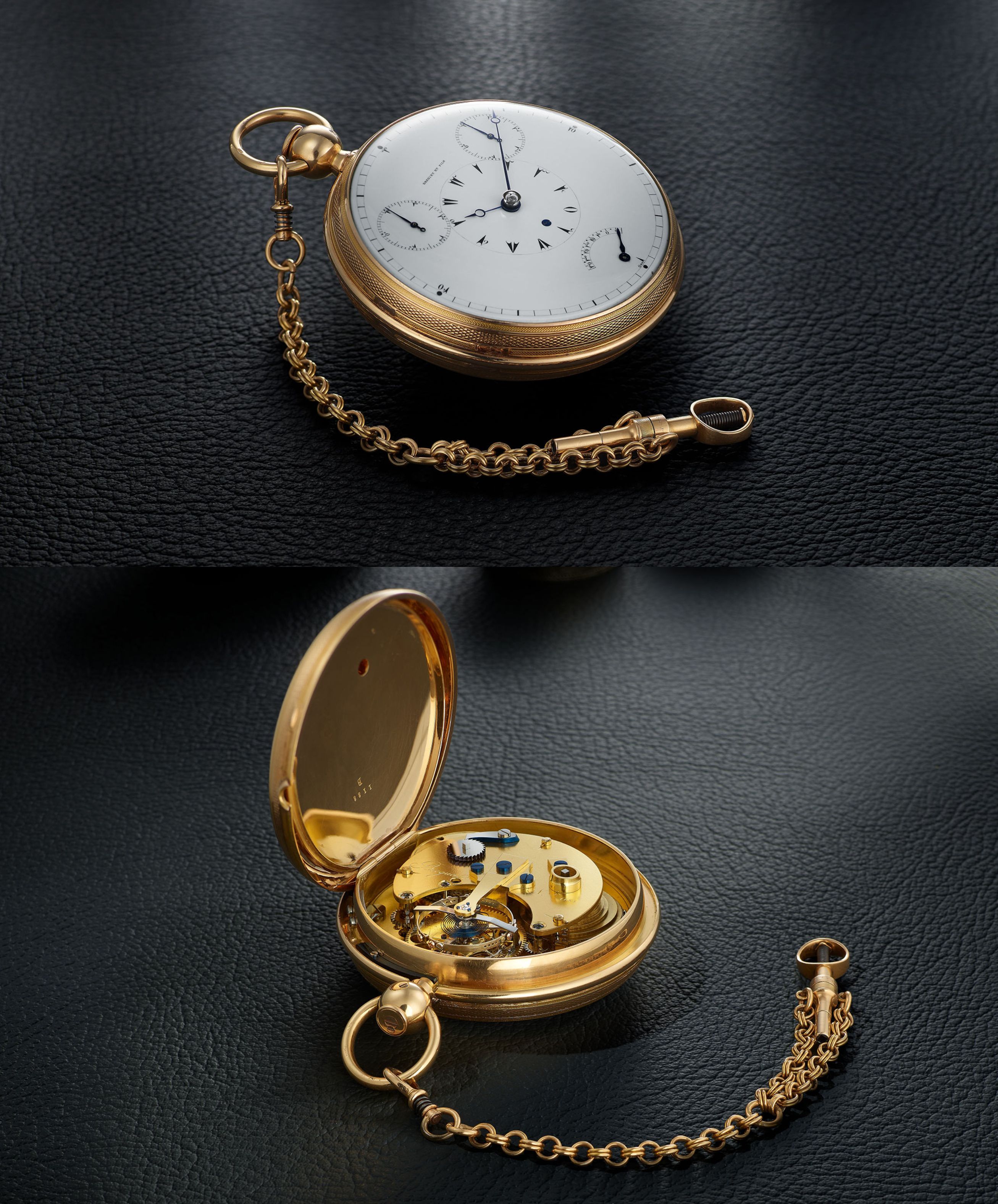
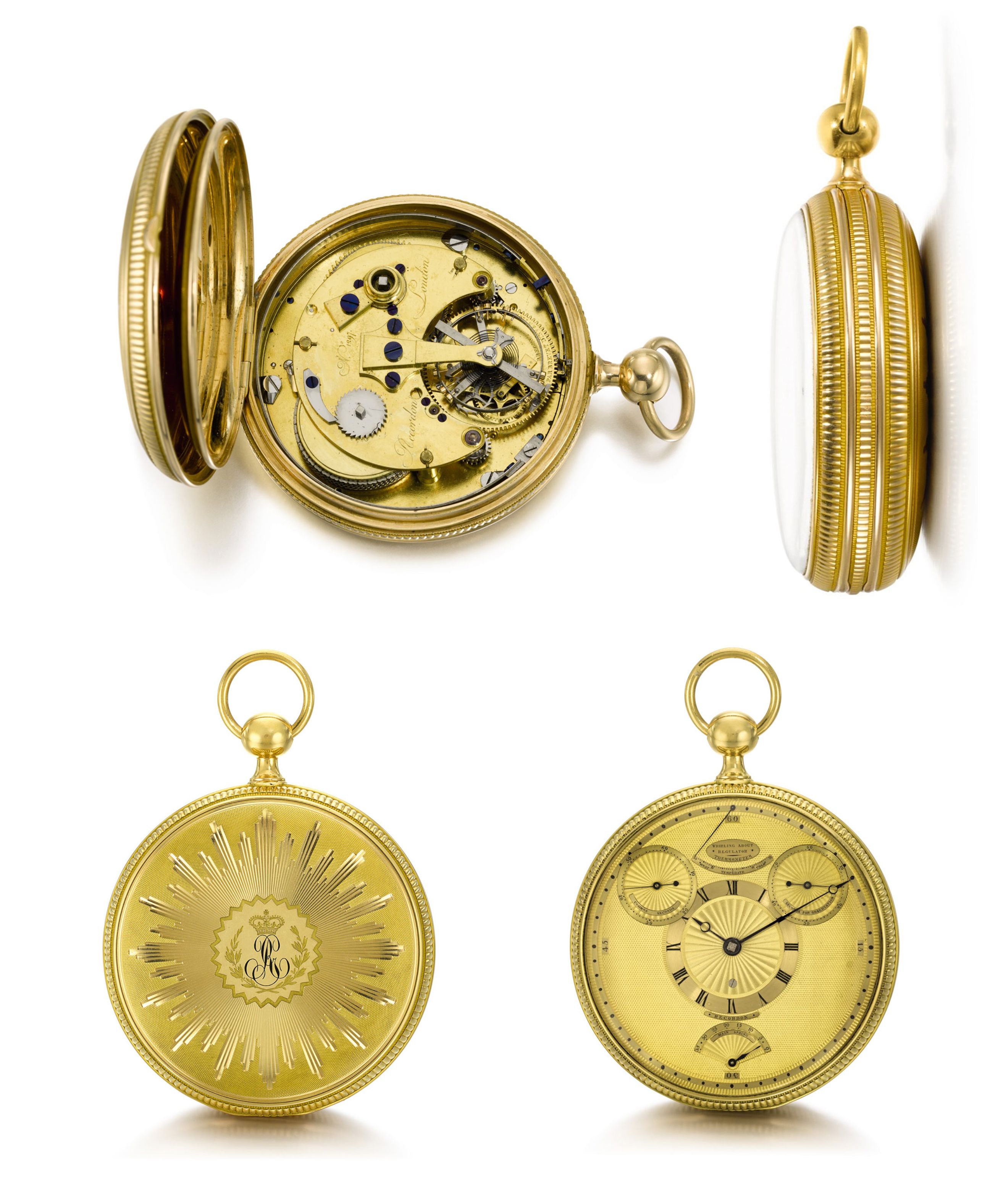
Of the 40, 35 were watches, predominantly pocket pieces, and five were clocks and demonstration regulators, including a Sympathique clock with tourbillon regulator, a marine chronometer and a large didactic model.
Contrary to the one‑minute rotation described in the 1801 patent, roughly half of the early tourbillons used four‑minute or six‑minute cages, a practical compromise between torque, inertia and escapement geometry.
Clients And Use‑Cases
The tourbillon’s first patrons were monarchs and scientifically minded aristocrats. Around a quarter of the known early tourbillons were sold for naval navigation and scientific use. Breguet classified the tourbillon among instruments de précision for scientific use rather than purely civil timekeepers, and observatory‑class rates confirm that the mechanism was intended as a chronometric tool, not an ornament.
From Pocket To Wrist: The 20th‑Century Rebirth
After A.-L. Breguet’s death in 1823, the tourbillon entered a long, quiet phase. Barring a commissioned tourbillon travel clock in 1890 and a small run of pocket tourbillons in the mid‑20th century, it remained an insider’s complication. Although the modern tourbillon era begins not at Breguet but in the broader high‑watchmaking ecosystem, it eventually curves back to the Maison that started it.
Quartz Crisis And The Symbolic Tourbillon
The quartz disruption of the 1970s paradoxically laid the ground for the tourbillon’s return, as mechanical houses needed an unambiguous demonstration of savoir‑faire that no quartz module could rival. In this reborn landscape, Breguet’s position was unique: it was not merely a practitioner of the complication but its historical author, with access to archives, original drawings and finished pieces that could be mined for both design codes and mechanical ideas.
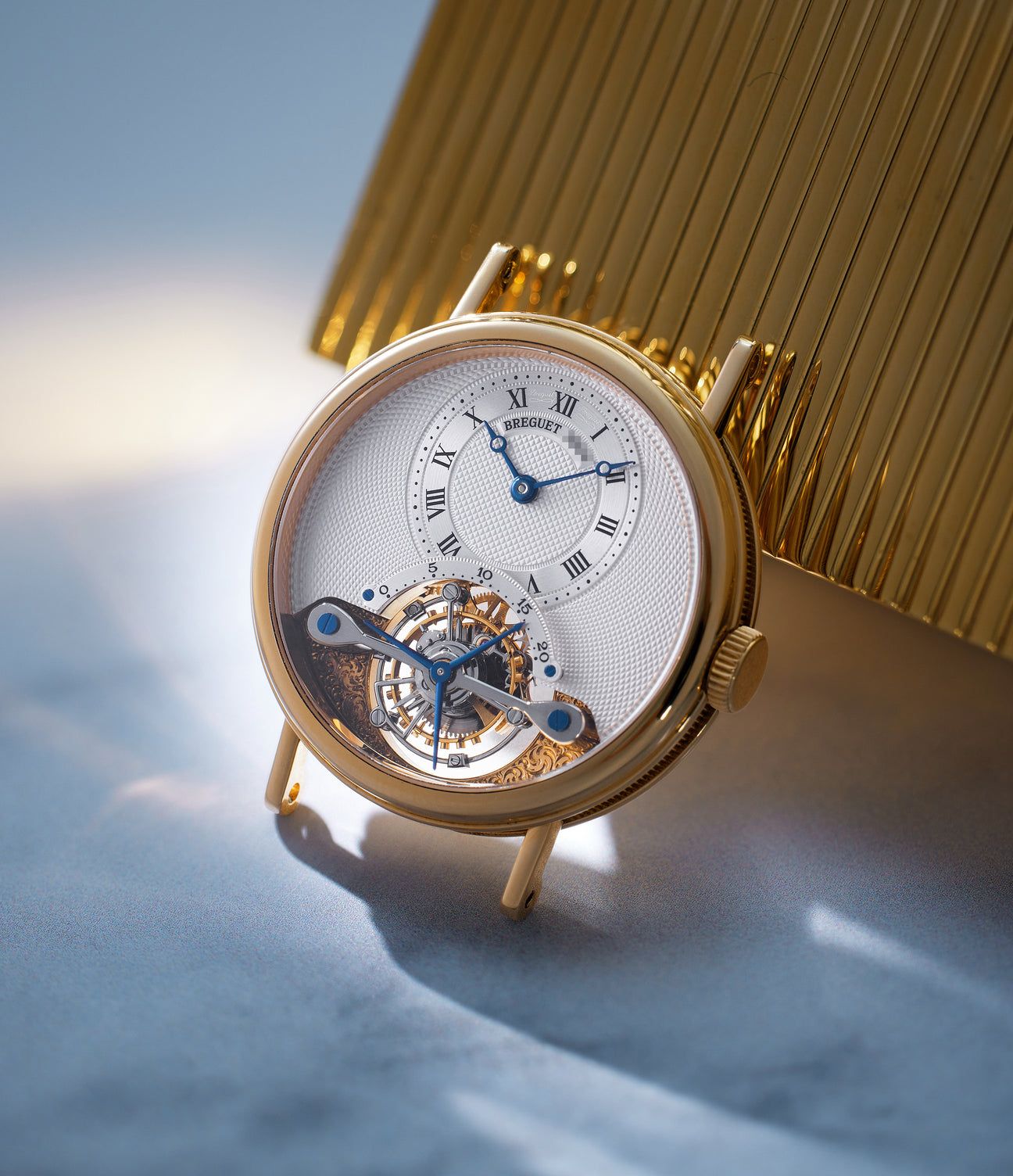
It was realized and revived for the wrist in the Classique Tourbillon Ref. 3350 (launched in 1988, developed under Daniel Roth in the mid-1980s). It was the first serially produced tourbillon wristwatch from Breguet.
Modern Breguet Tourbillons: Classicism, Thinness And Silicon
From the 1990s onward, especially after Breguet’s integration into Swatch Group in 1999, the tourbillon became the natural axis around which the brand’s technical and aesthetic identity was rebuilt. The evolution is best read through key references and the caliber families behind them. It has been a distinct mechanical as well as a poetic entity in creations making Breguet’s Classique, Tradition, and Marine collections.
The Classique tourbillons take the pocket‑watch language of Breguet’s no. 1176 and no. 2567 and transpose it onto contemporary calibers in which the tourbillon is no longer a gravity crutch for vertical pocket watches, but a vehicle for three converging themes: extra‑thin construction, advanced materials and visible kinematics orchestrated within a strict Breguet design grammar.
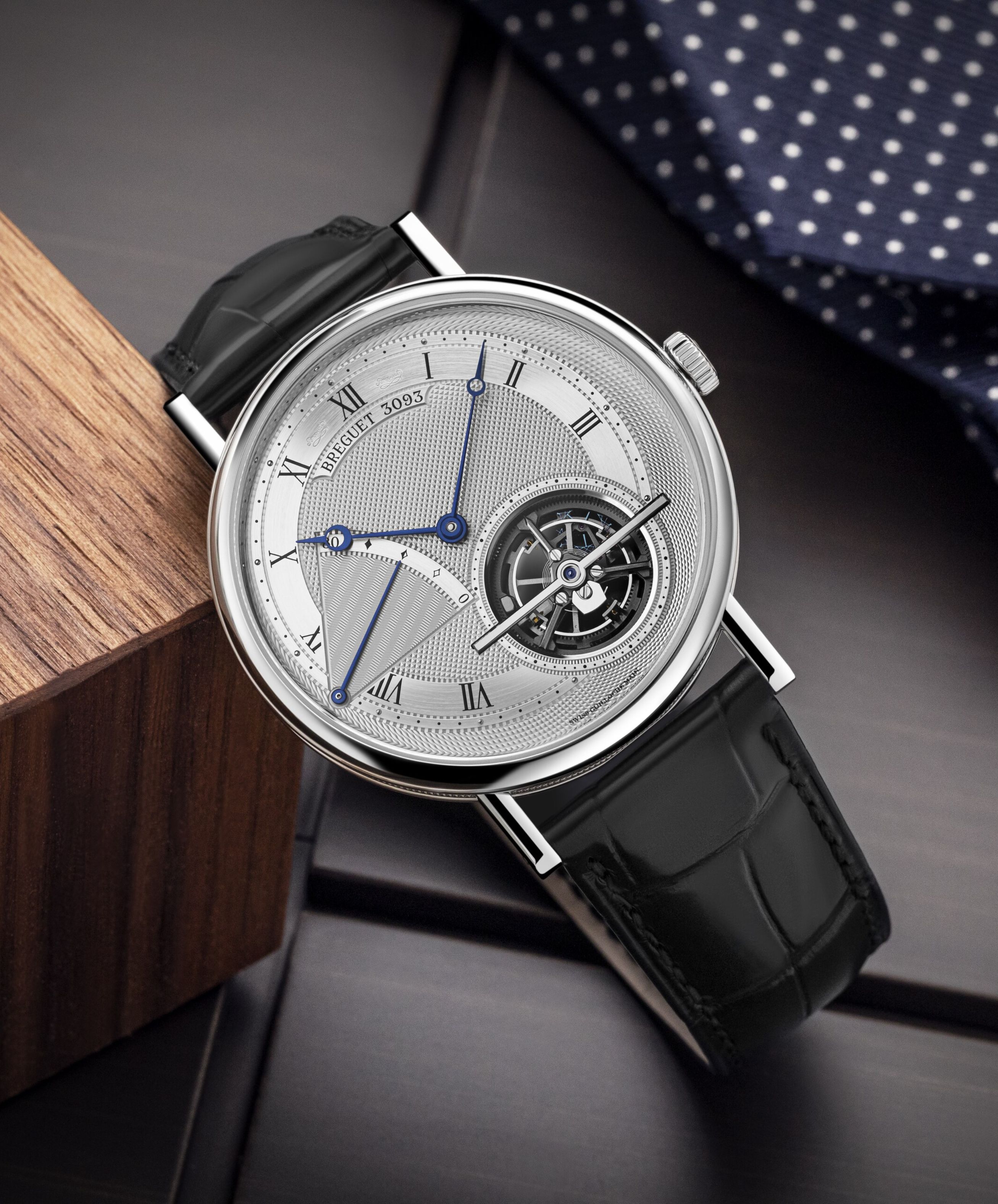

The Tradition line, derived from the architecture of Breguet’s souscription and garde‑temps pocket movements, brings the tourbillon to the dial side on a symmetrical horizontal plane with the barrel and train. Tradition tourbillons serve as didactic objects: they expose the gear train, regulator and torque‑management system on the same visual plane, making the regulating strategy legible in a way A.-L. Breguet, a member of the French Academy of Sciences, would likely have appreciated.
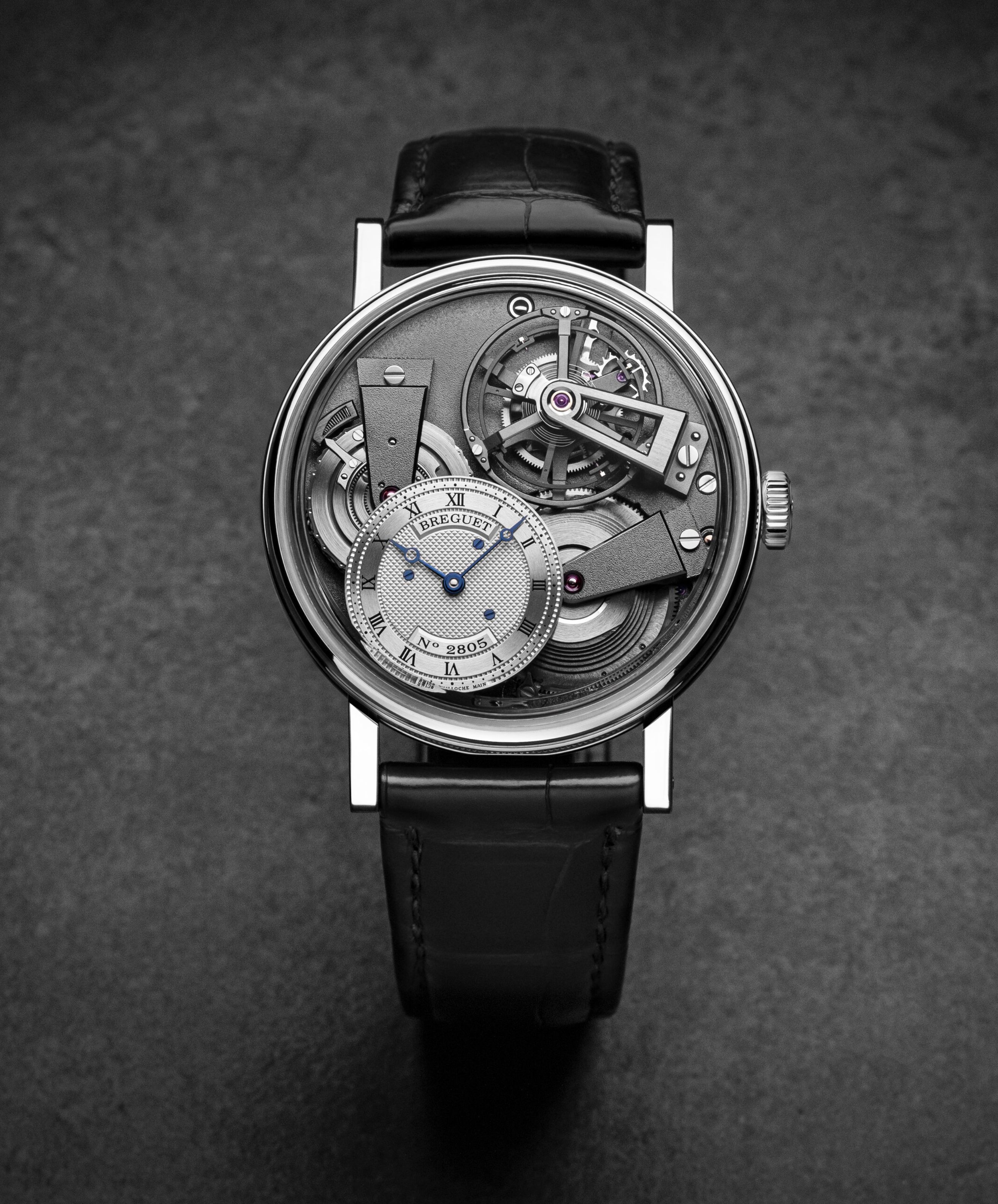
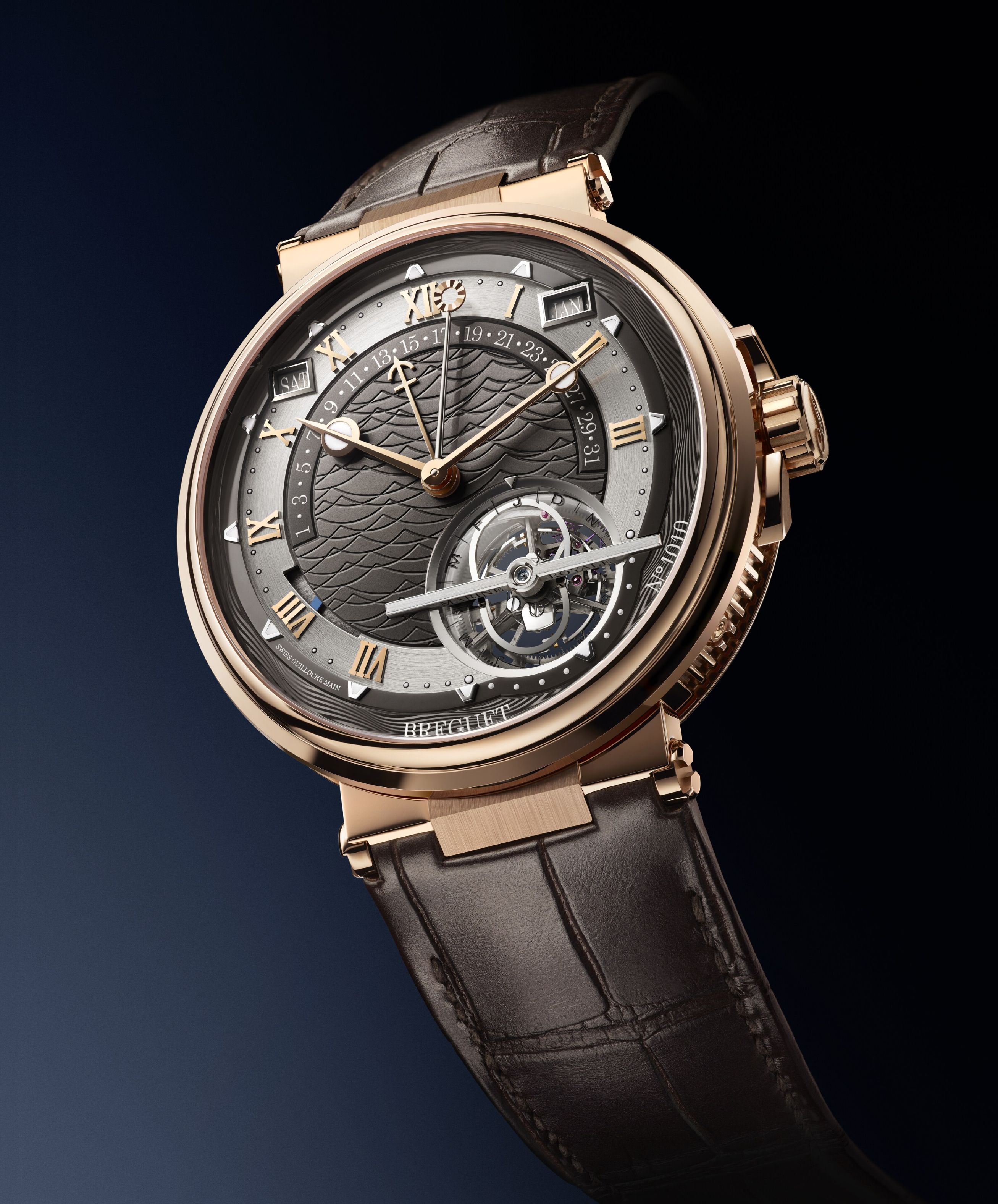
Breguet’s appointment as horloger de la Marine royale in 1815 is the historical anchor for the modern Marine collection, where the tourbillon is paired with complications explicitly tied to celestial time and navigation.
Technical Trajectory: From Brass And Steel To Silicon And Magnetics
Across these modern references there runs a coherent line of technical evolution that speaks directly to the failure modes Breguet identified in his 1801 patent.
Centre Of Gravity And Isochronism
The Breguet overcoil, introduced in the 1790s, was designed to bring the hairspring’s center of gravity closer to the axis and improve concentric “breathing,” reducing rate variation with amplitude.
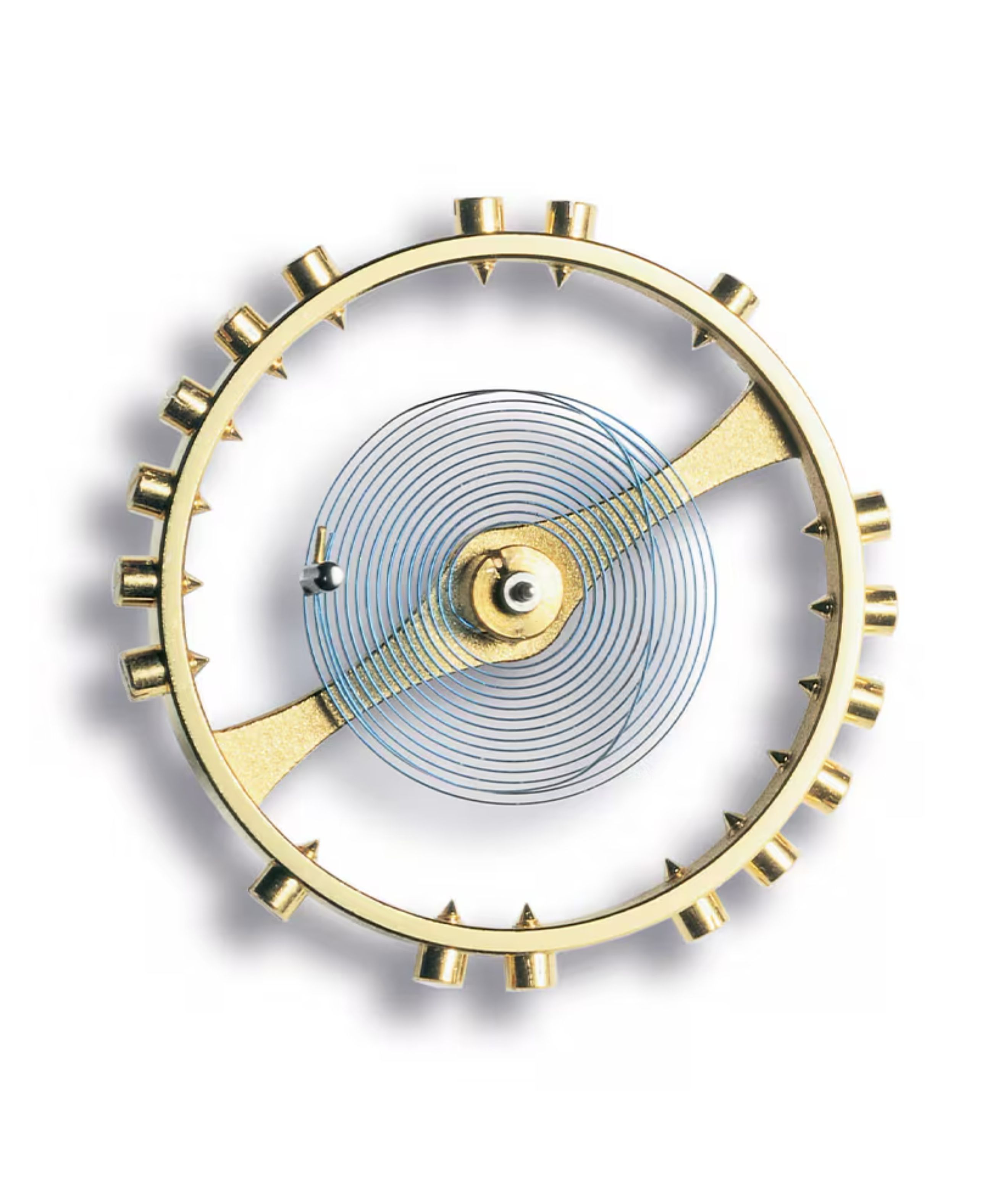
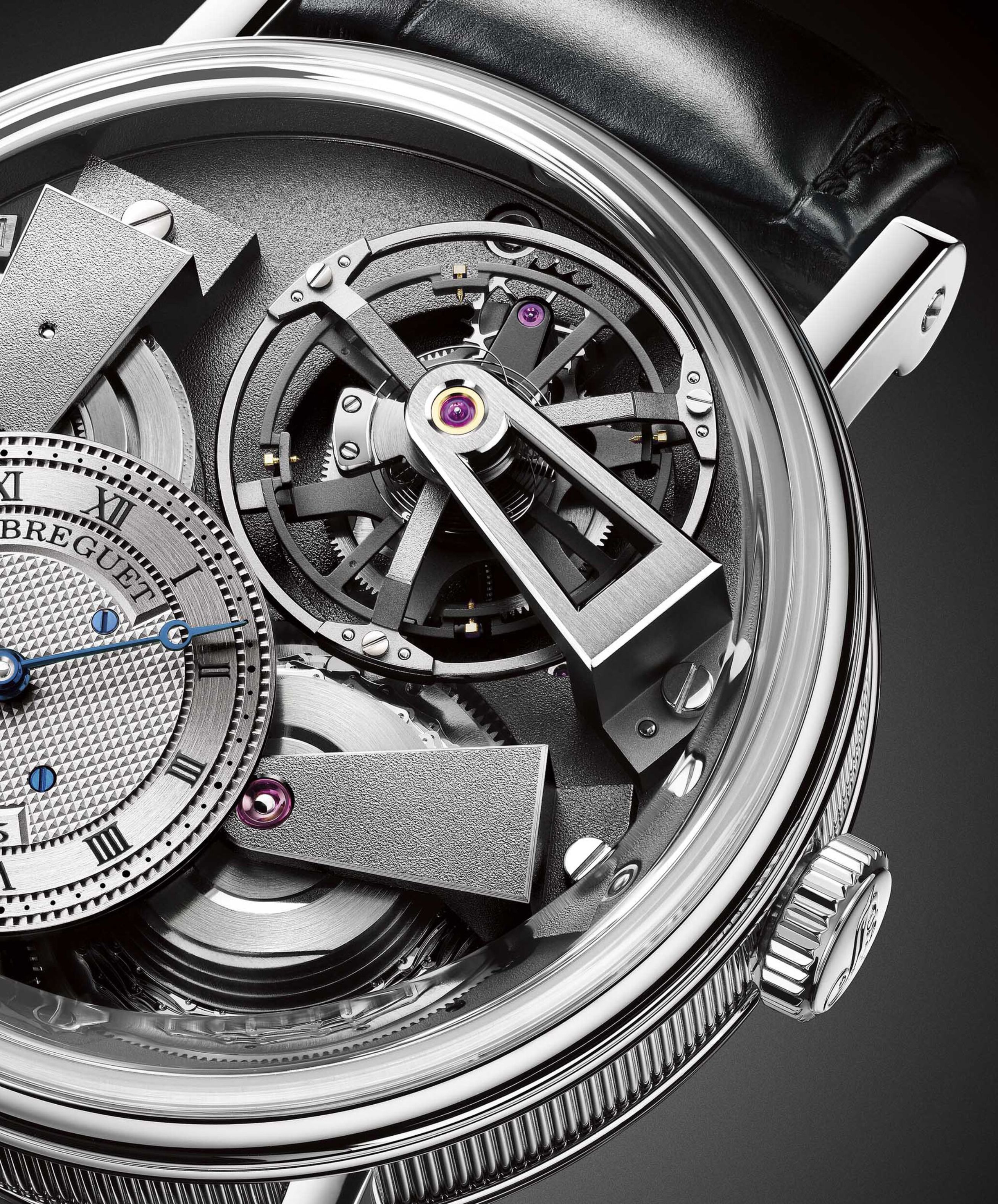
Silicon hairsprings, introduced at Breguet in the 2000s and now used in tourbillons like the 5377, 5367, 5395 and 7047, go further: they allow arbitrary sectional profiles and integrated terminal curves (Grossmann‑style), while their low density makes the effect of residual eccentricity on the center of gravity much smaller.
Friction, Oil And Pivots
Breguet’s original tourbillon sought to “distribute frictions on all parts of the circumference of the pivots” and mitigate oil coagulation by rotation. In modern calibers, this is supplemented by high‑precision jewel machining, low‑friction silicon contact surfaces in the escapement and, in some cases, magnetic pivots that suspend the balance staff in a magnetic field, reducing pivot contact and wear.
Torque Stability
Breguet’s work on constant‑force escapements and later the fusée‑and‑chain chronometers find a clear descendant in the Tradition 7047. High‑frequency tourbillons such as those based on caliber 581 rely on a “high‑energy” barrel and efficient escapement geometry to maintain amplitude at 4 Hz across 80 hours, a feat that would not be possible without careful management of torque and inertia.
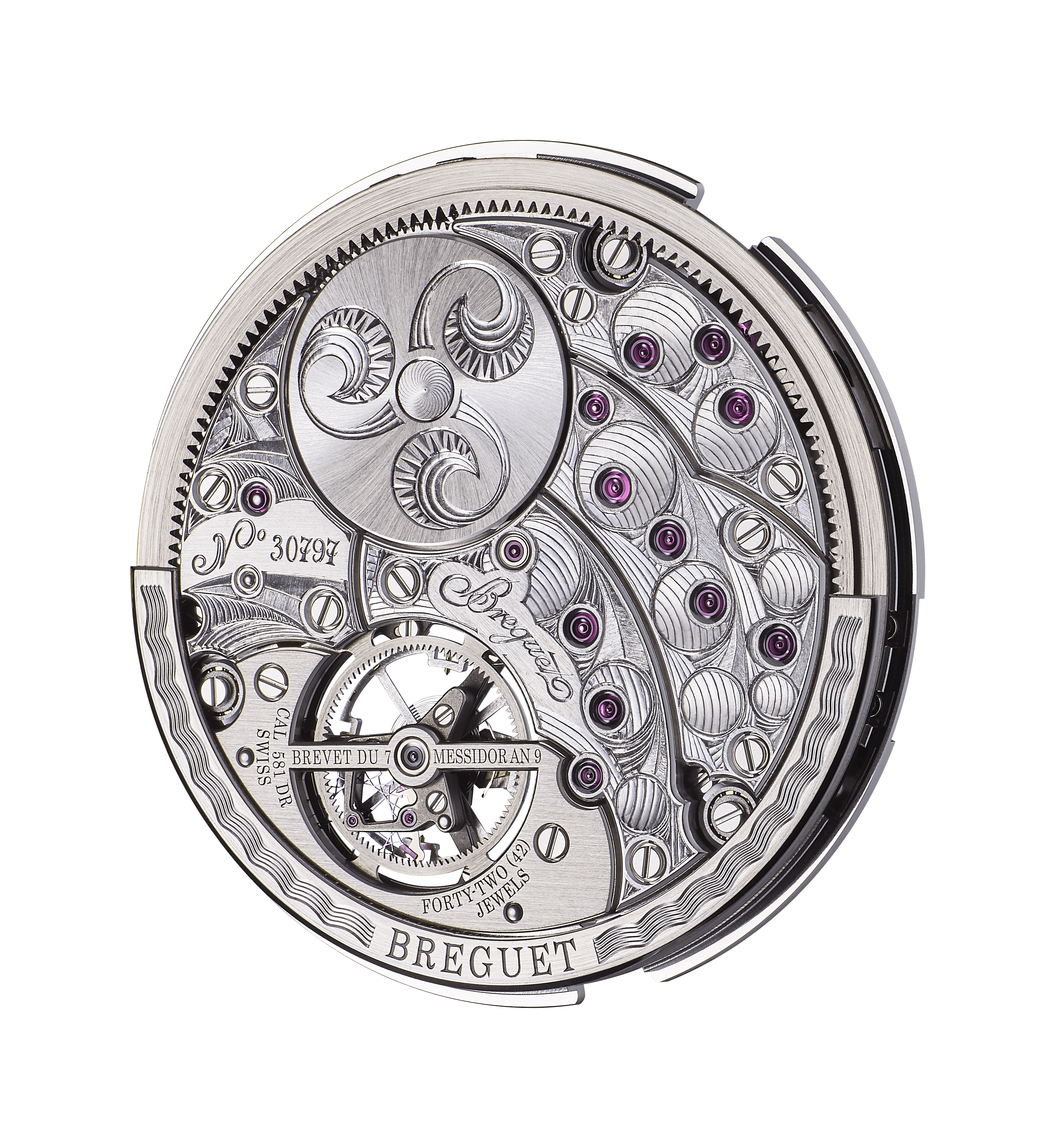
Through these interventions, the tourbillon is re‑framed not as a self‑sufficient cure for gravity, but as one element in a broader engineering program: balance‑spring architecture, materials science, torque shaping and positional error averaging.
Breguet Expérimentale No. 1: A 2025 Testbed
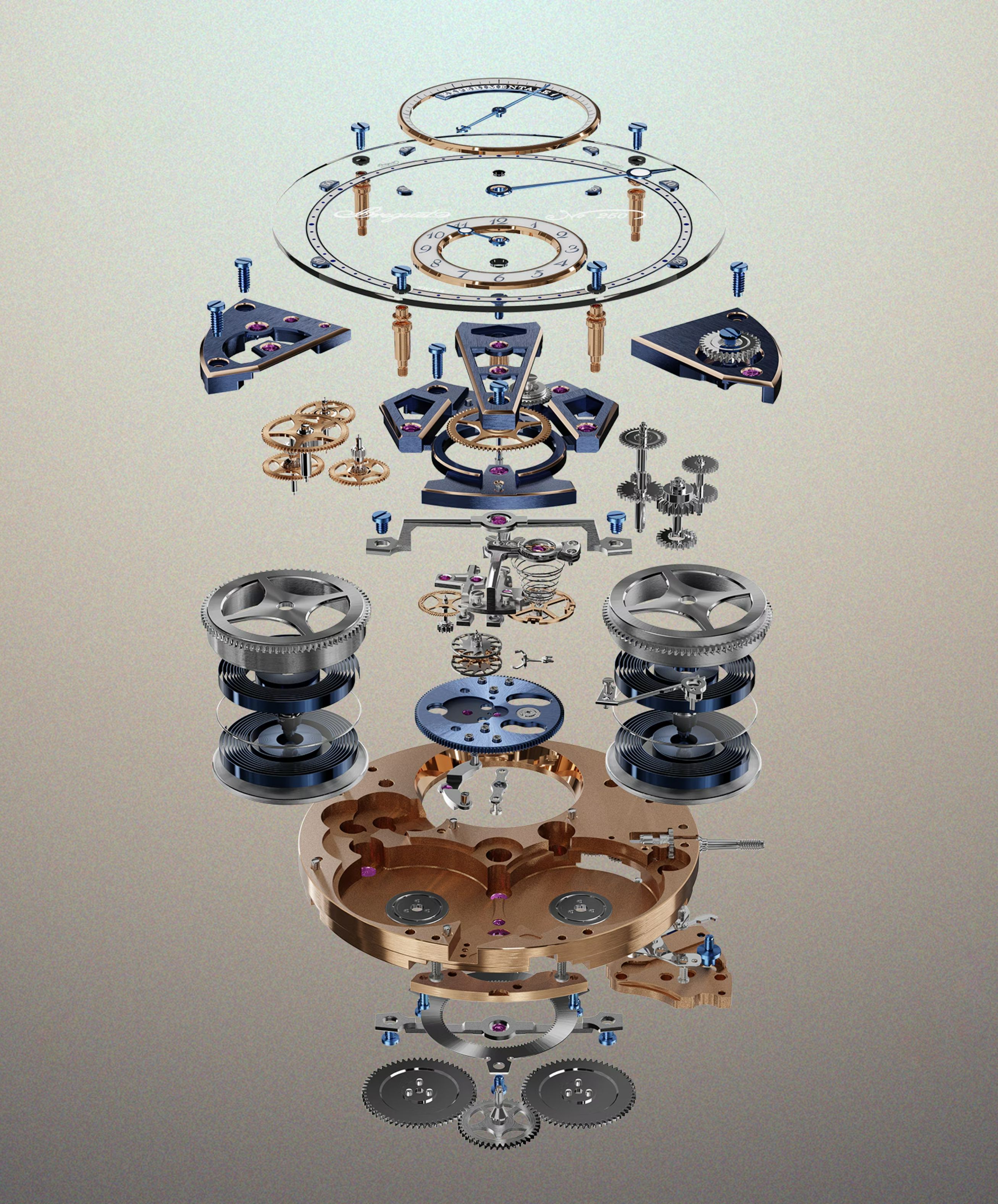
Within this long arc, the Breguet Expérimentale No. 1, unveiled in 2025, occupies a different category: it is explicitly positioned as the first chapter in a new R&D line rather than a traditional catalog reference. This timepiece crafted in Breguet gold is equipped with the very first high-frequency (10 Hz) tourbillon with a magnetic escapement and delivering constant force to the balance.

Continuity: A Single Idea Carried Forward
From the first experimental No. 1252 tourbillon regulator of 1800 through observatory pocket pieces, mid‑1980s ultra‑thin wrist tourbillons and today’s silicon‑sprung, peripheral‑rotor calibers, Breguet has pursued one consistent objective: stabilizing the rate of a mechanical oscillator in the real world.
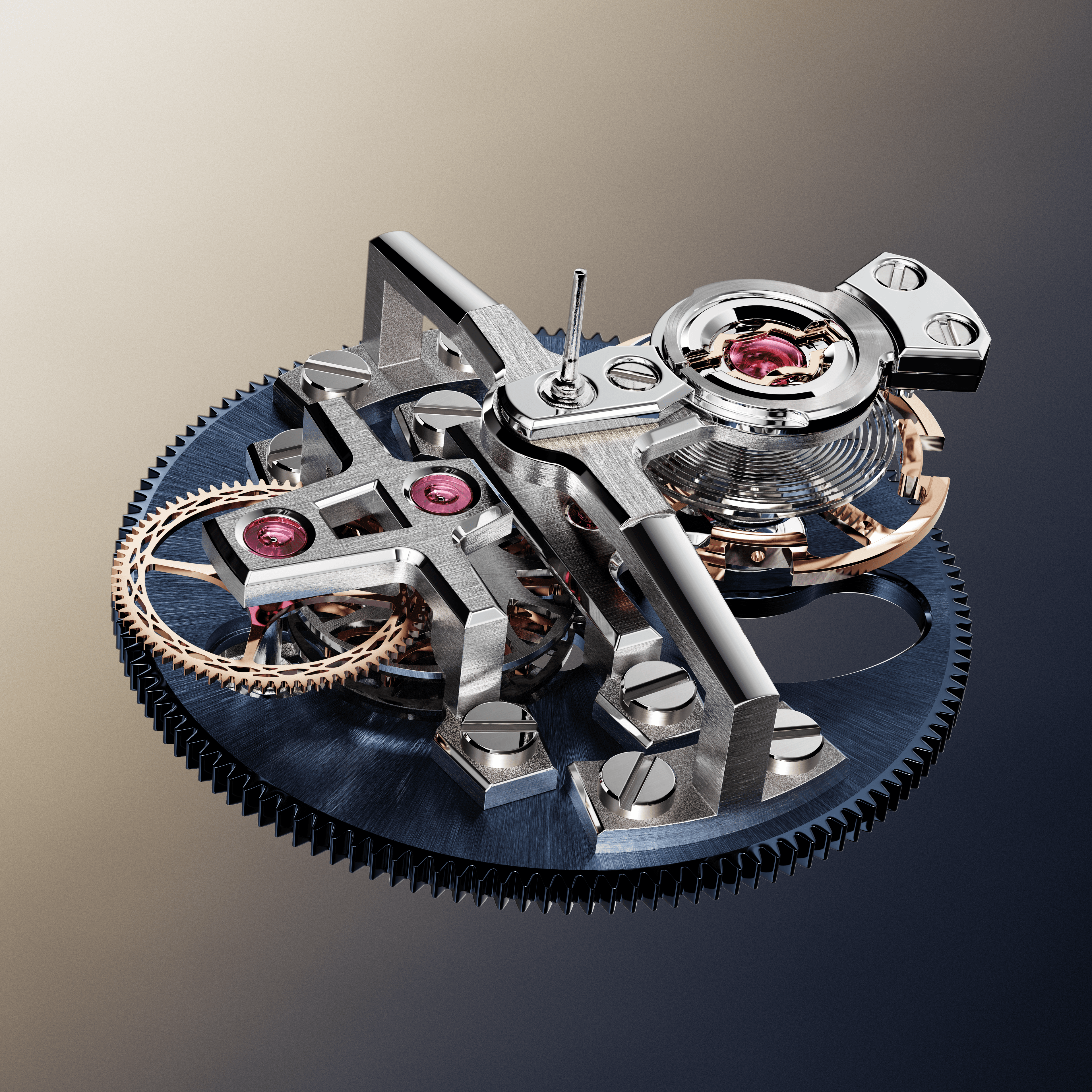
The means have evolved, from one‑minute brass carriages to titanium cages, from hand‑bent overcoils to photolithographed silicon springs, from fusées to magnetic pivots and high‑frequency escapements, but the governing insight remains recognizably Breguet’s: if one cannot abolish perturbing forces, one can at least choreograph them, distributing their effects in time and space until their errors cancel into a steady beat.
The Expérimentale No. 1 is the latest, and not the last, expression of that choreography, a 21st‑century whirlwind that still spins on an axis first drawn in ink in 1801.


