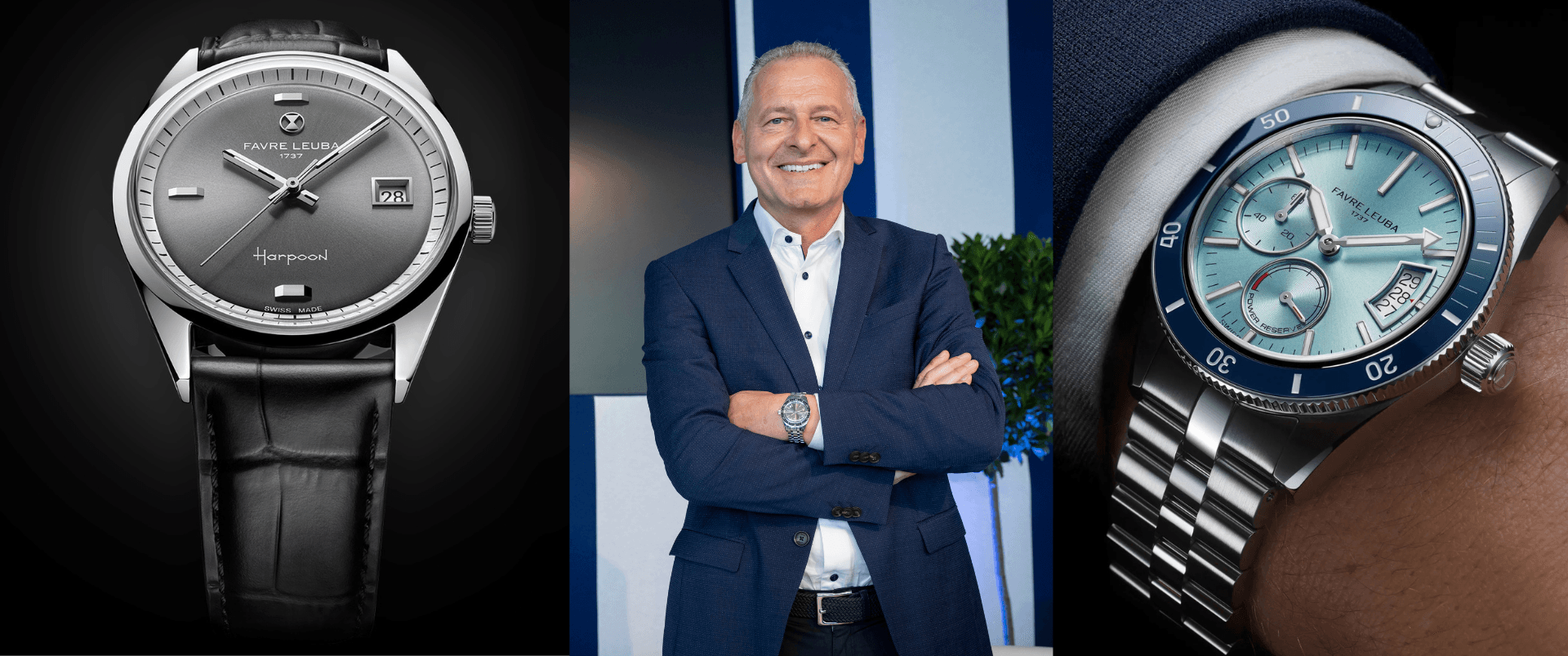
CEO Of The Month: Patrik Hoffmann : Chapter 12 - Why Patrik Hoffmann’s Revival Of Favre Leuba Matters
 5 min read

In an industry obsessed with launching the next big thing, Patrik Hoffmann chose to rebuild a 288-year-old name instead. That decision alone tells you almost everything you need to know about him. The modern luxury watch industry has become increasingly dependent on nostalgia. Historic logos are revived, archive-inspired dials dominate releases, and heritage is often repackaged as strategy. But genuine revival is far more complicated than bringing back an old name.
It requires restraint. Patience. Credibility. And above all, conviction. That is precisely why Patrik Hoffmann is The Hour Markers’ CEO Of The Month. Because what he is attempting with Favre Leuba does not feel like another heritage relaunch engineered around marketing. It feels personal. And that distinction matters.
The Executive Who Already Had Nothing Left To Prove
Before returning to Favre Leuba, Hoffmann had already built one of the most respected careers in modern Swiss watchmaking through his years at Ulysse Nardin. His leadership at Ulysse Nardin came during an important transitional period for the brand - one where maintaining identity became just as important as maintaining growth. While much of the industry moved toward safer commercial positioning, Ulysse Nardin retained its technical confidence and independent spirit.
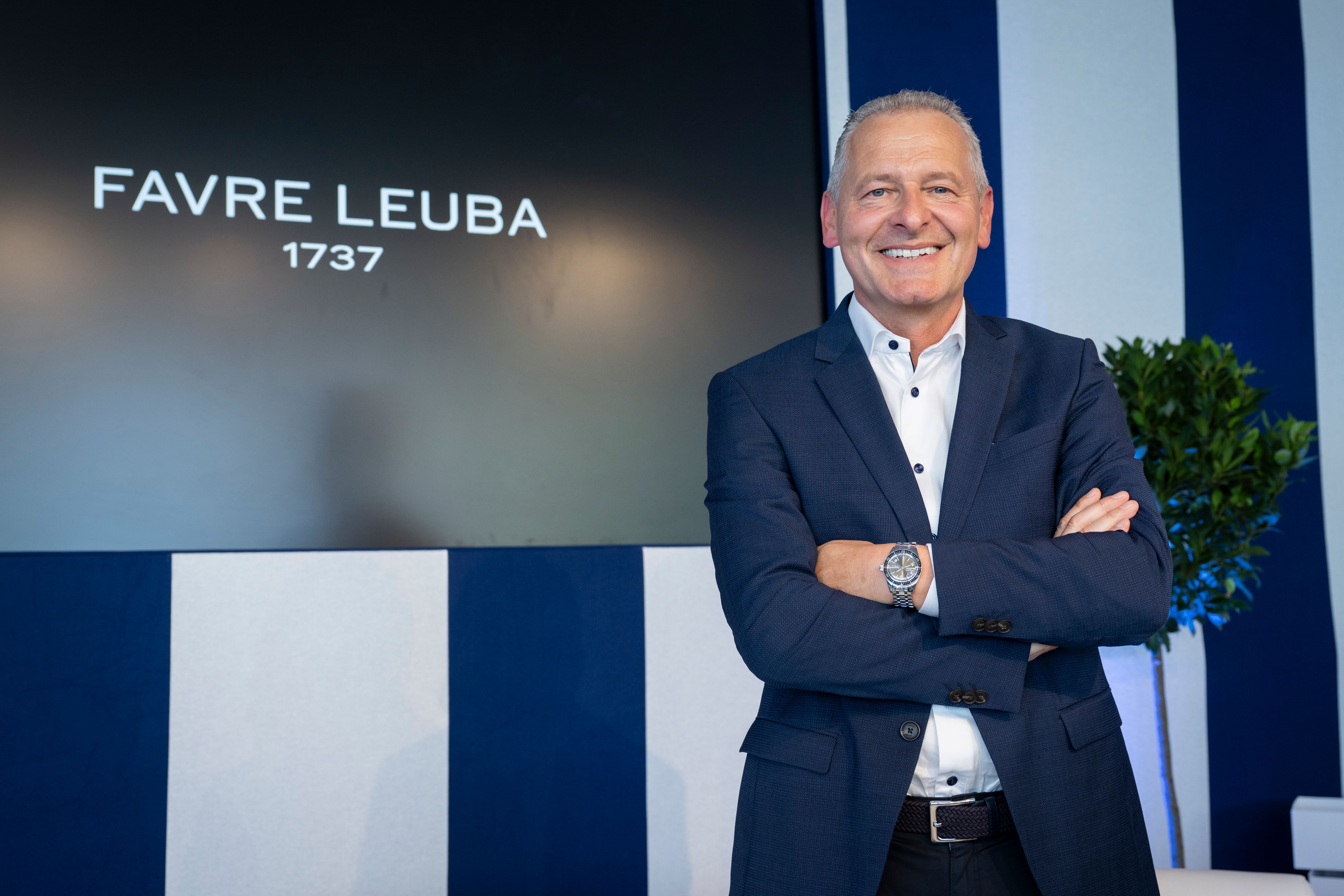
That balance is difficult to achieve. Many executives know how to scale a brand. Very few understand how to protect its soul while doing it. Hoffmann did both. But perhaps the most revealing insight into his leadership came not from a strategy presentation or a product launch, but from the way he described his own journey back into Favre Leuba.
If you know Hoffmann, you know how personal this revival truly is for Hoffmann. Throughout his career, three brands remained particularly close to him: Oris, where he began his journey in watchmaking, followed by Ulysse Nardin, and eventually Favre Leuba. In many ways, his move toward Favre Leuba represents a return to the kind of watchmaking philosophy he experienced earlier in his career - one rooted less in spectacle and more in product integrity, value positioning, and long-term credibility.
Hoffmann repeatedly returned to one central idea during our discussion: product matters above everything else. For him, great watchmaking is not about artificially elevating a brand beyond its segment. It is about creating the best possible product within the space the brand authentically belongs in. That clarity of positioning appears to define much of Favre Leuba’s modern direction today. That emotional connection becomes important when you understand the scale of what he is trying to rebuild.
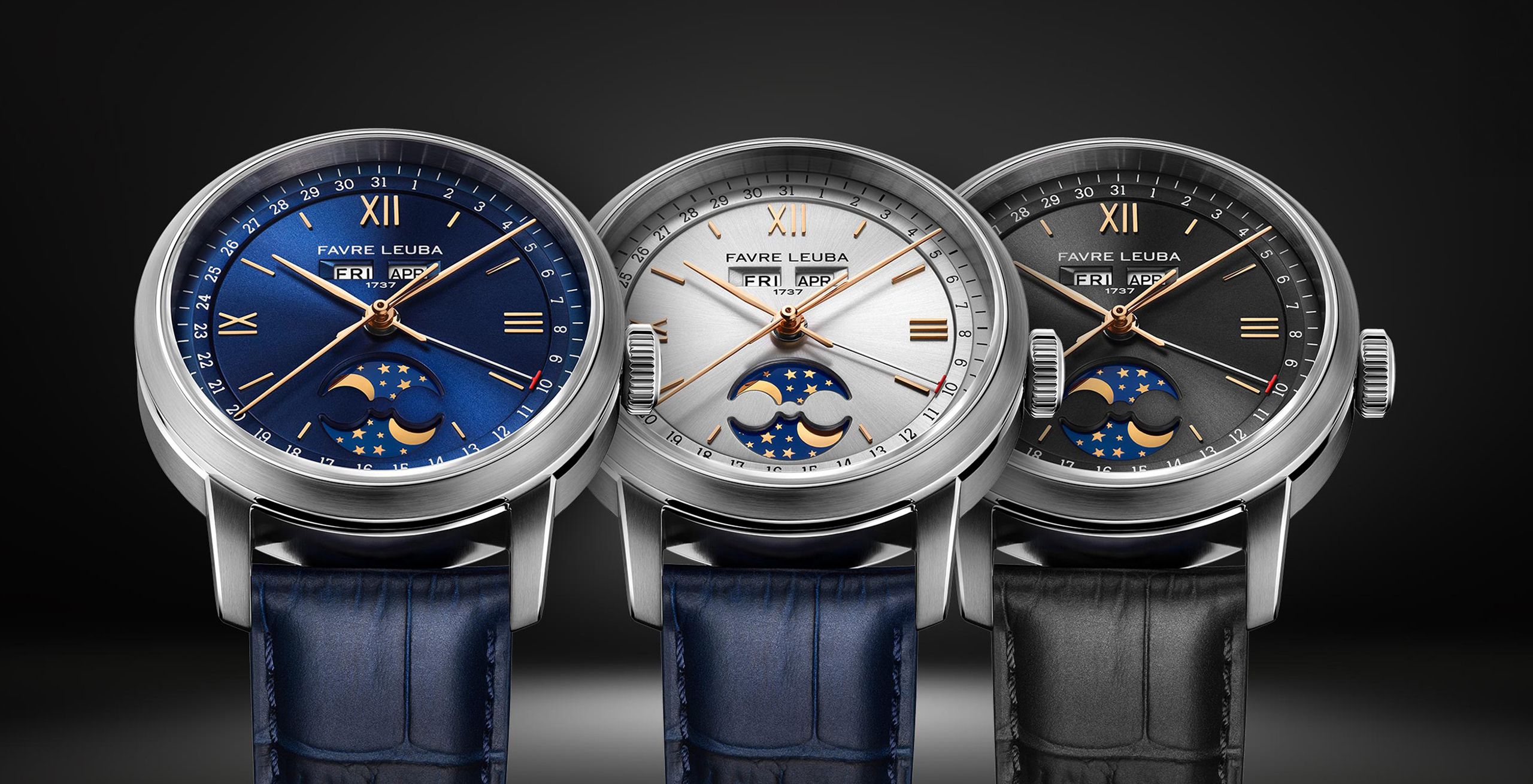
Favre Leuba is not operating in the same world as Ulysse Nardin. The challenge is fundamentally different. And Hoffmann knows that. That sentence may quietly explain why the revival already feels more believable than many others in the industry. Because Hoffmann understands positioning. He understands that modern watchmaking is no longer about inflated exclusivity or artificial storytelling. It is about creating products with genuine value and clarity within their segment. That philosophy is visible throughout Favre Leuba’s modern revival.
Why Favre Leuba Feels Different This Time
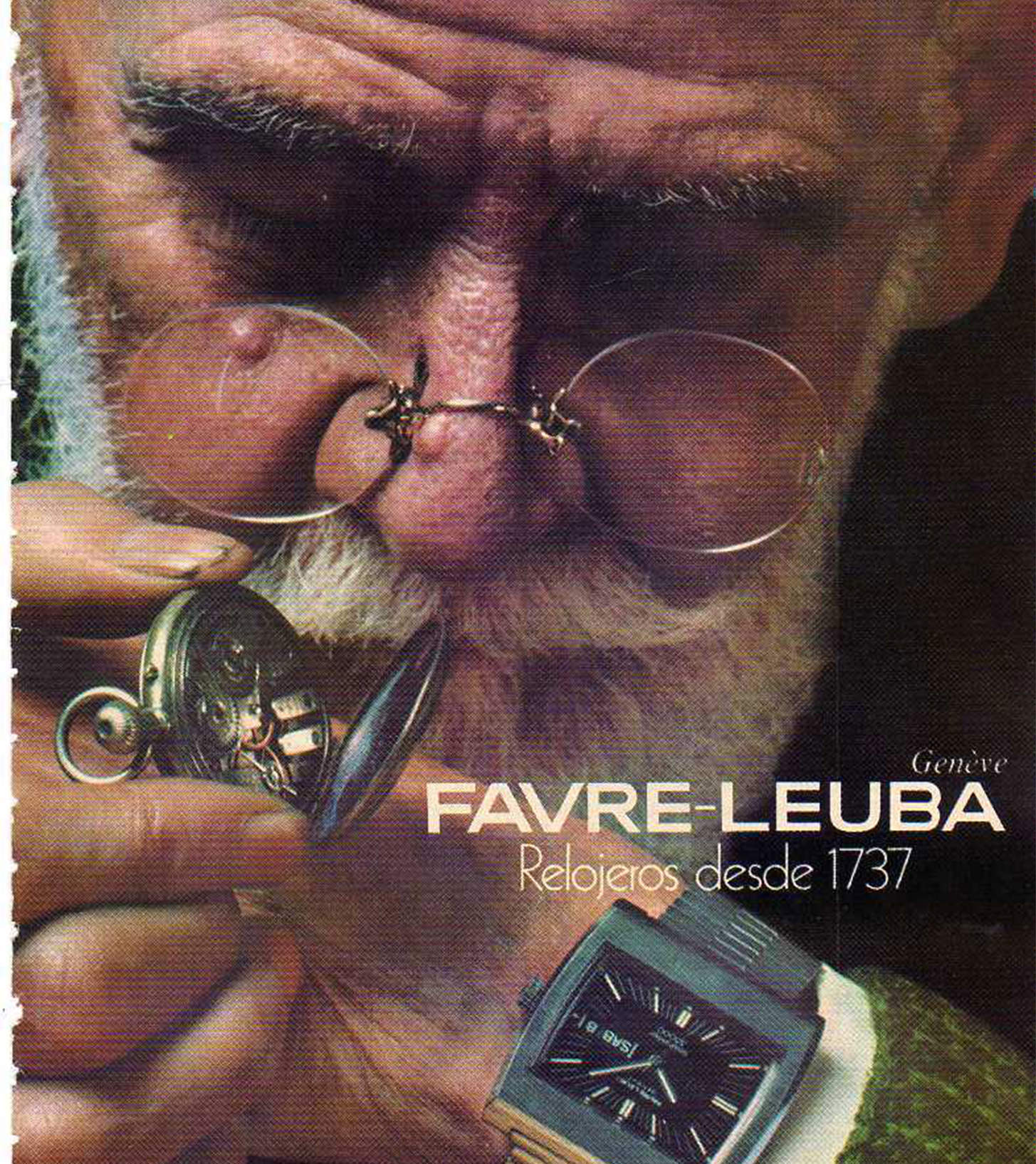
Founded in 1737, Favre Leuba remains one of the oldest names in Swiss watchmaking. But heritage alone guarantees nothing in today’s market. Collectors have become increasingly informed. They recognise when history is being used superficially. They can immediately tell when a revival is driven more by marketing than by substance. That is what makes Favre Leuba’s return particularly interesting.
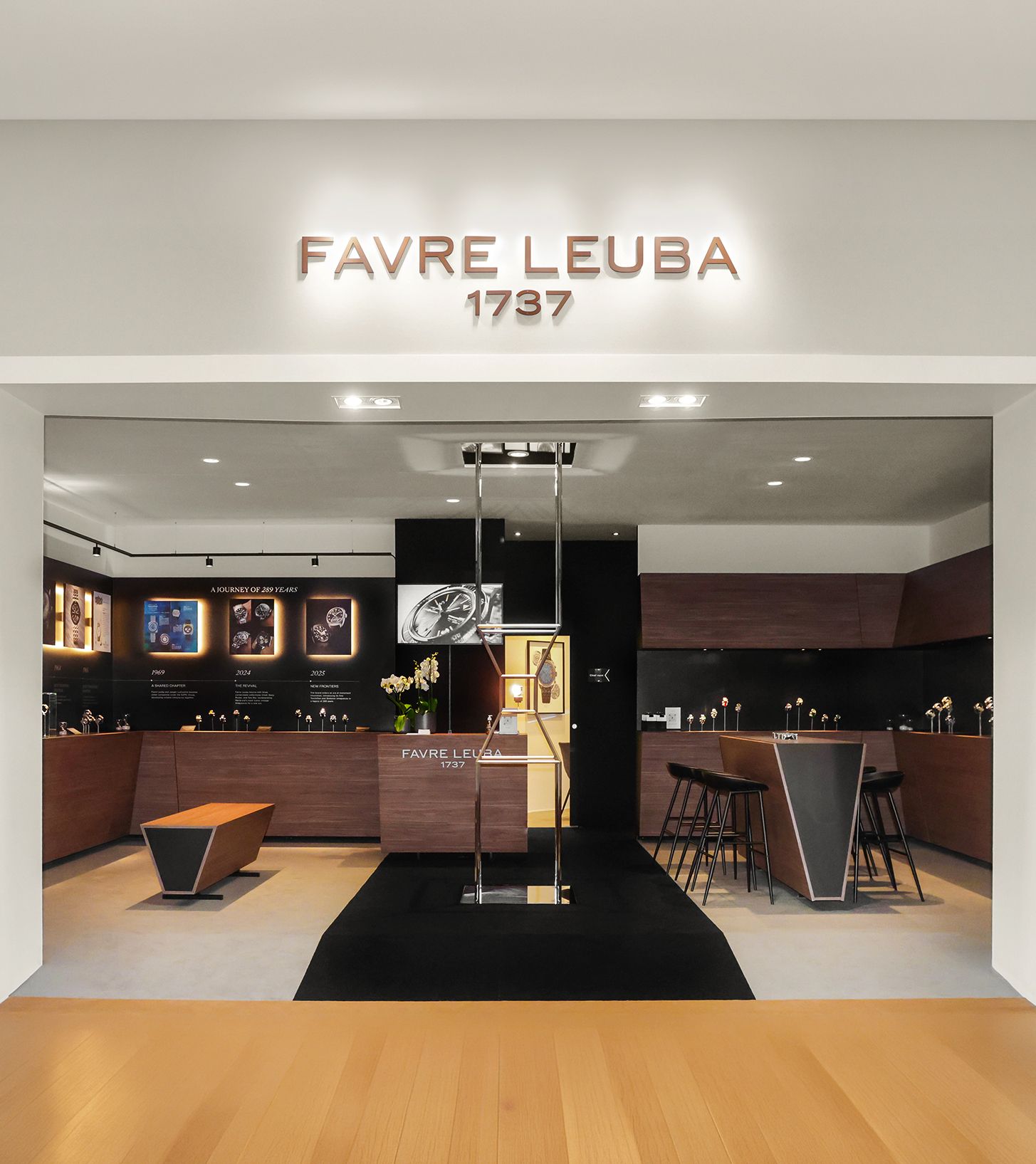
The relaunch has not been built around excessive hype. The watches remain wearable. The pricing feels measured. The communication has stayed relatively grounded compared to many modern luxury launches. Most importantly, there has been a clear effort to rebuild trust before chasing visibility. And perhaps no moment symbolised that progress more clearly than Favre Leuba’s appearance at Watches and Wonders Geneva. For the brand, it represented a major milestone. In an industry where visibility at Watches and Wonders carries enormous significance, Favre Leuba’s presence signalled something important: the industry itself was beginning to take the revival seriously.
A Swiss CEO Who Understands India
One of the most compelling aspects of Patrik Hoffmann’s leadership is his understanding of India’s growing role within global watch culture. India is now widely considered one of the fastest-growing luxury watch markets globally, particularly among younger collectors increasingly interested in heritage-driven and independent watchmaking. But Hoffmann’s relationship with India feels more engaged than transactional.
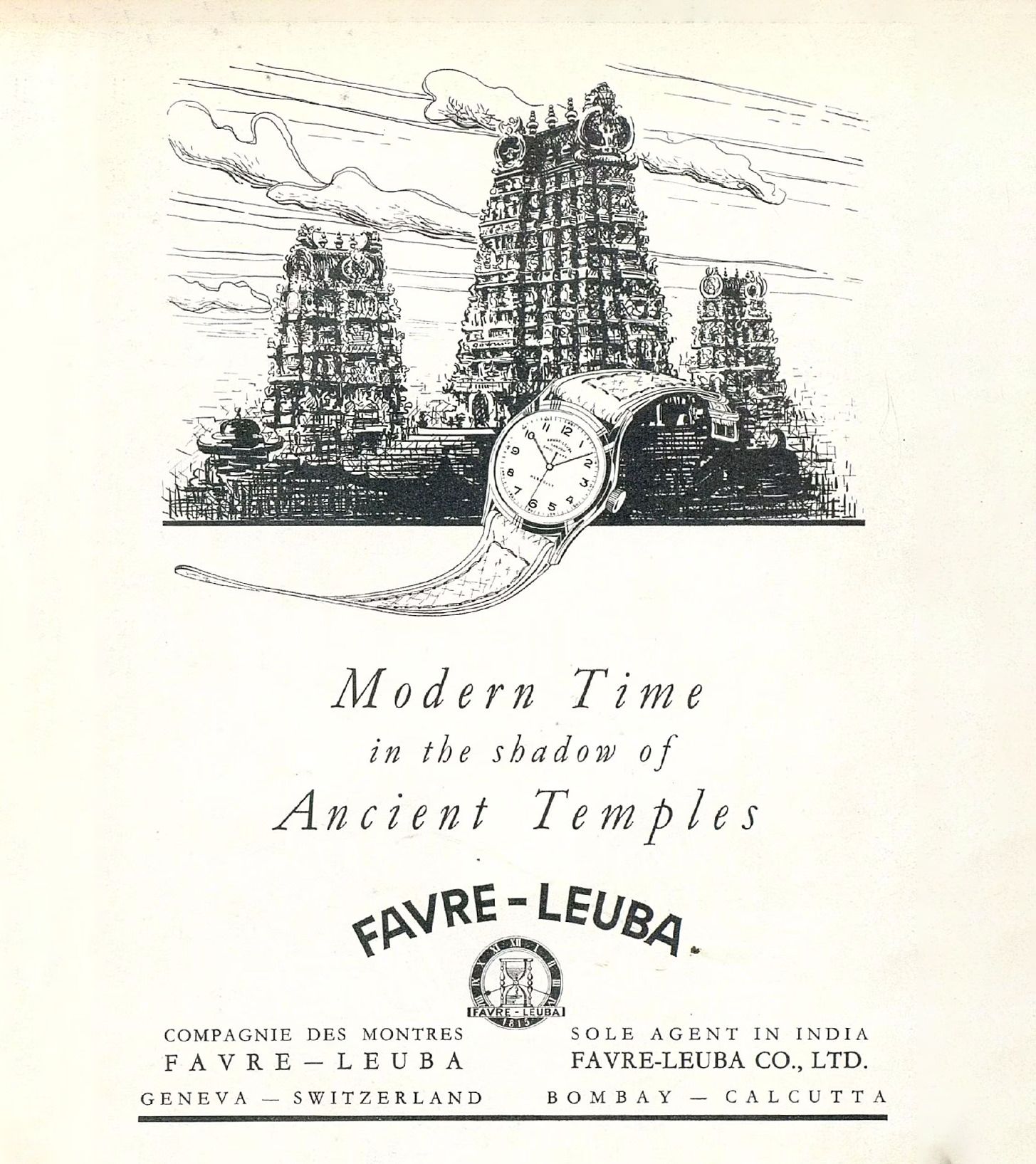
Favre Leuba already shares deep historical roots with the Indian market, and Hoffmann has actively embraced that connection rather than treating it as a nostalgic footnote. His frequent visits to India, conversations with collectors, and long-term outlook toward the region reflect genuine commitment. Collectors notice these things. Especially in a market where watch audiences are becoming more informed, historically aware, and globally connected than ever before. While many luxury executives still approach India cautiously, Hoffmann appears to recognise its cultural importance long before much of the industry fully catches up.
Leadership Without Theatre
Luxury leadership today often revolves around spectacle. Constant visibility, exaggerated positioning, and carefully manufactured hype have become standard practice across much of the watch industry. Patrik Hoffmann feels remarkably different. There is very little theatre around him. His leadership style appears calm, commercially aware, and deeply product-focused. Even while discussing strategy, he consistently returns to the same core principle: the watch itself must justify the brand around it. That restraint may ultimately become one of Favre Leuba’s greatest strengths. Because in modern watchmaking, authenticity has become increasingly difficult to fake.
Why Patrik Hoffmann Is Our CEO Of The Month
Patrik Hoffmann is not simply relaunching a watch brand. He is rebuilding belief around one. From his influential years at Ulysse Nardin to the ambitious revival of Favre Leuba, his career reflects a rare understanding of how heritage and modern luxury can coexist without compromising each other. At a time when much of the industry is focused on speed, spectacle, and short-term attention, Hoffmann’s approach feels unusually patient and deliberate. And perhaps that is exactly why it feels credible.
Ethos And Favre Leuba’s Future In India
Favre Leuba’s partnership with Ethos also represents an important part of the brand’s future in India. With more than 70 boutiques across the country, Ethos has become one of India’s most influential luxury watch retailers and a major force in shaping modern Indian watch culture. Through collector engagement, education, and access to serious horology, the retailer has helped create a far more informed luxury watch audience over the past decade.
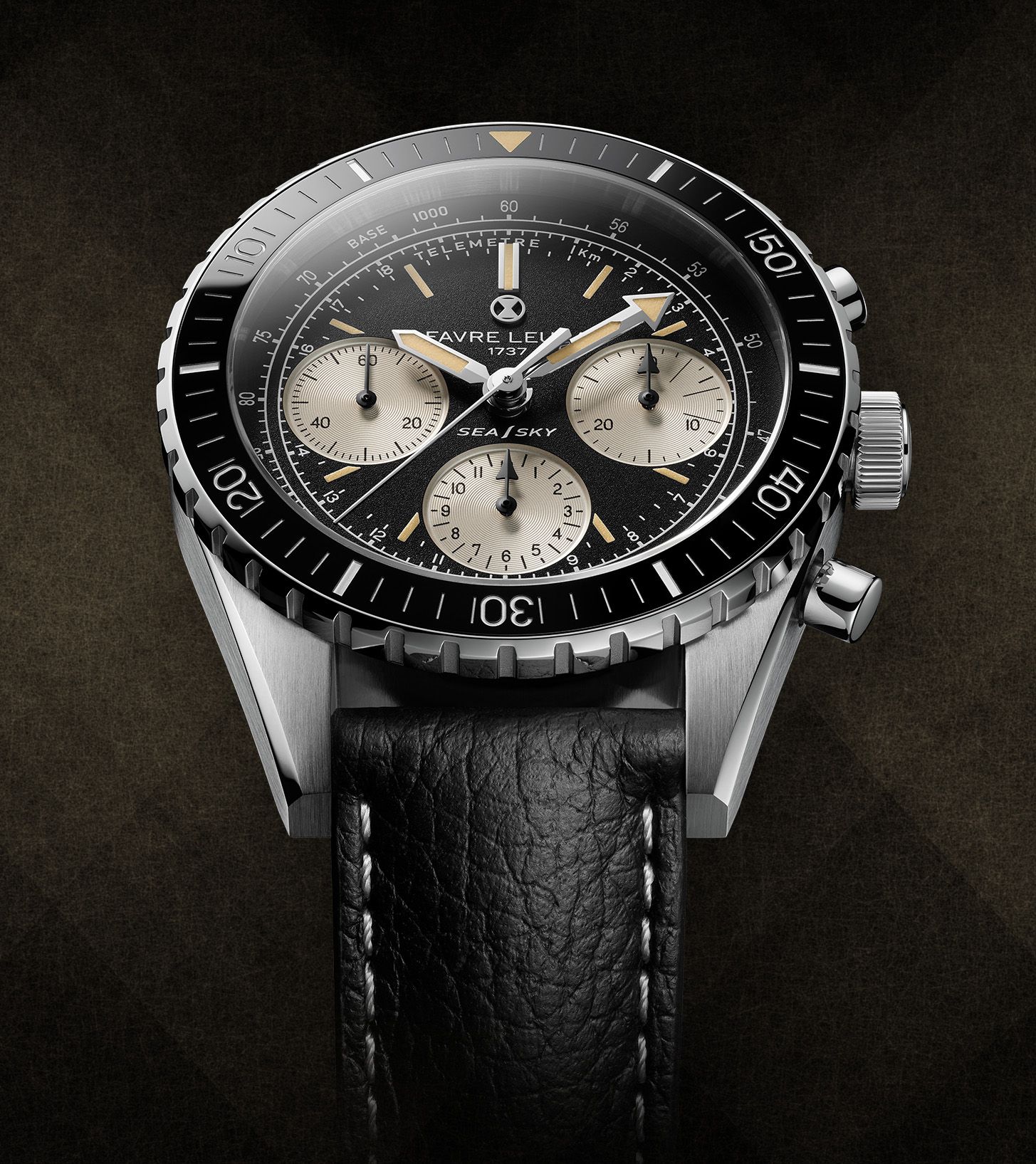
For Favre Leuba, the association feels strategically aligned. Not simply because of retail scale, but because both appear focused on something larger: building long-term credibility within India’s evolving watch community. And under Patrik Hoffmann’s leadership, Favre Leuba’s revival finally feels less like nostalgia - and more like a future.


