A Technical And Comparative Analysis Of COSC Excellence Chronometer Certification
 8 min read

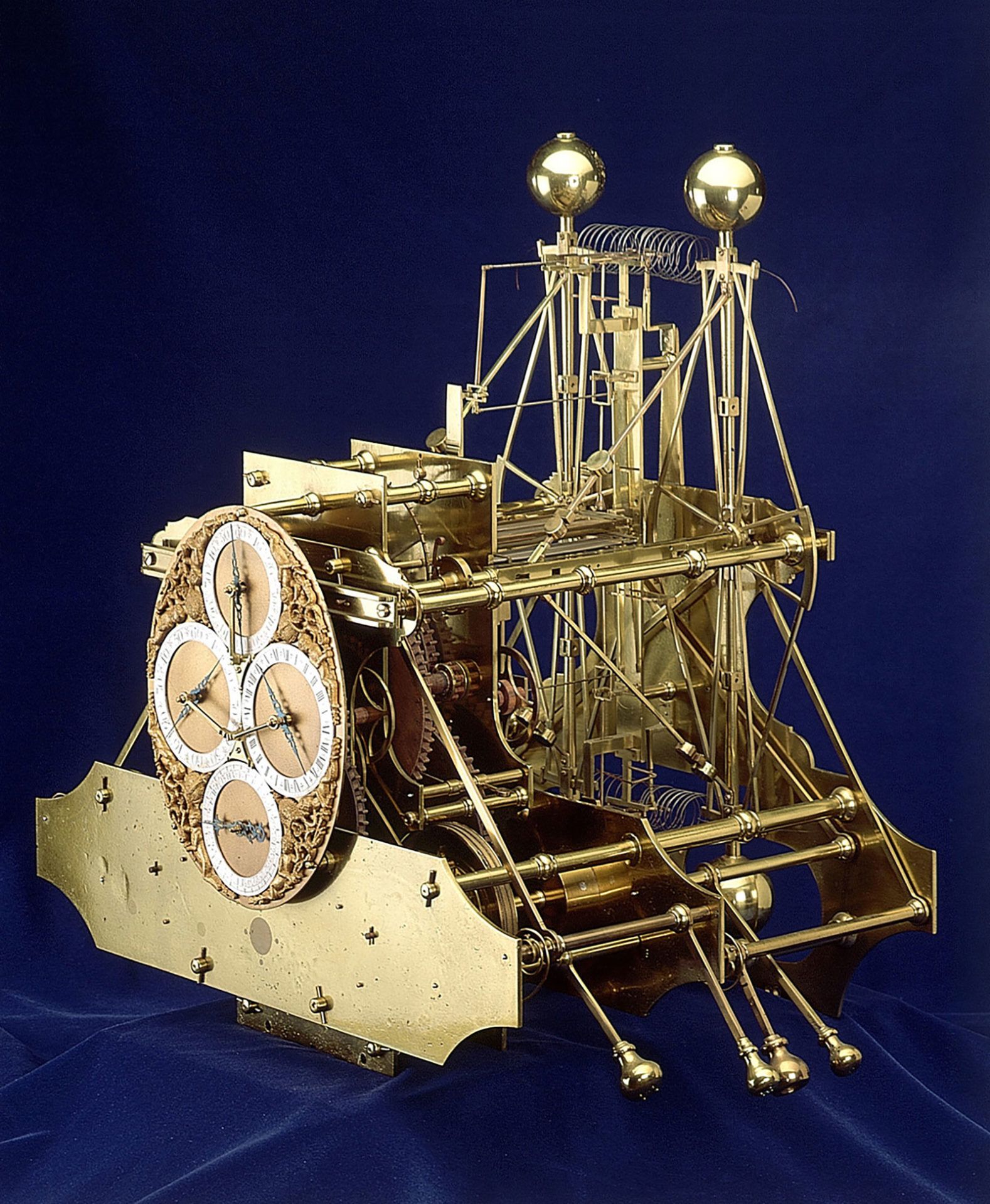
Consider this - today, a certified chronometer allows a daily deviation of -4~+6 seconds. Now, if we go back some 300 years or so, for a chronometer suitable for navigation at sea, mere 4 seconds of deviation equated with being, at least, one mile off the intended course. So, it’s actually not weighing apples against apples, at least in regards to the term chronometer, when compared across eras.
That’s why, then, it required the immense acumen of watchmakers with historical talents, such as Pierre Le Roy, Thomas Mudge, John Harrison or Thomas Earnshaw, so, someone with superlative acuity and aptitude, to manufacture a true chronometer.
Today, a CHF 1,180 Mido Multifort delivers certified chronometer grade accuracy.
Now, here’s the dilemma.
For a straightforward product that’s basically, at core, designed to tell time, the luxury watch can mean many things when perceived purely as an accurate timekeeper. There’s the age-old argument that no mechanical watch can better a quartz timekeeper. Now there even exist smartwatches continuously in direct synchronization with GPS satellites and also radio watches tuned to atomic clocks that effectively have no loss or gain as far as human lifetimes are concerned.
So, talking accuracy with mechanical watches is basically an exercise in setting expectations. If you expect the most accurate instrument because you’re paying a lot of money, you’re going to get embarrassed by a simple Apple Watch.
A mechanical watch, thus, can be termed as the ultimate instrument in obsolete timekeeping technology. It’s like the world’s fastest thoroughbred racing horse which pales in pace even against the world’s slowest Formula 1 car.
That is the nature of mechanical horology and accuracy.
Yet, the pursuit of accuracy, not necessarily precision, as the latter could be the most consistently inaccurate watch, is the subject of some serious-level research and innovation in the watchmaking industry. In all this, the Contrôle Officiel Suisse des Chronomètres, or COSC, tests more than 2 million movements for accuracy every year and since its foundation in 1973, has carried out almost 55 million certifications.
What’s a COSC Certified Chronometer?
Let’s lay down some parameters. COSC is a Swiss institution underpinned by the ISO 3159 standard. To get the COSC certification, a watch must be built and certified in Switzerland, or at least the movement must be certified in Switzerland. COSC offers two different categories of certification for mechanical movements, of which the Category 1 is reserved for movements that are larger than 20mm and includes almost every mechanical watch purchased by the wider audience in the men’s segment. It’s important to note that the COSC tests often include only the movement, not the winding gear and sometimes even not complications or additional mechanisms like the date.

COSC has three laboratories and each one is a technological marvel featuring elements you would expect to see in a microchip manufacturing facility. For example, the labs feature rafting to reduce vibrations from the exterior or even the footsteps of the employees so that the machines conducting the tests face zero interference. You’ll also find clean room conditions maintained by air filters and air locks to achieve superlative sterility. Finally, they have three clocks with GPS synchronization and one that syncs with the DCF77 - a German longwave time signal station (77.5 kHz) near Frankfurt that broadcasts atomic-clock accuracy within a 2,000 km range. In other words, it’s pretty exacting.
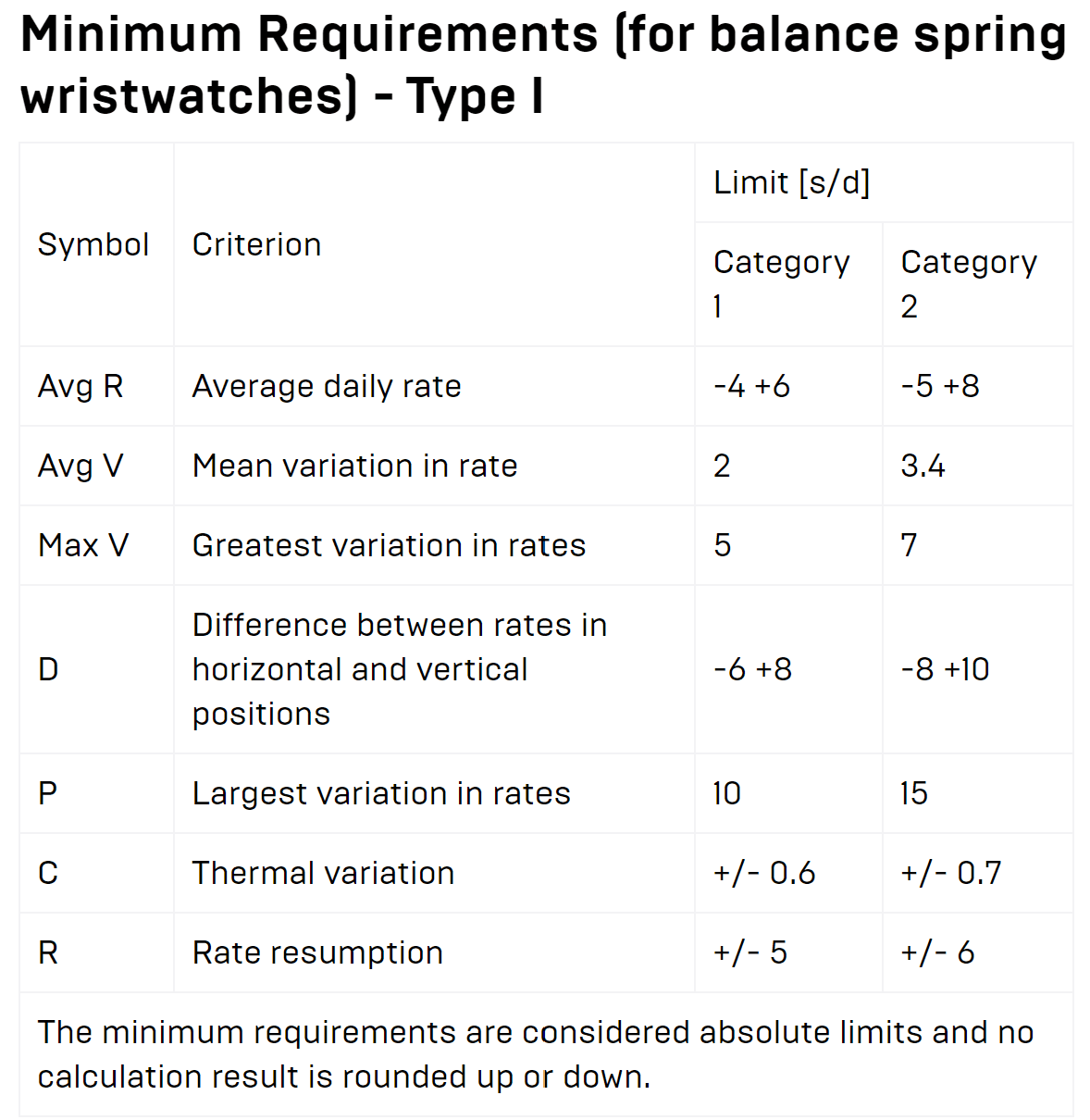
Now, let’s talk about the test itself. When anyone thinks about the COSC certification, they imagine -4~+ 6. But what does that really mean? The test, which has been fairly consistent for decades now (for category 1 mechanical movements) includes 360 hours of testing which translates to about 15 days during which five positions are tested, some more than once, along with three temperatures.


Here are the parameters that need to be adhered to for gaining a COSC chronometer certification:
Accuracy As A Marketing Battleground
A COSC chronometer certification allows brands to market their watches as being accurate and also compete against what’s now a growing number of third-party or brand proprietary chronometry certifications. Among the non-COSC accuracy certifications, standards such as the METAS Master Chronometer (created by Omega with the Swiss Federal Institute of Metrology in 2015 and adopted by Tudor), and the Glashütte Observatory certification (adopted by Mühle Glashütte, Nomos, Wempe, etc.) exist as third-part chronometry certifications. In regards to brand proprietary certifications, there’s Omega’s Master Chronometer and the Superlative Chronometer by Rolex (from 2015).
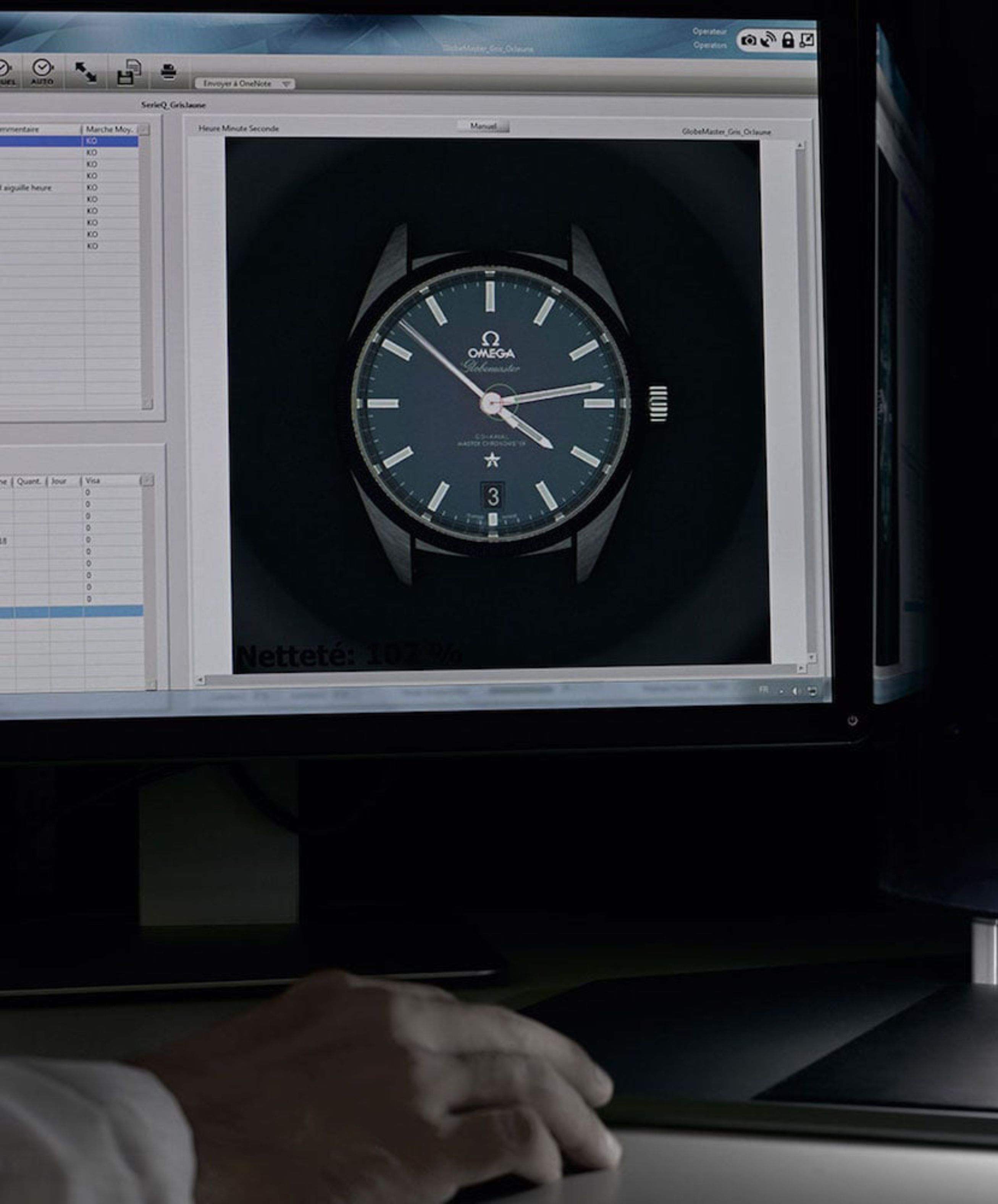
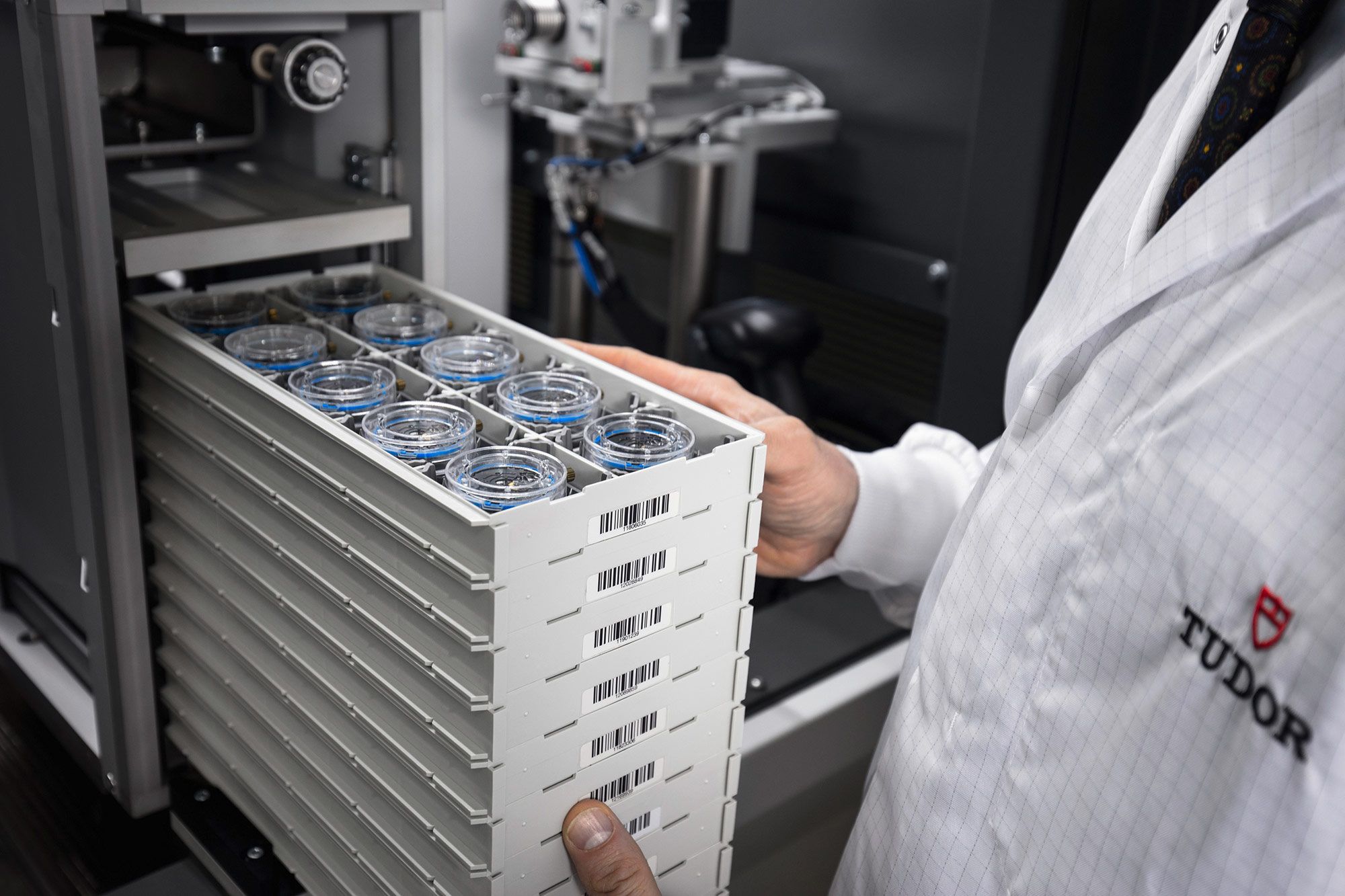
Some of these chronometry testing standards do meet the COSC standard, but then they go beyond. First of all, these are fully cased-up tests involving anti magnetism, power reserve, winding efficiency for automatic movements, as well as water resistance. According to Omega, most men’s watches with movements bigger than 26mm which are Master Chronometer certified are going to be held to a standard that is 0 seconds lost and no more than 5 seconds gained per 24 hours as a fully-assembled watch. This is an open standard that other brands can adhere to if they wish and Tudor has.
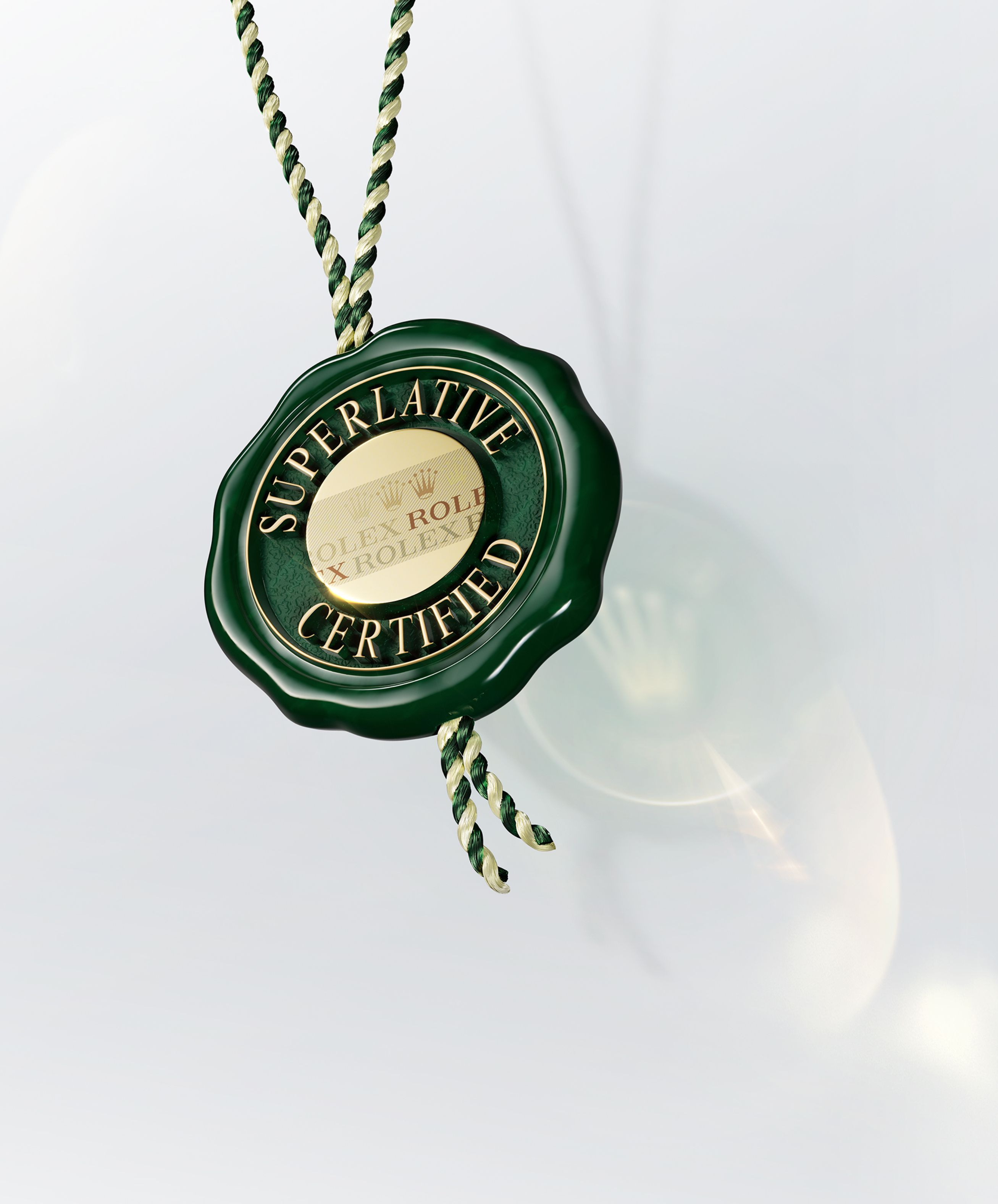
Rolex has its own standard of a fully cased-up watch being accurate to no worse than -2+2 seconds per 24 hours and they’ve been doing this since 2015. They call it the Superlative Chronometer standard.
A more stringent standard is observed with that of the Patek Philippe Seal (upgraded in 2024) which states that any Patek Philippe with an overcoil hairspring, tourbillon, or Spiromax hairspring is certified to stay within -1 and +2 seconds per day.
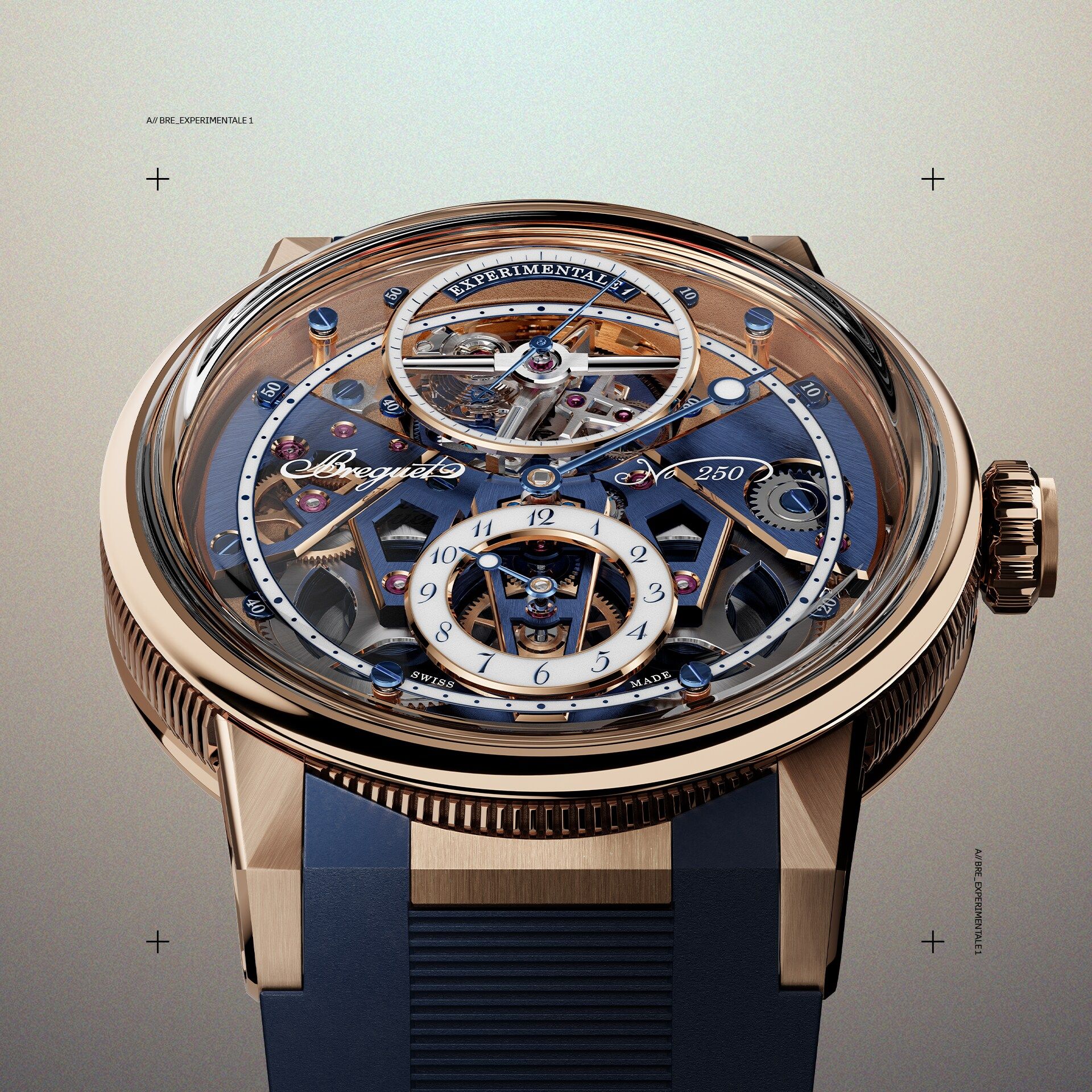
The highest claimed tolerance seen these days is what Breguet achieved with its 250th Anniversary release - the Expérimentale 1, which is certified by the Breguet hallmark in the “Scientific” category (from 2025), meaning it has a guaranteed accuracy of +/- 1 second over a 24-hour period.
P.S. Almost every standard only favors time gained because you don’t want to be late. It’s generally considered okay to be early.
Synonymous with the in-house movements race is now the competition to attain in-house chronometry certifications. Marketing or not, going beyond the standard of COSC is a justified factor of differentiation for products from specific brands. With marketing only getting intense, the non-COSC third-party and brand proprietary accuracy standards created a void in the market which the new “COSC Excellence Chronometer” certification seeks to fill.
The COSC Excellence Chronometer
On February 12, 2026, the Contrôle Officiel Suisse des Chronomètres, or COSC, introduced a new standard of accuracy certification - the Excellence Chronometer Certified (ECC). It was announced on the 50th anniversary of its original ISO 3159 standard which was established in 1976. While it won’t replace the existing COSC ‘Certified Chronometer’ standard, it attains a higher level with a stricter average daily rate which must fall between -2 and +4 seconds per day, added testing for magnetic resistance to a 200 Gauss magnetic field, and verification of brand claimed power reserve, all to be performed for a minimum five-day duration.

The tests for Excellent Chronometer Certified standards will take place on cased-up movements which have already passed the standard 15-day Chronometer Certified tests. The new Excellence standard allows COSC to inch closer to METAS and Superlative Chronometer standards achieved by Omega and Rolex respectively. According to COSC, the new standard addresses, “today’s technical realities and the evolving expectations of both manufactures and clients.”
Here’s how the new COSC Excellence Chronometer Certified betters the standard Certified Chronometer standard.
Certified Chronometer | Excellence Chronometer | |
Testing | Raw movement | Finished/cased-up watch |
Accuracy | (-4)(+6) sec/day (10 secs) | (-2)(+4) sec/day (6 secs) |
Positions | 5 positions | 6 positions (semi-dynamic) |
Magnetic Resistance | – | 200 Gauss |
Power Reserve | – | Verify quoted power reserve |
Temperature | 8°C, 23°C, and 38°C | 8°C, 23°C, and 38°C |
In the Excellence Chronometer Certified, the added extra position to the testing, which COSC calls semi-dynamic testing, better simulates real-life wearing conditions of a watch. While the standard Chronometer Certified tests take 15 days, the Excellence Chronometer Certified tests are conducted for a duration of 5 days, for a total testing period of minimum 20 days.

Here’s an elaboration of the tests for Excellence Chronometer Certified conducted over the five days.
| DAY 1 | DAY 2 | DAY 3 | DAY 4 | DAY 5 |
The Arrival Of The Watches | Simulated Wear And Precision Testing | A Quest For Magnetic Field Resistance | Power Reserve Verification | Analysis Of The Results | |
Reception of the watches | Winding of the watch to 100% | Winding of the watch to 100% | Winding of the watch to 100% | Calculation of compliance with the 8 certification criteria | |
| Verification of the engraved number | Optical measurement of initial precision | Demagnetization | Verification of the watch’s operation after the power reserve duration stated by the brand | Issuance of the "Excellence Chronometer Certified" certificate |
| Placement in a dedicated individual carrier | Simulation of wear in 6 semi-dynamic positions over 24 hours | Exposure to a magnetic field of 200 Gauss, oriented 3H–9H | – | Return of the watches to the clients |
| Resting period of 12 hours at 23°C | Precision measurements with a chronometric deviation between (-2)(+4) seconds per day | Verification of operation under magnetic field (no stoppage under exposure) | – | – |
| – | – | Evaluation of the watch’s precision, confirming a chronometric deviation within ±10 seconds per day. | – | – |
| – | – | Demagnetization | – | – |
| – | – | This process is repeated in two other orientations: 6H–12H and Dial Up – Dial Down | – | – |
COSC Excellence Chronometer vs METAS vs Superlative Chronometer
The table below compares COSC’s Excellence Chronometer certification against METAS and Rolex’s Superlative Chronometer standards.
| COSC Excellence | METAS | Superlative Chronometer |
Testing | Finished/cased watch | Finished/cased watch | Finished/cased watch |
Number of Tests | 8 | 8 | – |
Days to Complete | 5 | 10 | – |
Accuracy | -2 to +4 seconds/day (6 secs) | 0 to +5 seconds/day (5 secs) | -2 to +2 seconds/day (4 secs) |
Positions | 6 positions (semi-dynamic) | 6 positions | 6 positions (semi-dynamic) |
Magnetic Resistance | 200 Gauss | 15,000 Gauss | 10,000 Gauss (unverified) |
Power Reserve | Confirm quoted power reserve | 65~70 hour power reserve | Based on model |
Temperature | 8°C, 23°C, and 38°C | 23°C and 33°C | – |
Water Resistance | – | 200m / 660ft | Based on model |
It’s worthy to note that the Excellence, METAS, and Superlative Chronometer have a prerequisite of qualifying the standard COSC Chronometer Certified tests. While the tests for Excellence Chronometer are conducted at COSC’s own laboratories, the testing for METAS and Superlative Chronometer can be performed in-house by the brands. Unlike COSC, METAS isn’t an independent testing agency but rather a testing standard performed by the brands themselves.
Also, all Excellence Chronometer Certified (ECC) watches are COSC Chronometer Certified but the vice versa isn’t true.


