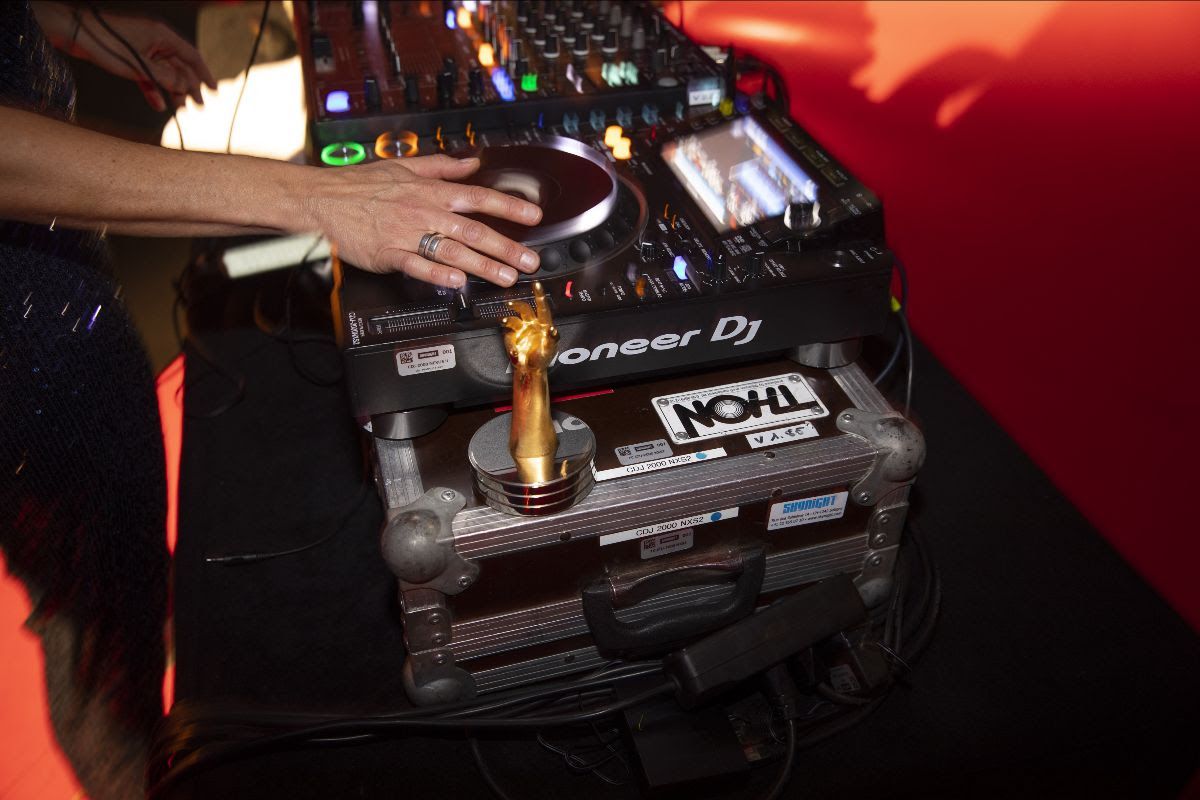
GPHG 2026 Is Dropping Gender Categories And That Is The Right Call
 2 min read

For its 26th edition, the Grand Prix d'Horlogerie de Genève is making its most structurally significant changes in years, and the headline move is one the industry has quietly needed for some time.
The Men's and Ladies' categories are gone. In their place are two new technical classifications: Essential Watch and Complication Watch. A separate new category for gemset watches up to 6 carats has also been introduced, drawing a cleaner line between accessible jewellery-set pieces and the Jewellery Watch category, which now reserves itself for the genuinely exceptional. The gender category removal is long overdue. The watch industry has spent the better part of a decade insisting that its products are increasingly genderless while simultaneously submitting them to a competition that sorted them by the wearer's presumed gender. The GPHG's own jury has had to make judgment calls about whether a 38mm steel watch belongs in Men's or Ladies' based on criteria that were never well defined. Technical categories solve a real problem. The one-of-a-kind rule is equally sensible. From 2026, unique pieces are eligible only in the Jewellery Watch and Mechanical Clock categories. This closes a competitive inconsistency that has existed for years: a one-of-a-kind object competing against production pieces is not a fair fight in either direction.
Two other changes are worth noting. The Iconic Watch Prize is now open to the entire market, meaning any watch released this year that reinterprets a model with more than 20 years of lasting industry influence is eligible regardless of whether the brand entered the competition formally. This is a meaningful broadening of scope and should produce a more honest shortlist. The Special Jury Prize has also been expanded to recognise brands, not just individuals and institutions, for significant watchmaking developments or exemplary ethics and sustainability practice. On the process side, the jury shrinks from 30 to 24 members under the presidency of Wei Koh, with the stated aim of enabling more substantive deliberations. The final result will combine the jury's private notarised vote with a second digital vote from the Academy's thousand members, the latter accounting for one third of the outcome.
Gregory Kissling represents Breguet on the 2026 jury, in keeping with the standing rule that the previous year's Aiguille d'Or winner is excluded from competition and represented on the panel instead. The awards ceremony takes place on 7 November 2026 at the Bâtiment des Forces Motrices in Geneva.


