Off‑Brand On Trend vs. On‑Brand Off Trend: The Luxury Watch Paradox
 4 min read

A few weeks ago, over dinner with colleagues in Geneva, the conversation veered toward a recurring debate in the watch industry: should storied maisons chase trends to attract new audiences, or should they wait it out, trusting their heritage to carry them forward? The discussion was lively, with opinions ranging from cautious optimism to outright skepticism. It struck me then how central this question has become in the modern luxury watch landscape.

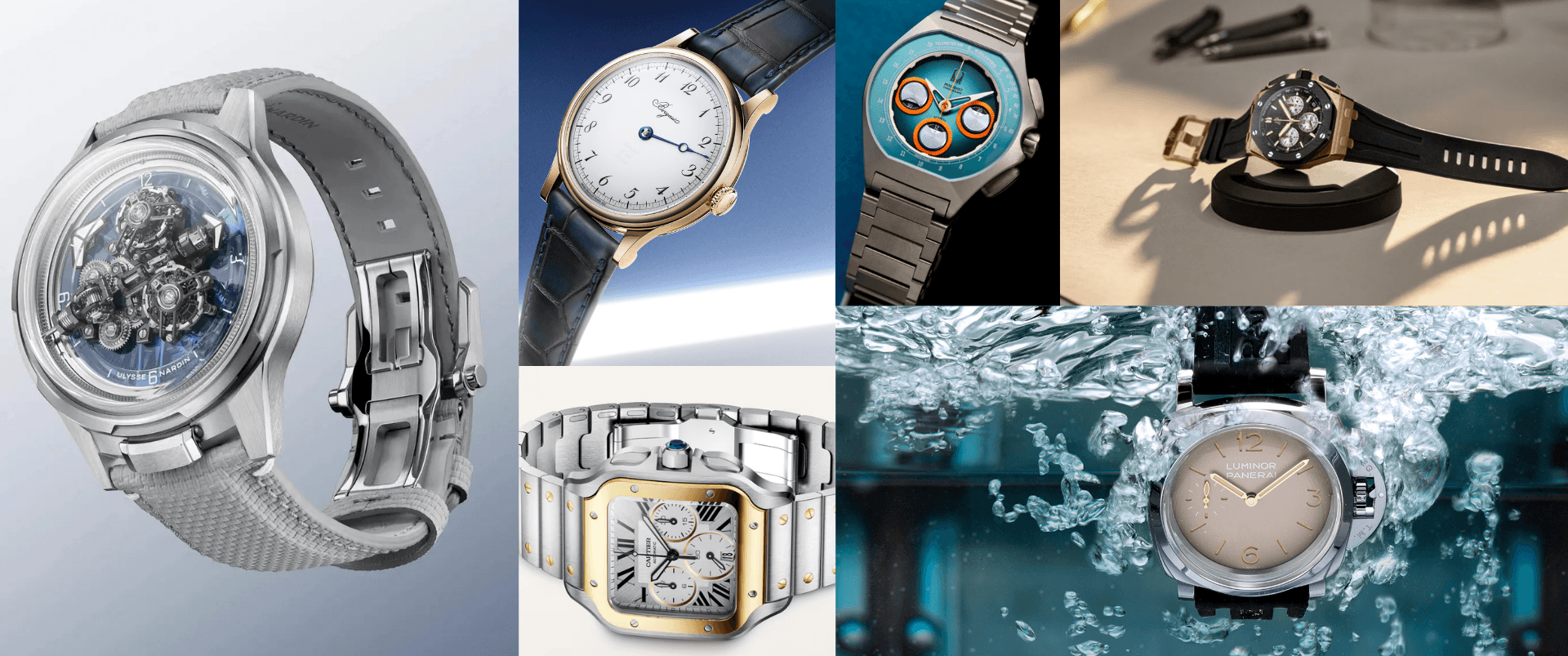
In the horological world, a bold dichotomy is quietly reshaping how legacy watchmakers think about their future - should storied maisons evolve with the times chasing trends to win new audiences or should they double down on heritage, resisting fashions that might dilute their identity? This question isn’t merely academic. It lies at the heart of decisions about steel sports models, price positioning, quartz movements, misaligned collaborations, sustainability and even brand storytelling. This is the defining tension of 21st‑century luxury watchmaking: off‑brand on trend vs. on‑brand off trend.
The Temptation of Trends: A New Generation Calls
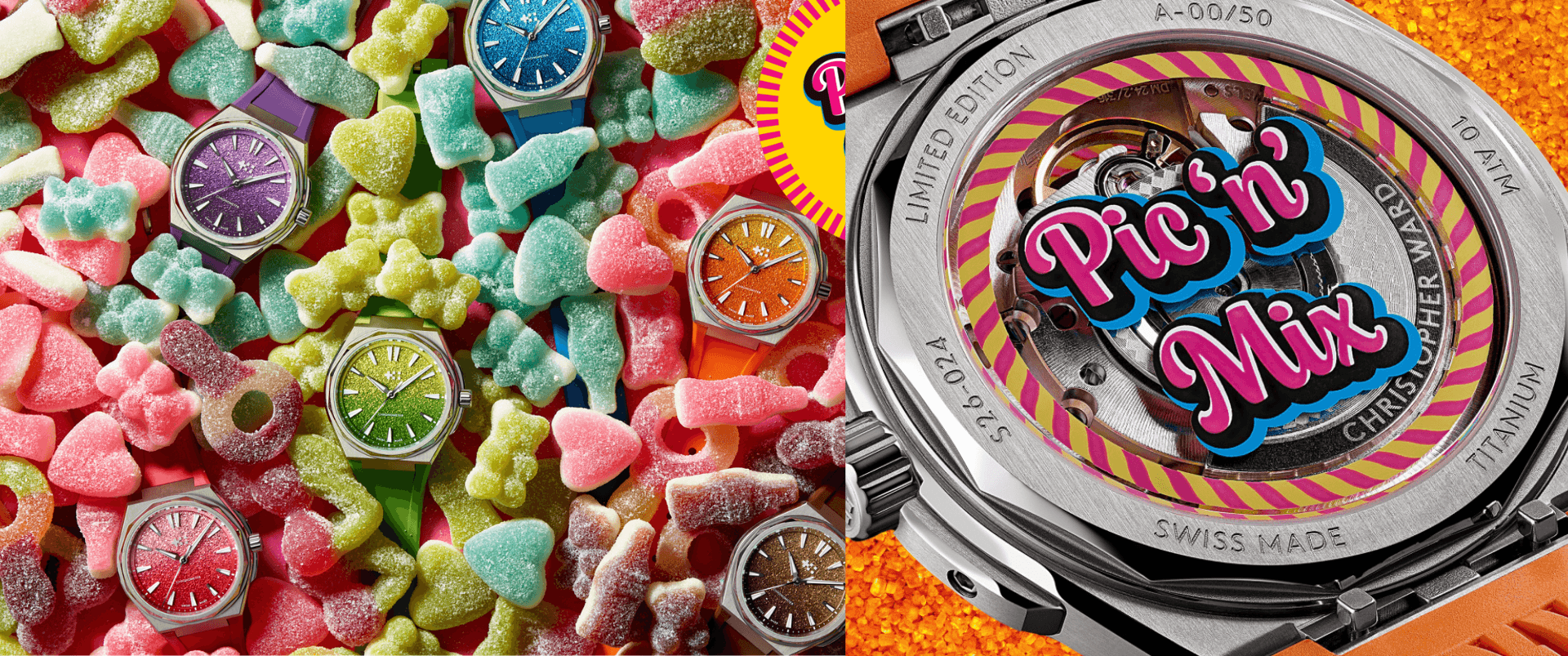
Younger collectors are not indifferent to heritage, but their values differ. Gen‑Z buyers increasingly weigh value, transparency, and relevance alongside craft and prestige. They want stories and principles behind the watches they invest in, not just status symbols. This creates a pressure for brands to innovate whether through steel sports models, accessible price points, or even sustainable materials without betraying their DNA. Brands that embrace trend‑aligned strategies generate buzz, create social media traction, and potentially convert first‑time buyers into loyal collectors. Yet, as our dinner discussion highlighted, the risk of losing authenticity is real. Trend chasing without strategy can dilute what makes a brand timeless.

The Power of Heritage: Legacy as Strategy
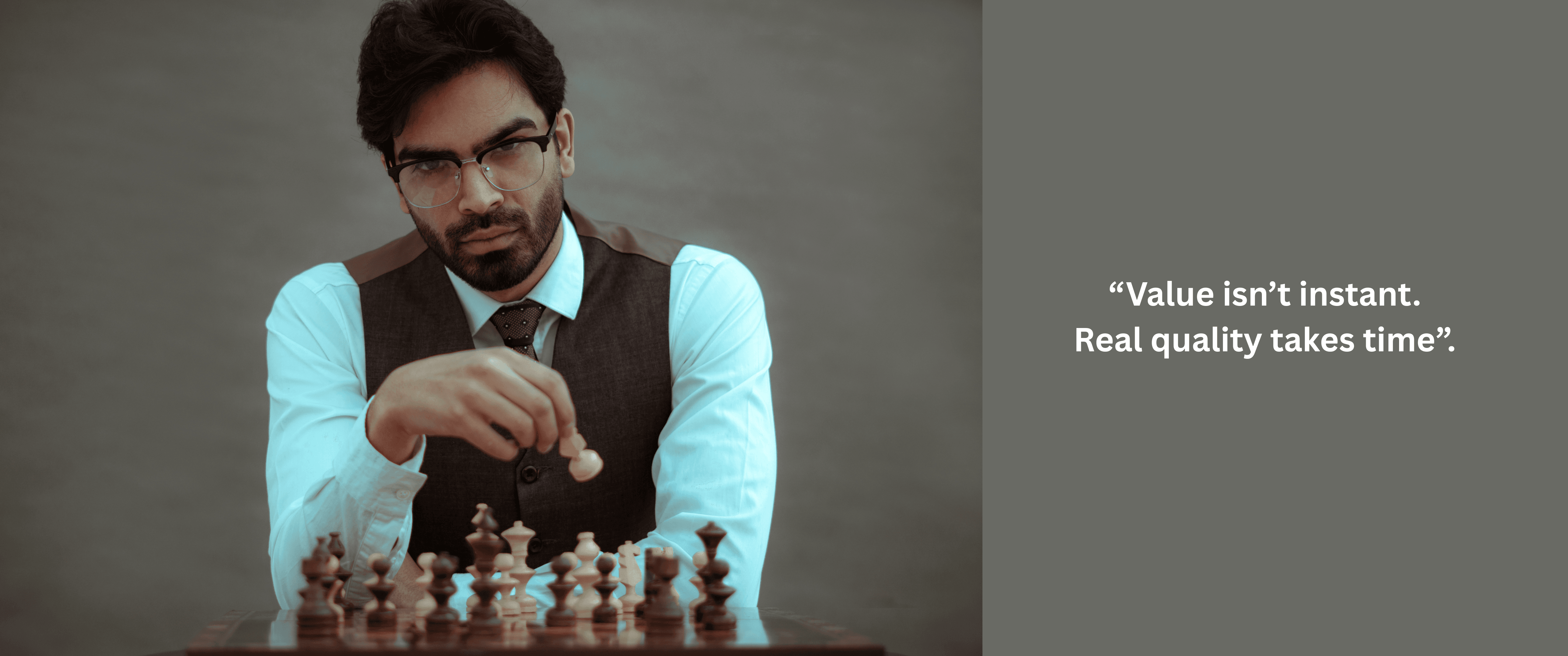
Conversely, heritage remains a profound competitive advantage. In the watch world, consistency and identity are not liabilities but anchors. Timeless models from steel sports watches to complex complications perform exceptionally well at auctions and in secondary markets precisely because they embody decades, if not centuries, of craftsmanship. At the dinner table, one colleague noted, “Collectors are willing to wait for a classic; they’re less patient with fads.” This sentiment echoes broader industry observations, maintaining identity often outweighs the short-term appeal of chasing every trend.
Industry Insight: Craftsmanship vs. Market Fatigue
I’ve always believed that luxury watchmaking is, at its core, about patience, integrity, and storytelling. Over the years, I’ve seen brands wrestle with the pressure to chase every trend introducing new materials, dropping prices, or pivoting toward quartz movements, all in the name of diversification. Innovation is essential - no one disputes that but, I’ve noticed a pattern: when brands chase too many short-term trends, they risk price fatigue and novelty overload. Collectors and enthusiasts start questioning whether the brand still stands for something enduring or if it’s simply reacting to the market.

In my experience, it’s not enough to innovate; innovation must reinforce the brand’s DNA rather than dilute it. This is the tension I see clearly today - how do you stay relevant without betraying decades, sometimes centuries, of heritage? For me, the answer isn’t in blindly following trends. It’s in curating meaningful evolution, interpreting legacy through a contemporary lens, respecting the craft, and ensuring every move strengthens the narrative of the brand rather than fragmenting it.
The Middle Path: Intentional Evolution
The dinner conversation, though informal, reflected a strategic truth: the most successful brands blend heritage with selective, meaningful innovation. They reinterpret icons with contemporary relevance, adopt sustainable practices that align with values, and create narratives that resonate across generations. This is not trend-chasing for its own sake, it’s intentional evolution, turning potential pitfalls into opportunities for engagement.
Authenticity Shapes the Future
Luxury watchmaking sits at a crossroads. Brand identity matters more than ever, but so does relevance. The enduring maisons will be those that honor their heritage while evolving thoughtfully, crafting timepieces that don’t just follow trends but help define them. The dinner conversation reminded me that the question isn’t whether brands should innovate it’s how they innovate, and whether every step aligns with the legacy they’ve built. The future belongs to those who navigate this balance with intention.