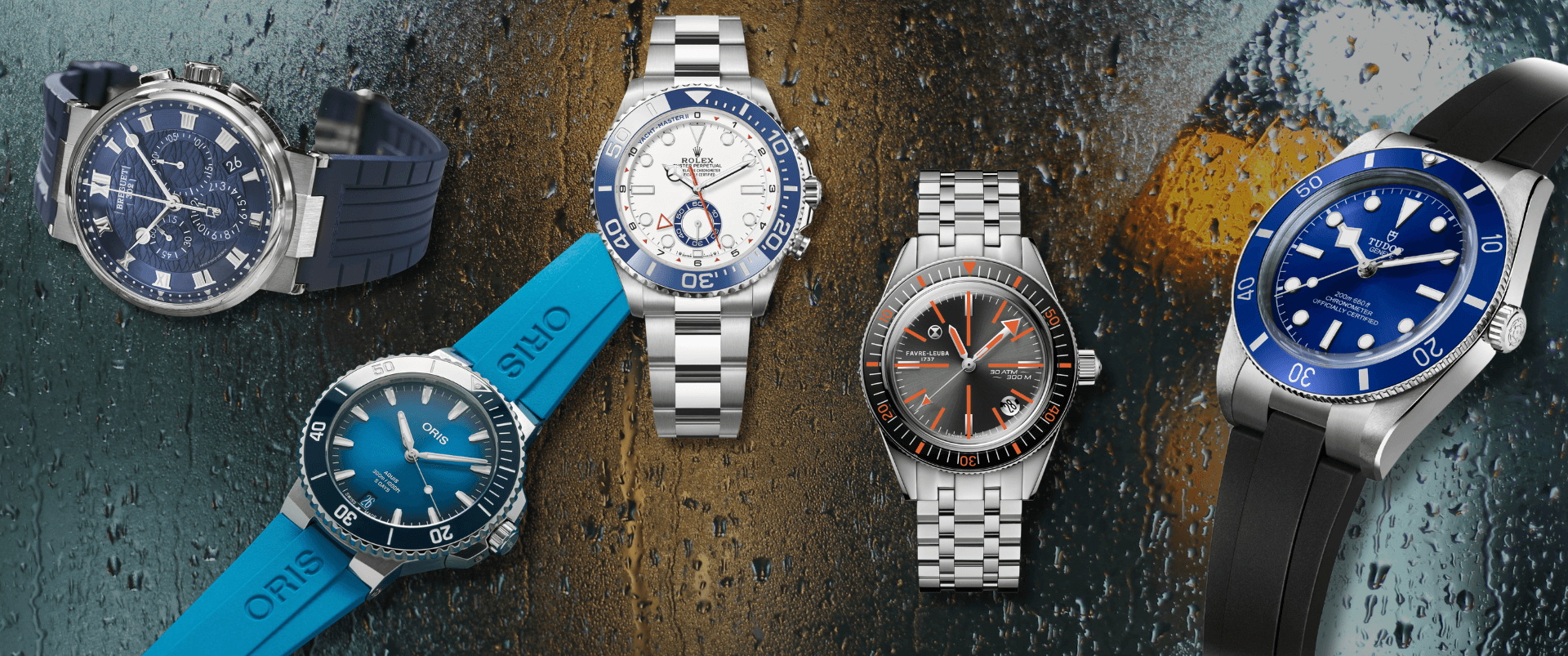
Monsoon Watch Care: Complete Do's and Don'ts Guide
 5 min read

Rahul proudly wore his brand-new luxury watch to office on the first day of monsoon. "It's water-resistant!" he declared confidently, completely ignoring the warning manual. During a sudden downpour, he frantically checked his text messages without securing the crown, adjusted the date while caught in the rain, and later blow-dried it with a hair dryer to "speed up" the drying process. Within two weeks, his prized timepiece fogged up like a car windshield during winter. A visit to the watchmaker revealed internal corrosion and a ₹15,000 repair bill. His comment? "I wish someone had told me the do's and don'ts!"
This isn't just Rahul's story, thousands of watch enthusiasts make similar mistakes during monsoon season. The good news? Most damage is completely preventable. Understanding water resistance, proper care techniques, and essential precautions transforms your watch from a vulnerable gadget into a reliable companion through the rainy season. Monsoon season brings refreshing rains but poses significant risks to your precious timepiece. Heavy rainfall, high humidity, and moisture can infiltrate your watch's internal mechanisms, causing corrosion, rust, and mechanical failure. Understanding the do's and don'ts of monsoon watch care helps protect your investment and ensures your watch functions reliably for years to come.
Understanding Water Resistance First
No watch is entirely waterproof. Water-resistant means your watch can withstand water to a specific depth under laboratory conditions. Any watch with water-resistance capacity above 30 meters is good enough to withstand monsoon rain. However, this protection degrades over time due to wear and tear on gaskets and seals.
Essential DO’S for Monsoon Watch Care
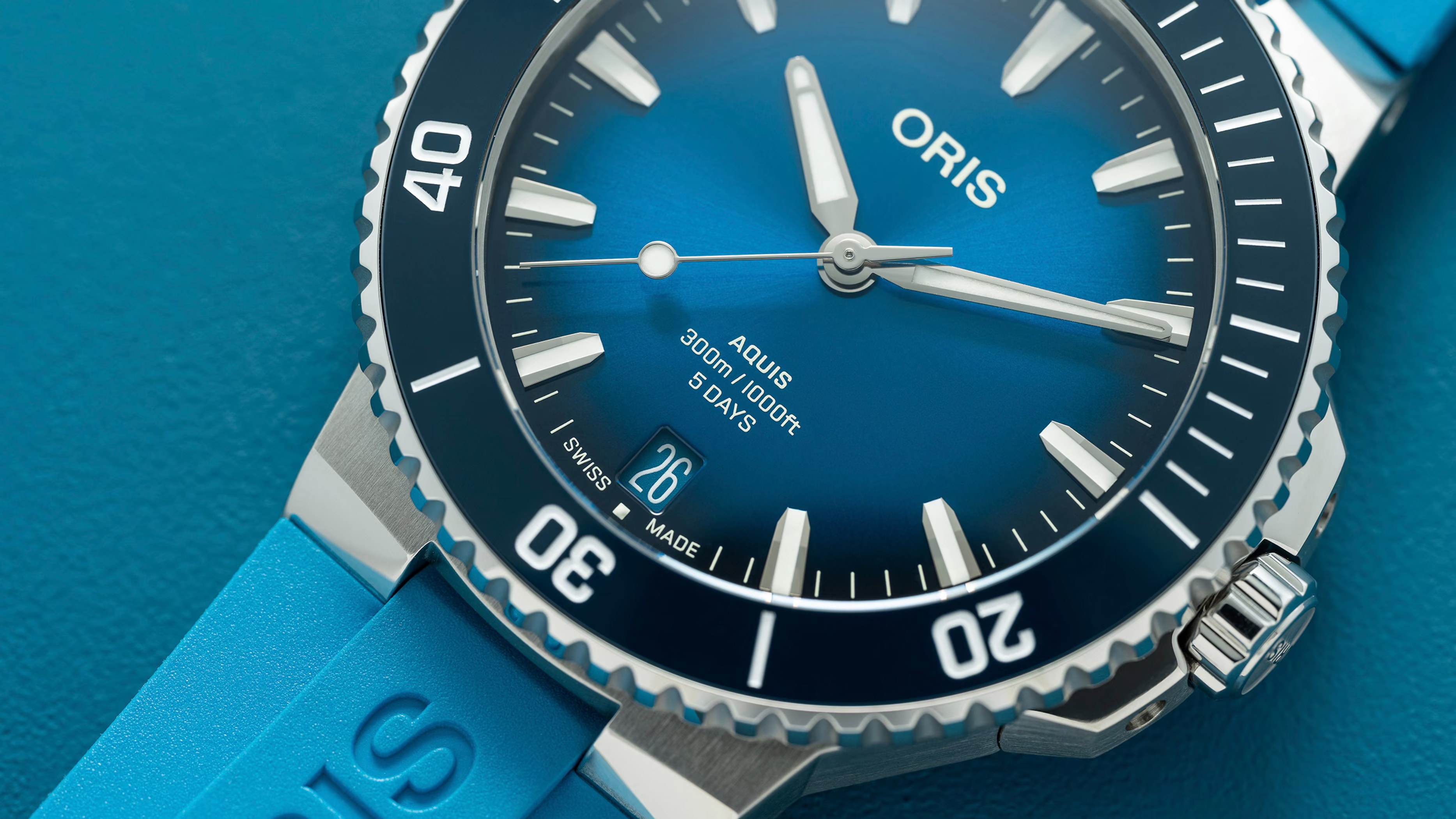
DO Check Your Water Resistance Rating: Before monsoon season arrives, verify your watch's water resistance rating. This information appears on the watch dial, case back, or manufacturer documentation. Watches rated below 30 meters should be avoided during heavy rain. A minimum 50 meters (5 ATM) is recommended for adequate monsoon protection.
DO Secure the Crown Tightly: Always ensure the crown (the knob used to wind your watch) is fully screwed down before exposure to rain. This simple action prevents water from seeping into the movement case. Double-check that all pushers are securely locked before venturing outside during rainfall.
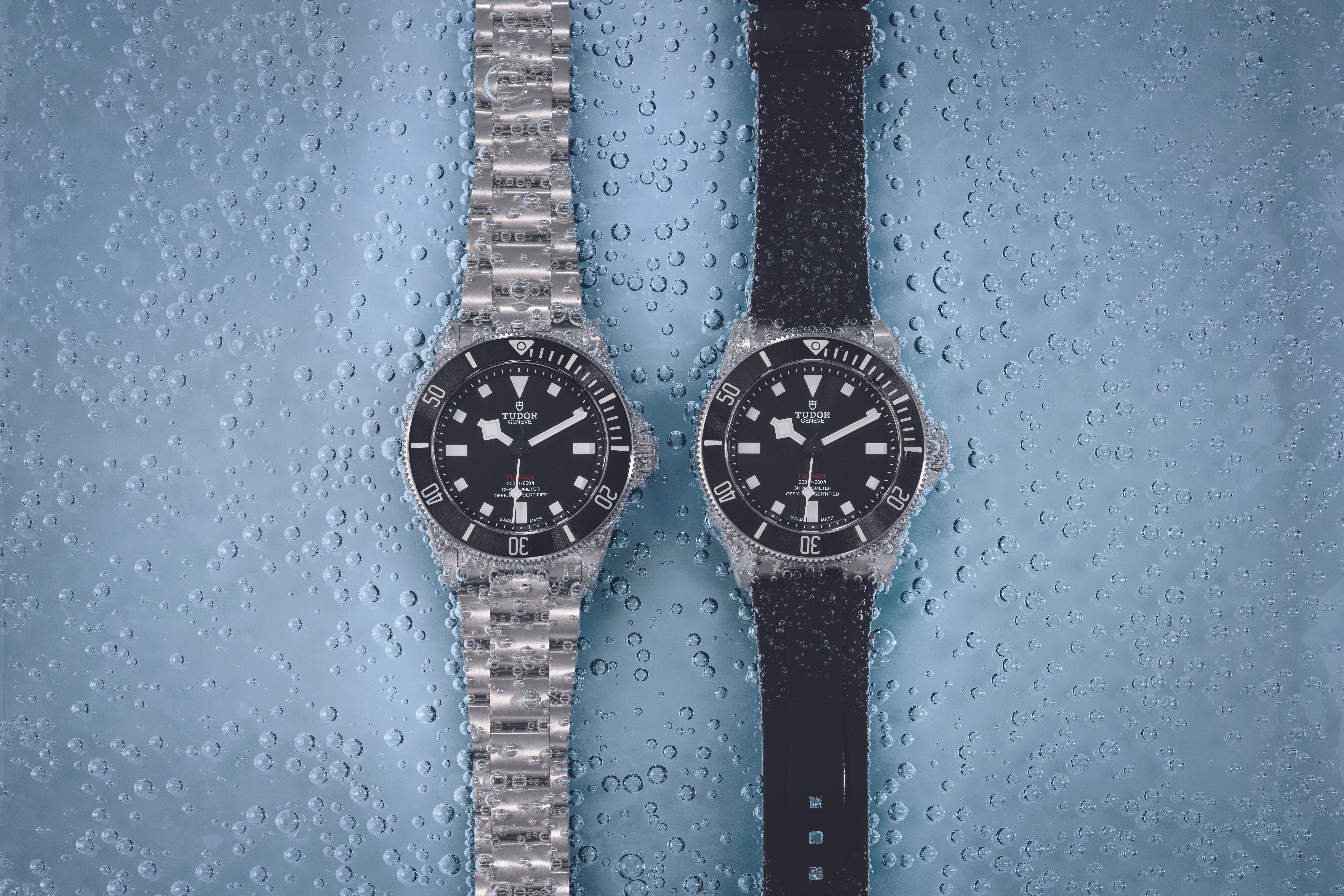
DO Dry Your Watch Immediately: If your watch gets wet during monsoon, immediately remove it and gently dry with a soft cloth. Keep it under a fan for natural air-drying. Pat dry thoroughly to remove all moisture from the surface and around the crown area.
DO Clean Your Watch Weekly: During monsoon season, clean your watch weekly to remove salt deposits, mud splatter, and moisture buildup. Use a soft microfiber cloth, lukewarm water, and mild dish soap. Gently scrub around the crown, lugs, and case back with a soft-bristled toothbrush. Rinse with fresh water and dry completely.
DO Choose Appropriate Straps: Metal bracelets are universally the safest option during monsoon. Stainless steel straps don't retain moisture, dry quickly, and resist mold growth. Rubber and silicone straps are excellent waterproof alternatives. NATO and nylon straps dry quickly and allow easy swapping.
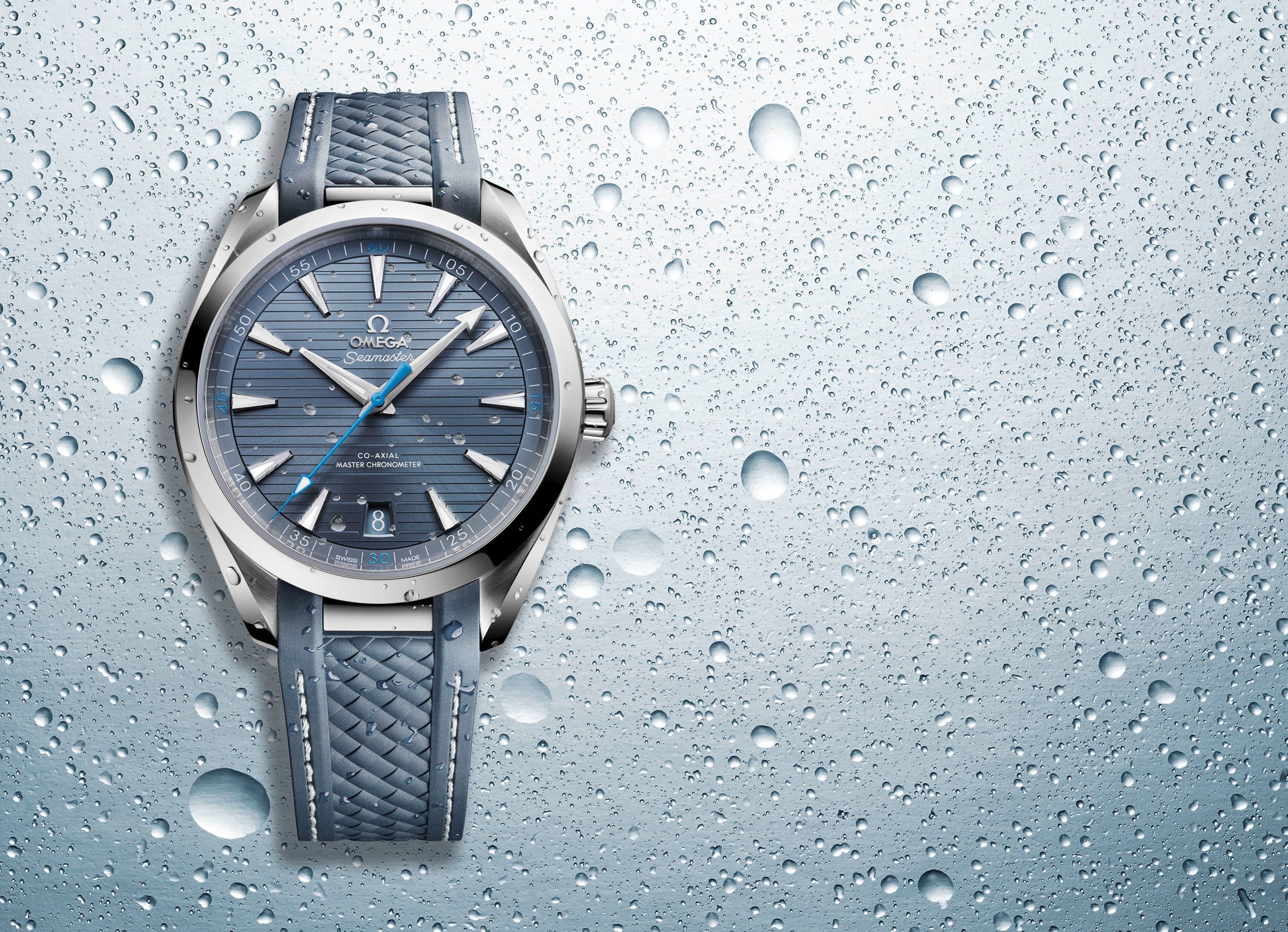
DO Store Your Watch Properly: Store your watch in a dry, cool place with silica gel packets to absorb humidity. Replace silica gel monthly during monsoon season. Ensure adequate ventilation around the watch to prevent condensation buildup. Avoid sealed containers and damp bathrooms.
DO Schedule Professional Servicing: Get your watch serviced before monsoon season begins for preventive maintenance. Include gasket inspection and replacement if needed. Service again after monsoon ends to address accumulated moisture and humidity damage.
DO Inspect for Damage: Before monsoon season, carefully examine your watch for cracks in the crystal, missing gaskets, loose crown components, or deteriorated straps. Any existing damage creates entry points for water. Have repairs completed before heavy rains arrive.
Hit this link to know more about how to care for you watches.
Critical DON'Ts for Monsoon Watch Care
DON'T Wear Non-Water-Resistant Watches: Avoid wearing watches without water-resistant protection during monsoon. Even watches rated below 30 meters shouldn't be exposed to heavy rain or water splashes.
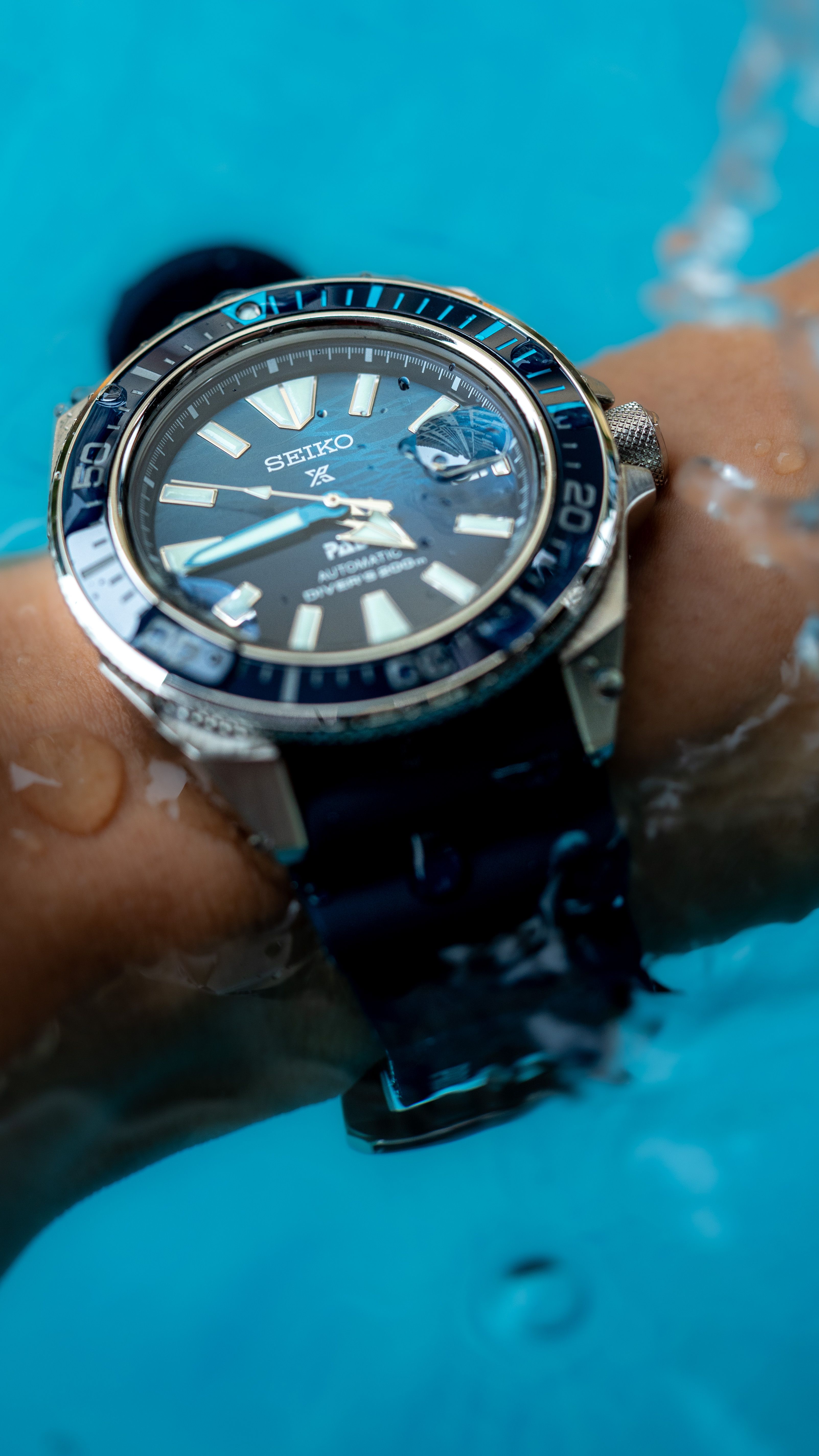
DON'T Use Your Watch in Hot Showers or Saunas: Heat and steam deform gaskets and encourage condensation inside the case. Even high water-resistance ratings don't protect against hot shower exposure. Reserve hot water activities for non-wearing days.
DON'T Attempt to Set Time or Date During Rain: Never adjust the crown or pushers when your watch is wet. This allows water penetration into the movement. Wait until your watch is completely dry before making any adjustments.
DON'T Blow-Dry Your Watch: Avoid using hair dryers or artificial heat to dry your watch. These methods cause corrosion of internal components. Never use compressed air, as pressure forces water deeper into the case. Simply use a soft cloth and allow air-drying under a fan.
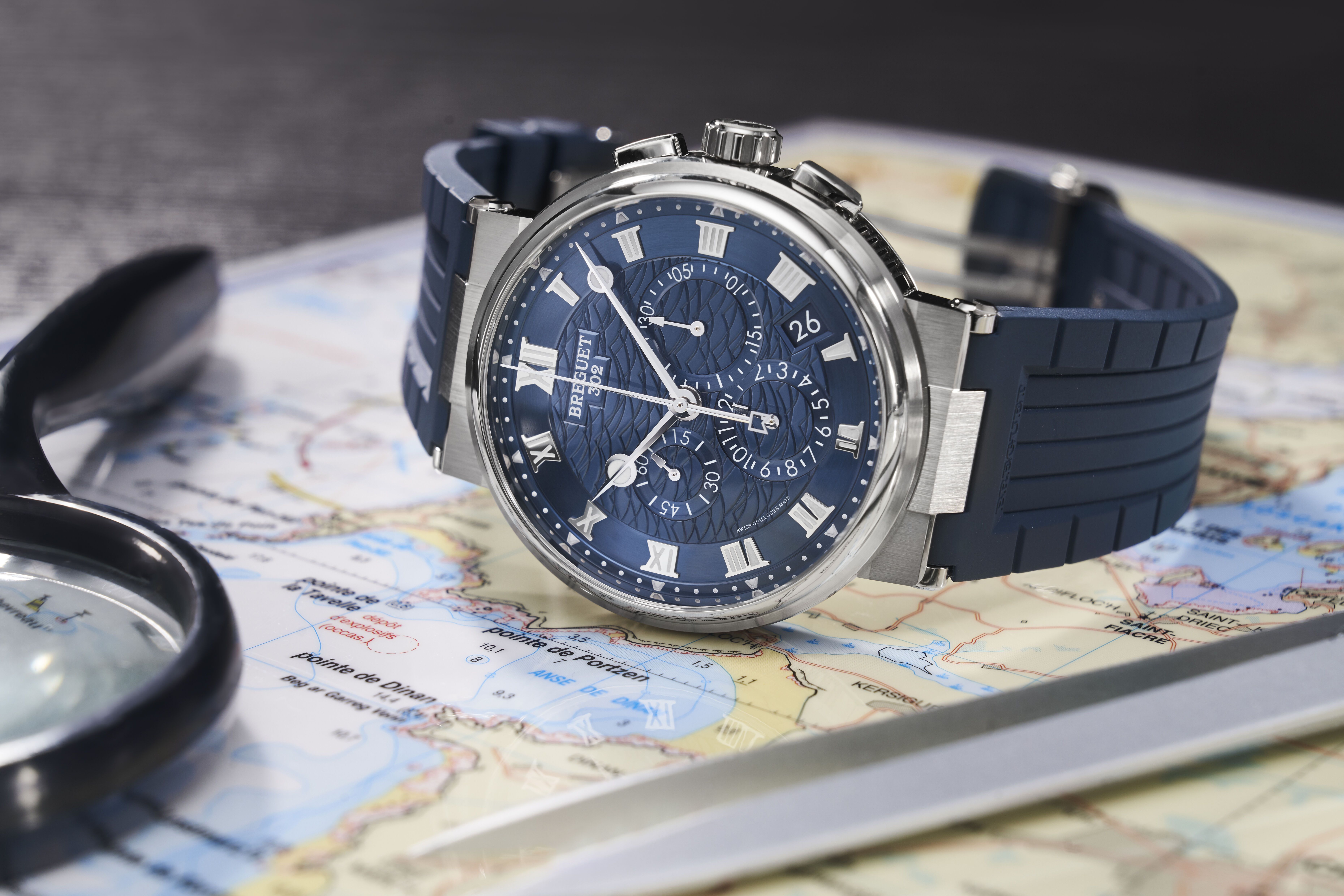
DON'T Wear Leather Straps During Monsoon: Leather absorbs water and deteriorates rapidly in humid conditions. Leather straps age faster and develop mold in moisture-rich environments. Even "protected" leather straps should be avoided during heavy monsoon months. To know why Rubber is the best choice this monsoon click here.
DON'T Neglect Cleaning During Monsoon: Skipping regular cleaning allows dirt, salt, and moisture to accumulate, potentially damaging gaskets and seals. Weekly cleaning removes harmful deposits before they cause permanent damage.
DON'T Ignore Warning Signs: Don't disregard fogging inside the crystal, condensation on the dial, or sluggish hand movement. These indicate water damage. Immediately visit a professional watchmaker if you notice these signs.
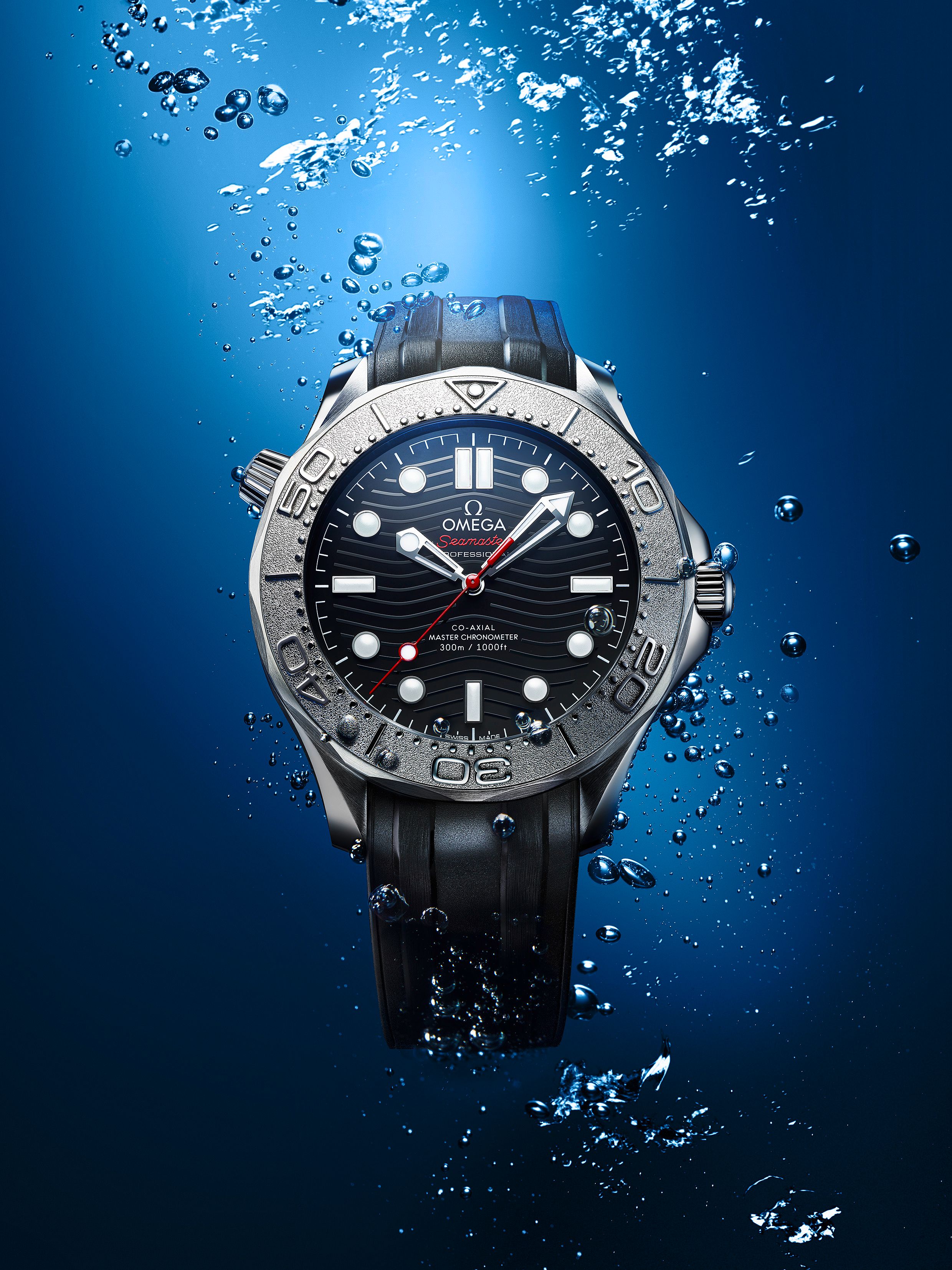
DON'T Store Your Watch in Damp Locations: Avoid storing watches in bathrooms, closed cupboards without ventilation, or sealed boxes without moisture control. These environments accelerate damage during monsoon season.
DON'T Use Harsh Chemicals or Abrasive Cleaners: Never use bleach, strong detergents, or abrasive scrubbing pads. These damage watch finishes and degrade protective coatings. Stick to mild dish soap and soft cloths only.
DON'T Wear Additional Metal Accessories: Avoid wearing bracelets on the same wrist as your watch. Friction between metals causes corrosion, scratches crystal coating, and damages straps.
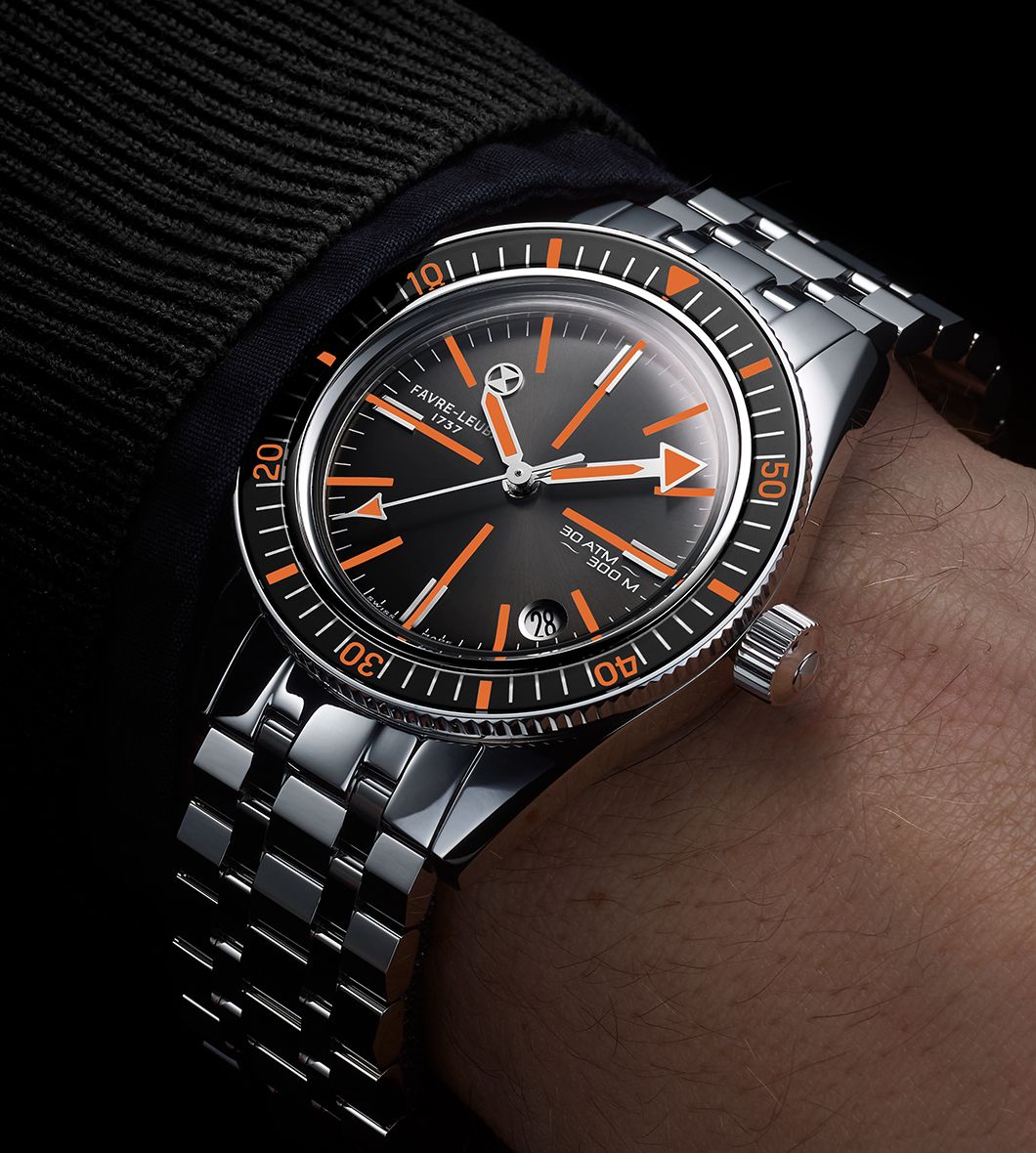
Protecting your watch during monsoon requires understanding both critical do's and dangerous don'ts. Verify water resistance ratings, secure all components, clean regularly, choose appropriate straps, and store properly. Simultaneously, avoid hot water exposure, harsh chemicals, leather straps, and artificial drying methods. Schedule professional servicing before and after monsoon season.
Your Watch Can Be Your Rainy Season Buddy!
Here's the thing, monsoon doesn't have to be your watch's enemy! With just a little love and attention, your timepiece can be your perfect companion through every downpour, puddle splash, and humid day. Think of monsoon watch care as giving your beloved timepiece a spa day every week. Your watch has been faithfully keeping time through your life's moments, marking precious occasions, accompanying you through challenges, and reminding you to cherish every second. Doesn't it deserve a little pampering during the rainy season? So embrace the monsoon with confidence. Follow these do's and don'ts, give your watch a little extra TLC, and enjoy the rains without a single worry.


