Movado's Untold Story Behind The Museum Dial And El Primero
 5 min read

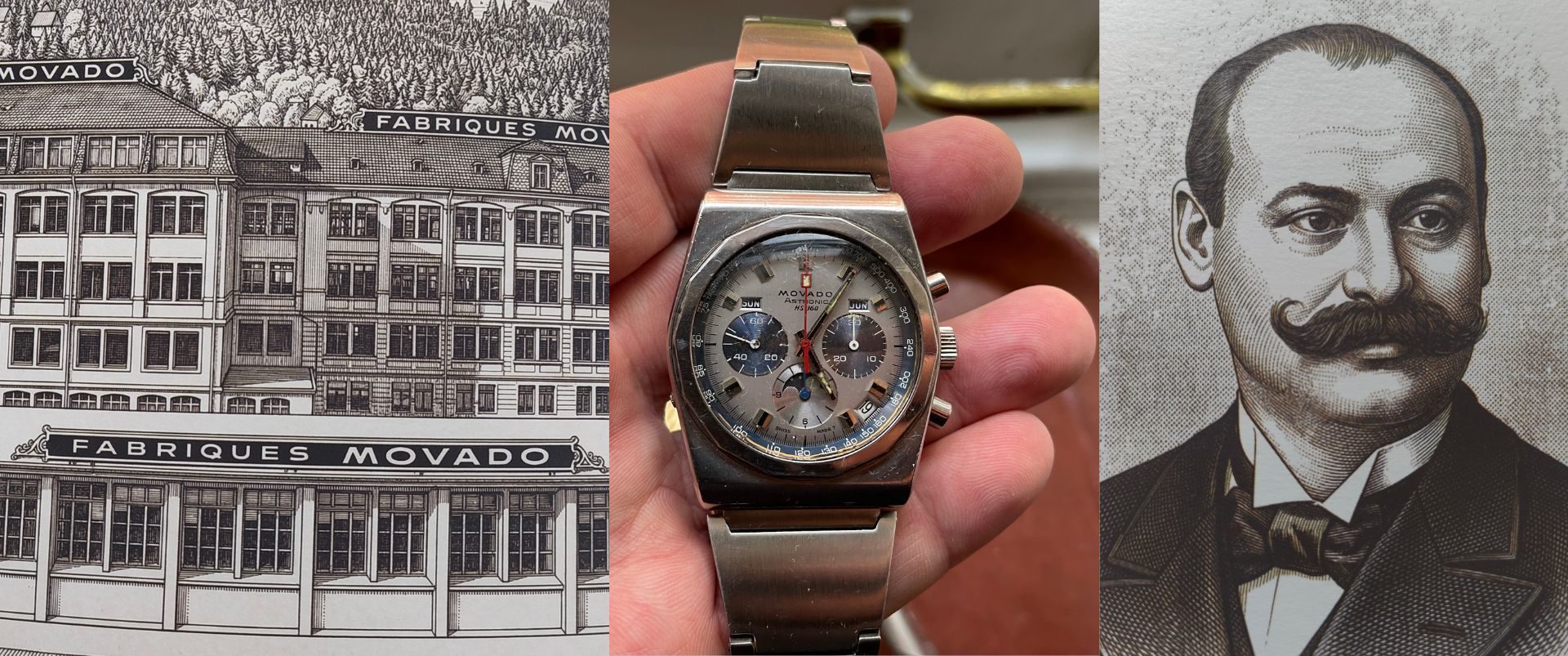
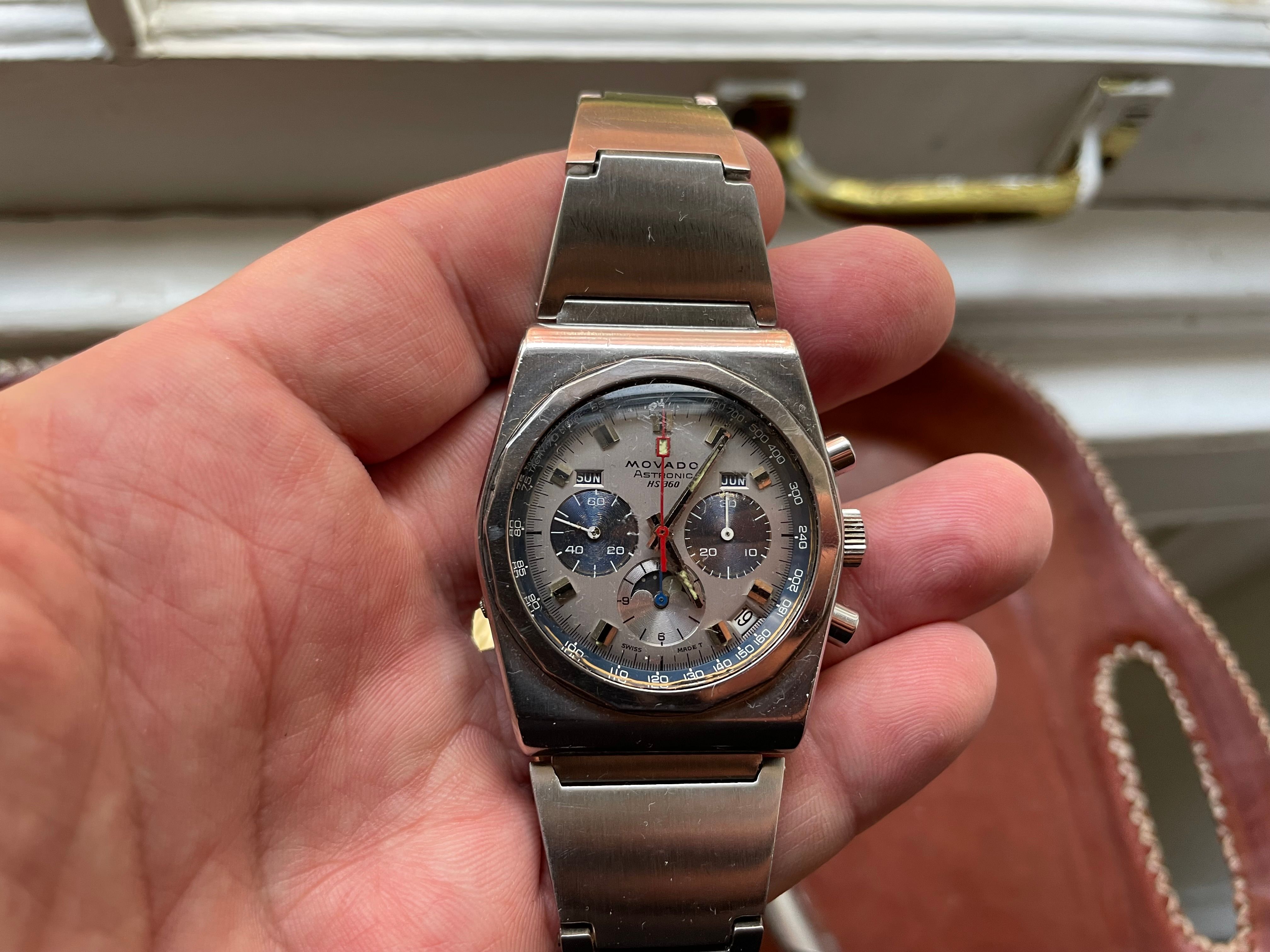
Long before the Museum Dial became a global symbol of minimalist design, Movado was quietly shaping some of the most fascinating chapters in Swiss watchmaking history. In fact, one of the world’s most important chronograph movements - the legendary El Primero was not born through Zenith alone. Movado played a crucial role in its development during the late 1960s, when both brands operated under the same corporate ownership. Yet few collectors today realise that Movado-signed El Primero chronographs once existed alongside their Zenith counterparts.
Even fewer know that Movado watches have appeared in the permanent collection of New York’s Museum of Modern Art, earned more than 100 patents during the twentieth century, and helped pioneer modernist watch design decades before minimalism became an industry trend. For many consumers, Movado remains associated with a single image: a clean black dial marked by one solitary dot at 12 o’clock. But behind that iconic design lies a far deeper story - one rooted in technical innovation, artistic experimentation and an enduring relationship between horology and modern design.
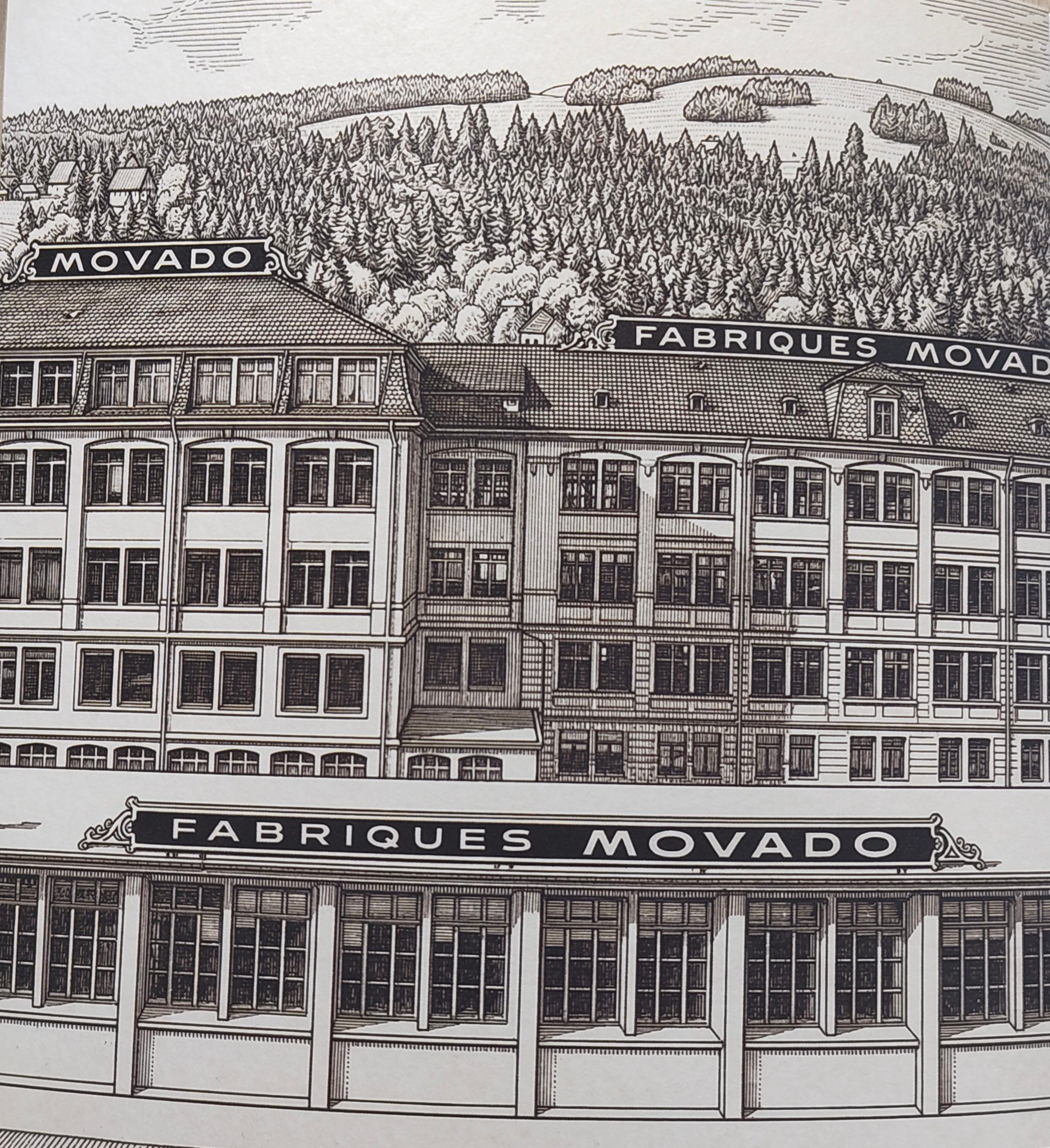
Founded in 1881 in La Chaux-de-Fonds by Achilles Ditesheim, Movado emerged during a transformative period for Swiss watchmaking. The company adopted the name “Movado” in 1905, derived from Esperanto and meaning “always in motion” - an identity that reflected both progress and modernity. Throughout the twentieth century, the brand became known not only for elegant dress watches, but also for technical experimentation. Movado developed calendars, chronographs and innovative case constructions while building a reputation for refined industrial aesthetics. Long before luxury watchmaking became obsessed with storytelling and design codes, Movado was already exploring how watches could function as both instruments and artistic objects.
That philosophy reached its defining expression in 1947, when industrial designer Nathan George Horwitt created what would become the iconic Museum Dial. Radical for its time, the design removed traditional numerals and markers entirely, replacing them with a single dot symbolising the sun at noon. The result was less a conventional watch face and more a study in modernist simplicity.
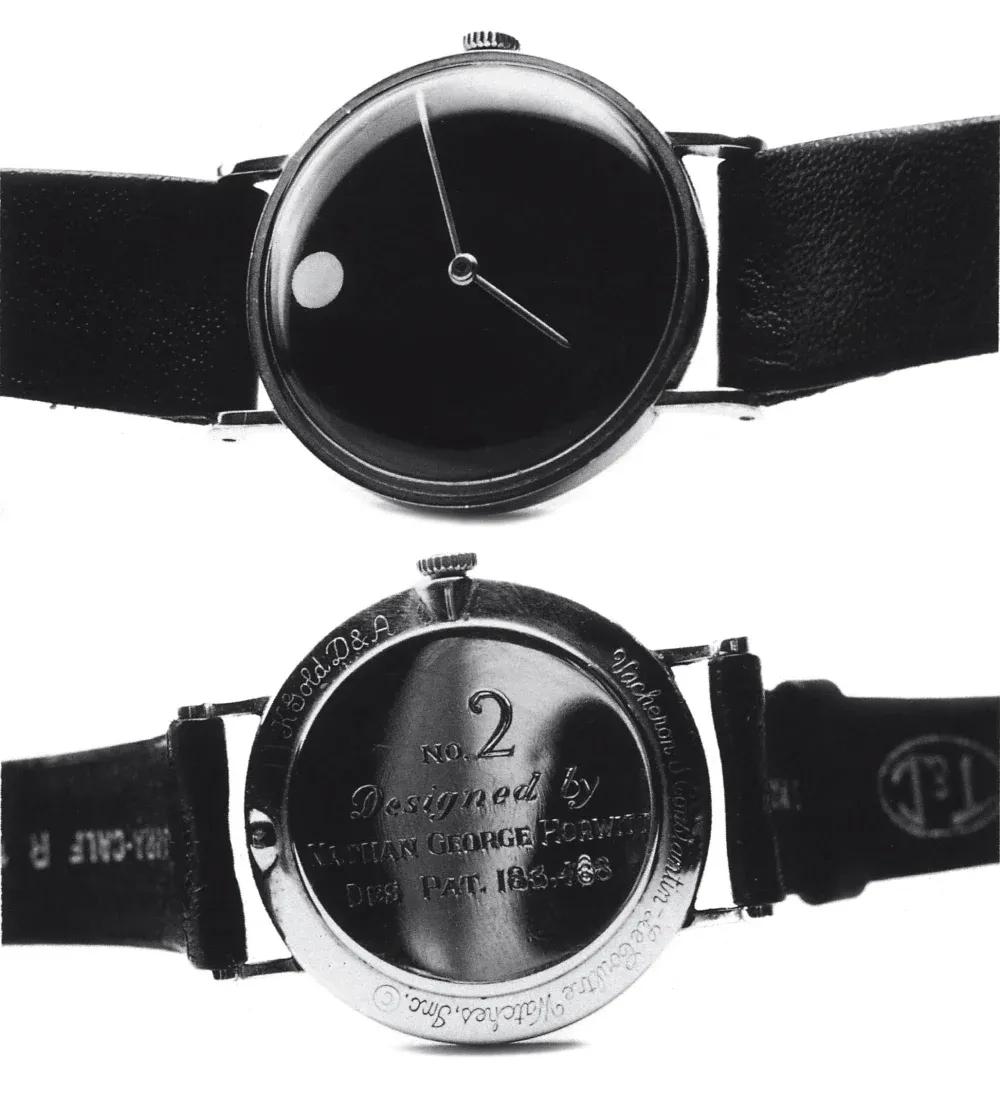
In 1960, the dial was admitted into the permanent design collection of the Museum of Modern Art in New York - a milestone that cemented Movado’s position not merely within watchmaking, but within the broader world of contemporary design. Yet while the Museum Watch became the brand’s defining commercial identity, Movado’s archives reveal another side entirely - one deeply connected to mechanical innovation.
The most significant chapter arrived in 1969 with the launch of the El Primero automatic chronograph movement. Introduced during the Zenith-Movado era in 1969, the El Primero became one of the most celebrated automatic chronograph movements in horological history. Operating at a high frequency of 36,000 vibrations per hour, El Primero could measure elapsed time to one-tenth of a second - an extraordinary achievement for its era.

Vintage Movado chronographs powered by El Primero calibres have since become highly collectible, though they remain somewhat underappreciated compared to Zenith-branded references. For seasoned collectors, these pieces represent one of watchmaking’s great hidden stories, evidence that Movado’s technical contribution to Swiss horology extended far beyond minimalist design language.
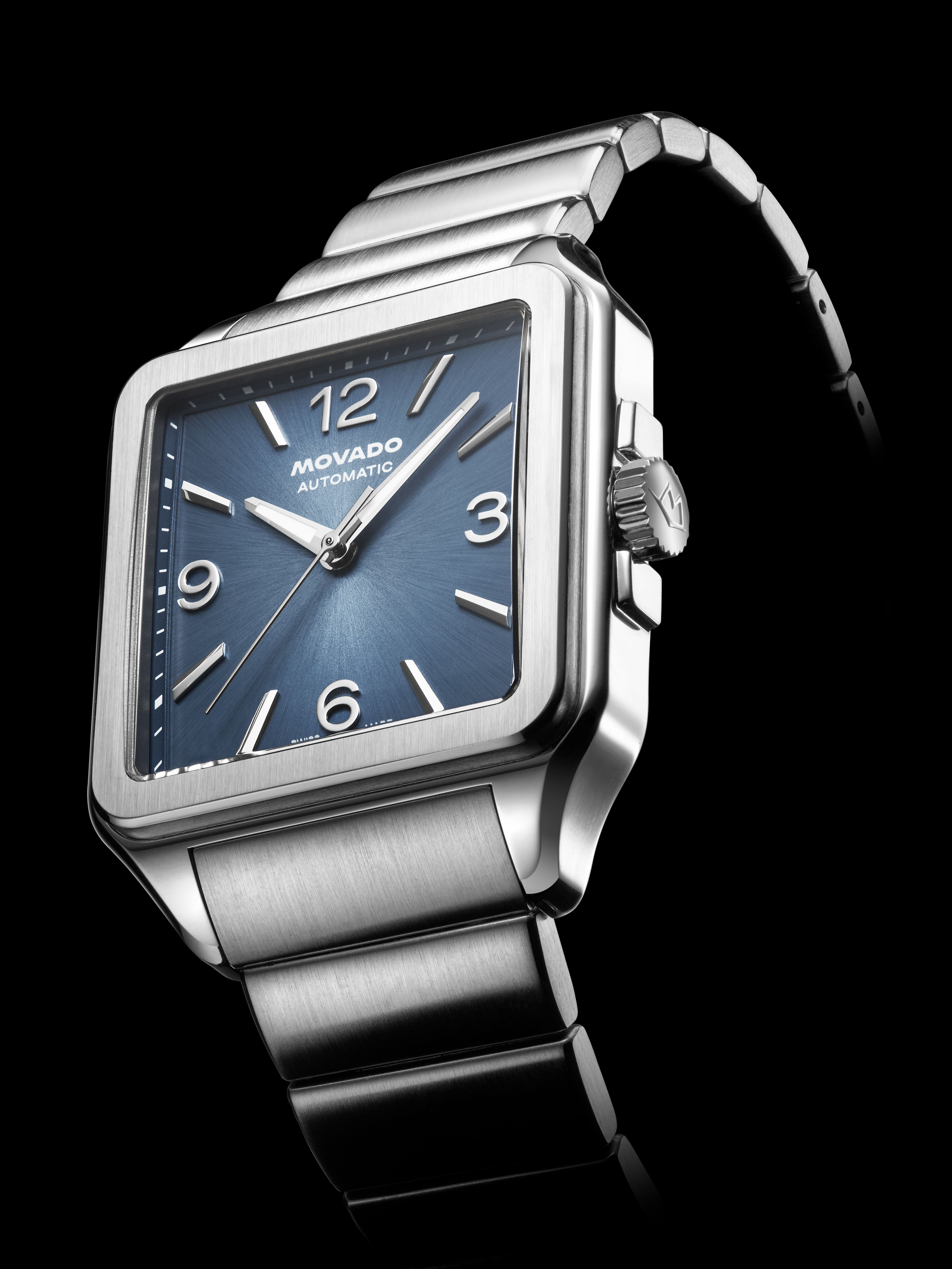
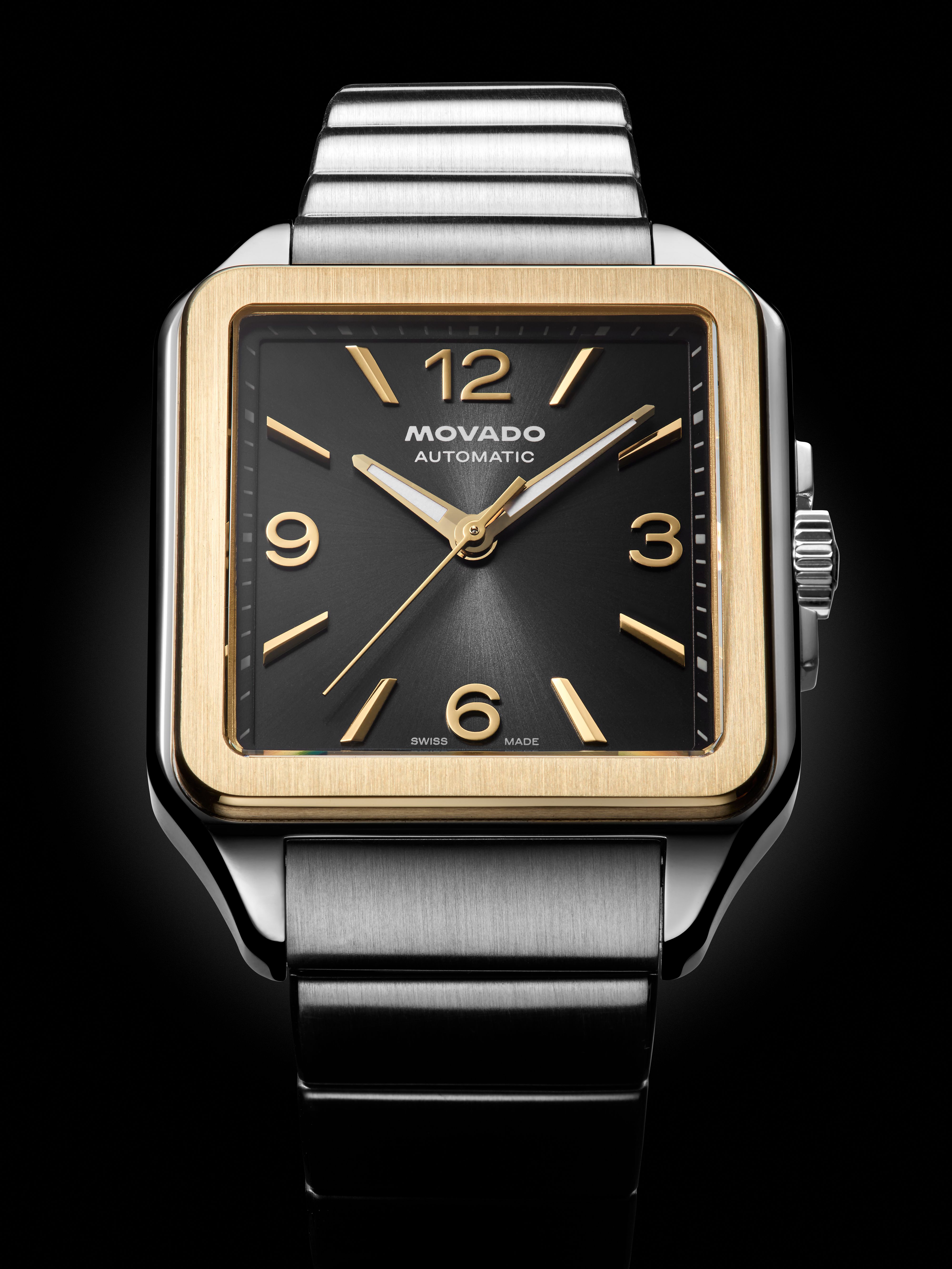
Today, that layered history is finding renewed visibility through the Movado Heritage Collection. Rather than reproducing archival references exactly as they once appeared, the collection interprets historical designs through a contemporary perspective. Models such as the Heritage Series 1917 revisit some of Movado’s earliest wristwatch designs, drawing inspiration from trench watches produced during the transitional years between pocket watches and wristwatches. With vintage numerals, cathedral-style hands and a crown positioned at 12 o’clock, the watch captures the elegance and eccentricity of early twentieth-century watchmaking while remaining distinctly wearable today.
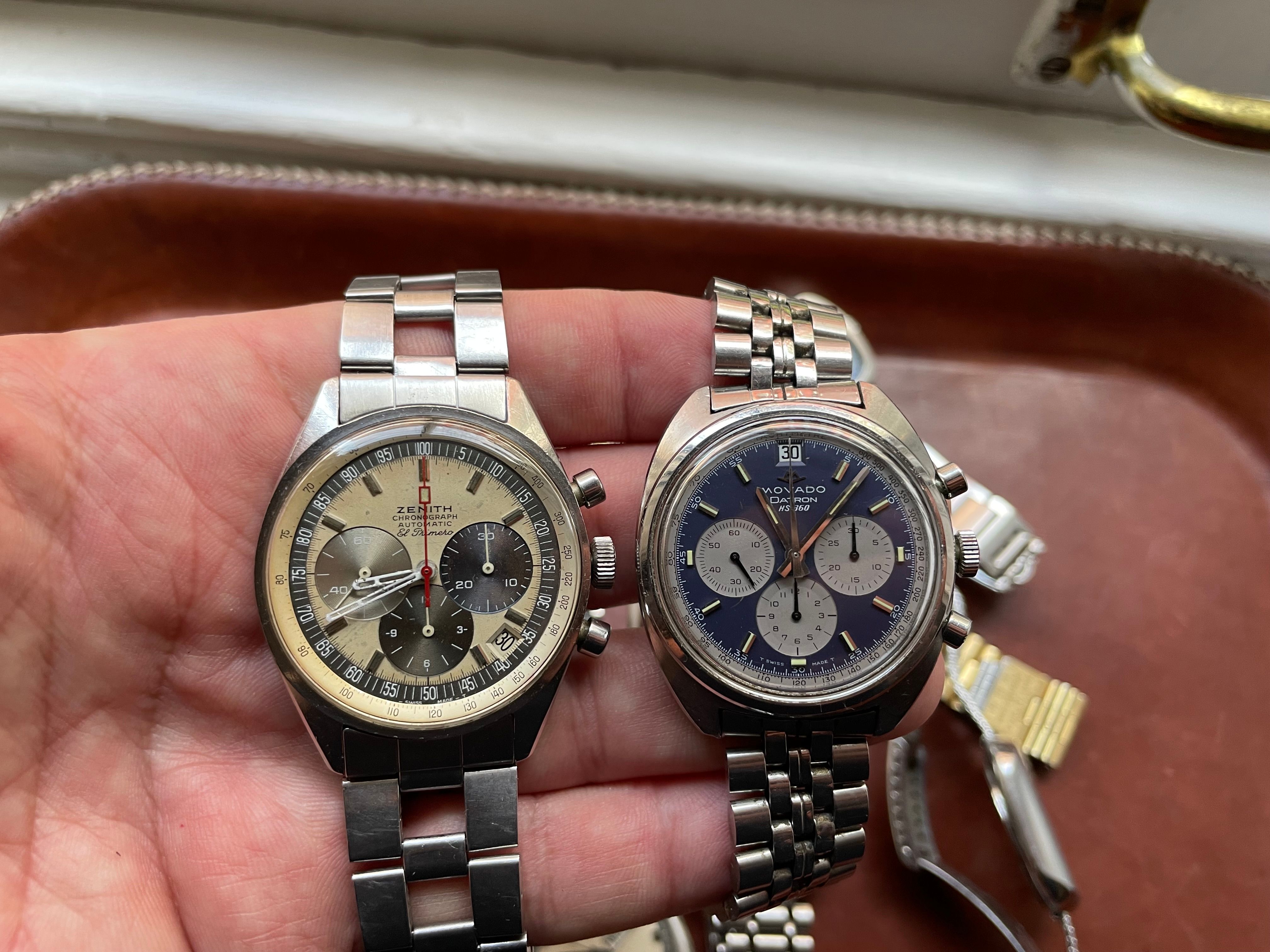
Elsewhere, chronograph-inspired Heritage models revisit the bold spirit of the 1960s and 1970s - the same era that shaped Movado’s involvement with the El Primero story. These watches appeal to a growing generation of collectors who increasingly value authenticity, archival depth and historical continuity over short-lived trends.
That shift reflects a broader movement across luxury watchmaking. Heritage has become one of the industry’s most powerful currencies because collectors are no longer buying watches solely for status or specifications. They are buying narratives - stories that connect objects to culture, innovation and history. For Movado, this rediscovery feels particularly important because the brand has often been simplified by its own success. The Museum Dial became so iconic that it overshadowed much of the maison’s broader horological legacy.
The Heritage Collection quietly changes that conversation.
The Heritage Collection does more than revisit archival references - it reintroduces Movado to a new generation of enthusiasts who may only know the brand through the Museum Dial. From early trench watches to El Primero-era chronographs, these pieces reveal a manufacture with far greater depth than many realise. At a time when collectors are searching for authenticity, provenance and meaningful design, Movado’s history suddenly feels more relevant than ever. And perhaps that is the brand’s greatest achievement: reminding the watch world that true icons are not simply remembered - they evolve.
Things You Probably Didn’t Know About Movado
- Movado means “always in motion” in Esperanto.
- The Museum Dial was added to the permanent collection of New York’s Museum of Modern Art in 1960.
- During the Zenith-Movado years, Movado became associated with the launch of the legendary El Primero chronograph calibre.
- Vintage Movado El Primero chronographs are now highly collectible among enthusiasts.
- The brand earned more than 100 patents and over 200 international awards during the twentieth century.
- Before minimalist watches became mainstream, Movado was already experimenting with modernist watch design in the 1940s and 1950s.


