The Prediction Table By The Hour Markers: India's W&W 2026 Forecast Vs What Actually Happened
 10 min read

In the weeks before Watches and Wonders 2026, The Hour Markers put out a survey. We wanted to know what India's watch community actually expected from the year's biggest show. Not what they hoped for in the abstract. What they specifically predicted: which collections, which directions, which moves from which brands.
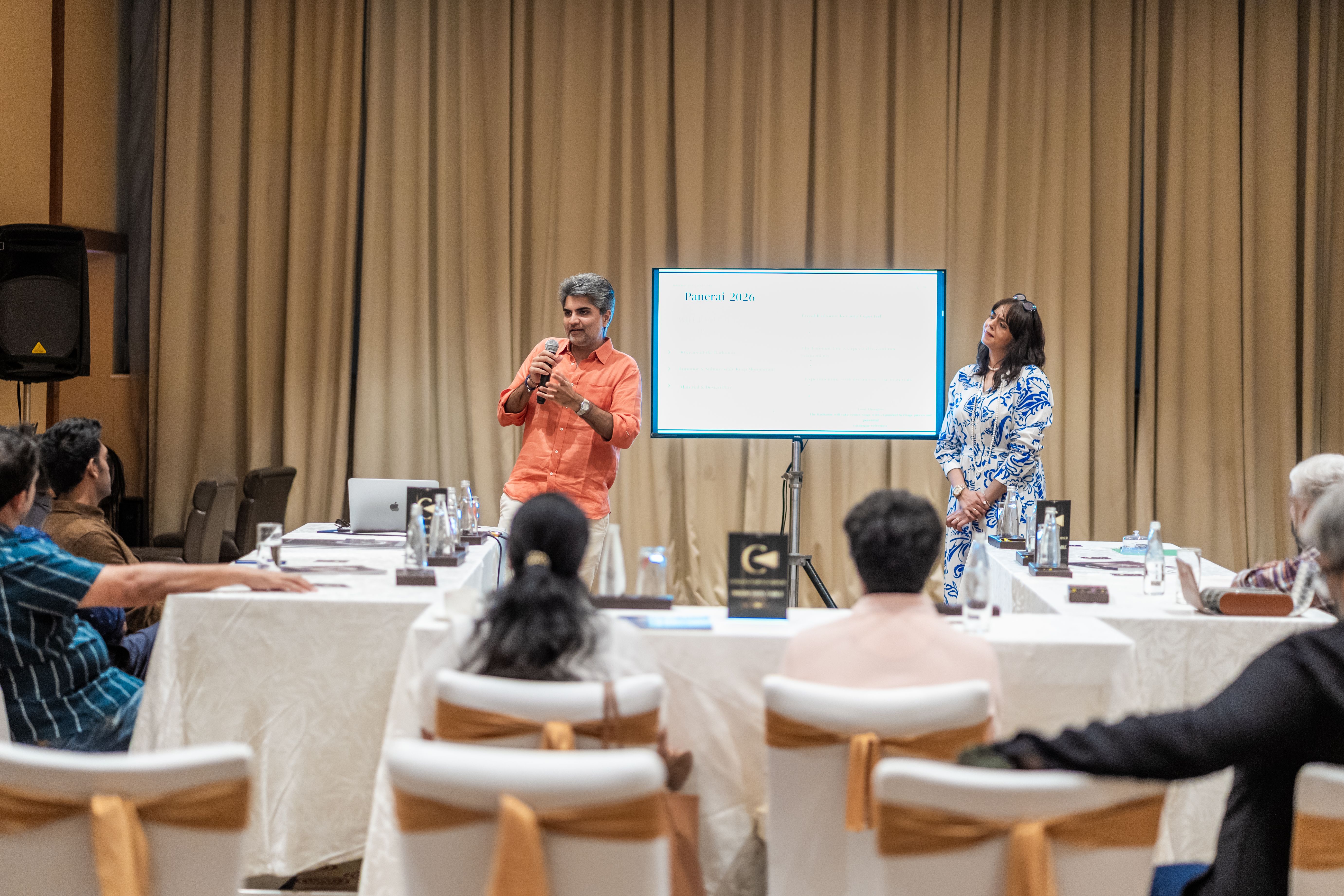
Respondents from Mumbai, Bangalore, and Chennai. Ages 20 to 65, with 37 and 38 being the average. 30% women, 70% men, collectors, enthusiasts, industry insiders, first-time attendees, people who have been doing this for decades. The full cross-section of who actually follows this space in India with intent. We structured the survey around 32 specific brand questions. The final entry in the data is what actually launched at Geneva. The comparison is what this report is built on. The headline finding: A prediction accuracy of 16 percent. That number is the most interesting thing in this entire report.
What India Got Right
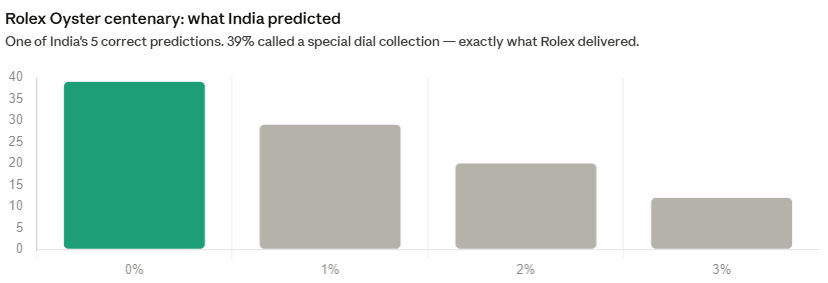
Five correct predictions. Let us start there, because each one says something specific about where the Indian collector's instinct is sharpest. On Rolex, 39 percent of respondents predicted a special dial collection to mark 100 years of the Oyster. That is what happened. Rolex delivered exactly that. The centenary framing, the dial-led celebration, the heritage-forward approach to a landmark anniversary. India called it. The instinct that Rolex would use the occasion to showcase craft over mechanics, and to do so through the dial rather than the movement, was correct. This is significant because Rolex had several plausible paths and India's plurality leaned into the most conservative, brand-consistent one.
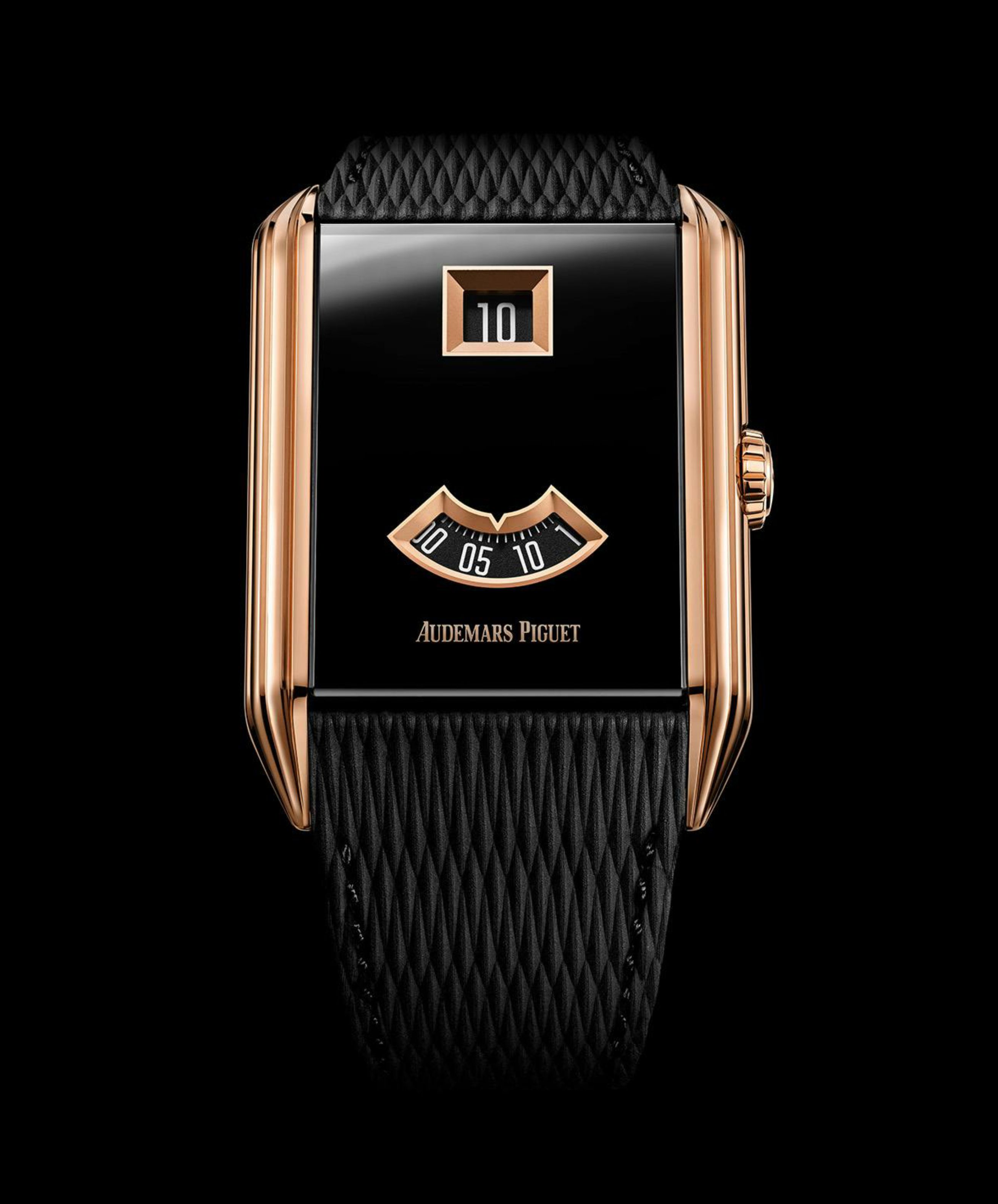
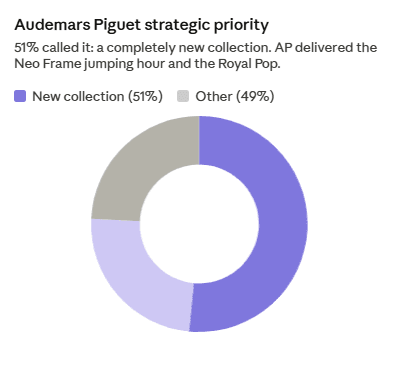
On Audemars Piguet's strategic priority, 51 percent said AP should introduce a completely new collection in 2026. AP did exactly that, unveiling the Neo Frame, its first rectangular case design since the 1920s, alongside the Royal Pop collaboration. Half of India's respondents read the pattern correctly: AP was ready to step outside the octagon. That is a sophisticated read of a brand that had been telegraphing restlessness for two years.
On Patek Philippe's Cubitus, 37 percent said phase it out. The rest wanted smaller sizes, bolder dial variations, or a more radical design departure. The actual Cubitus at W&W 2026 received minimal fanfare, consistent with Patek Philippe pulling back its enthusiasm for the line. India's plurality response, whether prediction or preference, tracked with what actually happened. On A. Lange and Sohne, India was precise. 39 percent predicted the brand would focus on the Lange 1 with design extensions and dial variations. That is what happened. The Saxonia Annual Calendar and the Lange 1 Tourbillon Perpetual Calendar Lumen both came with exactly this philosophy: extensions, refinements, and material explorations within established collection architecture. India understood Lange's design language well enough to predict its application. Also on Lange, 39 percent predicted a reinterpretation of the Lange 1 or Saxonia with modern refinements. Also correct. Two for two on Lange, which suggests that India's Lange audience, still a specialist but growing community, understands this brand's cadence better than they understand most others.

Jaeger-LeCoultre and What India Missed Completely
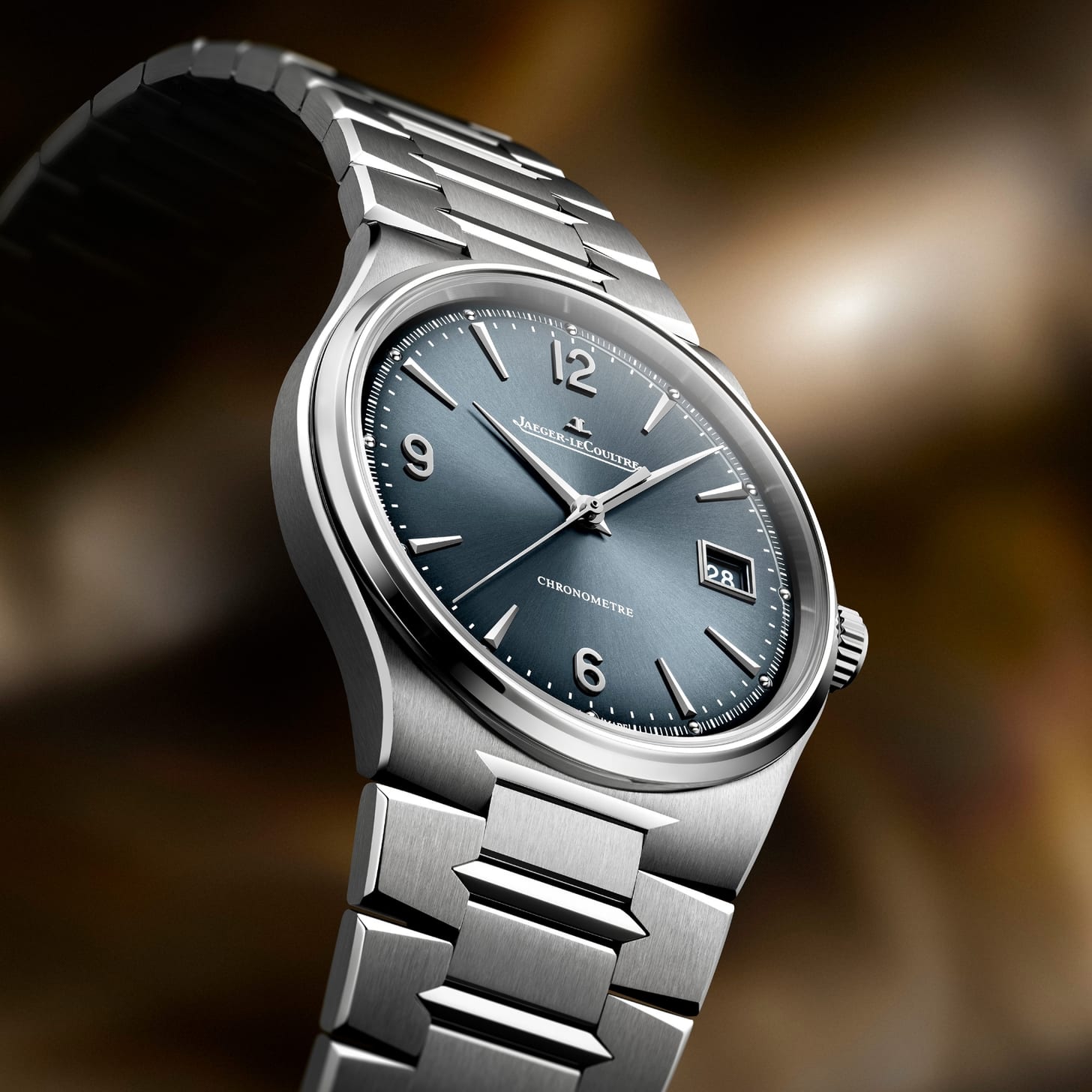
India said Jaeger-LeCoultre should prioritize entry-level versions to attract new enthusiasts, 39 percent. The brand's actual focus was on introducing new complications to the Master Control, specifically an annual calendar and minute repeater variant. India wanted an accessible door in and they did get it with the Master Control Chronometre in steel.
The Misses That Reveal the Most
The gap between what India wanted and what brands delivered is not just a scorecard. It is a map of expectations. And the widest gaps are the most revealing.
Panerai and the Thinner Watch
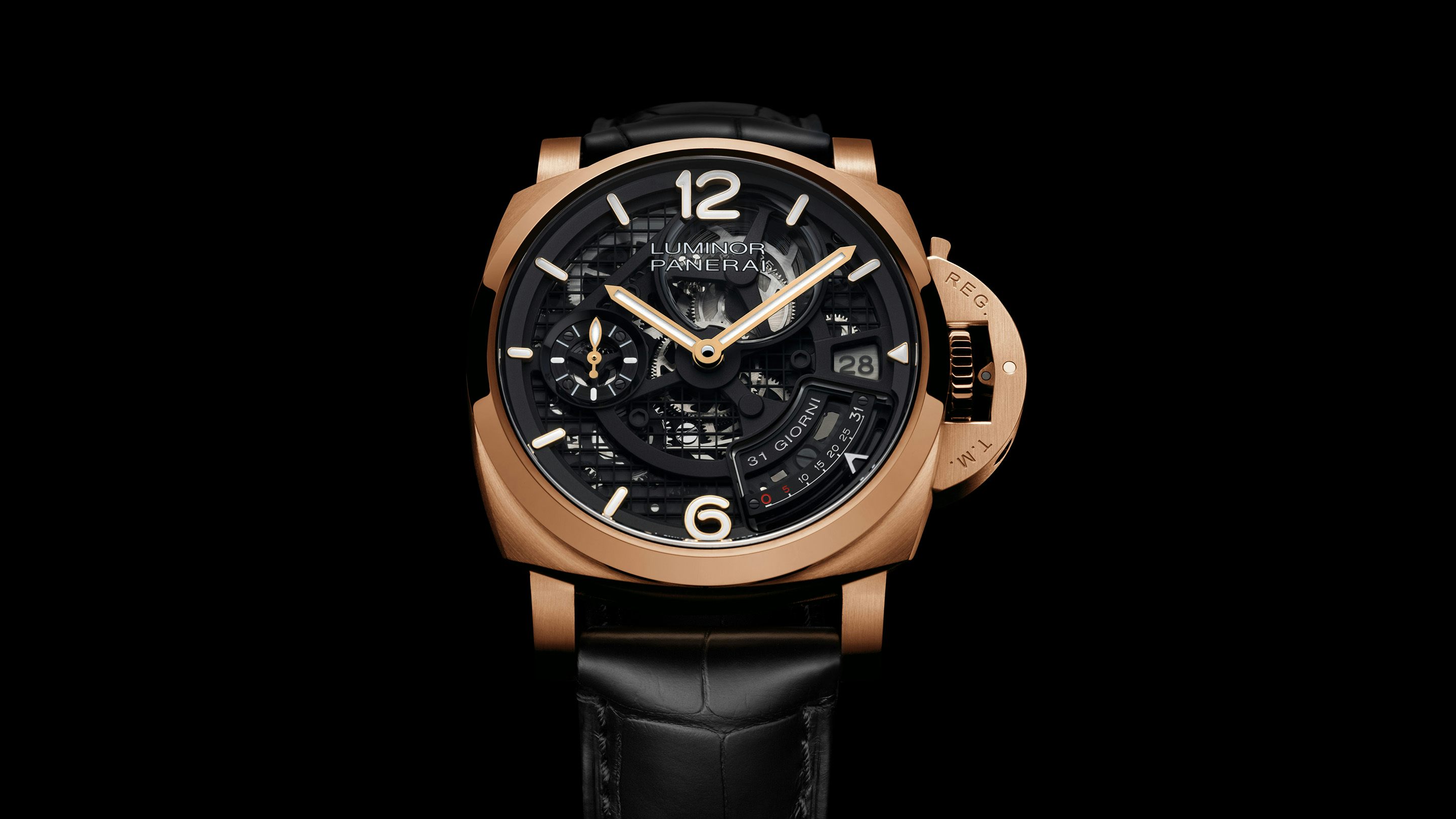
This is the clearest and most urgent finding in the entire survey. 60 percent of respondents, six in ten, said the single thing that would seal the deal for Panerai in 2026 was a thinner, wearable everyday watch in the 40 to 42mm range. 60 percent. That is not a plurality. That is a consensus. In a survey with 32 questions across nine brands, no single data point came close to that level of agreement.
The brand's 2026 releases at W&W were anchored in the same large case formats that have defined the lineup for decades. The Afniotech at 47mm in hafnium. The Luminor 31 Giorni at 44mm. New executions in familiar architecture. Their positioning was different for the Indian market.
Patek Philippe and the Time-Only Steel Nautilus
51 percent of India's respondents said bring back a pure time-only steel Nautilus. Clean, essential, iconic. Bring back the version that made the Nautilus what it is.
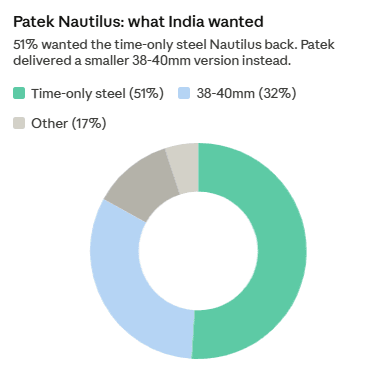
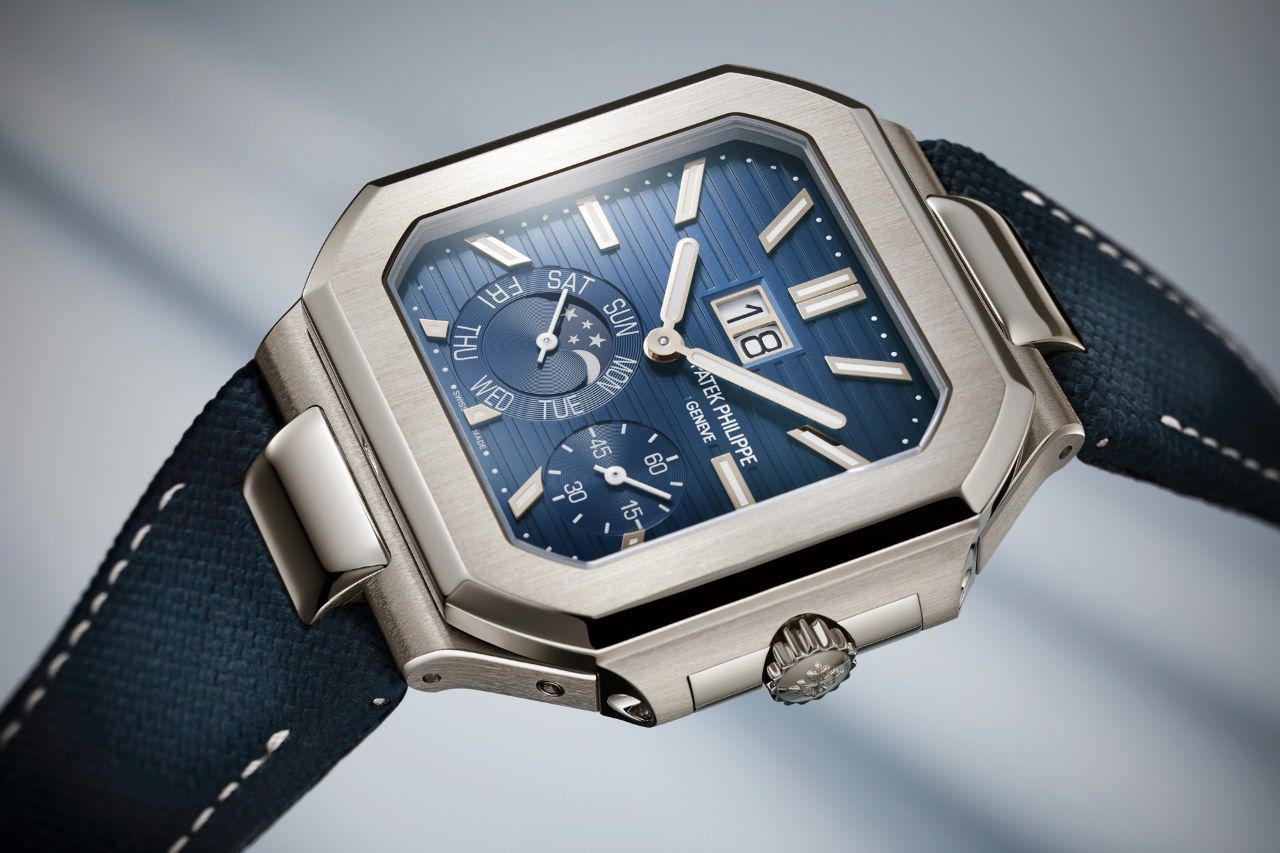
What actually launched was something adjacent but different: a refined 38 to 40mm Nautilus for modern proportions. India was not wrong about the direction, the smaller and more wearable instinct was correct. But the specific prediction, a pure steel time-only at the original scale and spirit of the 5711, was a miss. Patek is clearly evolving the Nautilus's size language, and India read that signal. But the steel, time-only, no-date version that India's majority wanted back does not yet exist in the 2026 collection. The second place answer, at 32 percent, was to push boundaries with new complications and materials. That is close to what Patek Philippe is actually doing. The disconnect is between what India wants from the Nautilus emotionally and what Patek is doing with it strategically.
AP and the Royal Oak Direction
46 percent said refine proportions, go thinner, make it more wearable. The actual release introduced new sizes for wider appeal. This is close in spirit but different in execution. India wanted downsizing. AP delivered range extension. The distinction matters: one is about the core collection becoming more accessible; the other is about adding brackets above and below an existing range.
The AP Collaboration Question
34 percent of India said Dune should be the basis for AP's next disruptive collaboration. The actual answer: the Royal Pop with Swatch, which fits none of the given options. India did not see the Swatch collaboration coming. Nobody did, which is part of what made it the news event of the year.
Cartier and the Roadster
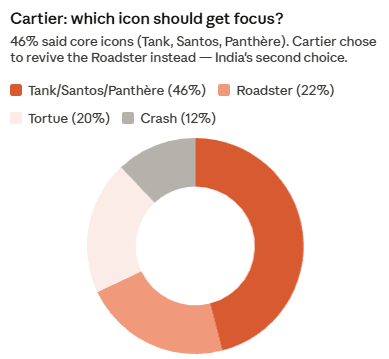
46 percent of respondents said Cartier should strengthen its core icons: Tank, Santos, Panthère. The brand chose to modernize the Roadster instead. This is one of the cleaner misses in the dataset. India wants the classics reinforced. Cartier is betting on the revival of a less obvious choice. Whether the Roadster's return resonates in India will be interesting to track over the next twelve months.
But what about the independents? Where is the Indian watch community headed ?
Stay tuned for Part 2!


