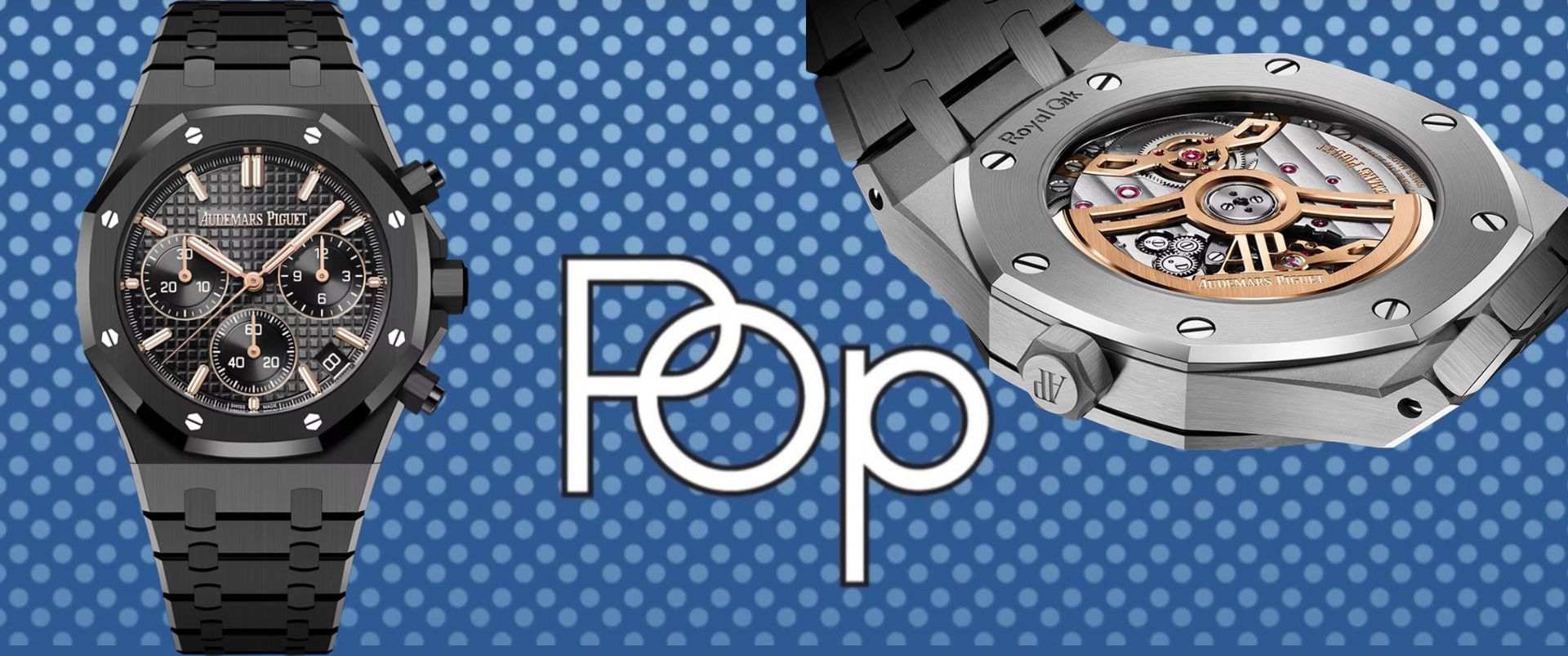
The Royal Disruption: Could A SwatchOak Be On The Cards?
 5 min read

On the morning of May 6, the watch world woke up to something deceptively simple and potentially seismic. A series of stark, almost minimalist advertisements by Swatch appeared across major newspapers and Swatch’s digital platforms globally. No product. No explanation Just a launch date- 16th May and bold colour fields with two words: “Royal” and “Pop”.

But it is the former that has sent collectors, retailers and industry insiders into a frenzy. Because in watchmaking, “Royal” is never just a word. Rendered in a typeface uncannily close to that used by Audemars Piguet, the implication is almost impossible to ignore. The immediate association is the Royal Oak, the Gérald Genta-designed icon that has defined the modern luxury sports watch since its debut in 1972. And if that connection is intentional, the industry may be staring at its most disruptive collaboration yet.
From MoonSwatch to… Royal Swatch?
Swatch has form when it comes to rewriting the rules of luxury watch accessibility. The MoonSwatch was not merely a product launch, it was a cultural event. Queues wrapped around city blocks. Resale markets exploded overnight. A new generation of buyers many of whom had never considered mechanical watchmaking suddenly found themselves emotionally invested in the story of the Omega Speedmaster.
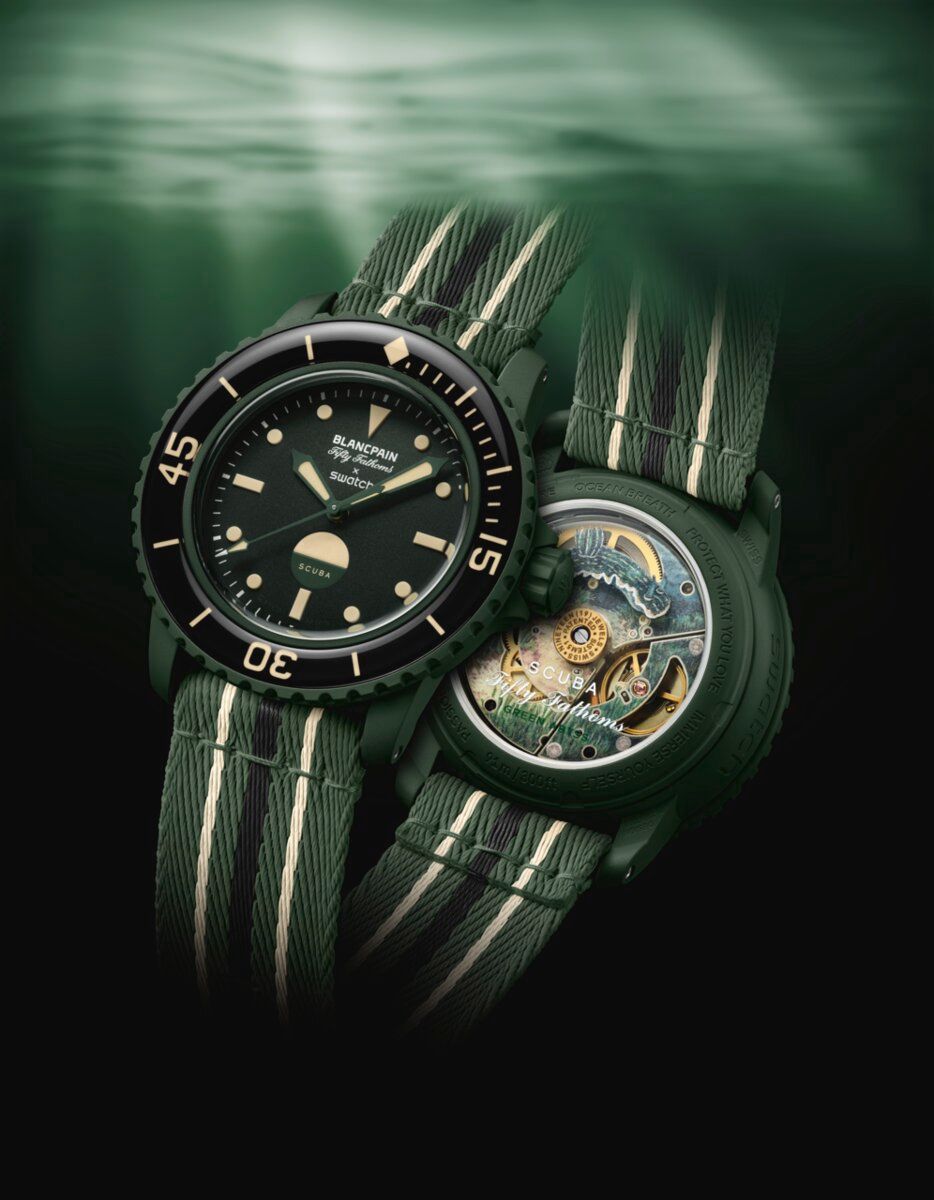
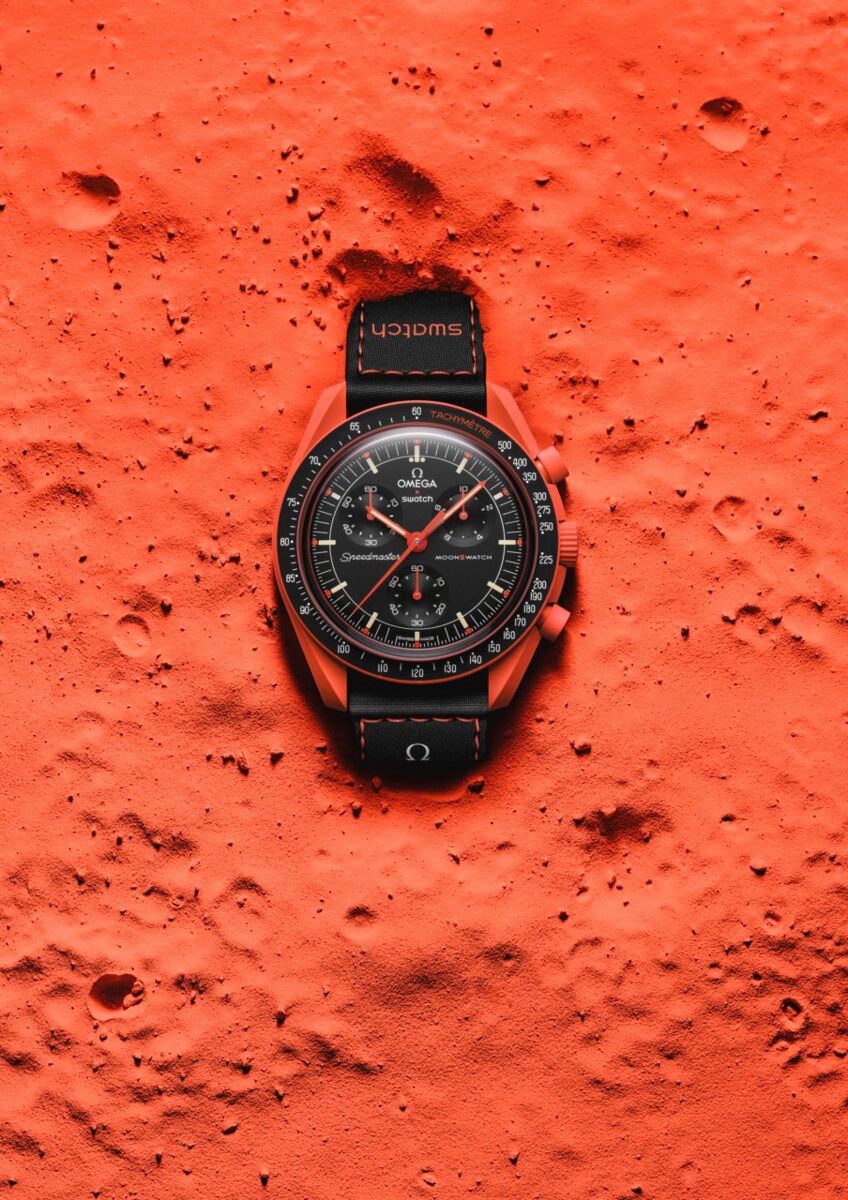
It was followed by the Bioceramic Scuba Fifty Fathoms, which extended the formula: take an iconic, heritage-rich design and reinterpret it in Swatch’s accessible, bioceramic language. But there is a crucial distinction. Both Omega and Blancpain exist within the Swatch Group ecosystem. Audemars Piguet does not.
Why Audemars Piguet Changes Everything
To understand why this potential collaboration feels so radical, one must understand what Audemars Piguet represents. Still family-owned and fiercely independent, the brand has spent decades tightening control over its image, production, and most critically- distribution. The Royal Oak is not simply a watch; it is a cultural currency. It lives on the wrists of athletes, musicians, actors, and collectors who treat it as both status symbol and personal statement.
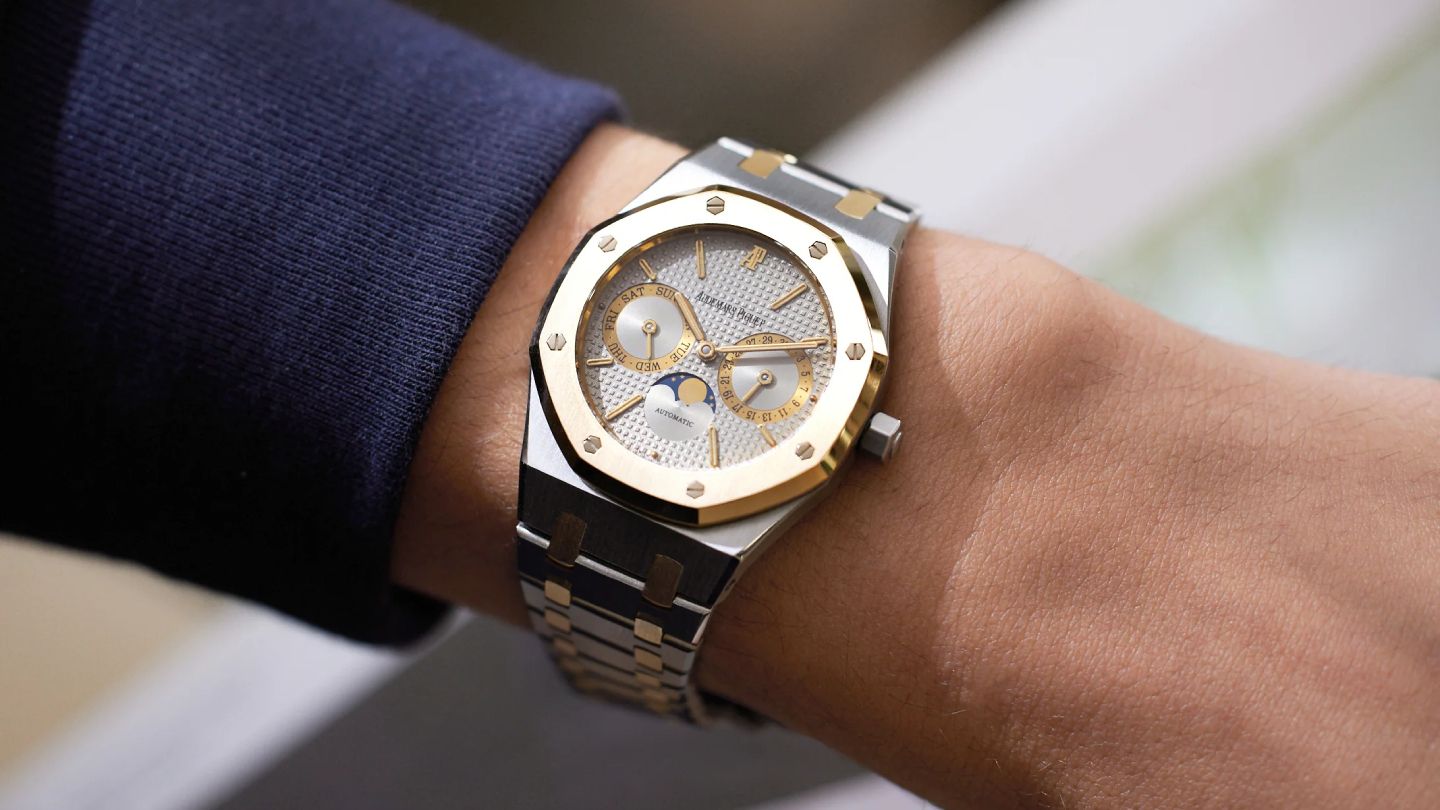
Scarcity is not a byproduct here, it is the strategy. Which is precisely why the idea of a Swatch interpretation feels almost contradictory. If the MoonSwatch democratised the Speedmaster, what happens when you attempt to democratise a Royal Oak? There is also the question of design integrity. The Royal Oak is arguably one of the most recognisable silhouettes in horology: the octagonal bezel, the exposed screws, the integrated bracelet. Translating that into bioceramic without reducing it to parody would be one of the most delicate design exercises the industry has ever seen.

Swatch, to its credit, has managed this balancing act before. But the margin for error here is razor-thin. Too literal and it risks trivialising an icon. Too abstract, and it loses the very equity it seeks to leverage. The numbers only deepen the intrigue. A standard Omega Speedmaster retails in the vicinity of US$9,000. The entry point for a steel Royal Oak? Roughly US$30,000 and upward assuming, of course, one can secure allocation at retail at all. The MoonSwatch collapsed that gap dramatically. A Swatch x AP collaboration would not just compress pricing it would collapse aspiration barriers. And that raises a fundamental question: does accessibility dilute desirability, or amplify it? The MoonSwatch suggested the latter. But Audemars Piguet operates at a different altitude altogether.
Hype as Strategy
What makes this moment particularly fascinating is the way it has been orchestrated. There has been no official confirmation. No press release. No controlled narrative. Only suggestion. And yet, that suggestion has been enough to ignite global conversation. This is modern watch marketing at its most sophisticated where ambiguity is not a lack of clarity, but a deliberate tool. Where speculation itself becomes the campaign. Swatch understands this better than anyone. It doesn’t just launch products; it engineers cultural moments.
The presence of the “Pop” variant adds another layer of intrigue. Swatch has a long-standing relationship with the art world, drawing from figures like Edgar Degas and Jackson Pollock for its designs. “Pop” could easily point toward that lineage an exploration of pop art, colour, and cultural accessibility. But paired with “Royal,” it begins to feel like a dual narrative. Heritage versus pop culture. Exclusivity versus accessibility. High horology versus mass appeal. And maybe the collision of both.

If this teaser does indeed culminate in a Swatch x Audemars Piguet release, it will not simply be another product drop. It will be a statement. A statement about how even the most guarded names in watchmaking are being pulled into a new era one defined not by rigid hierarchy, but by cultural relevance, visibility and conversation. It will also reinforce a larger truth that has been building over the past few years: that in today’s market, storytelling travels faster than tradition.
The Industry at an Inflection Point
For decades, the watch world operated on a clear structure: entry-level, mid-tier, high horology. Each with its own codes, its own clientele, its own boundaries. Swatch disrupted that structure once with the MoonSwatch. A collaboration with Audemars Piguet would dismantle it entirely. Because this time, it is not just about access. It is about redefining what luxury means in an age where visibility, culture, and desirability are no longer dictated solely by price but by presence. But if history is anything to go by, one thing is certain: When Swatch teases, it rarely does so without intent. And when it delivers, the world pays attention. For now, the industry waits for May 16th!


