Rolf Studer On Independence, Emotion And Why Oris Still Refuses To Follow The Crowd
 7 min read

In an industry increasingly driven by hype cycles, manufactured exclusivity and trend led storytelling, Rolf Studer remains refreshingly grounded. As the sole CEO of Oris, Rolf represents one of the last major independent Swiss watch brands, but more importantly, he represents a way of thinking that feels increasingly rare in modern watchmaking. One rooted not in scale or spectacle, but in sincerity, emotion and staying true to a very clear identity.
Fresh from the momentum of Watches & Wonders, where Oris unveiled its revived Artelier collection alongside several other releases, Rolf spoke about why classic watchmaking is finding relevance again, the importance of remaining independent in today’s luxury landscape, the changing culture around collecting and why the industry sometimes takes itself far too seriously.
The Return Of The Artelier
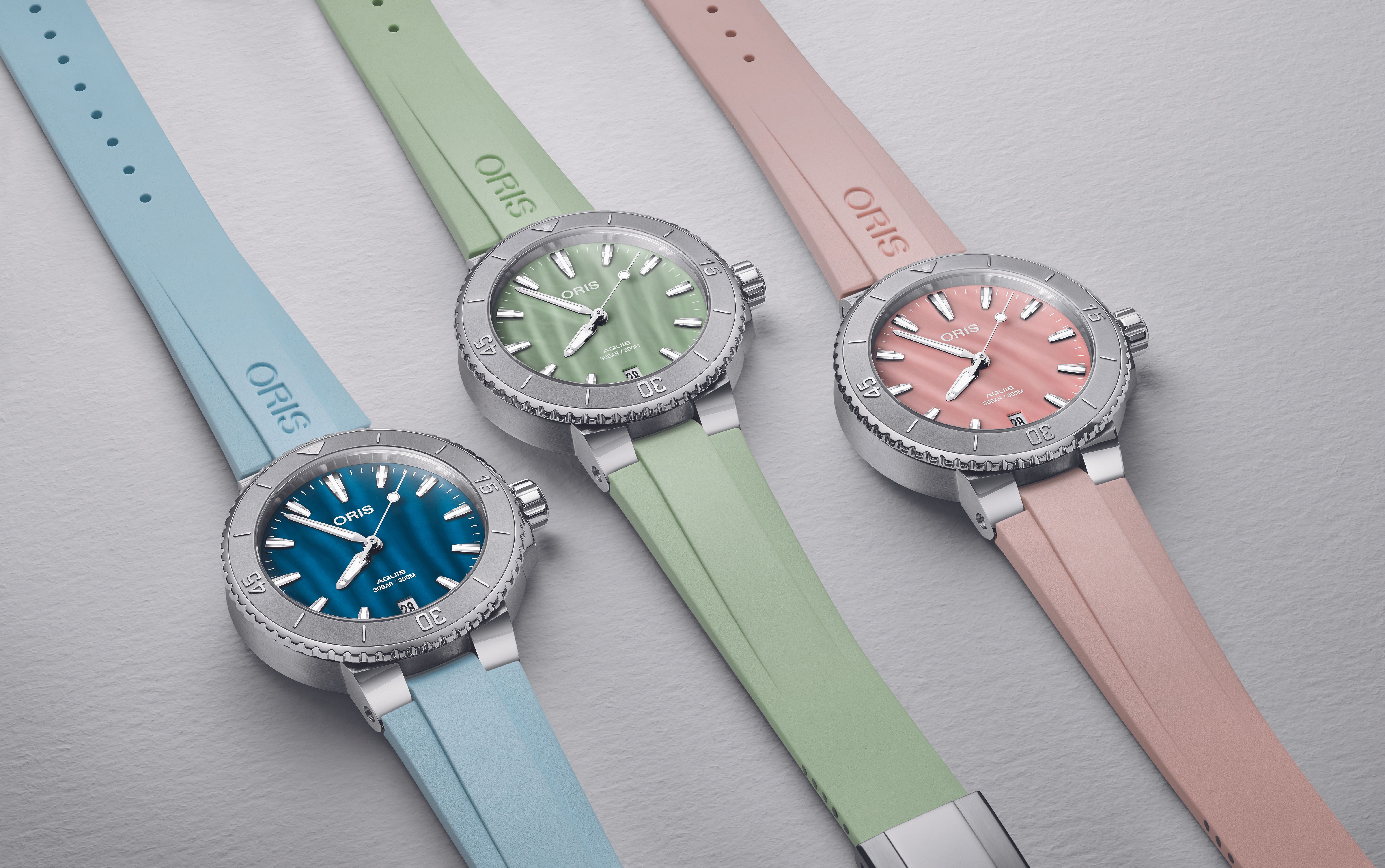
For several years, Oris’ identity has largely been associated with sporty tool watches. Collections like the Aquis and Big Crown Pointer Date became central to the brand’s modern success story, mirroring a wider industry obsession with sports watches and everyday versatility. But according to Studer, collector tastes are beginning to shift once again.
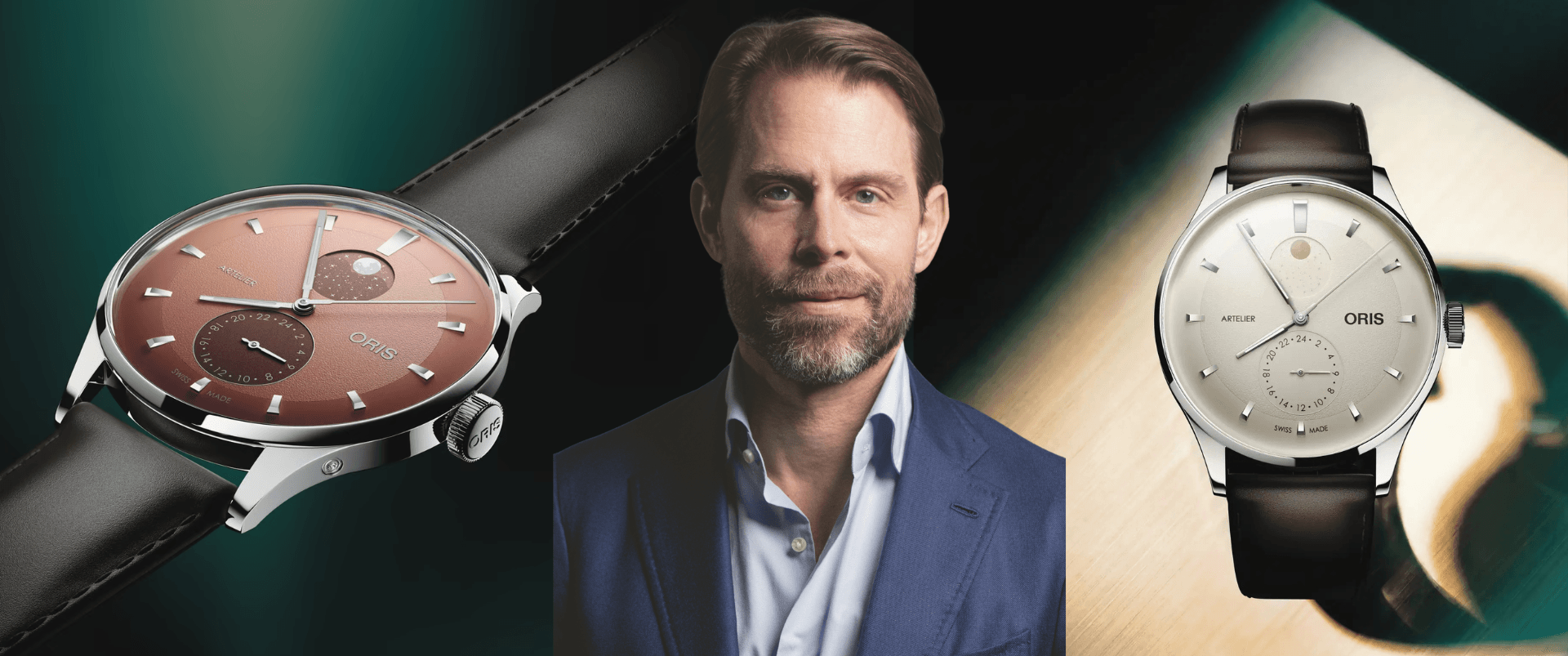
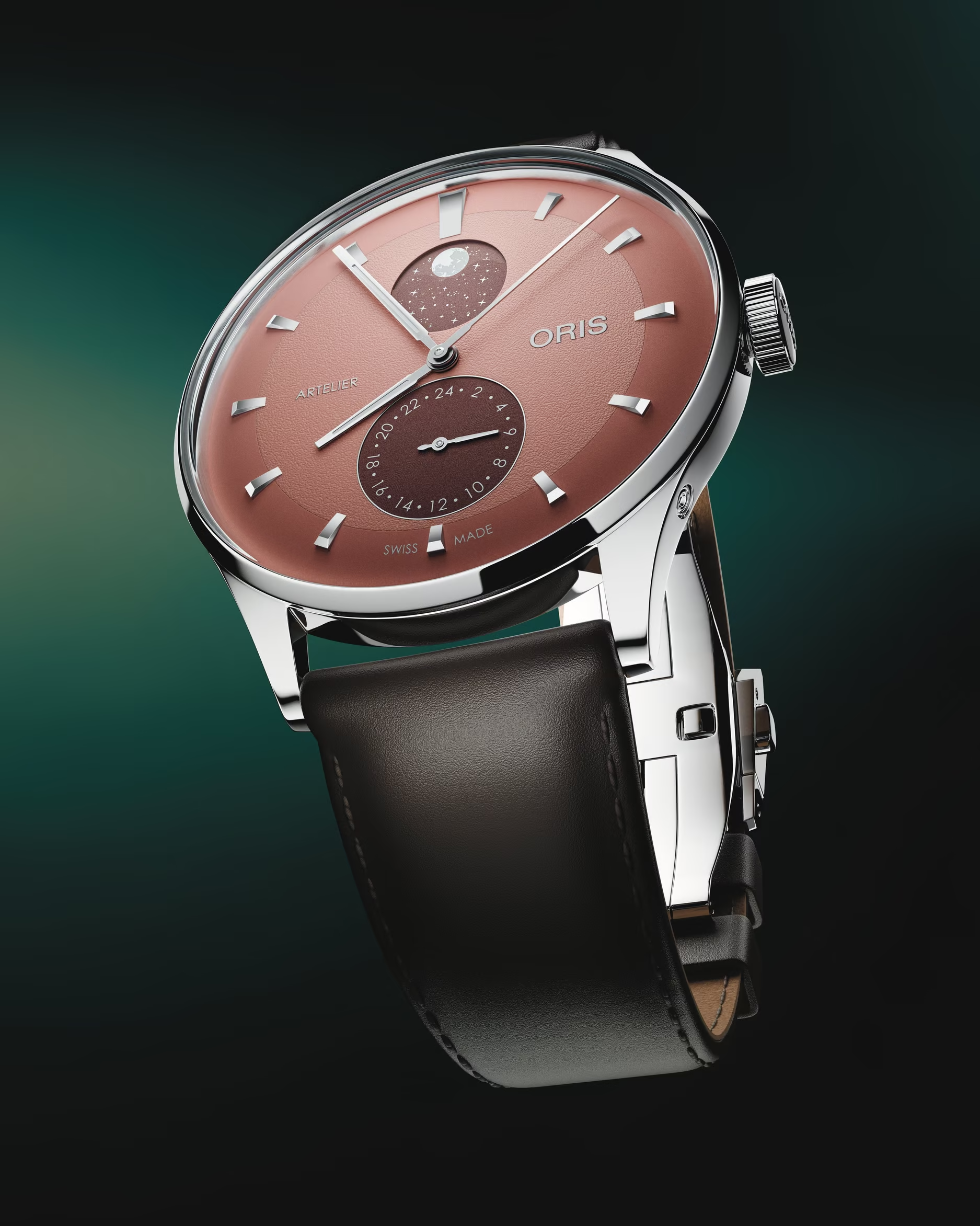
“The last few years were dominated by sporty watches, both for us and for the industry. But now we feel that there’s a demand for more classic pieces,” says Rolf. That realisation led Oris to revisit the Artelier collection, a line that has quietly existed within the brand’s portfolio for years but never demanded the same spotlight as its sportier siblings. At Watches & Wonders, however, the Artelier returned with a distinctly refreshed identity. Slimmer proportions, softer dial tones and elegant complications gave the collection a refined presence that felt modern without trying too hard. The chestnut dial variations in particular stood out for their warmth and restraint, while the sizing, sitting comfortably under 40 mm, reflected the industry’s ongoing move toward more wearable dimensions.
What makes the relaunch even more compelling is the story behind the design itself. Rather than relying entirely on senior designers or archival purists, Oris handed much of the creative responsibility to Lena, a 24 year old designer who joined the company just over a year ago. For a brand with over a century of heritage, placing that level of trust in a young designer says a great deal about Oris’ culture internally.
“She did a fantastic job interpreting a very classic line of Oris. It brings together that tradition that is important in the Artelier line, but also that young energy that Lena brings with her,” Rolf says proudly. The result is a collection that feels neither aggressively vintage nor excessively contemporary. Instead, it achieves something far more difficult: balance.
Independence Beyond Marketing
The word “independent” has become heavily romanticised within watchmaking today. Brands use it as shorthand for authenticity, craftsmanship and exclusivity. But for Studer, independence is far less about image and far more about responsibility.

“It’s not easy being independent. Because you do everything yourself,” he says candidly. Yet despite the challenges, he believes the benefits overwhelmingly outweigh the disadvantages. Unlike brands operating under large luxury conglomerates, Oris has the freedom to move according to its own instincts, values and priorities without answering to shareholders chasing short term trends.
“It’s really being able to be ourselves, to stand up to our values, live our values and have that attitude that makes Oris. We need to go the extra mile constantly, battling against the bigger guys, but this is the Oris spirit.” That spirit becomes evident in the way Oris approaches watchmaking itself. When asked whether the company is driven more by movement innovation, design language or technical development, Rolf’s answer was immediate. “It’s brand first. It’s values first.”
For Oris, every watch begins with a philosophical framework before it becomes a physical product. Mechanical watchmaking remains central to that philosophy, as does functionality, accessibility and a certain emotional honesty that collectors increasingly gravitate toward. “Making only mechanical watches, making watches that serve a purpose, designing in a way that remains functional but has a little bit of quirk. This way everything comes together and at the end makes a new Oris watch.”
Heritage That Feels Alive
One of the more interesting aspects of Oris today is the way it handles heritage. Many brands revisit archival designs simply because vintage inspired watches are commercially successful. But Studer sees historical storytelling less as nostalgia and more as continuity.
“I believe watchmaking is a form of culture. And culture very often has a historic part to it.” For Oris, whose history stretches back more than 120 years, that heritage is deeply tied to the company’s identity as a challenger brand. Studer referenced the recently introduced Oris Star as an example, a watch connected to the story of Dr. Portmann overturning the Swiss watch cartel decades ago.
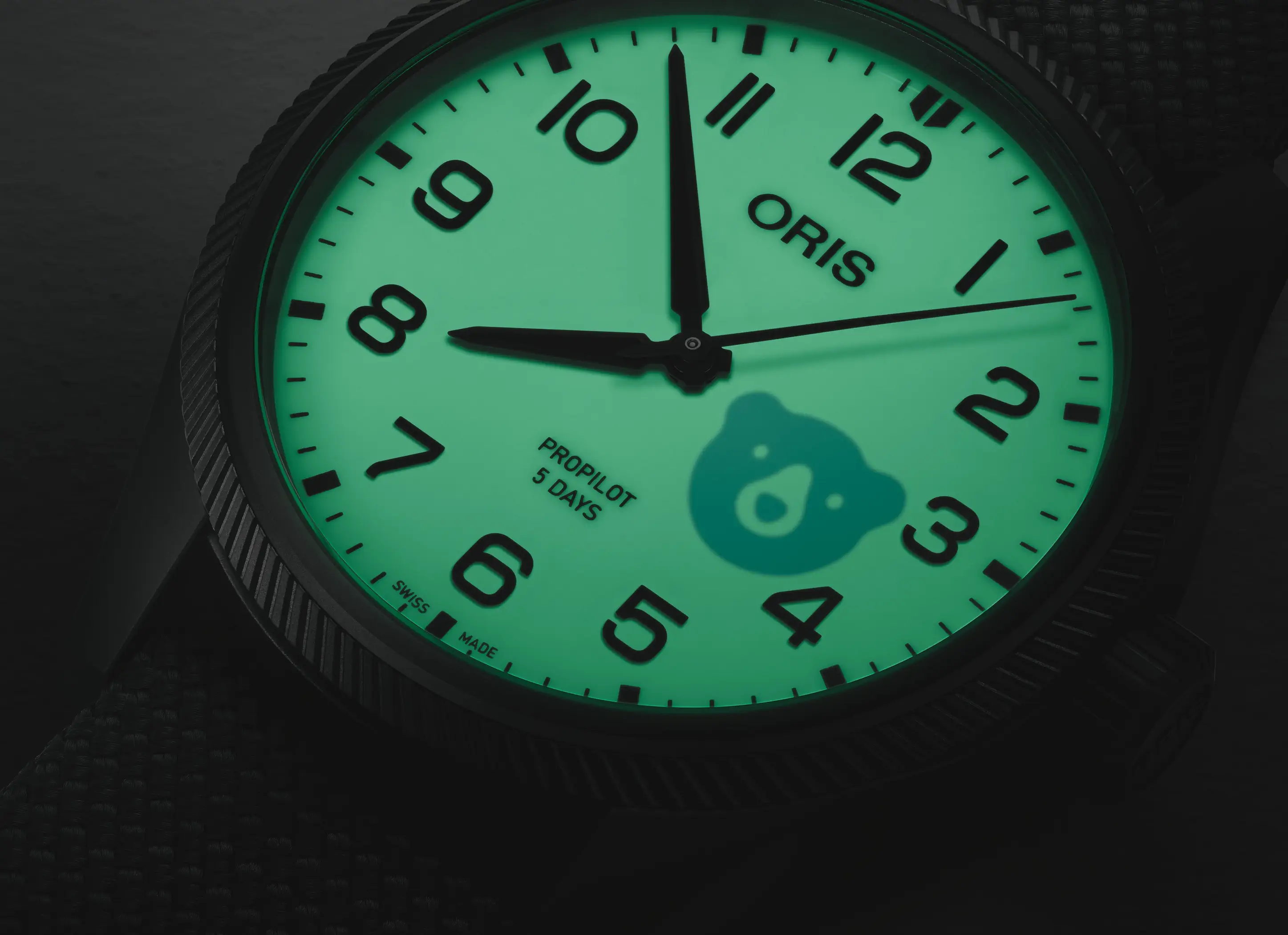
“This is a very Oris story. Striving to do things better, fighting against the big guys, trying to make a difference. This is no different today than it was 60 years ago.” Interestingly, despite its long history, Oris rarely presents itself with the stiffness often associated with heritage Swiss watchmaking. In fact, the brand intentionally avoids it. That lighter personality is perhaps best represented by the now iconic Oris Bear, a mascot that has quietly become one of the company’s most recognisable symbols.
“The Oris bear has been in Hölstein since I worked there and that’s 20 years now. Whenever I saw it, it made me smile back. Over time, the bear evolved into something larger than a mascot. It became an expression of the company’s emotional identity. It stands for us taking watchmaking seriously but not so much ourselves. The Oris bear should make you smile. It brings this lightness into an industry that often is somewhat stiff and heavy,” Rolf comments. That single statement perhaps captures Oris better than any marketing campaign ever could.
Why Collaborations Matter
Collaborations have become one of the defining strategies of modern luxury. Some generate genuine cultural relevance while others disappear almost as quickly as they arrive. Few topics divide collectors more sharply. Yet Studer approaches collaborations with notable openness. “Yes, we are a curious bunch of people,” he said when asked whether Oris would continue exploring unusual partnerships. “And our limits are how we set our limits.”
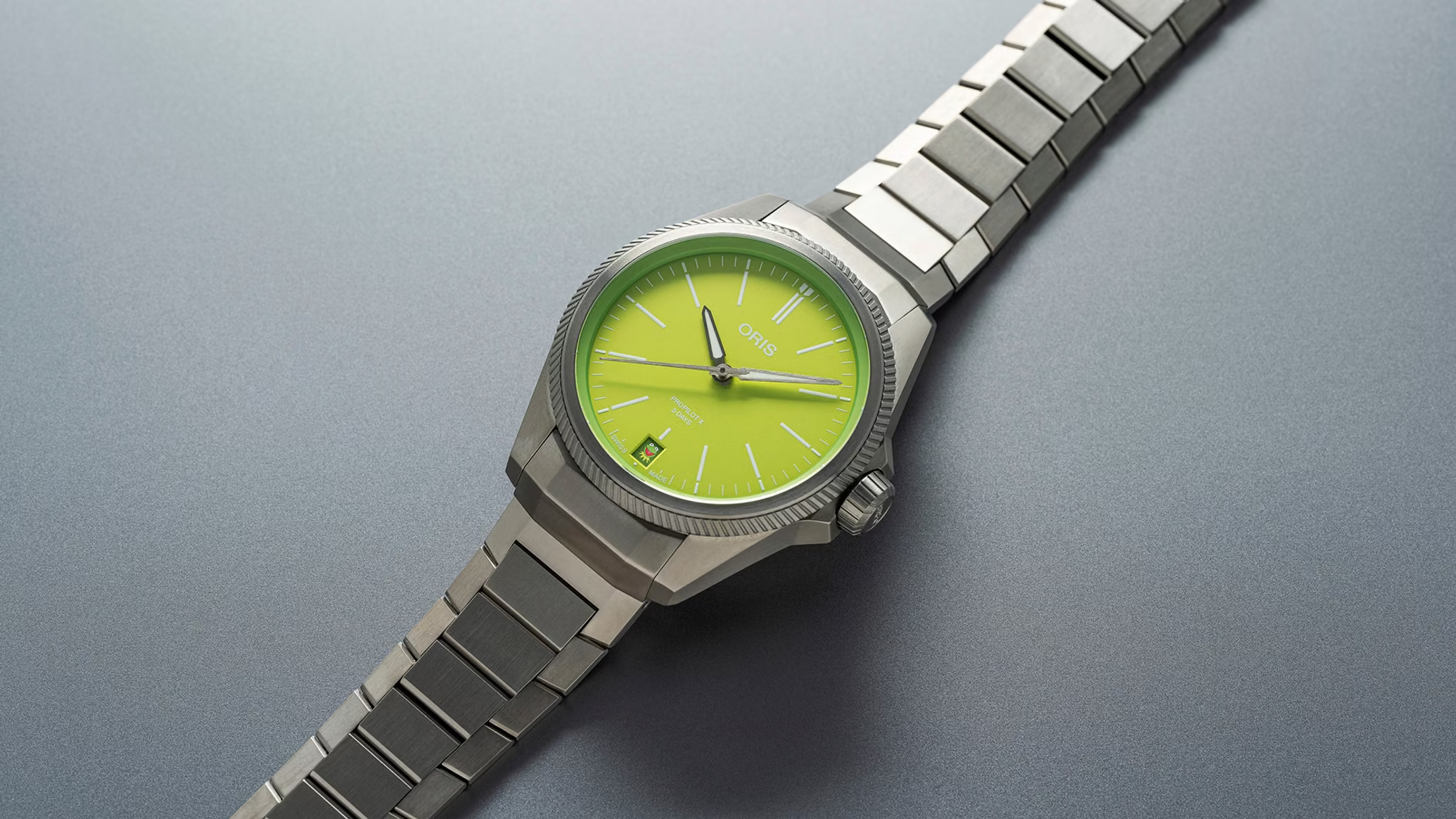
Oris has already proven this willingness to experiment through projects like the cheerful Kermit editions, collaborations that felt playful without becoming gimmicky. For Rolf, that emotional energy is essential because luxury watches today are fundamentally emotional purchases. “In our industry, you make a product that you don’t really need but that you want. It’s essential to create that kind of energy, to make people smile, to surprise them.”
Still, he is careful to distinguish meaningful collaborations from temporary hype. “At the end there must be substance. You must be able to look at that ten years from now and still say yes, that did make sense,” Rolf emphasises. That long term perspective feels particularly relevant in today’s market where collaborations can sometimes prioritise virality over authenticity. For Oris, the partnership itself matters less than whether it aligns with the company’s values and contributes something meaningful to the story being told.
The Future Of Watchmaking In An AI World
Having spent more than two decades in the industry, Rolf has witnessed dramatic shifts in how watches are perceived. Mechanical watches, once positioned primarily as status symbols, now operate within a far more emotionally driven culture centred around community and shared enthusiasm. “It used to be a status symbol and a status symbol only,” he reflected. “Now it has become the object of a community that doesn’t want to only impress other people, but that wants to share joy.”
That evolution is also shaping the way brands interact with emerging technologies like artificial intelligence. While many industries continue debating whether AI will replace creativity, Studer sees it more pragmatically. “As long as you’re open when you use it, it’s a tool that absolutely can help you improve things” But he is equally convinced that mechanical watchmaking will always resist becoming fully digital because its emotional value depends on human involvement. “There must be that human element and that can’t be replaced by machines,” he said firmly. “The mechanical watch is a statement for the real world,” concludes Rolf.
It is a powerful observation because ultimately, Oris itself feels increasingly like a statement for the real world. In an environment dominated by corporate positioning and carefully manufactured scarcity, the brand continues to lean into warmth, sincerity and accessibility instead. And perhaps that is precisely why collectors continue to connect with it so deeply.
Oris watches are available at the Ethos watch boutiques.


