The Many Materials Of The Tissot PRX
 5 min read

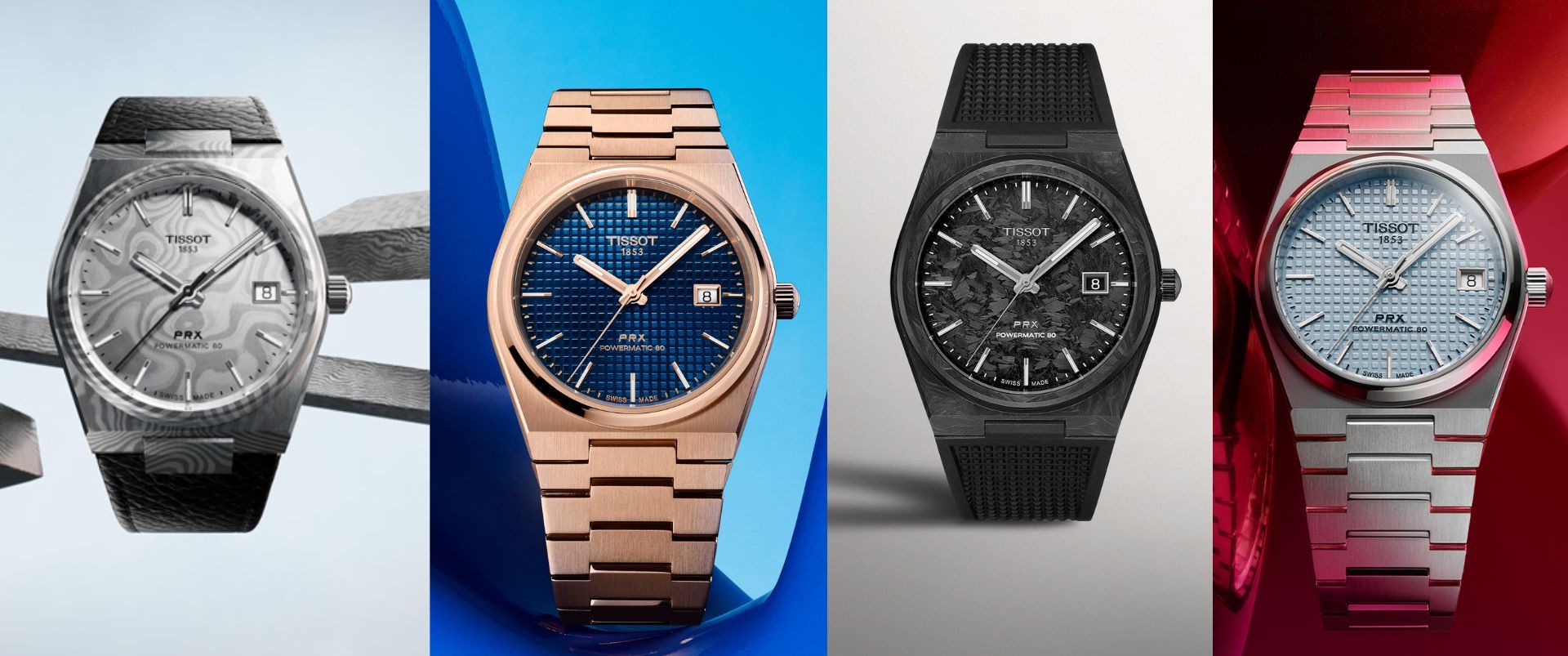
Design may be what first draws the eye to a watch, but material is what ultimately defines its character. In the case of the Tissot PRX, material has evolved into a powerful tool of expression, one that allows the watch to shift identities without ever losing its core design language. What began as a faithful revival of a late-1970s integrated sports watch has grown into a nuanced exploration of how different materials can reshape perception, tactility and emotional appeal.
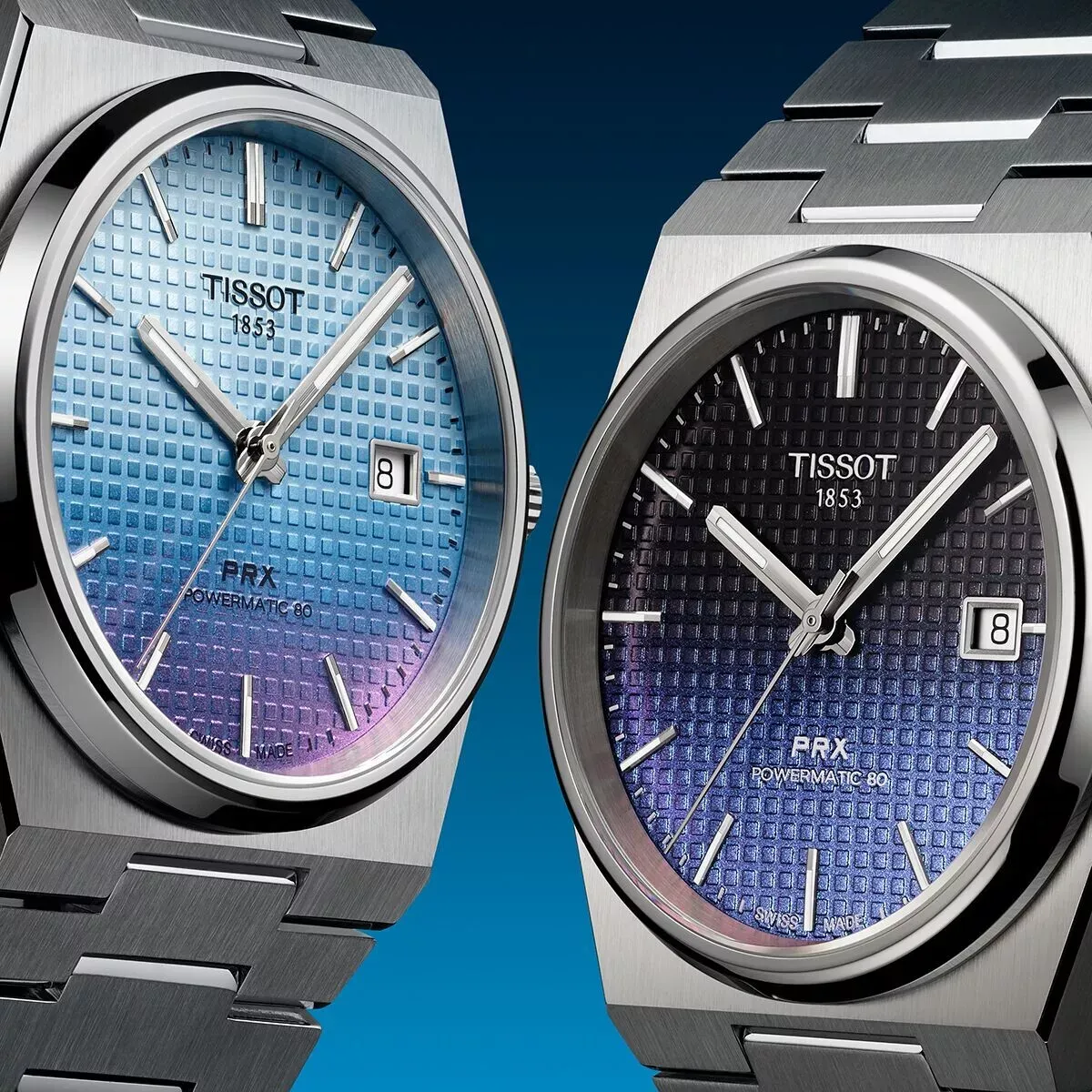
With the PRX line, Tissot demonstrates a refined understanding of modern watchmaking: that true innovation does not always require altering form, but can emerge through a deeper engagement with substance. The architecture of the PRX remains consistent, but its personality evolves with each material iteration.
Steel: The Foundation of Modern Sport Luxury
Stainless steel forms the backbone of the PRX collection and remains its most honest expression. As a material, steel is intrinsically linked to the rise of integrated sports watches in the 1970s, offering both durability and aesthetic clarity. In the PRX, it accentuates the sharp geometry of the case, the interplay of brushed and polished surfaces, and the seamless integration of the bracelet.
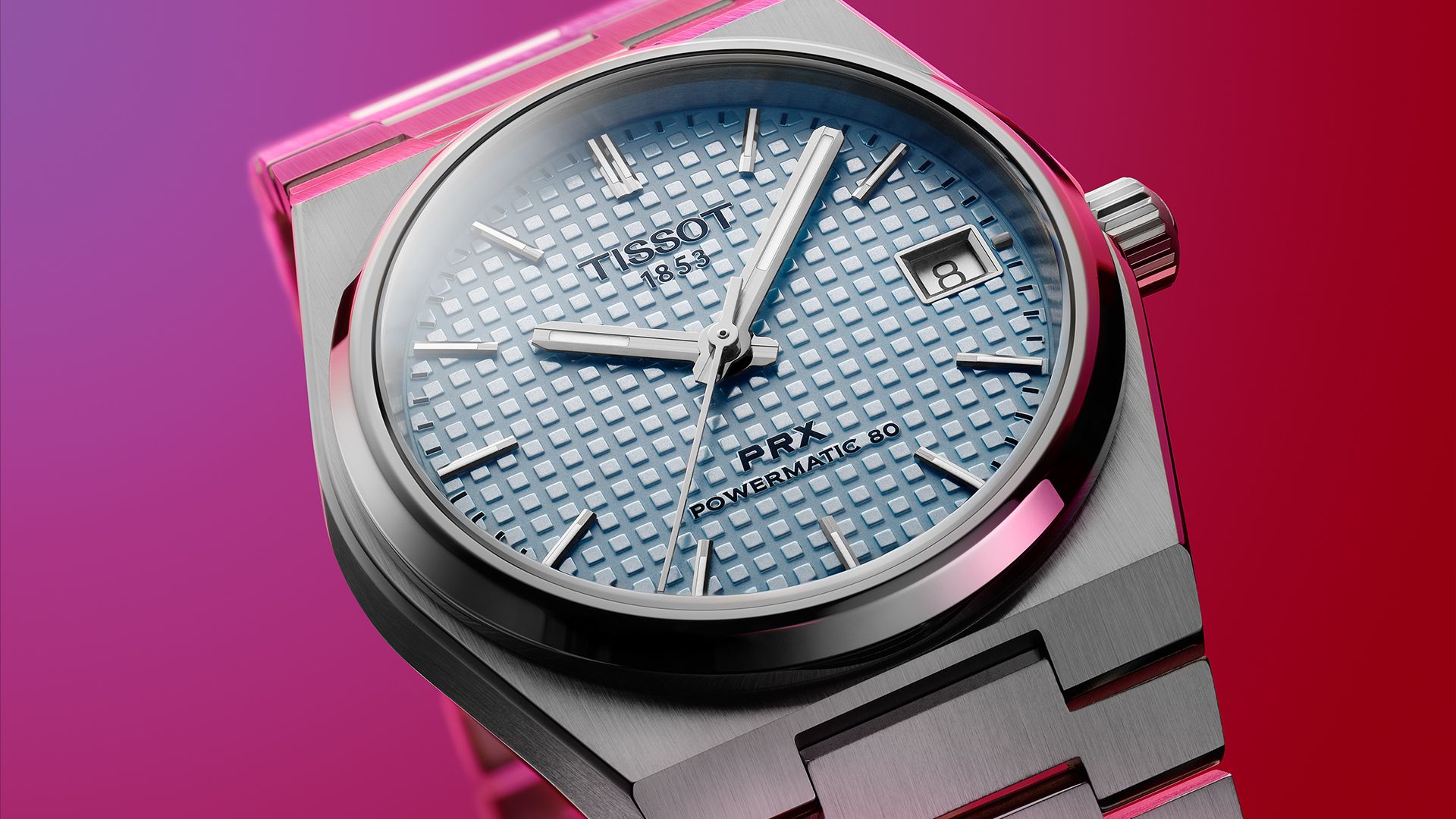
What makes steel particularly compelling is its neutrality. It allows the design to speak without distraction, reflecting light in a controlled manner that highlights proportions rather than overwhelming them. The result is a watch that feels both robust and refined, equally suited to everyday wear and more formal settings. Steel also reinforces the democratic ethos of the PRX, making a design-led, architecturally strong watch accessible without diminishing its sense of seriousness or intent.
Titanium: Lightness and Restraint
When executed in titanium, the PRX undergoes a subtle but significant transformation. The most immediate difference is physical: the reduction in weight enhances comfort, allowing the watch to sit almost imperceptibly on the wrist. This shift in tactility changes the wearer’s relationship with the watch, making it feel less like an object and more like an extension of the body.
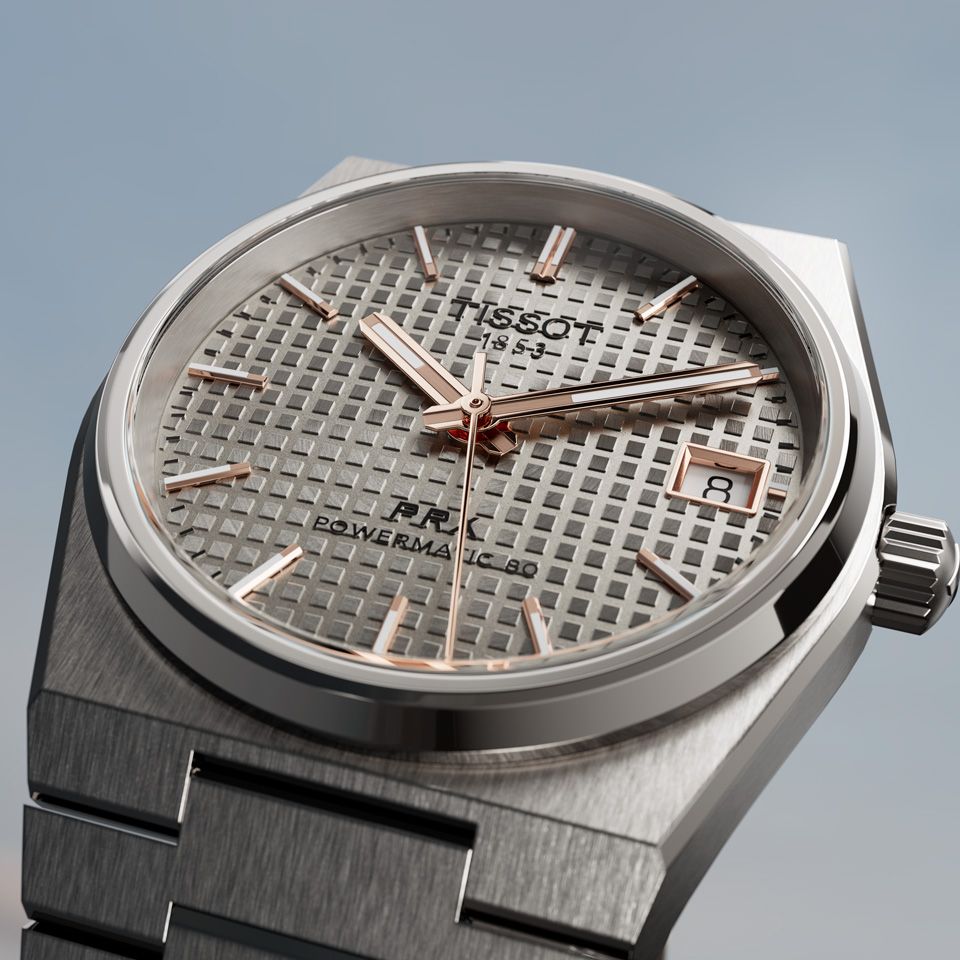
Visually, titanium introduces a darker, more muted tone compared to steel. Its matte-like finish absorbs light rather than reflecting it, softening the sharp lines of the PRX and giving it a more contemporary, understated presence. This restraint aligns with a modern definition of luxury one that values discretion and functionality over overt display. In titanium, the PRX appeals to a wearer who prioritises innovation, comfort and subtle sophistication.
Rose Gold: Warmth, Contrast and Refinement
The introduction of rose gold adds an entirely different emotional dimension to the PRX. Whether used as a full PVD treatment or as contrasting accents against steel, rose gold brings warmth to the watch’s otherwise cool and structured design. This interplay between tones creates visual depth, allowing the PRX to transition effortlessly from a purely sporty aesthetic to something more refined and expressive.
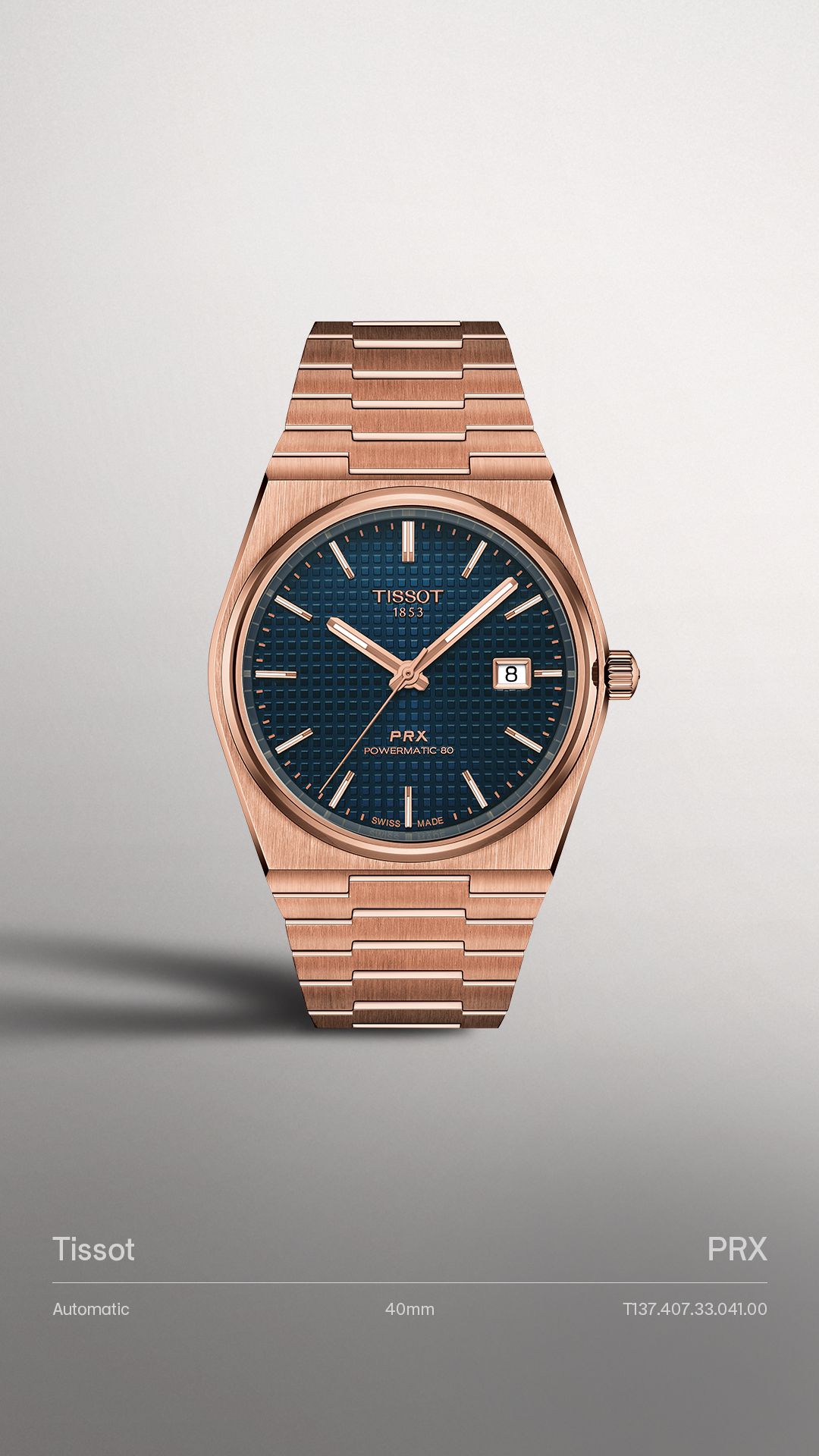
Gold, by its very nature, carries connotations of luxury and prestige, but within the PRX it is handled with restraint. Rather than dominating the design, it enhances it, softening the angularity of the case and enriching the overall visual experience. The way light interacts with gold surfaces warmer, more fluid adds a layer of tactility that shifts perception. In this configuration, the PRX becomes more versatile, capable of moving between casual and formal contexts with ease.
Carbon: Technical Edge and Contemporary Identity
Carbon introduces a distinctly modern and performance-oriented dimension to the PRX. Unlike traditional metals, carbon composites bring with them an organic, marbled aesthetic that contrasts with the watch’s precise geometry. This juxtaposition creates visual interest, ensuring that each piece feels unique while maintaining the integrity of the overall design.
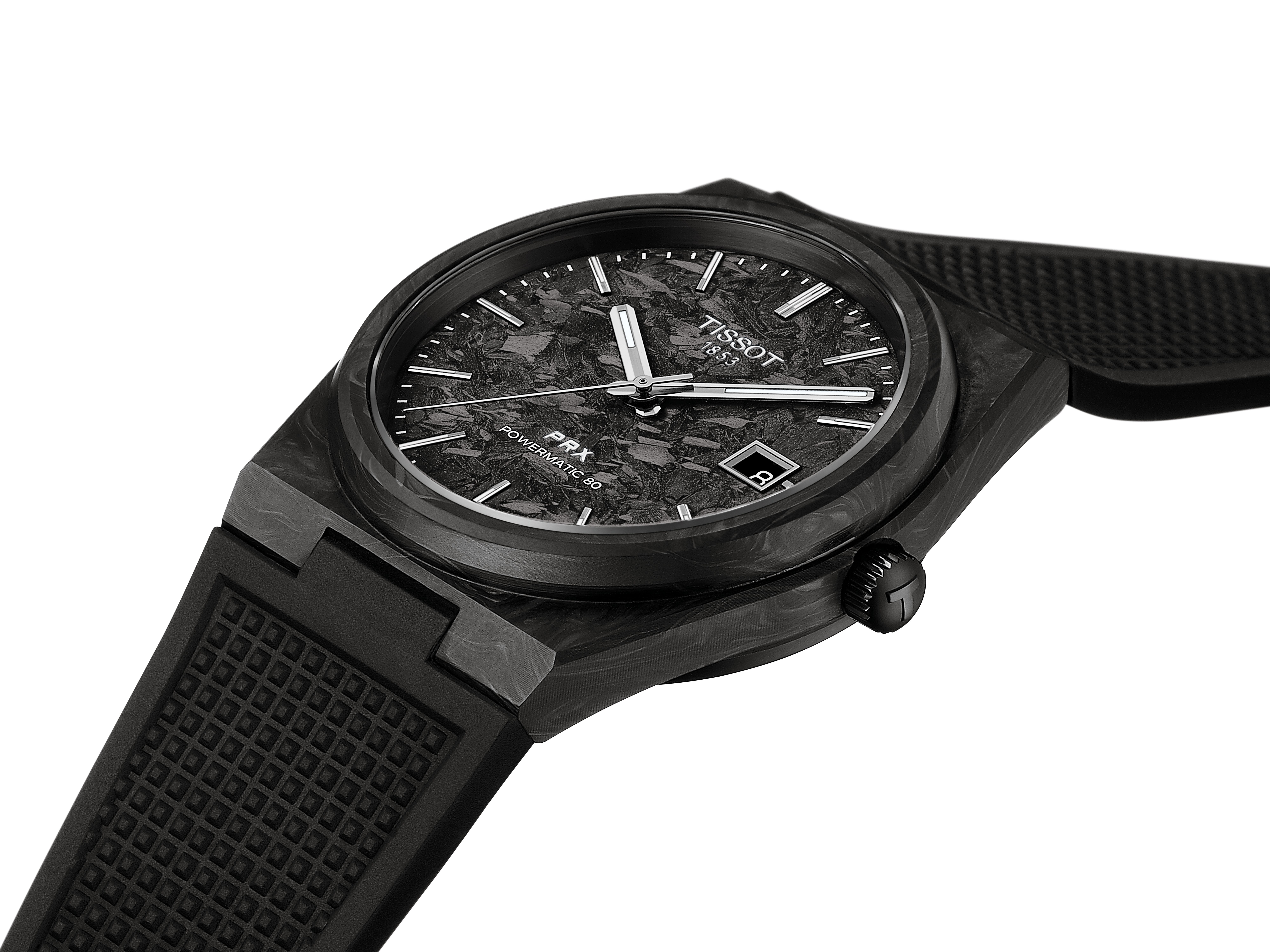
Beyond its appearance, carbon is valued for its lightness and strength, reinforcing a sense of technical innovation. It positions the PRX within a more contemporary narrative, one that resonates with a younger, design-conscious audience. The use of carbon also shifts the perception of the watch from a heritage-inspired piece to something forward-looking, demonstrating that classic design codes can coexist with modern material science.
Damascus Steel: Craft, Texture and Individuality
Among the more unconventional material choices in the PRX line is Damascus steel, a material steeped in history and characterised by its distinctive, flowing patterns. Created through the layering and forging of different alloys, Damascus steel produces surfaces that are inherently unique, with no two pieces ever identical.
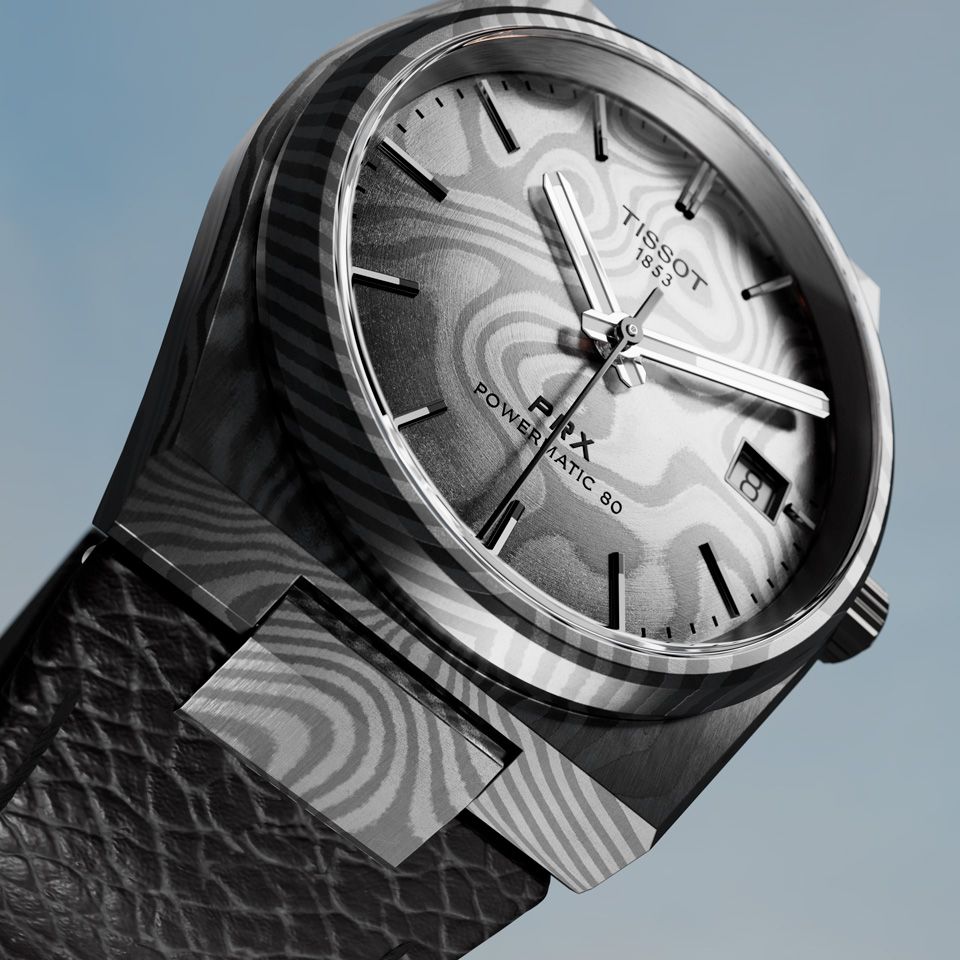
In the context of the PRX, this material introduces a sense of texture and individuality that contrasts with the watch’s otherwise controlled design language. The clean lines of the case are offset by the organic patterns of the steel, creating a dialogue between precision and unpredictability. This fusion of industrial watchmaking with traditional craftsmanship adds narrative depth, appealing to collectors who value both heritage and uniqueness in equal measure.
Material as a Modern Design Language
What makes the PRX’s material exploration particularly compelling is the consistency of its design across these variations. Despite the shifts in weight, tone and texture, the watch remains instantly recognisable. The proportions of the case, the integration of the bracelet and the discipline of the dial design all remain intact, providing a stable foundation upon which material experimentation can occur. This balance between continuity and variation is what allows the PRX to evolve without losing its identity. Each material offers a new interpretation, but never at the expense of the original design codes. It is a measured approach, one that prioritises longevity over novelty.
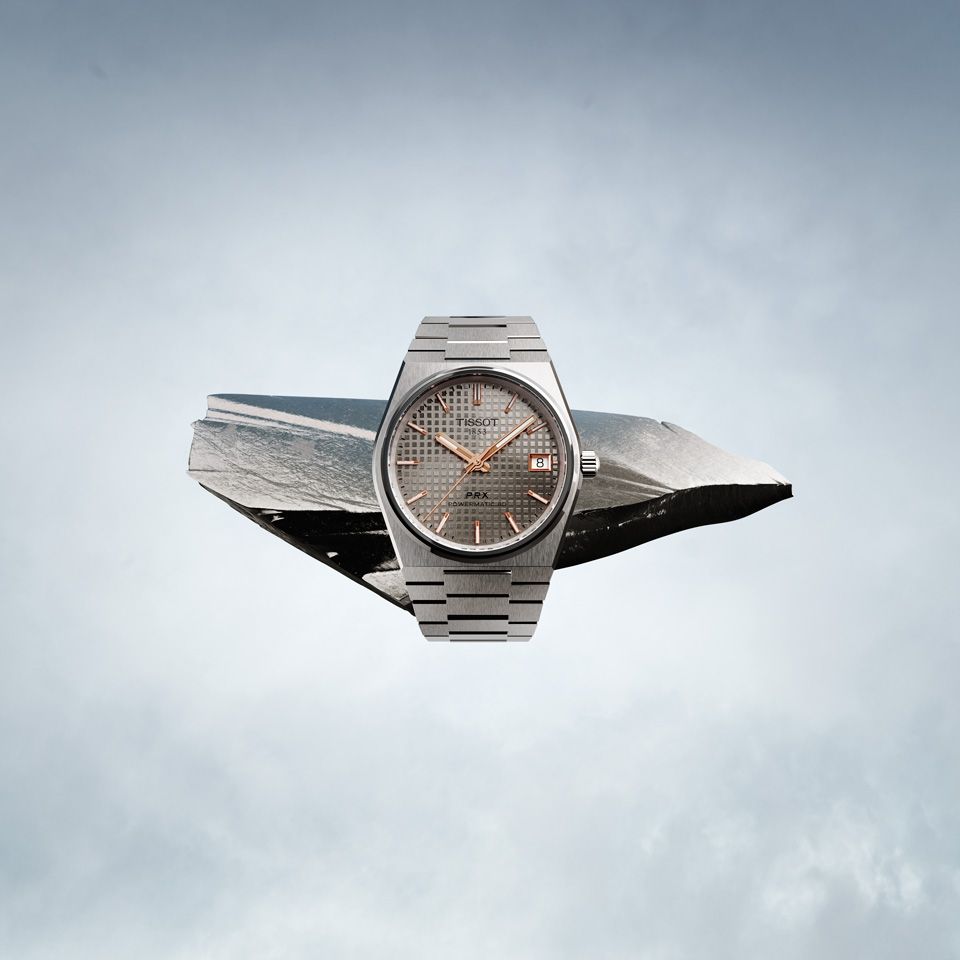
In today’s watch landscape, where consumers are increasingly informed and visually attuned, material has become a key differentiator. Steel communicates versatility and reliability, titanium signals innovation and comfort, rose gold conveys warmth and refinement, carbon represents modern performance, and Damascus steel speaks to craftsmanship and individuality. Through the PRX, Tissot demonstrates that material is not simply a technical consideration, but a language in its own right. It allows a single design to resonate across different contexts and audiences, expanding its relevance without fragmenting its identity. In doing so, the PRX offers a compelling perspective on contemporary watchmaking one where evolution is driven not by excess, but by thoughtful, deliberate change.


