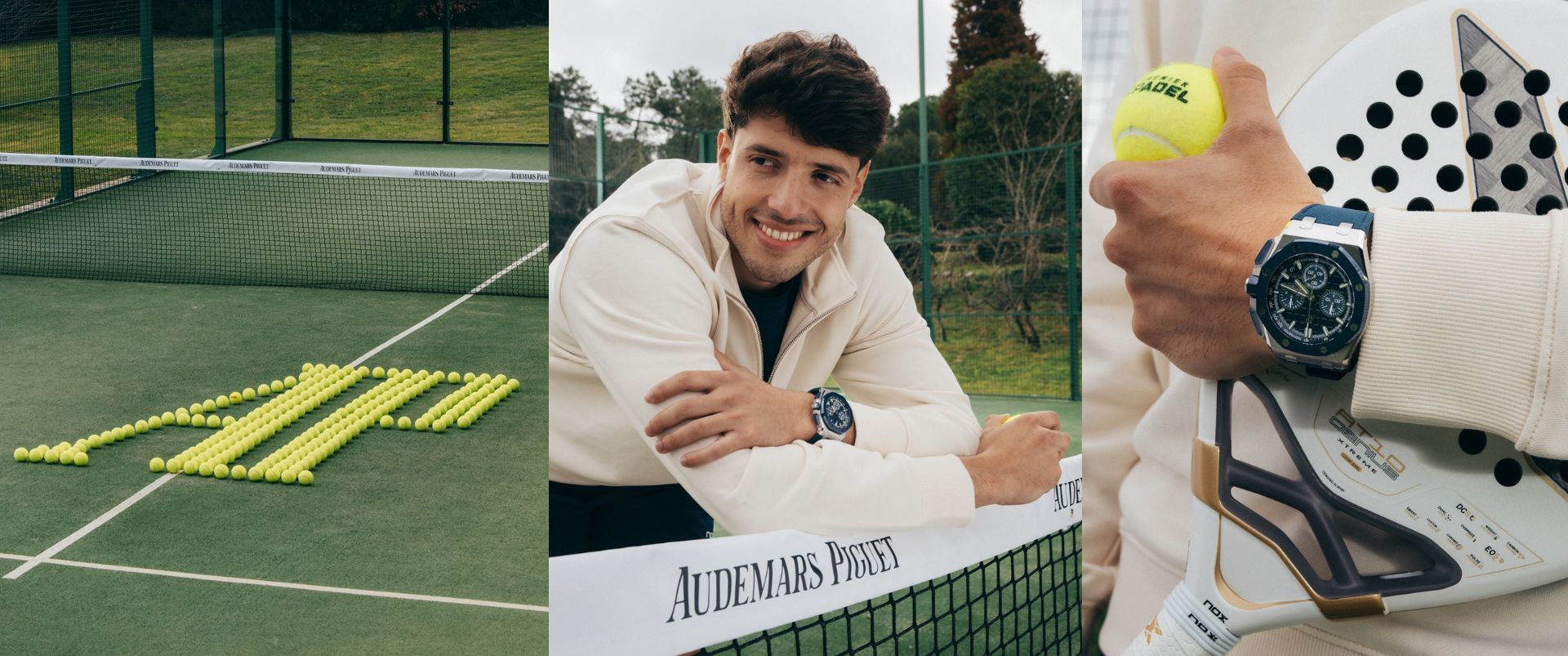
Audemars Piguet Enters The World Of Padel
 3 min read

Luxury watchmaking’s relationship with sport has traditionally revolved around Formula 1, tennis, golf and sailing - arenas associated with legacy, precision and elite performance. Now, Audemars Piguet is making a strategic move into one of the fastest-growing racquet sports in the world: padel. The Le Brassus manufacture has officially entered the sport through a partnership with the Qatar Airways Premier Padel Tour, becoming the championship’s official timekeeper while simultaneously aligning itself with world number one Agustín Tapia as a global ambassador.
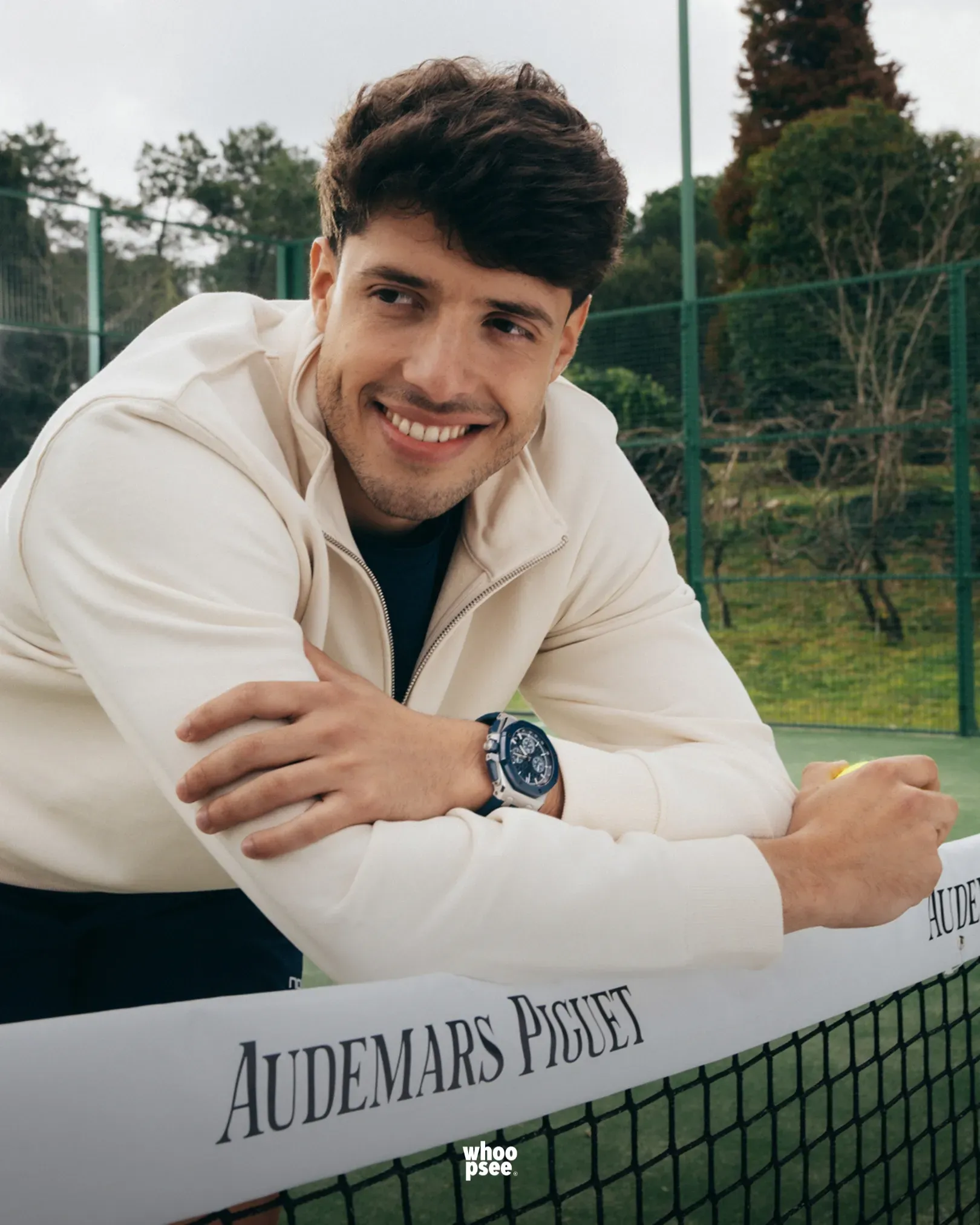
At first glance, the collaboration feels surprisingly natural. Padel is a sport built around rhythm, anticipation and fluid coordination - qualities deeply familiar to haute horlogerie. Unlike power-driven sports, padel rewards timing, synchronisation and the ability to react to subtle shifts in tempo. That philosophy mirrors the language of fine watchmaking, where balance, mechanical harmony and precision define every complication.
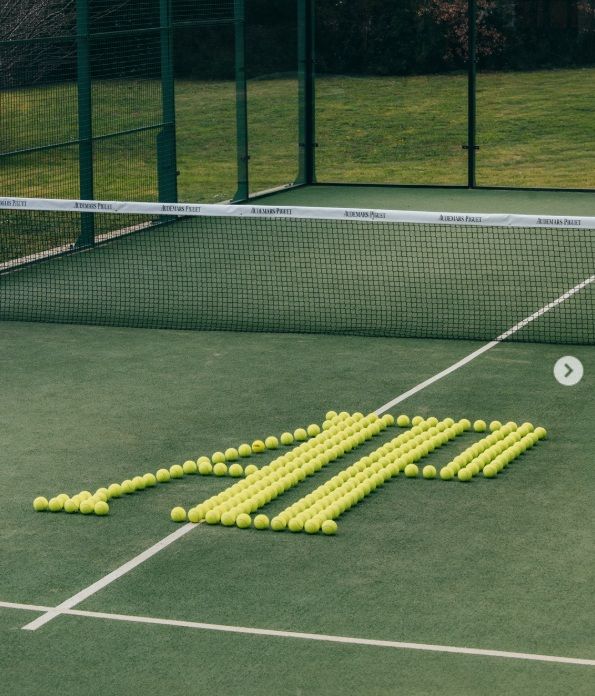
Over the last decade, Audemars Piguet has cultivated a strong identity beyond watchmaking through music, contemporary art and sport. From partnerships with athletes to collaborations with cultural figures, the brand has consistently positioned itself where communities gather organically. Padel - social, international and rapidly expanding among affluent urban audiences, offers exactly that environment.
The timing is notable. Padel has exploded globally over the past few years, especially across Europe, the Middle East and Latin America. Luxury brands are beginning to recognise the sport’s unique demographic overlap: younger high-net-worth consumers, entrepreneurs and creatives who value both performance and lifestyle. Industry analysts increasingly view padel as occupying a space similar to what tennis represented for luxury marketing in the 1980s and 1990s.
Audemars Piguet’s entry also arrives during a moment of renewed visibility for the brand itself. Under CEO Ilaria Resta, the brand has returned to major industry platforms like Watches & Wonders while continuing to expand its cultural footprint through carefully curated partnerships and contemporary storytelling. That understated approach reflects how luxury communication has evolved. Today, cultural relevance is often built through association and visibility rather than overt messaging. In many ways, Audemars Piguet’s silent arrival into padel felt more authentic precisely because it appeared naturally embedded within the sport’s ecosystem.
For the watch industry, this partnership also highlights a wider shift in sports marketing. Traditional associations with motorsport and football remain powerful, but emerging lifestyle sports now offer luxury brands access to more intimate, community-driven engagement. Padel clubs have increasingly become networking and social spaces environments where luxury brands can integrate themselves without appearing overly commercial. From a branding perspective, the fit is elegant.
Padel’s fast yet strategic pace echoes the emotional mechanics of haute horlogerie: composure under pressure, precision in movement and the mastery of timing. Audemars Piguet’s messaging around “shared time” and human exchange aligns naturally with the social culture surrounding the sport.
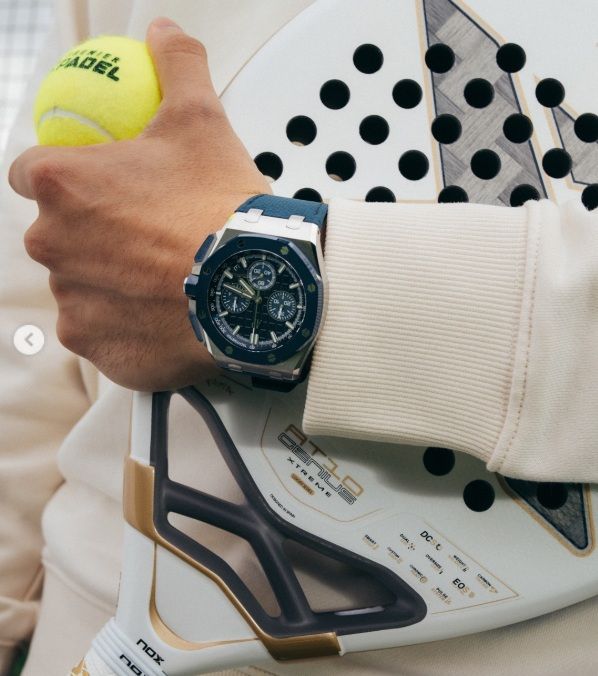
The partnership may also influence other watch maisons to explore similar territories. As luxury consumers become younger and more experience-oriented, brands are likely to continue investing in communities that blend sport, lifestyle and culture rather than purely competitive prestige.
For Audemars Piguet, padel is not simply another sponsorship category. It is a reflection of where modern luxury is heading — less formal, more experiential and deeply rooted in shared moments.


