Watches and Wonders 2026: A Three Thousand Year Old Civilisation Lands On The Wrist With The BEHRENS Pupil Ultralight
 5 min read

Most watches at Watches and Wonders draw from the same well. Swiss mountain villages, military history, motorsport, the sea. The references are noble and the craft is real, but the cultural vocabulary is familiar enough that you can predict the story before the press release arrives. BEHRENS does not draw from that well. The Chinese independent manufacture, which has been building one of the most quietly distinctive identities in contemporary watchmaking, arrived in Geneva this year with something that stopped people mid-conversation: a watch rooted in the Sanxingdui civilisation of ancient Shu, a bronze age culture from Sichuan that predates the Swiss watch industry by roughly three thousand years. That is not a marketing angle. It is a genuine creative foundation, and the Pupil Ultralight earns every claim it makes.

The Source Material
Sanxingdui was rediscovered in 1986 when construction workers in Sichuan unearthed a cache of bronze artefacts unlike anything previously known from ancient China. Among the most striking objects were the Protruding Eye masks, large bronze faces with dramatically exaggerated eyes that extend horizontally from the skull, expressing something between cosmic perception and divine vision. The Shu people's relationship with eyes was not merely anatomical. Eyes represented the connection between the mortal world and the celestial one, the mechanism through which divine truth was perceived.
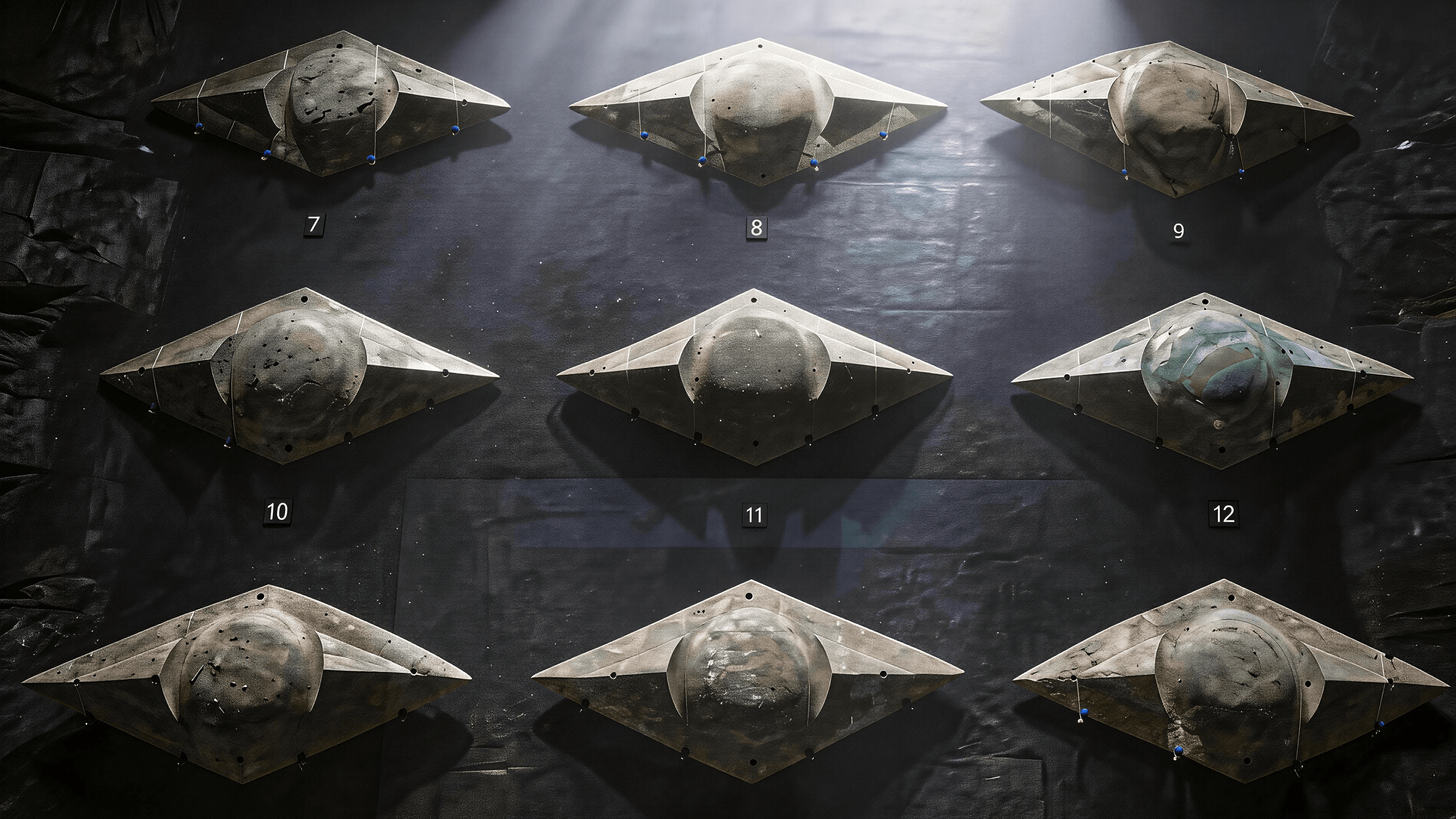
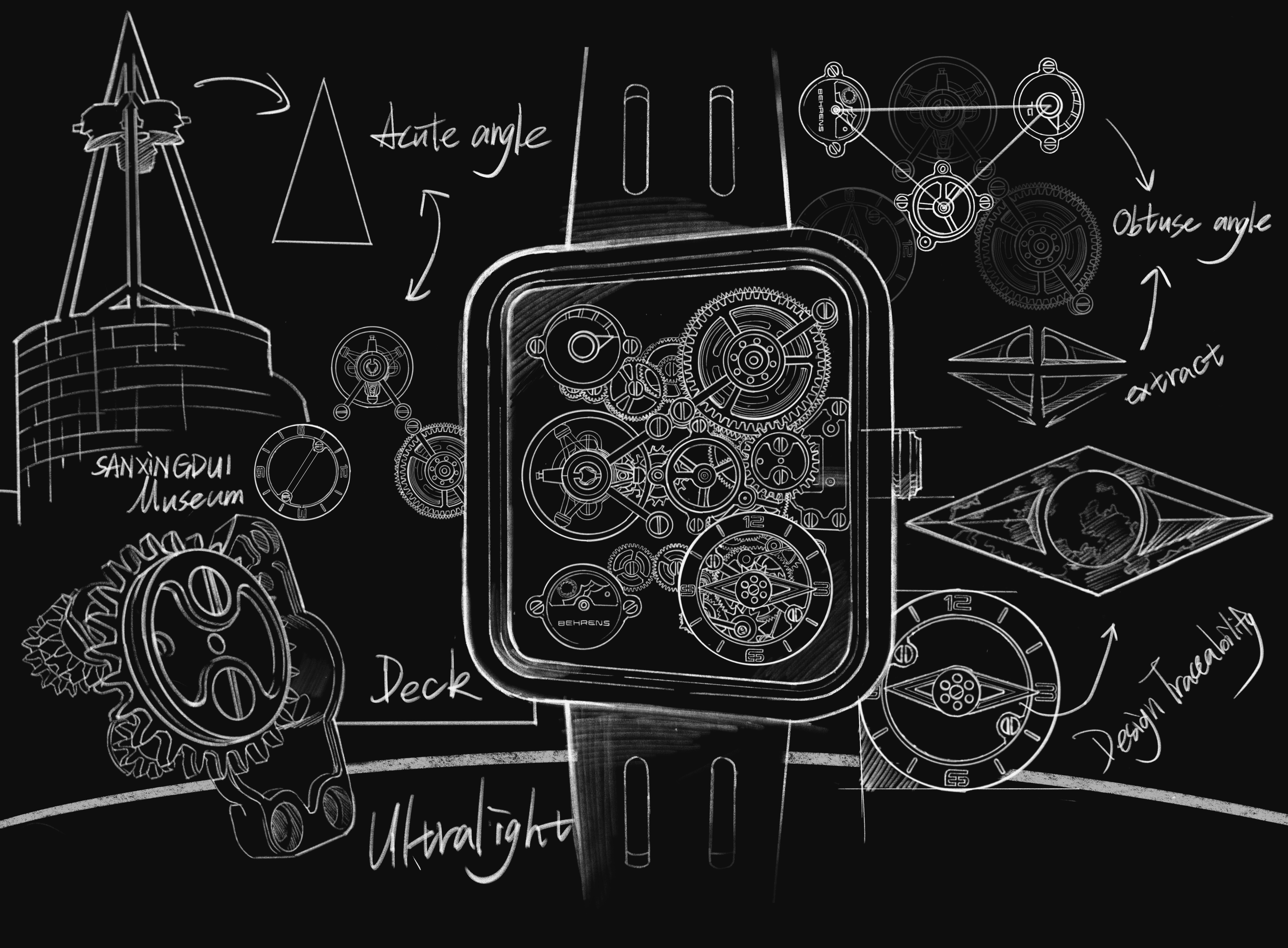
BEHRENS has been studying these artefacts for years, and the depth of that study shows in this watch. The Bronze Diamond Eye, which appears at Sanxingdui in three distinct geometric forms, a complete rhombus, two mirrored obtuse triangles, and four assembled right-angled triangles, becomes the structural logic of the entire dial. The acute and obtuse angles of those ancient forms dictate the movement's core layout. This is not surface decoration applied to a conventional watch architecture. The geometry of a three thousand year old bronze object has determined how the components sit relative to each other, producing proportions and spatial relationships that have no precedent in European watchmaking because they were never derived from European sources.
The hands themselves are reinterpretations of the Bronze Diamond Eye. As they move across the meteorite chapter ring, converging at the hour and separating again, they momentarily form the rhombic eye shape before dissolving it. Each meeting is unrepeatable. BEHRENS frames this in terms of entropy, the accumulating disorder that time introduces into every system, and the metaphor holds up: every position of those hands is a moment that will never recur in exactly that configuration. At the lower left, the day-night indicator uses the Sun and Immortal Birds Gold Ornament, the Shu civilisation's most condensed artistic expression of solar worship, turning in mechanical rhythm through the hours to reenact a cosmology that has been silent for millennia. It sounds ornate in description. On the wrist, it reads as precise and considered.
The Material Argument
BEHRENS has structured this release across two distinct material tiers, and the engineering behind both is worth understanding.
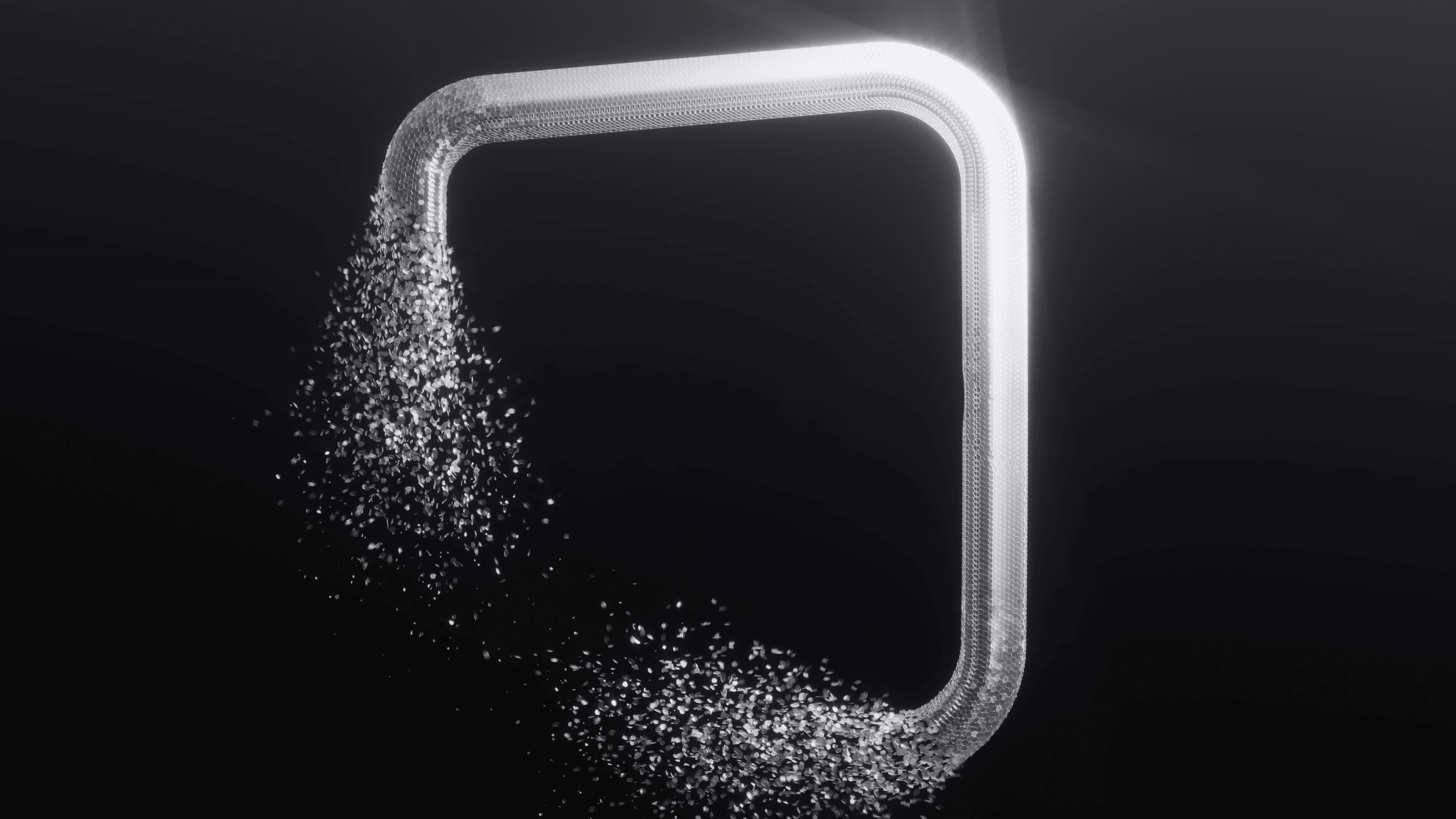
The graphene editions, each limited to nine pieces worldwide at $33,800, use a material the brand developed internally: a lightweight monolayer graphene composite that produces a case weight of approximately 8 grams without the strap. For context, a standard steel watch case in this size typically weighs three to four times that. Monolayer graphene is among the strongest materials known to science relative to its weight, offering exceptional hardness, toughness and corrosion resistance in a structure measured in single atomic layers. Getting it into a manufacturable watch case is a materials engineering problem that most brands have not attempted. BEHRENS has not only attempted it but brought it to market in two versions: one incorporating gold leaf against the deep matte grey of the graphene ground, the warm irregular forms of the foil creating a surface that reads like scattered starlight, and one with platinum leaf, cooler and more severe, with a metallic precision that suits the material's industrial origins. The Grade 5 titanium editions at $9,200 make the same movement and the same design available at a more accessible entry point, in four colourways including Titanium Frost Silver, Obsidian Black, Meteorite Grey and Titanium Matte Black. At 14 grams without the strap and 5.15mm thick, they sit at the extreme thin end of what a mechanical watch with this level of functional complexity can achieve.
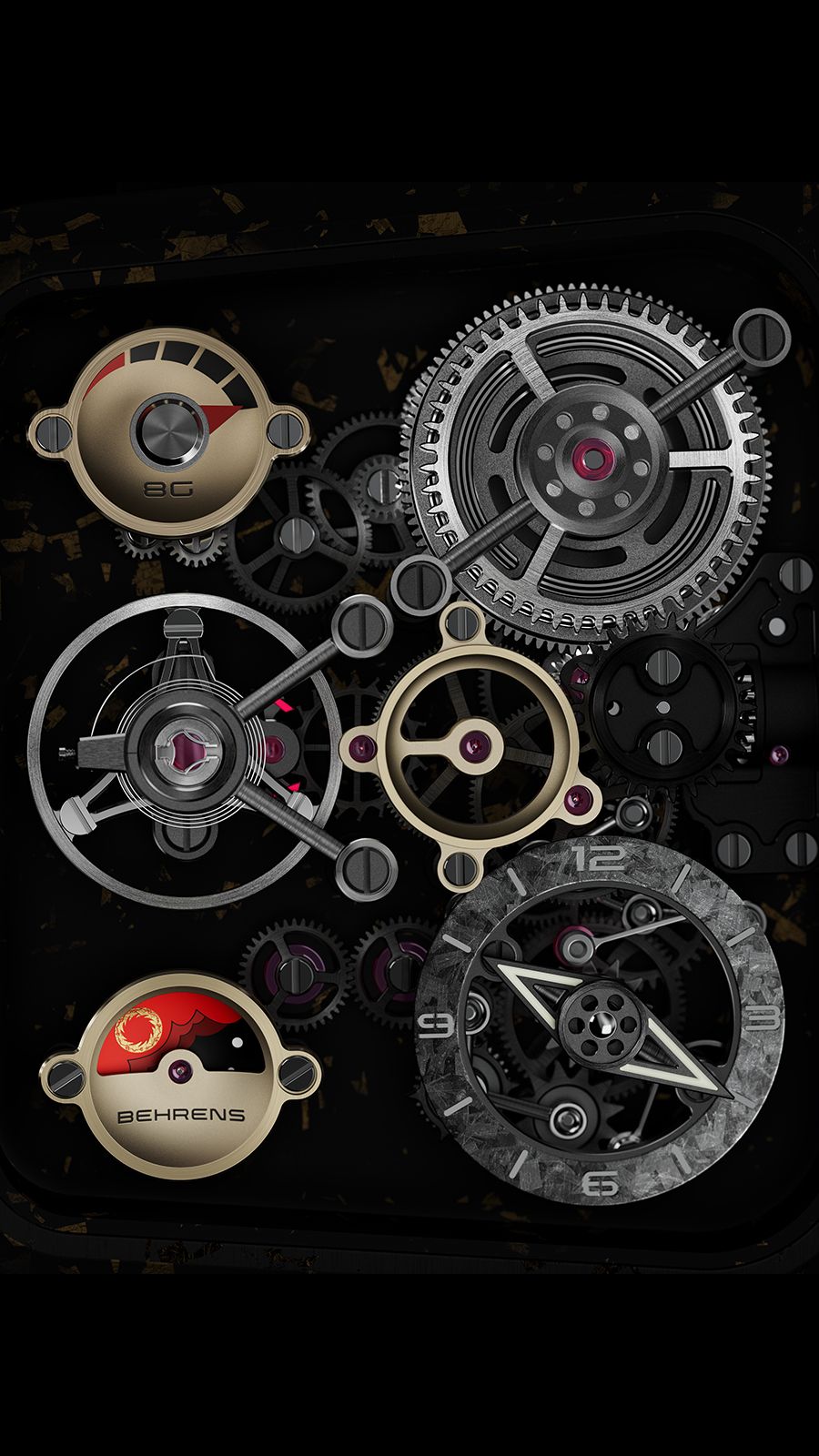
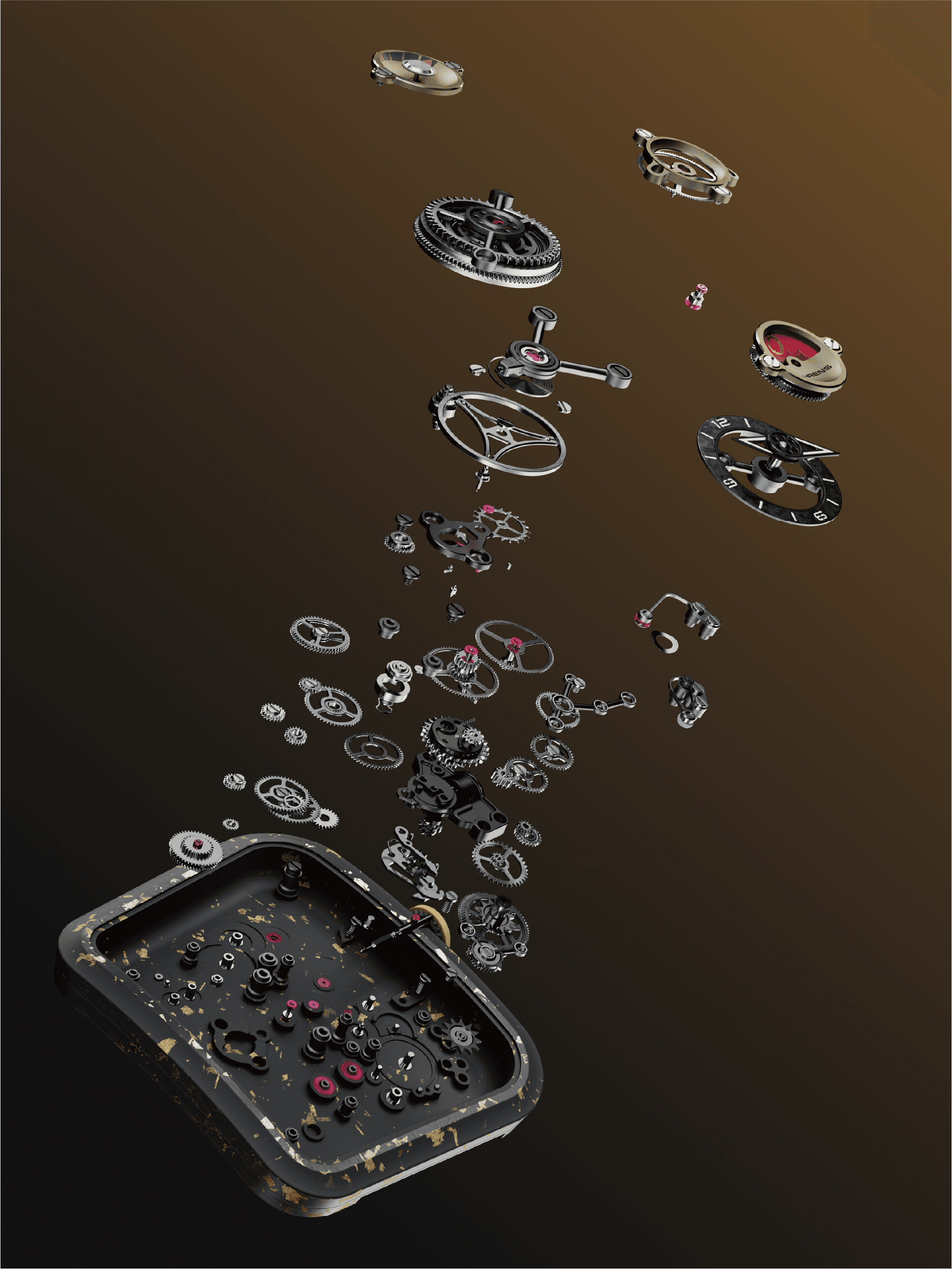
Cal. BM09 is an in-house manual winding calibre developed specifically for this collection. 265 components, 29 jewels, 28,800 vibrations per hour, 45 hours of power reserve. The display logic reflects the design philosophy: jumping hours, minutes, day-night indication and power reserve, arranged across the dial according to the geometric principles derived from the Bronze Diamond Eye. The upper left quadrant carries the power reserve indicator, its hand also inspired by the eye-shaped bronze objects. The hour indication jumps precisely as the minute hand completes its rotation. Nothing drifts. Everything is intentional. The case and movement are integrated as a unified architecture, the signature Hu-shaped case enclosing the movement as a single considered object rather than a container housing a separate component. At 34 by 39.6mm and 5.65mm thick in the graphene version, it wears with a presence that is disproportionate to its weight and footprint.
Why This Matters
Independent watchmaking has a diversity problem that it rarely acknowledges honestly. The independents who get the most attention in Geneva, in Zurich, in the pages of the publications that matter, are almost entirely European, almost entirely drawing from the same cultural references, almost entirely speaking to collectors who were already fluent in that language before they arrived. BEHRENS is doing something genuinely different. It is bringing a creative vocabulary that no Swiss or German or French independent can claim, derived from source material that is archaeologically significant, culturally specific and visually extraordinary.


