Prime Minister Says No Gold: No Problem, These Are The Alternatives India Needs Right Now
 7 min read

With conversations around reducing gold consumption once again entering the national spotlight following Prime Minister Narendra Modi’s recent remarks on preserving foreign exchange reserves, perhaps this is the perfect moment to ask an unexpected question: what if luxury watches did not need gold at all?
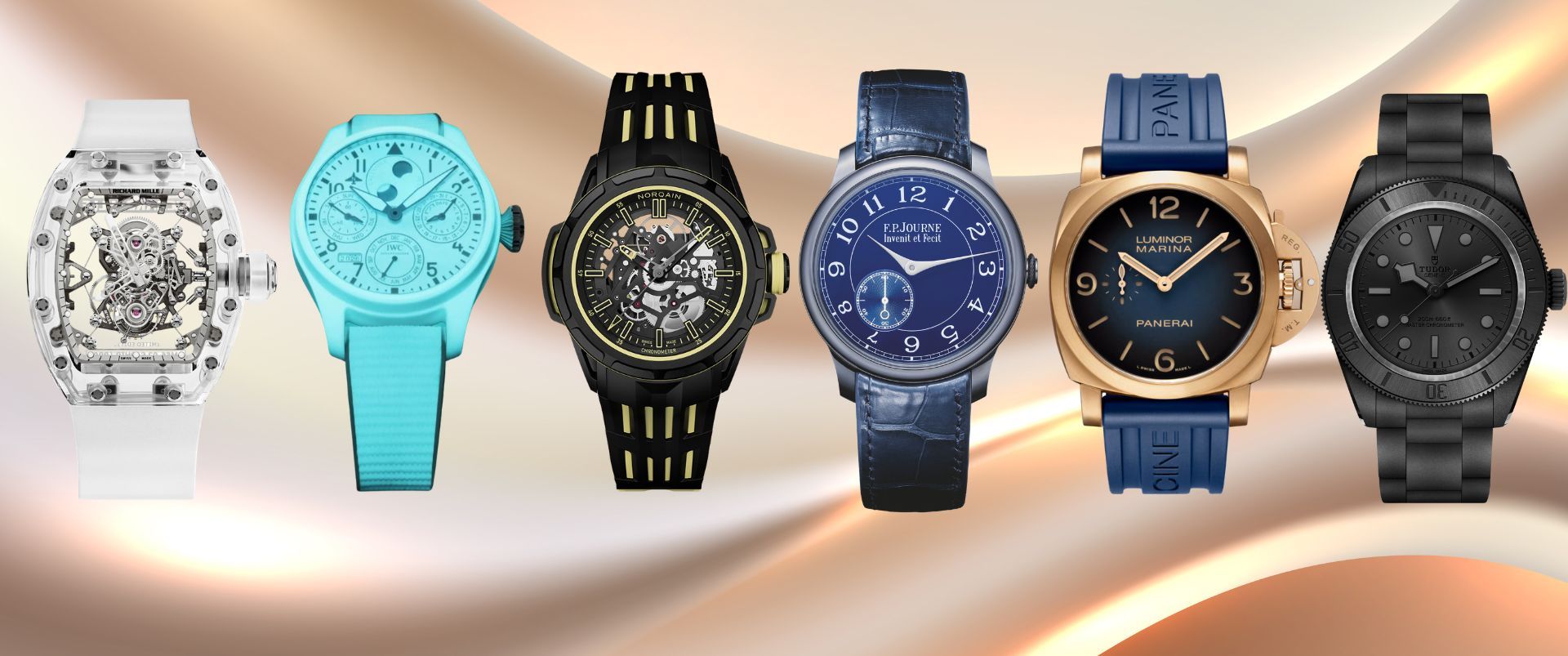
For decades, gold watches were the ultimate shorthand for success. Heavy bracelets, polished cases and unmistakable wrist presence defined the classic idea of luxury. But modern watchmaking has quietly rewritten the rules. Today, some of the most technically impressive and visually striking watches are being made not from precious metals, but from materials borrowed from fighter jets, Formula 1 engineering, aerospace laboratories and experimental metallurgy. There are watches crafted from glowing ceramic, sapphire crystal cases machined over weeks, and rare metals so difficult to work with that most brands avoid them entirely. In 2026, the flex is no longer just gold. Sometimes, it is knowing your watch is made from something far more interesting. Here is a curated list of alternatives to gold watches.
IWC Schaffhausen Big Pilot’s Watch Perpetual Calendar Ceralume: Ceramic Gets A Glow-Up
Ceramic has become one of the most important materials in contemporary watchmaking. Lightweight, highly scratch-resistant and capable of taking on dramatic finishes, it has evolved from a purely technical material into a true luxury statement. No brand demonstrates this better than IWC Schaffhausen with the Big Pilot’s Watch Perpetual Calendar Ceralume®. Limited to 250 pieces, the watch takes ceramic into almost science-fiction territory by making the entire case glow blue in the dark.
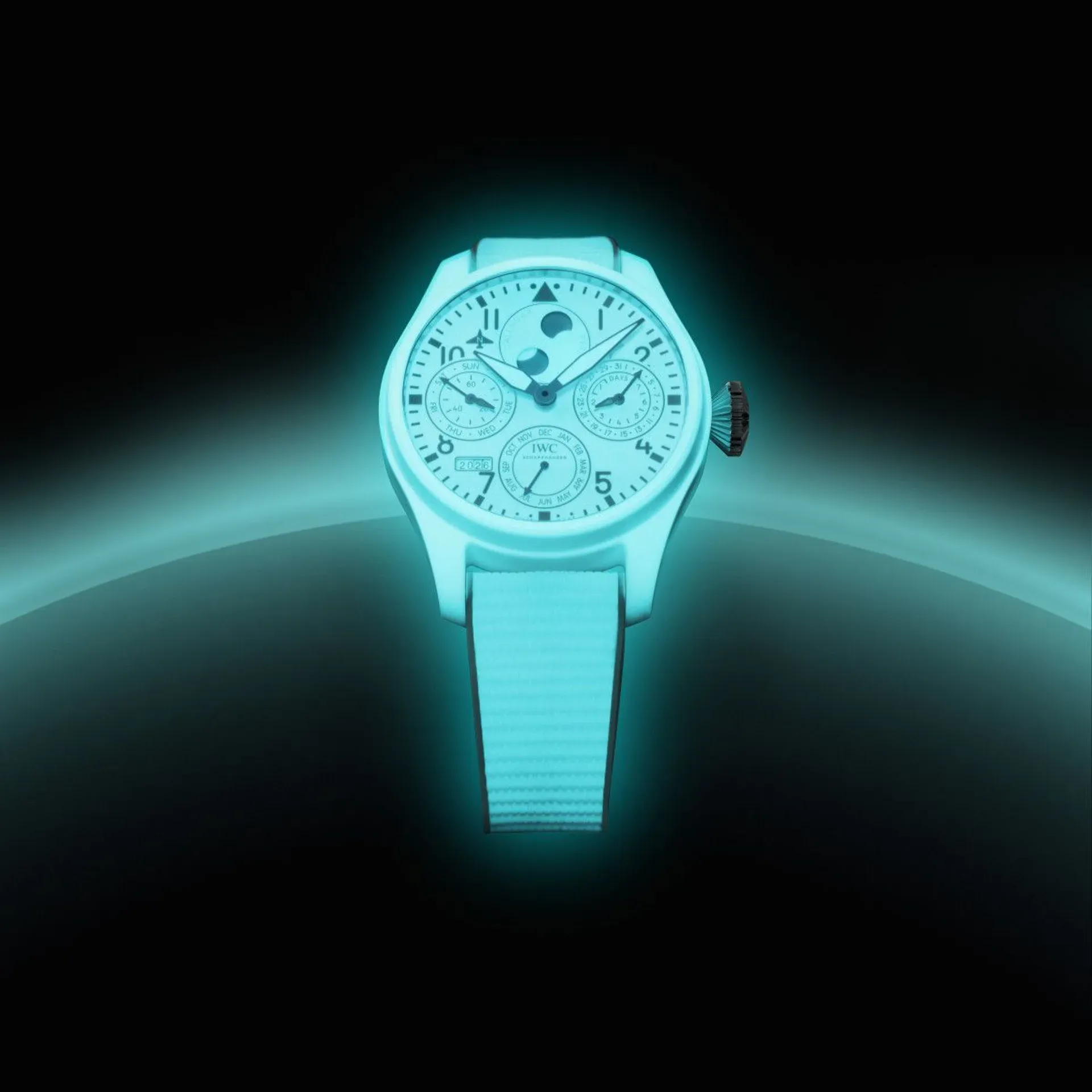
Developed by IWC’s experimental engineering division XPL alongside lume specialists RC Tritec, the white ceramic case is infused with Super-LumiNova® pigments through a specialised ball-milling process. The result is a watch where the case, dial and even the rubber strap absorb light during the day and emit an intense blue glow for more than 24 hours in darkness. What makes the piece fascinating is that the material itself becomes the spectacle. During daylight, the watch feels understated with matte whites and greys. In darkness, however, the entire watch transforms into a luminous object where even the numerals appear as shadows against the glowing dial. And beneath all that theatricality sits one of watchmaking’s most respected complications: Kurt Klaus’ perpetual calendar, mechanically programmed to recognise leap years and month lengths automatically.
Titanium’s Quiet Dominance: Hermès H08 Squelette
If ceramic represents futuristic luxury, titanium has become the material of practical modern collectors. It is lighter than steel, incredibly strong and exceptionally wearable, which explains why so many brands are embracing it for everyday high-end sports watches.
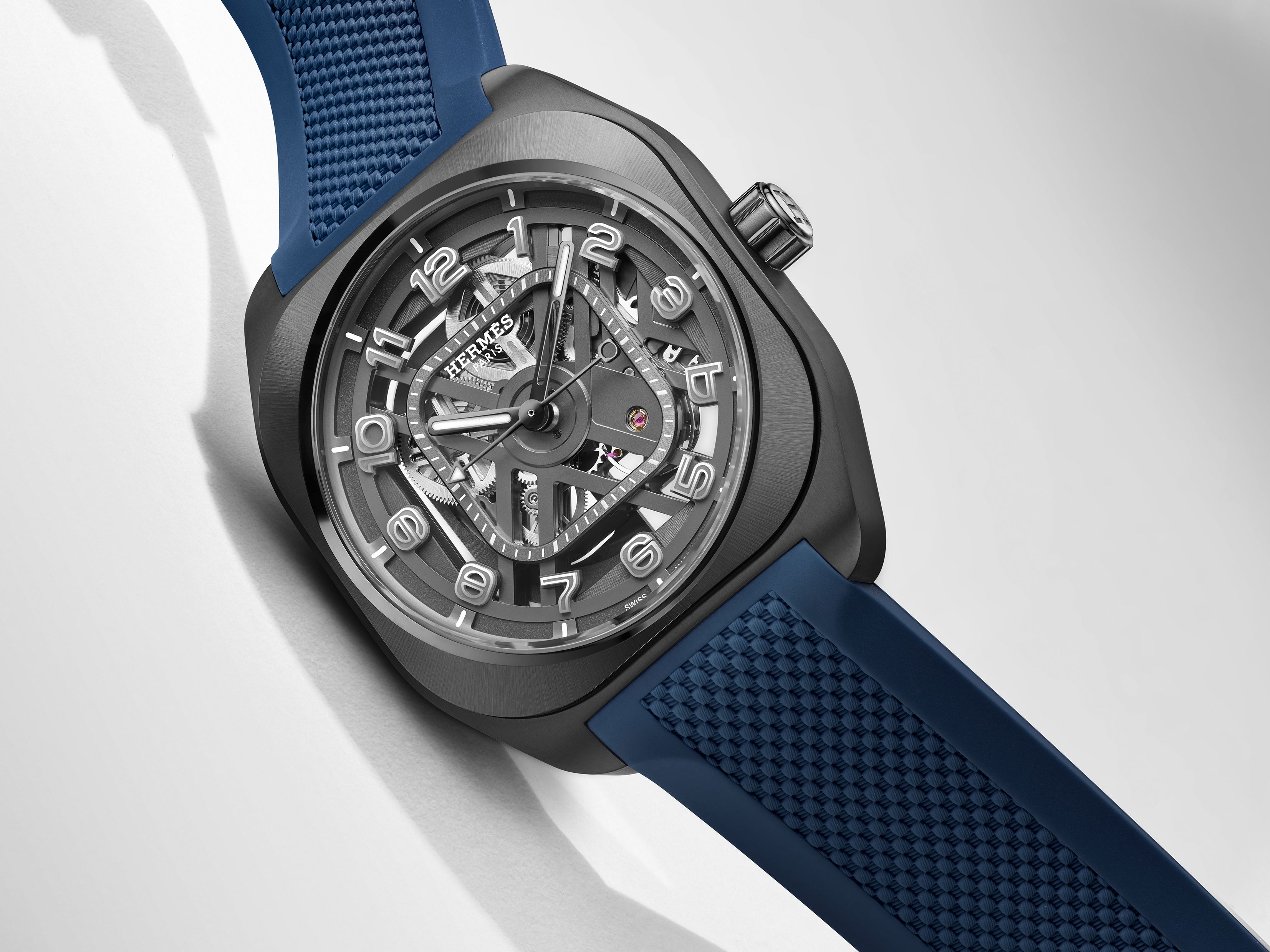
The Hermès H08 Squelette is an excellent example of titanium used not for ruggedness alone, but for design sophistication. The H08 already stood apart for its distinctive cushion-shaped case that balanced sporty and architectural aesthetics, but the skeletonised version pushes the concept further. Its matte DLC-treated titanium case paired with a black ceramic bezel creates an industrial, monochromatic appearance that feels contemporary without trying too hard. Inside sits the H1978 S calibre, skeletonised to reveal a carefully arranged interplay of bridges, gears and open space.
What makes the watch work is restraint. Skeleton watches often become visually overwhelming, but here the titanium construction, darkened movement and uncluttered layout allow the architecture of the movement to breathe. The material is not merely functional; it shapes the entire personality of the watch.
Bronze And The Beauty Of Ageing: Panerai Luminor Bronzo
One of the most unexpected success stories in modern watchmaking has been bronze. Traditionally avoided because of its tendency to oxidise, bronze has now become desirable precisely because it changes over time. Few watches embody this better than the Panerai Bronzo. When it first launched, the idea of a luxury watch intentionally designed to develop patina felt almost rebellious. But collectors quickly embraced the concept.
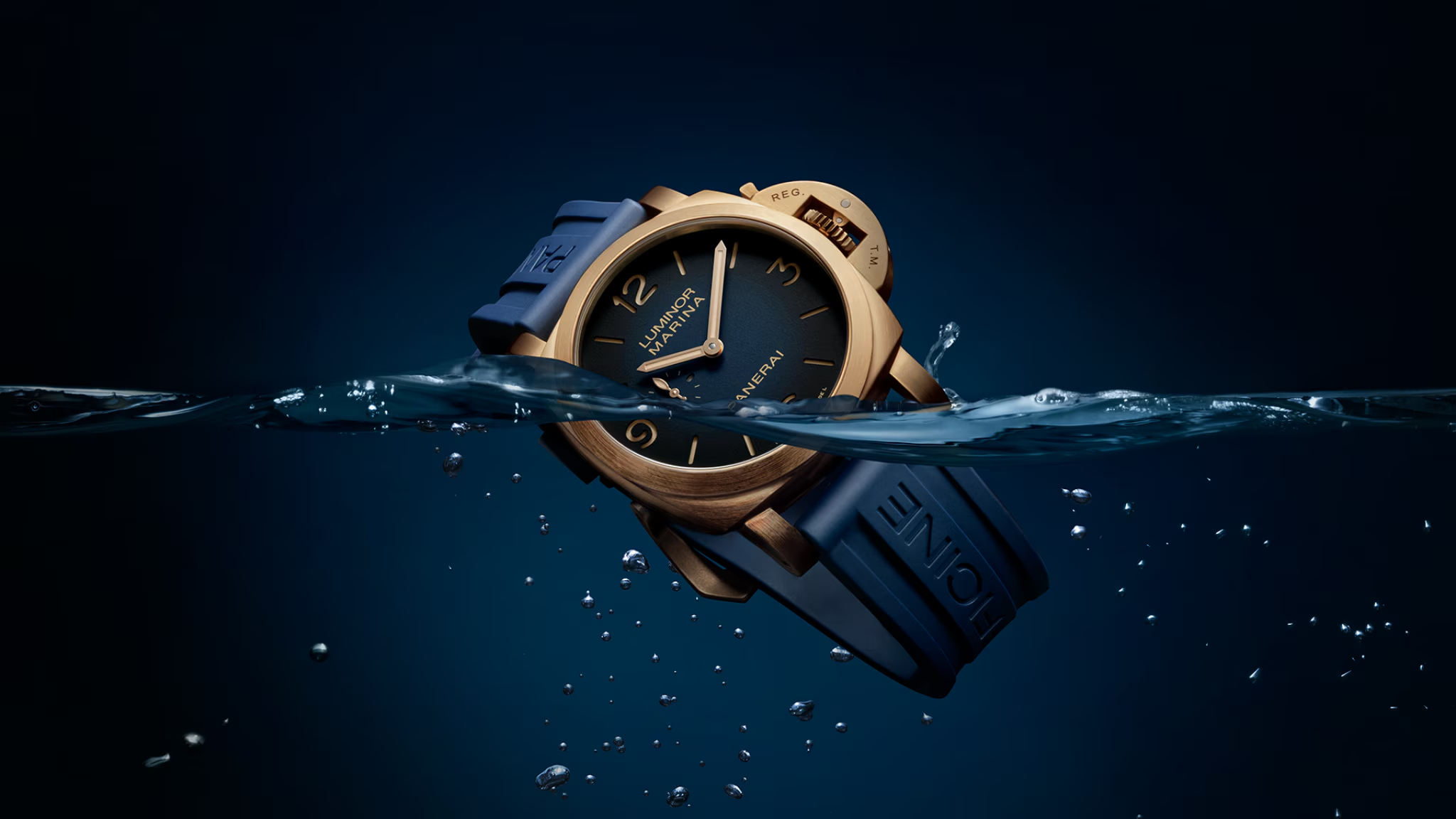
Unlike gold, which is prized for remaining visually perfect, bronze evolves with wear. Exposure to moisture, air and skin chemistry gradually transforms the case, meaning no two Bronzo watches ever age in exactly the same way. The result is a watch that feels deeply personal, almost alive. The Bronzo also helped redefine what luxury could look like. Instead of polished glamour, it embraced rugged imperfection, naval-inspired aesthetics and the romance of ageing materials.
The Ultimate Flex, Sapphire: Richard Mille RM 56-02
If gold once symbolised excess, sapphire cases are rapidly becoming the modern equivalent. No brand has explored sapphire engineering quite like Richard Mille. The RM 56-02 Sapphire Tourbillon feels less like a watch and more like a floating mechanical experiment strapped to the wrist. The case, machined entirely from blocks of sapphire crystal, requires around 40 continuous days of machining followed by hundreds of hours of finishing. Sapphire’s hardness makes it virtually scratch-resistant, but also extraordinarily difficult to shape, which is precisely why it has become such a marker of ultra-high-end watchmaking.
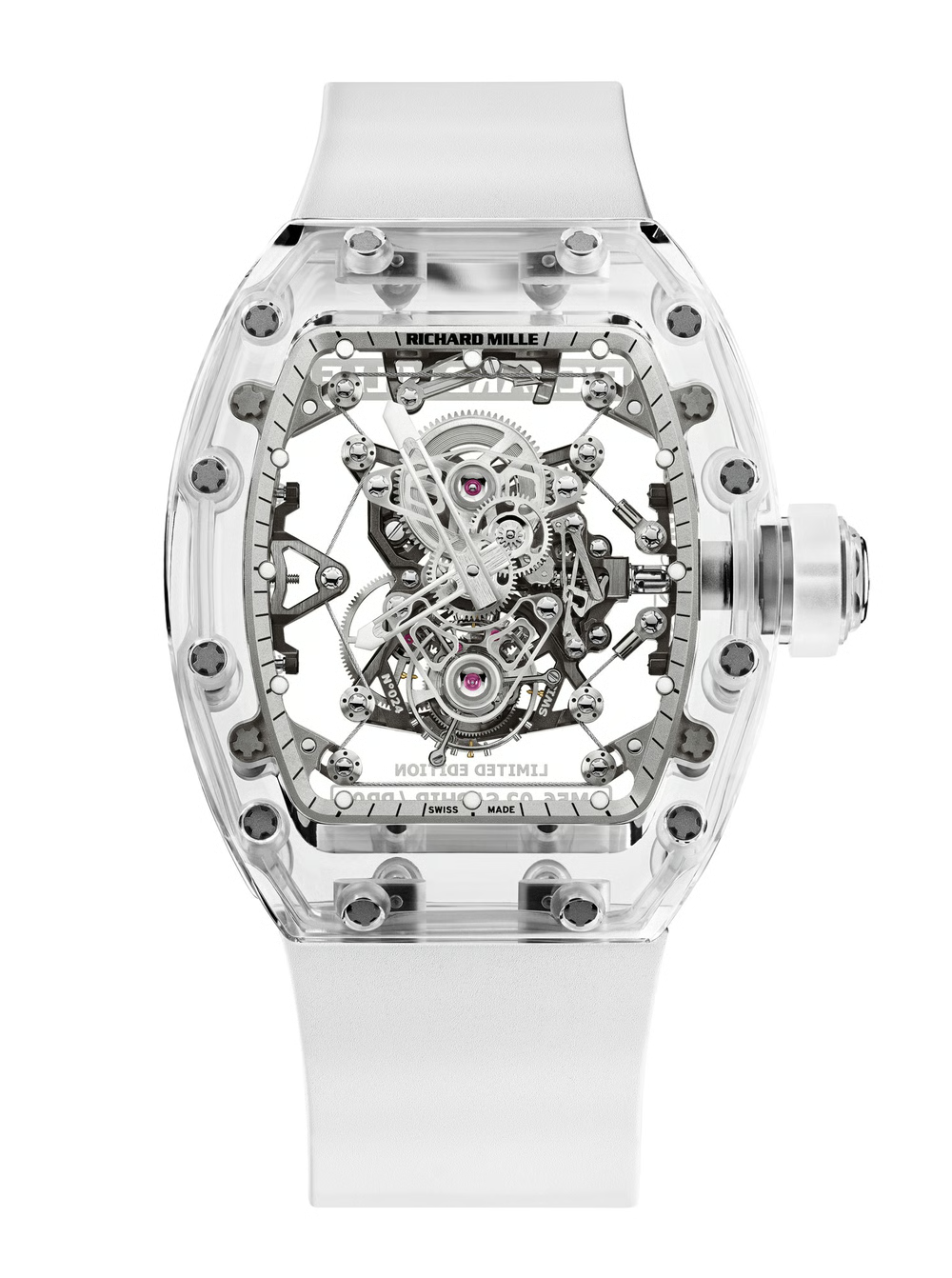
Inside, the movement itself appears suspended by braided cables only 0.35mm thick, stretched across a pulley system within the transparent case. Bridges made from sapphire further amplify the illusion that the movement is floating in mid-air. What is fascinating about sapphire watches is that transparency itself becomes the luxury. Instead of hiding complexity behind polished metal, the watch proudly exposes every technical detail.
Carbon Composite Goes Extreme: NORQAIN Wild ONE Skeleton X-Lite
Carbon-based materials have become the modern sports car equivalent of watchmaking. Lightweight, shock-resistant and visually aggressive, they have transformed the feel of contemporary sports watches. One of the most compelling recent examples is the NORQAIN Wild ONE Skeleton X-Lite. Developed using the brand’s ultra-light proprietary NORTEQ® carbon fibre composite, the watch weighs dramatically less than traditional steel sports watches while maintaining exceptional durability.
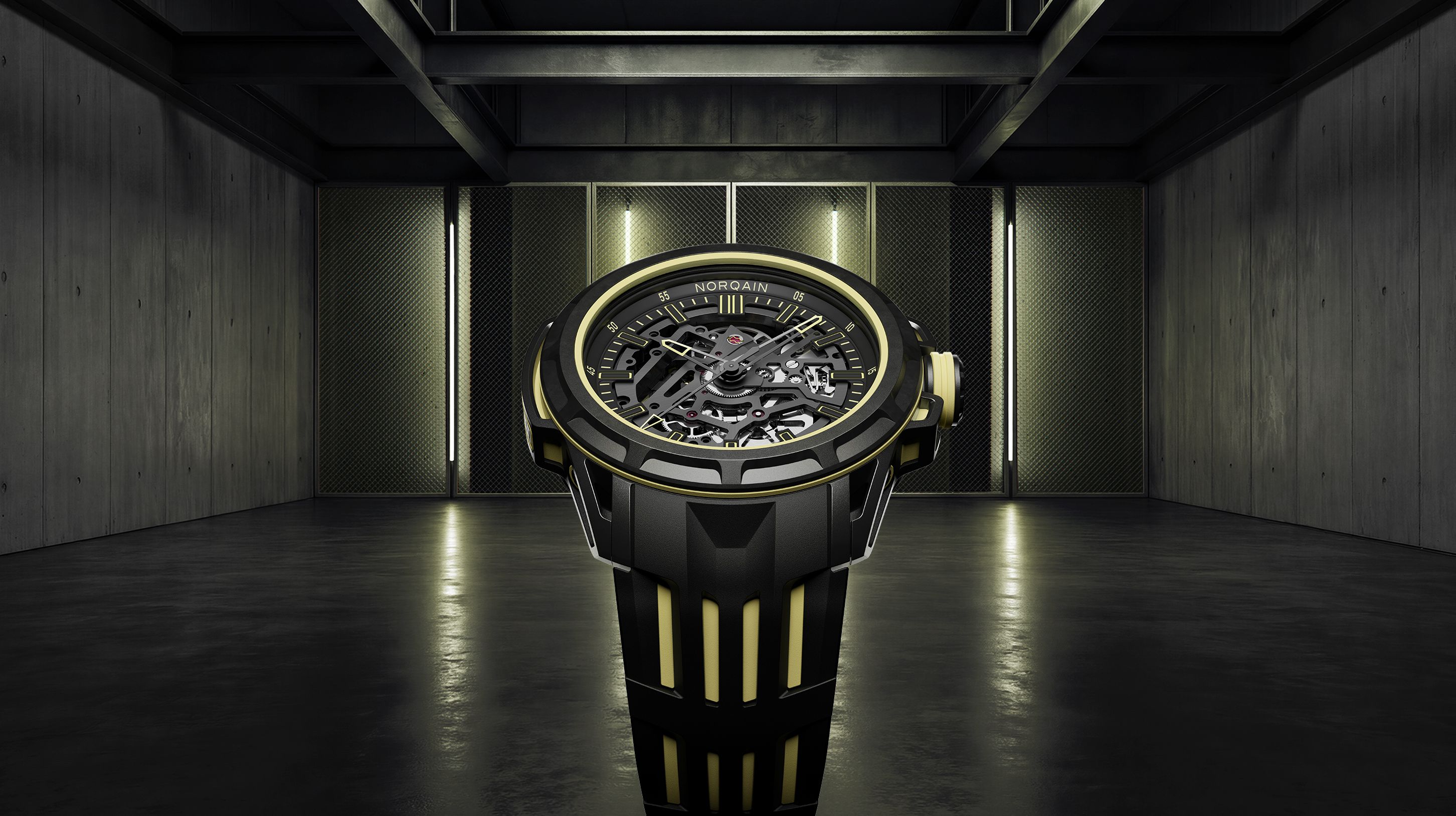
The skeletonised construction only amplifies the effect. Large openworked sections expose the movement beneath, while the angular case design and textured composite material give the watch an almost futuristic athleticism. It feels engineered for motion rather than formality. What makes carbon watches so appealing is that they completely change the wearing experience. The absence of weight on the wrist feels unfamiliar at first, especially for collectors accustomed to heavy precious-metal watches, but that sensation itself becomes part of the appeal. Much like modern supercars replacing chrome with exposed carbon fibre, these watches signal a shift away from traditional luxury cues toward performance-driven aesthetics.
The Return Of Tantalum: F.P. Journe
While the industry races toward futuristic materials, some brands are rediscovering obscure metals with entirely different forms of appeal. The F.P. Journe Chronomètre Bleu helped introduce many collectors to tantalum, a rare bluish-grey metal that is notoriously difficult to machine due to its extreme hardness and high melting point.
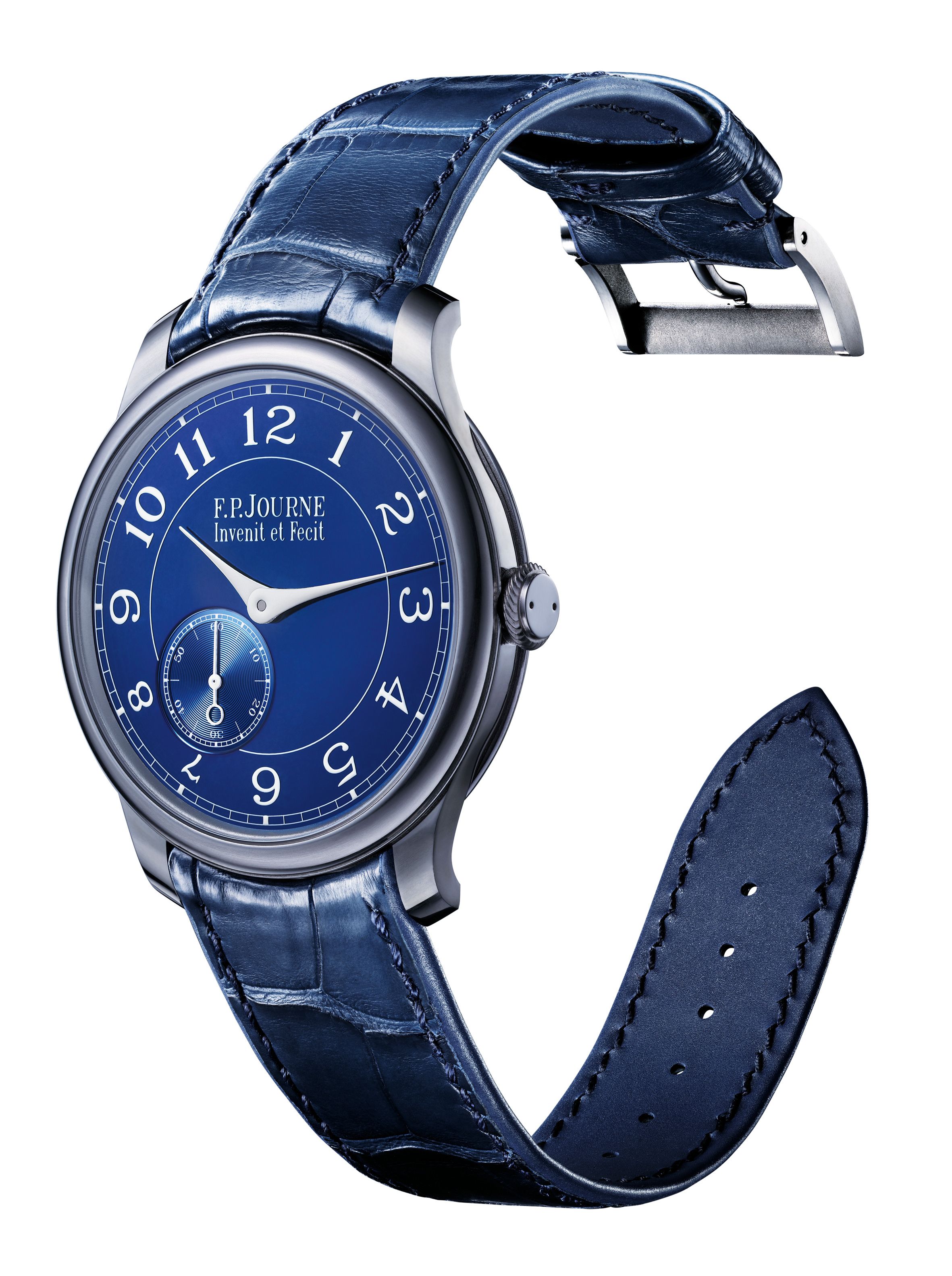
Unlike the loud visual impact of gold, tantalum offers something subtler. Its cool anthracite tone gives the Chronomètre Bleu an almost mysterious presence, particularly against the watch’s now-iconic deep blue dial. The material is also highly resistant to corrosion and wear, making it both technically impressive and aesthetically unique. In many ways, tantalum perfectly represents the shift in modern collecting tastes. It is luxurious not because it immediately announces itself, but because enthusiasts understand how rare and difficult it is to execute well.
Blacked-Out Luxury: Tudor Black Bay Ceramic
Ceramic has also become central to the rise of stealth luxury, a category that rejects flashy finishes in favour of darker, more technical aesthetics. The TUDOR Black Bay Ceramic embodies this perfectly. Its matte black ceramic case and newly engineered ceramic bracelet create a fully monochromatic look that feels more tactical than traditional luxury.
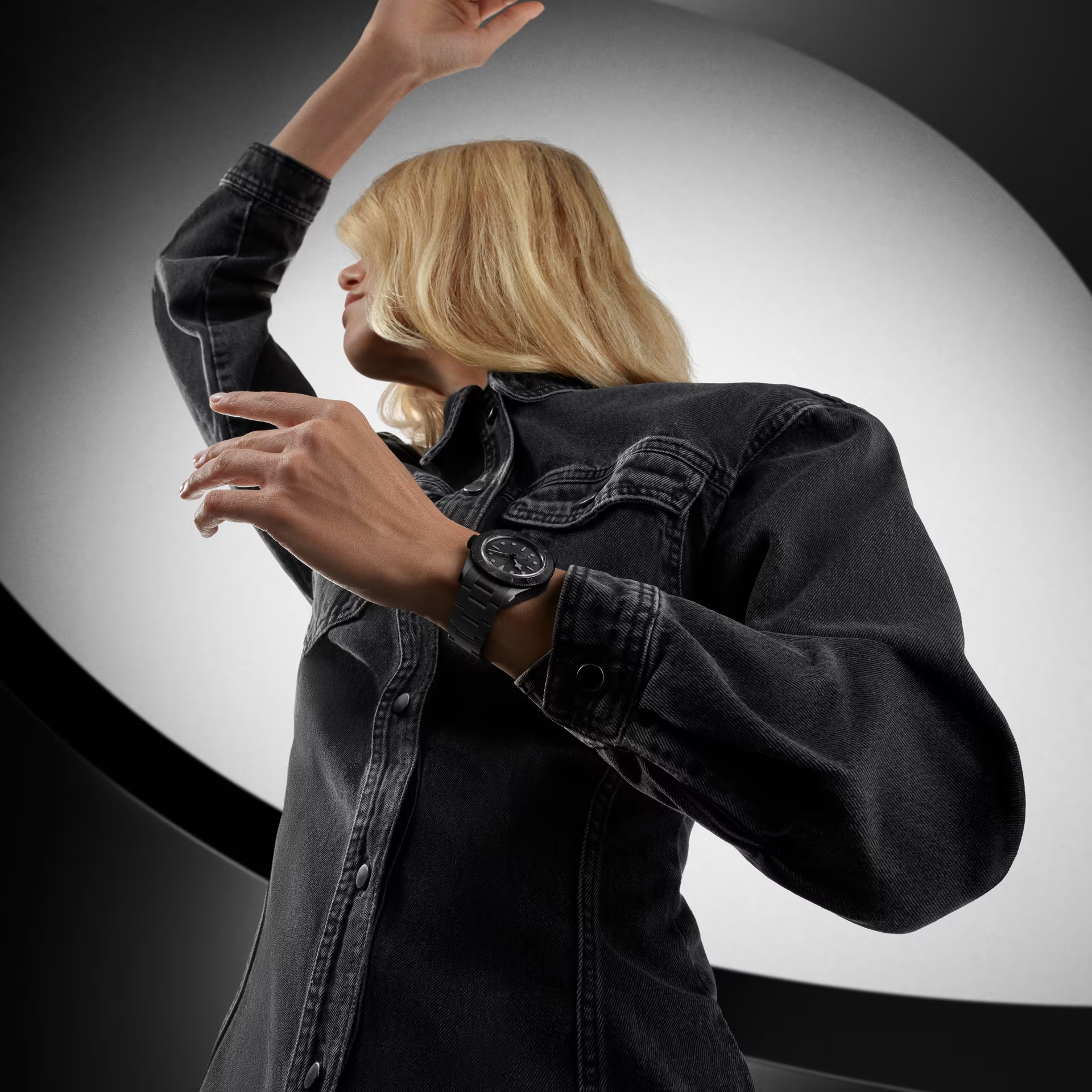
But the appeal goes beyond aesthetics. Ceramic is notoriously difficult to machine and finish consistently, especially when creating bracelet links that must remain comfortable and durable. TUDOR’s achievement lies not only in producing a fully ceramic bracelet, but in making it ergonomic enough for everyday wear. Combined with Master Chronometer certification and strong anti-magnetic resistance, the watch demonstrates how modern material innovation increasingly works hand in hand with performance.
More Than Just Precious Metals
Gold will always retain its emotional and cultural significance, particularly in markets like India where it remains deeply tied to celebration, inheritance and status. But contemporary watchmaking proves that luxury no longer depends solely on yellow metal to communicate value.
Today’s collectors are just as captivated by the glow of ceramic, the featherweight comfort of titanium, the transparency of sapphire, the rugged ageing of bronze or the rarity of tantalum as previous generations were by polished gold cases. And perhaps that is what makes modern horology so exciting right now. Materials are no longer simply there to house the movement. They have become part of the story, the engineering challenge and, increasingly, the reason collectors fall in love with a watch in the first place.


