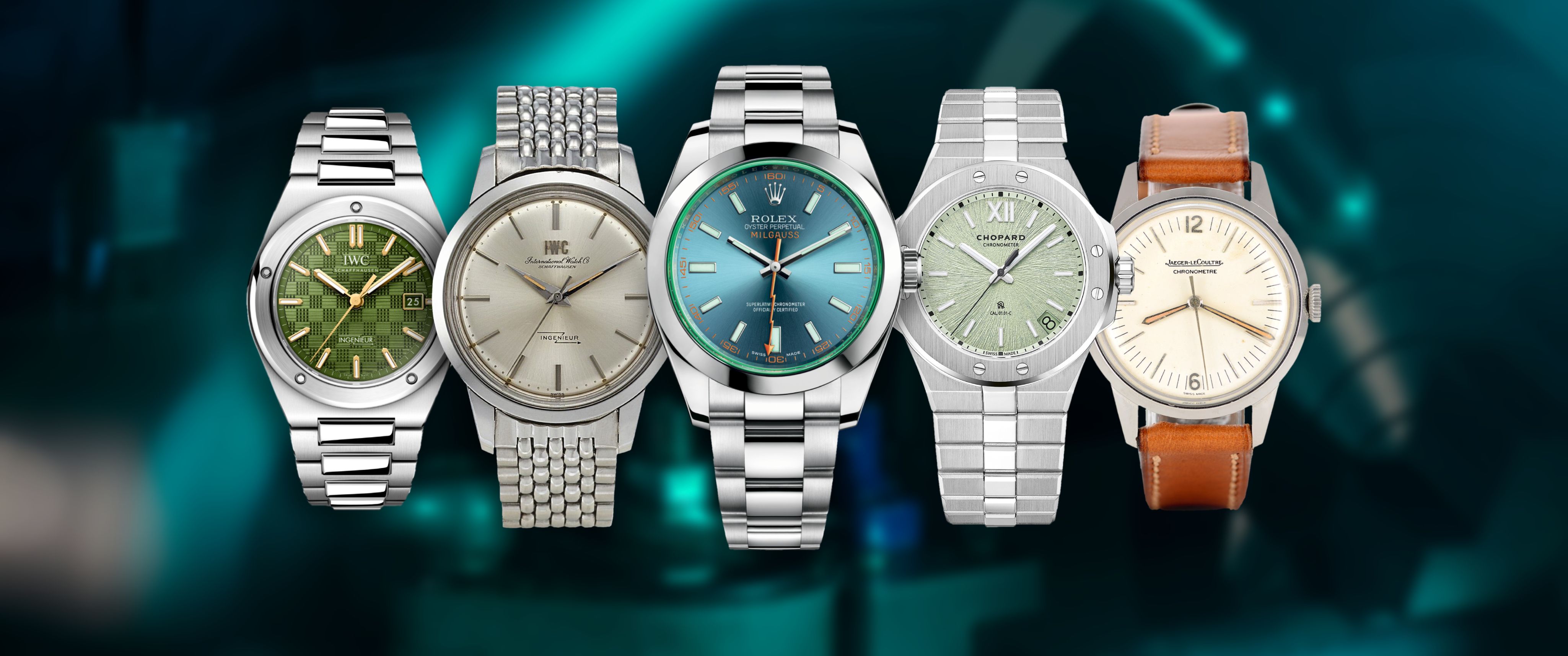
Engineer’s Watches As A Genre Over The Years
 9 min read

25 years ago, our cell phones were no smaller than bricks. Wi-Fi technology was in its absolute infancy and 3D printing was still the germ of an idea. Today, all of tech has evolved and in the next 25 years, we’ll witness equally imperative advances aimed at addressing the many demands of an evolving world.
We rightfully credit “science” for tech advancements but somewhat fail to recognize that while science describes the world that is, engineering creates what it can be.

While we don’t know what the future will be, we do know that there are engineers at the front lines shaping it. Engineering, a fundamental part of human development and progress, is a profession for the future. Very few professions demand a superlative adherence to technical standards and even when merit is measured in strictly uncompromised factors, it takes a different breed of competence to be consistently excellent.
Engineers solve the world’s problems and have an influence on every aspect of our built environment. As technically literate individuals, engineers focus on specs and the utilitarian effectiveness of products. That’s why they can be hard to impress, at least in regards to the “things” they prefer, as perfection is non-negotiable.
But what do engineers prefer when it comes to watches? Yes, there’s a vaguely existent category of “engineer’s watches” and there are watches titled with the eponymous. While most entrées of this genre are realized via an amagnetic focal, their attributes however aren’t restricted to the said.
So, what makes an ideal engineer’s watch? What are the best engineer’s watches out there? And, what’s the future of this specific segment? We’ll cover it all but first, this.
The Big Science Era
The 1950s was the age of “big science.” This cold-war consequence, with the central focal being civilian nuclear energy, came into being as a composite of large-scale industrial research and hefty government funding. The most ambitious of its undertakings came about in particle physics with the development of the Large Hadron Collider (LHC) at CERN, the space exploration missions realized via the Apollo Program, the Hubble Space Telescope, and the James Webb Space Telescope, and in the field of biology as The Human Genome Project - a mapping of the entire human DNA sequence.
This rapid growth in technology and science exposed engineers to magnetic fields at workplaces and thus damaging their watches. Most watches of the era would fault at electromagnetic fields greater than 50 gauss.


The Horological Consequence
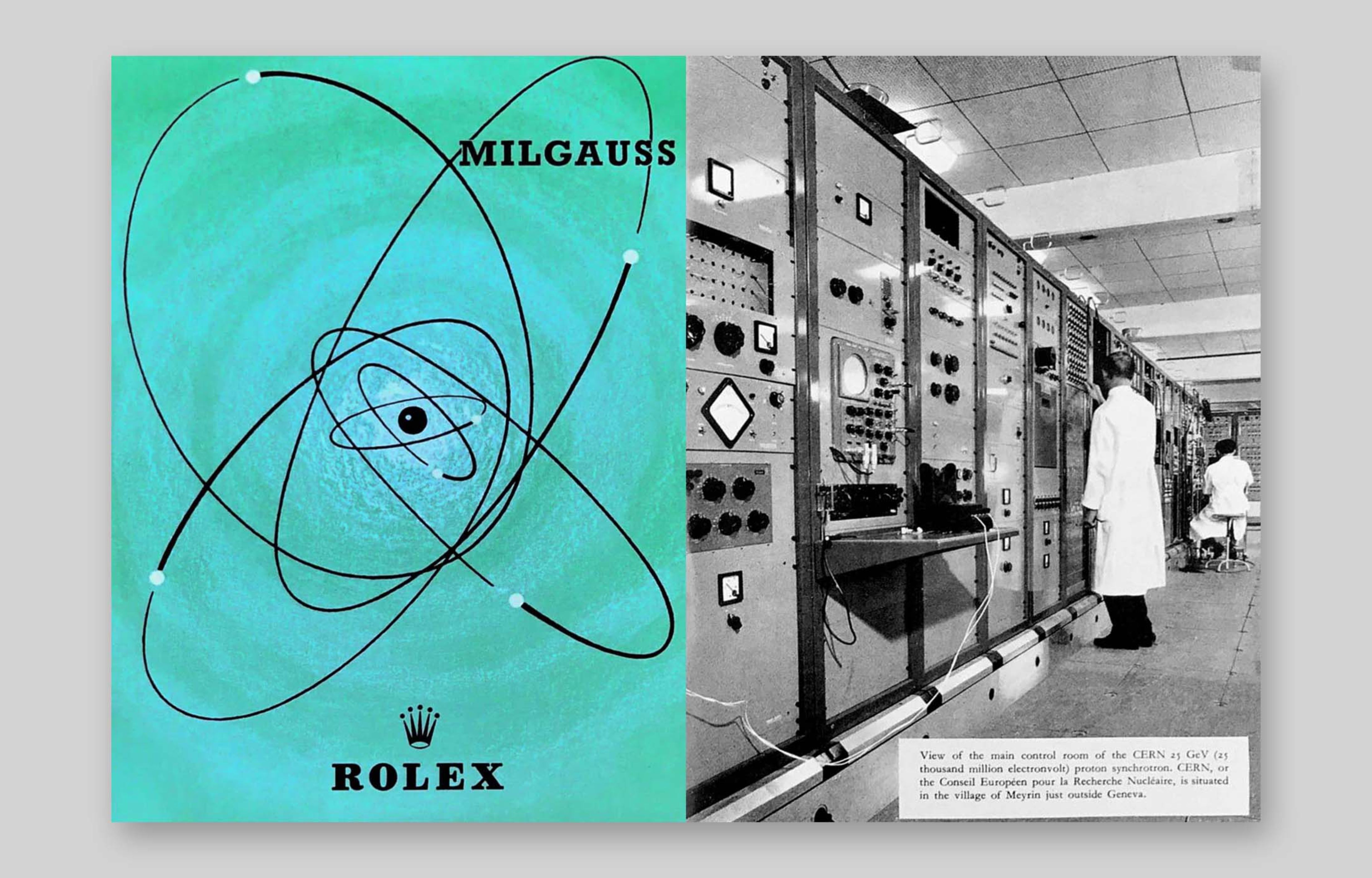
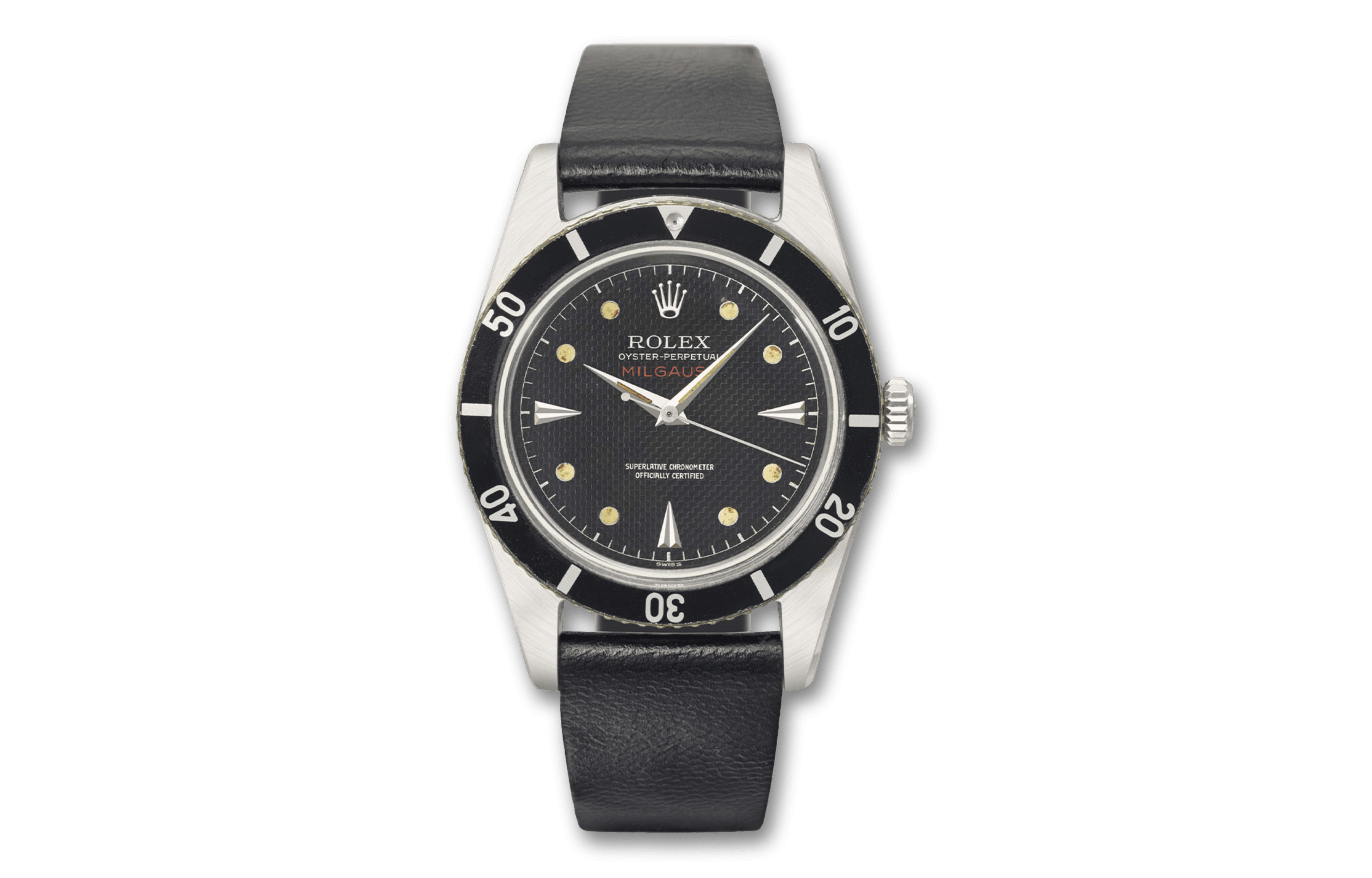
As engineers were frustrated with strong magnetic fields disrupting or all but ruining their mechanical watches, Rolex’s Milgauss came as an inceptive solution with its soft-iron Faraday cage acting as a magnetic shield to protect the movement. Its resistance to 1000 gauss of magnetic flux density was ambitious for 1956, when the first proper production reference 6541 Milgauss debuted. The said watch came into being as a joint partnership between Rolex and CERN.
This product conception to counter watchmaking’s invisible nemesis became part of a tech-scramble inviting participation from brands such as Jaeger-LeCoultre, Omega, IWC, and even Patek Philippe, with a consequent opus of the category of “engineer’s watches.” It’s consequential too that the category of engineer’s watches has become synonymous with anti-magnetic watches.
A Brief History Of Amagnetic Wristwatches
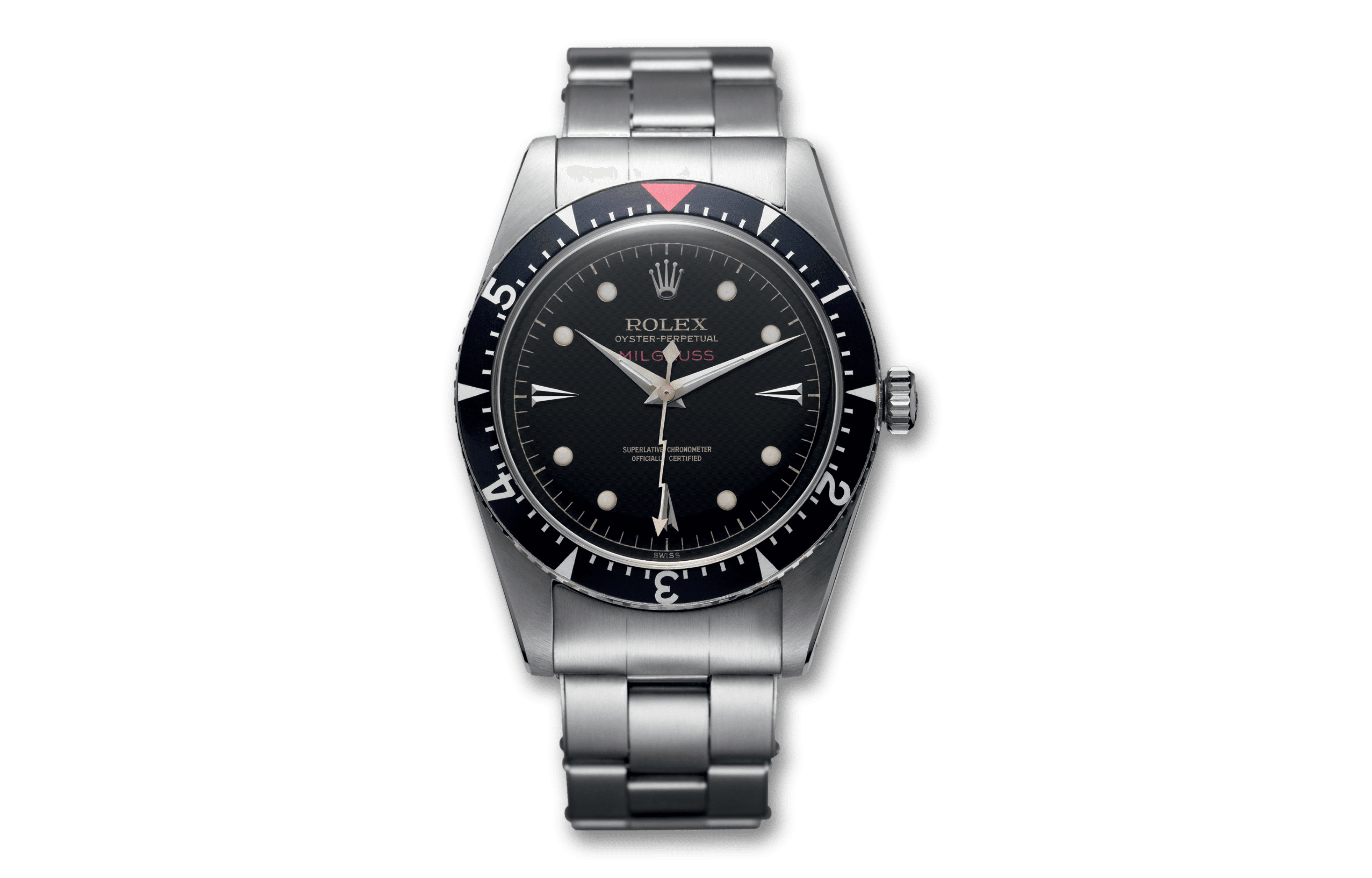
While the genre took off in the 1950s, with the Milgauss being its pivotal superlative, it is the Tissot Antimagnetique of 1930 that’s credited as the first true amagnetic wristwatch. With the world around it electrifying rapidly, Tissot evidently pounced on the opportunity to develop a practical watch for the world troubled with electromagnetic fields.

But when the talk tilts to the most important anti-magnetic watches, or “engineer’s watches,” it’s mostly the yield of the 1950s that comes to mind. After all, some of the largest brands came with their firsts. Chronologically, the order of releases is as follows.
1954: The Rolex Milgauss reference 6543 came into being as a proof of concept as a prototype iteration. It was developed for the engineers and quantum physicists at CERN.
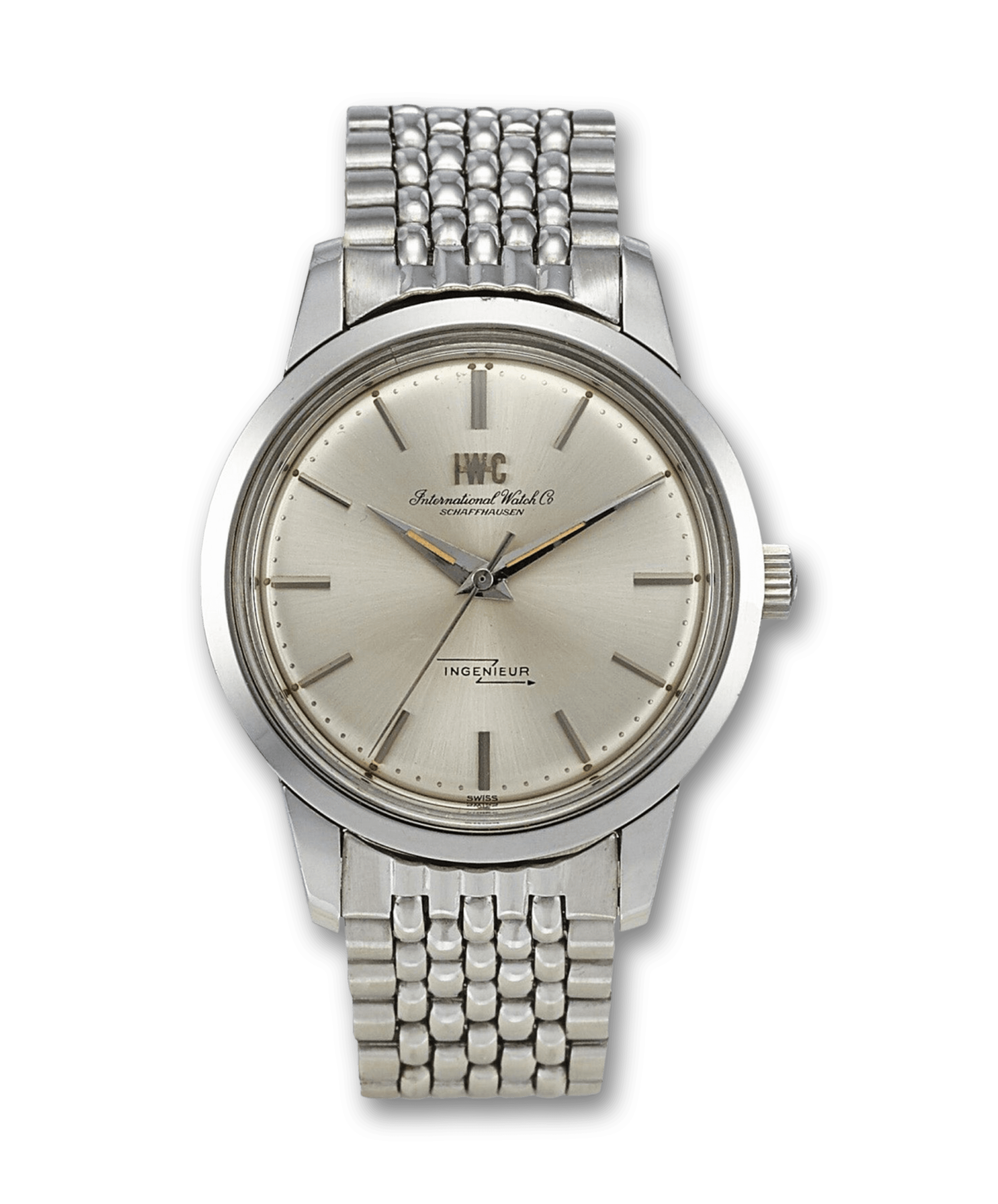
1955: IWC introduced its reference 666, the first Ingenieur. It was the brand’s first robust anti-magnetic wristwatch.
1956: The production variant of the Rolex Milgauss was introduced as the reference 6541. The watch could resist magnetic fields of up to 1000 gauss.
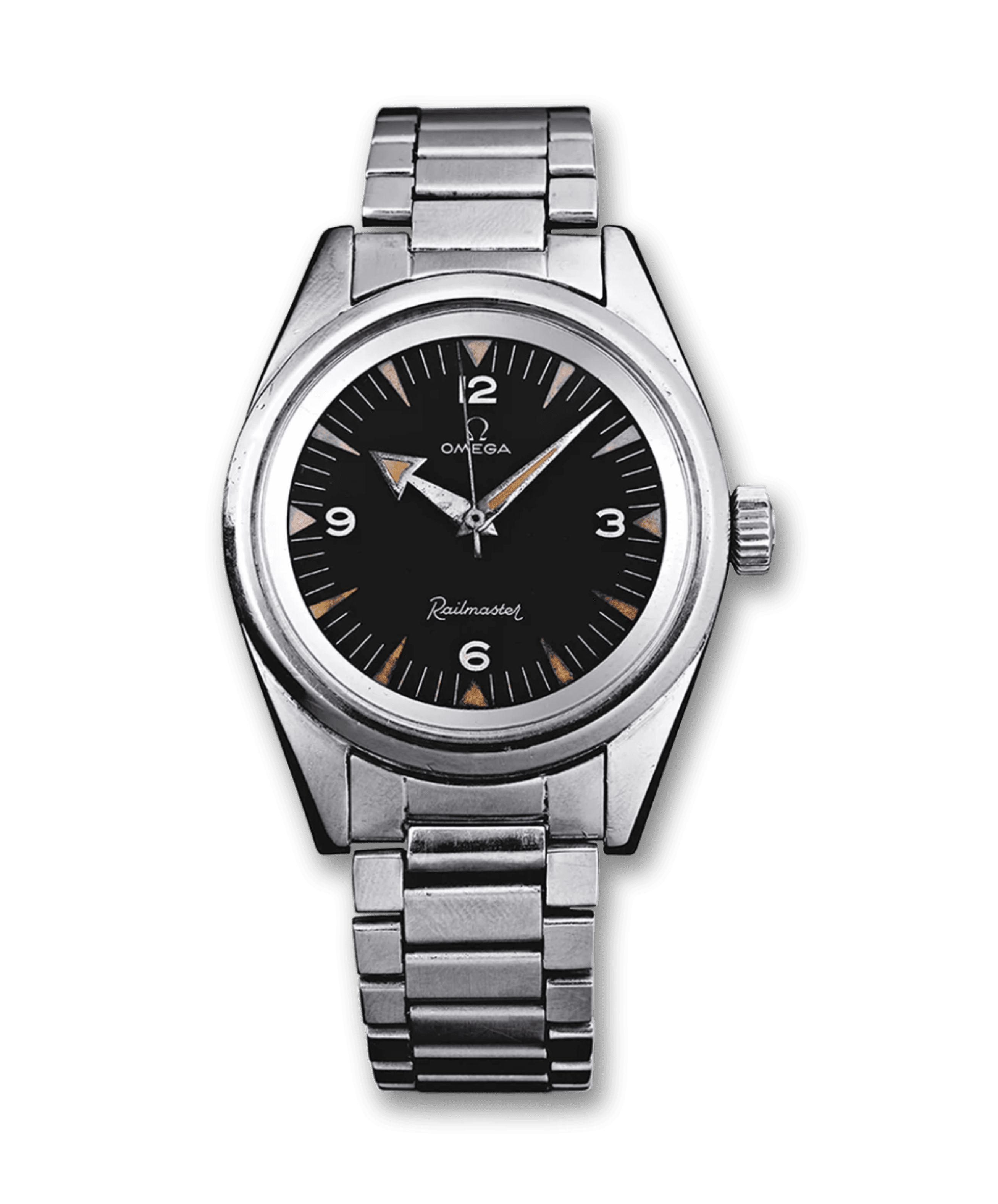
1957: Omega’s first Railmaster, the reference CK 2914, made its debut as a wristwatch also capable of withstanding magnetic fields of up to 1000 gauss.
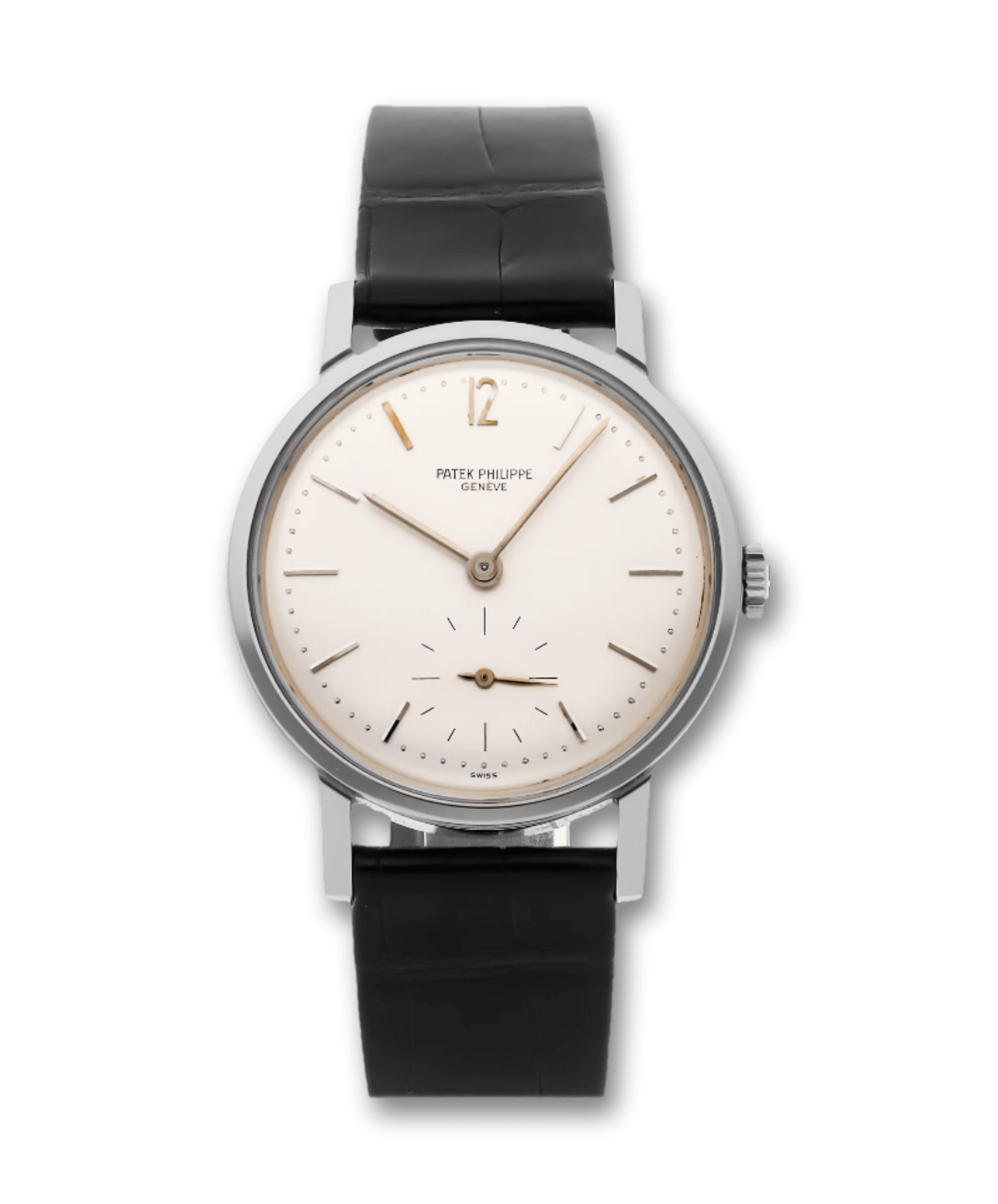
1958: Patek Phillipe’s Amagnetic, the reference 3417, is born as the result of a legitimate obsessive fight against magnetism. This was the brand’s first anti-magnetic wristwatch.
1958: Jaeger-LeCoultre creates the Geophysic Chronometer reference E 168 to celebrate its 125th anniversary and also the “International Geophysical Year,” a global effort to encourage scientific exploration and experimentation. It’s amagnetic up to 600 gauss.
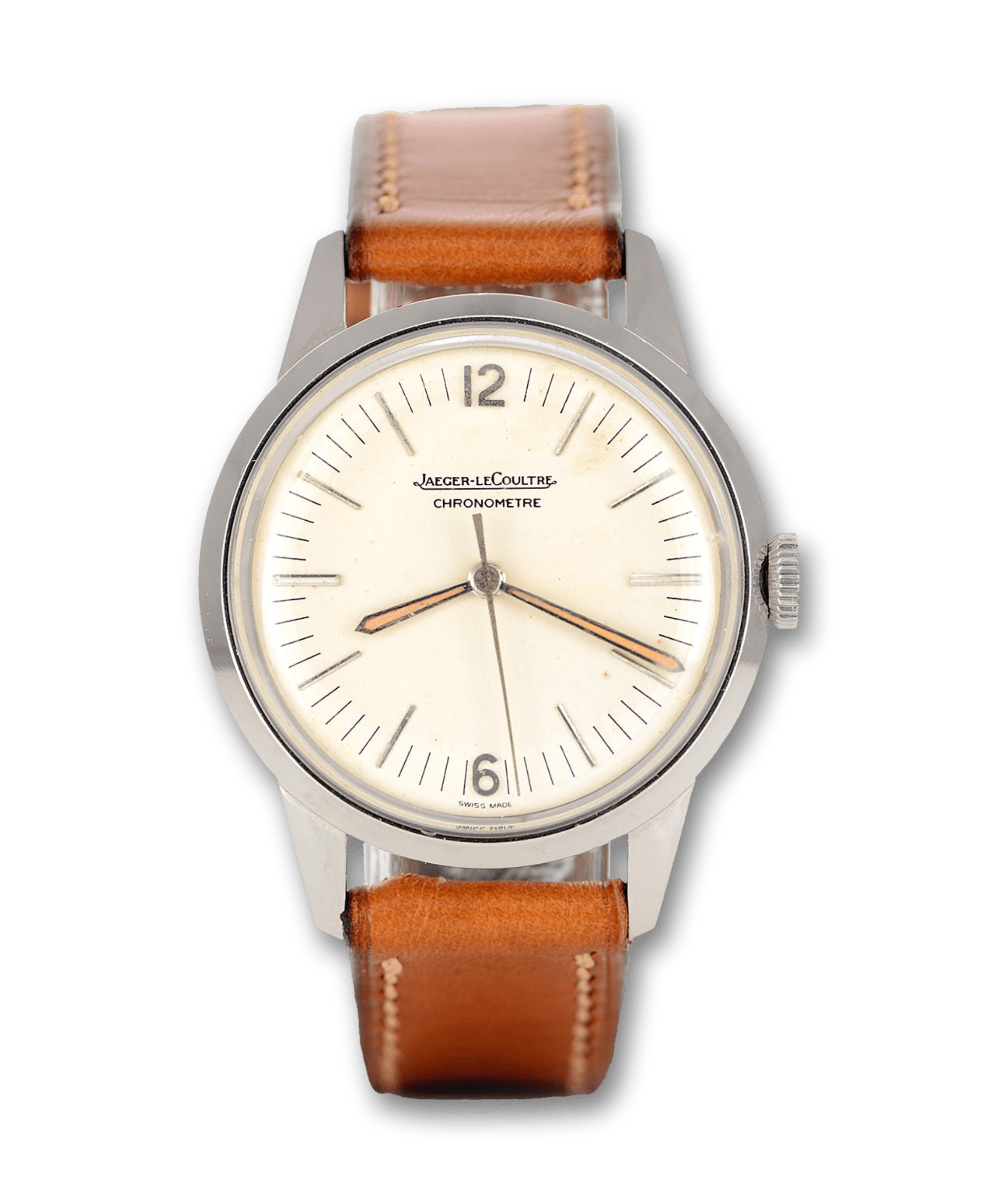
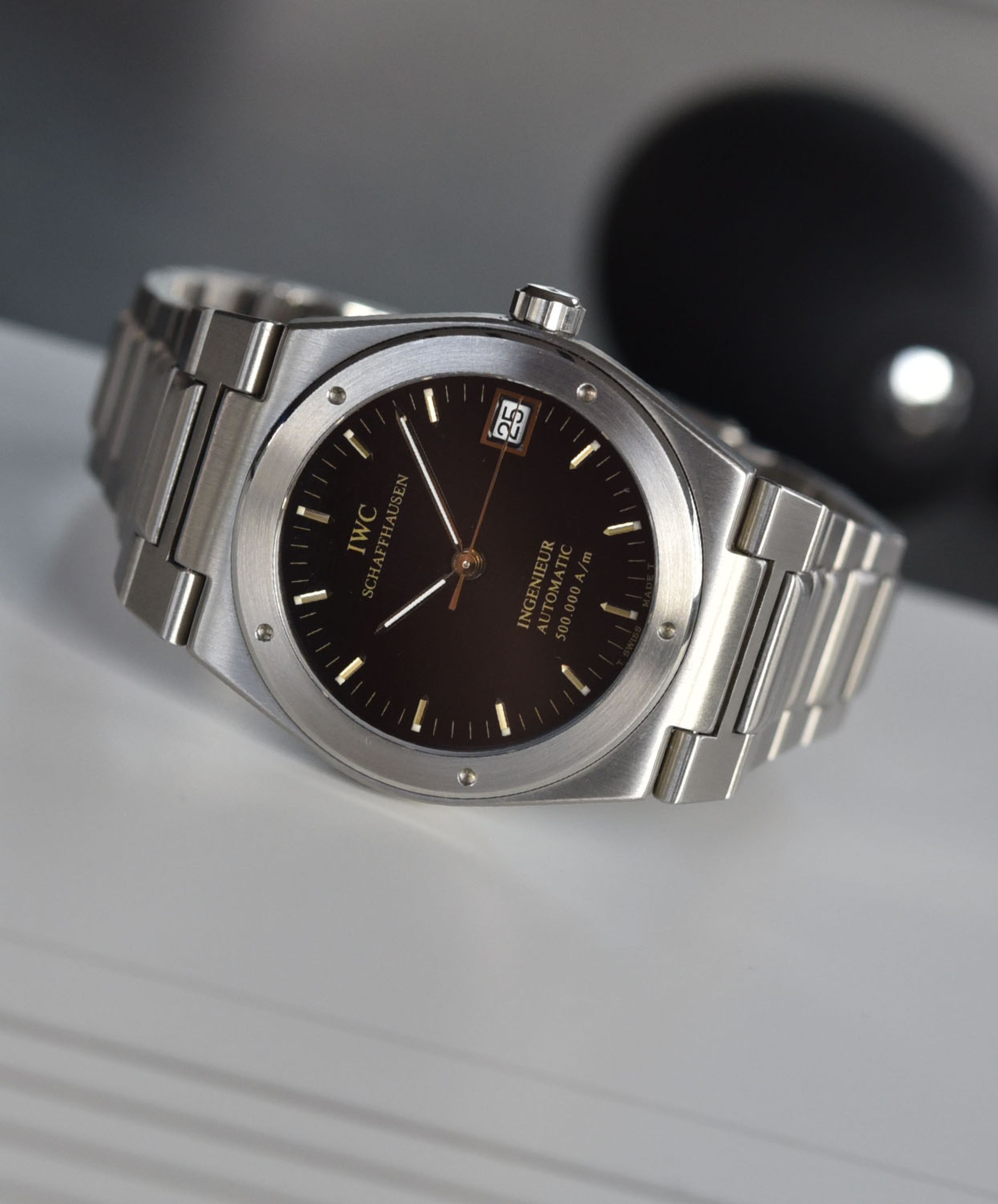
Beyond their use case in tech environments, favoring engineering applications, these amagnetic wristwatches of the early era delivered generic improvements in timekeeping. A significant evolution in the discipline came about with use of high-tech non-ferrous components. The IWC Ingenieur 500,000 A/M of 1989, resistant to around 6,250 gauss, was a high point in this evolution. Its niobium-zirconium hairspring, anti-magnetic escape wheel and pallet fork, and ruby rotor bearings made it the most anti-magnetic watch of its era by a mile. It would remain so until the turn of the millennium, when 2001 changed watchmaking.
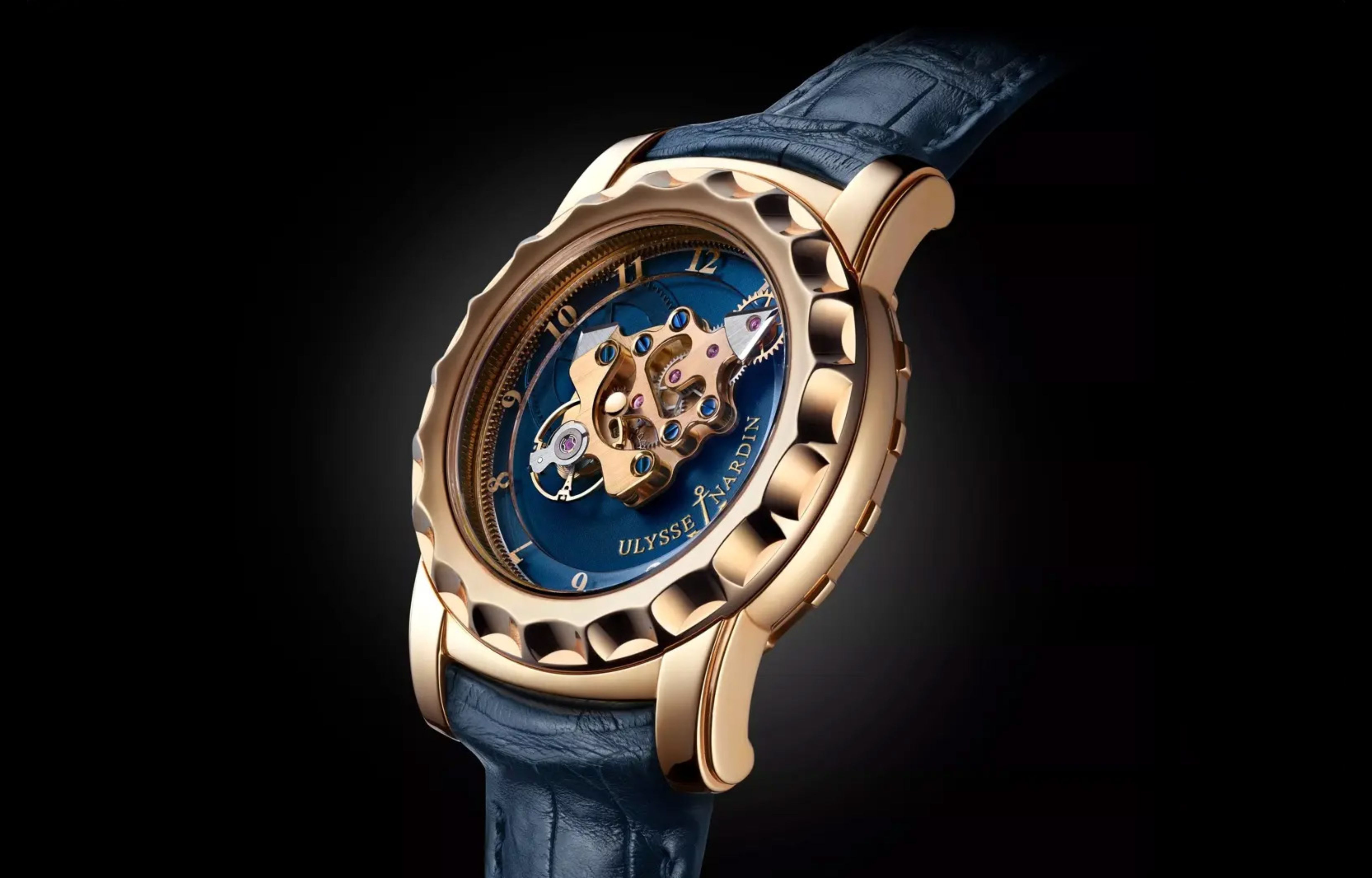
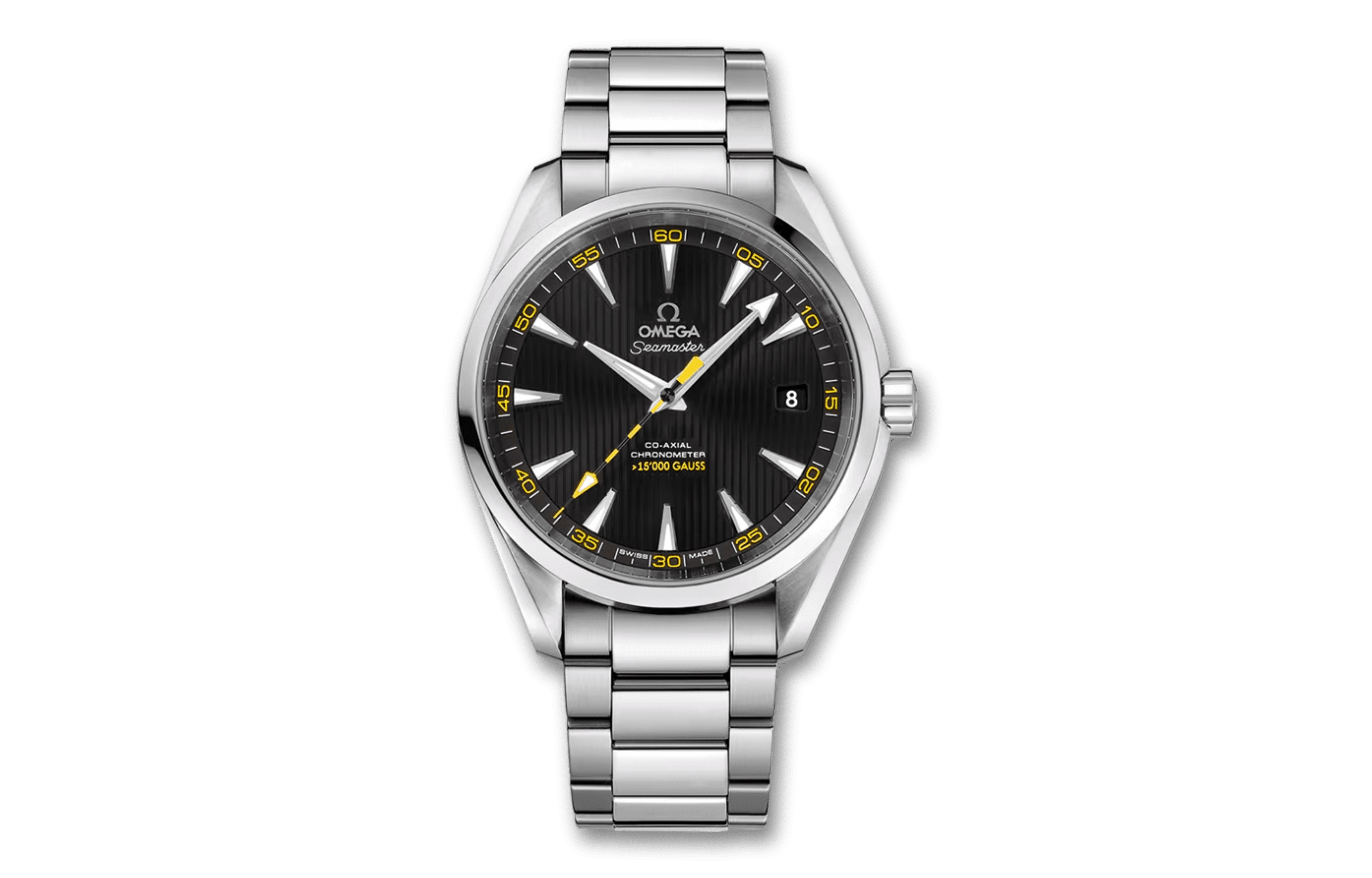
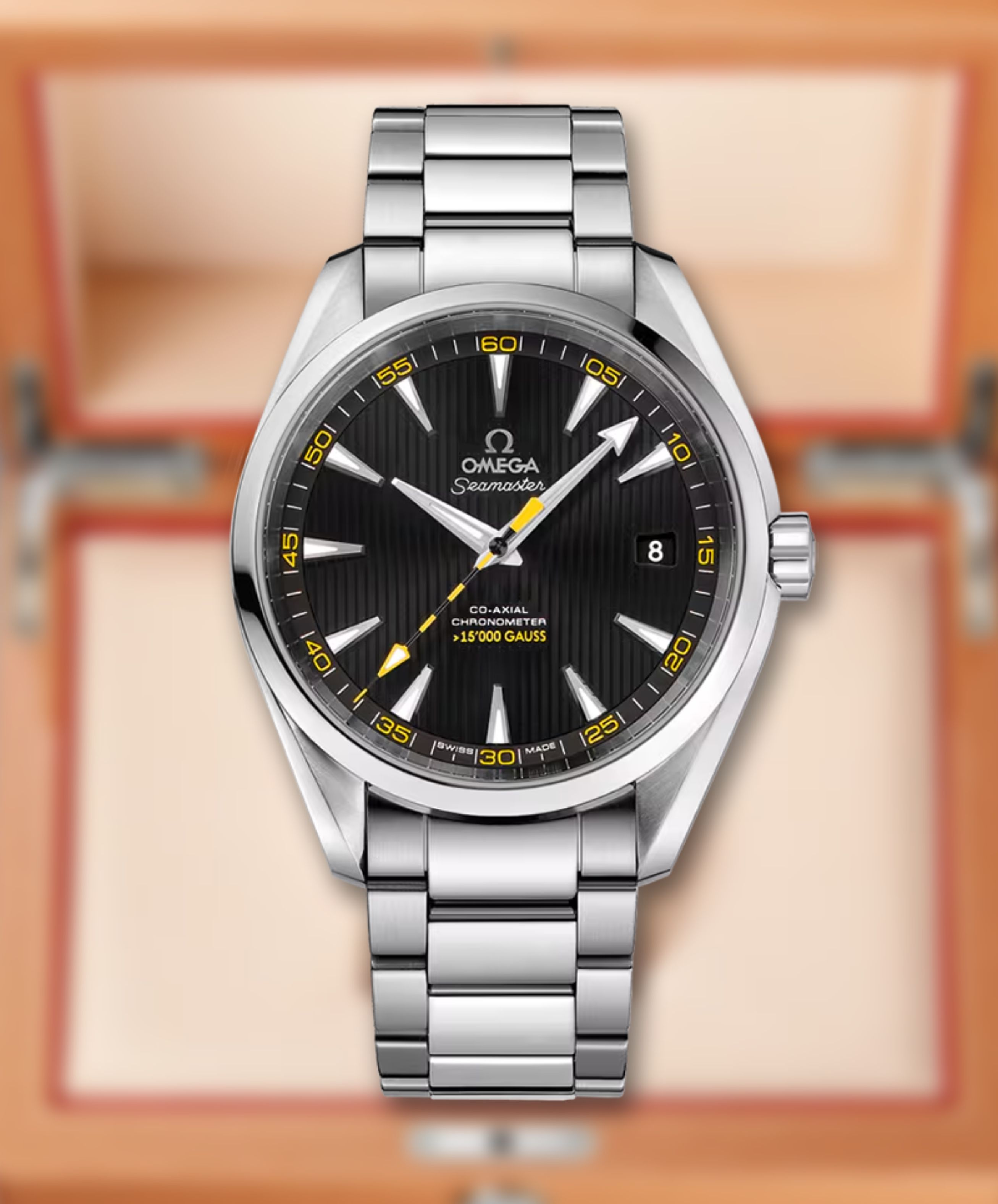
That year, the Ulysse Nardin Freak not only delivered the most mind-bending contraption for telling time, but also gave the world the first wristwatch with silicon components. Silicon is entirely amagnetic and its applications have gone to a point where watches of today can easily resist magnetic fields of up to 15,000 gauss. Omega’s Master Chronometer standard tests watches to 15,000 gauss. That’s the exact level as a working MRI machine. In reality, they can achieve much more. A notable example is the 2013 Seamaster Aqua Terra >15,000 Gauss which, as nomenclature implies, is even more anti-magnetic.
For most collectors, anti-magnetism doesn’t mean a watch that can survive industrial induction. But for those whose workplaces hate accurate timekeeping, be that CERN or anywhere else in the world, an engineer’s watch becomes a necessity.
A Tool For A Technically Literate Buyer
Engineer’s watches have been considered as an essential genre of watches for demanding applications and for a technically literate clientele who understand machines and technology better than most buyers. Like most tool watches, they emerged because of a district need. An engineer’s watch is a very advanced concept of the tool watch. When a product is critiqued given an elevated know-how of technical details and generally higher mechanical acumen, you tend to appreciate it more.
While it induces an obsession for nerd-level scrutiny, it generally yields a greater fondness for the product. Here details matter and the importance of winning on the merit of functional superlativeness over form is a high desirable. While there isn’t a standard recipe to create an ideal watch that an engineer would love, it generally has to be a product of quality and with all the other known attributes that yield a genetic affinity for watches.
The Current State Of The Genre
There are many reasons to believe that the genre of engineer’s watches has true untapped potential. Pilot’s watches, dive watches, and field watches, all of those, at almost every conceivable price point, are basically tapped out markets right now. Brands fight over fractions of a point of market share in these already crowded places.
That may be changing.
In 2023, the same year Rolex discontinued its Milgauss, IWC ended its incomprehensible decade-long retirement of its authentic Gérald Genta designed Ingenieur style. In doing so, they found a surprisingly robust reaction to a watch that was previously, at best, the fourth model line after Pilot’s, Portugieser, and Aquatimer. The 2025 F1 movie Sonny Hayes edition caught fire as a great design and an electrifying connection to a movie that overachieved critically as well as commercially. As it’s always better to under-promise and over-deliver, the movie and that edition really did well. A robust series of follow-up models in 2025 and at Watches and Wonders 2026 as well have successfully maintained interest in the revived Ingenieur.
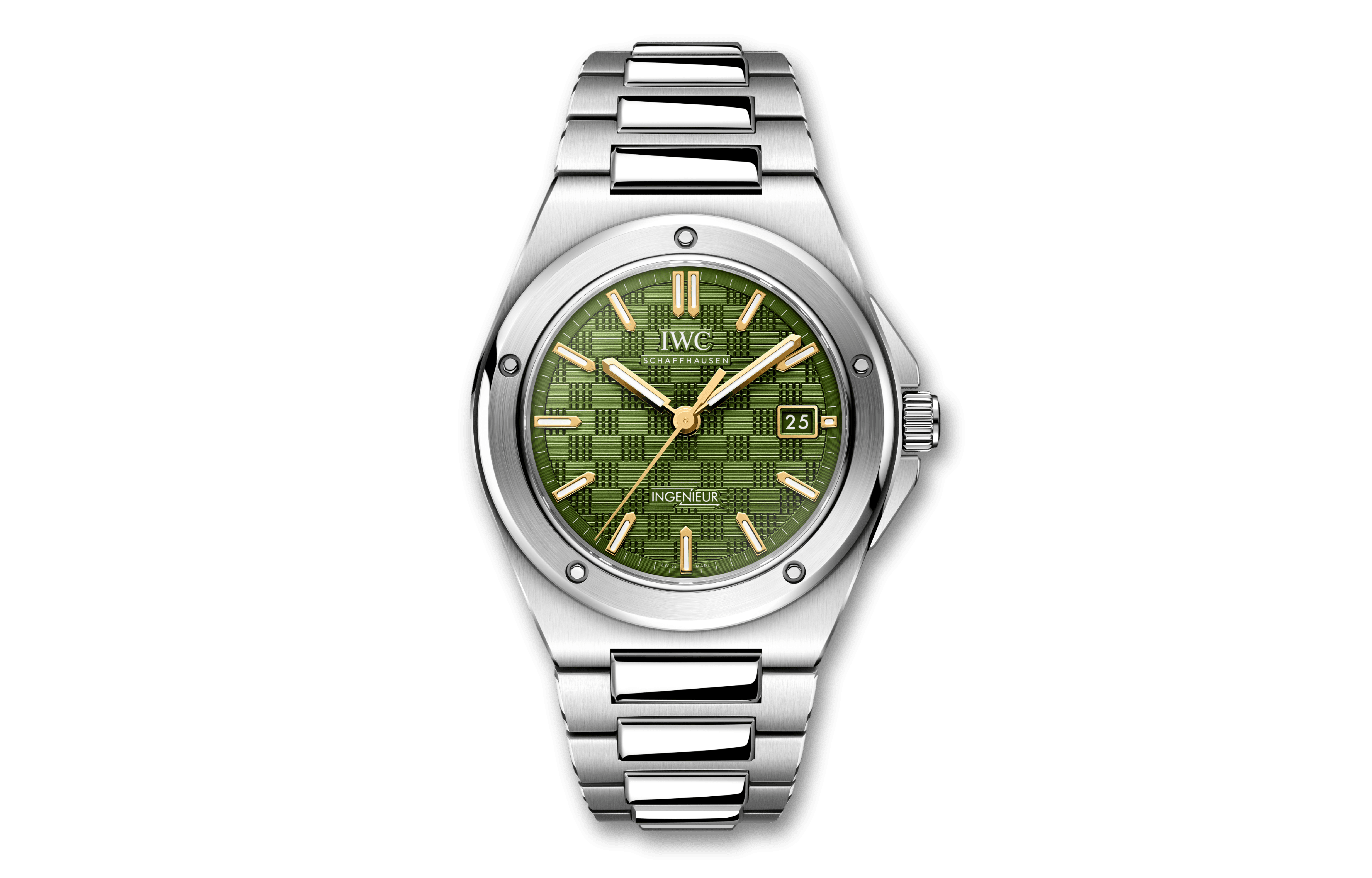
Now, this kind of segment busting success can change any industry and move management to open their minds, invest big in new directions and commit to risk with confidence. All of this always requires a first mover to show the way and IWC in this case was that first mover.
Now there’s another watch created in a similar vein.
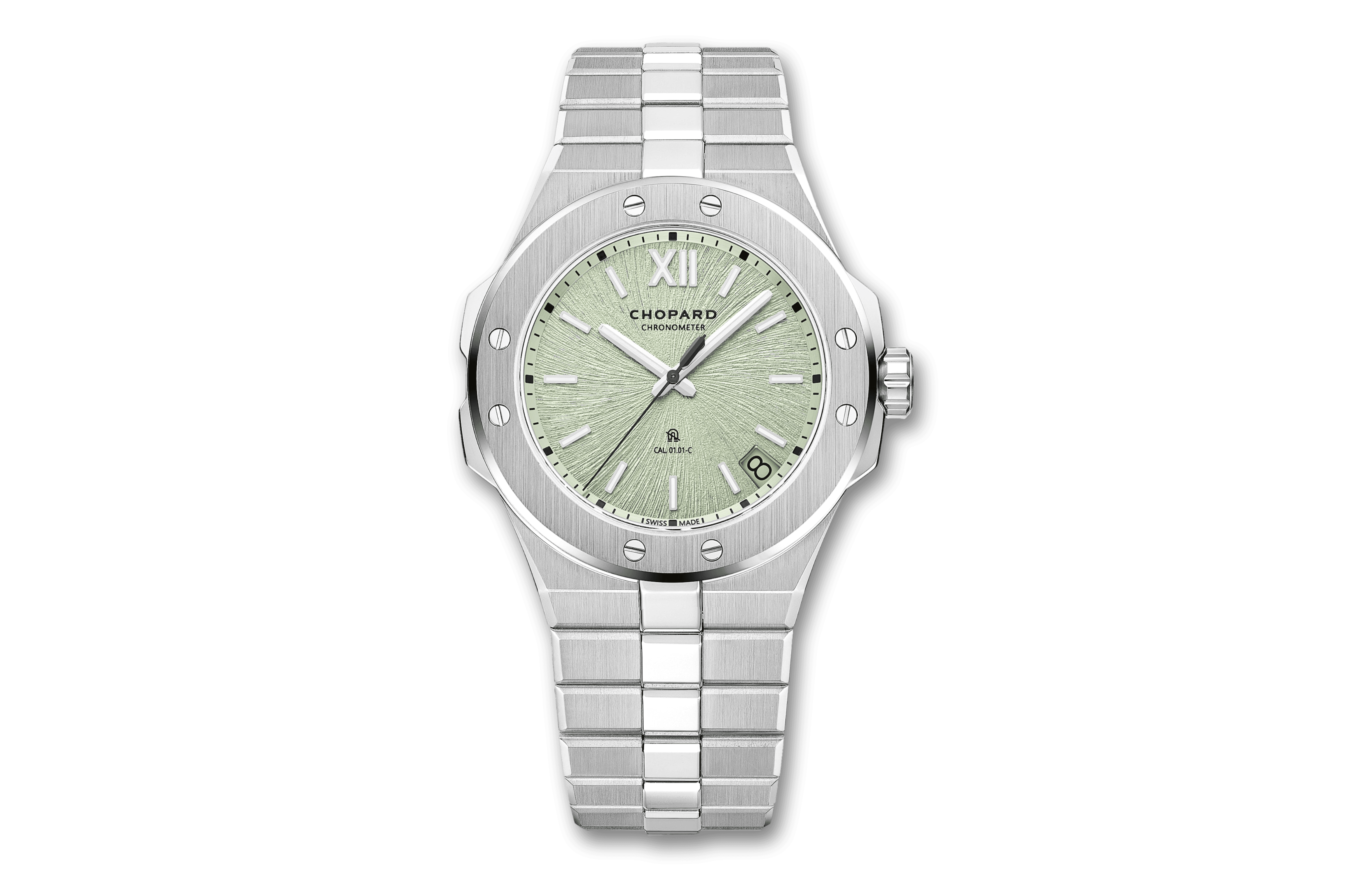
Chopard mildly steered in the engineer’s watch direction with the 2026 Alpine Eagle 41 AM. With this, the manufacture marked a new milestone with the introduction of its first anti‑magnetic balance spring. Its caliber 01.01-C is now equipped with a newly developed antimagnetic alloy hairspring, not silicon - but a metallic alloy of niobium and zirconium, similar to Rolex’s Parachrom, offering resistance to magnetic fields of up to 2,000 gauss. Such a level of protection covers most everyday magnetic exposures, guaranteeing stable performance. This practical upgrade to the Alpine Eagle collection adds a level of technical interest in the category at large.
But now, let’s address the elephant in the room.
For the category to truly take-off, and stay aloft, a new generation Rolex Milgauss is an undeniable imperative. This could seriously seal the deal for the entire genre. A true engineering and science-oriented tool watch in concept, time’s ripe for the Milgauss to be more than a speculative next generation. It needs to be a reality now.
If the Milgauss is ever coming back, a few factors make 2026 a symbolic year for its return. Firstly, it’s the model’s 70th anniversary year and however traditionally subversive the brand might be to anniversaries, its hefty celebration of the Oyster’s 100th year serves a serious hint that even Rolex could give in. Secondly, Rolex introduced one of its most advanced escapement systems, the “Dynapulse,” with the launch of the caliber 7135, with anti-magnetic components, in 2025.

Now, for a watch designed to resist magnetism, the revival of the Milgauss with an iteration of the caliber 7135, which is possibly at METAS-level 15,000 gauss (although Rolex doesn’t publish it officially) makes sense.
For the category to take root and grow, the new generation Milgauss needs to exist.
What The Future Holds
Now, when even non-genre watches are built with anti-magnetic qualities unimaginable in the 1950s, when the genre was created, the scopes of creation are vast. The design flexibility means that a modern engineer’s watch can be whatever it wants to be. Display casebacks, no Faraday cages, no need for bracelets or closed dials, is the possibility now and the concept can be realized in diverse ways without compromising on legitimate amagnetic properties.
At last, the subtext of a rising engineer’s watches genre is the key takeaway here and its modern examples can take any form.


