What Makes The GPHG The Oscars Of Watchmaking?
 4 min read

Every November, I find myself doing exactly the same thing. While most people are busy keeping up with the latest product launches or waiting for the next Watches and Wonders, I'm refreshing my browser to see who has taken home the biggest honours at the Grand Prix d'Horlogerie de Genève, better known simply as the GPHG.
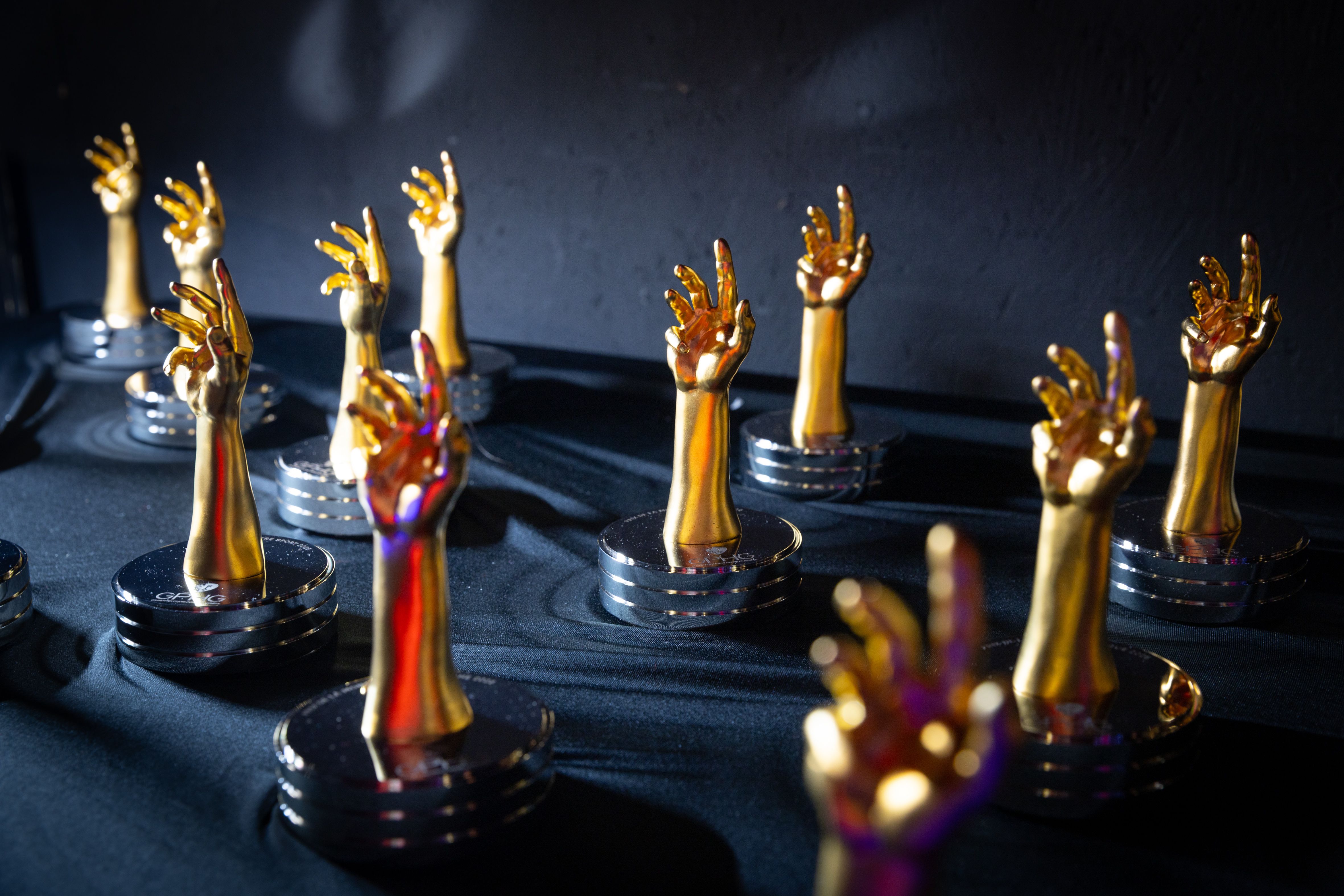
For watch lovers, this isn't just another awards ceremony. It's the night when the industry pauses to celebrate creativity, engineering and artistry. It is also the one evening when an independent watchmaker can stand shoulder to shoulder with the biggest names in Swiss watchmaking. That is why the GPHG has earned a nickname that almost everyone recognises: the Oscars of watchmaking.
The comparison isn't simply because there's a glamorous ceremony, trophies and applause. Like the Academy Awards, winning a GPHG instantly becomes part of a watch's story. Collectors remember it. Brands proudly engrave it into their history. Years later, auction catalogues still mention a GPHG victory as proof that a watch wasn't simply successful commercially, but respected by the people who know horology best.
So, What Exactly Is the GPHG?
The Grand Prix d'Horlogerie de Genève was established in 2001 with a simple but ambitious objective: celebrate excellence in contemporary watchmaking. Organised by the GPHG Foundation in Geneva, it was created to promote watchmaking as both an art form and a technical discipline while recognising the people and companies pushing the industry forward. Over the past twenty five years, it has evolved into the highest distinction a modern watch can receive, recognising everything from groundbreaking complications and artistic métiers d'art to accessible everyday watches and emerging independent creators.
One of the reasons I admire the GPHG is that winning isn't decided behind closed doors by a handful of executives. The process is surprisingly rigorous and has become even more democratic over the past few years. This year, in the spirit of gender neutrality has taken it a step further by eliminating gender based categories. Read more about this welcome change here.
Behind the Scenes: How a GPHG Winner Is Chosen
It begins months before the ceremony, when brands submit their watches for consideration. From there, the GPHG Academy takes over. Today, the Academy consists of more than a thousand members spread across the globe, including journalists, collectors, retailers, historians, educators, auction specialists, watchmakers and other respected figures from the industry. Their geographical diversity is deliberate. Rather than reflecting the opinions of one country or one market, the Academy represents how contemporary watchmaking is viewed across continents.
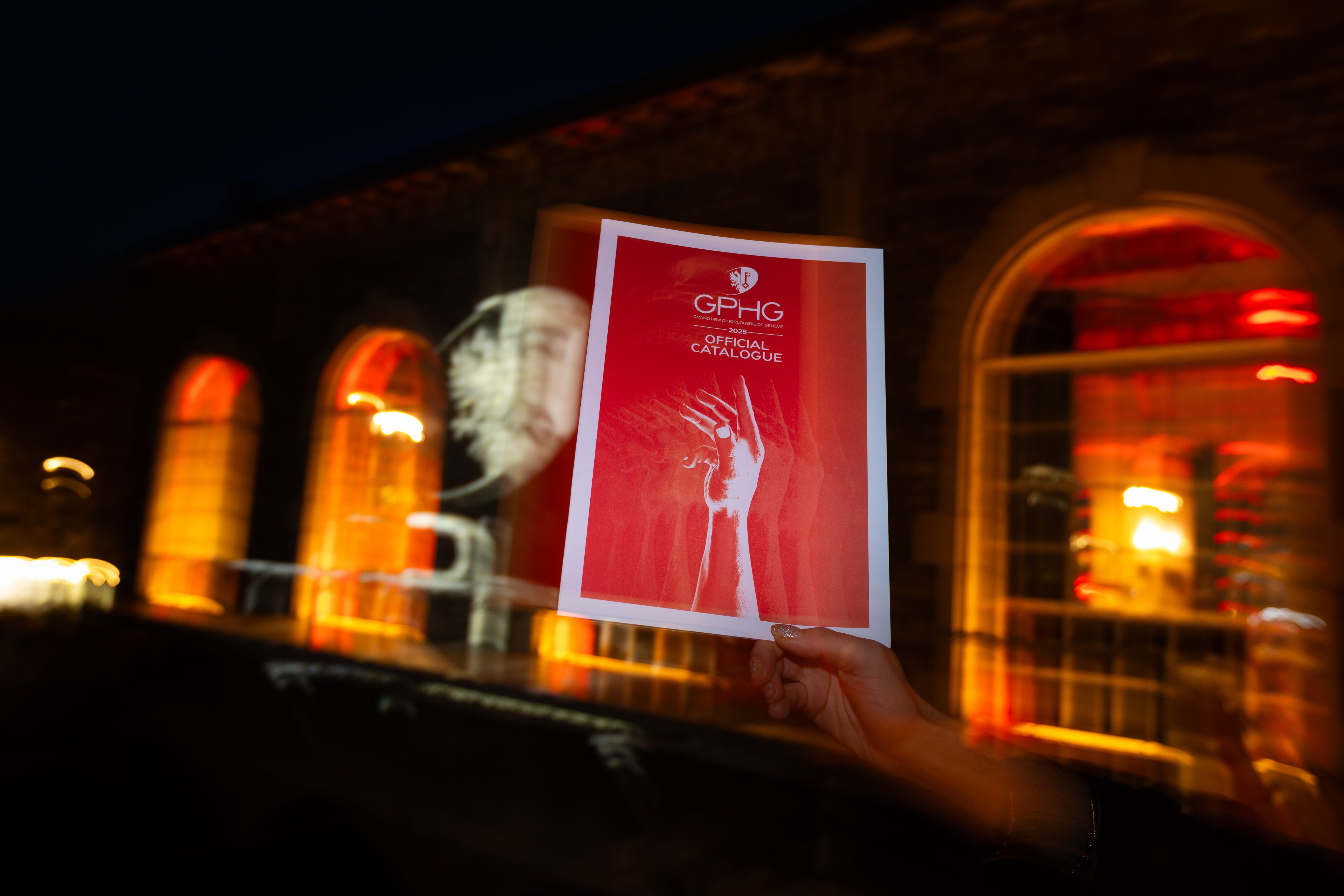
Each Academy member proposes watches they believe deserve recognition across the various prize categories. After submissions close, Academy members vote digitally to determine the shortlist. The result is a carefully curated selection of nominated watches that reflects a remarkably broad range of brands, price points and philosophies, from household names to independent ateliers.
But the process doesn't stop there. Once the finalists have been announced, a dedicated international jury meets in Geneva just days before the awards ceremony. The jury examines every nominated watch physically, discussing design, movement architecture, innovation, finishing, wearability, originality and overall execution. This isn't a beauty contest decided from photographs. Every watch is handled, inspected and debated in detail.

The final outcome combines the jury's confidential vote, conducted under notarial supervision, with a second digital vote by the Academy. The Academy's vote contributes one third of the final result, while the jury accounts for the remaining two thirds, striking a balance between broad industry representation and expert evaluation. That combination is what gives the GPHG its credibility. It isn't purely a popularity contest, nor is it the opinion of a small panel. Instead, it blends global perspectives with technical expertise, making every trophy genuinely difficult to win. And those trophies matter.
Why Winning a GPHG Changes Everything
Winning the famous Aiguille d'Or, the competition's highest honour, immediately places a watch among the defining creations of its generation. Even category victories can transform a brand's reputation. For independent watchmakers especially, a GPHG award often becomes international validation that leads to greater visibility, increased demand and a permanent place in modern horological history. Many collectors actively follow GPHG nominees because the shortlist itself often predicts tomorrow's icons.
This Year, the Spotlight Shifts to India
This year, however, the GPHG feels even closer to home. For only the second time, India will host the travelling GPHG Exhibition, with Mumbai welcoming the showcase from September 28 to October 1, thanks to Ethos Limited. The exhibition will bring the shortlisted watches from this year's competition to Indian audiences before the winners are announced, giving collectors and enthusiasts the rare opportunity to examine many of the world's most important contemporary timepieces in person. To know more details about this upcoming exhibition click here.
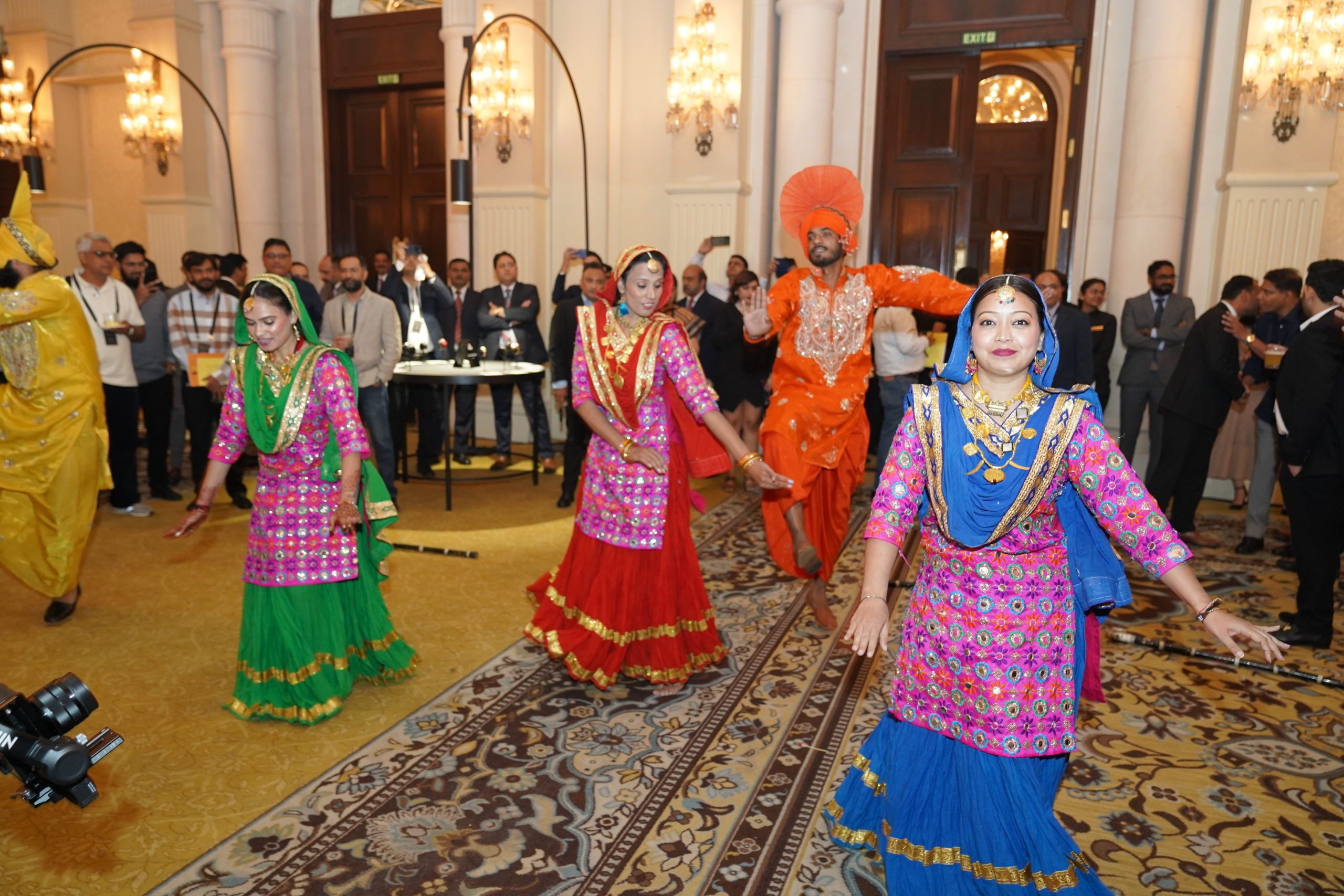
I think that's perhaps the strongest sign yet of how much India's watch community has evolved. A decade ago, it would have been difficult to imagine the world's most prestigious watch awards dedicating one of their global exhibition stops to India. Today, it feels entirely natural. Indian collectors are buying more sophisticated watches, independent brands are finding enthusiastic audiences here, and the country's influence within global horology continues to grow.
The GPHG has always been about recognising the very best in watchmaking. This year, it also reminds me that the conversation surrounding those watches is becoming increasingly global. And for those of us in India, that conversation is no longer happening somewhere else. It's happening right here.