A Brief History Of Credor And Its Debut At Watches And Wonders 2026
 6 min read

Credor, and Grand Seiko, since almost 10 years now have witnessed a very legitimate and well-deserved ramp-up in collector esteem and interest. It’s now at least widely understood that Seiko’s micro artist studio operates at Philippe Dufour or Romain Gauthier levels of quality. Coming from the broader Seiko family, Credor aggregates the best of the world and delivers high watchmaking products with a strong Japanese traditional reference via its movement architecture and dial designs.

Credor timepieces are all built by hand and no less an authority than Philippe Dufour himself was sought for consultation when Seiko Epson’s Micro Artist Studio was established in Shiojiri, Nagano Prefecture in 2000. Credor delivers a parallel experience and white glove quality that matches, and bests in some cases, the apex yield from a high-end independent.
Credor’s history is, at heart, the story of how a mass‑market giant quietly built an haute horlogerie atelier inside its own walls and then, for decades, declined to brag about it. It is also one of the clearest demonstrations that Japanese watchmaking did not merely survive the quartz crisis - in Credor’s case, it used it as a launch pad.
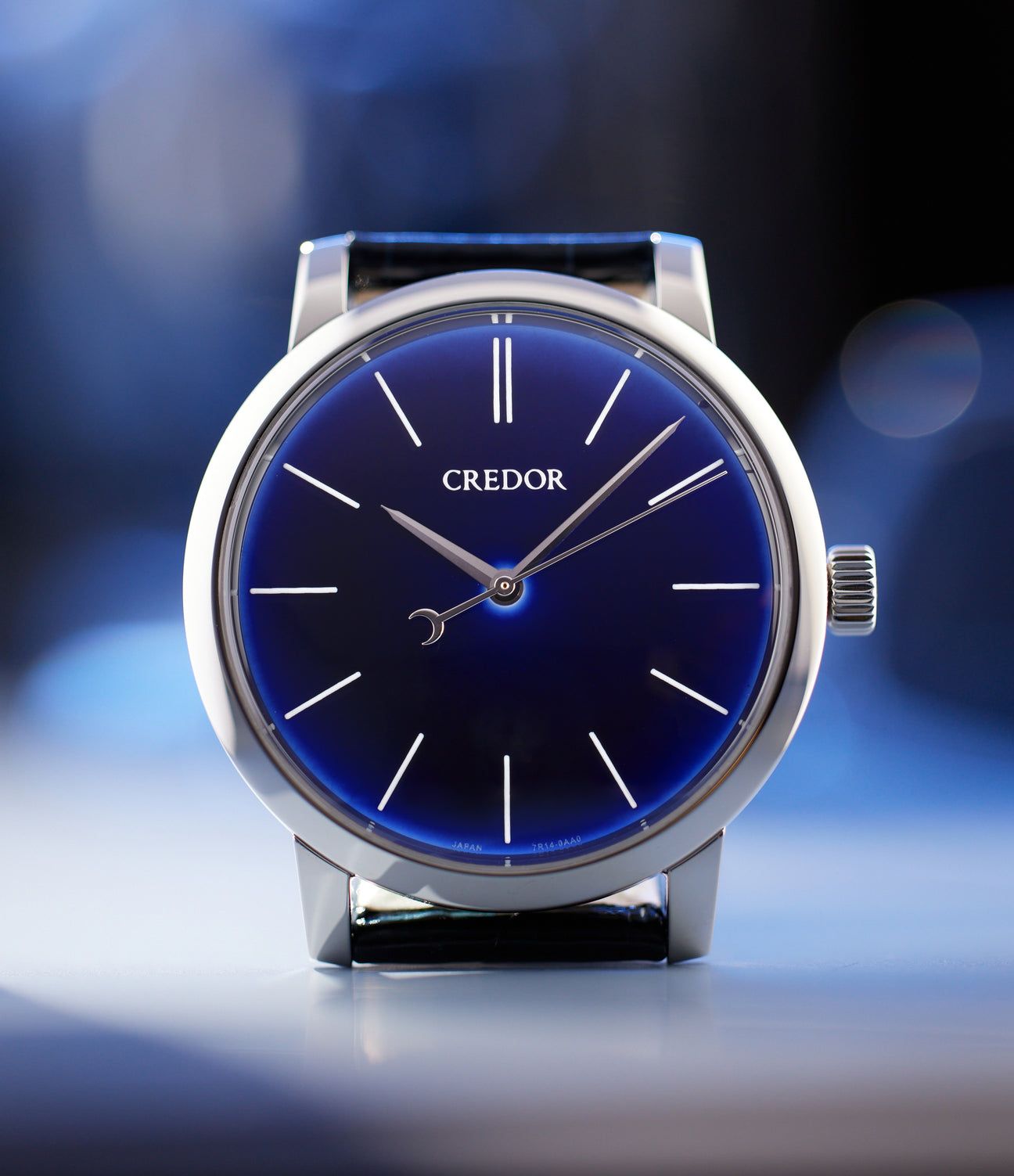
As Watches and Wonders gets bigger each year with new participants, for 2026, the list of new exhibitors also includes Credor. For a brand which, since its 1974 launch, has largely been available only in the Japan domestic market, showcasing Credor on a global stage will only amplify its recognition and the appreciation for its distinct charm.
From “Crêt D’or” To Credor
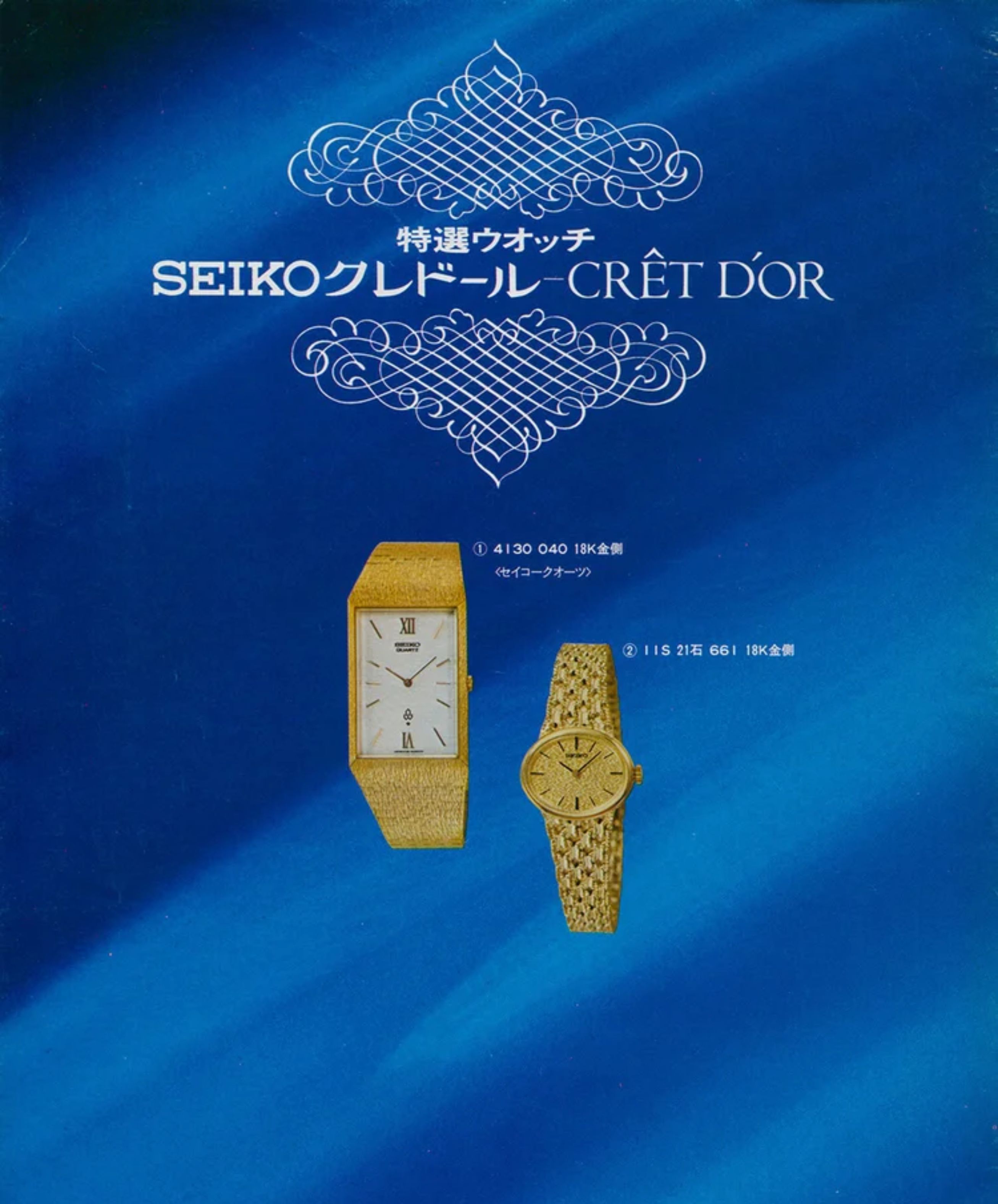
The Credor story begins in 1974, not with a standalone entity, but as a rarefied sub‑collection inside Seiko’s Japanese domestic catalogs. The name itself came from the French “Crêt D’or” - “pinnacle of gold” - and the mandate was explicit: precious‑metal cases, top‑tier finishing and a level of refinement that would sit above the already ambitious Grand Seiko of the era.
In the mid‑1970s, these pieces appeared in the “Special Watches” sections of Seiko’s JDM catalogs, their dials signed simply “Seiko,” with the “Crêt D’or” or “Seiko Credor Quartz” designation confined to catalog text in katakana. Dedicated Crêt D’or catalogs followed by 1975, presenting around 70 models that ranged from ultra‑slim dress pieces to elaborate bracelets, all in precious metals and sold through select dealers. The branding “Credor” in Roman letters, and with it the shift from collection to proto‑brand, appeared in late 1978, with some new models finally bearing “Credor” on the dial.
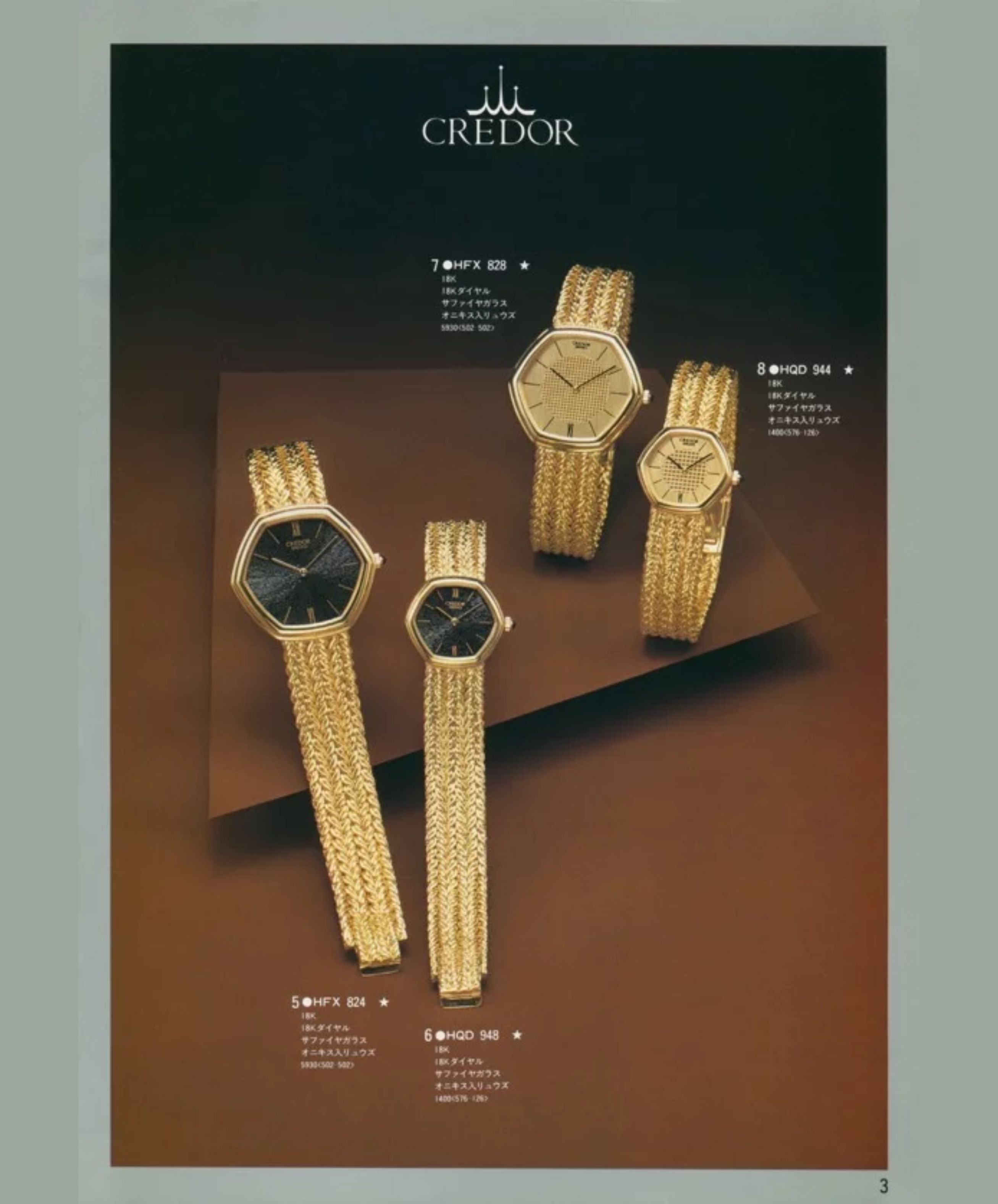
The modern Credor logo - three stars above a stylized mountain, arrived in 1980 and codified the identity. Officially, the form abstracts the kanji for mountain, the base widened and softened to evoke stability and the richness of gold, the three stars marking the triad of Credor’s founding tenets: original, distinctly Japanese design - advanced, precise manufacturing, and the preservation of artisanal craft built over more than a century of Seiko watchmaking. It was a visual manifesto: this was to be the “golden apex” of the corporation’s capabilities.

A Japanese Answer To Swiss Decline
The timing of Credor’s birth is not incidental. The 1970s were the decade in which quartz technology, much of it pioneered by Seiko, upended Swiss mechanical hegemony. Seiko’s own leadership understood that quartz need not mean disposable or prosaic - the Crêt D’or/Credor program was a deliberate attempt to demonstrate that electronic precision could be married to precious materials, traditional finishing and jewelry‑level execution.
In those early years, the offering skewed heavily quartz, with Credor‑designated models in gold and platinum carrying high‑grade quartz calibers as well as ultra‑slim mechanicals like the 68‑series. Distribution was overwhelmingly domestic: Credor existed for the Japanese collector.
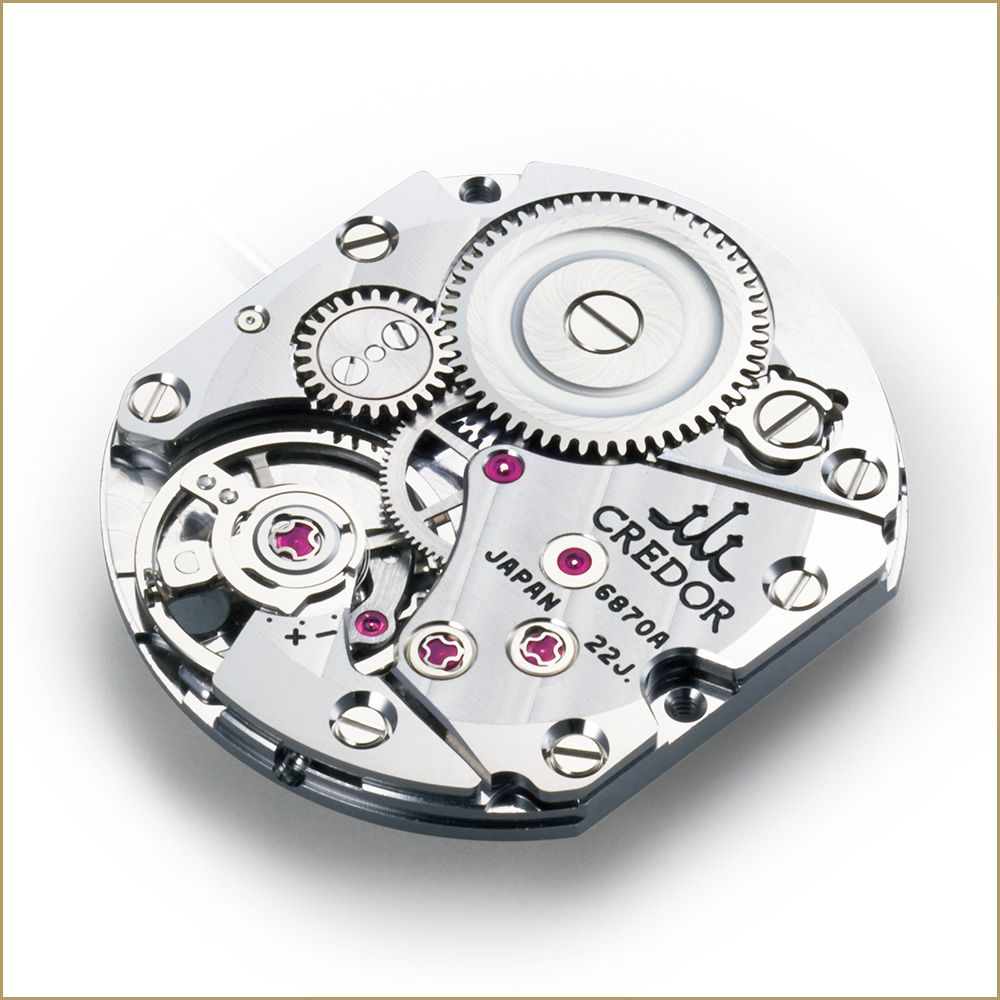
Crucially, Seiko did not try to export Credor as a volume play. Where Grand Seiko’s grammar of design sought precision and practical beauty in watches that could be worn daily around the world, Credor was, from the outset, positioned as an atelier for the elegant, the ultra‑thin and the overtly artistic. In the years when many Swiss factories were shuttering, Seiko was quietly building, inside Credor, the tooling and talent that would later support true complications and artisanal craft on par with the best of Europe.
Spring Drive And The Birth Of Japanese Haute Horlogerie
The modern perception of Credor as Seiko’s haute horlogerie arm crystallized with the arrival of Spring Drive and the creation, in Shiojiri, of the Micro Artist Studio. Spring Drive first reached the market in 1999 in two Seiko‑branded references, accompanied by a platinum Credor.
In 2000, Seiko Epson’s Shiojiri plant created the Micro Artist Studio with a clear mandate: preserve and extend the very highest levels of watchmaking skill inside the group. Technical experts from across disciplines gathered there to build, by hand, the most complex and refined watches Seiko had ever attempted, including a Spring Drive Sonnerie, a Spring Drive Minute Repeater and, subsequently, the Eichi and Eichi II. Watchmaker Yoshifusa Nakazawa, a World Skills Olympics champion in watch assembly and repair, joined the Studio in 2005 to lead complication assembly.
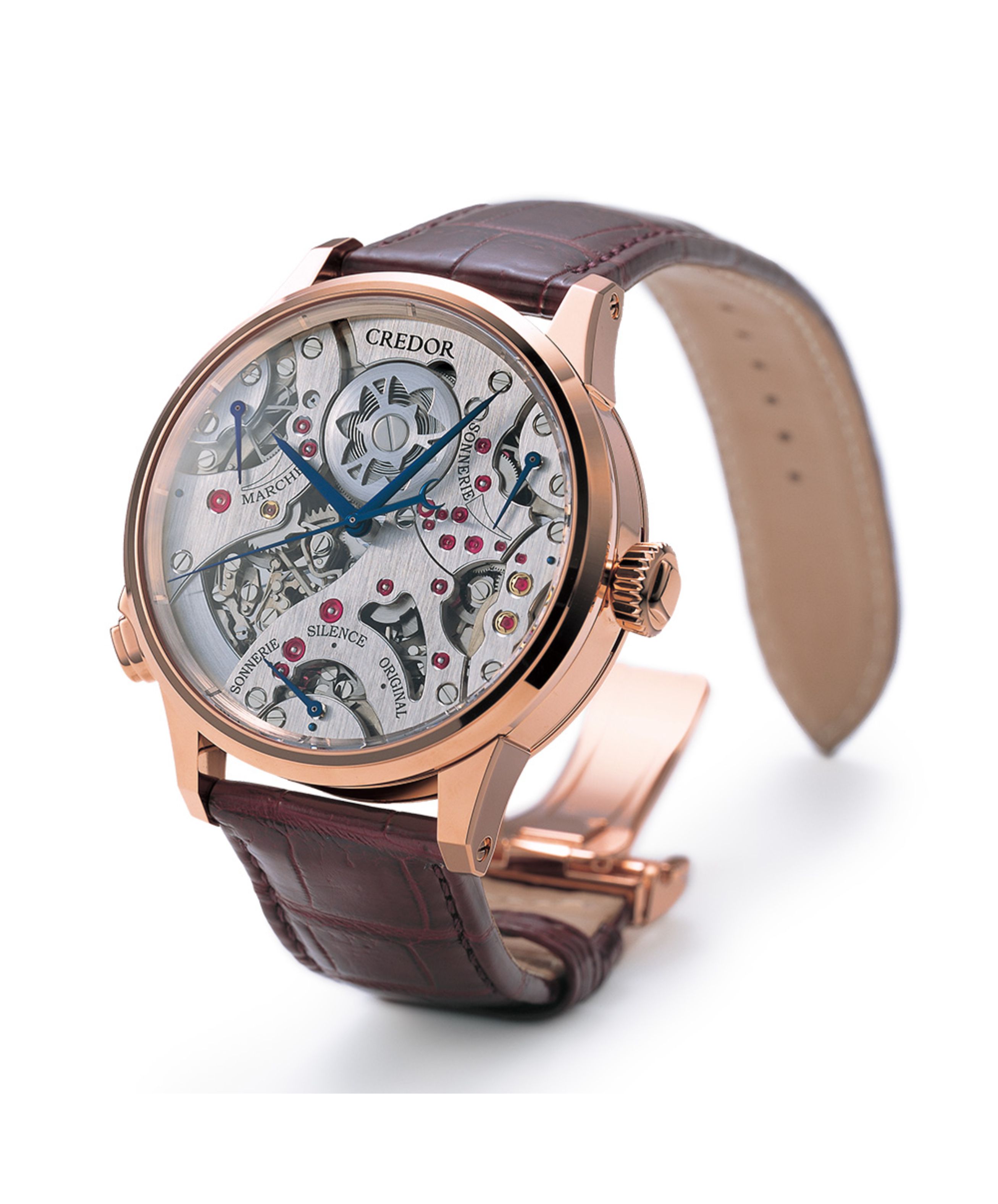
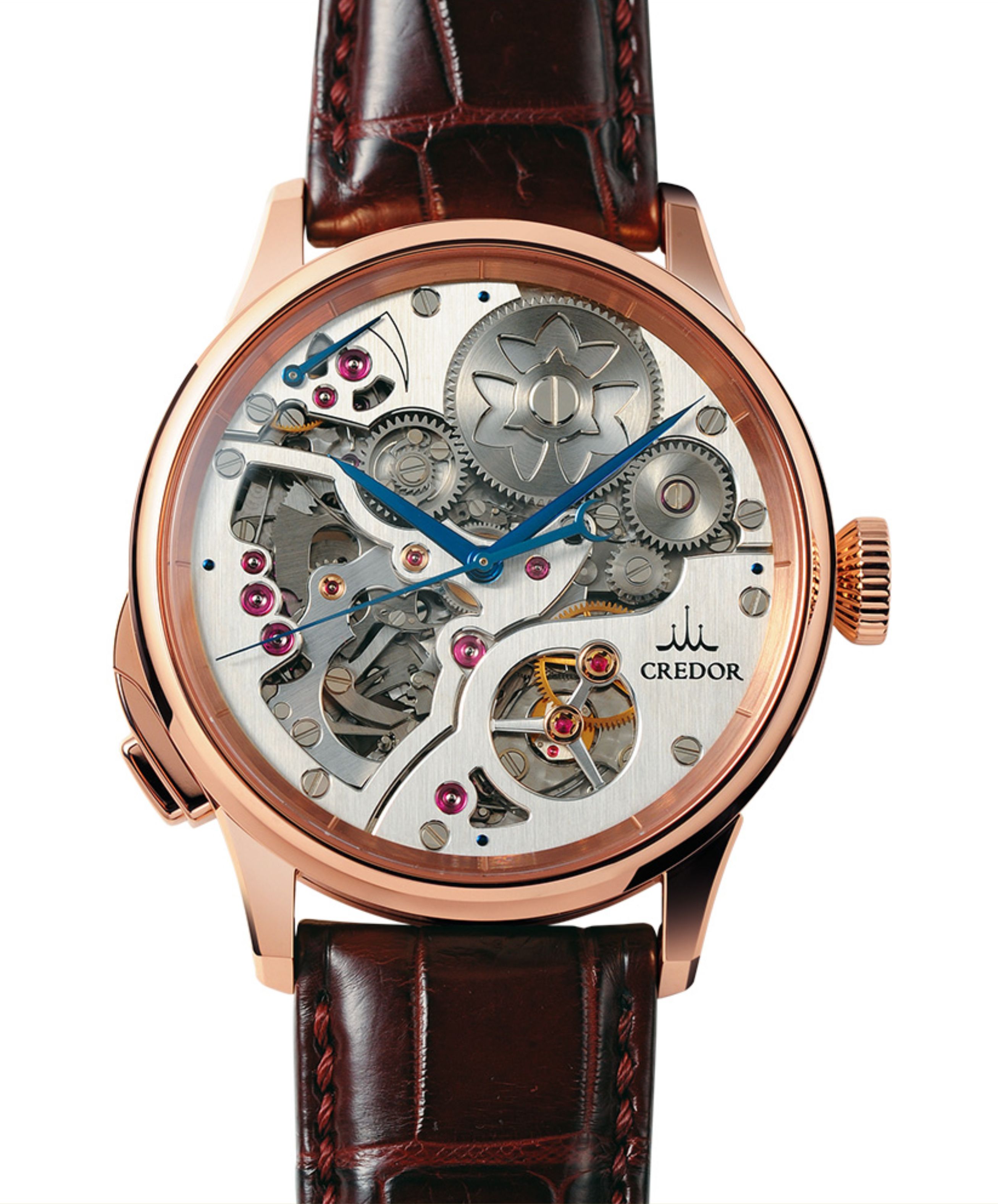
The Node Spring Drive Sonnerie, launched in 2006, represented Japan’s first domestically produced chiming complication wristwatch, using a Spring Drive caliber. A Spring Drive Minute Repeater followed in 2011 for Seiko’s 130th anniversary. In these pieces, Credor functioned as the stage on which Seiko could show that it did not merely understand the codes of haute horlogerie, it could reinterpret them through a Japanese lens.
Eichi And Beyond
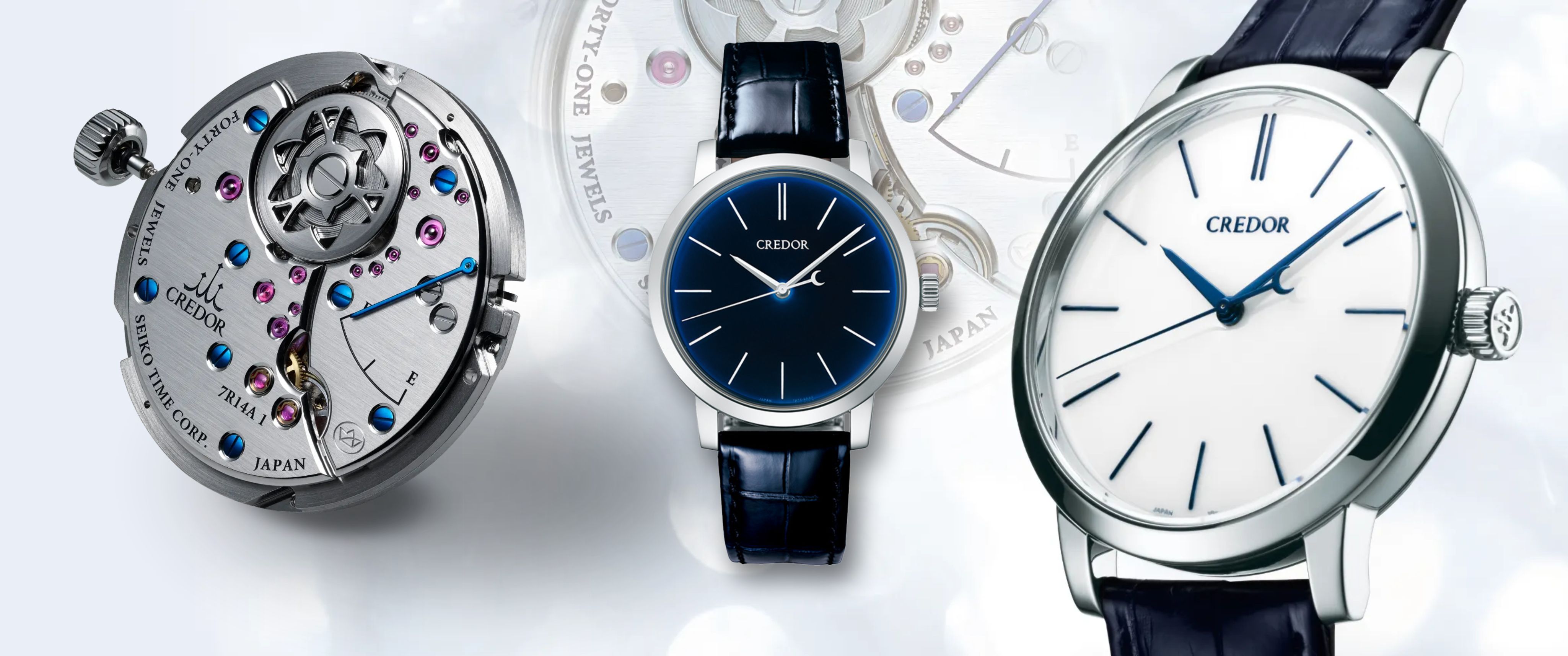
Nowhere is that reinterpretation clearer than in the Credor Eichi series. The original Eichi (2008) introduced the Torque Return System on the 7R08 calibre, enhancing energy efficiency and smoothing torque delivery, but it was the 2014 Eichi II that truly fixed global attention on Credor. The Eichi II pared the design back to almost nothing: a flawless white porcelain dial, heat‑blued hands, and hand‑painted logo and indices executed by a specialist who can complete only around one dial per day.
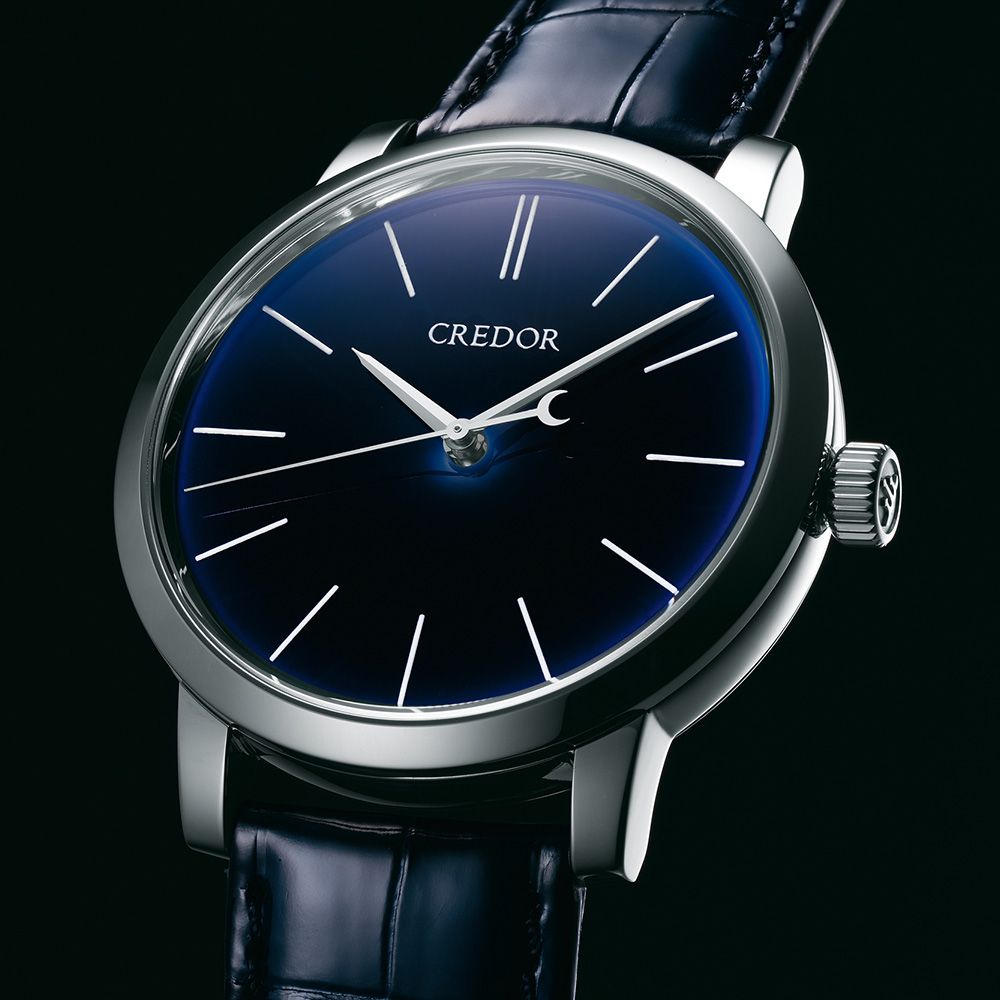
The porcelain itself is made from 100% alundum, yielding a distinctly bright whiteness. Underneath, the 7R14 movement displays a level of finishing - broad, perfectly even anglage, mirror‑polished bevels, a bellflower‑shaped openworked barrel referencing the gentian of Shiojiri - that has been credibly compared to the work of Philippe Dufour, albeit with a clearly Japanese sensibility in the shapes and motifs. Even the tools - the gentian wood sticks used for polishing, the cosmetics‑grade brushes from Hiroshima used for painting - are custom‑sourced and prepared to suit the Studio’s purposes.
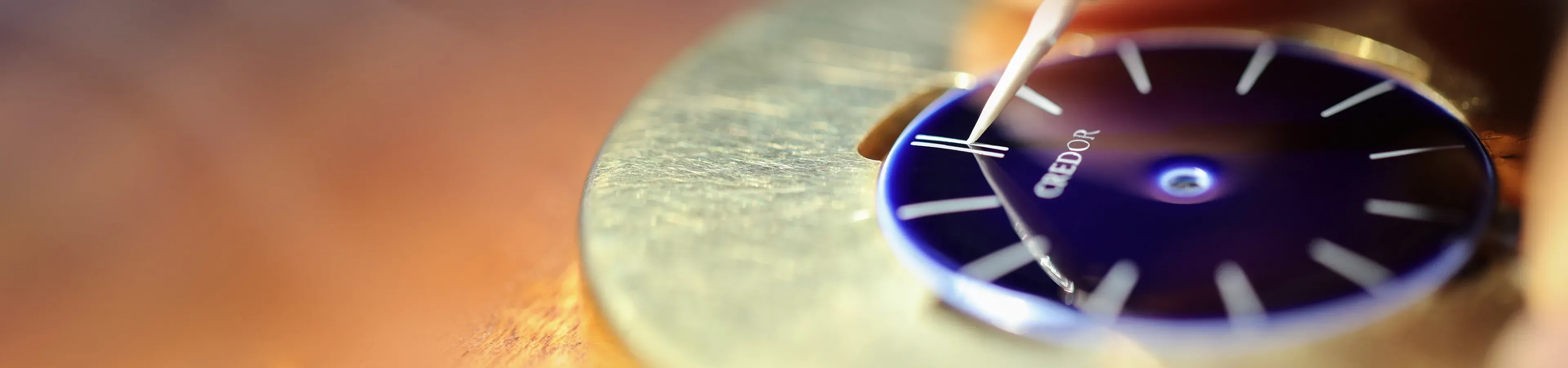
Even at more accessible price points, Credor uses techniques that most brands reserve for six‑figure showpieces. It is precisely a refusal to dilute artisanal content, even in smaller references, that has made Credor such a cult object among informed collectors.
A Carefully Widened Stage
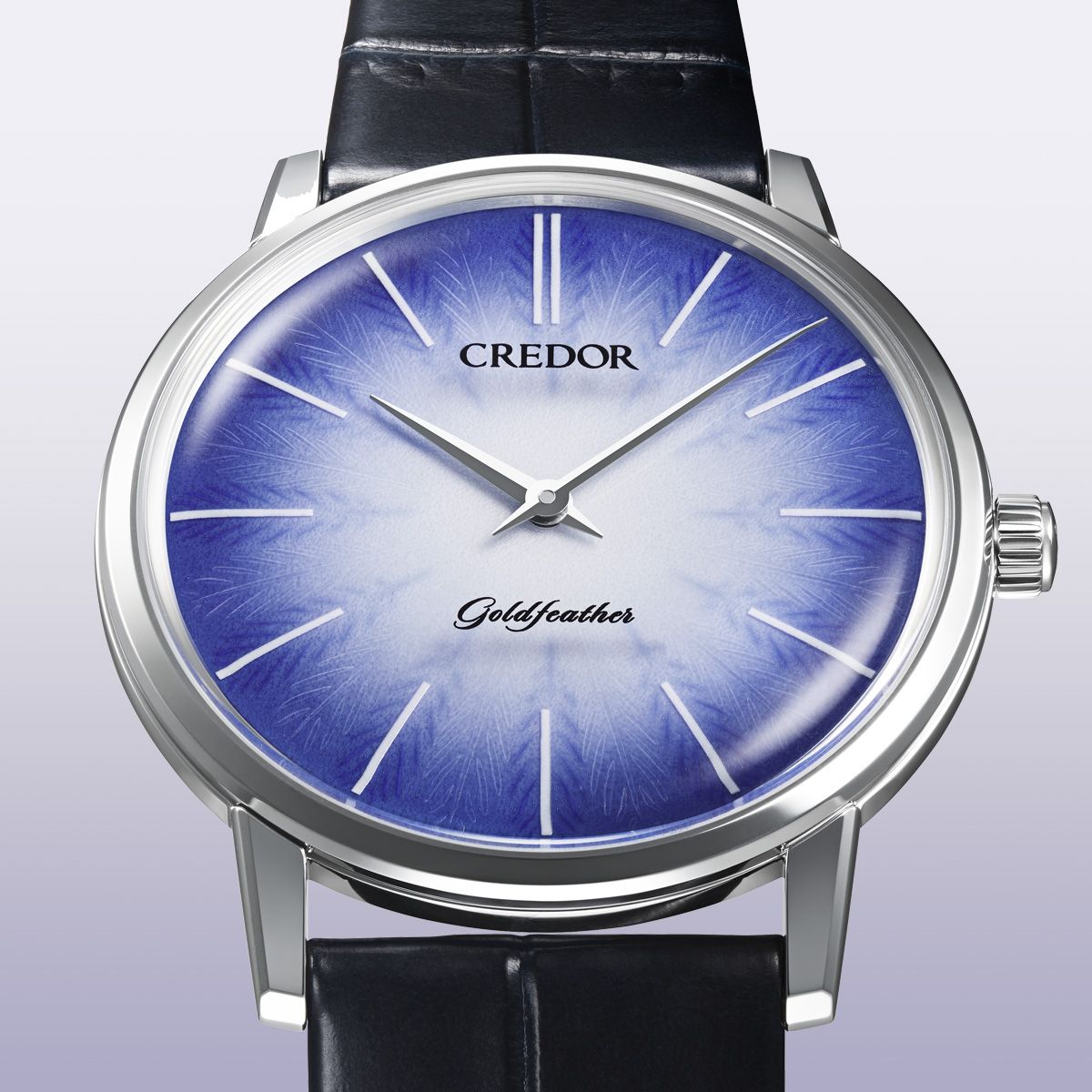
Currently, Credor’s catalog showcases three collections: Masterpiece, composed of an Eichi II trio, Goldfeather, featuring slim and skeletonized slim watches, as well as a tourbillon model, and the Locomotive, a single model collection of an originally Gerald Genta designed watch, relaunched in 2024.
For a brand that spent most of its life ignoring international demand, Credor has recently begun to lift its gaze beyond Japan - on its own terms. An English‑language website arrived only in the mid‑2020s, and the brand’s exhibit at Watches and Wonders 2026 is a significant move reinforcing that shift.
Inside Japan, Credor remains what it has always been: the apex of Seiko’s pyramid for precious‑metal watches, elaborate jewelry pieces, and watches that merge traditional craft with advanced technology. Outside Japan, it is finally emerging from the veil, not as a volume contender, but as something rarer: a fully realized haute horlogerie culture that grew almost in parallel with Switzerland rather than as an offshoot of it.
The first fifty years have taken Credor from an invisible catalog to hand-finished masterpieces assembled in a studio where the intimacy of handcrafted artistry is exhibited in superlatives.