What The Massive Gold Rally Means For Watch Brands And Buyers?
 6 min read

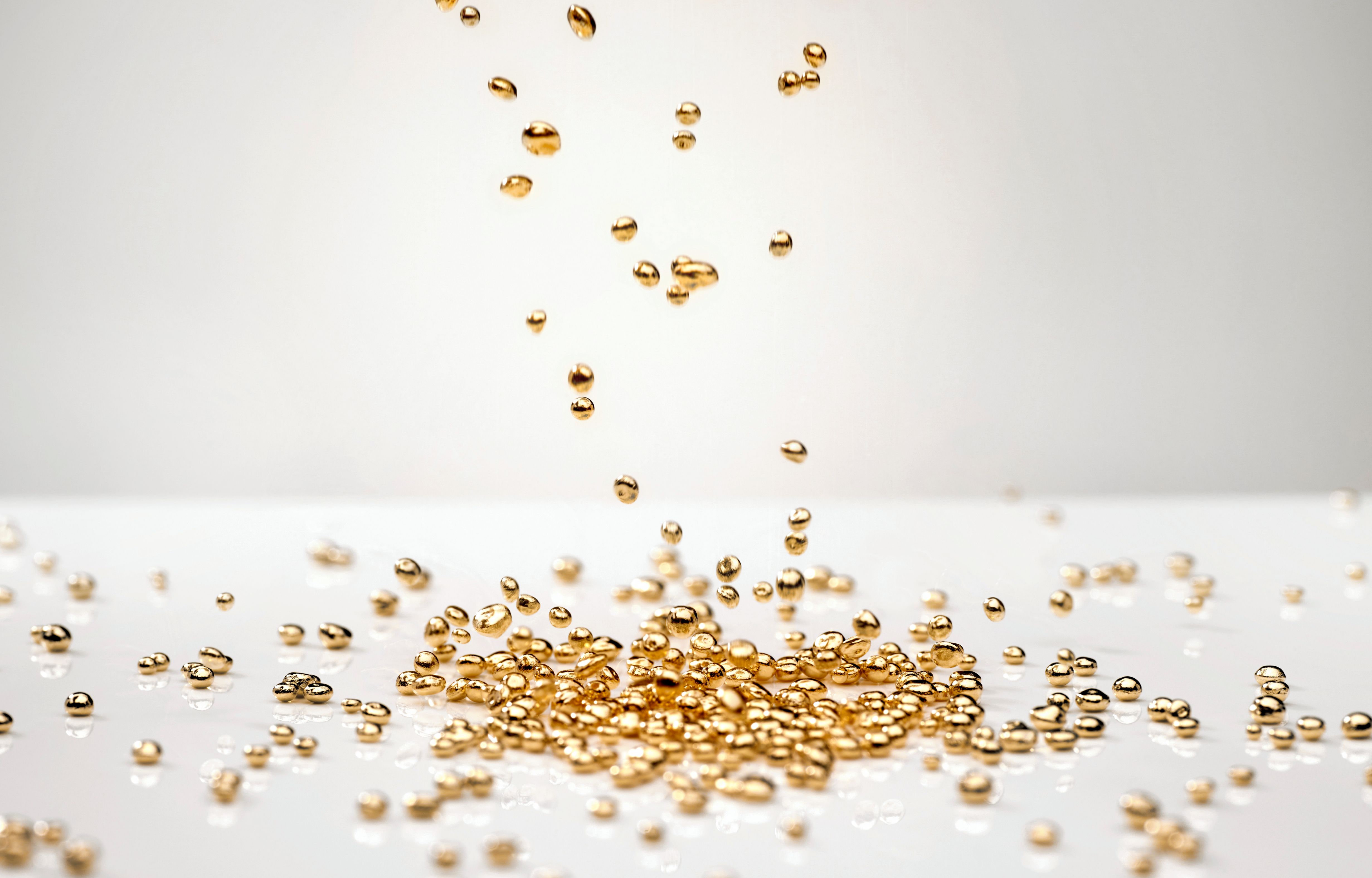
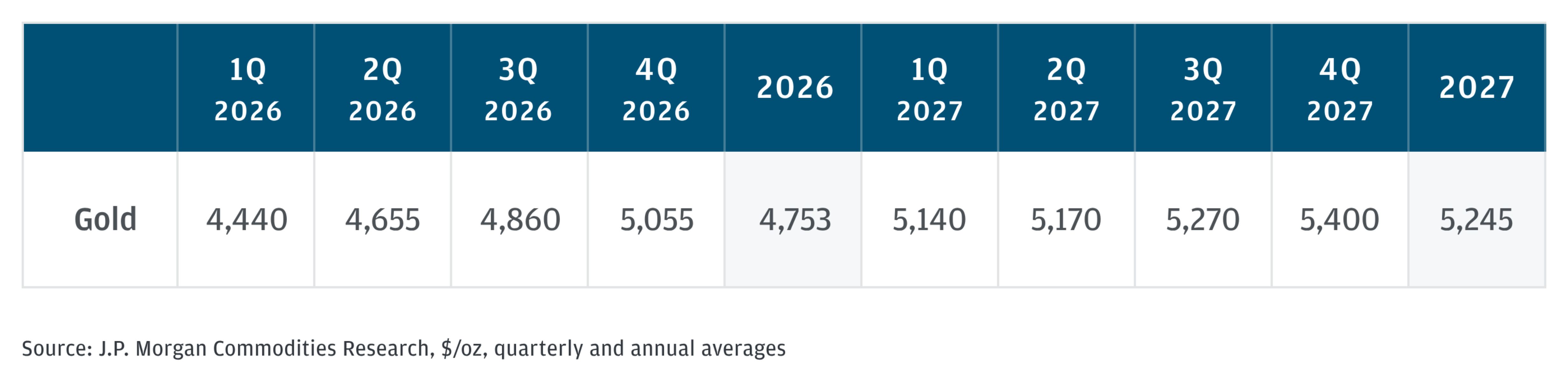
The truth is gold isn’t the best asset considering long-term investments. Also, gold tends to shine the brightest only when there are certain specific economic conditions. These conditions mostly arise from geopolitical uncertainty, periods of high inflation, and market downturns, hence making gold more valuable as a portfolio hedge rather than a primary growth investment.
The returns from gold, as opposed to stocks and bonds which generate income through dividends or interest, come solely from price appreciation. That’s actually what affects its long-term return potential.
While gold is an excellent tool for portfolio diversification and hedging against inflation, it generally underperforms more productive assets like stocks over the long term. That’s why it’s generally recommended to limit gold to 5-10% of your total portfolio to manage volatility during economic downturns.
But all of this doesn’t stop gold from being a pivotal economic discourse, especially when it’s reaching record high prices. As of today, i.e. May 15, the price of 10 grams of 24-karat gold in India is approximately ₹1,61,978. Exactly one year ago, the same quantity traded at ₹91,555.
Now where does all of this, and more importantly the declining rupee which will follow, leave us in regards to the luxury watch market in India. We’ll analyze the state and behavior of the impact, but first this.
The Rupee’s Slump
The Indian Rupee (INR) is currently trading at a record low against the US Dollar (USD), hovering near the ₹95.70 level. The currency has depreciated by over 11% against the dollar in the last 12 months. It has been Asia’s worst-performing currency in FY26, according to a report by The Economic Times. The Rupee has lost 5% so far since the US-Iran conflict to reach this record low. While a currency’s weakness isn’t always reflective of a bad economy, but often, it relates to global dynamics which can broadly be thought of as “Trade Deficits.”
For this, let’s try to understand India’s position as an exporter and an importer. India as a net importer, imported ~$980 billion worth of goods and services while exporting worth of ~$870 billion. This left the country with a deficit of ~$110 billion. Out of the imports, the two major are crude oil (~$130B) and gold (~$72B). Gold being an unproductive asset doesn’t essentially add anything to the economy in a way crude oil does by powering almost every major sector.
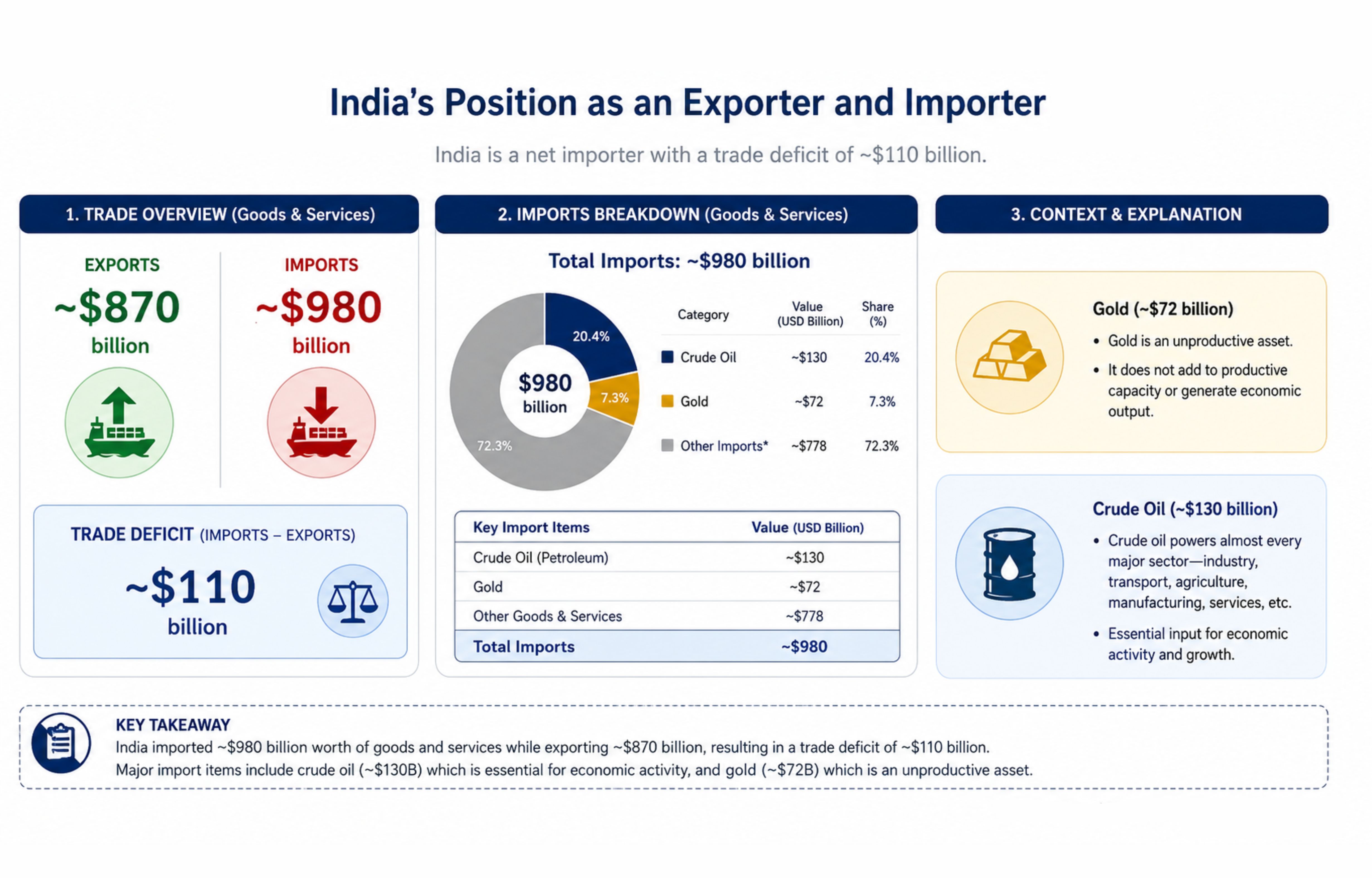
India imports more (especially oil and gold) than it exports. To buy these, we must sell rupees and buy dollars, creating downward pressure on the Indian currency, since the demand for USD increases that stands strong against INR. With more imports strengthening the dollar while weakening the rupee, and with crude oil prices rising as a result of the global conflicts (Brent crude surged from roughly $70-$80 per barrel before the US-Iran war to a recent peak of over $120), the rupee has weakened to its record low.
India’s Luxury Watch Appetite
According to the report by Federation of the Swiss Watch Industry FH, Swiss watch exports in March fell by 1.0%. Crucially, the value of exports was hit by a 4.0% decrease in watches made from “precious metals.” For the month of March 2026, the Swiss watch exports to India were at CHF 32.7 million, showing a 56.6% positive variation for the same month last year. So, while it definitely affects the economy, the Indian appetite for luxury is virtually unaltered by the current geo-political and financial volatility. Also, according to the World Gold Council, gold imports to India surged by 58 percent year-on-year in the first quarter of 2026 to 186 tons despite the record prices. However, this was driven largely by investment demand rather than jewelry consumption.
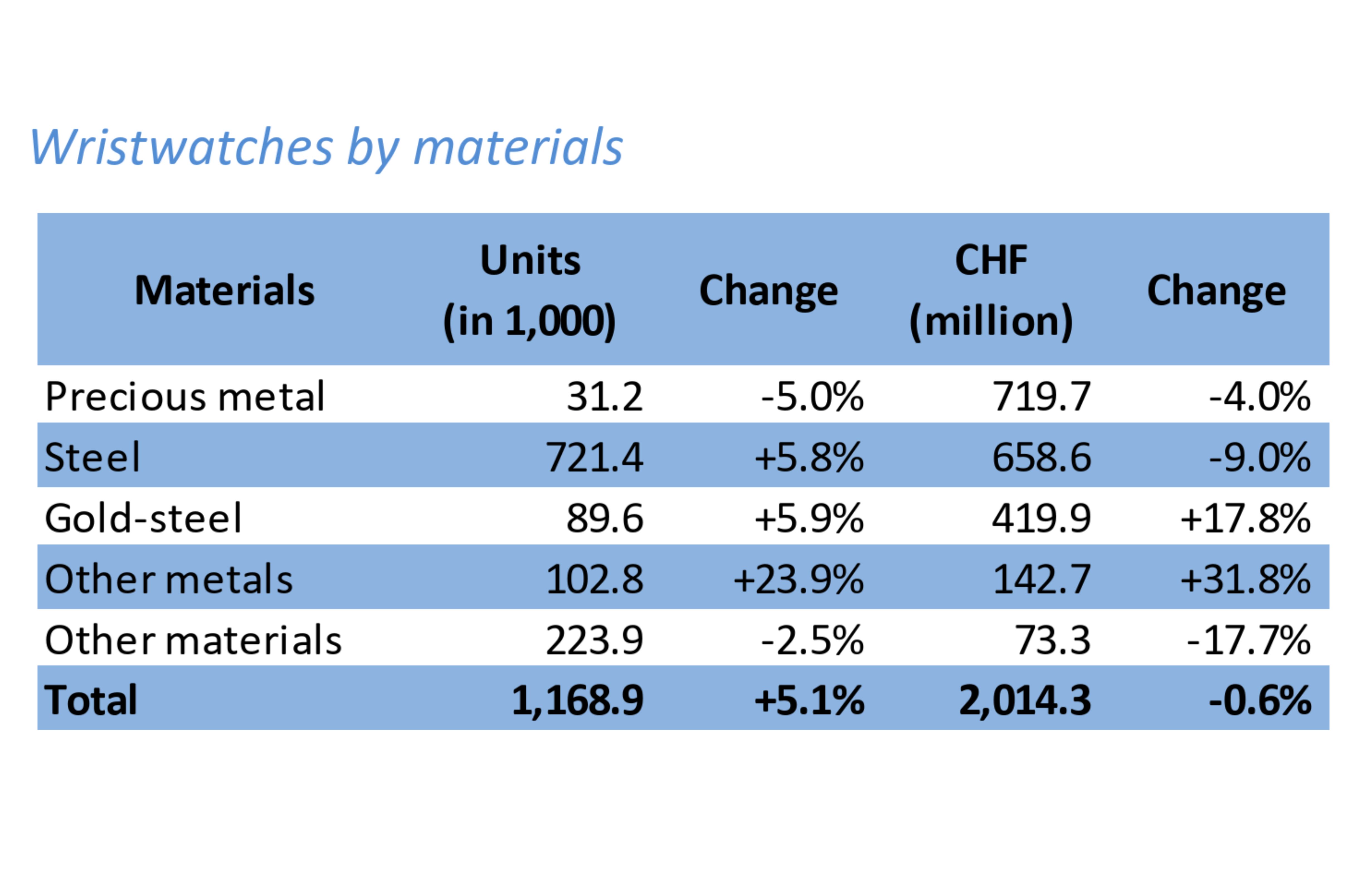
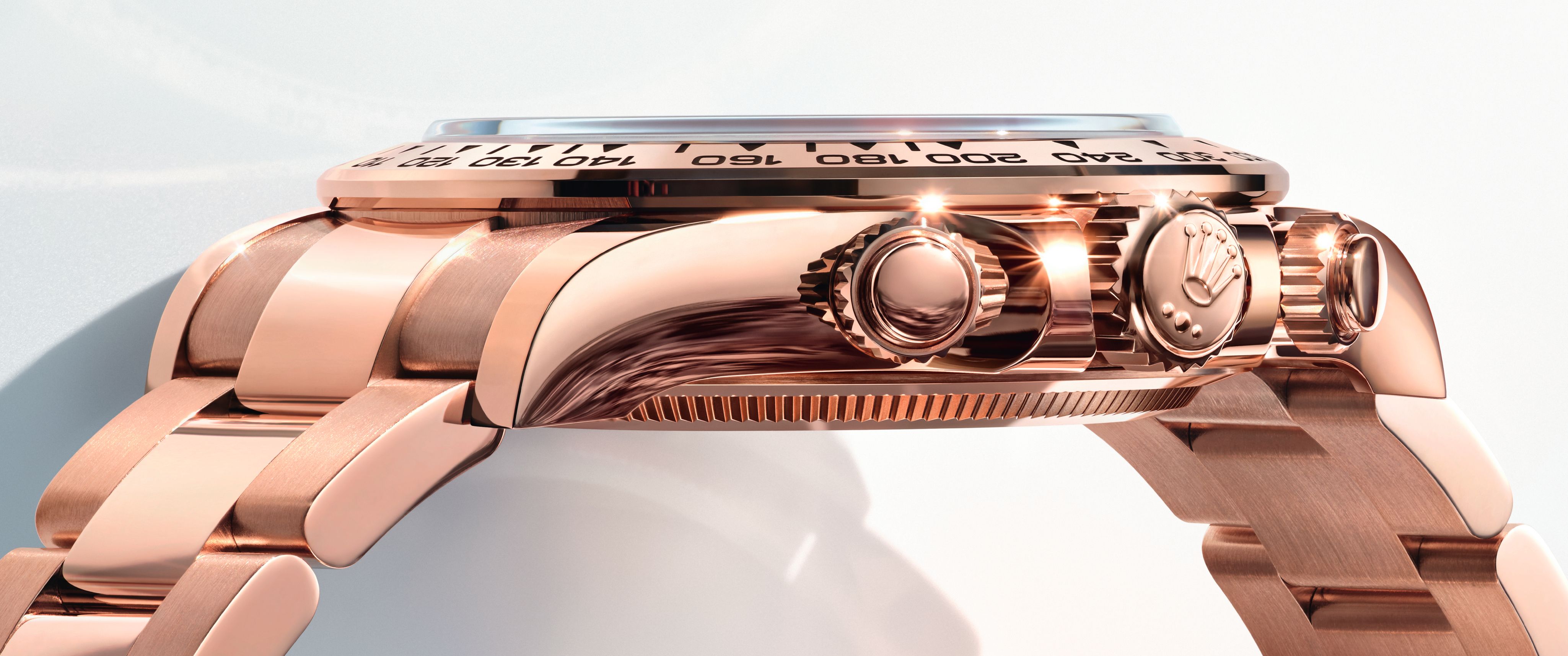
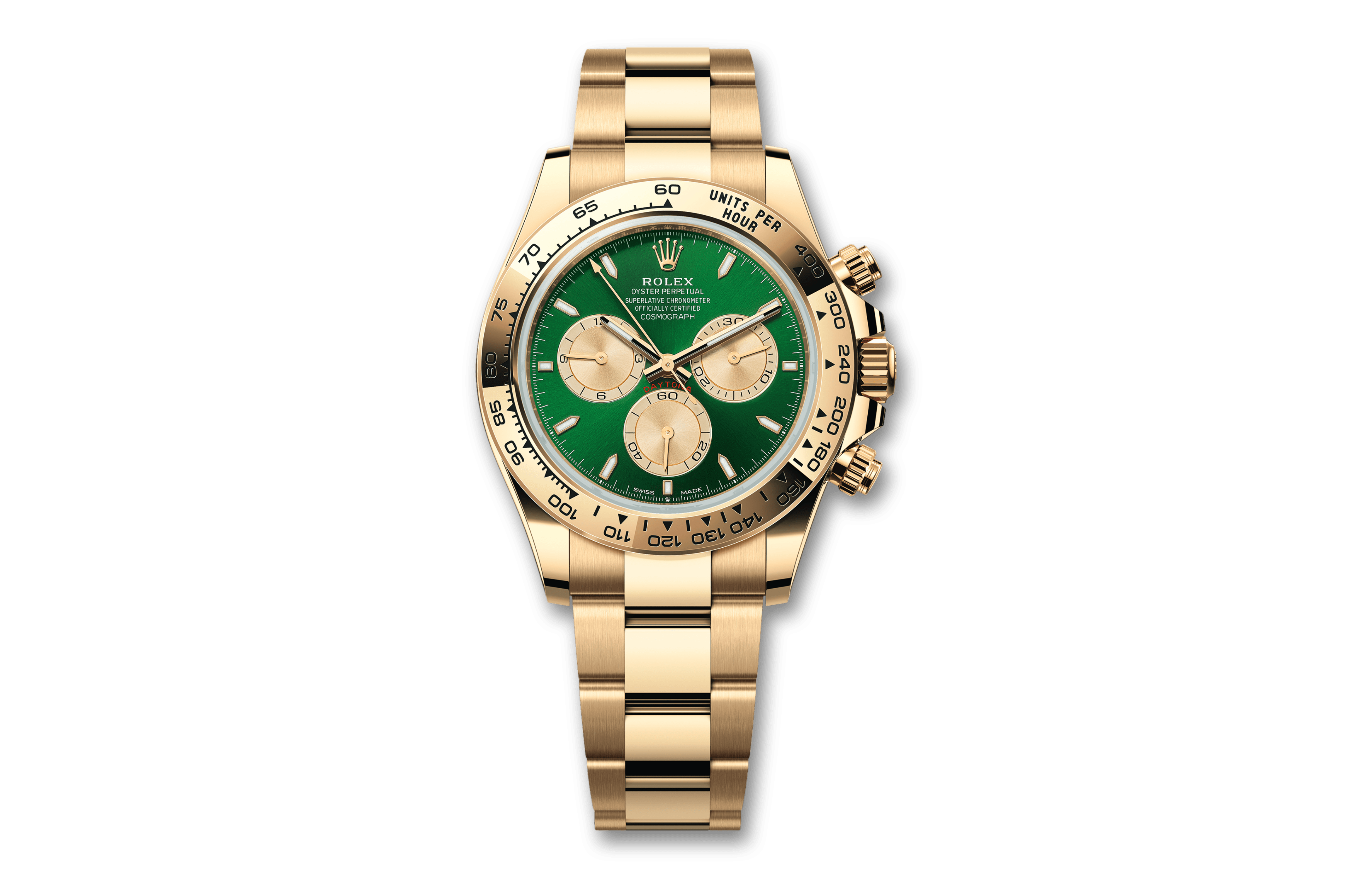
Despite the dip in export of precious metal watches for March, many Swiss brands, particularly Rolex, continue to focus on their gold models. Despite gold reaching a new all-time high, for the third year in a row, Rolex has centered much of its 58-reference novelty collection for Watches and Wonders 2026 around the metal. At the same time, Rolex increased the prices for its solid gold and two-tone/Rolesor models by ~8.9% and ~8.4% respectively for the 2026 model year in the Indian market. The price hike, or as the watch world calls it - “premiumization,” is a dominant industry trend and the rising cost of gold is in part attributed to the same. In 2020, a yellow gold Rolex Daytona retailed for around ₹36,63,000. As of 2026, the same watch is available for ₹48,78,000 - a substantial price increase that’s, in a major part, linked to the gold price surge.
Remember, Switzerland remains the world’s largest importer of gold by value. However, Mainland China and India are its largest consumers.
| Rolex Model Type | Average Price Increase in 2026 (percentage) |
| All Models | 8.2% (approx.) |
| Stainless Steel | 6.7% (approx.) |
| Two-Tone / Rolesor | 8.4% (approx.) |
| Solid Gold | 8.9% (approx.) |
| Platinum | 7.6% (approx.) |
| High Jewelry | 9.2% (approx.) |
India Hikes Tariff On Gold
On May 13, India, the world’s second-largest gold consumer, raised tariffs on gold and silver to 15% from 6% in a bid to curb imports and ease pressure on its foreign exchange reserves. This marks a renewed attempt to shield the country’s economy amid rising crude oil prices and the consequent strains on the country’s current account balance. This crucially comes at a time when, as already discussed, the rupee has weakened sharply against the dollar.
As higher tariffs increase domestic gold prices, this could mean weaker consumer demand and could even affect the sales for gold watches in the market, the prices of which could go up owing to the hike in duty.
Effect On Consumer Behavior
A higher price for gold naturally results in higher retail prices for watches made of gold. But there’s some sort of a taste-led surge in interest for gold watches, which is another trend in revival especially in the Indian market with its traditional affinity for gold. Gold in India has been a perpetually desirable entity. Despite gold watches representing a small percentage of what the brands, particularly Swiss, sell, they account for a disproportionately large share of export value.
Some of the brands, which now face tighter margins and volatile gold prices, are inevitably scaling back their precious metal models, shifting instead toward alternative materials of interesting properties. As what’s scarce is very desirable, gold watches could become even more in-trend, especially if the metal stays at elevated levels and there’s a limit in production of new gold watches.
While it could elevate their status even further, it consequently stretches the entry barrier for gold watches, making them less accessible to new buyers. Thus, brands which frame luxury in aspects beyond the appeal of gold and other precious metals, focusing on technical or aesthetic nuances, benefit from a strengthened appeal.
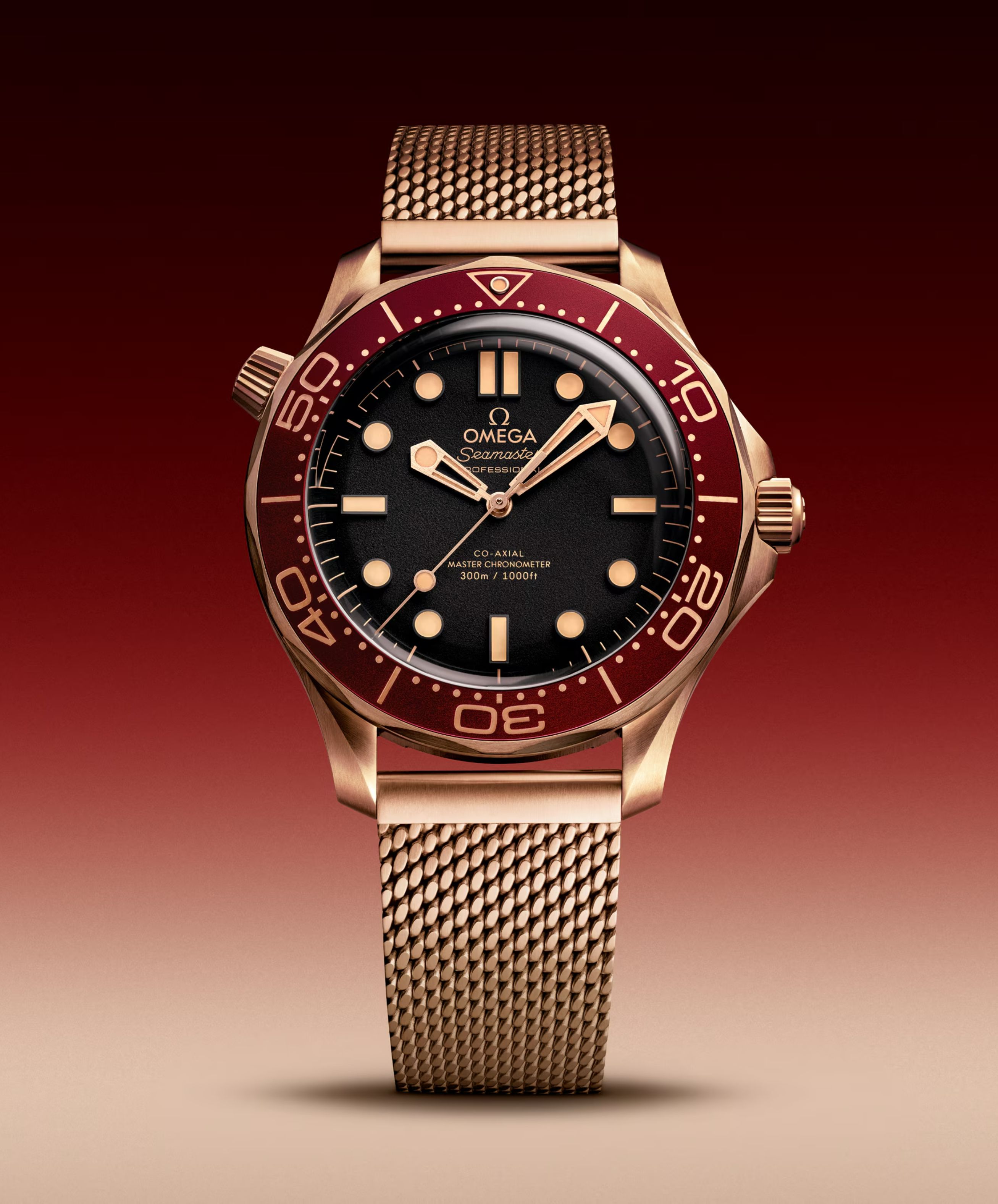
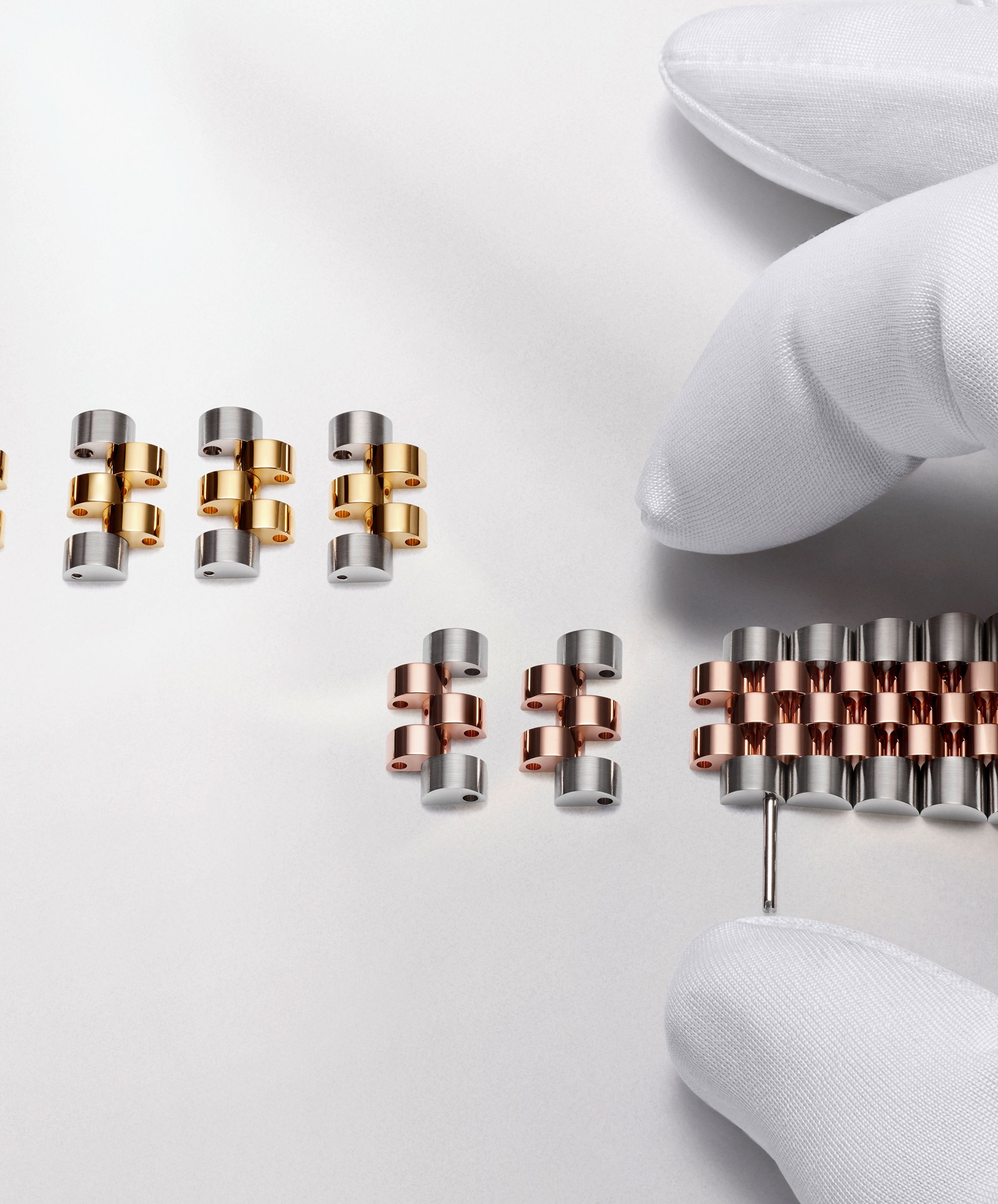
With gold watches retailing for far higher, a consumer alternative emerges in the form of lower-purity gold. While the current standard is 18K, which accounts to 75% purity, more proprietary gold alloys, such as Omega’s Bronze Gold, which is a 9K alloy with 37.5% gold are emerging as alternatives. Not only do such alloys cost less to produce and can sell for substantially less, they are favorable in terms of durability as well. Also favorable is the popularity of two-tone or bi-metal watches.
While the surging prices of gold represents a challenge for watch brands chasing ultimate luxury, what remains undeniable is the persistence of gold as an eternal element of status and luxury.


