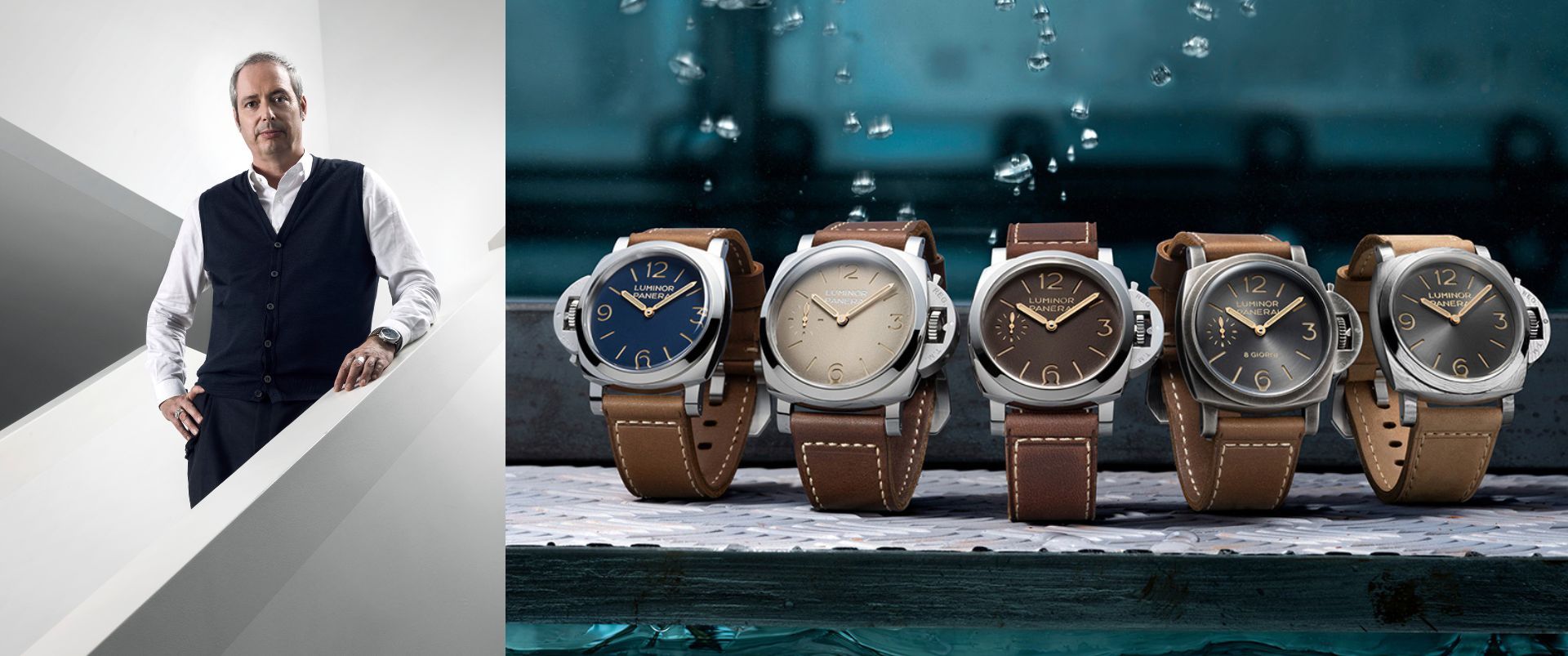
Jérôme Cavadini On Useful Complications And Why Panerai Refuses To Become A Dress Watch Brand
 7 min read

At a time when the luxury watch industry is increasingly leaning into ultra-thin dress watches, visually extravagant complications and highly polished classicism, Panerai appears to be moving in the opposite direction. The Florentine watchmaker is doubling down on what made it iconic in the first place: purposeful design, military-rooted functionality and robust engineering. According to Jérôme Cavadini, COO, Panerai, that clarity of identity is exactly what continues to resonate with collectors today.
Speaking about the brand’s direction over the past year, Jérôme explained that Panerai’s recent strategy has not been about radical reinvention, but thoughtful evolution. Rather than chasing trends, the maison focused on refining its core collections and enhancing the customer experience without disrupting the clean, recognisable aesthetic that defines the Luminor. “We presented a strategy last year based on redressing the iconic models in a way to improve the customer experience while keeping the design very clean on the Luminor Marina. And that was a success.”
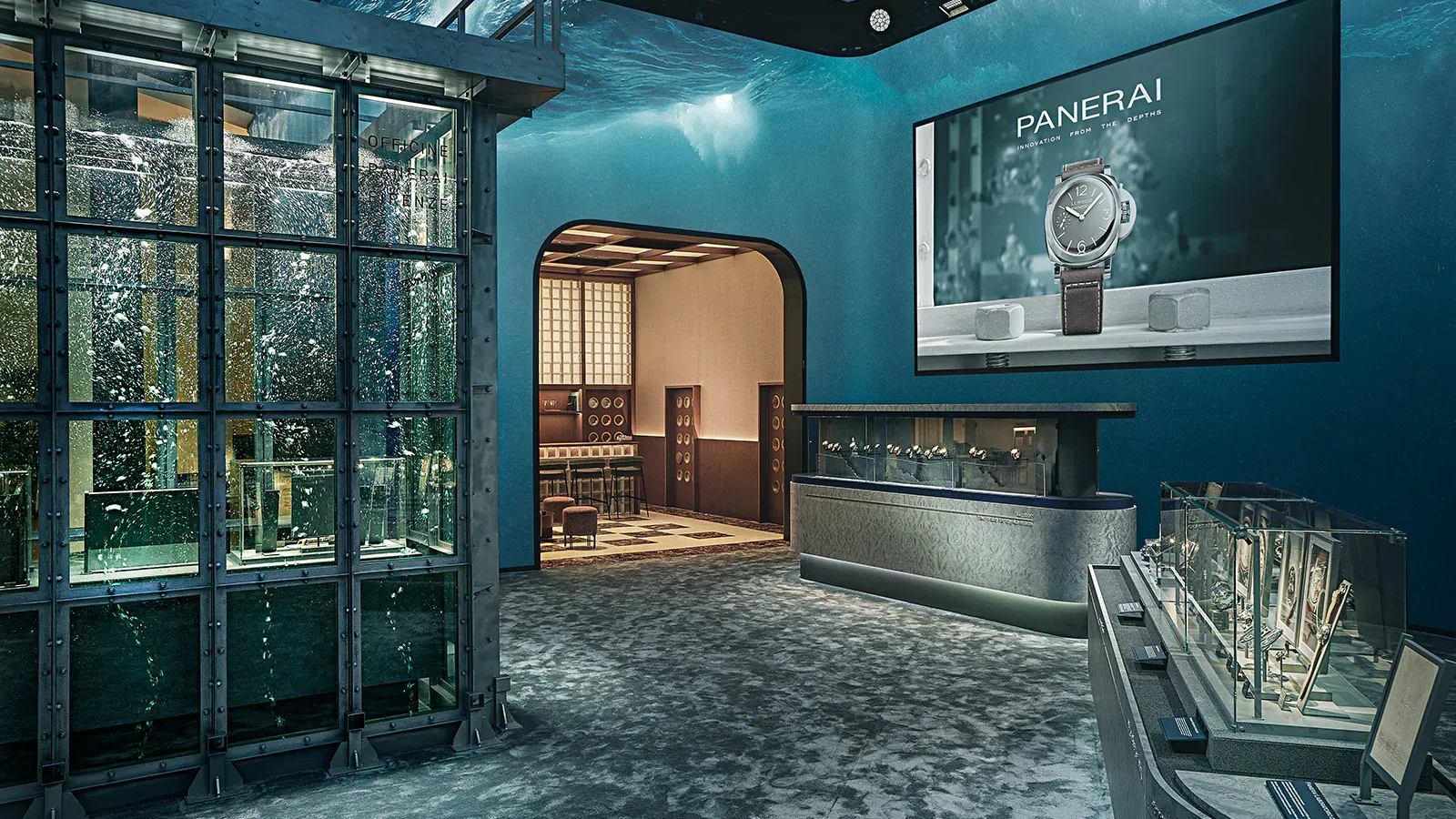
While Panerai remains discreet about performance figures, Jérôme acknowledged that the response from both the market and loyal clients has been extremely positive. More importantly, he stressed that the appreciation came not just from sales but from genuine consumer feedback. Collectors responded particularly well to practical upgrades such as increased water resistance, improved luminosity and the new quick-release systems for both straps and buckles. “They appreciated the increased water resistance, the quick exchange system for the straps, the quick release system for the buckle and the luminosity. All this for the same price was really a nice upgrade,” says Jérôme.
Innovation Rooted In Purpose
For Panerai, innovation does not begin with spectacle. It begins with utility. Jérôme revealed that the brand’s development pipeline often stretches across five to ten years, especially when new materials are involved. Internally, Panerai conducts intensive research sessions where every possible idea is explored before being filtered down to the few concepts that ultimately make it into production. “We always try to stay loyal to what we are, but project ourselves into what we want to be. When it comes to materials, we talk about five to ten years. The process itself sounds almost experimental. brainstorming meetings with engineers and senior leadership where no idea is considered too unrealistic in the early stages. We do not prevent ourselves from anything. We discuss every material, every solution, every combination,” notes Jérôme.
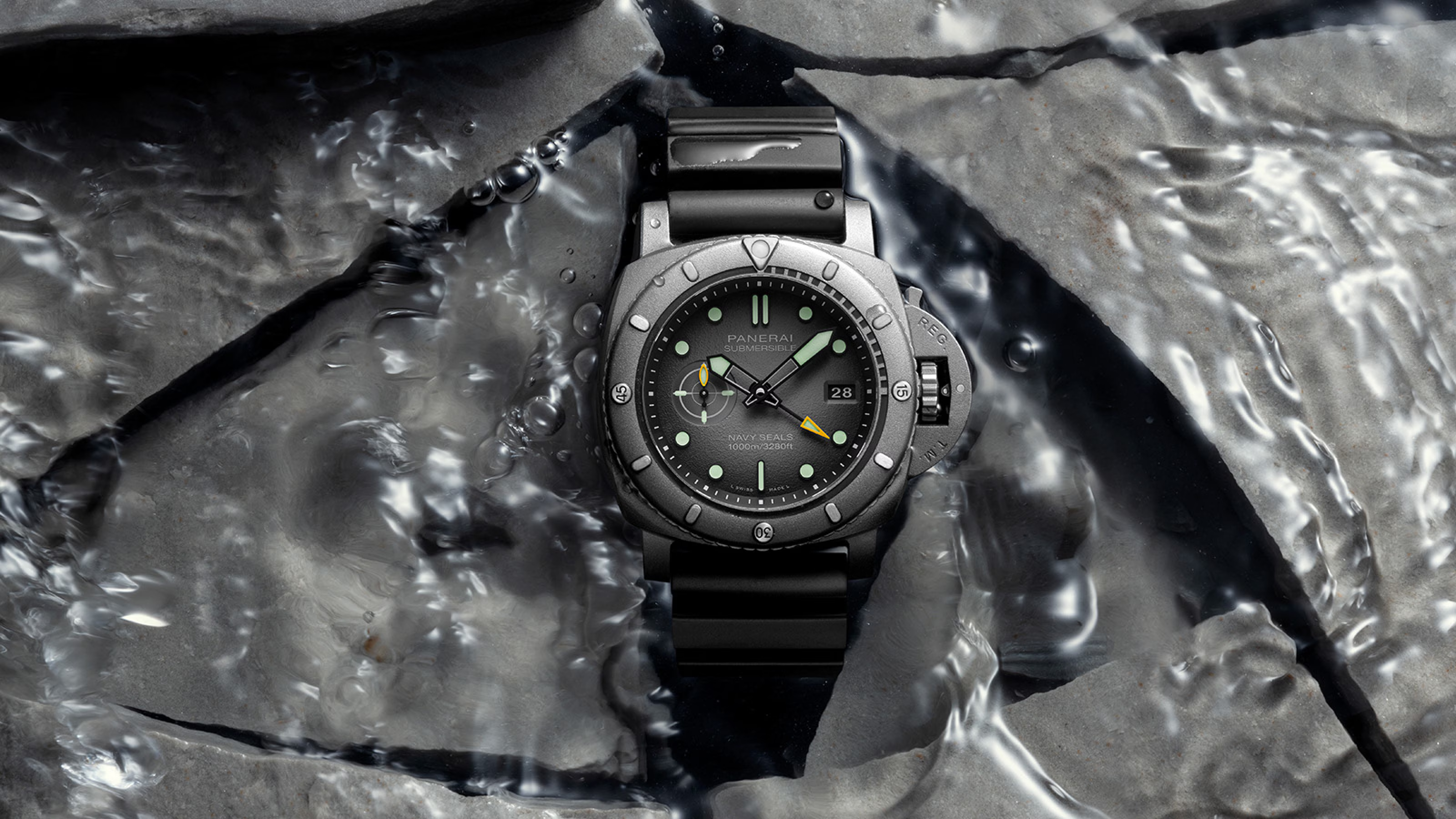
Yet only a small percentage survives. According to him, the “mortality rate” of ideas is enormous, with most concepts eventually discarded after evaluating feasibility, pricing, production realities and client benefit. “Six or seven things out of ten disappear,” he admitted. This year, however, two concepts successfully emerged from that process: forged titanium and Afniotech, both of which represent Panerai’s ongoing investment in advanced materials. But even here, the brand’s approach remains grounded in practicality rather than hype.
Limited Editions By Circumstance, Not Marketing
Collectors have recently noticed a rise in highly limited Panerai releases, leading some to wonder whether the brand is strategically moving deeper into exclusivity. Jérôme, however, insists that many of these limitations are driven less by marketing and more by industrial realities. “With Afniotech, it is a super hard material to source,” he explained. “We were lucky enough to get 50 kilograms of it. We could produce a certain number of watches and not more.”
The challenge lies in the fact that the material is also heavily used within atomic and military industries, sectors currently facing significant global supply pressures. “The industry is really under tension right now. The price has increased very, very high.” As a result, Panerai was forced to limit production to just 35 pieces, despite demand likely exceeding supply. “It is not us deciding to limit it just for the sake of doing it,” Jérôme clarified.
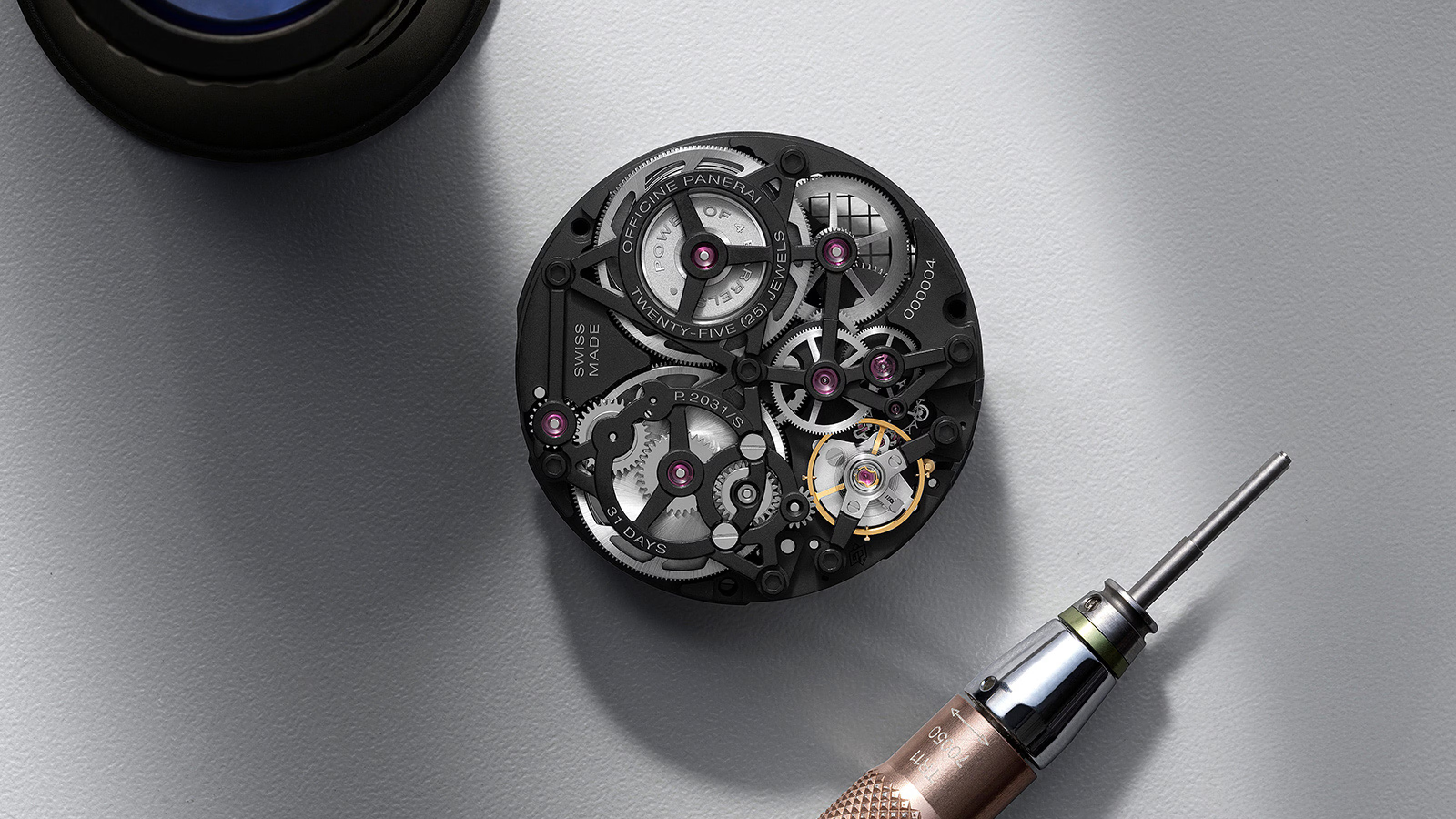
The same logic applies to the new 31-day complication, which he personally considers “the highlight of the year.” Unlike industrially produced calibres, these complicated movements require highly specialised watchmakers whose training can take years. “You cannot suddenly hire ten people from one day to another,” he explained. “When we were ready, we said okay, now we can go with the 31 day. But for the first year, we could only produce 100 pieces.” Importantly, he hinted that the movement itself may continue beyond the current limited edition. “It doesn’t mean we will not reuse this movement in the future,” he added.
Why Panerai Will Never Become A Dress Watch Brand
One of the most revealing moments of the conversation came when Jérôme was asked whether Panerai would ever move into the increasingly popular territory of elegant dress watches. His response was immediate and surprisingly definitive. “We have to play in our playground. We have to be what we are.” While Panerai certainly possesses the technical capability to create ultra-thin, classically elegant watches, Alessandro believes such a move would disconnect the brand from its roots. For him, Panerai’s identity remains inseparable from the idea of robust, functional instruments designed for demanding environments.
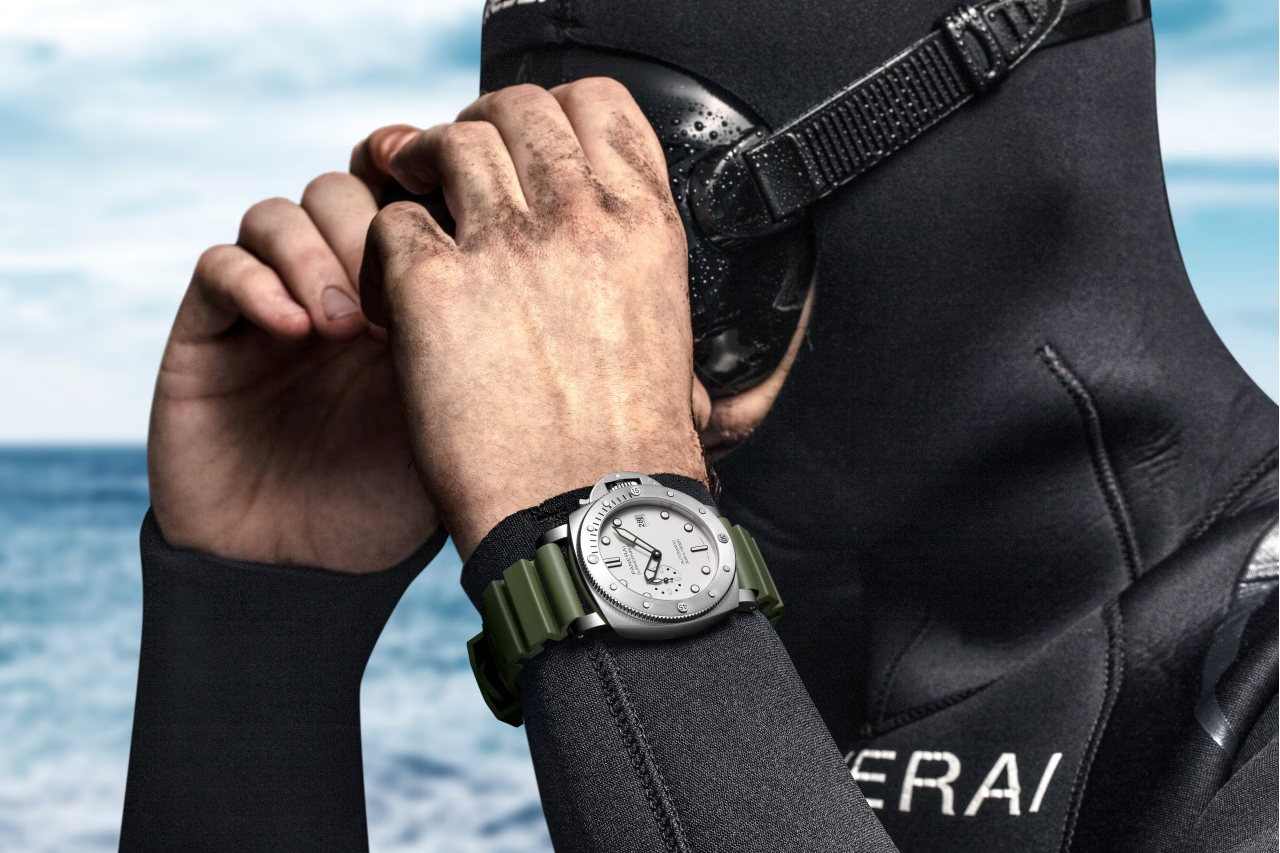
“Our DNA, our roots, all our history is linked to tough watches for tough people working in tough conditions or having demanding hobbies. We could probably create a very nice classy extra-thin watch. The capability is there. But is it us? Probably not.” noted Jérôme. In an era where many brands stretch themselves across multiple identities in pursuit of broader market appeal, Panerai’s refusal to compromise its core aesthetic feels refreshingly confident.
Complications The Panerai Way
The same philosophy extends to complications. Panerai is not interested in creating visually overwhelming grand complications filled with layers of information. Instead, the brand focuses on what Jérôme calls useful complications mechanisms that enhance functionality while remaining discreet and intuitive.
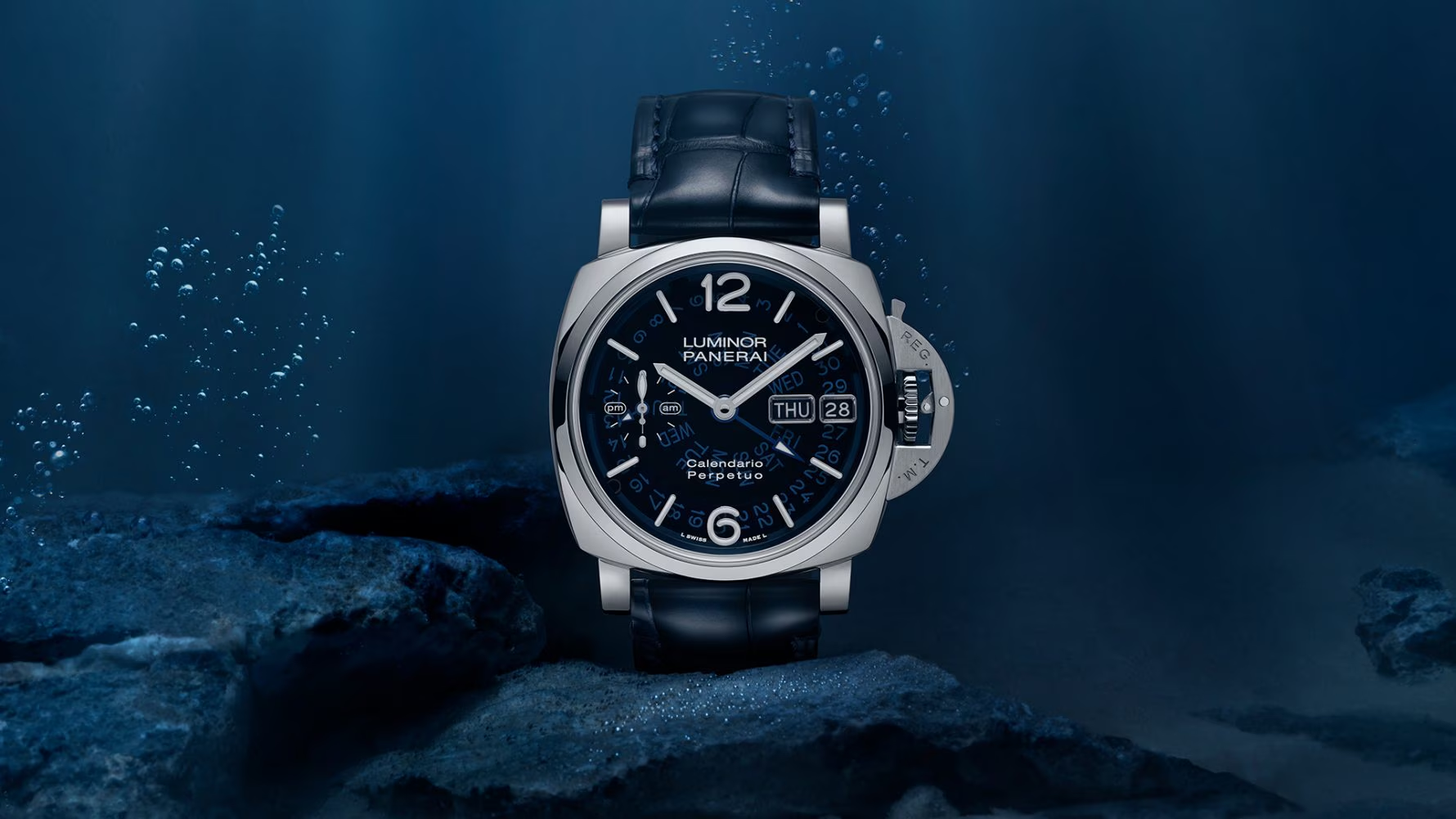
He pointed to Panerai’s perpetual calendar as a perfect example. Unlike many perpetual calendars that require multiple correctors and complex adjustments, Panerai’s version can be entirely adjusted through the crown. The dial itself remains remarkably clean and uncluttered. “On the dial, you only have the information you need. All the complexity is hidden. We do not show it. This is the understatement of Panerai.”
The new 31-day movement follows the same philosophy. Behind its deceptively simple appearance lies a technically sophisticated 36-day mechanism featuring a patented torque limiter that slows the movement towards the end of the power reserve to preserve accuracy. Yet none of this complexity is visible to the wearer. “For the client, the useful complication is 31 days. They do not even see that it is actually a 36-day movement.” It is an approach that feels uniquely Panerai: engineering excellence hidden beneath simplicity and functionality.
Radiomir’s Story Is Far From Over
For longtime Paneristi, there was reassuring news regarding the future of the Radiomir collection as well. While current attention may largely centre around the Luminor line, Jérôme made it clear that Radiomir remains an essential part of the brand’s future. “We will always keep Radiomir. And to keep it means to animate it. Otherwise you lose the momentum.”
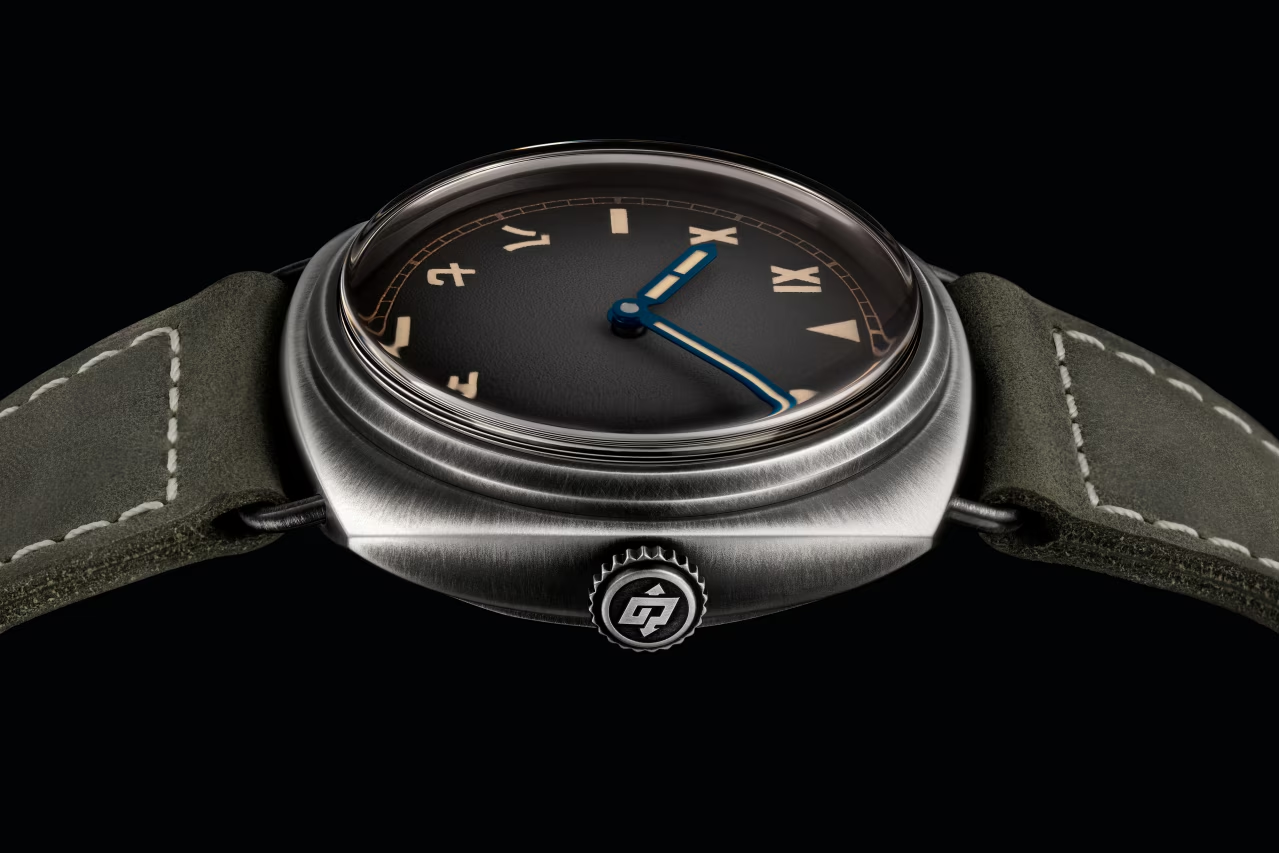
Jérôme himself clearly holds a personal affection for the collection, admitting that he owns two Radiomir watches. He also emphasised how creatively important the line remains for Panerai’s designers. Unlike the more utilitarian Luminor, Radiomir allows greater experimentation with dial colours, proportions and aesthetic nuances while still retaining the unmistakable Panerai DNA. “It is another territory. You can play much more with the dial colours. The cushion shape is something we absolutely want to protect.” Future improvements are already being explored, including enhancements to water resistance and work on integrating quick-release strap systems into the Radiomir architecture.
Returning To The Essence Of Panerai
As the conversation came to a close, one recurring theme became impossible to ignore: Panerai’s future appears deeply connected to its past. Rather than expanding outward into unfamiliar territory, the brand is refining and strengthening the qualities that made collectors fall in love with it in the first place.
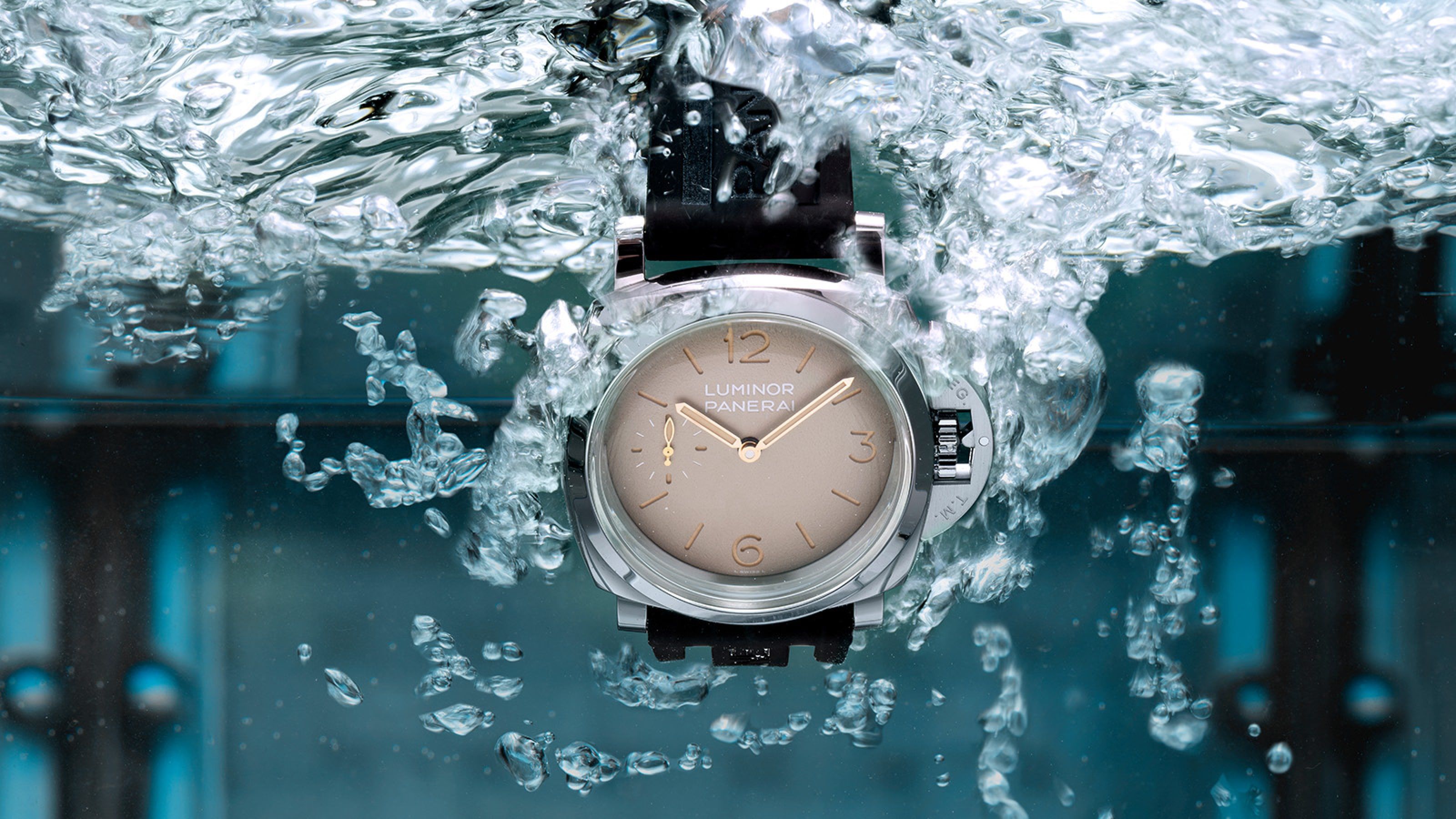
Jérôme spoke passionately about the latest vintage-inspired Luminor releases, admitting they are among his favourite recent launches. “These novelties looking like the old ones, I love them very much,” he said. For him, the essence of Panerai ultimately lies in restraint. A sandwich dial. Strong luminosity. Clear legibility. Hours, minutes and seconds. Nothing unnecessary. “That’s everything you need,” he said simply. Then came perhaps the most revealing statement of the entire discussion- one that perfectly encapsulates where Panerai stands today. “Going back to basics. That’s really us,” Jérôme concludes.


