MING Watches: When Community Matters More Than Marketing
 4 min read

Most watch brands claim they listen to customers. MING actually does. The Malaysian independent founded in 2017 ships 15,000 watches to 7,000 customers across eight years without traditional retail, advertising, or heritage safety nets. That survival rate deserves examination beyond microbrand celebration.
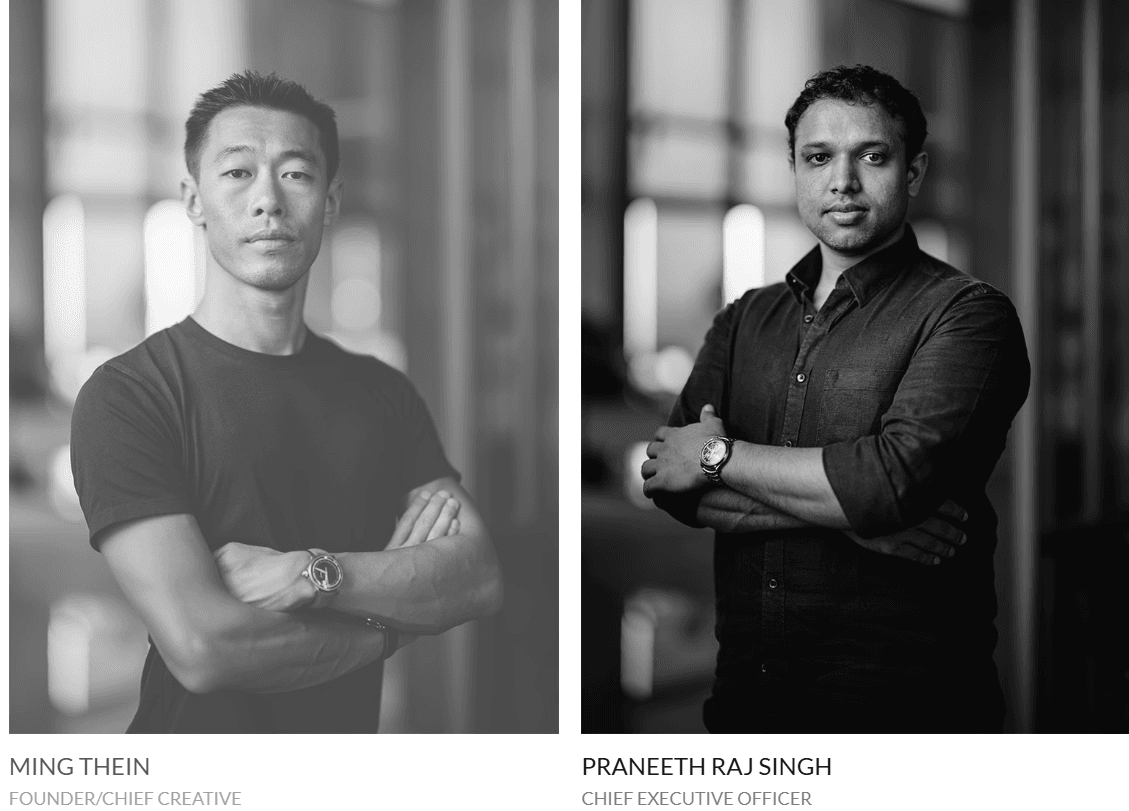
The brand traces back to a 2014 flight from a watch fair. Ming Thein, then a photographer working with Richemont and Swatch Group brands, sat with fellow collectors discussing why vintage watches had become inaccessible. They decided to make watches addressing this gap. The detail that matters: these founders were collectors who understood what collectors wanted, not watchmakers or Swiss industry veterans. When MING released the 17.01 in August 2017, no conventional retailers would carry it. The name, Malaysian provenance, and unfamiliar design language created skepticism. Traditional distribution rejected them. MING went direct to consumer by necessity. That forced intimacy became defining characteristic. No retail markup cushion. No distributor buffer. Direct sales meant direct feedback, direct accountability.

CEO Praneeth Raj Singh describes gaps between Ming Thein's creative vision and market comprehension. Information filtering through multiple layers creates timing problems. MING develops faster than customers can process. This manifests practically. MING now runs two generations of design language simultaneously because retiring popular cases alienates customers. The brand maintains 20 to 25 watches in development stages. Of 50 designs Thein creates, maybe 15 to 20 make commercial sense when filtered through community feedback and budget. That filtering represents genuine involvement rather than marketing performance. MING monitors forums, reads comments, tracks secondary prices, notices repeat purchases. When alignment issues affected early watches, MING recalled all affected pieces, covered costs, extended warranties, and communicated throughout. Industry standard involves denying problems. MING's transparency established credibility marketing budgets cannot buy.
Value Proposition vs Value Extraction
MING prices range from $3,500 for three-handers to over $40,000 for Special Projects Cave releases. This spread confuses positioning. Is MING accessible or exclusive? Both, deliberately. The brand prices each watch according to development and material costs plus sustainable margin rather than brand positioning strategy. This frustrates traditional market segmentation where luxury brands maintain rigid pricing tiers. Secondary market complicates this. The 17.06 Copper sells for $5,000 despite $3,000 original retail. Limited production—MING retires references after runs complete—creates scarcity. Praneeth acknowledges this wasn't intentional. Strong secondary market benefits buyers, but the appreciation extent proved unprecedented. The community wants access and exclusivity, affordable pricing and value retention, innovation and familiarity. These goals conflict fundamentally.

The Special Projects Cave: Community as Co-Creator
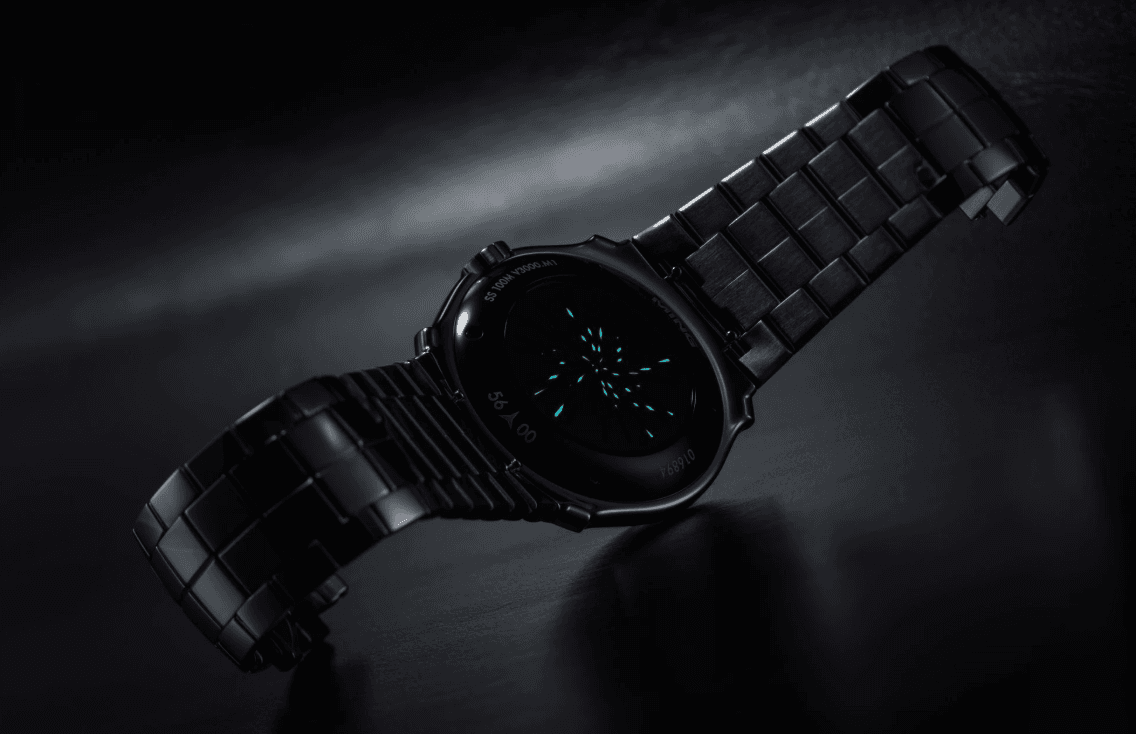
MING's experimental division invites customer participation in development. Not voting on dial colors. Funding experimental technologies that may never reach commercial viability. The Cave produced sapphire Mosaic using femtosecond laser technology, Hyceram ceramic-fused luminous material, and LW.01 magnesium watch at 8.8 grams total weight. These projects push technical boundaries while involving collectors willing to fund experimentation. This works because MING's community understands they're participating in development rather than purchasing finished products. Cave pieces come with risk. Traditional industry separates customers from development entirely. MING invites customers into the process, creating investment beyond financial.

MING operates from Kuala Lumpur with Swiss production in La Chaux-de-Fonds. Final quality control returns to Malaysia. This split geography created skepticism. Swiss watchmaking carries prestige. Malaysian final assembly raises eyebrows. Ming Thein addressed this directly. They could have bought a defunct Swiss brand name, claimed heritage, hidden Malaysian operations. That would have been dishonest. Instead they used Thein's name, acknowledged outsider status, and built credibility through product quality. Eight years later, this honesty pays dividends. When movement costs doubled between 2017 and 2025, MING explained price increases rather than absorbing costs silently. This communication reflects founder-led operations. Thein answers emails. Praneeth engages directly. The brand remains small enough that leadership stays accessible.
What This Model Cannot Scale
MING ships roughly 2,000 watches annually. That volume sustains operations while maintaining community intimacy. Scaling to 10,000 or 20,000 units would require automated communication, retail distribution, traditional marketing. The things MING avoided become necessary at volume. The brand recognizes this limitation. They're not trying to become Omega. They're trying to remain MING. That means accepting growth constraints, refusing to increase production beyond what their model supports. This creates scarcity independent of artificial limitation. Every watch requires final quality control in Malaysia. Every customer expects direct engagement. Every design pushes boundaries requiring careful development. These factors limit output structurally.

MING's next chapter tests whether community-driven independent watchmaking sustains itself beyond initial enthusiasm. They've won two GPHG awards, shipped 15,000 watches, established secondary market value. But they've created expectations. The community expects continued innovation, accessible pricing, direct engagement, value delivery. Meeting all these simultaneously grows harder as the brand matures.That tension between growth and intimacy, scaling and character, commercial viability and creative vision—that's where MING operates. Community matters more than marketing because MING lacks budget to compete with established brands. Community became necessity. Necessity became advantage. Advantage became identity. Whether that identity survives maturity determines if MING remains a success story or becomes a cautionary tale about sustainable growth.