
Watches And Wonders 2026: Rolex Oyster Perpetual 36 Jubilee Dial- When Rolex Decides To Have Fun, It Does It Properly
 6 min read

There is a particular kind of confidence that looks like restraint until it doesn't. Rolex has built its entire identity on it. The screwdown crown, the hermetic case, the precision that gets quietly verified and re-verified before anything leaves the manufacture. Decades of doing the same things better, tighter, with less room for error each time. A brand so committed to its own standards that the word conservative feels like a compliment. And then, every so often, Rolex does something like this.

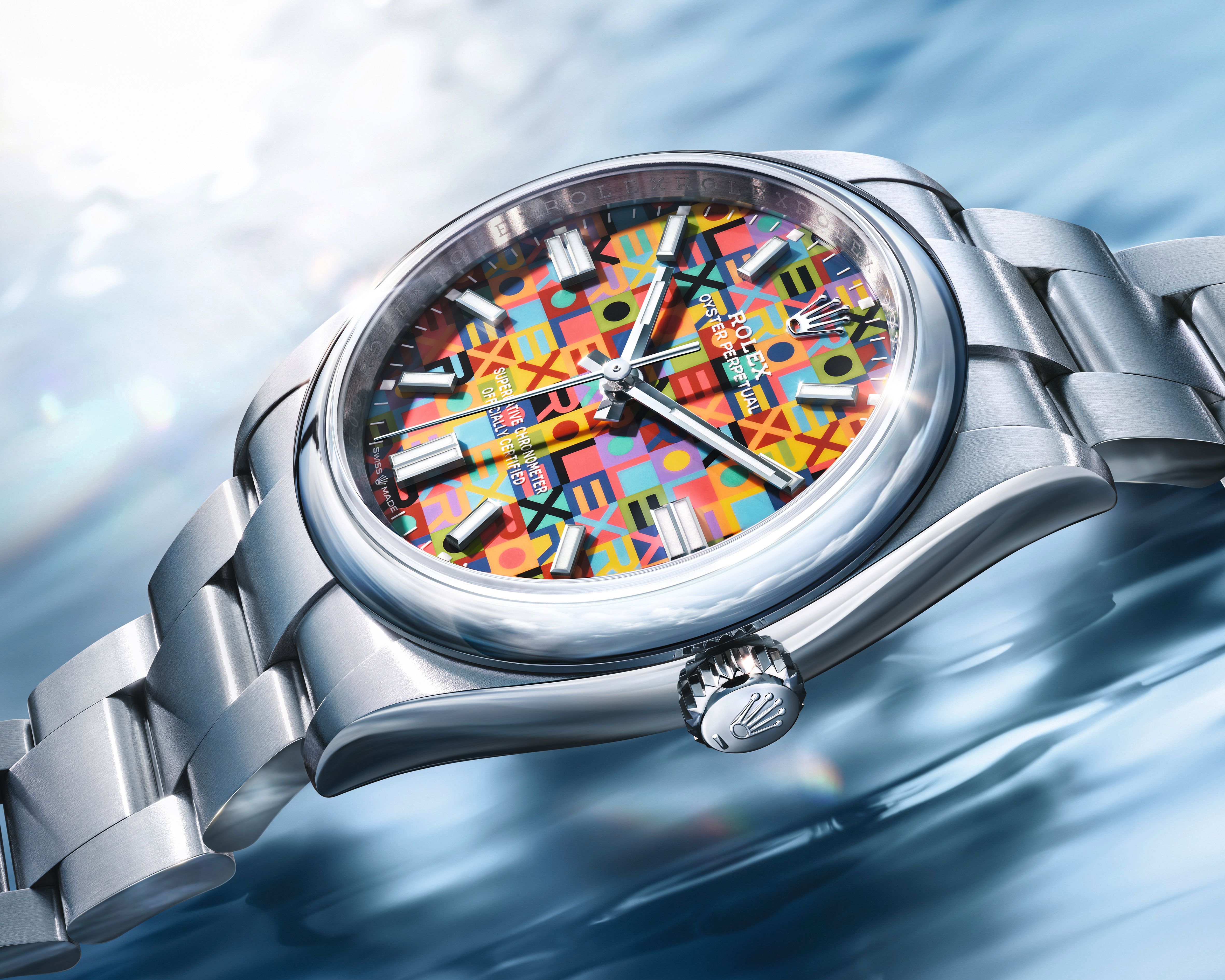
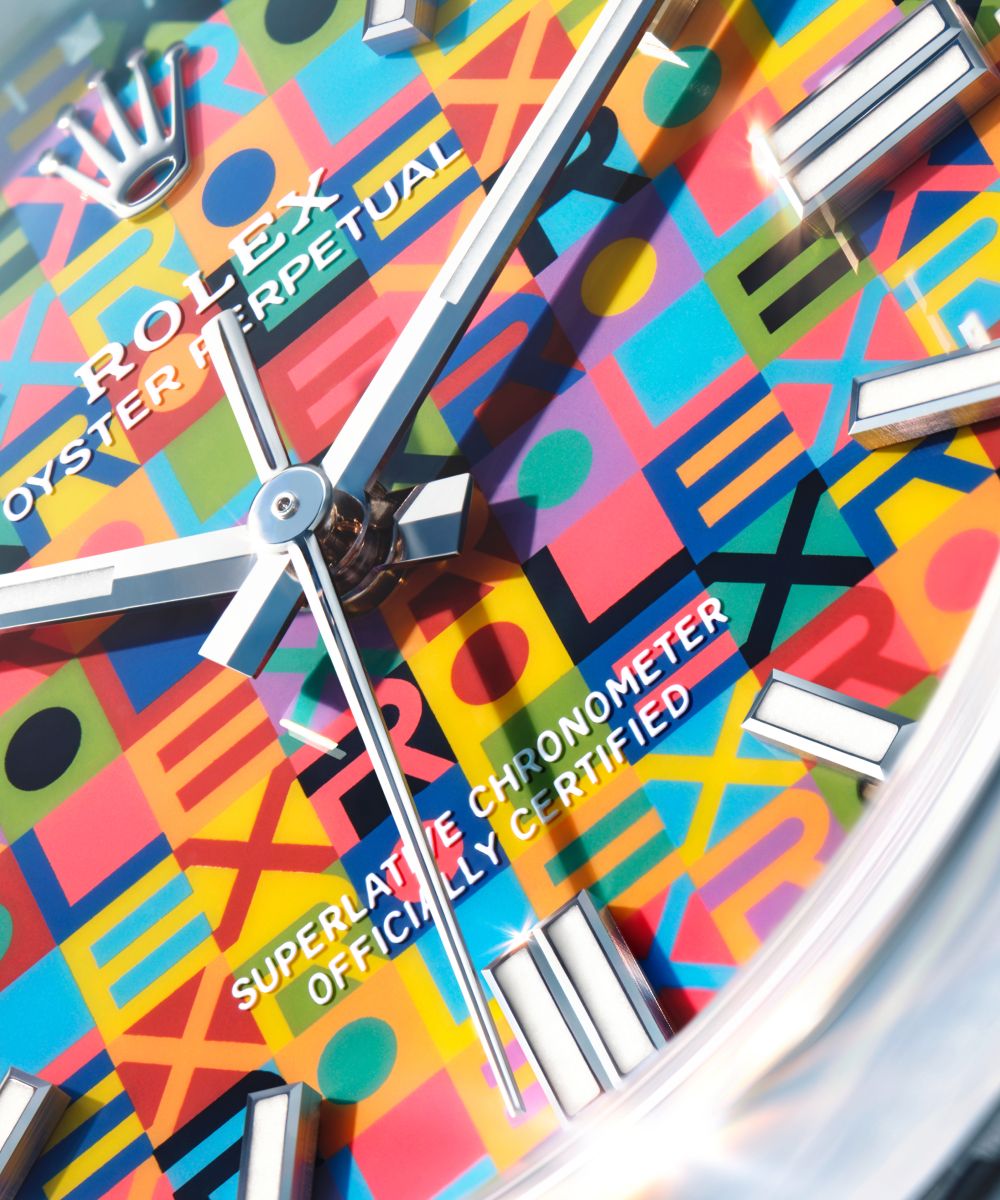
The Oyster Perpetual 36 with the Jubilee motif dial is not a complicated watch. It tells hours, minutes and seconds. It has no date, no complication, no story beyond the one sitting directly in front of you the moment you look at the dial. And that dial, ten colours of lacquer, applied sequentially, built around the repeated letterforms of the Rolex name arranged into a pattern that is dense and geometric and frankly unlike anything else the brand has released in years, is the entire argument.
The Art of Making Colour Look Easy
The Jubilee motif goes back to the late 1970s, which means it is old enough to be archive and young enough to still feel current. Rolex has used it before. Never quite like this.
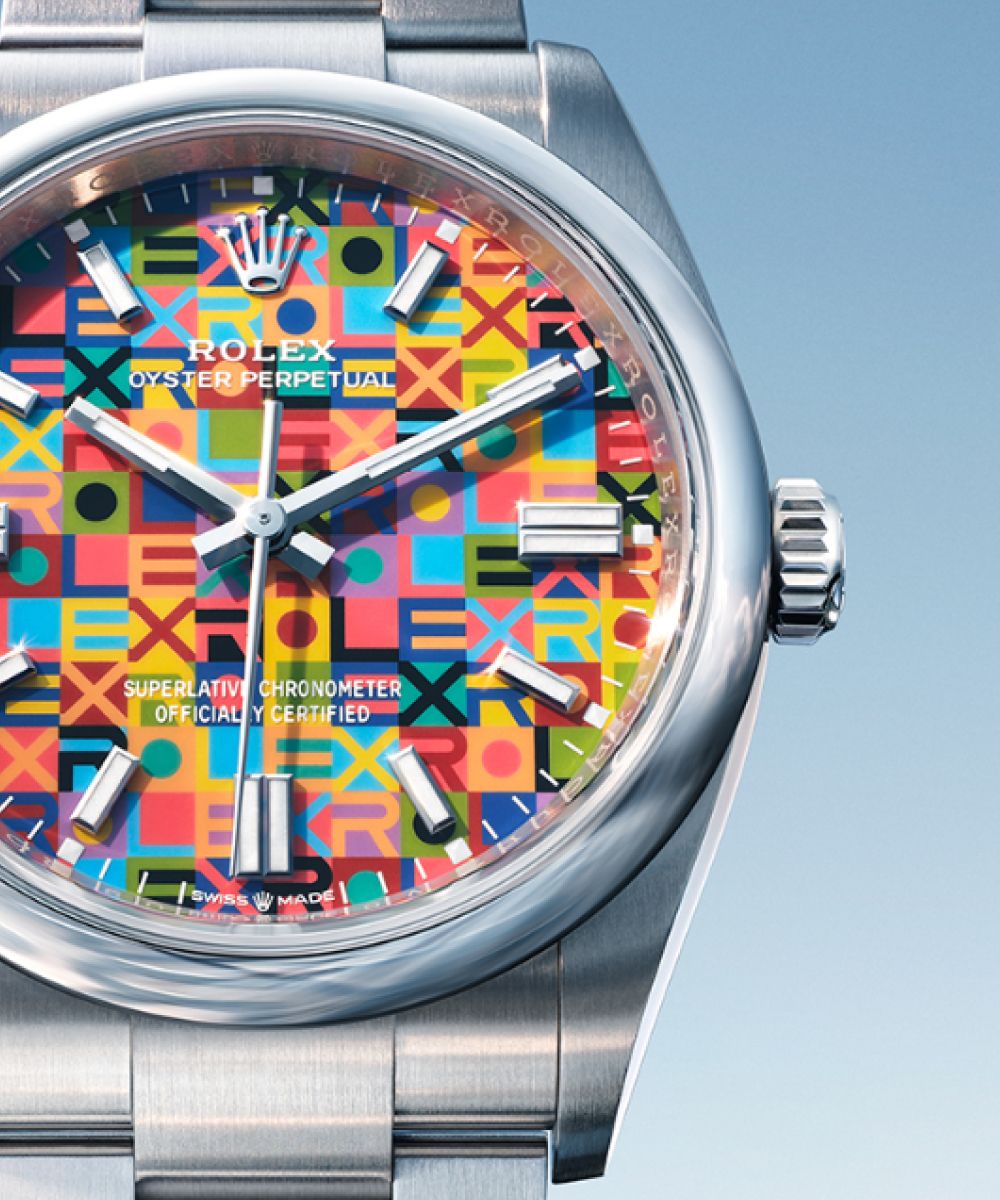
Ten colours. Applied one at a time, each layer requiring the kind of registration precision that turns a dial into a genuinely technical object before a single movement component has been considered. The lacquer process does not forgive approximation. If the fourth colour is a fraction off, the fifth colour amplifies the error. By the tenth, the whole composition falls apart. Every dial that makes it out of this process is a dial that survived nine opportunities to be wrong. What emerges is a surface that rewards time. The Rolex name appears throughout not as branding but as geometry, the letterforms providing the skeleton around which ten colours find their logic. It is busy in the way a well-designed textile is busy: the closer you look, the more deliberate everything becomes. From a distance it reads as vibrant. Up close it reads as considered. That is a difficult thing to achieve in lacquer on a surface measured in millimetres, and it is easy to miss how difficult it is because the result looks effortless. That effortlessness is the craft.
Why 36mm is the Right Call
Case decisions at this level of the collection are not accidents. Rolex put this dial in a 36mm case and it is worth understanding why that matters. A pattern this visually active needs containment. Too much case and the dial becomes overwhelming, the colours spreading past the point where the eye can organise them. The 36mm Oyster case, with its domed bezel and clean profile in unadorned Oystersteel, gives the dial exactly the frame it needs. Nothing in the case competes. No two-tone, no bezel insert, no complication subdial splitting the composition. The stage is given over entirely to what is happening on the dial, and the dial repays the trust. The size also places this watch in a genuinely versatile bracket. The 36mm OP has always sat comfortably across wrist sizes in a way the 41mm does not, and a dial this distinctive benefits from wearing easily. This is not a watch you put on for occasions. It is a watch you reach for because it makes the ordinary feel considered.
The Movement Underneath All of It
Calibre 3230 is, by any honest measure, one of the finest everyday movements in production. The Chronergy escapement, developed entirely in-house, combines energy efficiency with magnetic resistance in a single component made from nickel-phosphorous rather than the silicon that most competitors reach for. The blue Parachrom hairspring handles temperature variation and shock with a stability that accumulates over years of daily wearing into a watch that simply does not lose time in any meaningful sense. Seventy hours of power reserve means the conversation about winding is largely academic. Paraflex shock absorbers round out a movement architecture that has been engineered for the world as it actually is, full of magnetic fields and moments of accidental impact, rather than the world as a chronometer test imagines it.
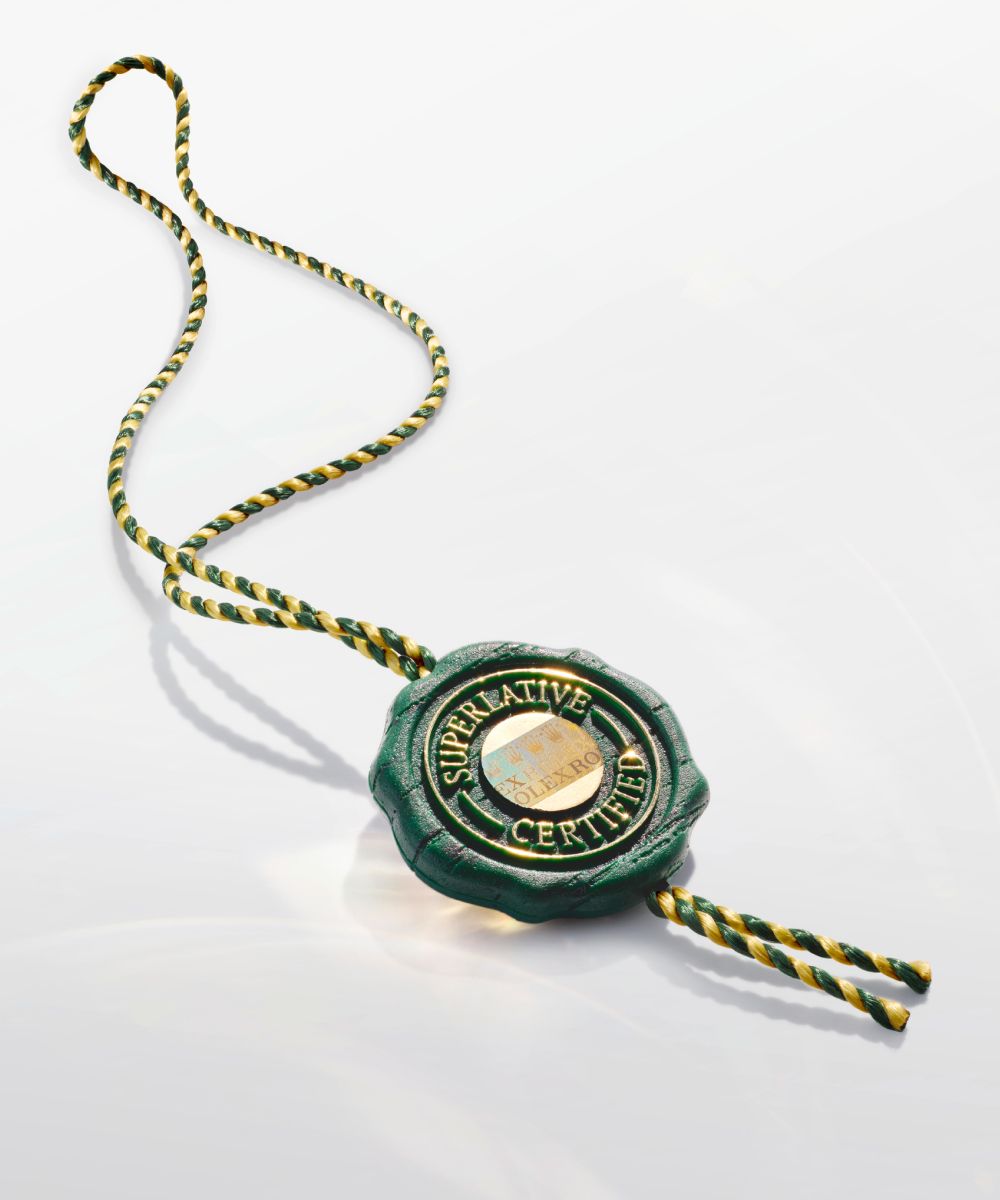
In 2026, the Superlative Chronometer certification has been strengthened with three new criteria: resistance to magnetism, reliability, and sustainability. These sit on top of the precision standard that already holds finished watches to minus 2 to plus 2 seconds per day, a tolerance tighter than COSC certification requires of movements alone. The addition of the magnetism and reliability criteria in particular reflects something important: Rolex is testing for the conditions its watches actually face, not the conditions that make the numbers look good on a specification sheet. The quiet irony of this watch is that the most joyful dial in the Rolex catalogue sits above one of the most technically serious movements in it. The combination feels almost like a statement of intent. Precision and pleasure are not opposing values. They are both expressions of the same commitment to doing things properly.
What This Watch Actually Is
The candy-coloured OP dials of a few years ago demonstrated something the industry had underestimated: there is a deep and genuine appetite for Rolex watches that do not look like the idea of a Rolex watch. They sold instantly, disappeared from retail counters, and have not really come back. That release changed something about how the OP range is understood, even by people who would not have predicted it.
The Jubilee motif dial is a more demanding proposition than those candy dials. Where they were immediate and simple, this is layered and complex. It asks something of the person wearing it. You need to be at ease with a watch that draws attention, because this one will, and the attention it draws will come from people who recognise craft as well as people who simply respond to colour. Both conversations will be worth having.
Rolex makes watches for a long time and expects them to be worn for a long time. The Jubilee motif dial is the kind of object that changes slightly as you know it. You notice new things. The pattern gives itself up gradually. After a year on the wrist it will be a different watch than it was on the first day, not because anything has changed, but because you will have learned how to see it properly. That is a rare quality in any object at any price. In a steel watch with a manufacture movement at this price point, it is exceptional.
Priced at INR 622,800


