Women’s Day Special: Are Women Rewriting The Rules Of Power In Luxury?
 7 min read

For decades, the jargon of luxury has been written in a dialect of power, status, and uncompromising verticality. It has a narrative often dictated from a proclamation of exclusivity. But if the discourse at India Watch Weekend’s most compelling panel is any indication, the syntax of success is undergoing a fundamental rewrite. The topic, “Are Women Rewriting the Rules of Power in Luxury?” wasn’t merely a ceremonial nod to diversity - it was a deep-dive into a seismic shift in the industry’s operating system. The consensus? Power is no longer about wearing a crown, but about building the kingdom - and the blueprint is drawn with a distinctly emotional intelligence.
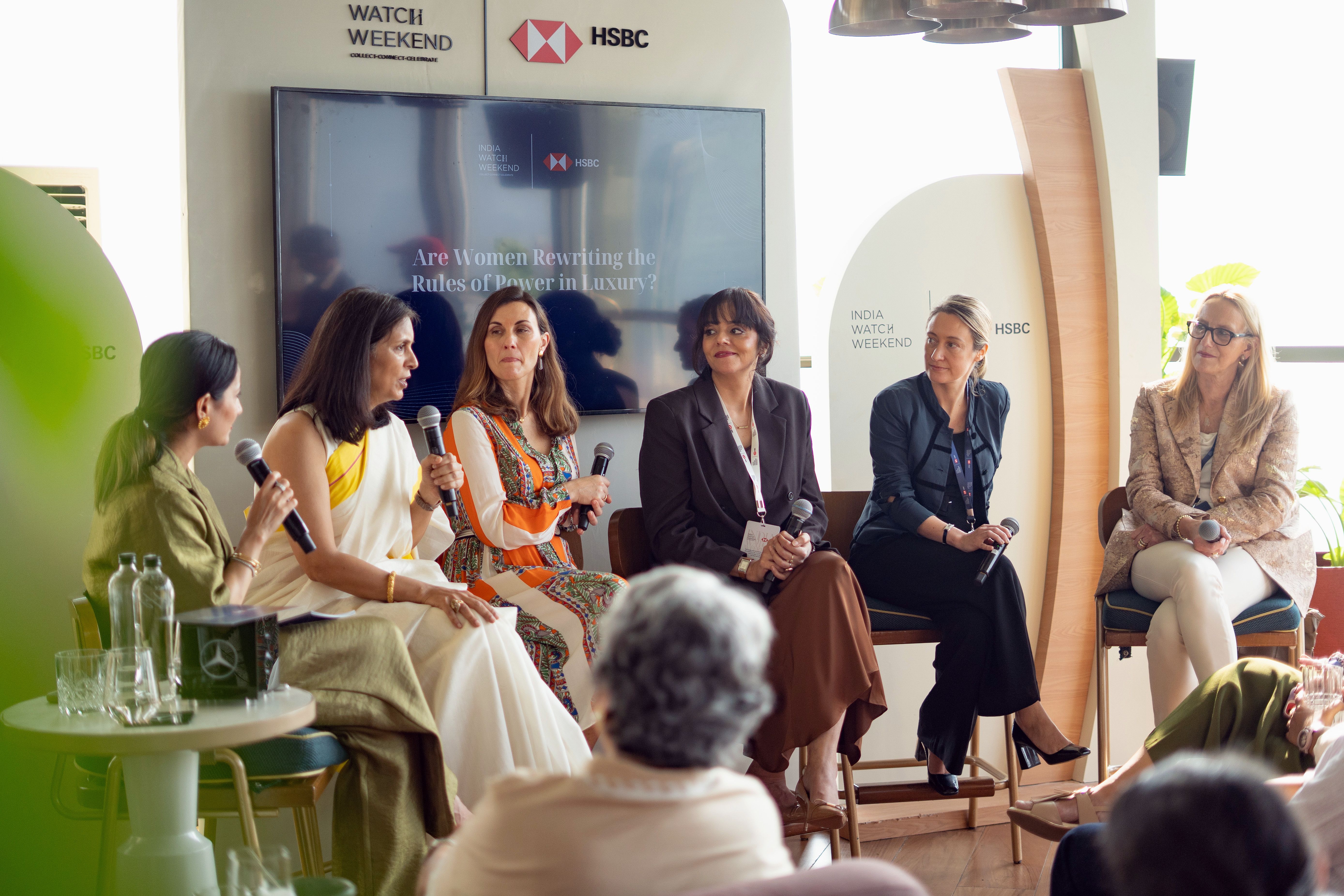
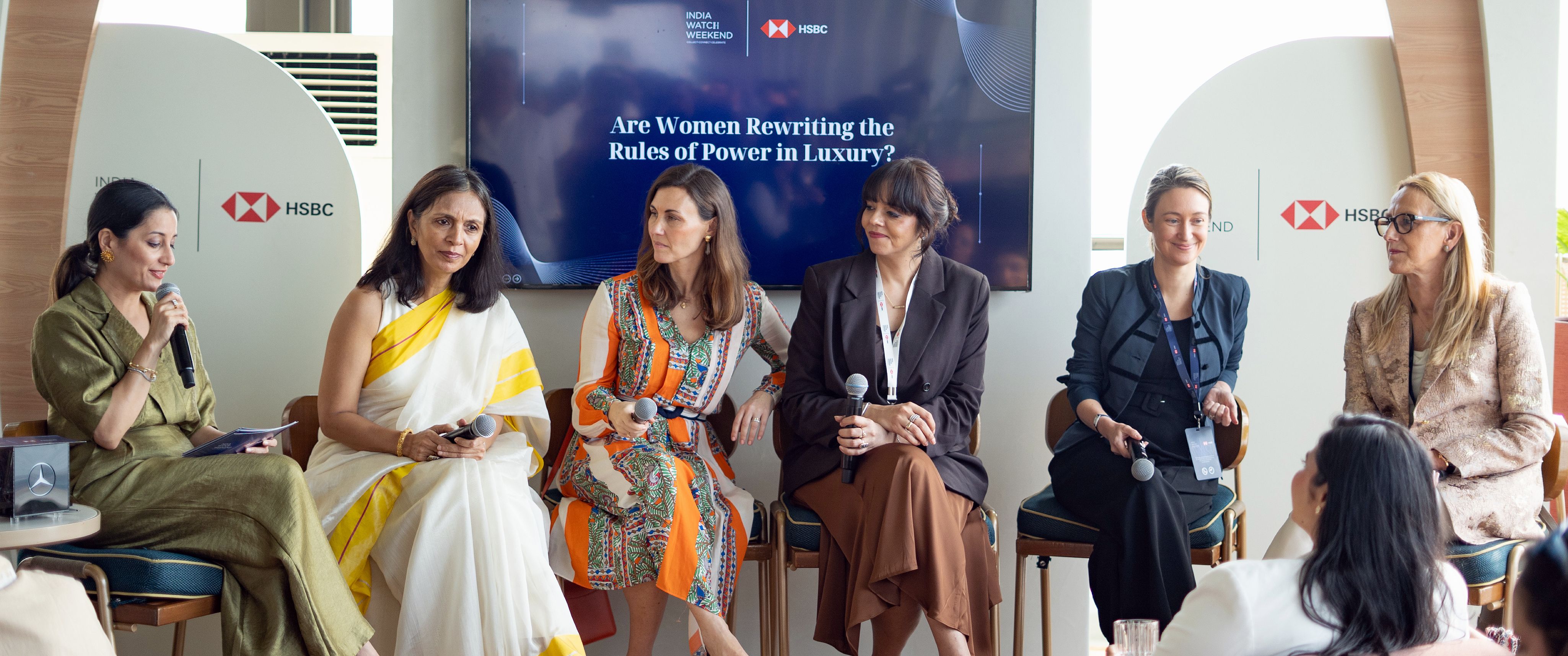
Bringing together Aurélie Streit (Vice President, FHH), Vinita Kumar (Founder, Tianu Furniture), Christine Hutter (Founder and CEO, Moritz Grossmann), Claire Berthet (President, Charles Oudin), and Karishma Karer (Co-Founder, The Hour Markers), the panel functioned less as rhetoric and more as a live case study of how power in luxury - and especially in watchmaking - is migrating from status signaling to emotionally literate, craft-centric stewardship.
Together, the panelists deconstructed the mechanics of modern luxury, revealing that the industry’s future is less about the hardware of status and more about the software of human connection.
The Great Recalibration
The opening thesis was provocative: is “quiet luxury” an inherently feminine construct? Karishma Karer cited Harvard Business studies indicating that 90% of top performers score higher in emotional intelligence (EQ), positioning it not as a soft skill, but as a strategic advantage. Drawing the contrast sharply, she stated, “For the longest time the dialogue around luxury was very vertical - it was all about exclusivity and status,” arguing that with more women in decision-making roles, the discourse is widening into narratives about value, emotional connection, and humanized brands rather than price tags alone.
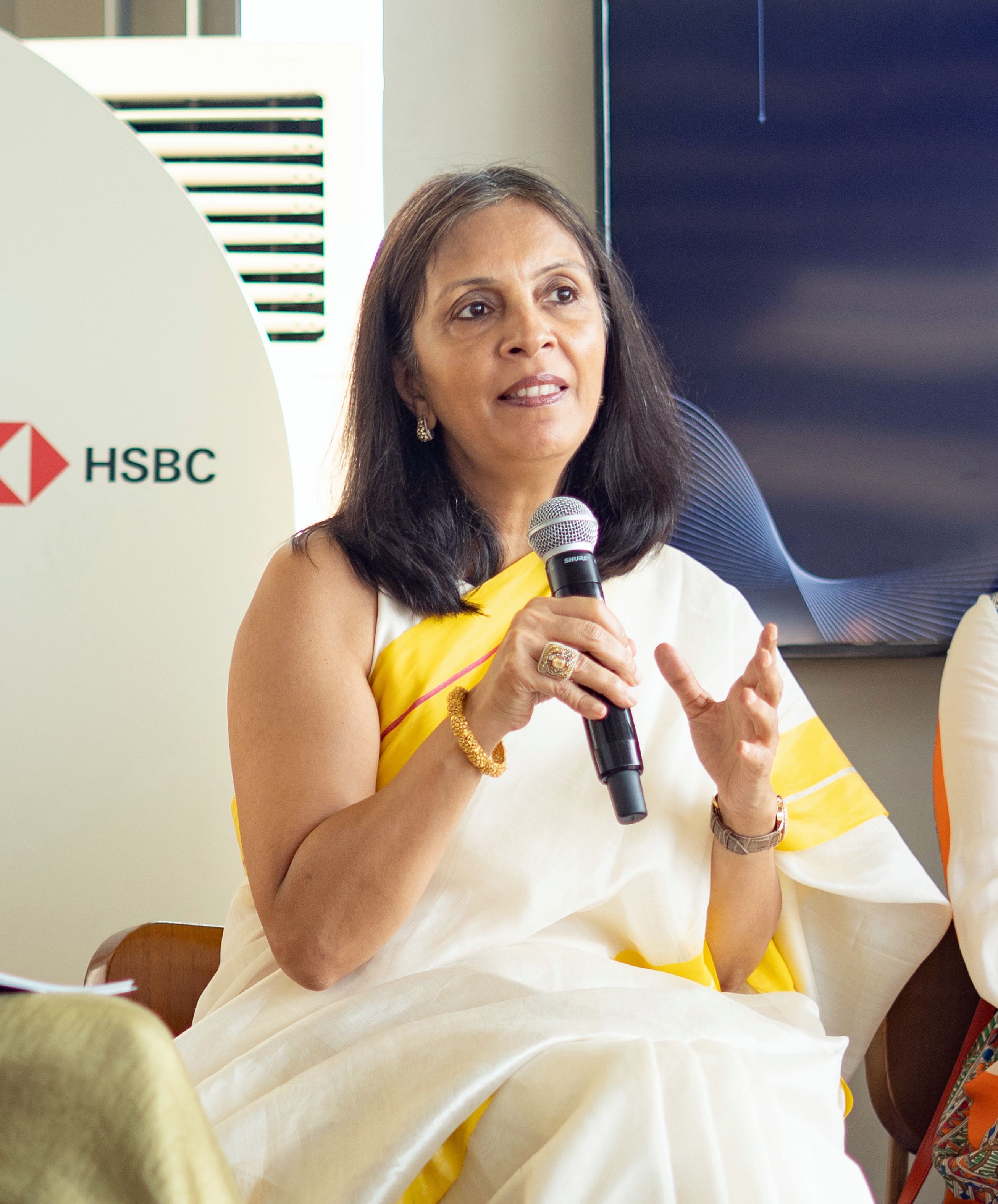
Vinita Kumar of Tianu Furniture, offered a crucial recalibration. While her brand epitomizes quiet luxury - “simple, minimal furniture crafted to perfection” - she resisted the gendered attribution. “I don’t believe it’s my being a woman that is helping me create quiet luxury,” Kumar stated, shifting the focus from identity to capability. “It’s more about what we can do.”
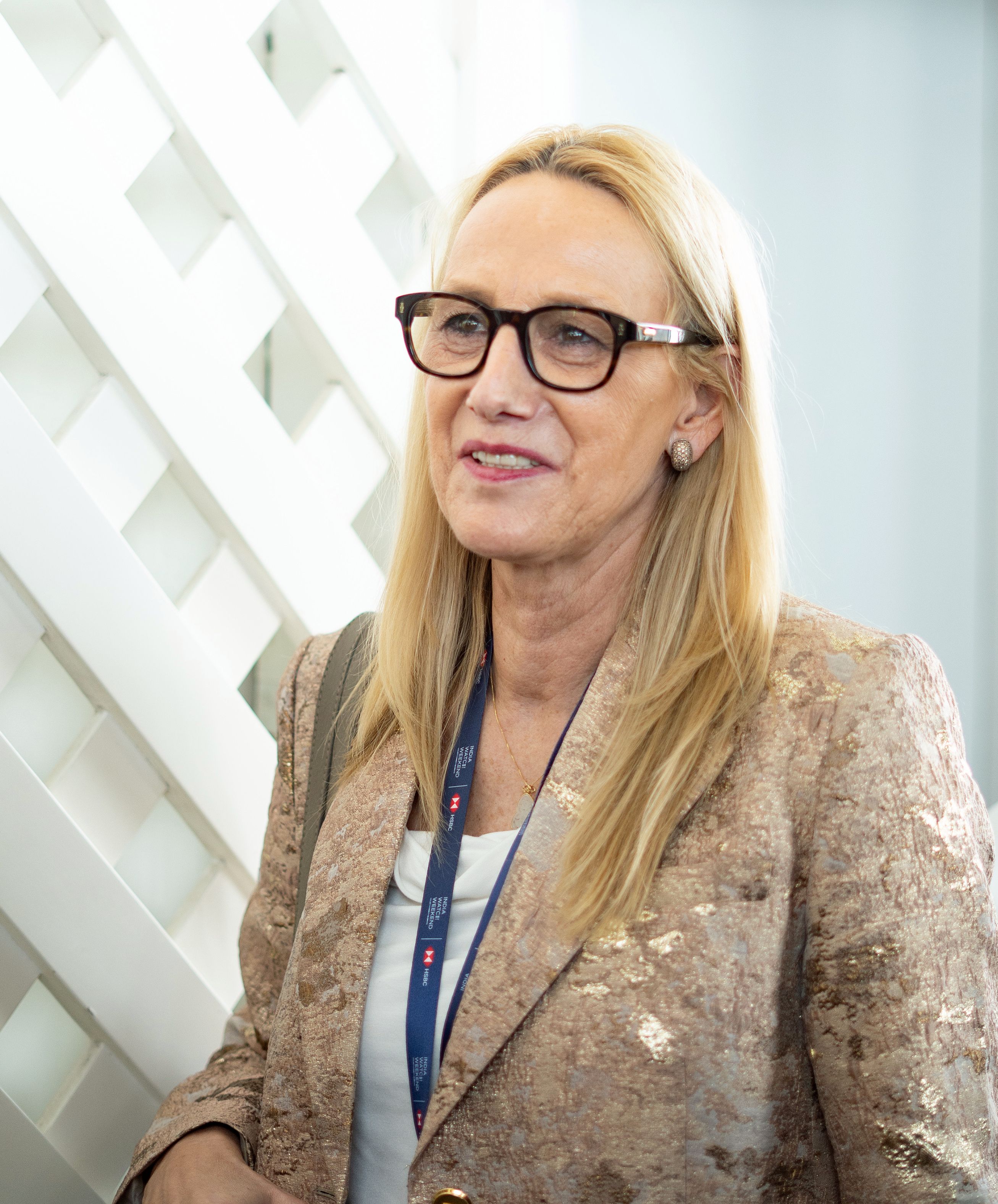
This distinction is critical. The panel repeatedly resisted the temptation to reduce leadership styles to gender stereotypes. Instead, the speakers emphasized individuality, conviction, and craftsmanship as the real drivers of authority.
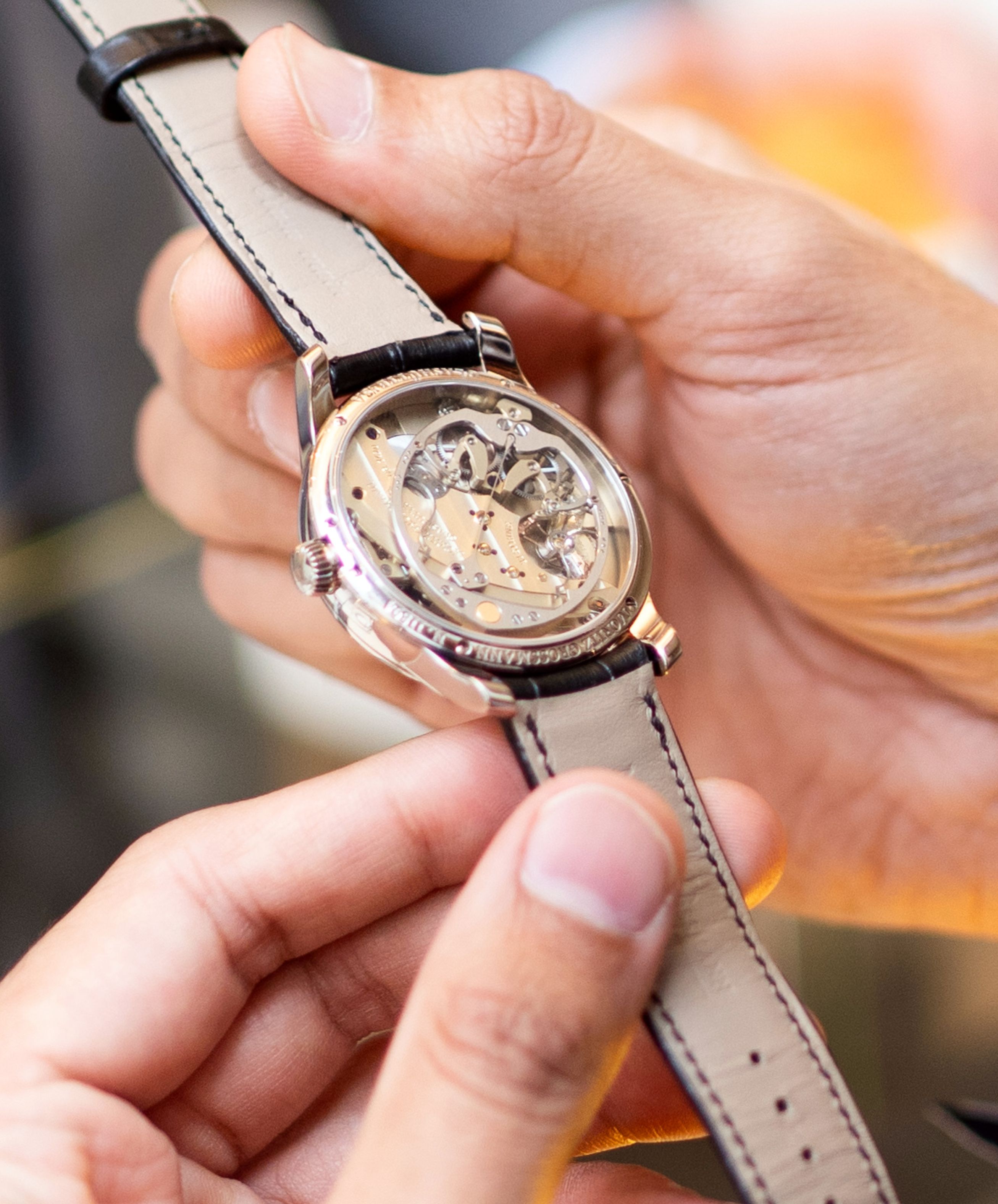
Christine Hutter offered perhaps the most technically grounded perspective. Unlike many executives in luxury, Hutter is herself a trained watchmaker. Her brand, Moritz Grossmann, belongs to the rarefied circle of independent manufactures preserving Saxon watchmaking traditions. Her leadership, she explained, is inseparable from the craft itself. “When you work with movements and craftsmanship,” she said, “your emotions go into the movement.”
For Hutter, leadership is simply an extension of that philosophy: the same emotional commitment applied to the culture of the manufacture. This pragmatic grounding became the panel’s rhythmic counterpoint. It wasn’t about declaring superiority, but about acknowledging a different, often complementary, approach to value creation. In horology, where the emotional appeal of mechanical craft already plays a central role, this shift feels almost inevitable. This is the heart of the new paradigm: the transaction is not the end, but a byproduct of a deeper connection.
Stewardship, Ego, And The Long Game
If Hutter represents the independent watchmaking tradition, Claire Berthet embodies the stewardship of heritage. As President of Charles Oudin, Berthet is part of the fifth generation continuing a family lineage that traces its roots to the late eighteenth century. Her perspective reframed leadership in terms of time - an essential concept in horology. “It’s about dialogue between centuries,” she explained.
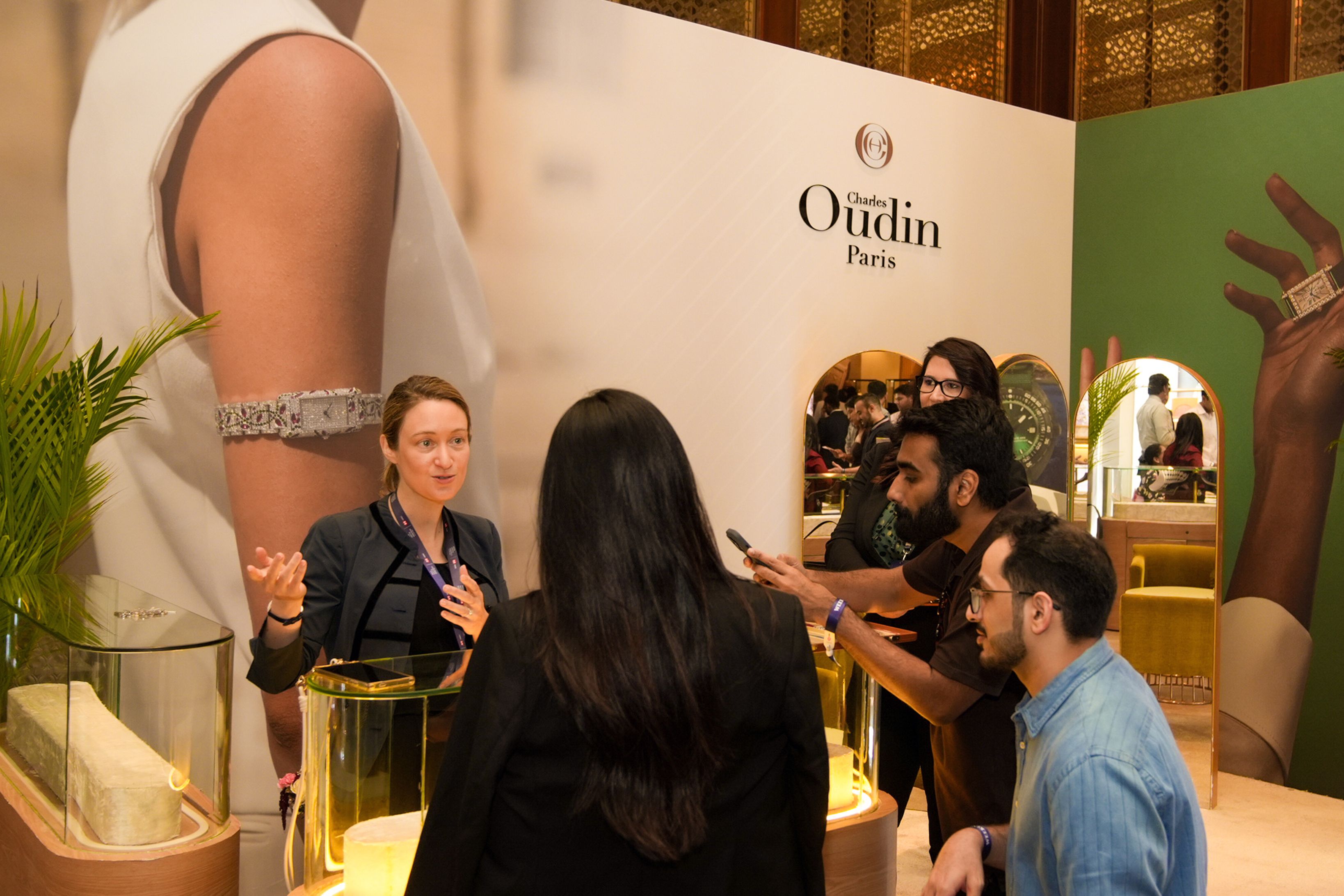
Maintaining a historic brand demands more than reverence for the past. It requires the ability to interpret tradition in a way that remains meaningful to contemporary collectors. This balance between continuity and reinvention is one of the defining challenges facing legacy maisons today. Berthet emphasized that her approach is not about comparison - whether between men and women, or between past and present. Instead, it is about fidelity to the brand’s identity and a long-term vision that transcends individual leadership.
In an industry obsessed with permanence, this intergenerational perspective may be the most powerful form of authority of all.
Teams, Passion, And The Guilt Paradox
Perhaps the most revealing segment of the discussion was the unflinching look at the personal cost of building these empires. The conversation around “work-life balance” was reframed not as a struggle for equilibrium, but as a negotiation with one’s own identity.
Vinita Kumar, who raised two daughters as a single parent while building her business, dismissed the notion of balance as a passive occurrence. “If you love the home and you love what you do, the balance just happens,” she said, identifying passion as the great neutralizer of guilt. Aurélie Streit of the FHH concurred, noting that professional fulfilment creates “quality moments” at home, making the time spent away worthwhile.
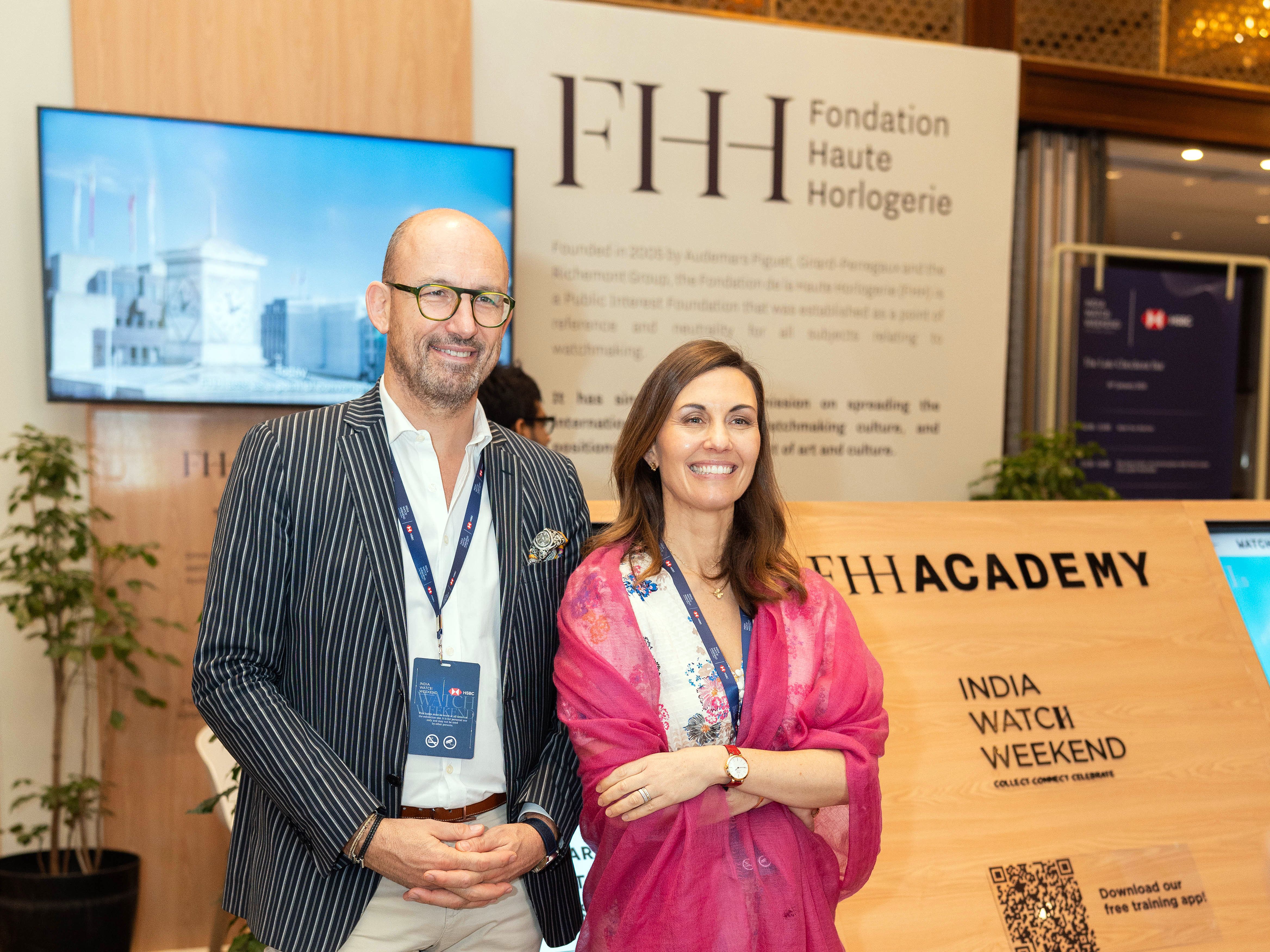
But Karishma Karer introduced a compelling paradox: the guilt of self-neglect. “For me, the guilt comes because I struggle with zero work-life balance... because I feel like I need to prove myself... I need to work a little harder than everyone else.” This admission of an internalized pressure to over-perform, despite the panel’s collective success, was a stark reminder that rewriting external rules doesn’t instantly erase internal scripts.
The solution, the panel suggested, lies in the teams they build. Vinita Kumar’s revelation that Tianu has operated with an all-women team for two decades was a masterclass in applied philosophy. “There’s no job that a woman cannot do,” she stated, highlighting their handling of production, design, and client relations. The team’s core value? “Collective advancement.” This isn't just human resources - it's a strategic model built on empathy, intuition, and a familial workspace culture. It’s an environment where, as Claire Berthet shared, you involve your children in the “adventure” of the brand, ensuring the next generation understands the “why” before the “how.”
Managing Expectations And Structural Hurdles
The most incisive questions came from young women in the audience who did not want inspiration as much as tactics: how to deal with greater hurdles than male counterparts, especially in patriarchal contexts.
Kumar’s response to the question of facing “more hurdles” was a subtle reframing. The first step, she suggested, is to stop over-identifying with the category “woman” when evaluating your own limitations and possibilities. She rarely thinks of herself as a “woman entrepreneur” day-to-day - she thinks of herself as a person with specific strengths and weaknesses.
Streit added a crucial definitional nuance around burnout. Exhaustion alone, she pointed out, is not burnout - burnout is when you lose the sense of meaning in your work. Her counsel was pragmatic: take vacations before you reach that point, learn to say no, and recognize the signs early. Hutter’s account of stepping away for some time - and returning with a new operating model that introduced micro-breaks and stronger boundaries - served as a concrete implementation of that advice.
The Future Of Power In Luxury
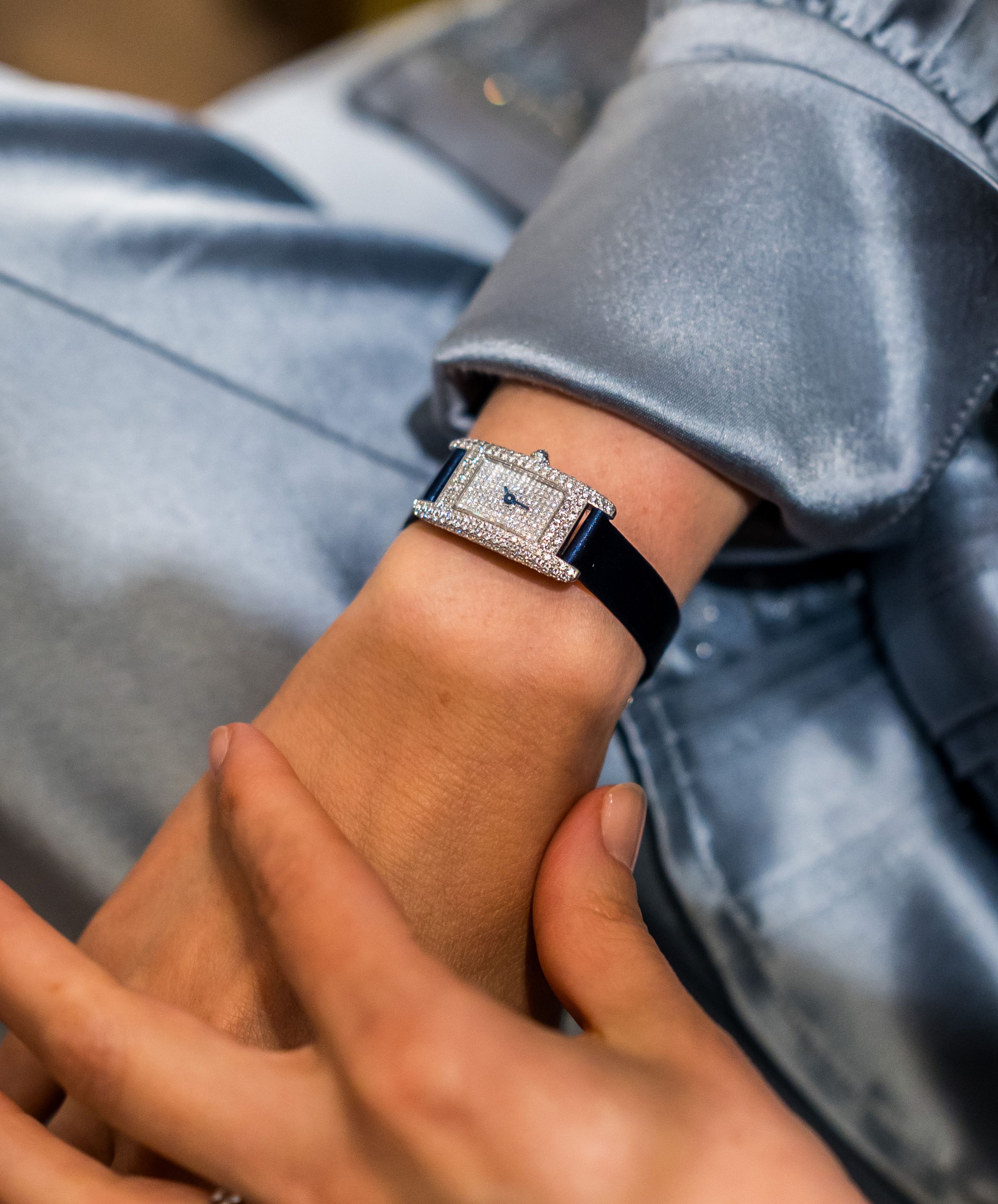
What emerged from the discussion was not a simple narrative of women replacing men at the top of luxury companies. Instead, the panel revealed something more nuanced: a transformation in the nature of power itself.
Authority in modern luxury increasingly rests on authenticity rather than hierarchy. It is built through craft rather than spectacle. It grows from empathy, storytelling, and cultural stewardship rather than exclusivity alone. The next generation of luxury leaders may not seek to dominate the conversation. Instead, they may aim to deepen it. And if the voices heard at India Watch Weekend 2026 are any indication, that conversation will be richer, more thoughtful, and far more human than ever before.
In an industry built on the precision of mechanics, it seems the most critical movement to master is the human one.