 8 min read

Automation, Algorithms and AI.
When an entire generation is shaped by the digital, it’s easy to forget that culture can be built, sustained, and scaled without its consequential flattening. There lies an undeepfakeable value in face-to-face engagements! Beyond the persuasive efficiency of a hyper-connected and endlessly optimized space, which I call a “manufactured, synthetic, and silicon society”, reality exists paradoxically disengaged from the tactile.
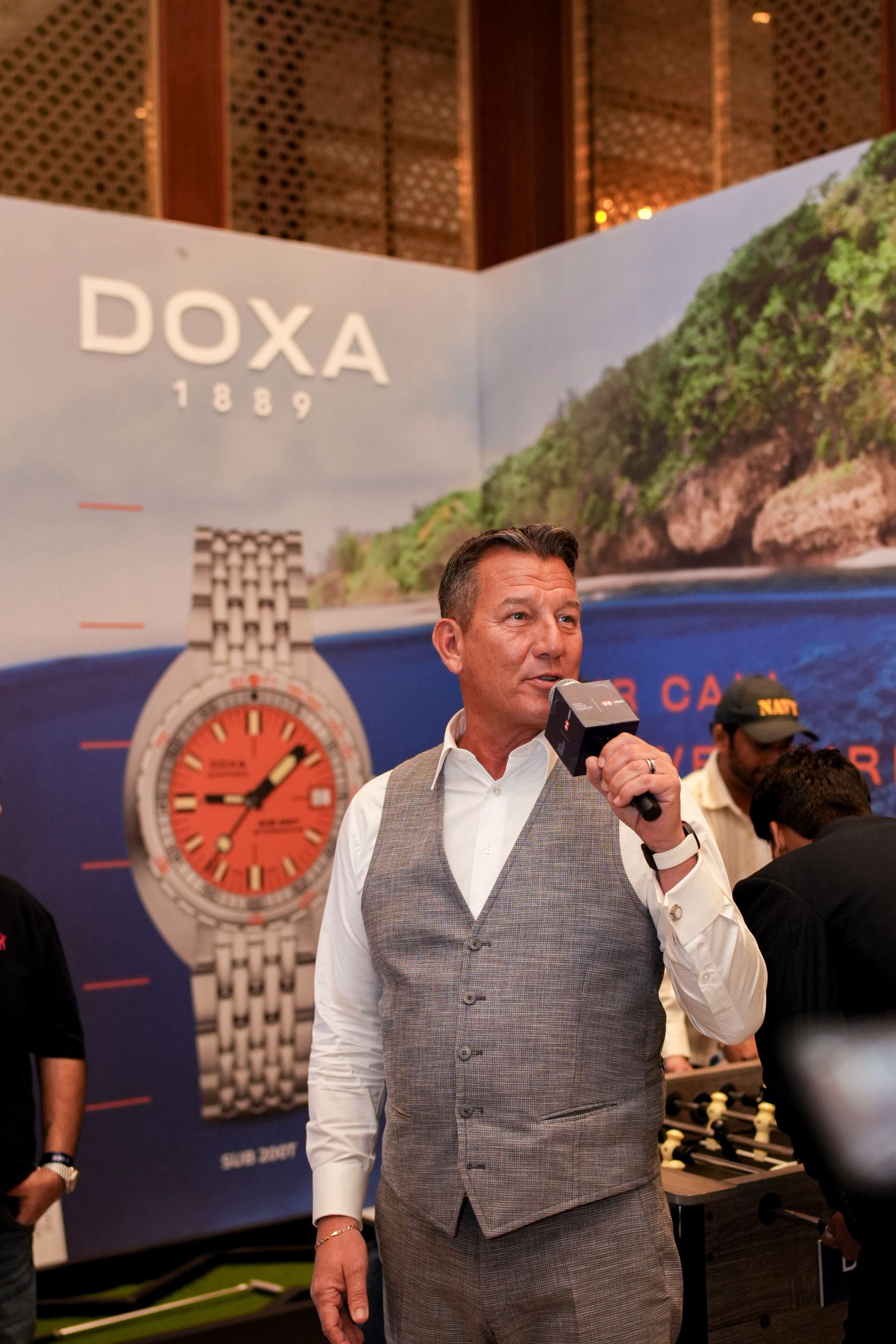
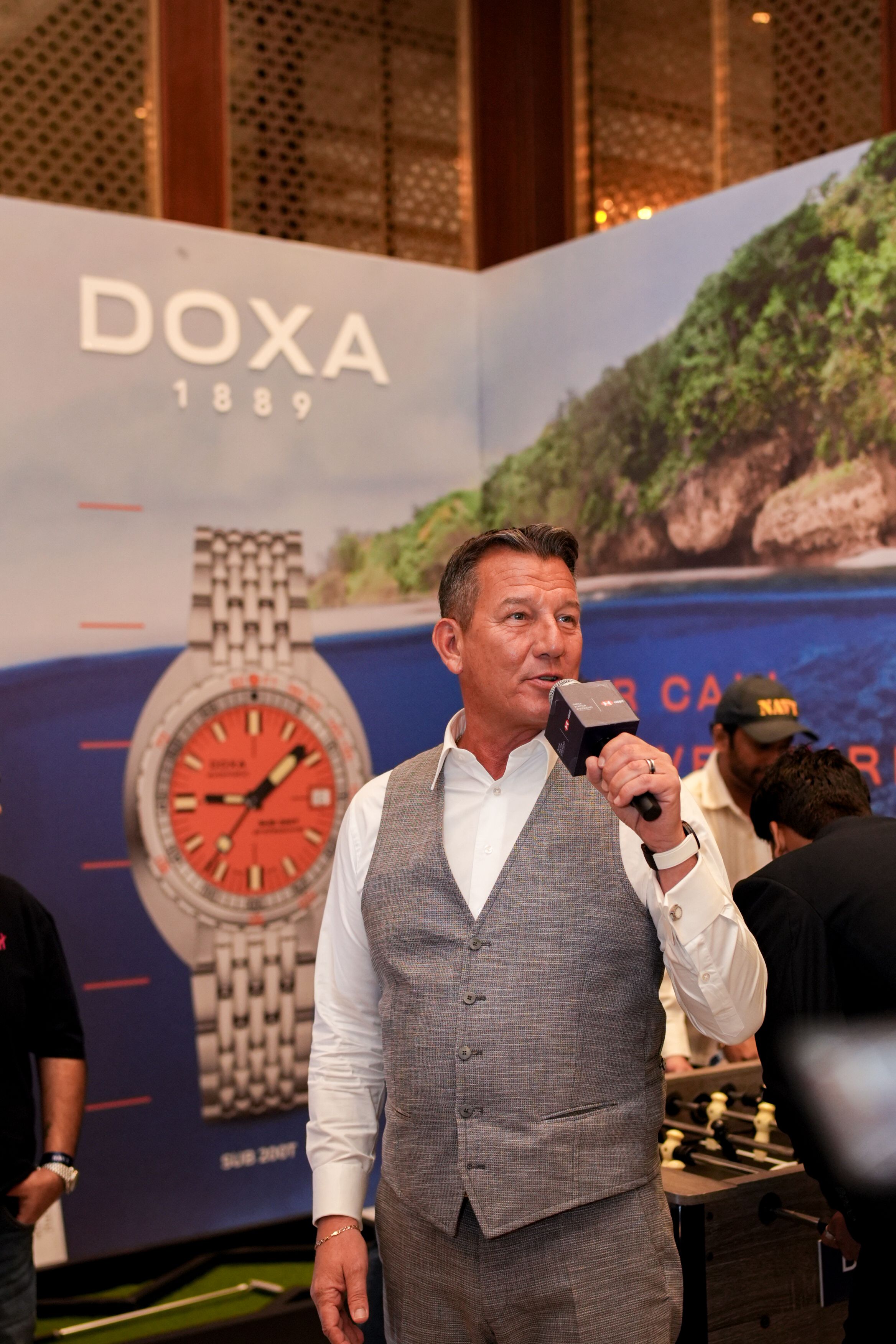
In their existence, the interpersonal moments are the only true fundamentals of a passion-driven pursuit of which horology can be described as a higher echelon. That’s why it stands to reason when Jan Edöcs, CEO of Doxa feverously remarks that, “there’s a lot of information flow during exhibitions where, luckily, people still meet and talk. And this, social media can never replace.”
That’s also why the social and indispensably personal nature of India Watch Weekend represents its conscious choice for tactile engagement over digital abstraction. This focal hallmark of the event’s second edition was abundant in dispersion for the two days that defined vital cultural touchstones in the growing tale of India’s horological imperativeness.
After a successful culmination of the event, it stands proven that the leverage of engagement, promotion and communication can inspire beyond mere pixels and code.
India’s Moment - And Why This Weekend Mattered
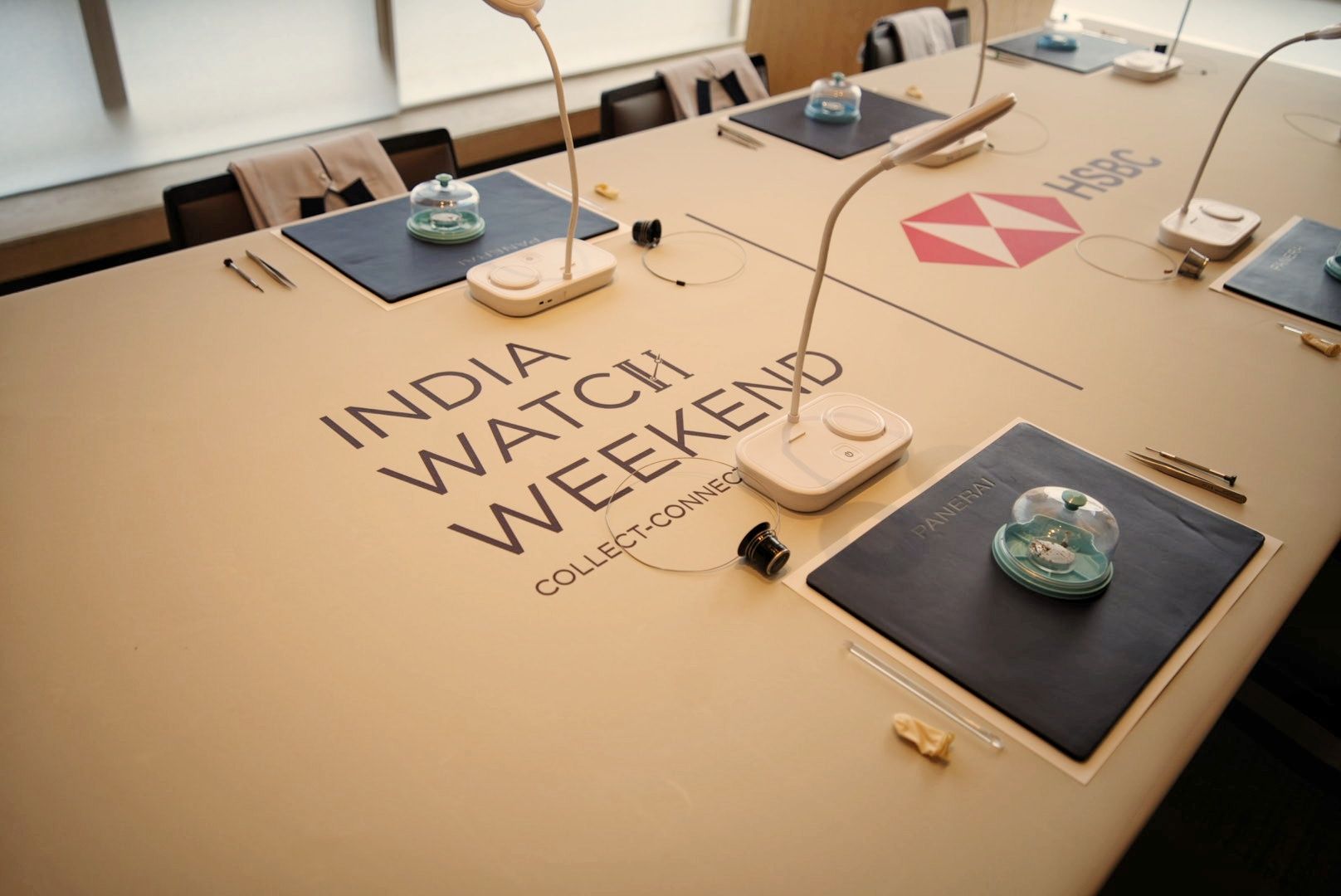
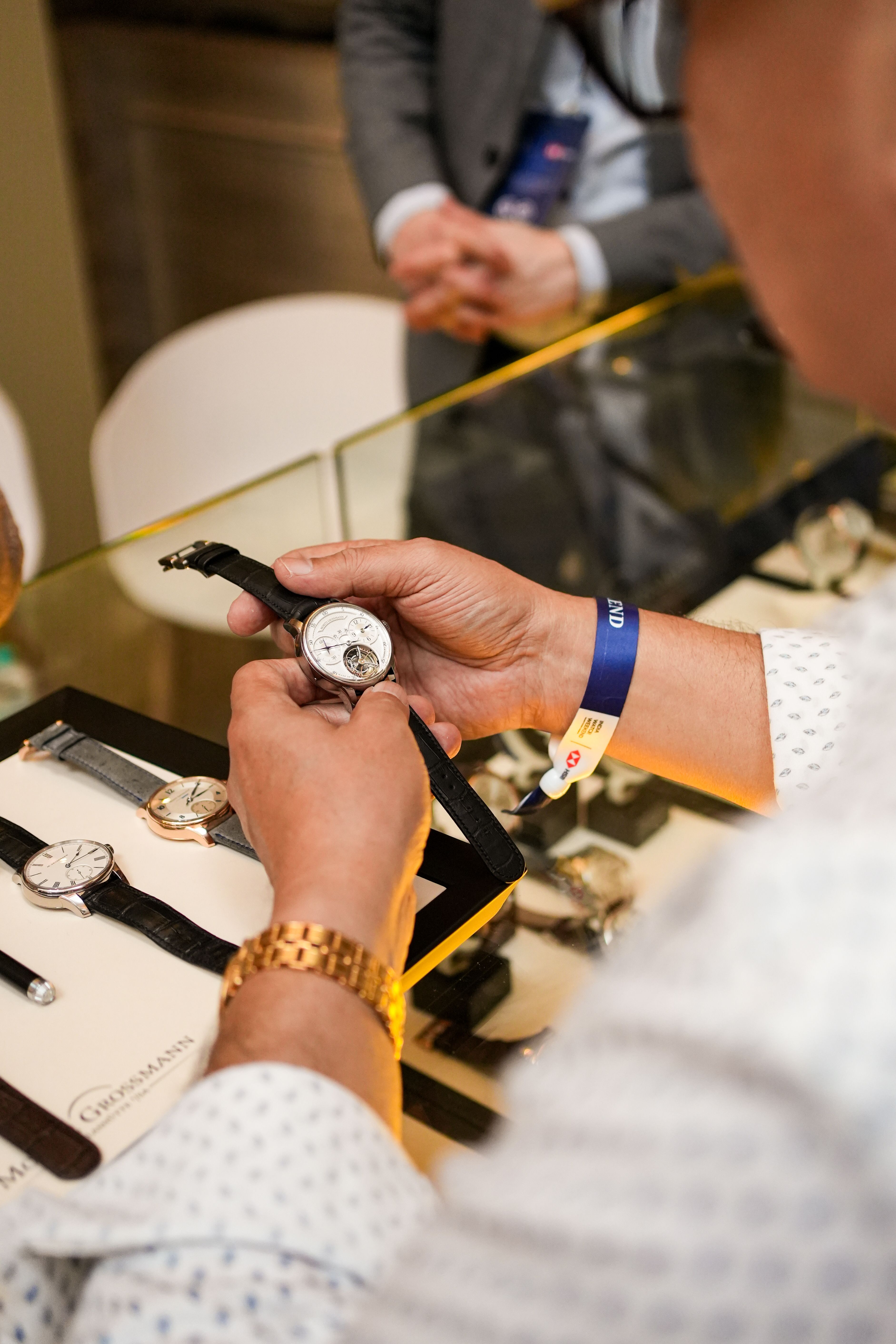
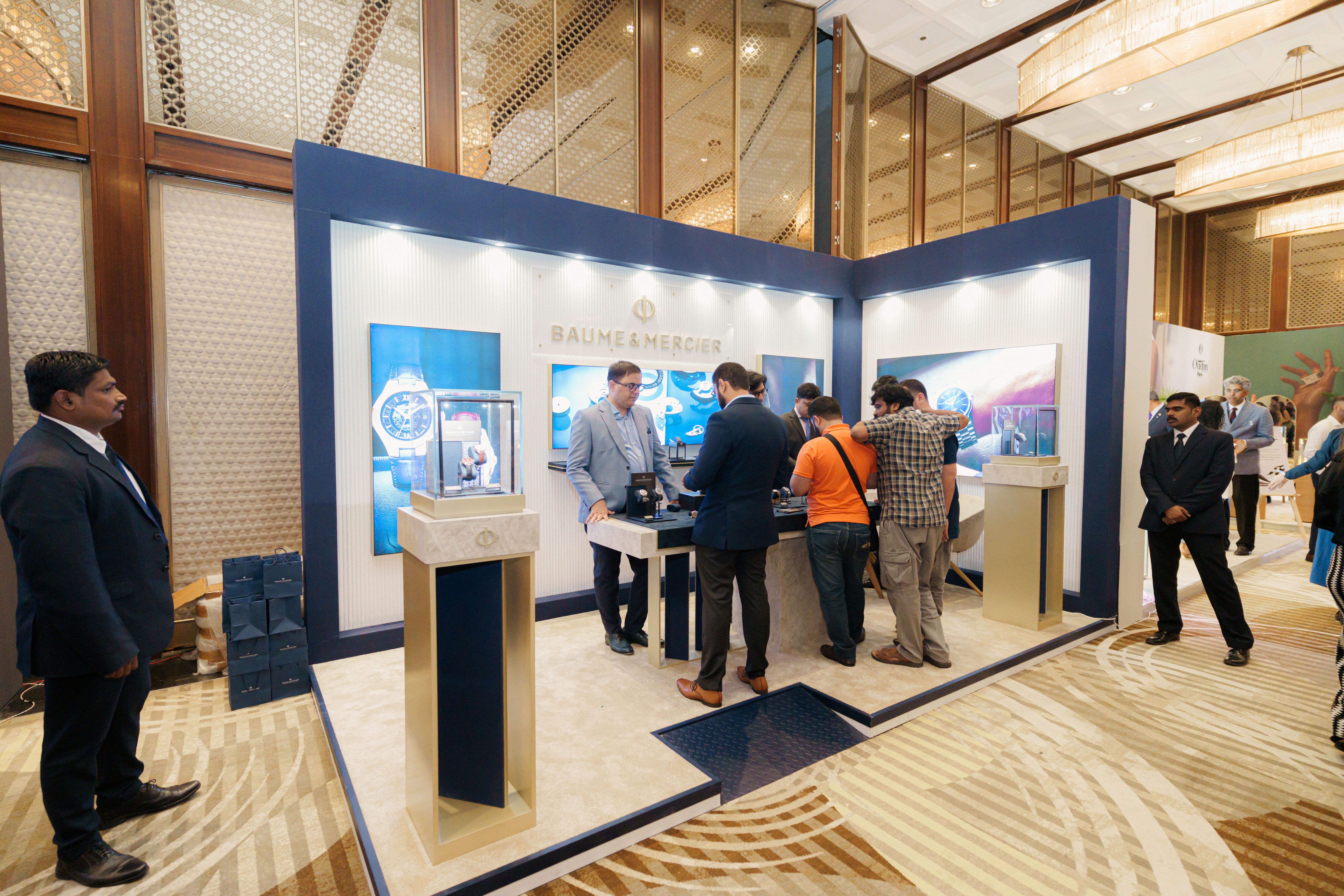
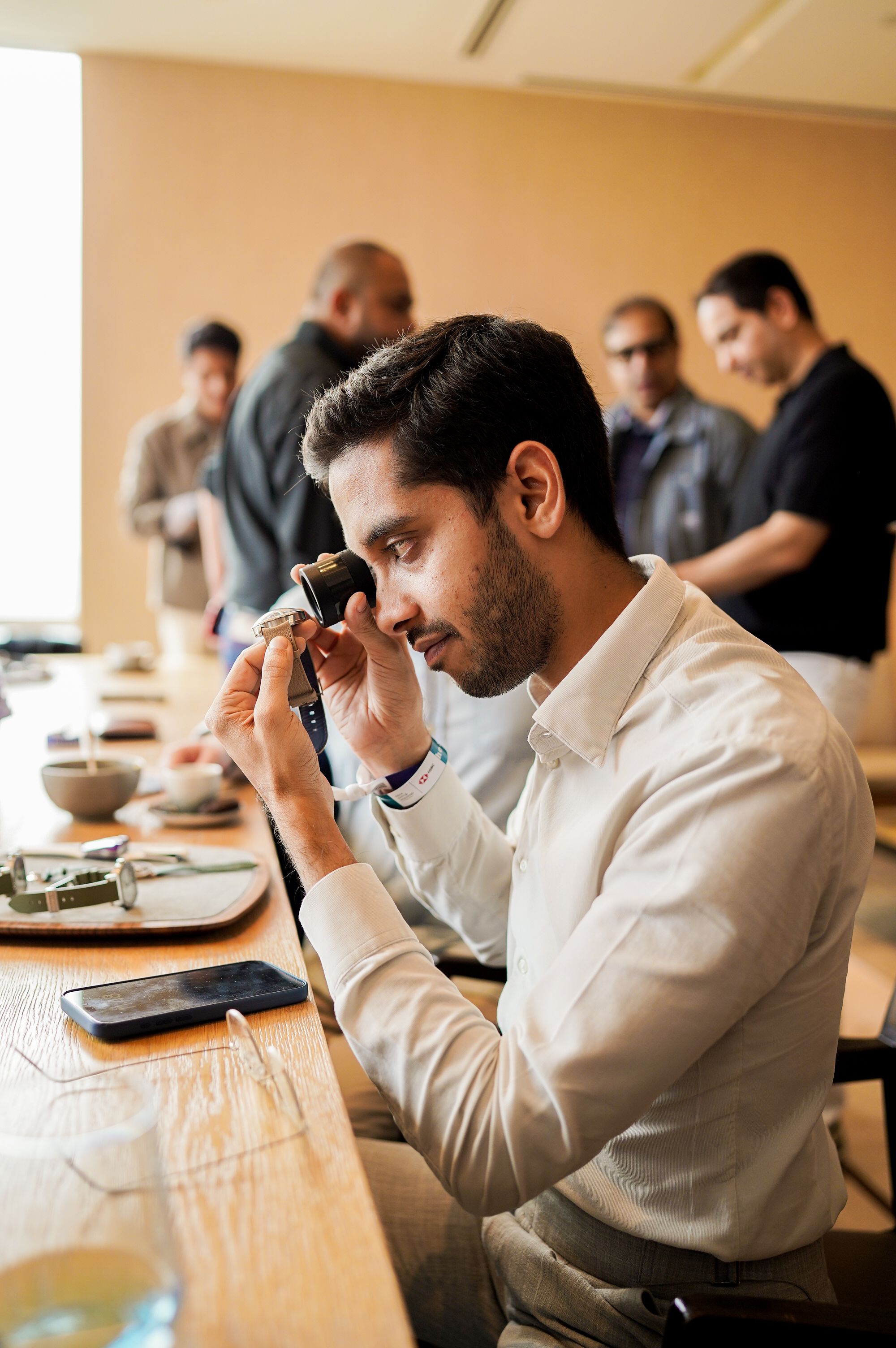
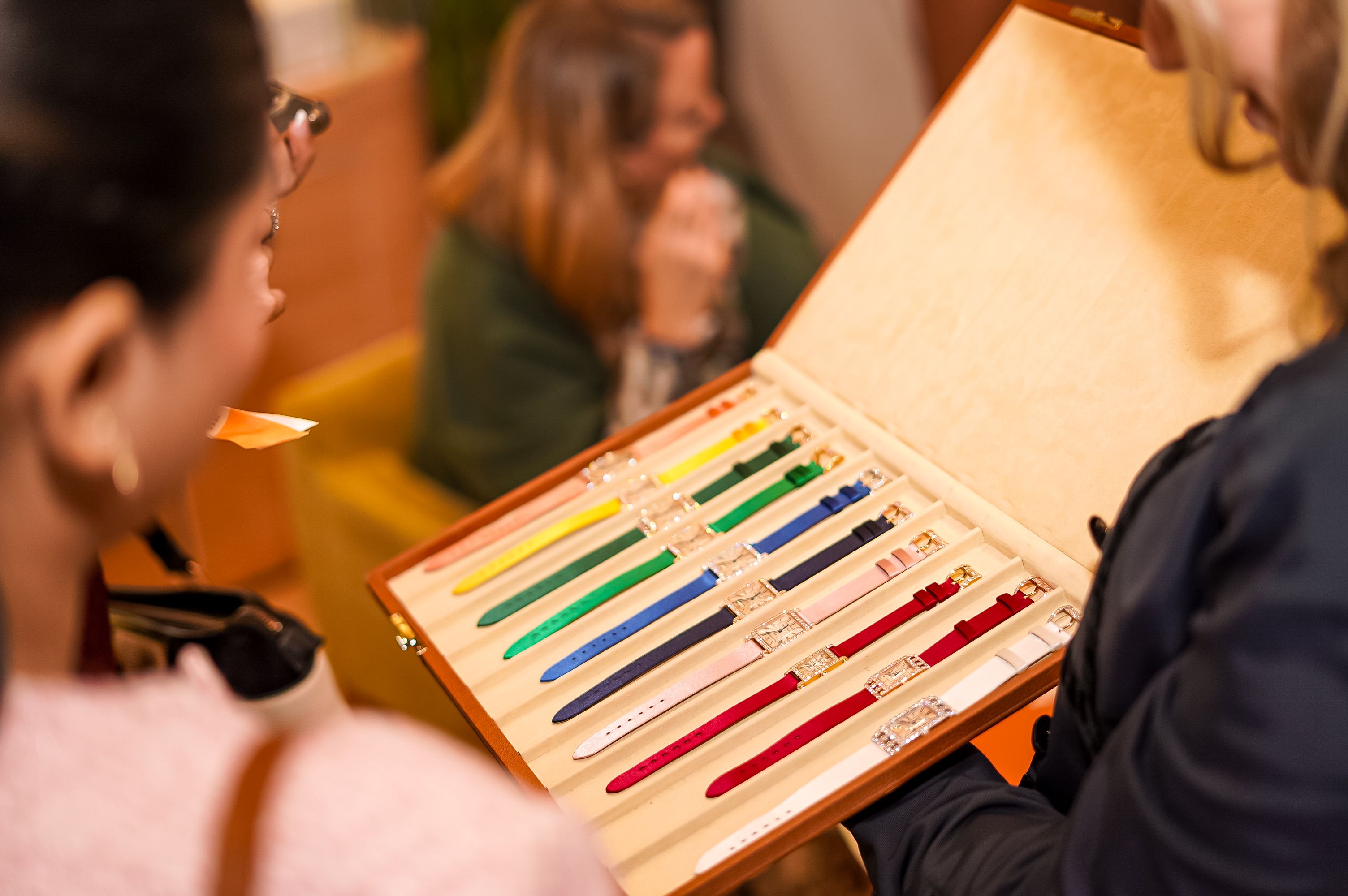
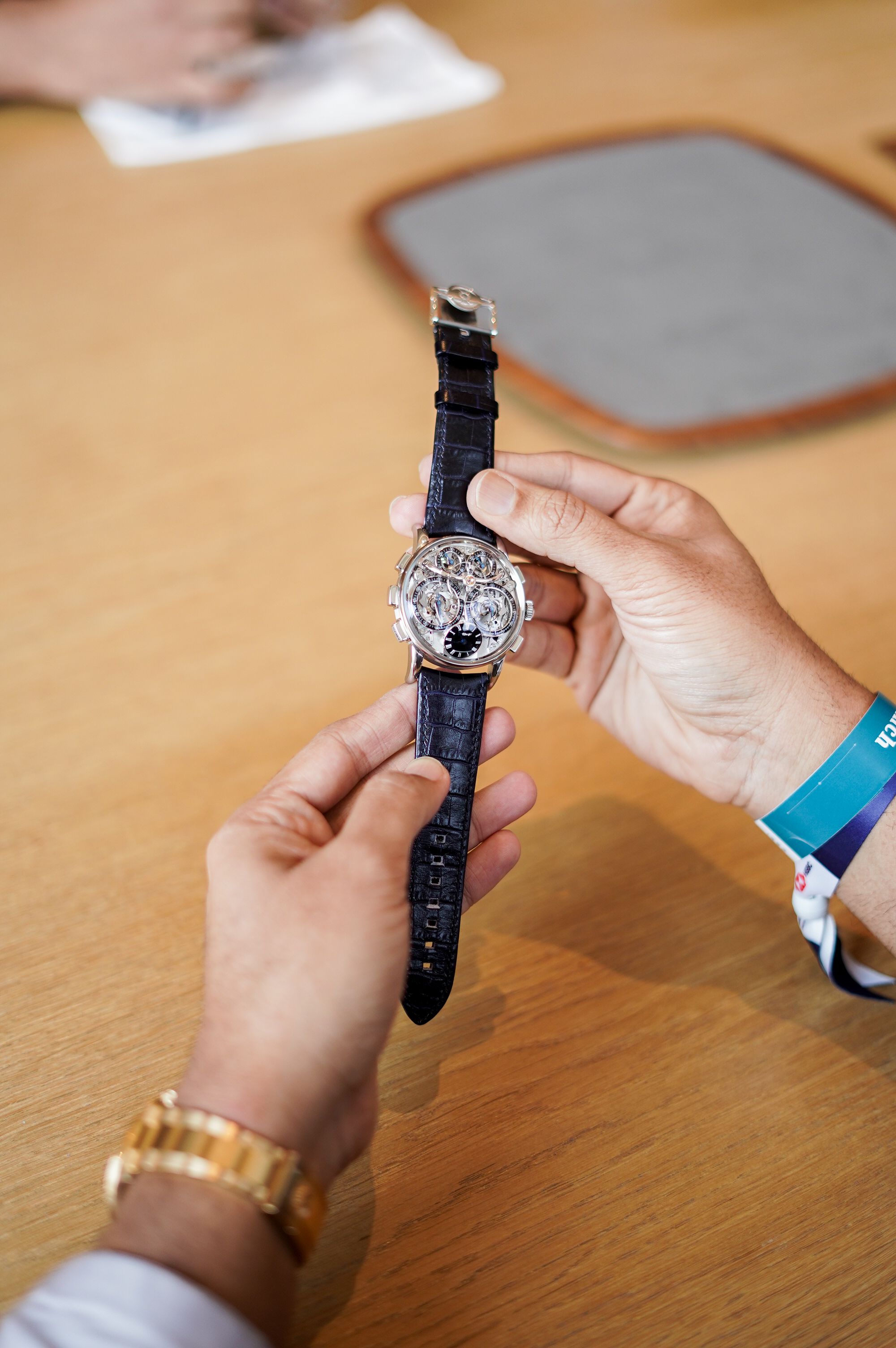
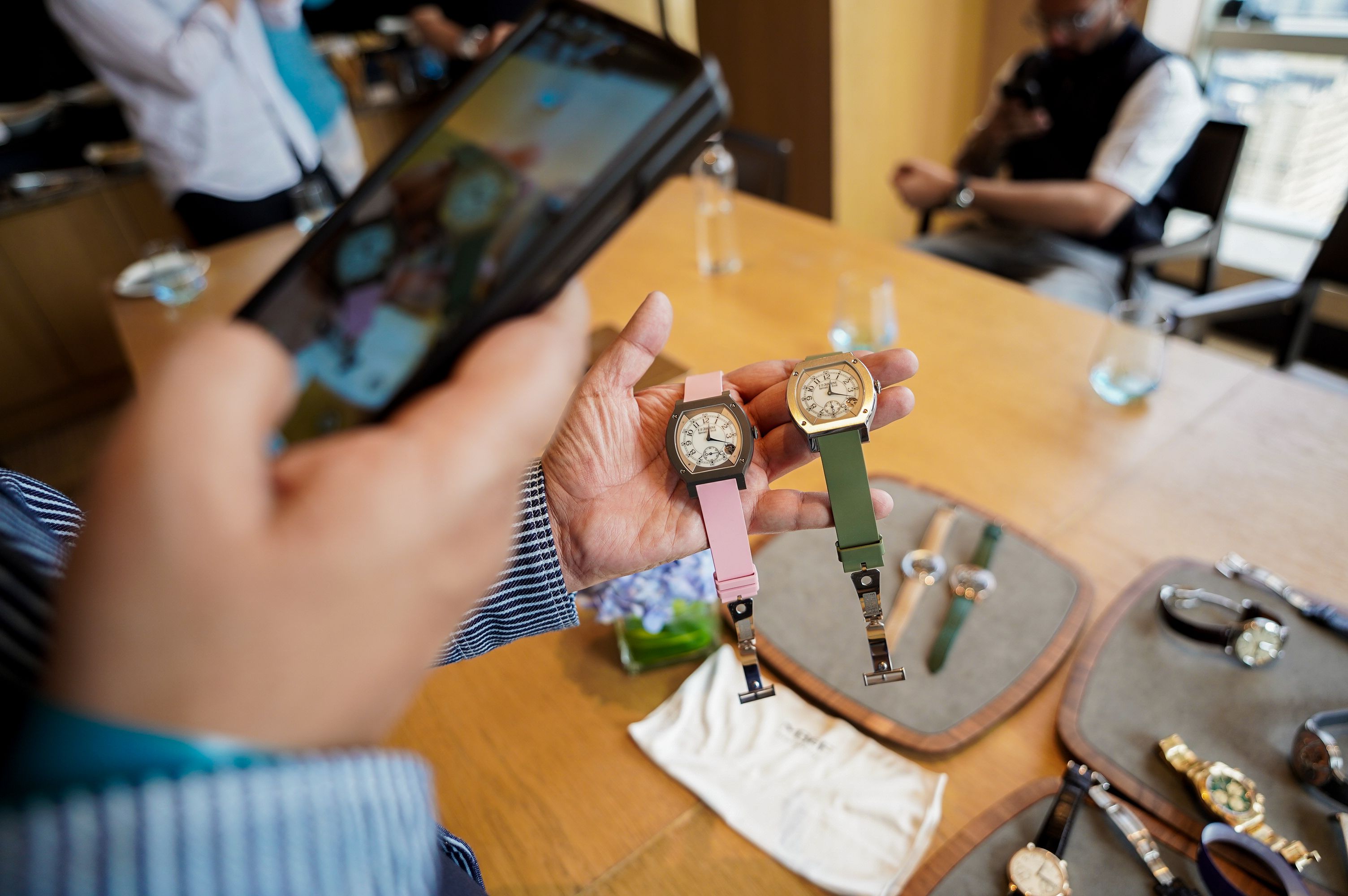
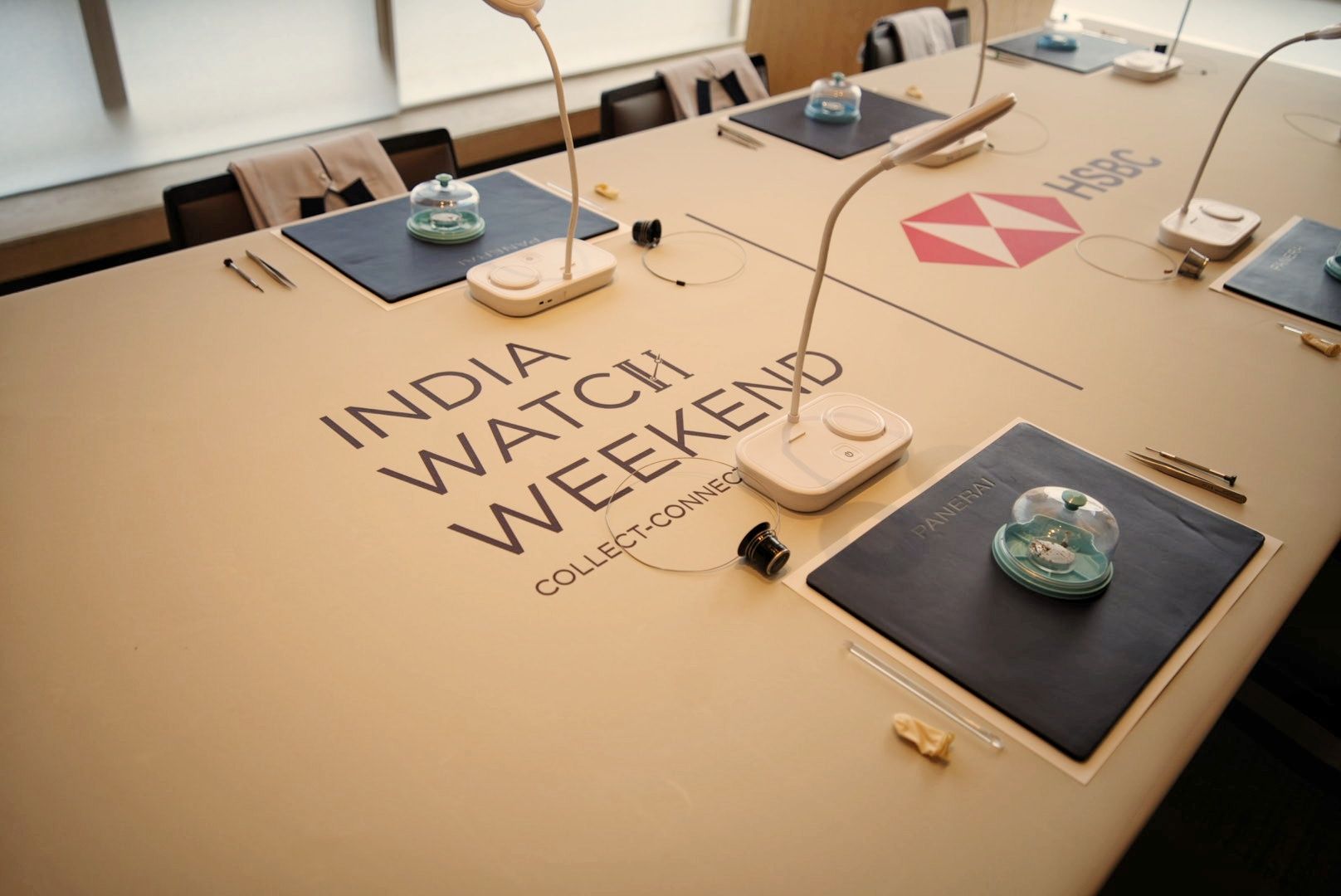
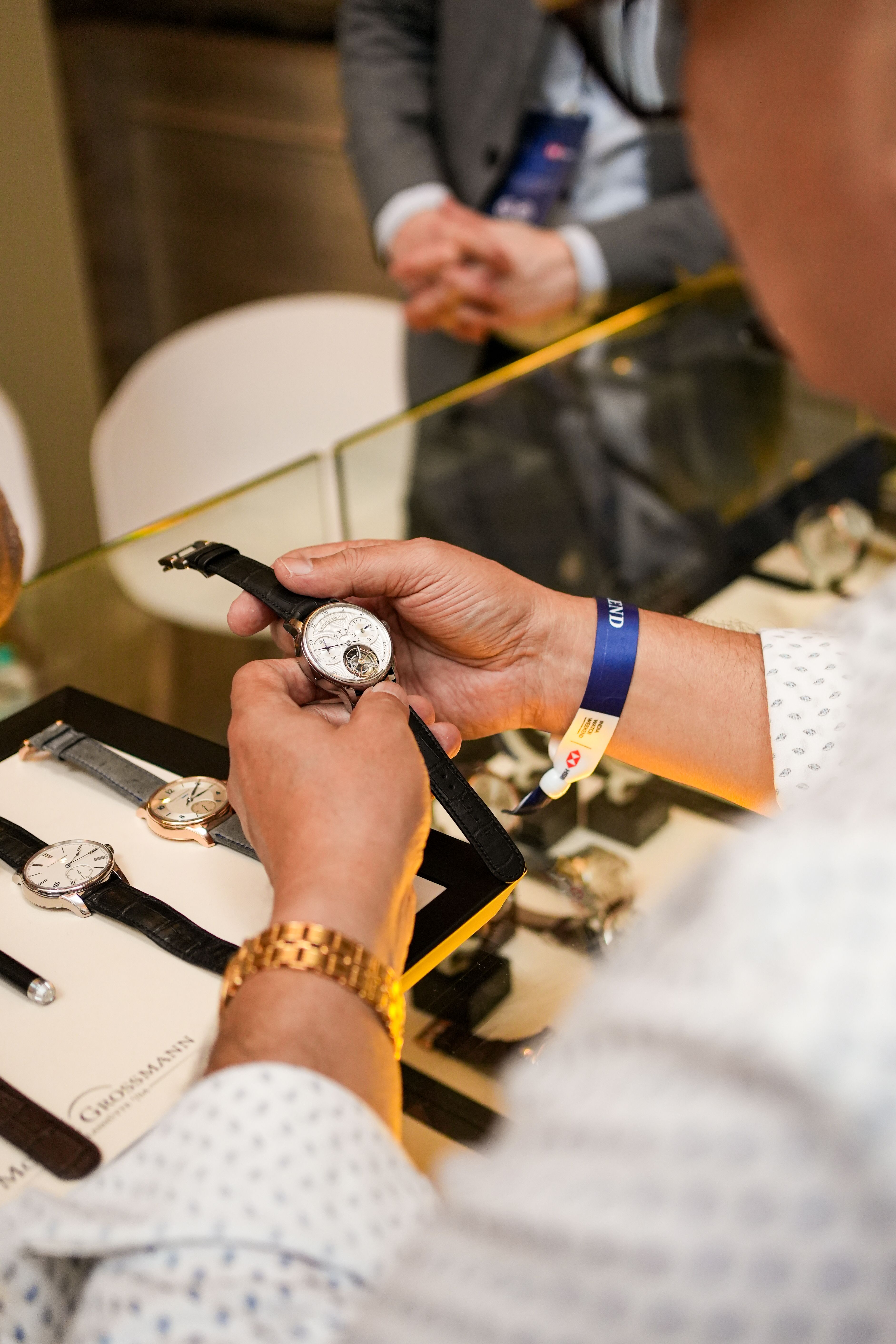
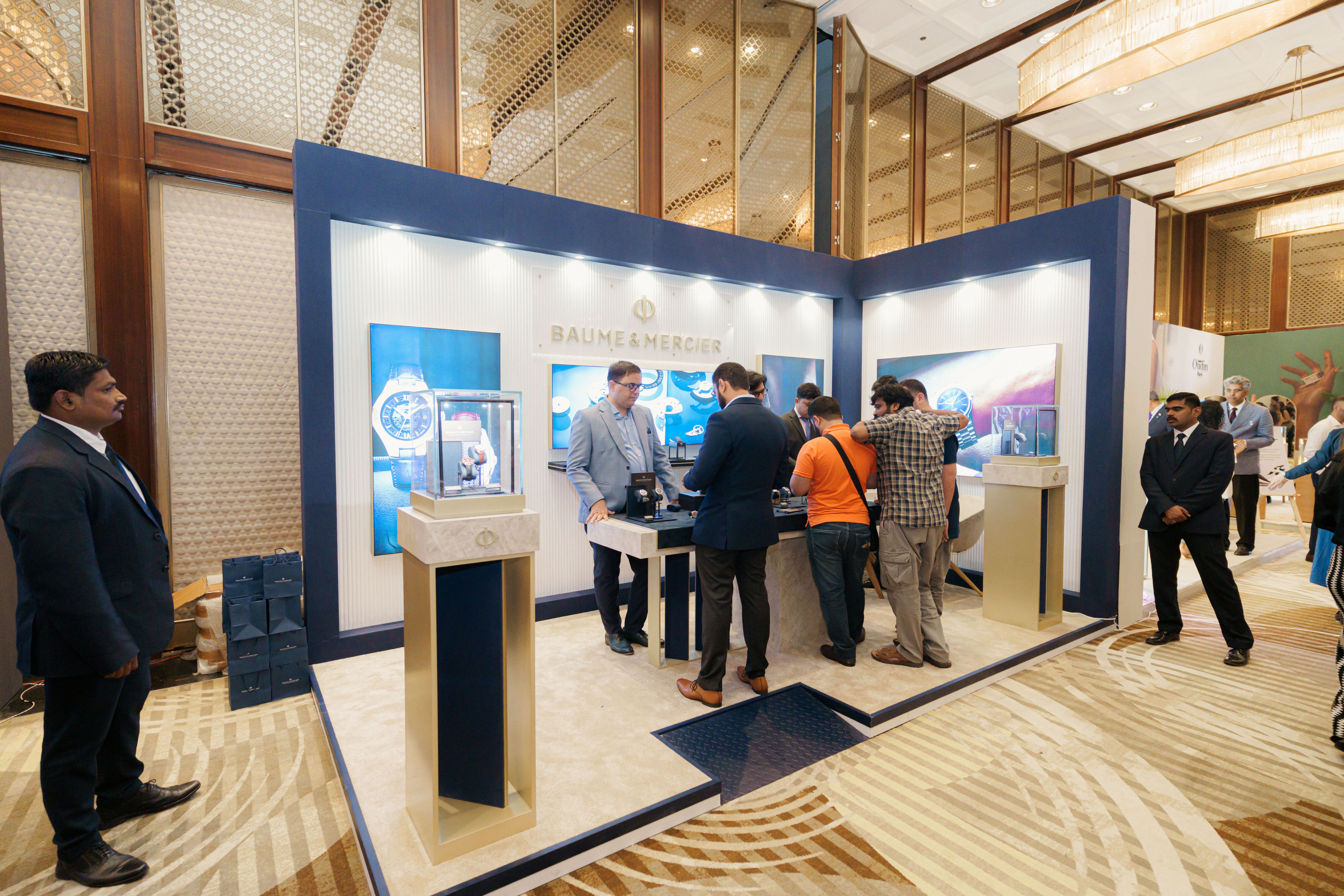
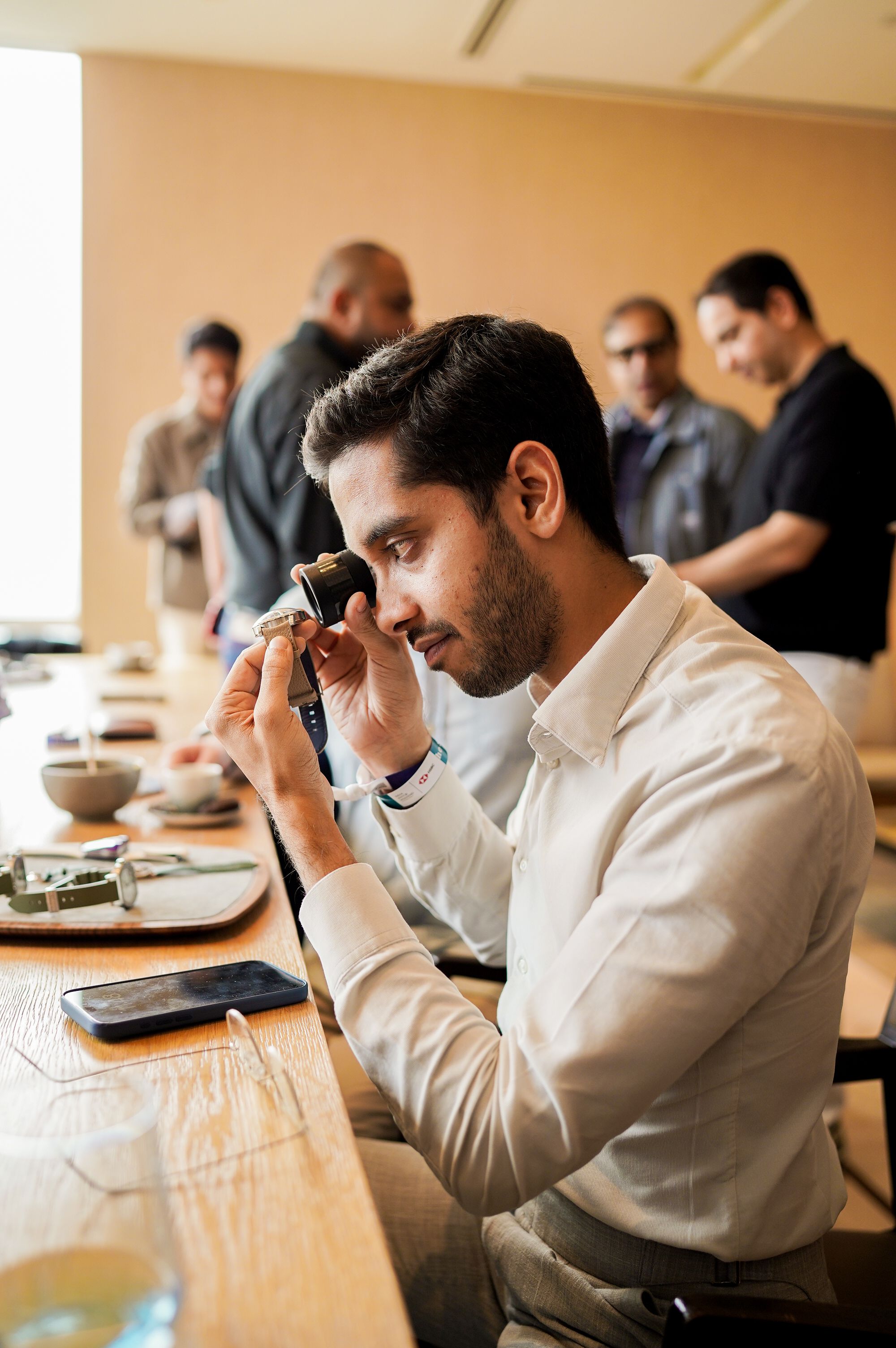
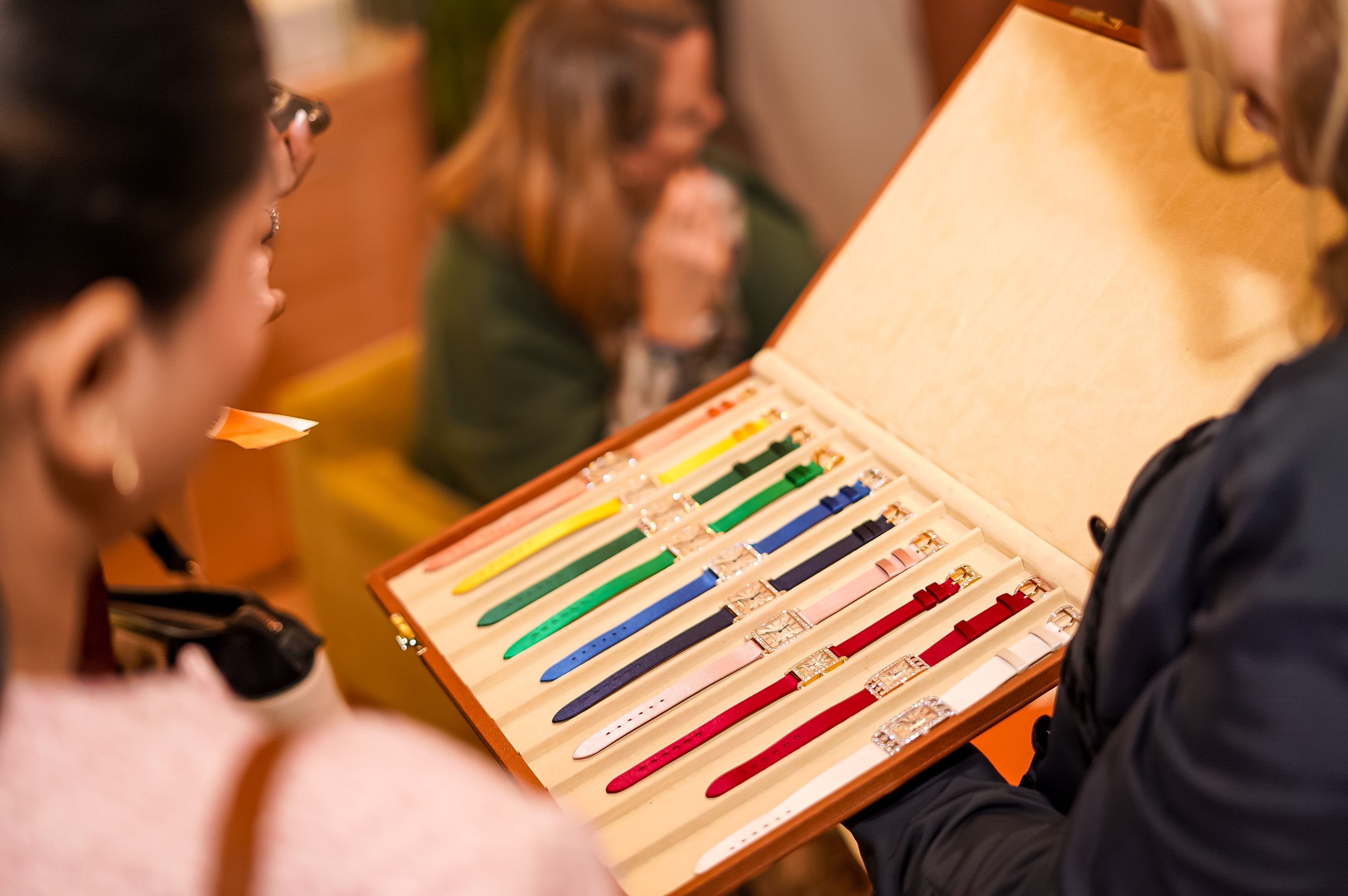
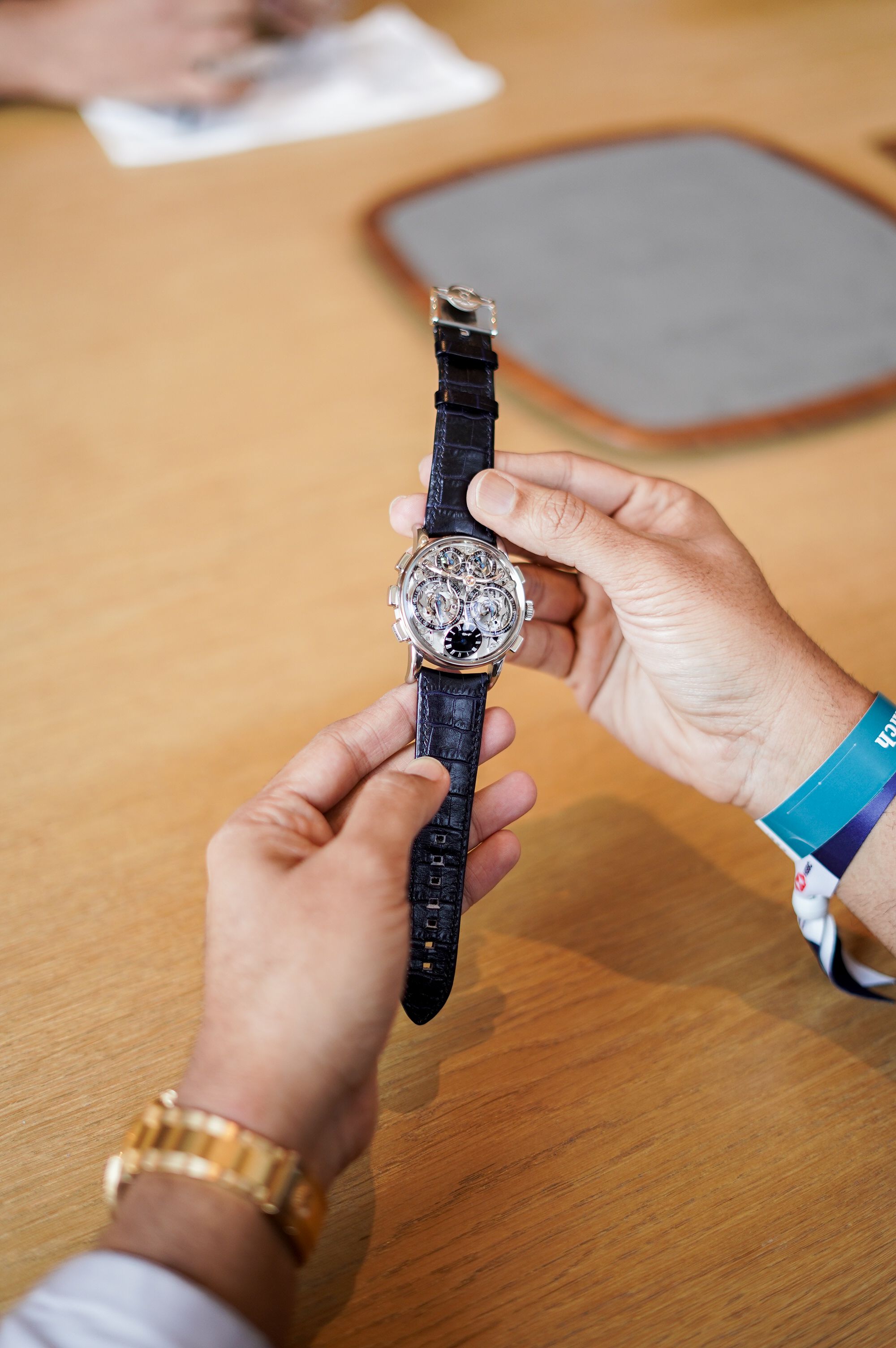
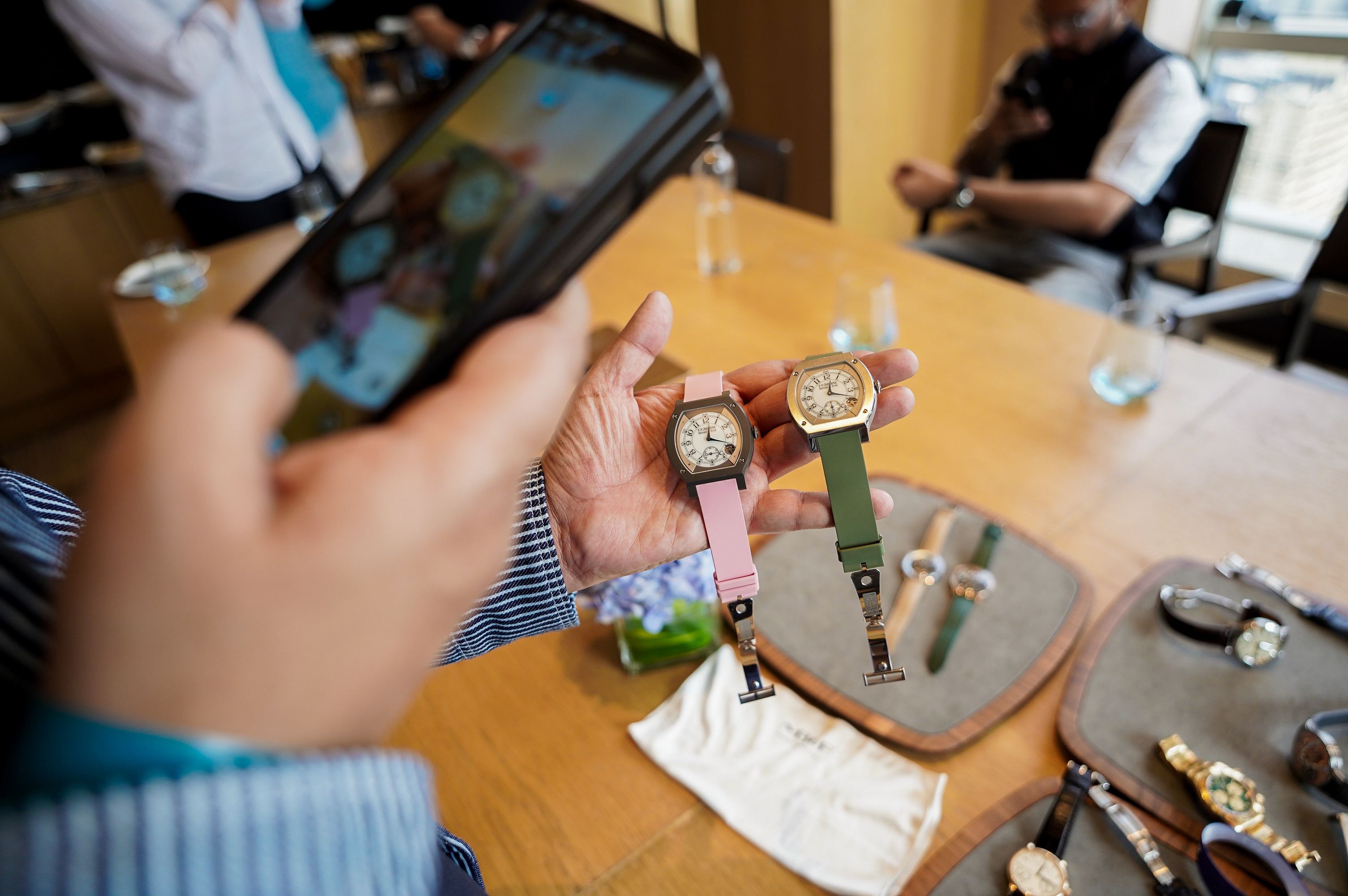
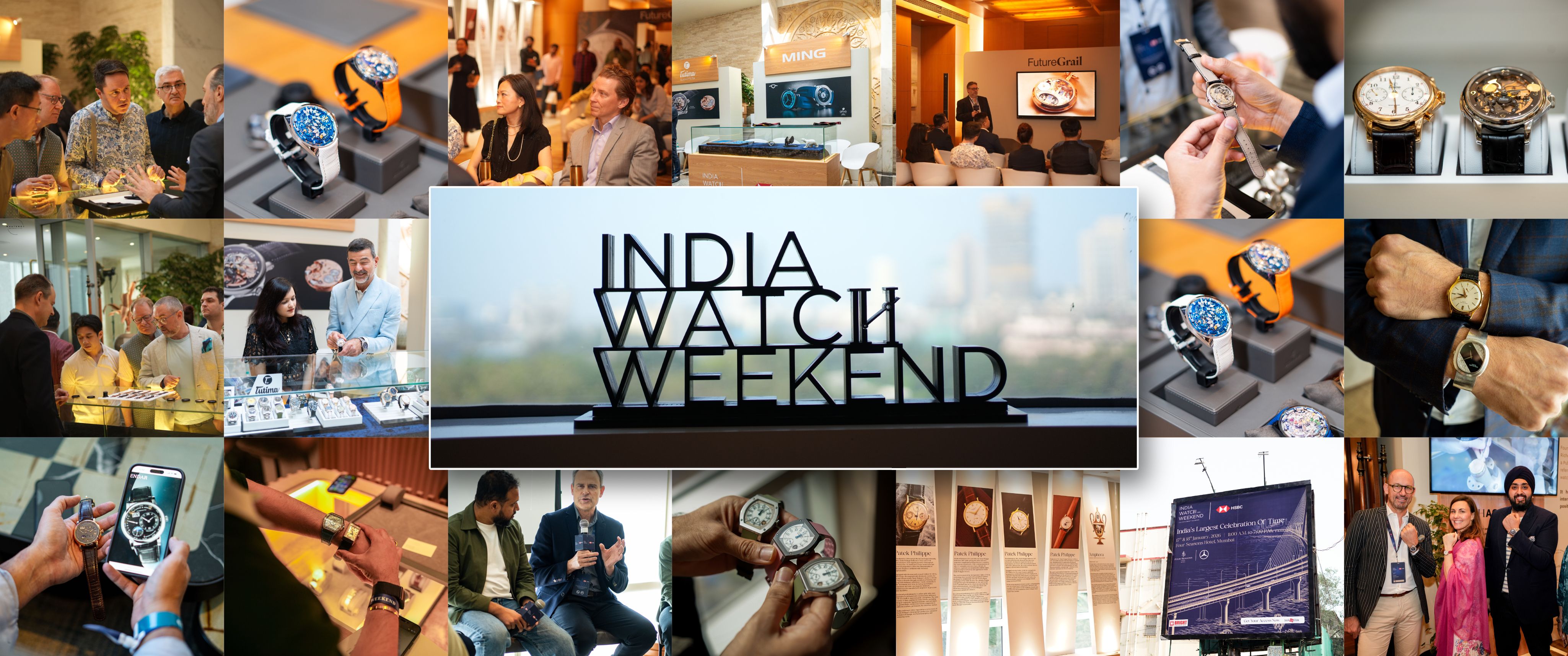
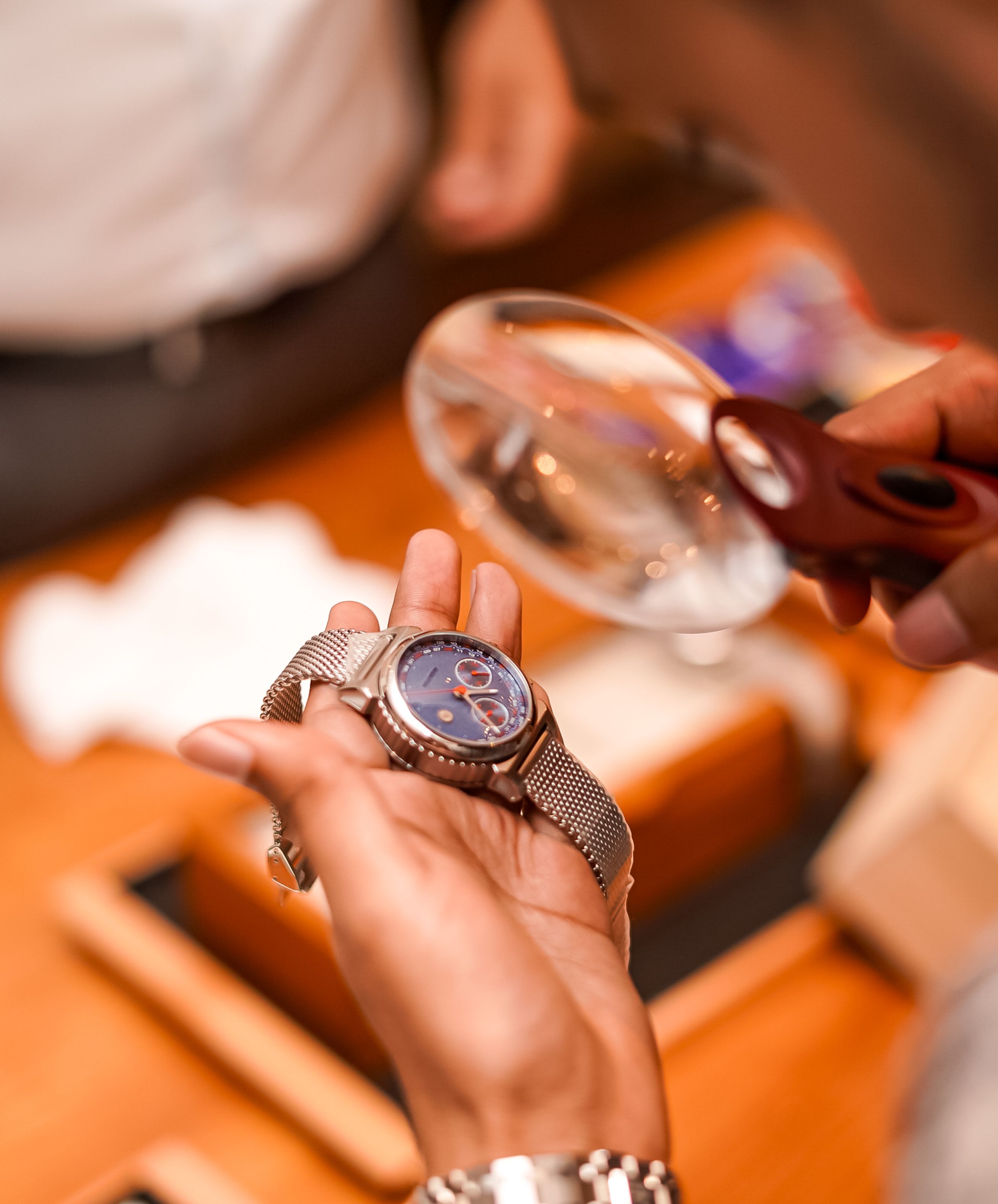
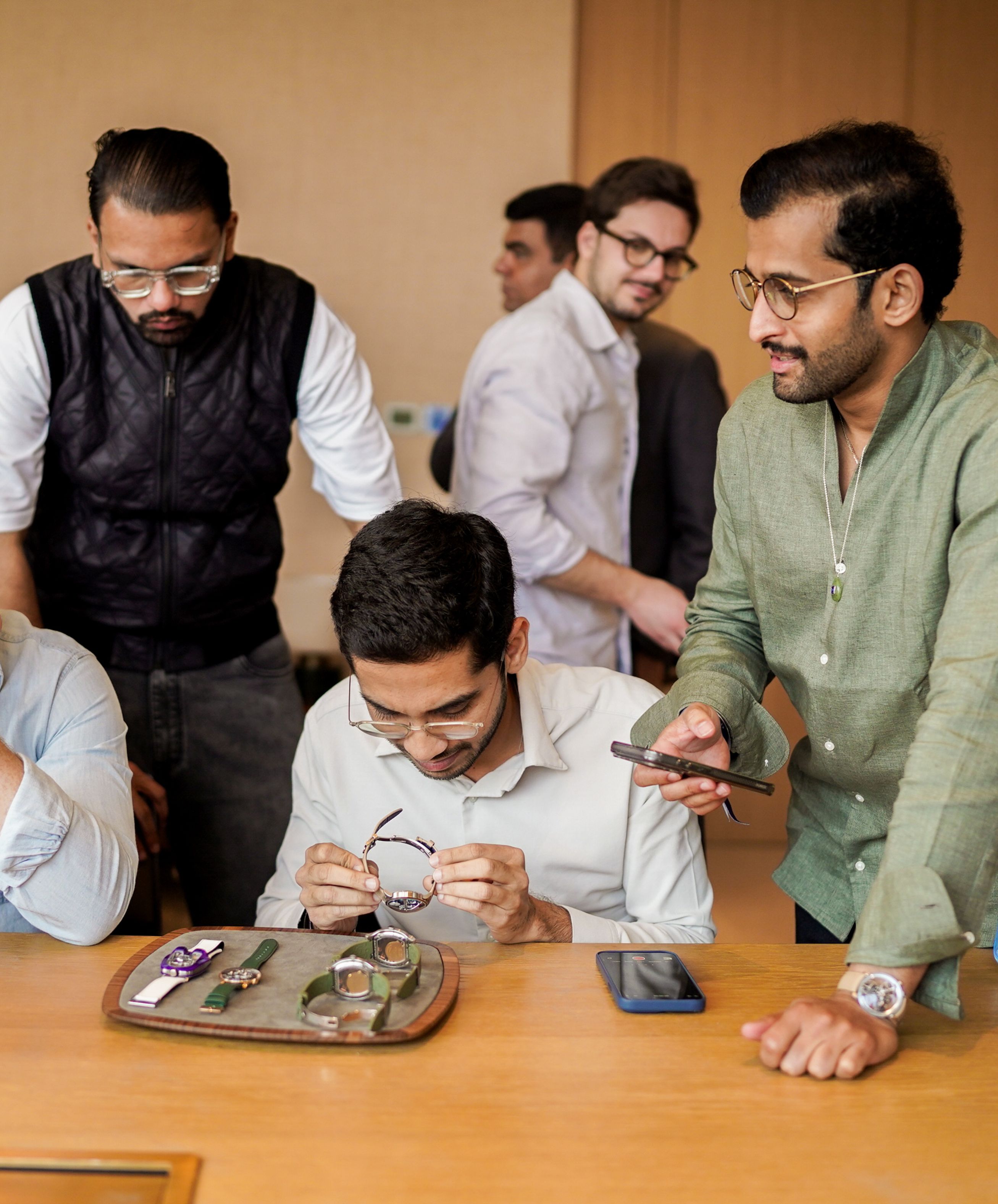
India Watch Weekend is undoubtedly a flagship outfit in regards to the level of engagement and interaction it offers. The 2026 edition, held at the Four Seasons Mumbai on January 17-18, offered guests a rare opportunity to meet the brands, see the pieces, talk to the CEOs, and get hands on with some truly unique stuff that is hard to find all in one place. The second edition expanded in scale and seriousness, pairing mainstream names with niche independents and a dense program of scholarship, all against the backdrop of one of the world’s fastest‑growing luxury watch markets.
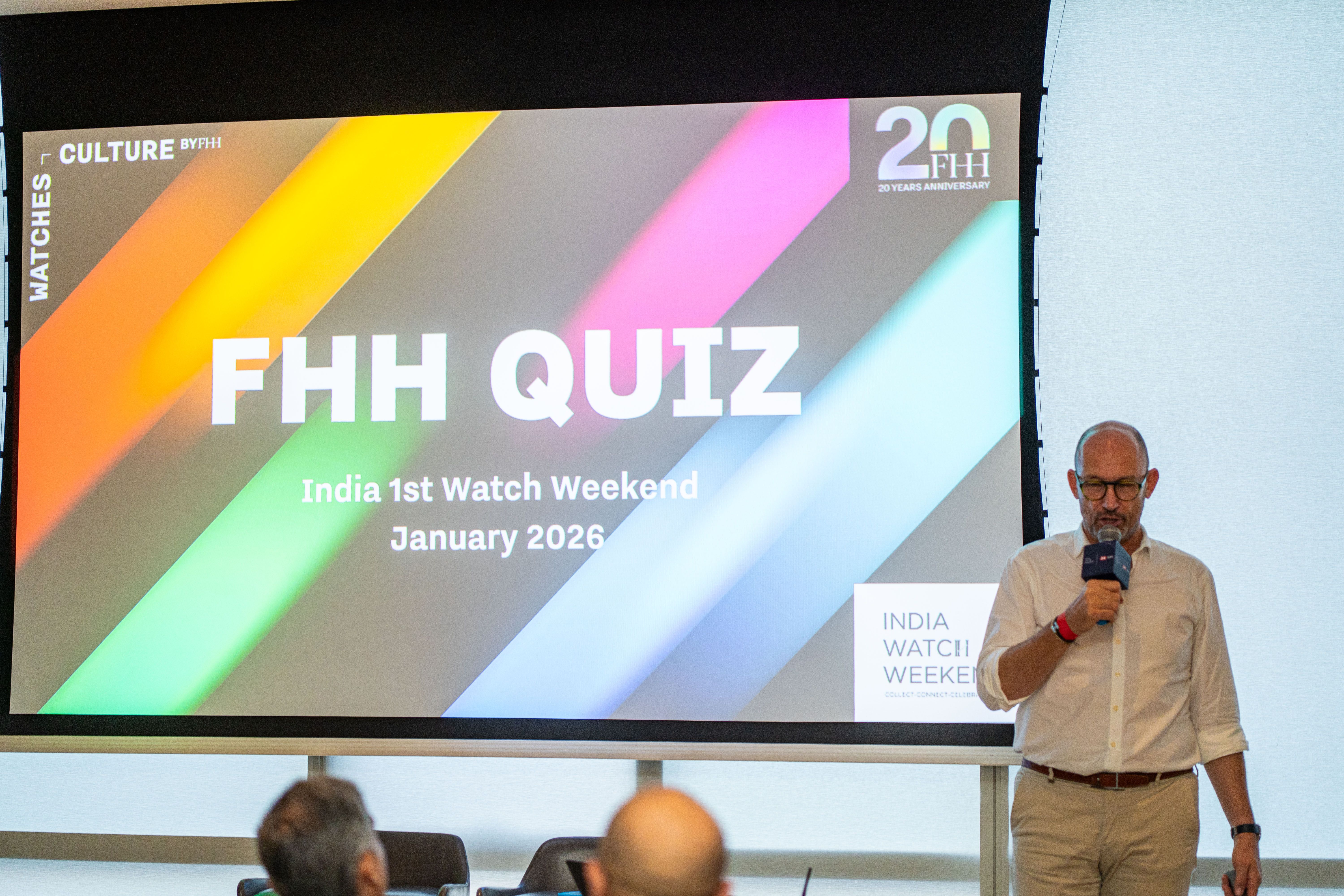
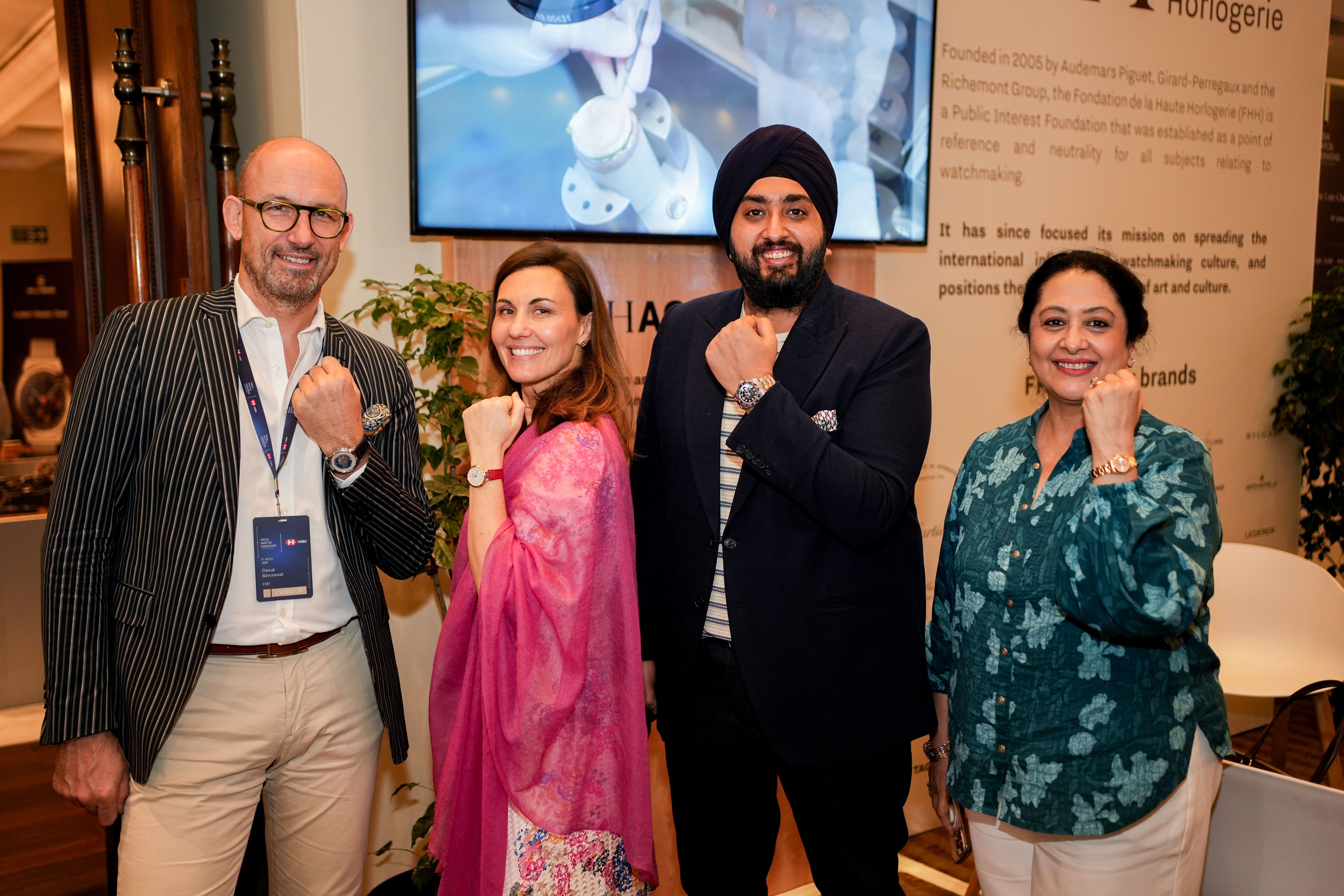
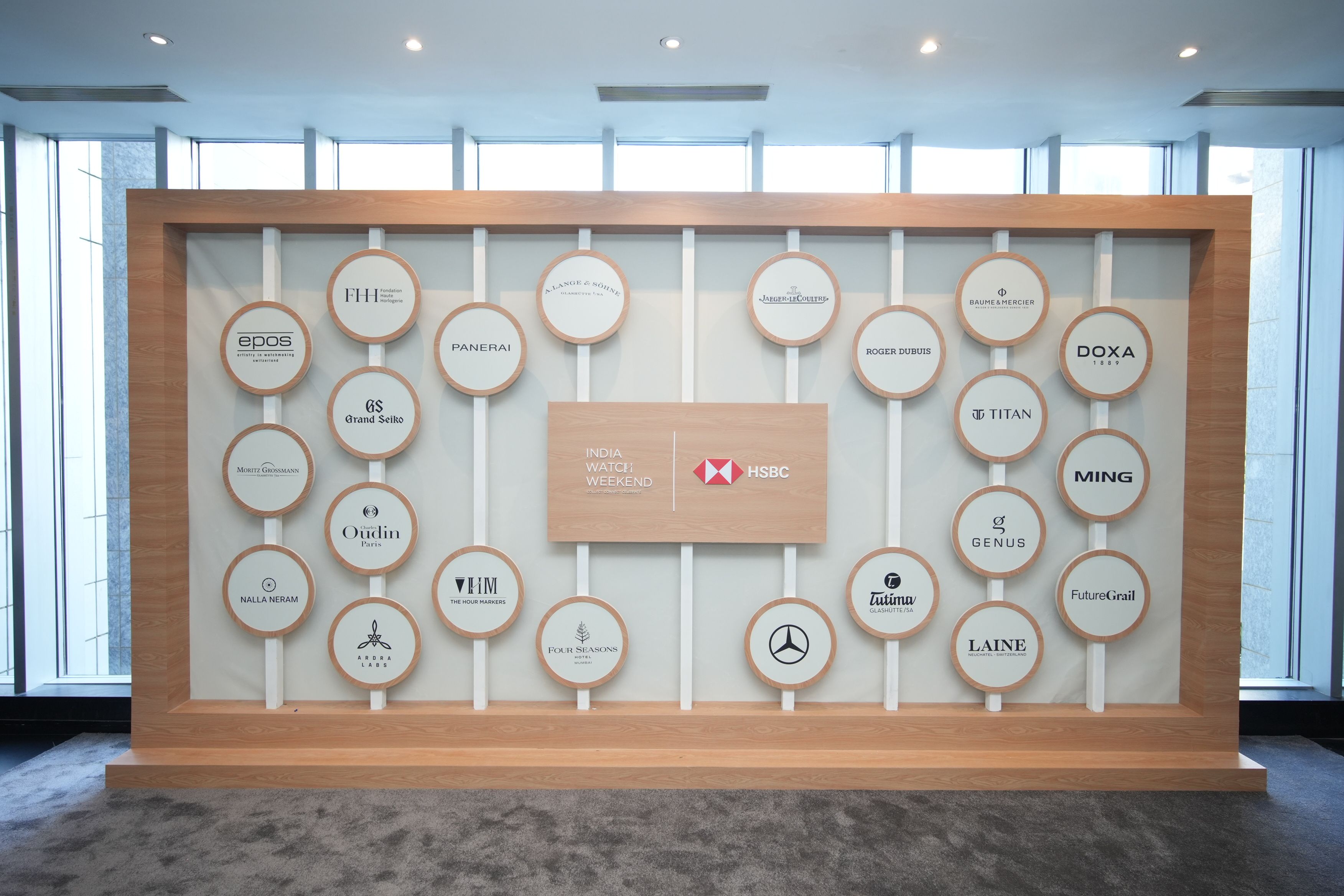
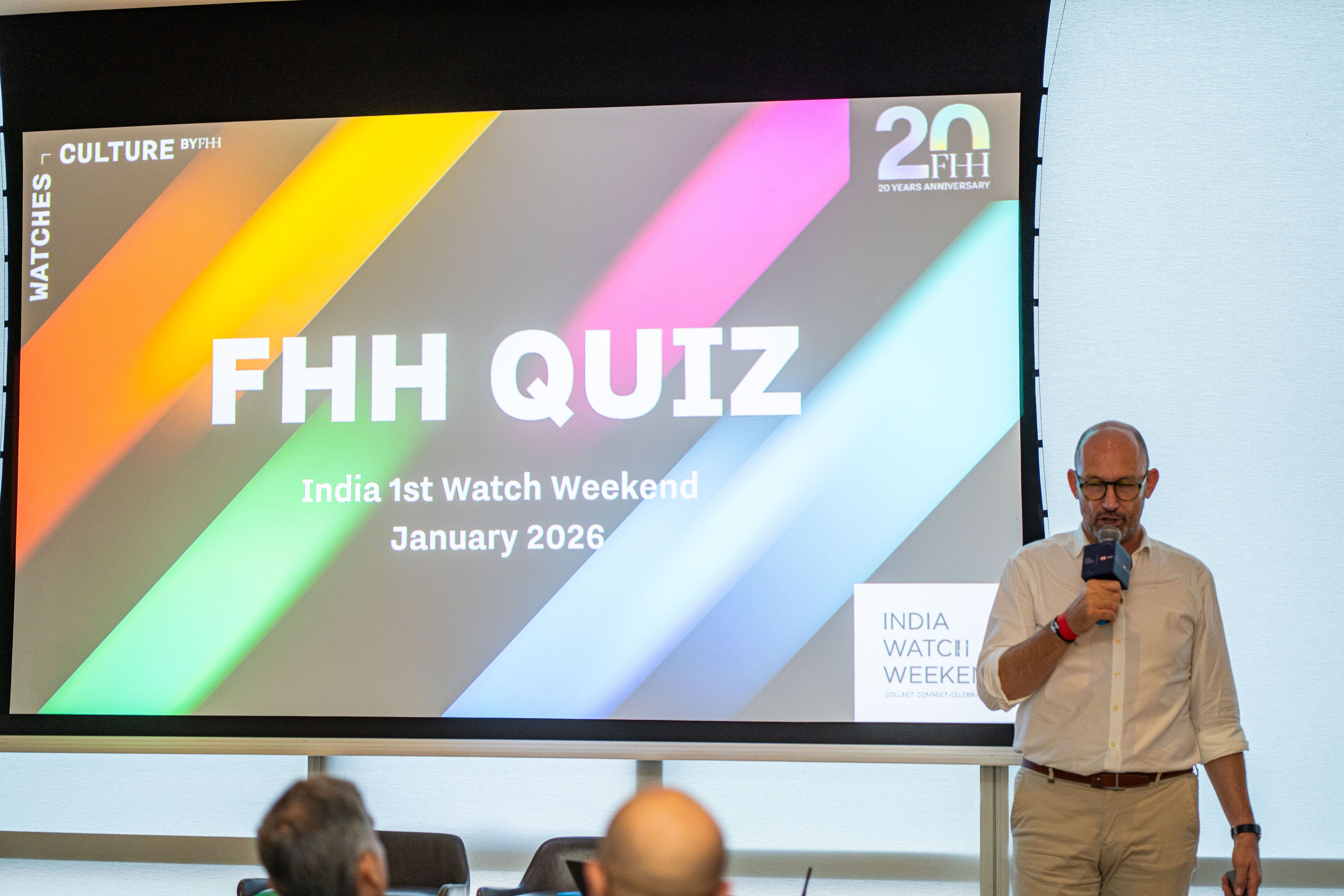
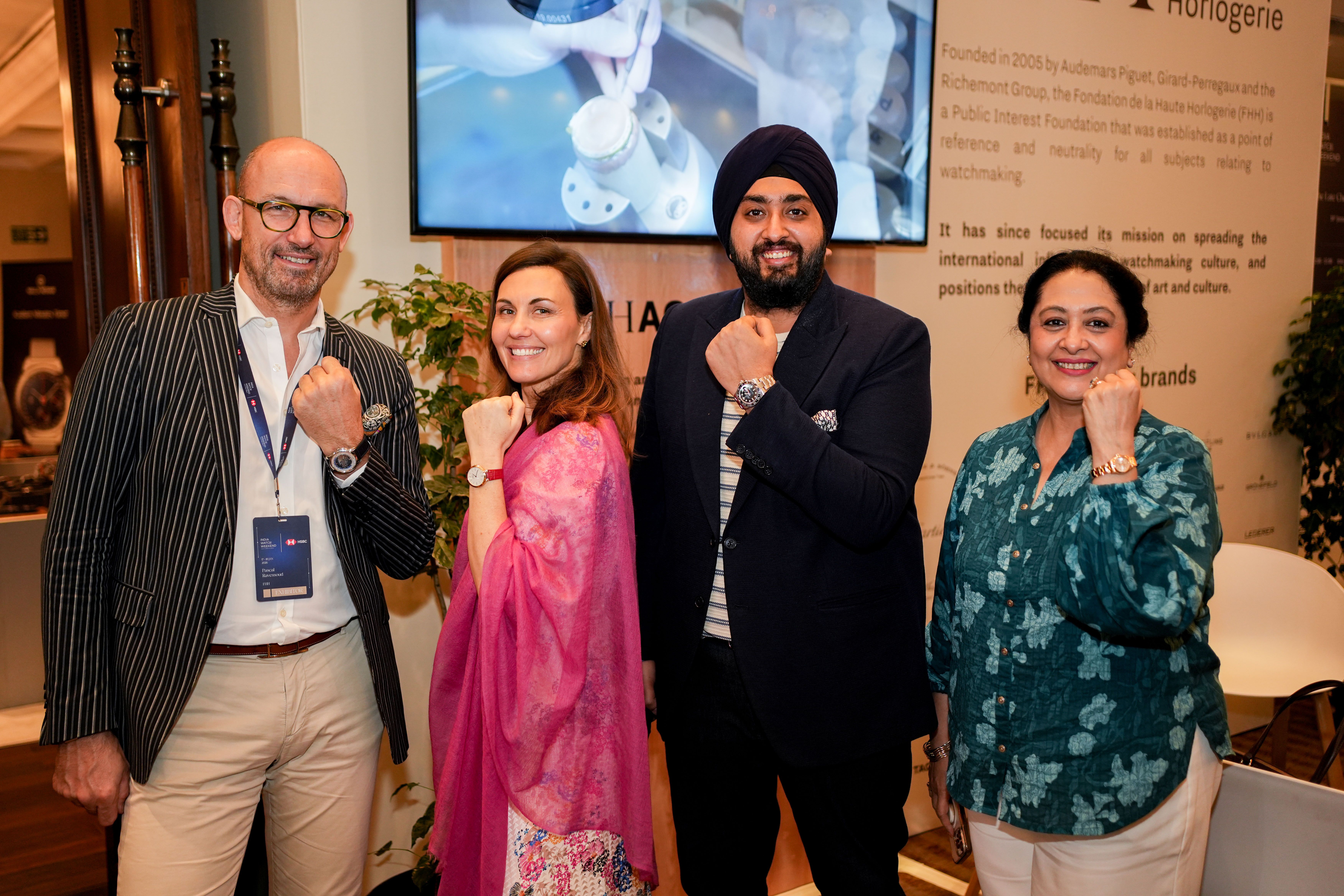
India Watch Weekend 2026 marked a triumphant second chapter, surpassing its inaugural success with 18 prestigious brands, more than 1,000 visitors, and over 25 meticulously curated sessions and experiences. A pivotal highlight was the participation of the Fondation de la Haute Horlogerie (FHH), underscoring the event's ascent as a cornerstone of global watchmaking prestige.
What distinguished this year was not only the hardware on the tables, but the sense that the event had matured into a living ecosystem where brands sounded out a strategically vital market even as Indian collectors tested, questioned and, crucially, began to recognize themselves as a cohesive community.
Conversations, Not Just Showcases
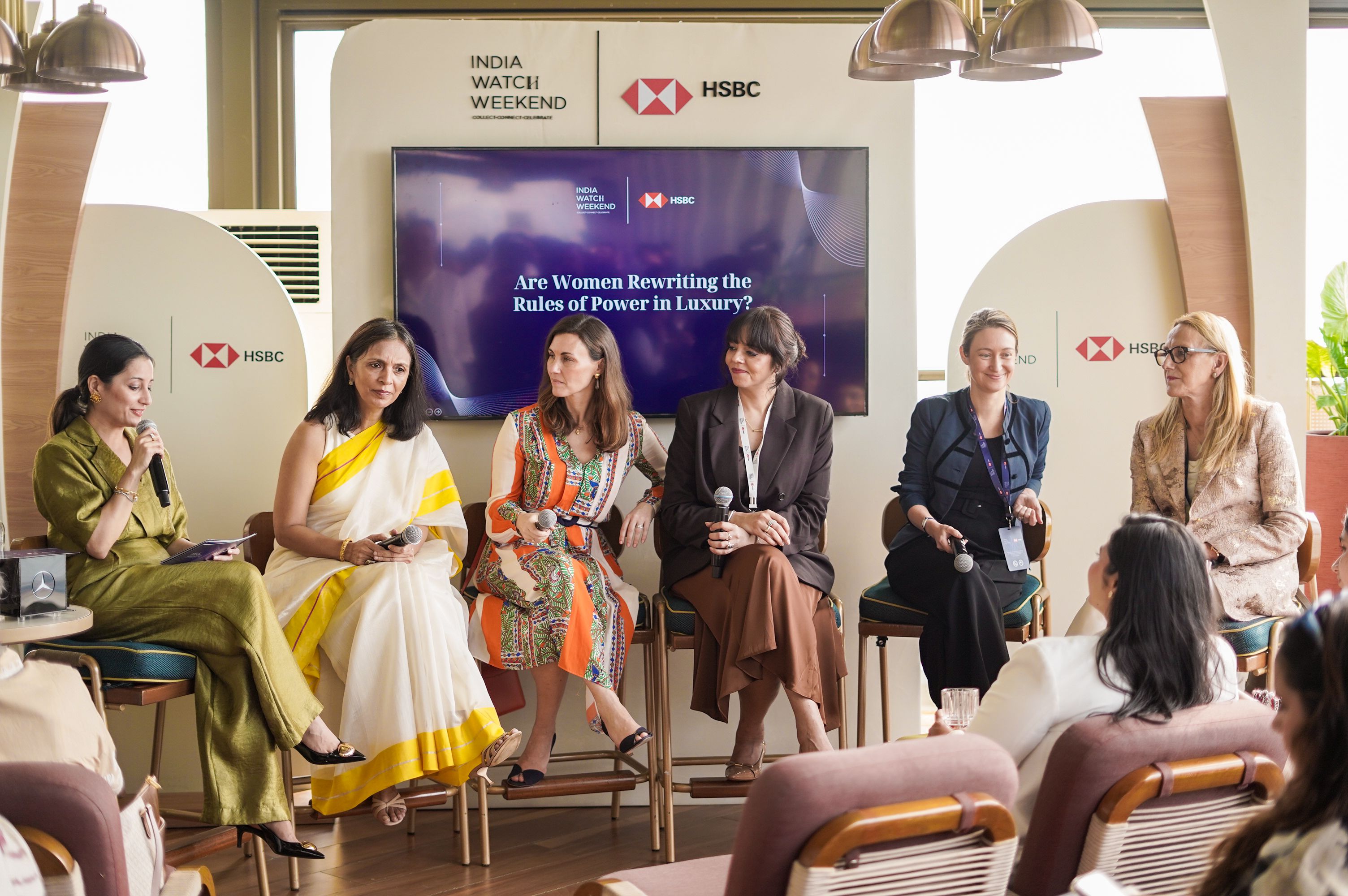
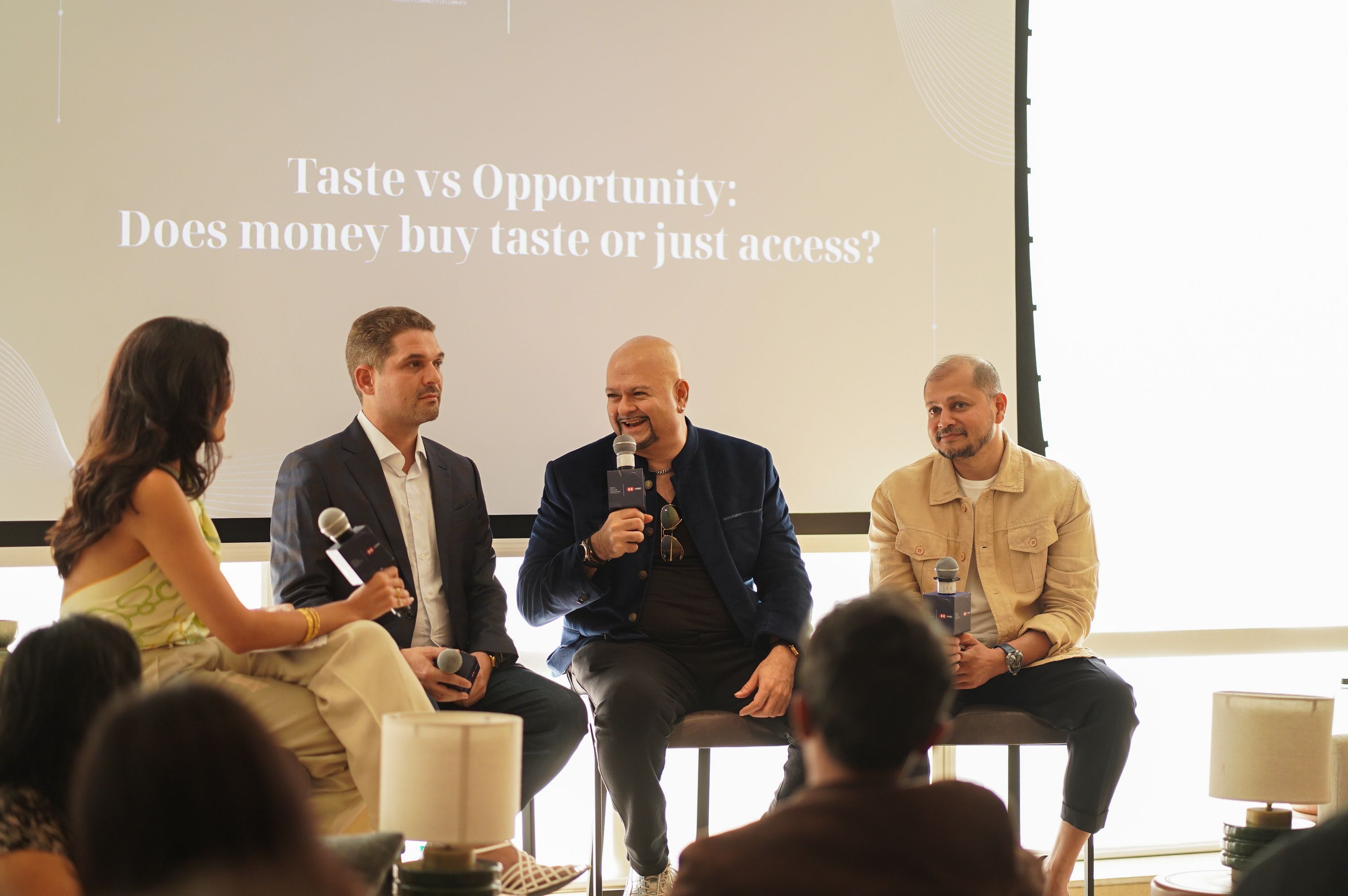
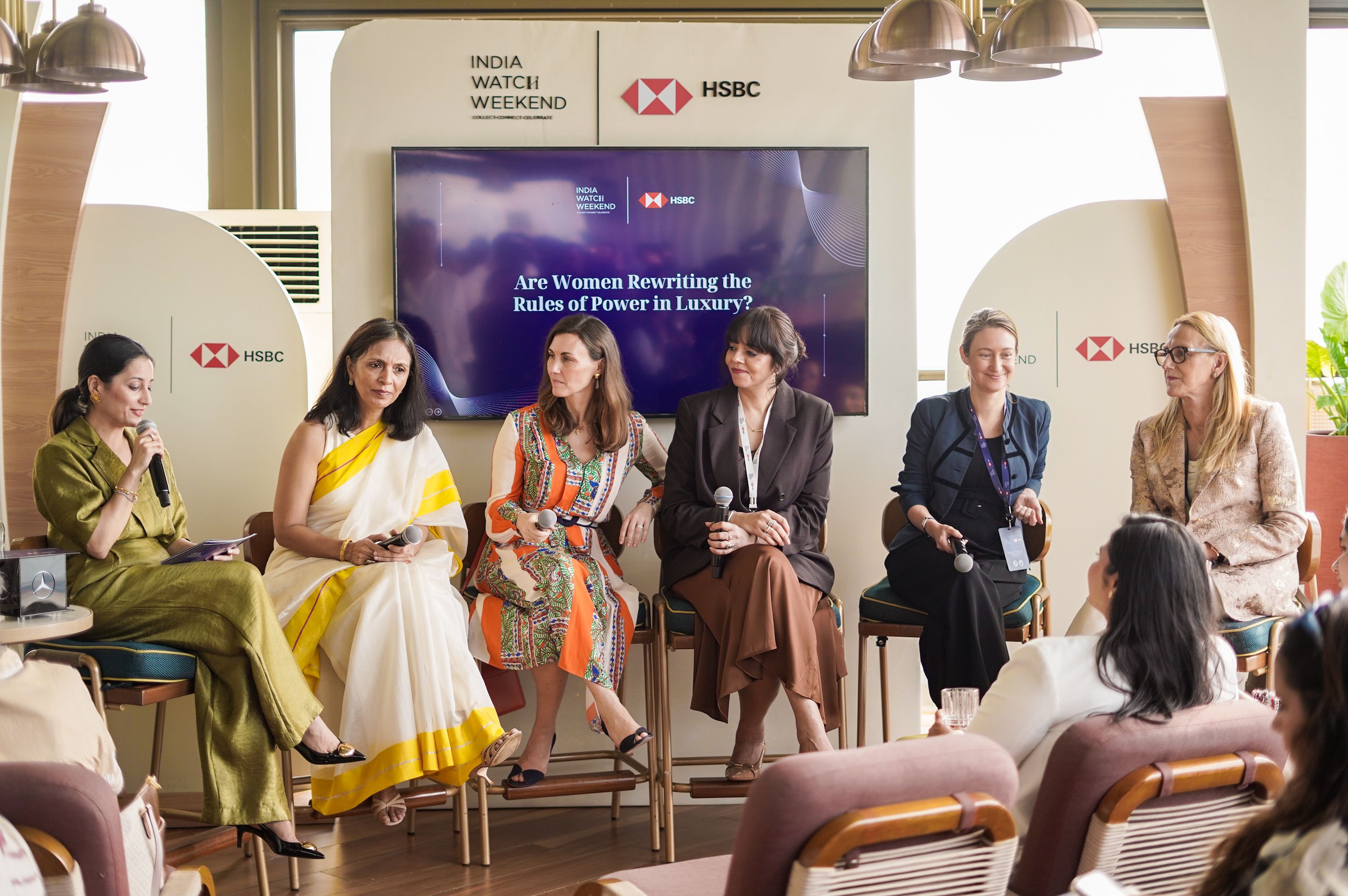
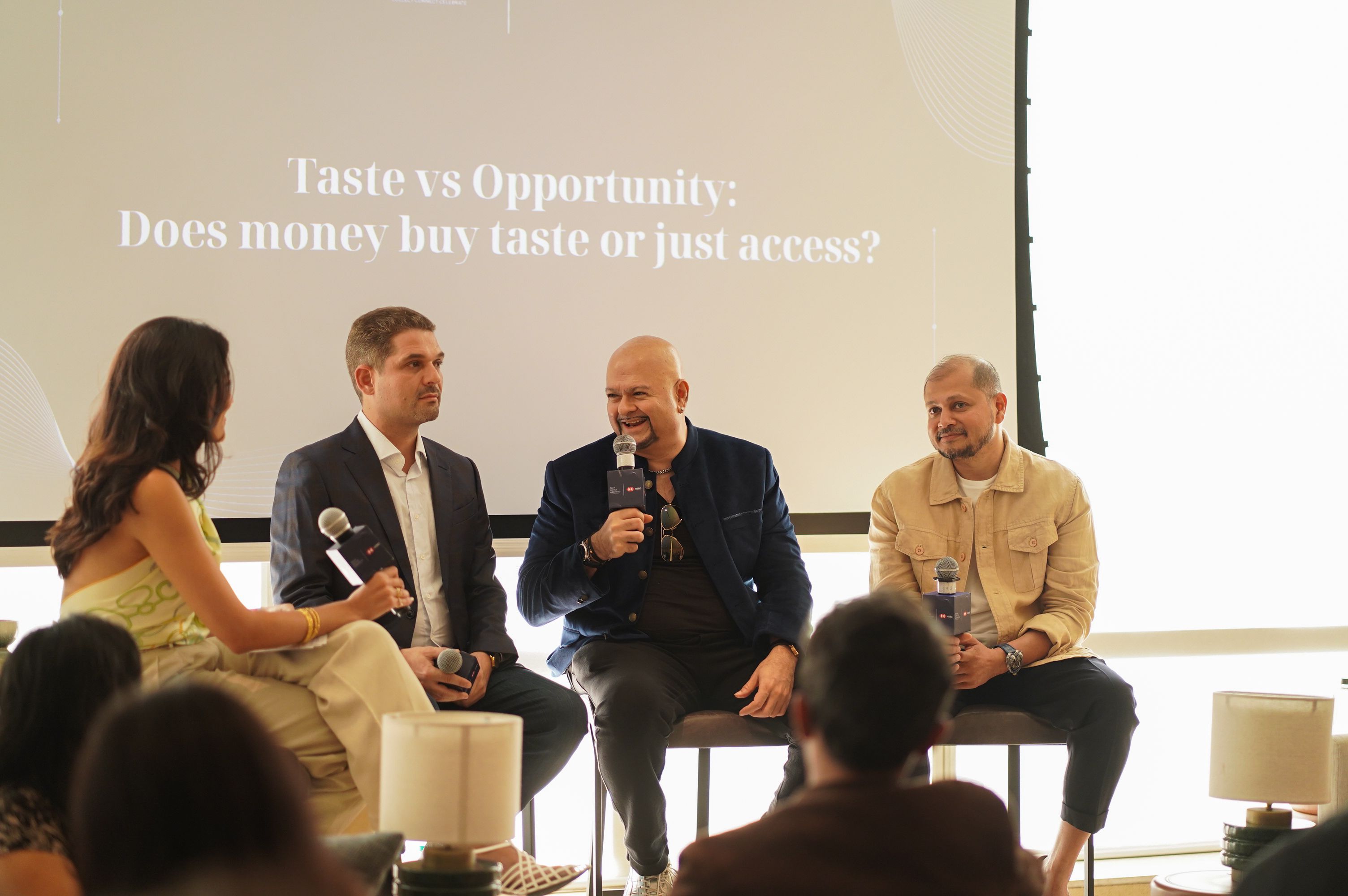
From the opening moments on Saturday, India Watch Weekend 2026 signaled that this was not a trade show disguised as a festival, it was a confluence of ideas, with hardware as the entry ticket. The program moved in considered layers - keynote discussions, focused panels, and masterclasses - but the real through‑line was conversation: between makers and collectors, between seasoned veterans and first‑time visitors, and between India and the global watch world!
Praneeth Rajsingh, CEO of MING captured the difference physical proximity makes in a market that has long relied on advertisements for horological exposure. “I think for me, when Karishma said they were organizing the India Watch Weekend, philosophically it felt important to participate, because you want to build the ecosystem and the infrastructure not only for the existing collectors, but for the next generation as well,” he said, adding that, “this is really important in the context of India and that’s why we wanted to participate.”
Knowledge As The Chief Complication
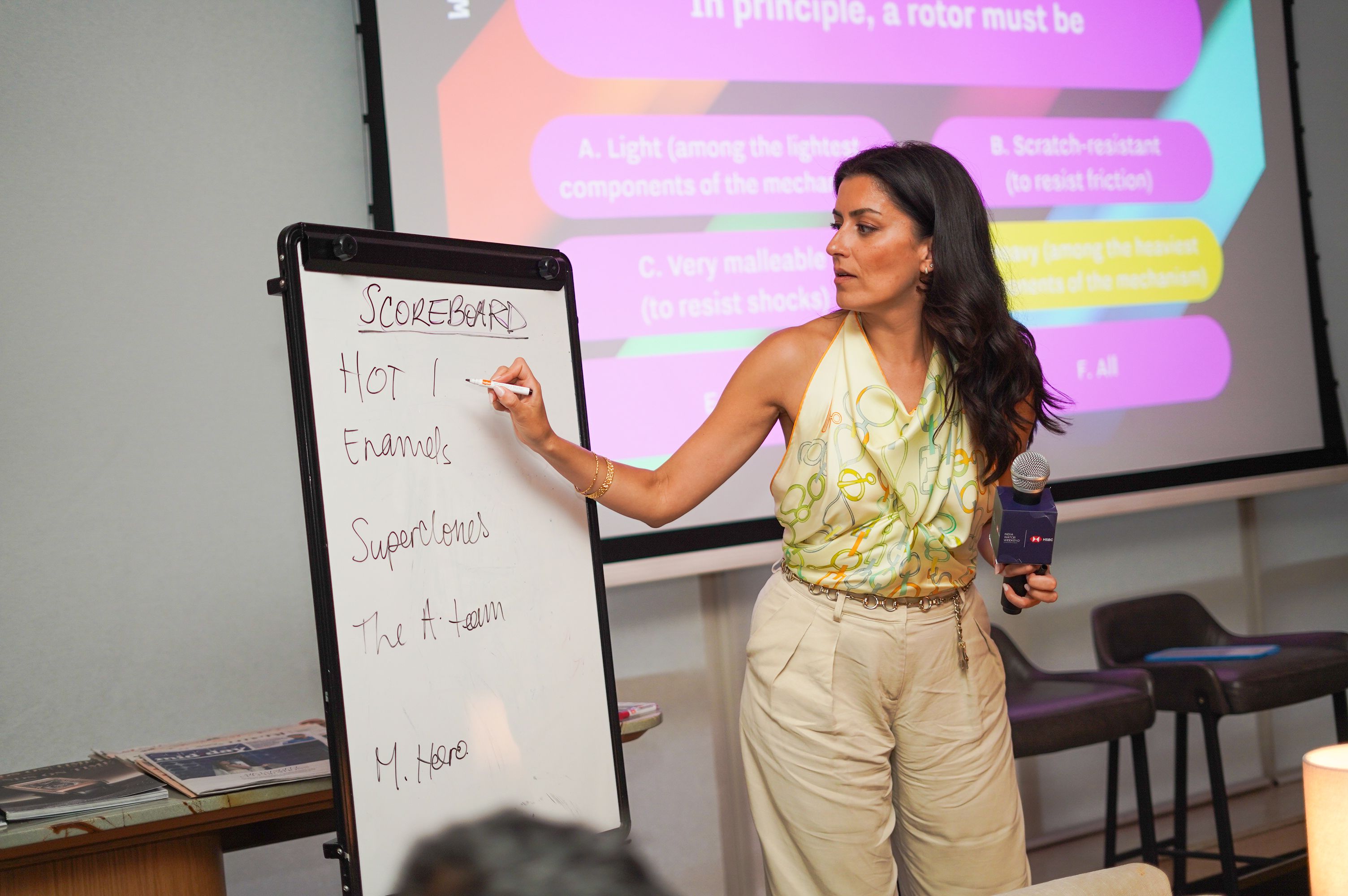
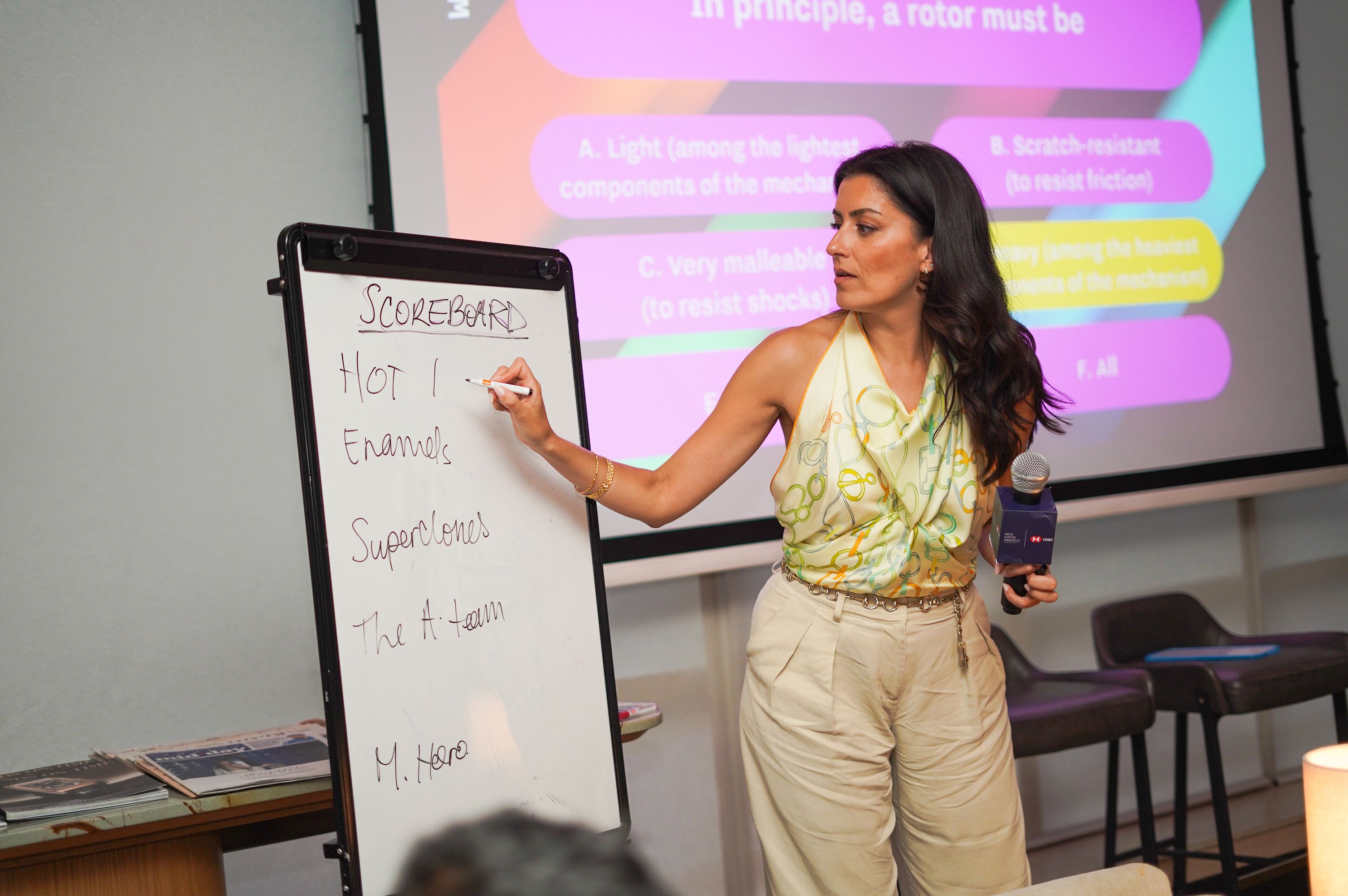
If there was a single sentiment that united the weekend’s programming, it was education. Across both days, India Watch Weekend pivoted repeatedly from spectacle to scholarship, often in the same room. The event’s foundational role in education was its unique factor of differentiation.
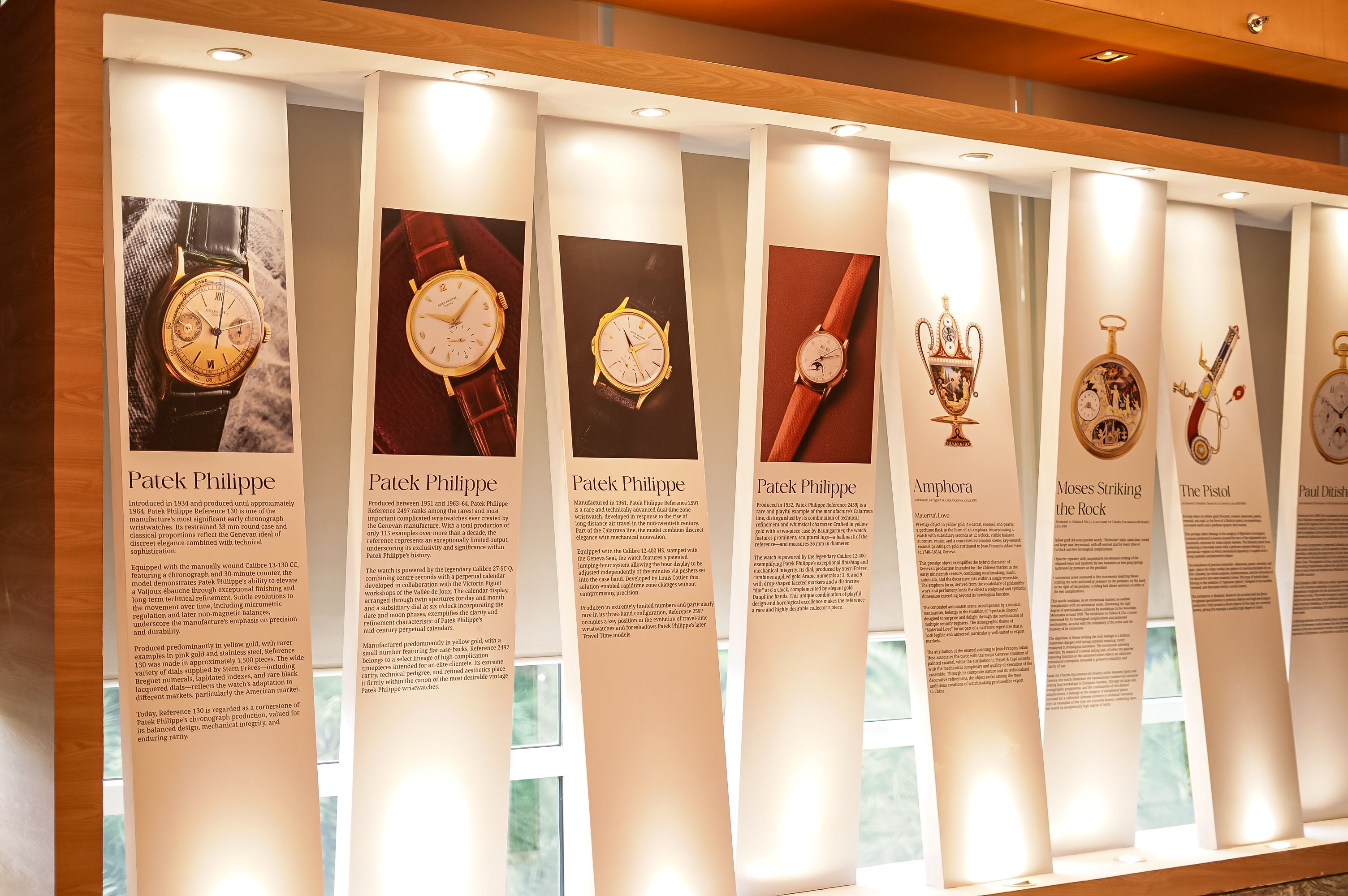
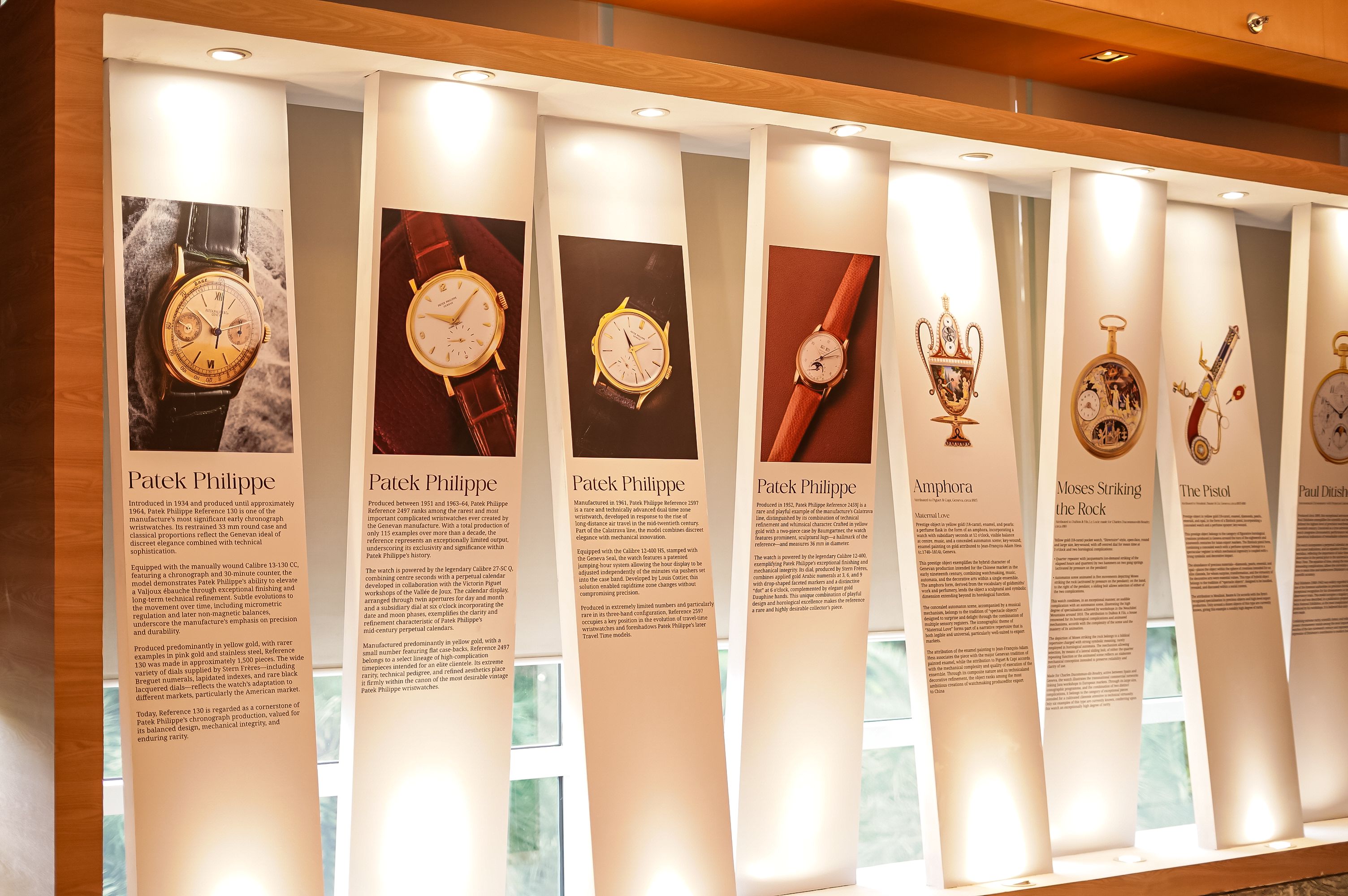
FutureGrail was seminal in this regard via its sessions on horological history while Titan’s Chambers of Time created a contemplative space to encounter timekeeping as cultural memory rather than pure luxury.
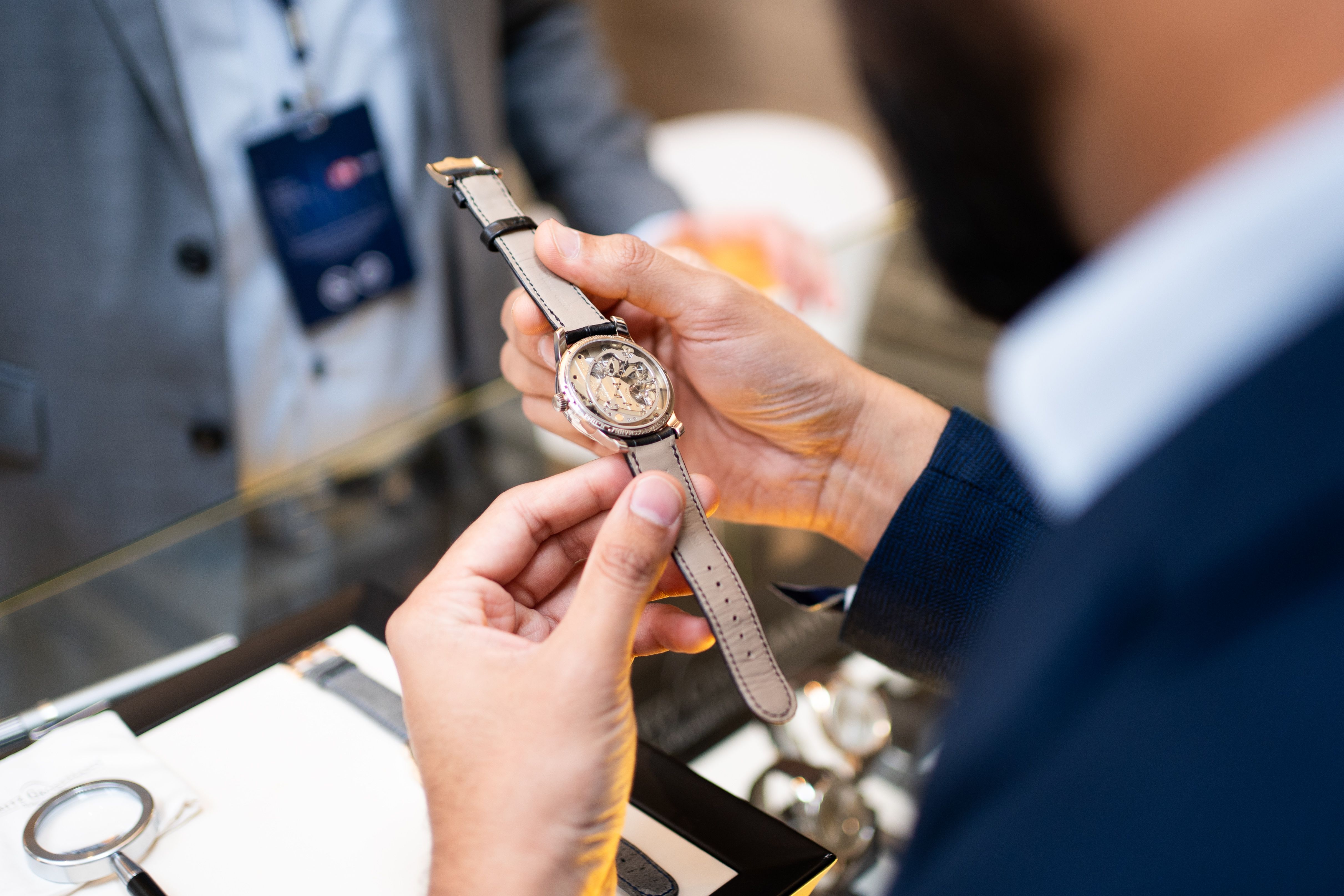
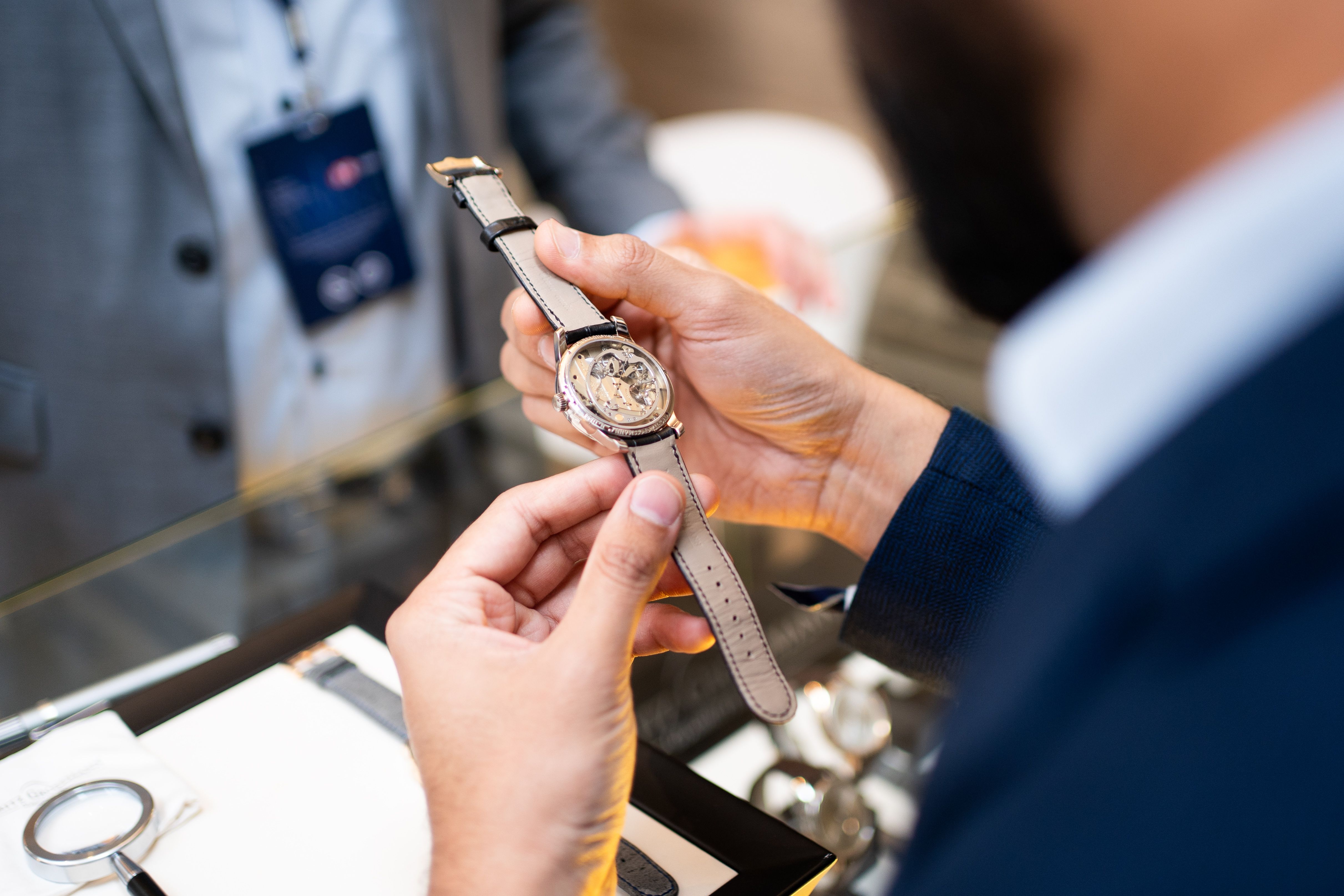
All this hasn’t been passive learning but a dynamic exchange. Christine Hutter - CEO of Moritz Grossmann emphasized India Watch Weekend’s importance “to educate collectors to realize a well-informed enthusiast community.” The education flowed both ways. Jan Edöcs of Doxa observed the irreplaceable scholarship value of the event and expressed that he was “happy that we are having this exhibition, because for the collectors,” who thanks to IWW now “have locally a moment to get a touch and feel experience of the products and that makes a big difference.”
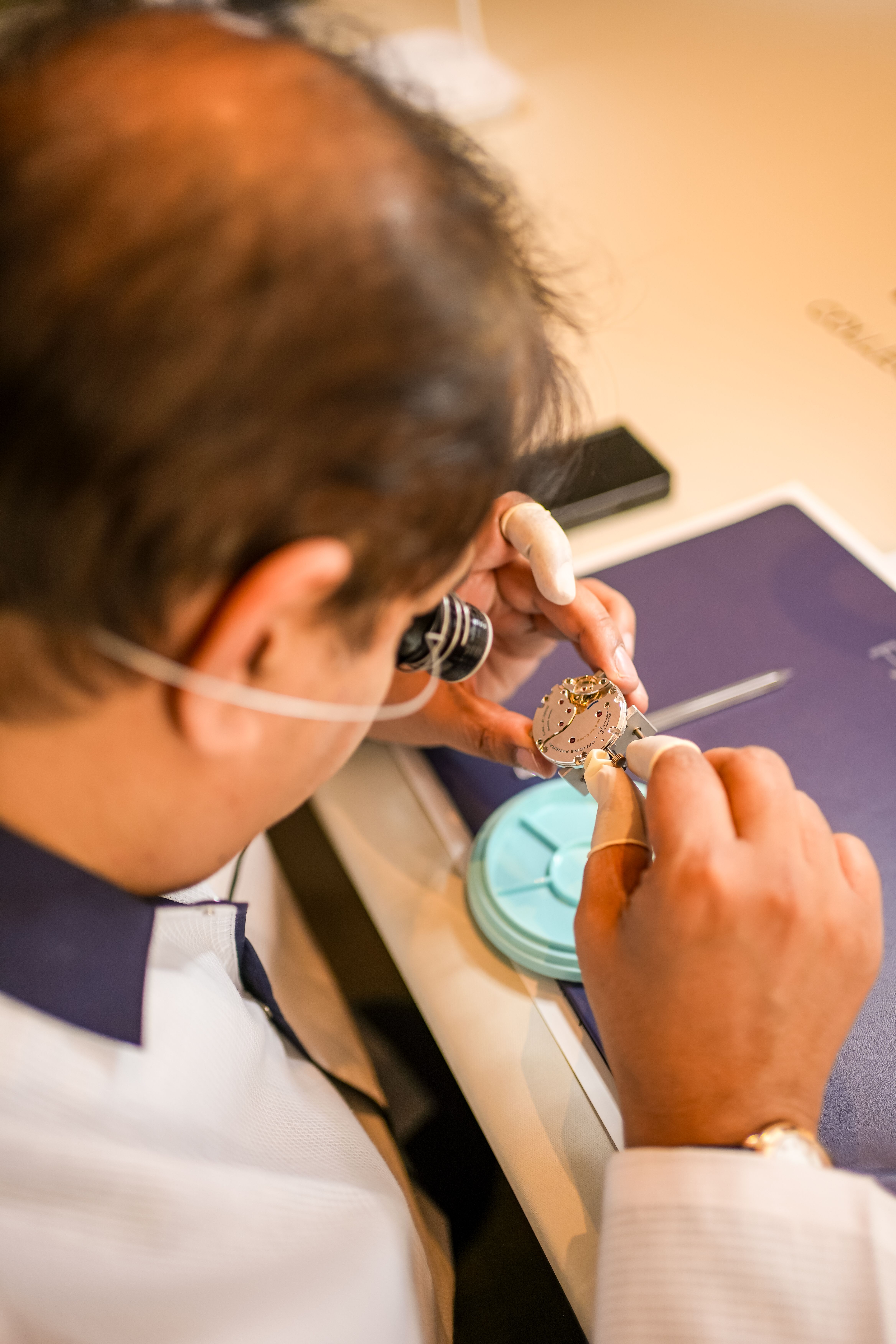
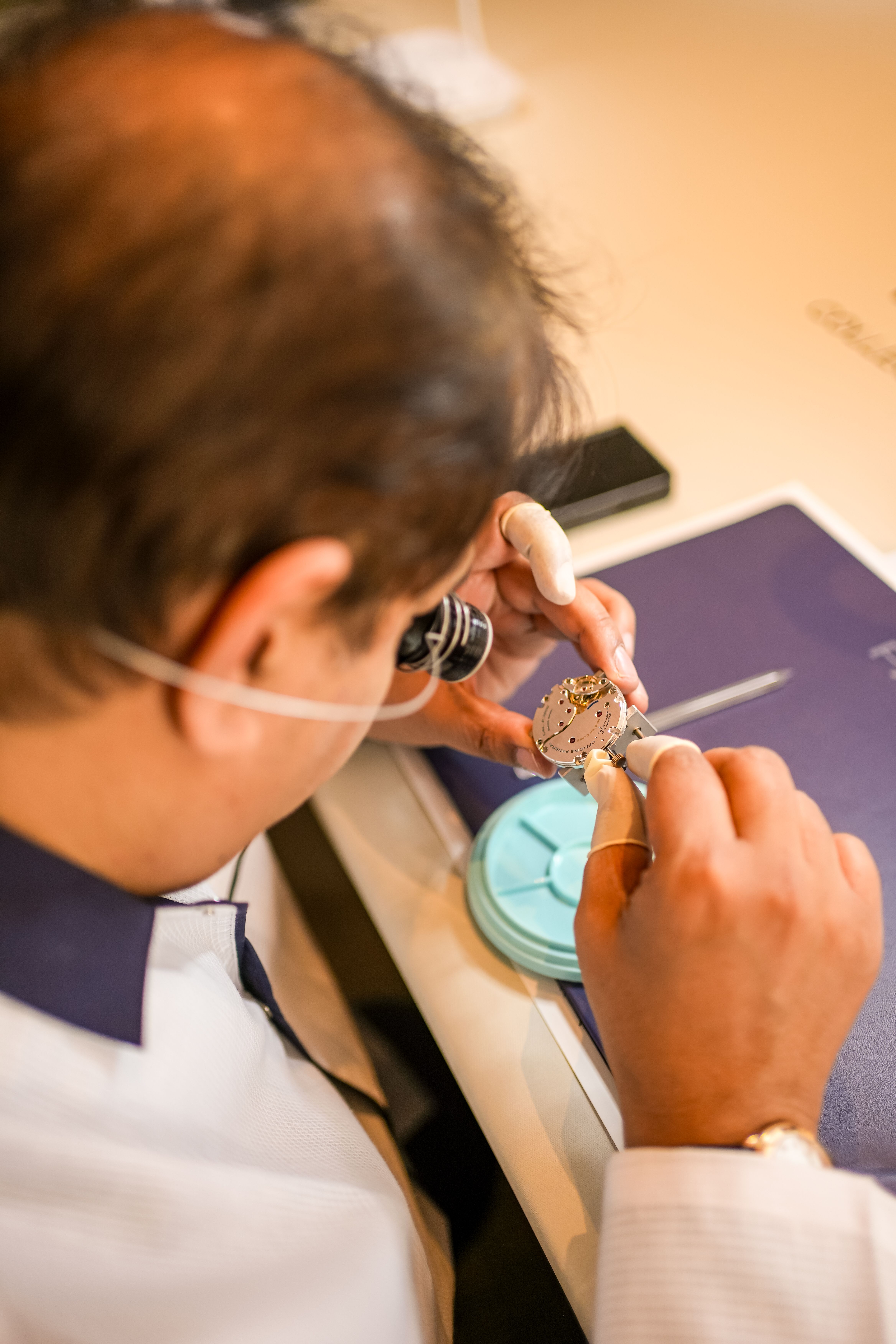
Independent watchmaker Torsti Laine framed why such granular exposure matters, especially in young markets: “It is important for sure to educate people more and tell the details and all the time, hard work, sweat and tears that goes into building” a watch. In his view, watchmaking is “very detailed work and the whole story of this sort of a job is that it takes time to develop and events like IWW will help with such an education.”
Community: The Real Headliner
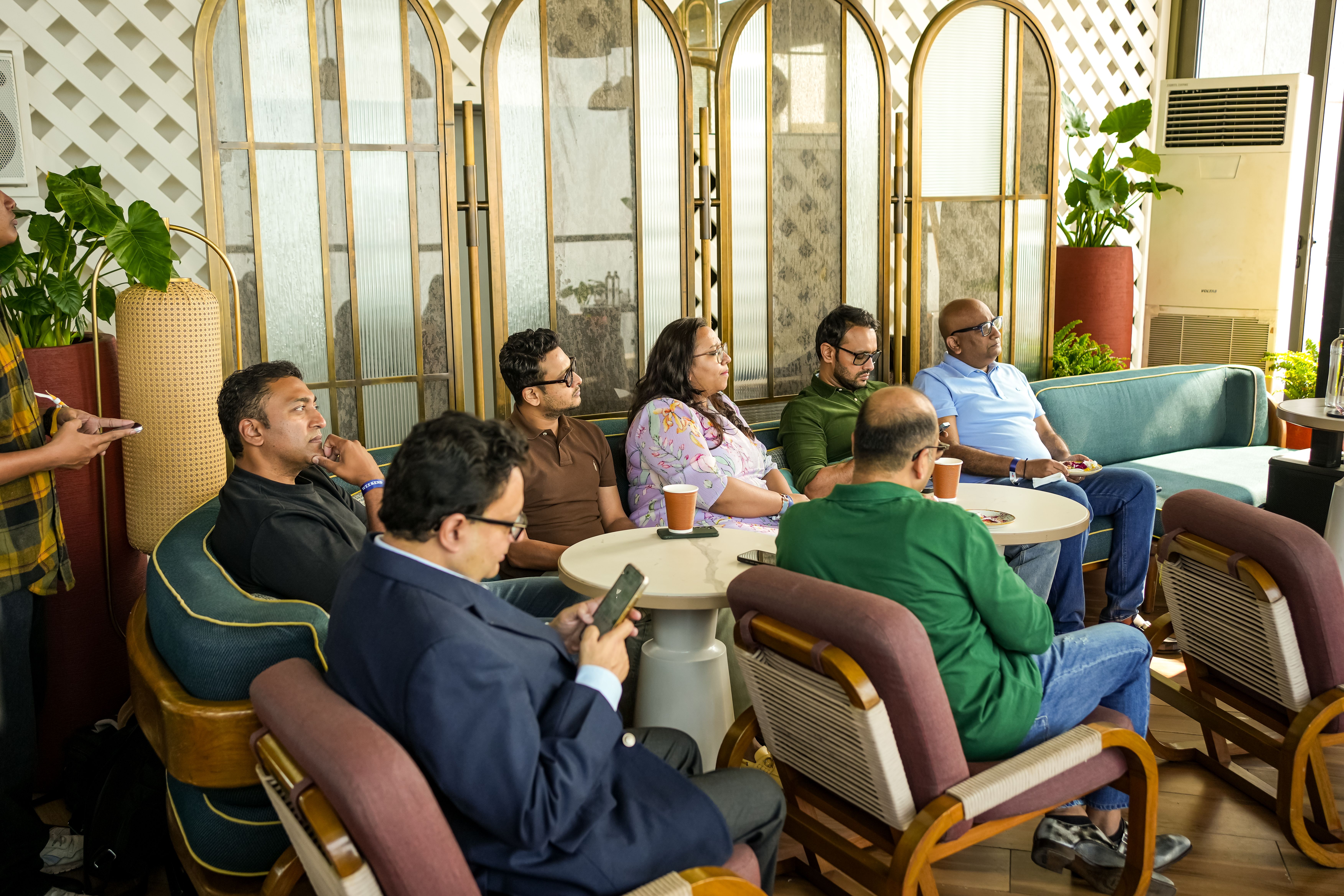
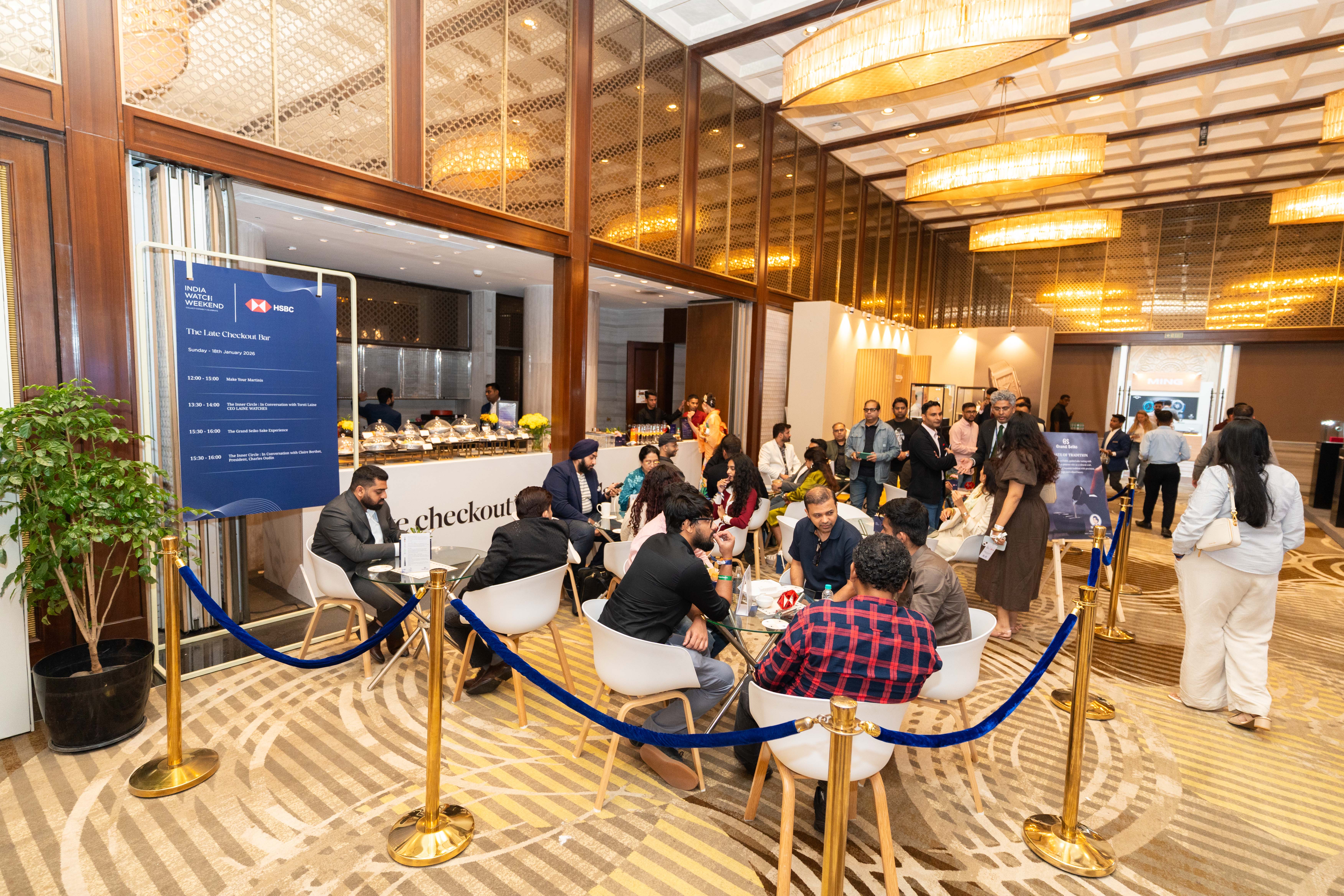
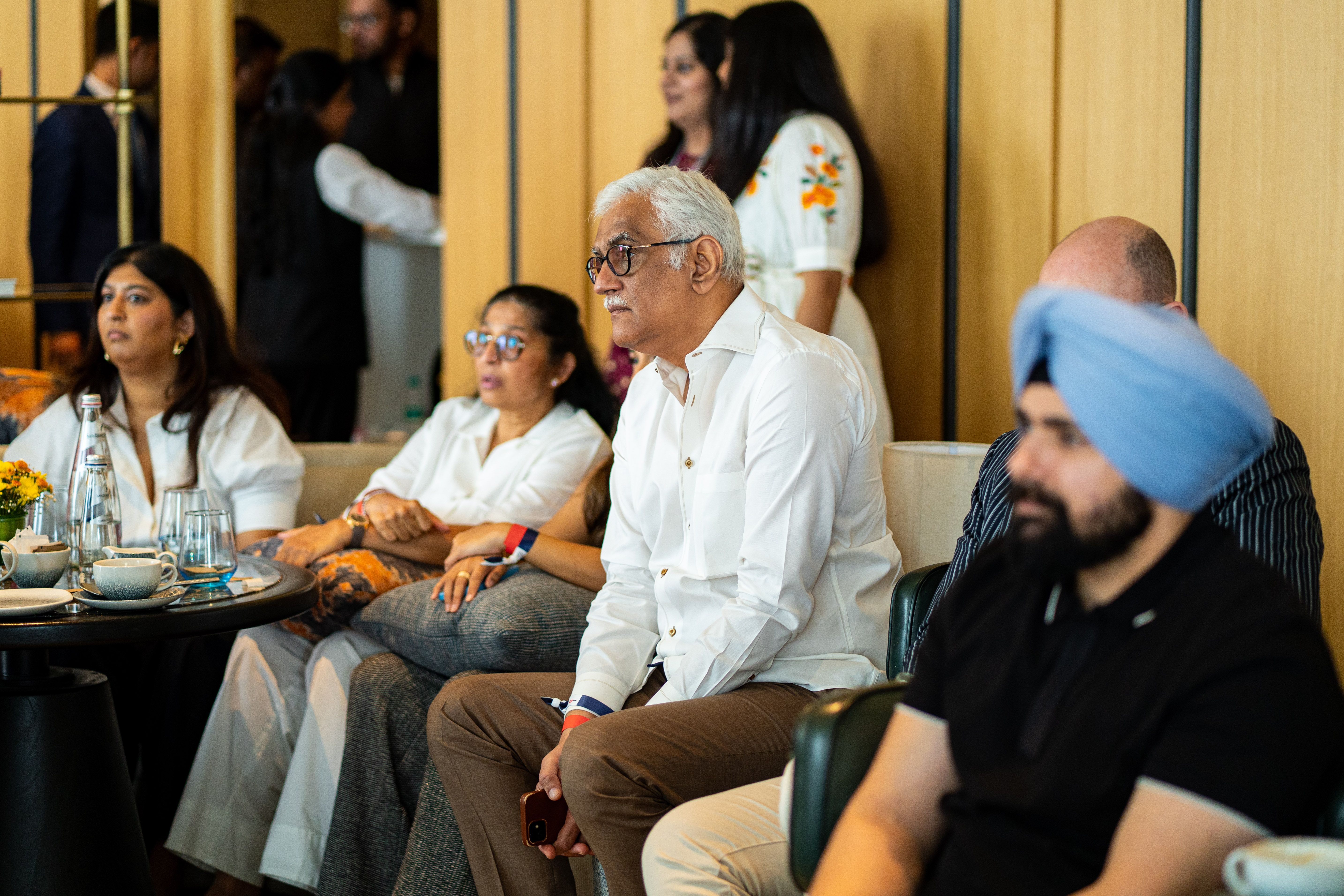
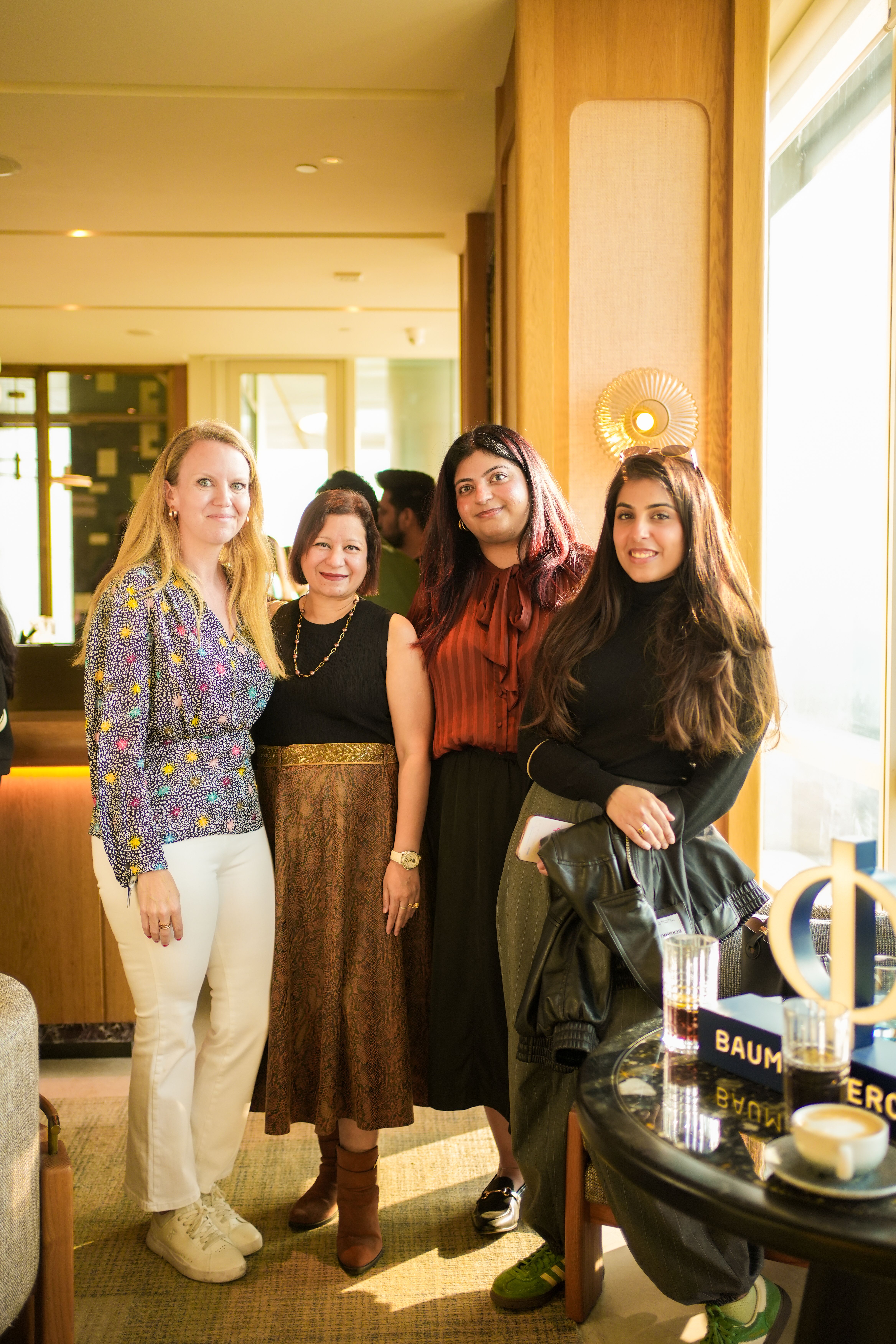
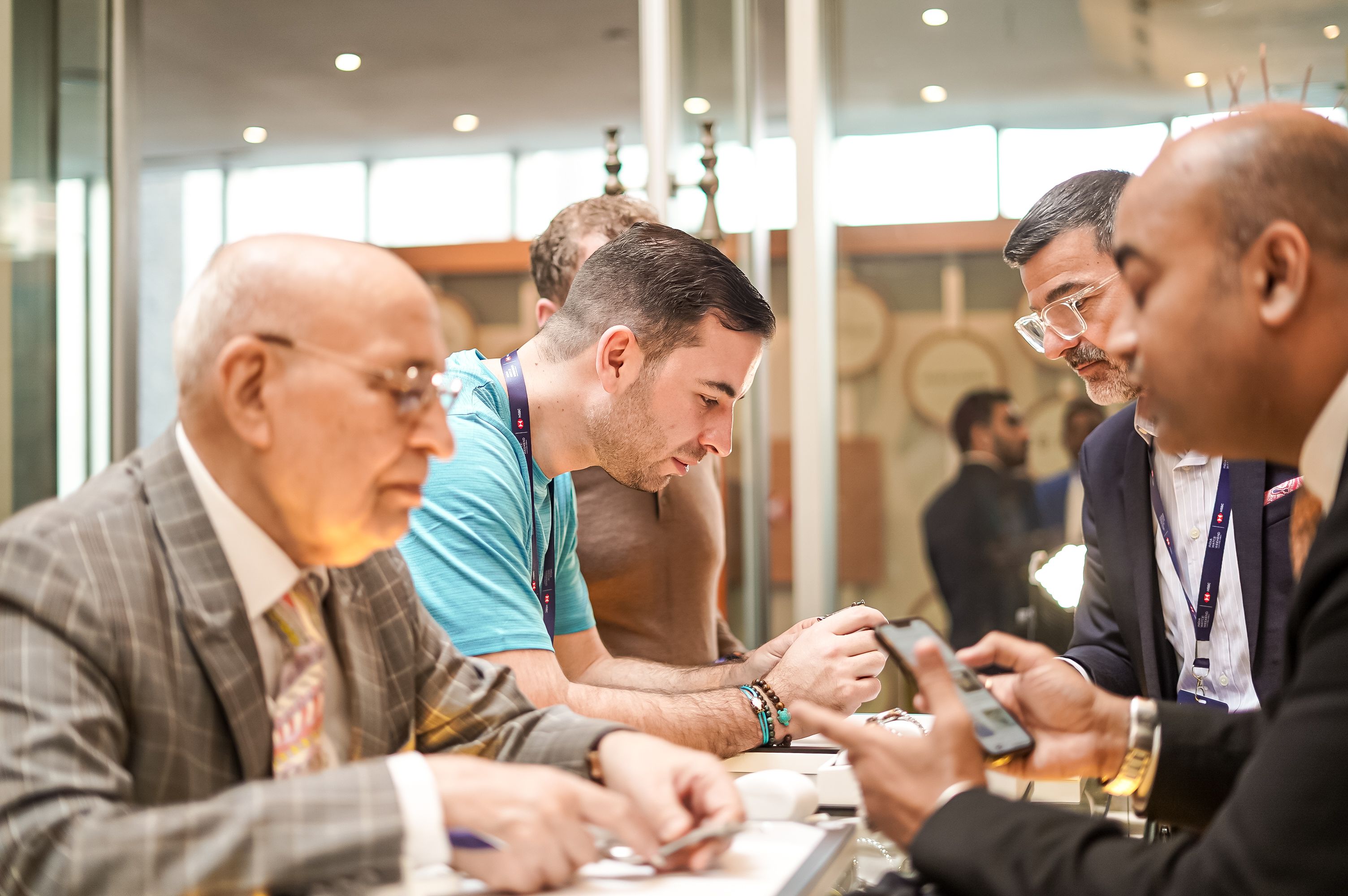
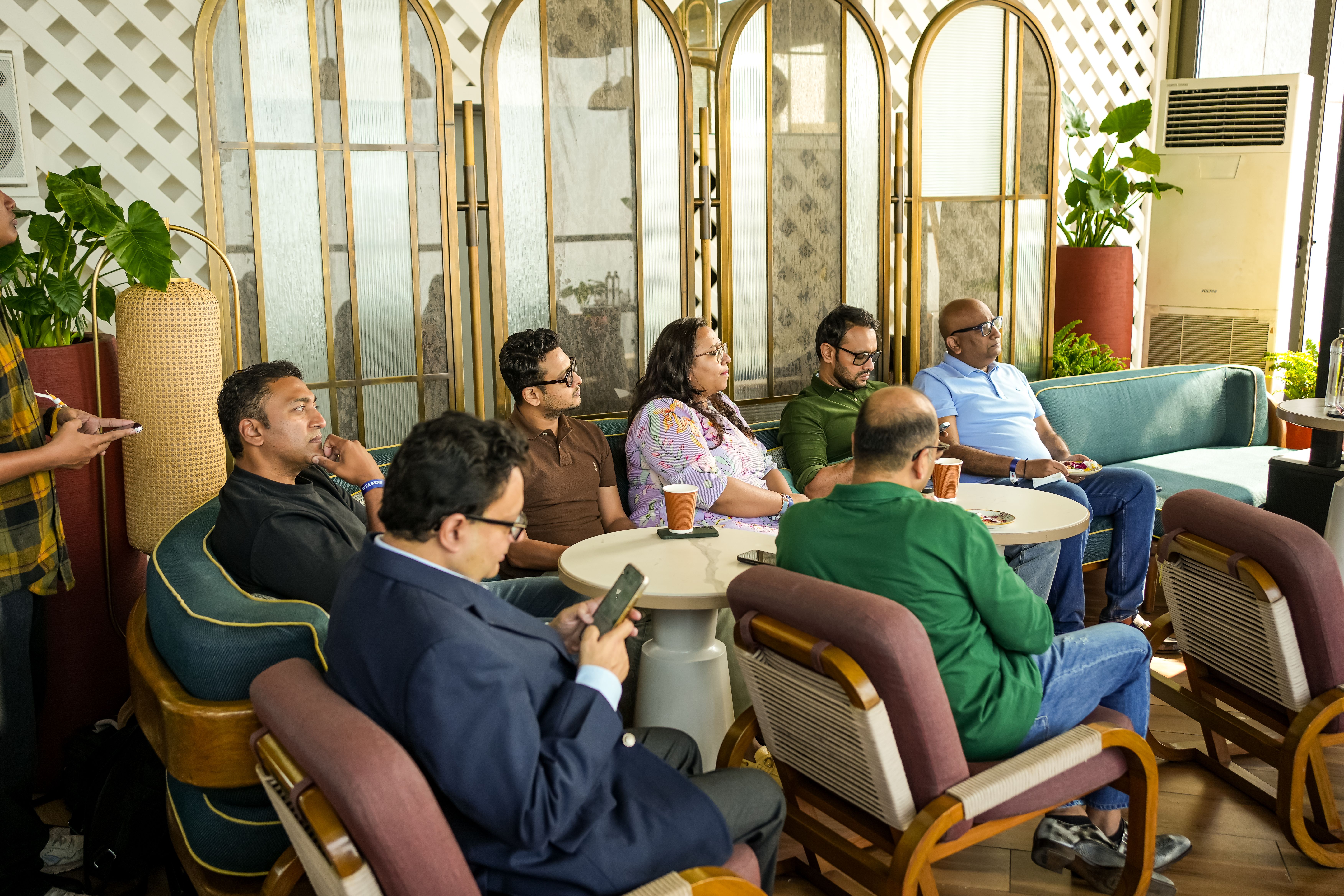
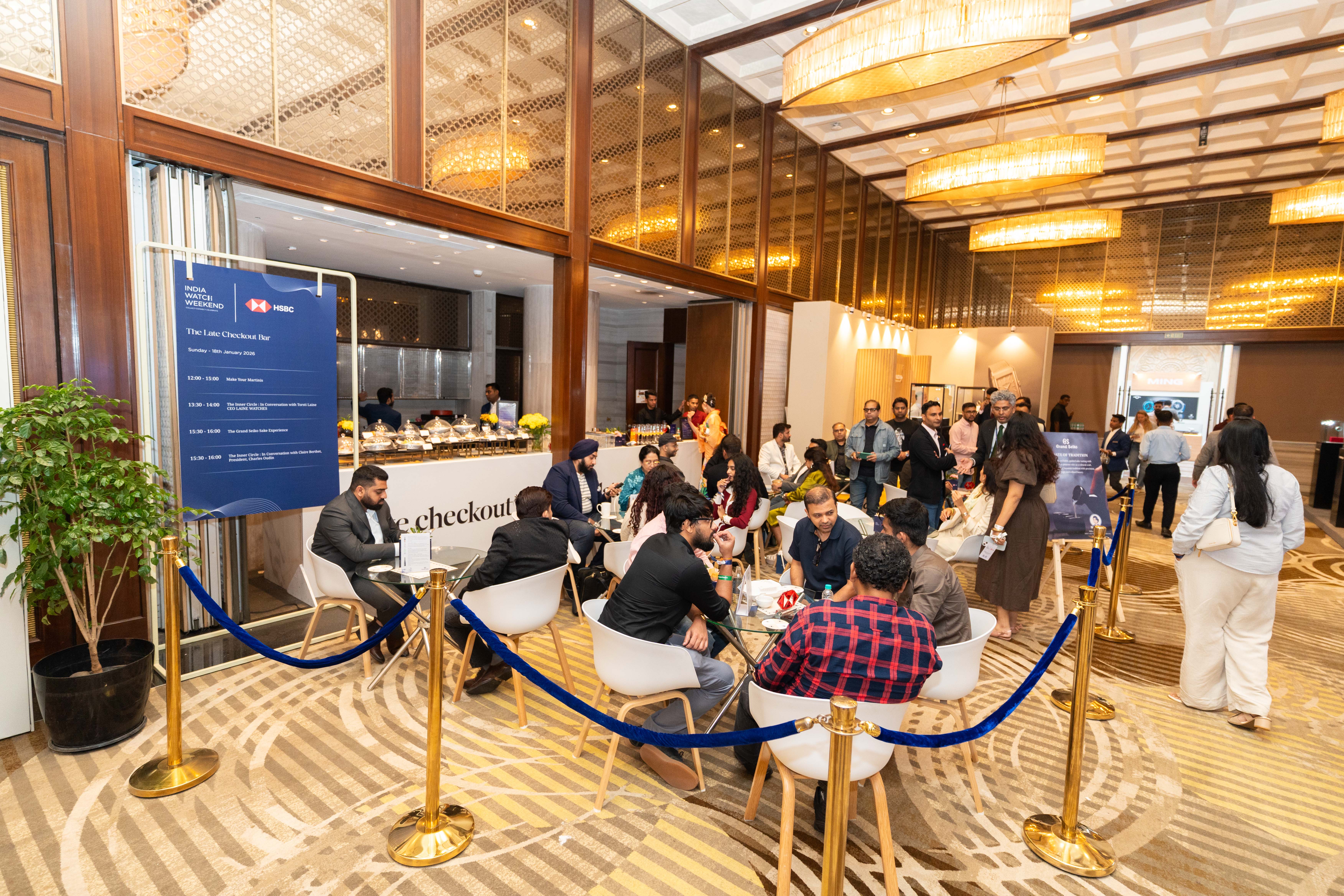
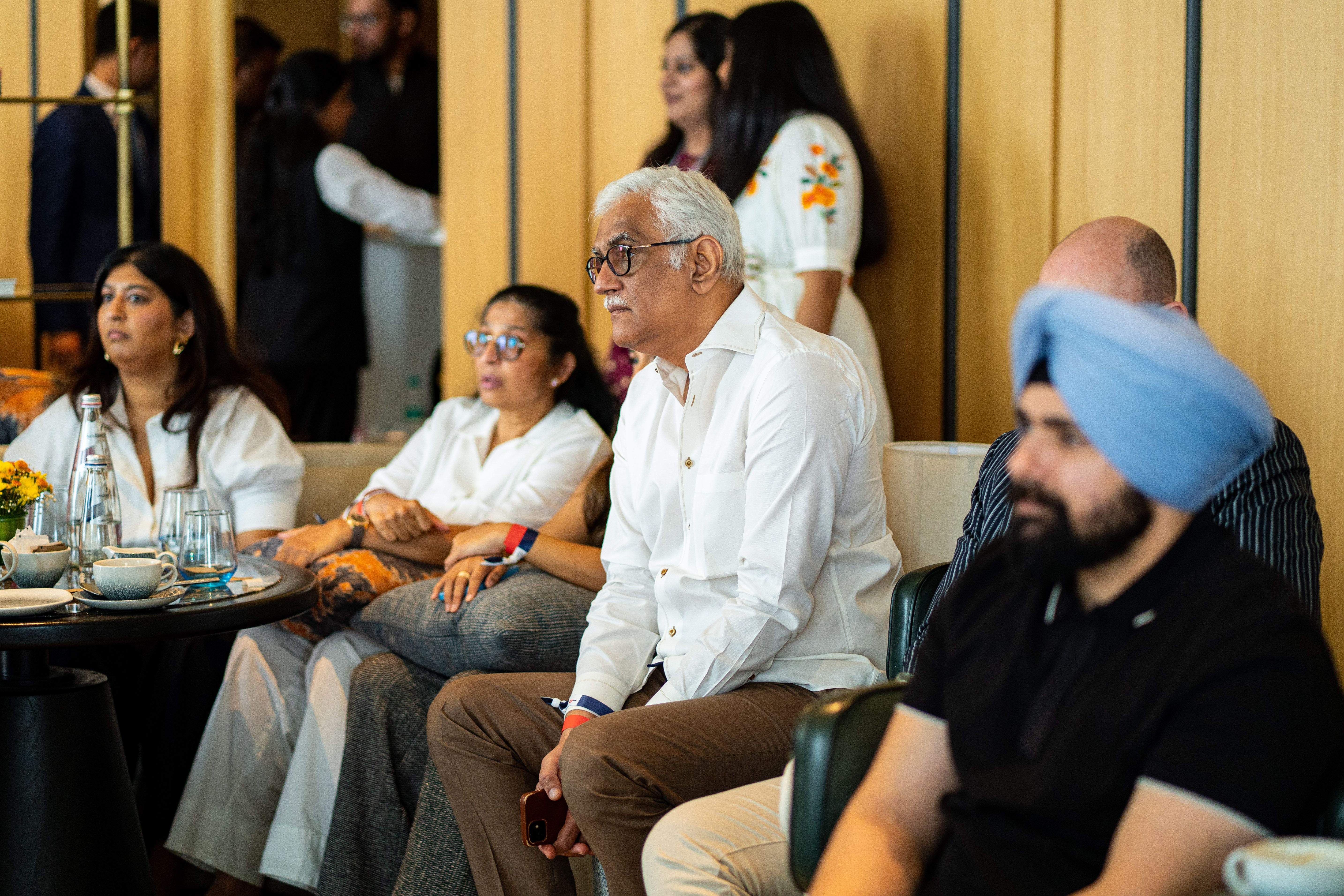
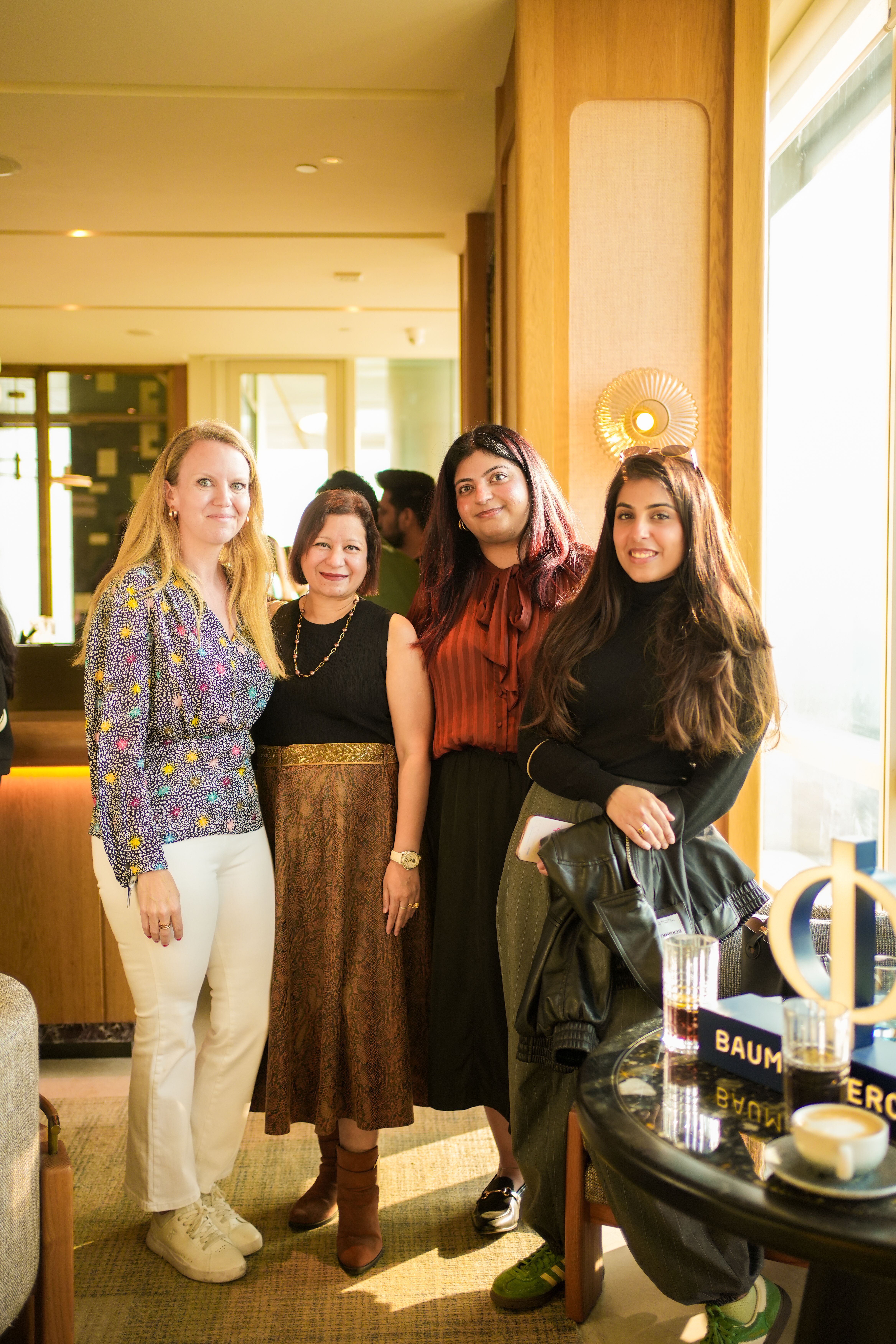
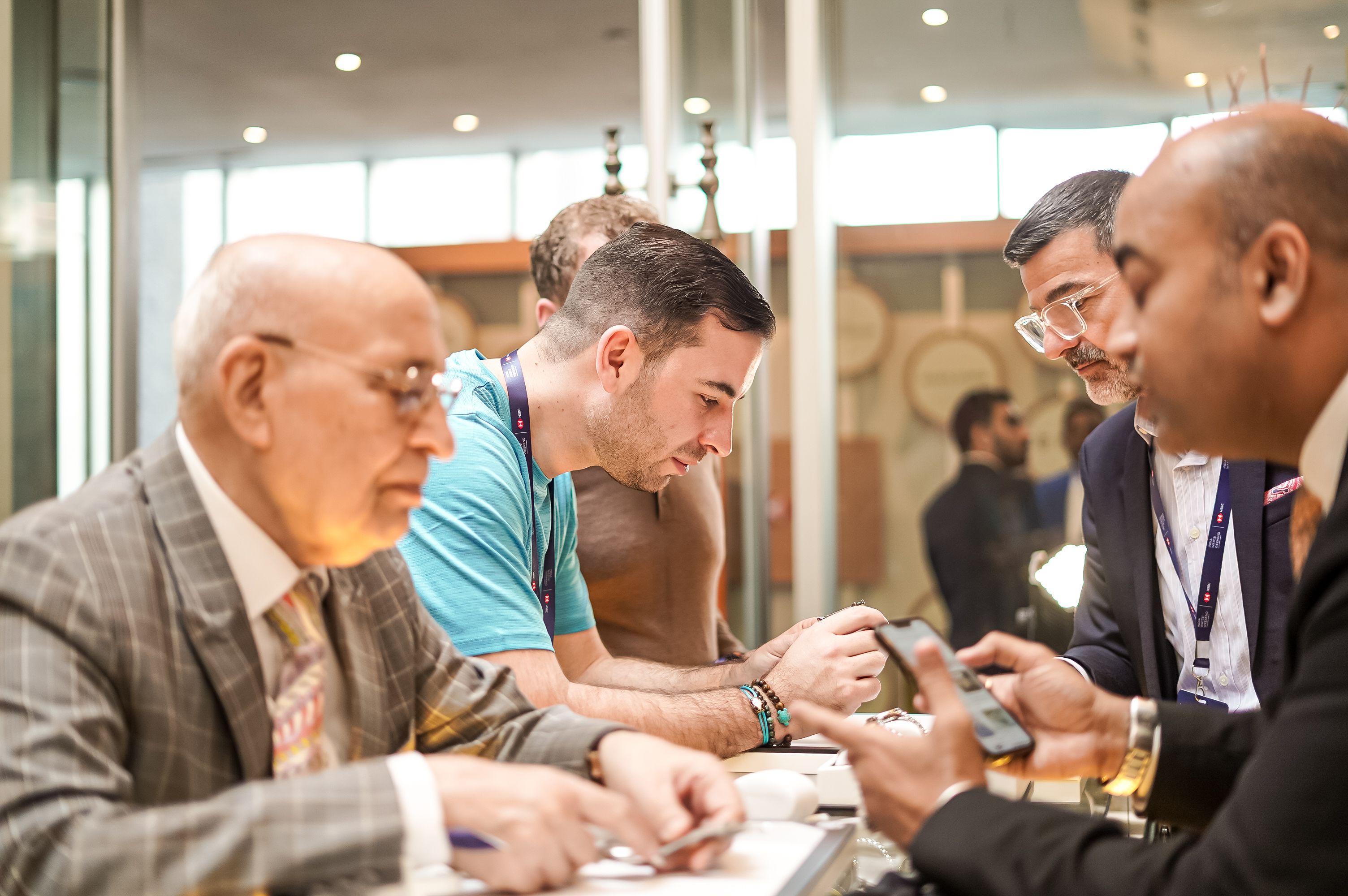
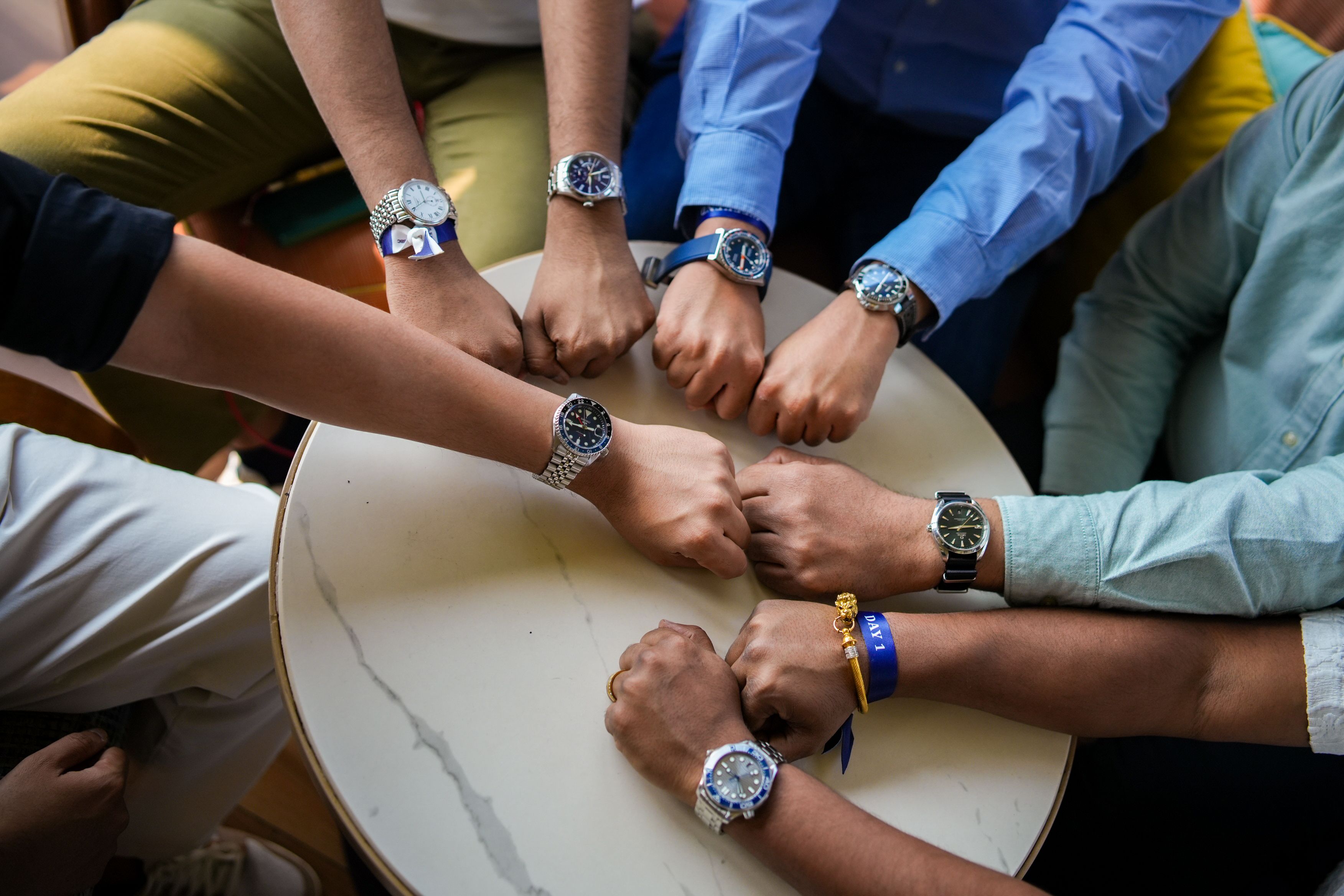
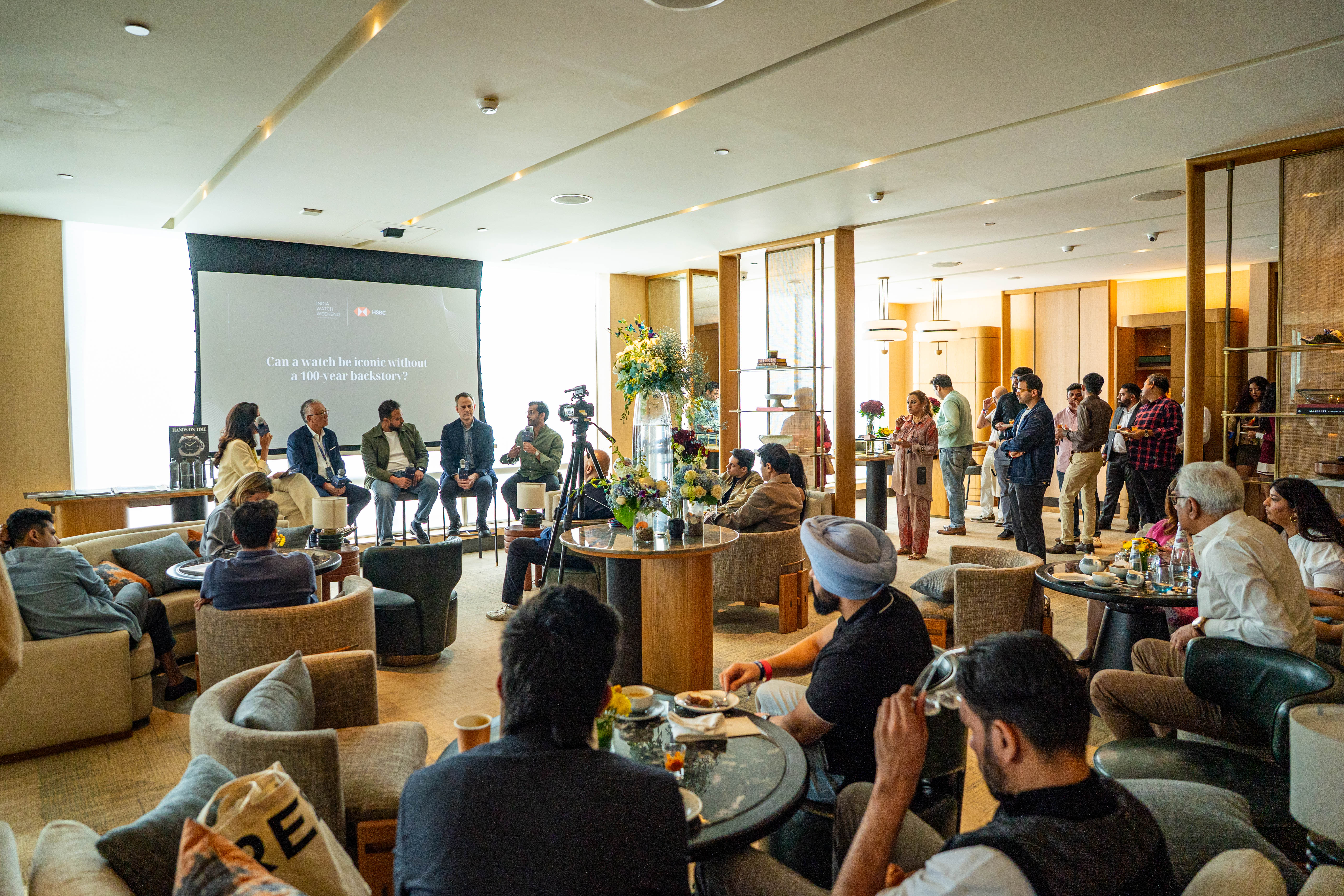
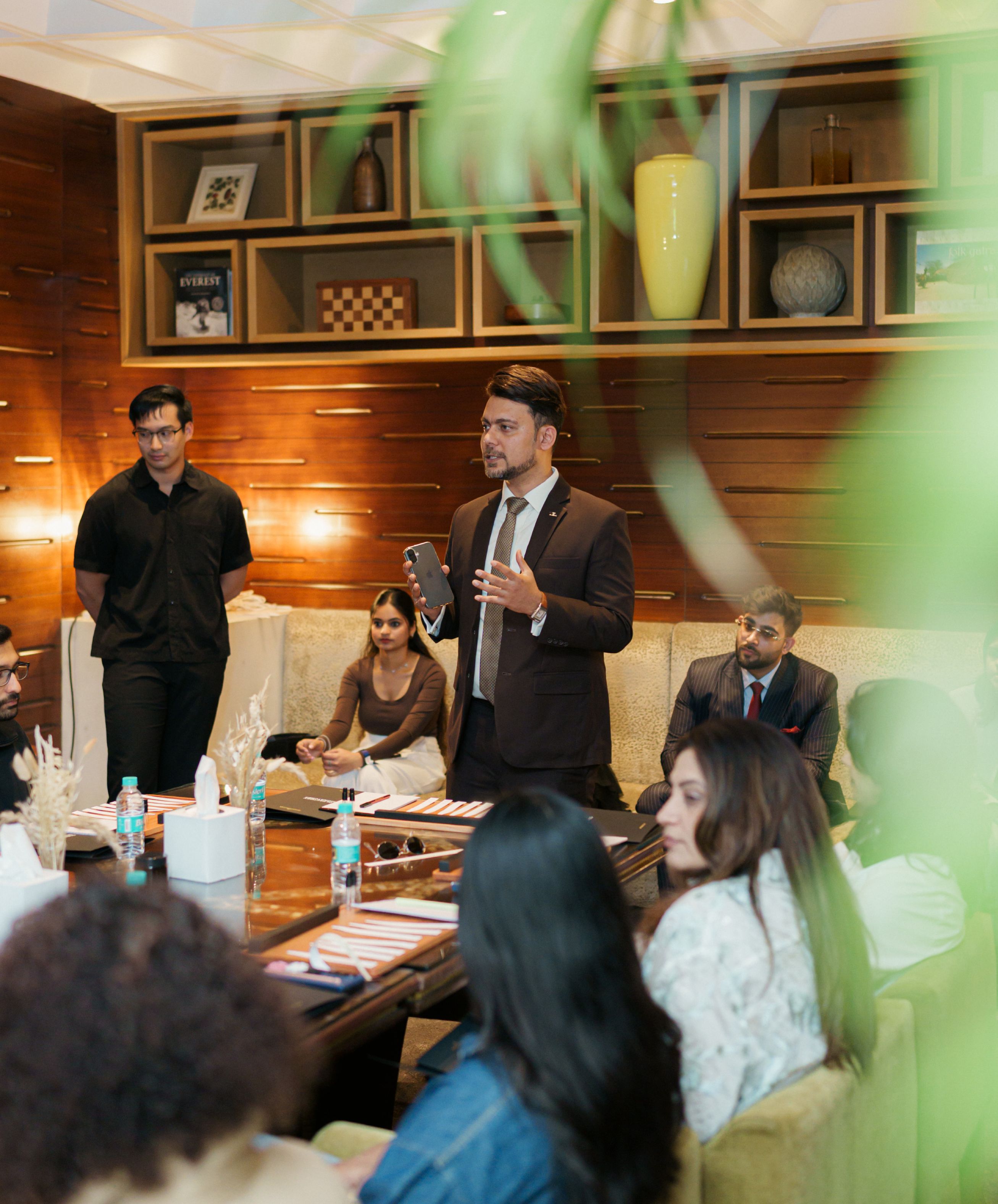
For all the scholarship, the weekend’s most powerful current was social. Across the Four Seasons’ ballrooms and corridors, conversations flowed as easily as the coffee and cocktails: clusters of collectors comparing wrist shots, CEOs describing their brand philosophies to twenty‑somethings in sneakers, and diplomats quietly threading cultural diplomacy through the language of watches.
For Praneeth, MING’s CEO, community is “hugely important” because “if you have community, then you get to experience a lot more. But it also keeps you interested and you learn more.”
Diplomats on the floor offered an external, yet deeply engaged, perspective on this communal dimension. Jeff David, Consul General of Canada in Mumbai, underlined how such gatherings help “get new people into watches,” insisting that passion should be “blind to wealth” and that it is “really good to be around the community” not only for personal growth but “for business as well,” since supporting that community creates a healthier ecosystem.
From the United Kingdom’s financial services desk, First Secretary Kris Kamponi framed the stakes in broader cultural terms. Luxury watches, he cautioned, “are not accessible to everybody,” but that is precisely why educating future markets like India about mechanical timekeeping as heirloom rather than disposable tech matters: “We don’t want to lose that (traditional watchmaking) to something that’s soulless, something digital… For the Indian market, it’s important to hold an event like this.” He also noted the mutual support between independents - borrowing loupes across stands, sharing knowledge, pooling experience - as essential to helping small makers collectively navigate a landscape dominated by century‑old Maisons.
Independents, Microbrands And A Changing Entry Point
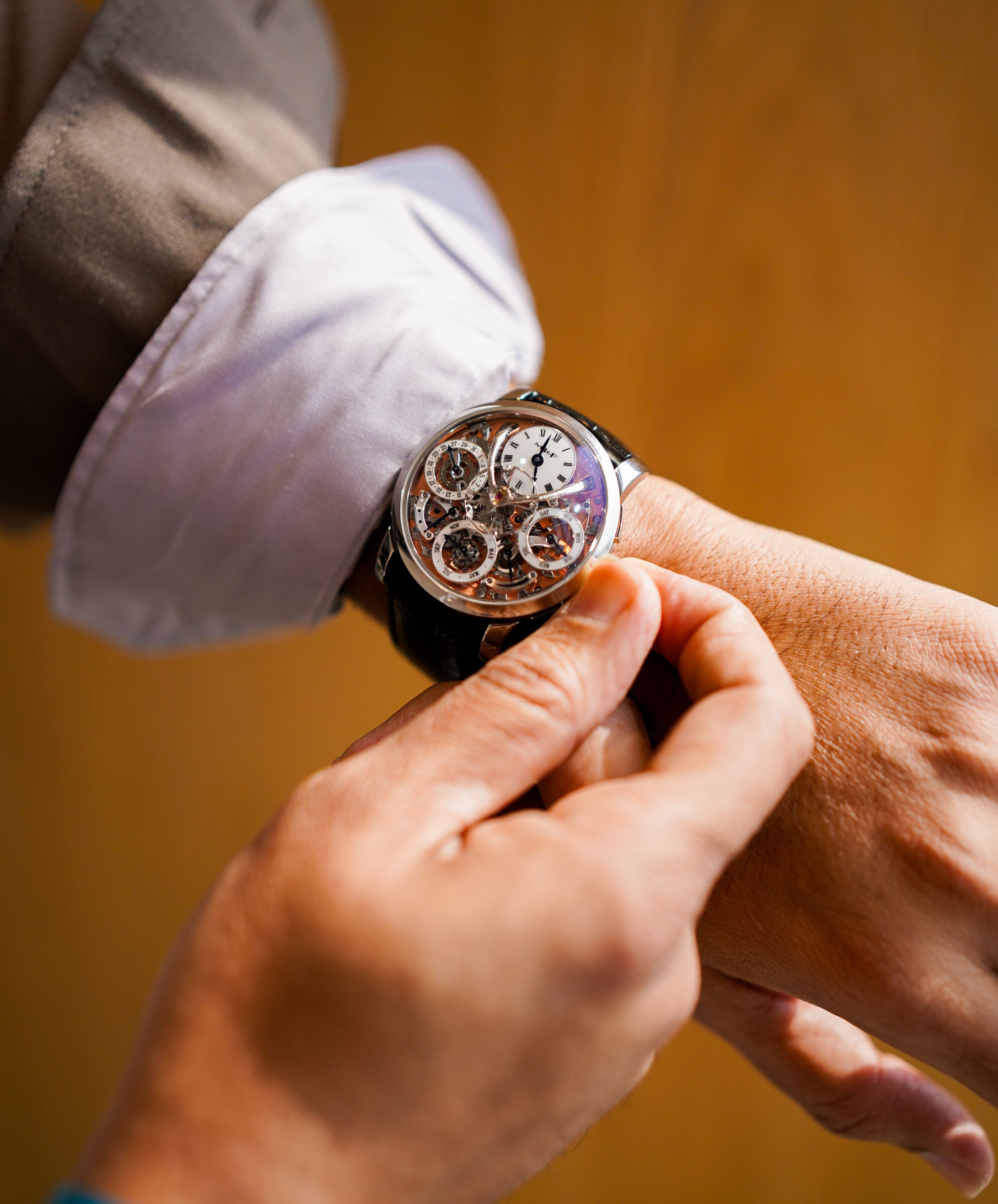
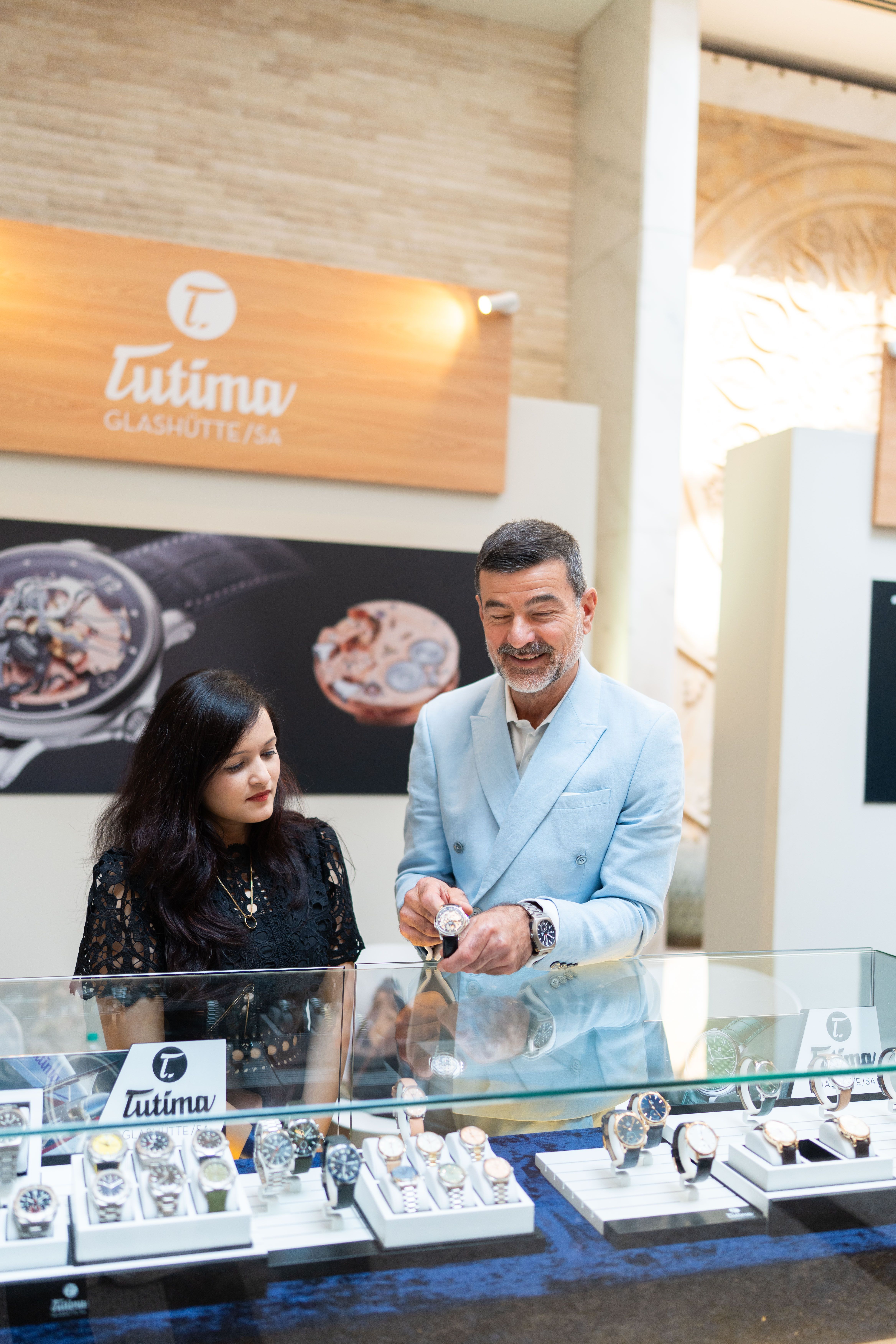
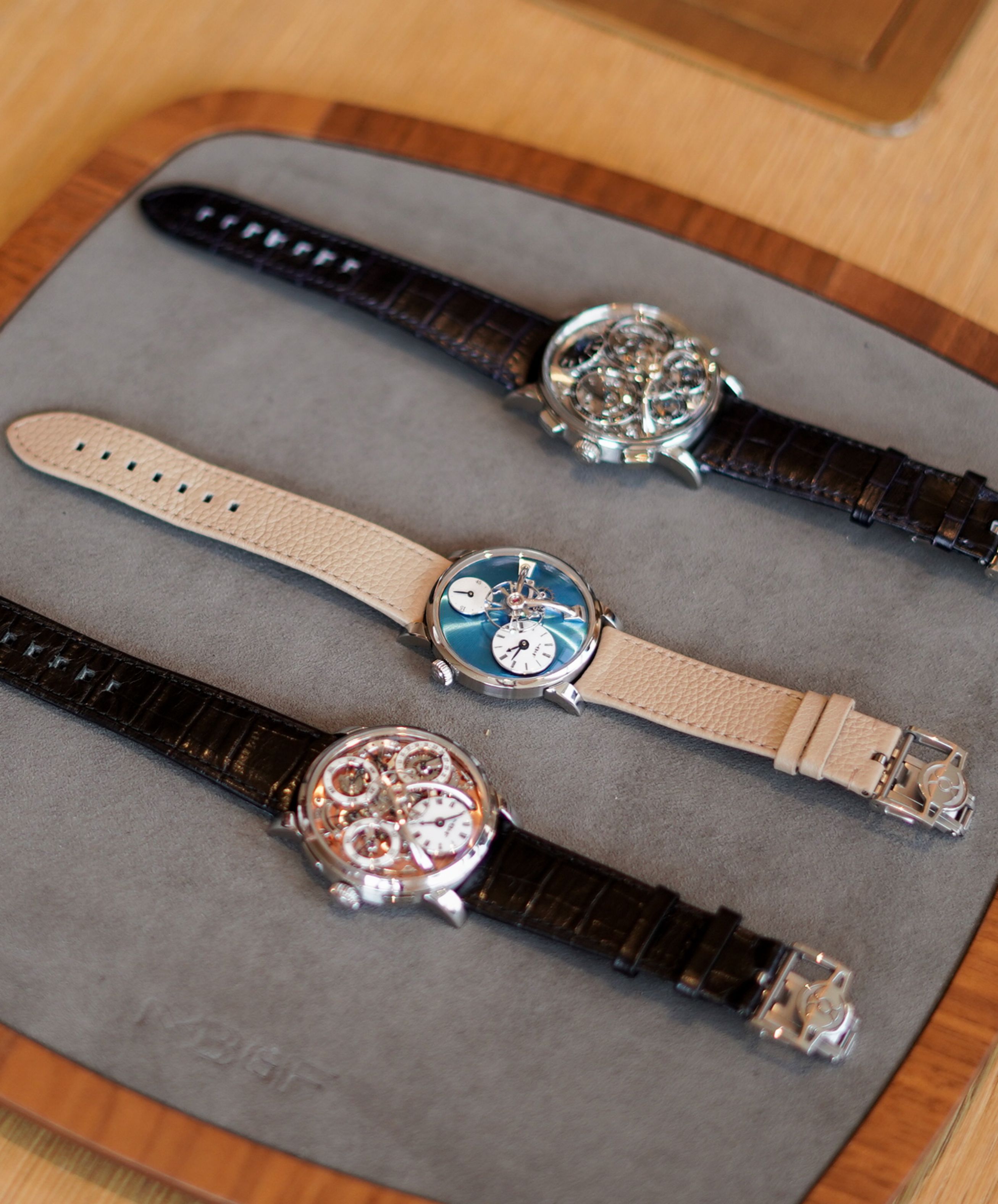
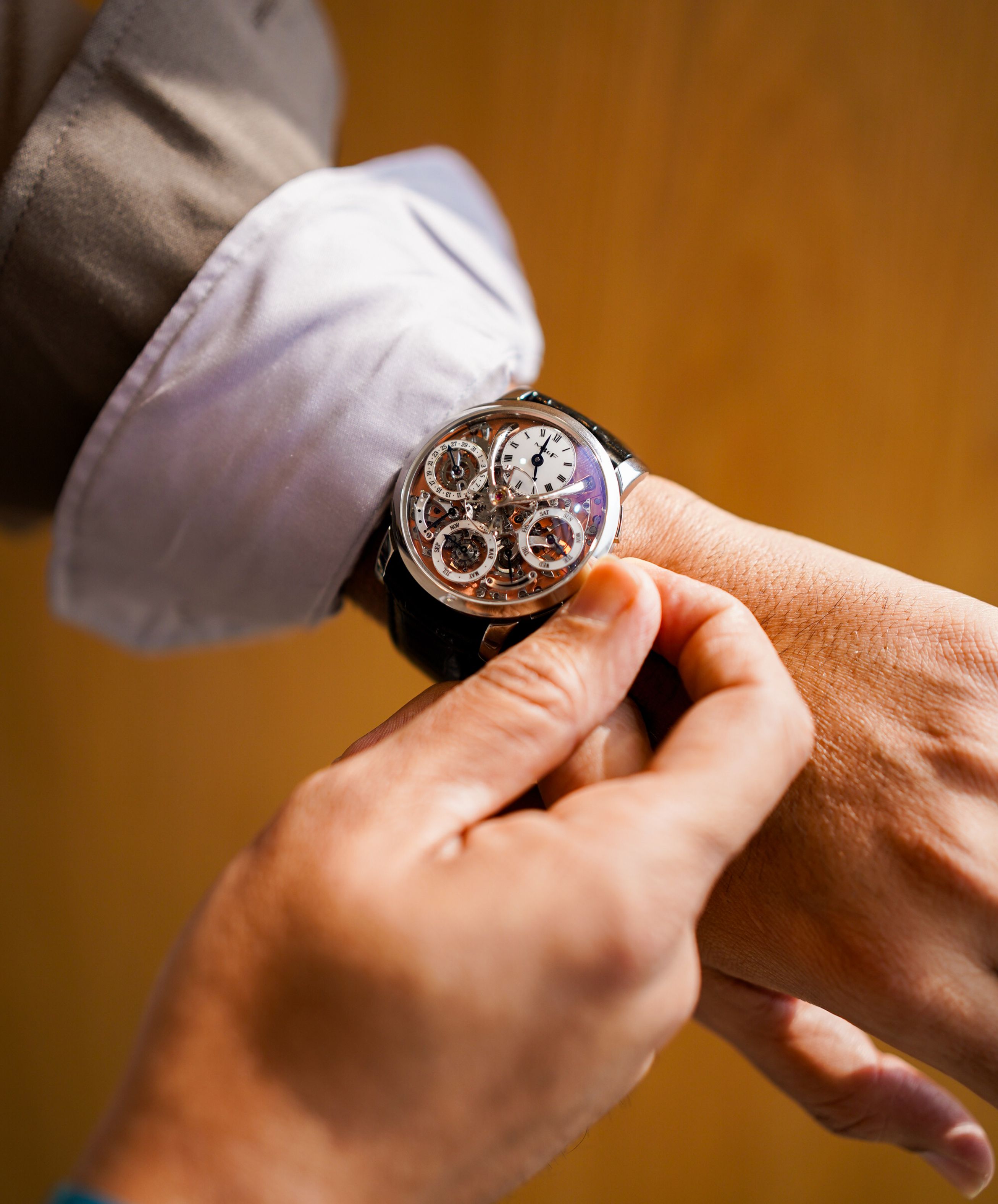
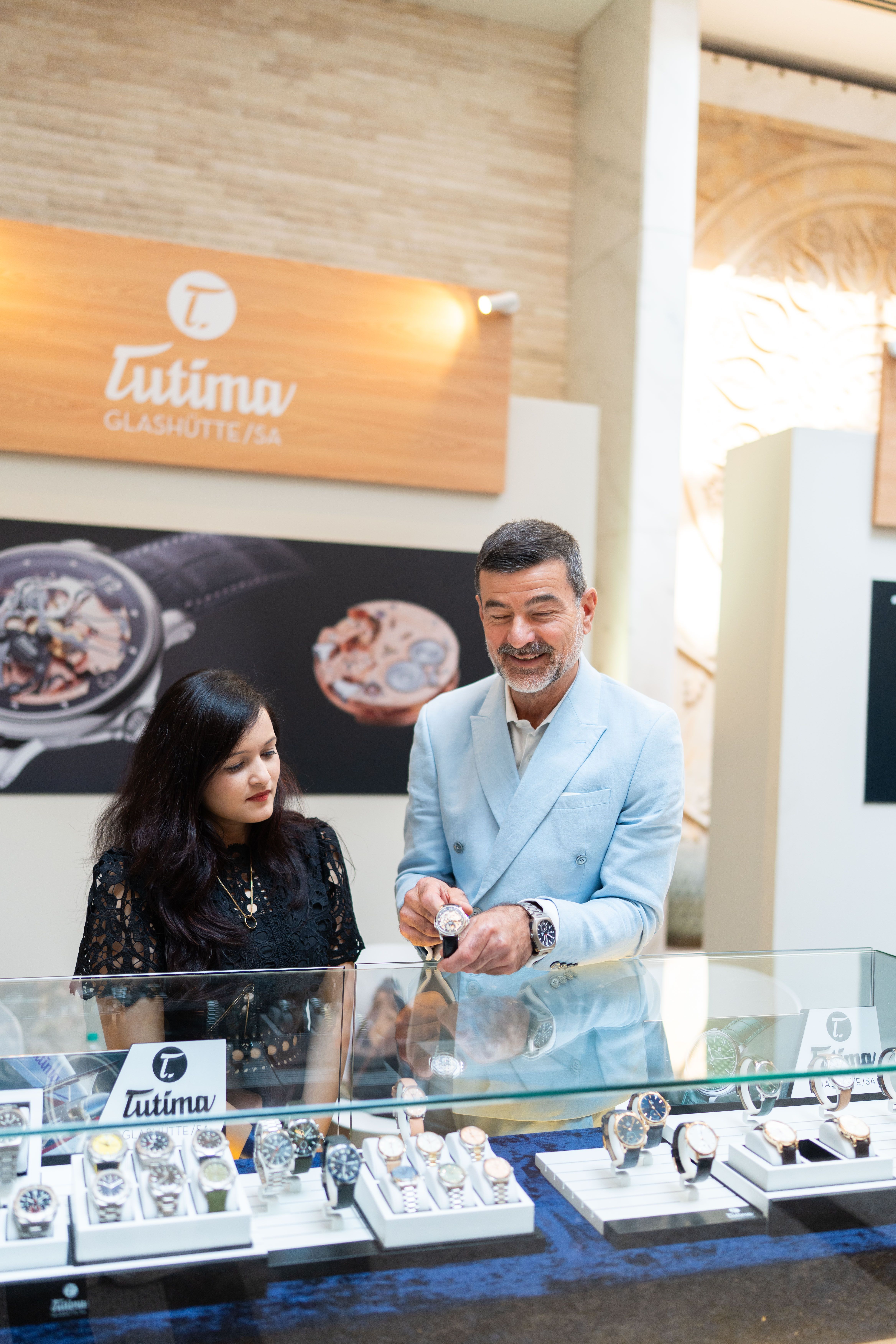
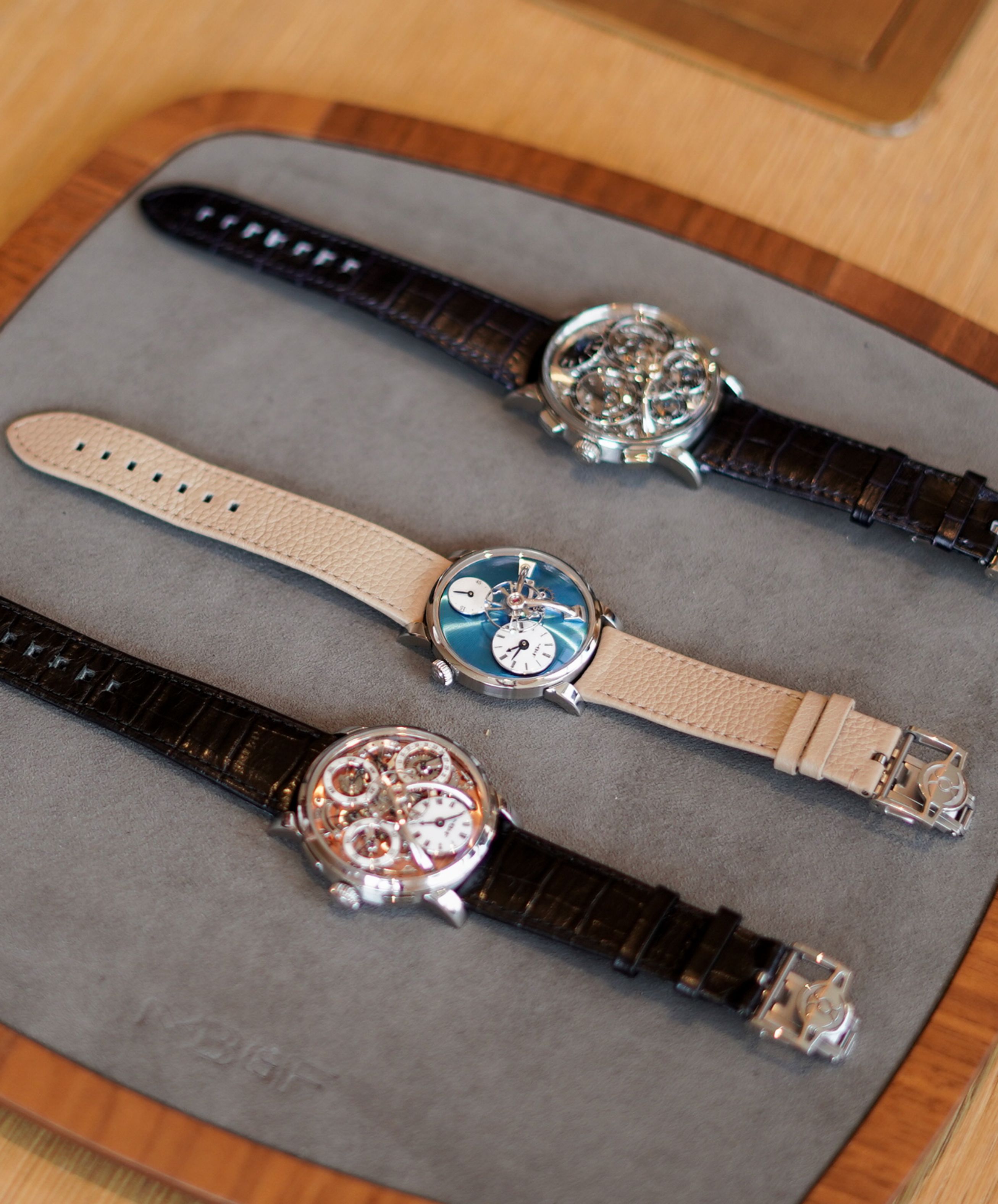
One of the weekend’s most telling undercurrents was the prominence of independents and microbrands, not as curiosities on the fringes but as central actors in the story India Watch Weekend is trying to tell. MING, Laine, Genus, Ardra Labs, Nalla Neram, EPOS and others occupied the same visual and conversational space as established Maisons, offering Indian collectors a chance to handle pieces that previously lived only on Instagram grids and niche forums.
For many of these makers, India is not merely an incremental market, it is a laboratory for a new kind of collector journey. Jan Edöcs noted “a big shift now compared to five years ago,” with more end‑consumers “between 25 and 35 attracted towards what can be called small, new or niche brands, where end‑consumers are really interested in the product.”
Culture, Time And An Indian Context
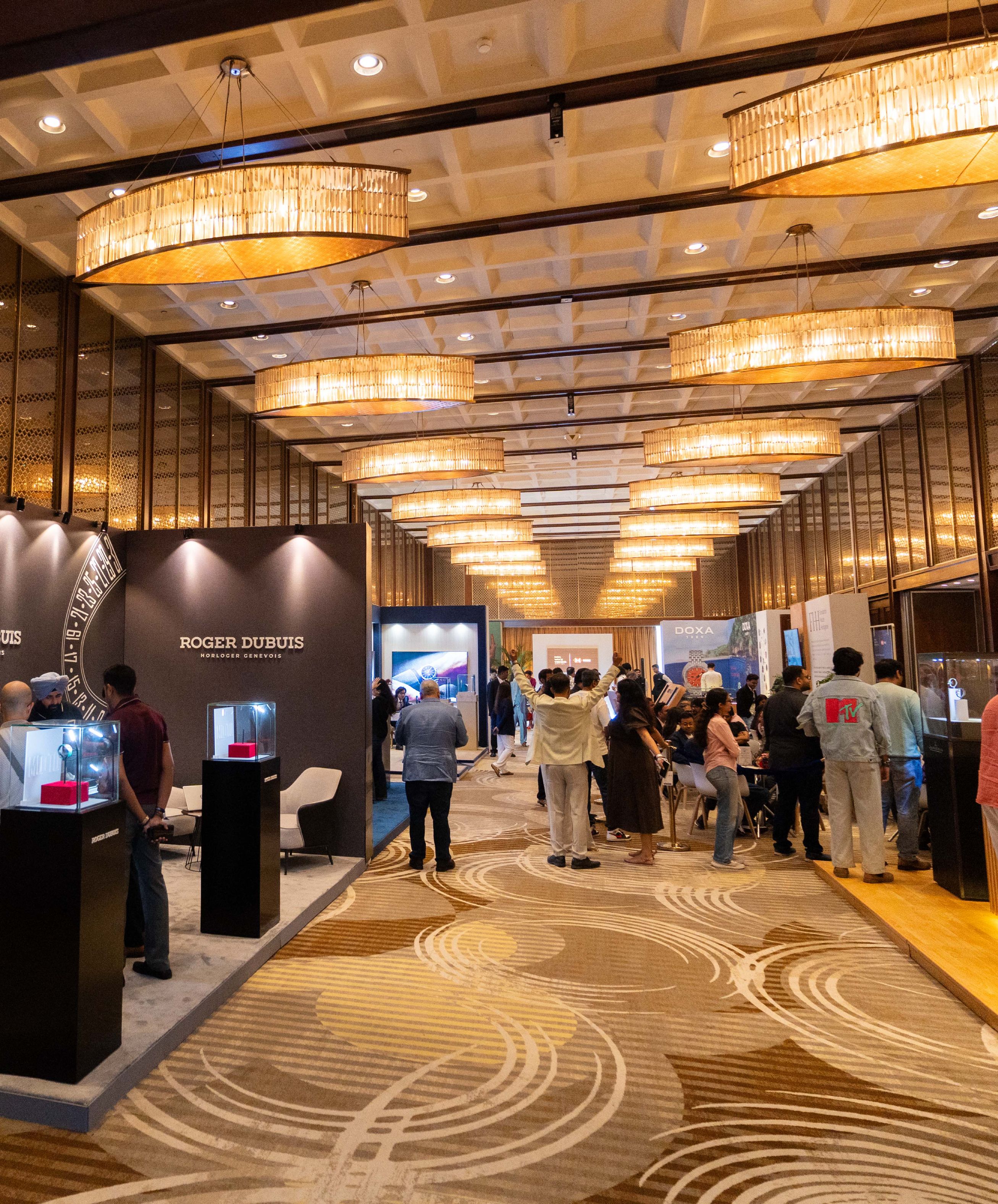
Beyond commerce and collecting, India Watch Weekend 2026 was quietly, but insistently, about culture: how a country with its own complex relationship with time, ritual and color negotiates the import of a largely Swiss‑defined luxury object. The presence of FutureGrail’s museum, Titan’s interpretative installations, and a cross‑section of international brands under one roof made the Four Seasons feel, at moments, less like a hotel and more like a small, temporary museum of global timekeeping with a distinctly Indian accent.
By staging deep horological conversations in Mumbai rather than Geneva, India Watch Weekend subtly repositions India not as a peripheral consumer of Swiss culture, but as an active interlocutor shaping the questions the industry asks.
After Hours And What Comes Next
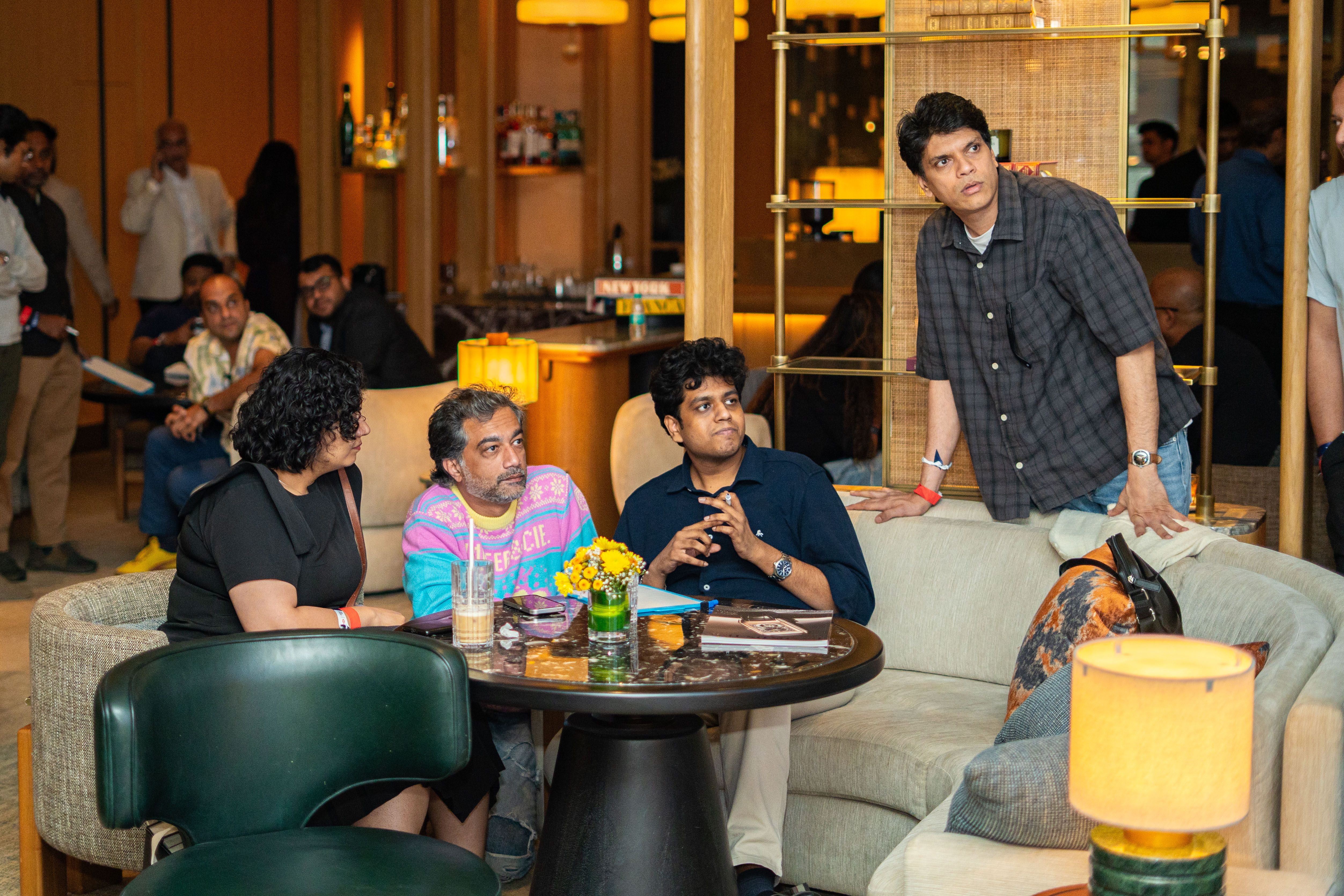
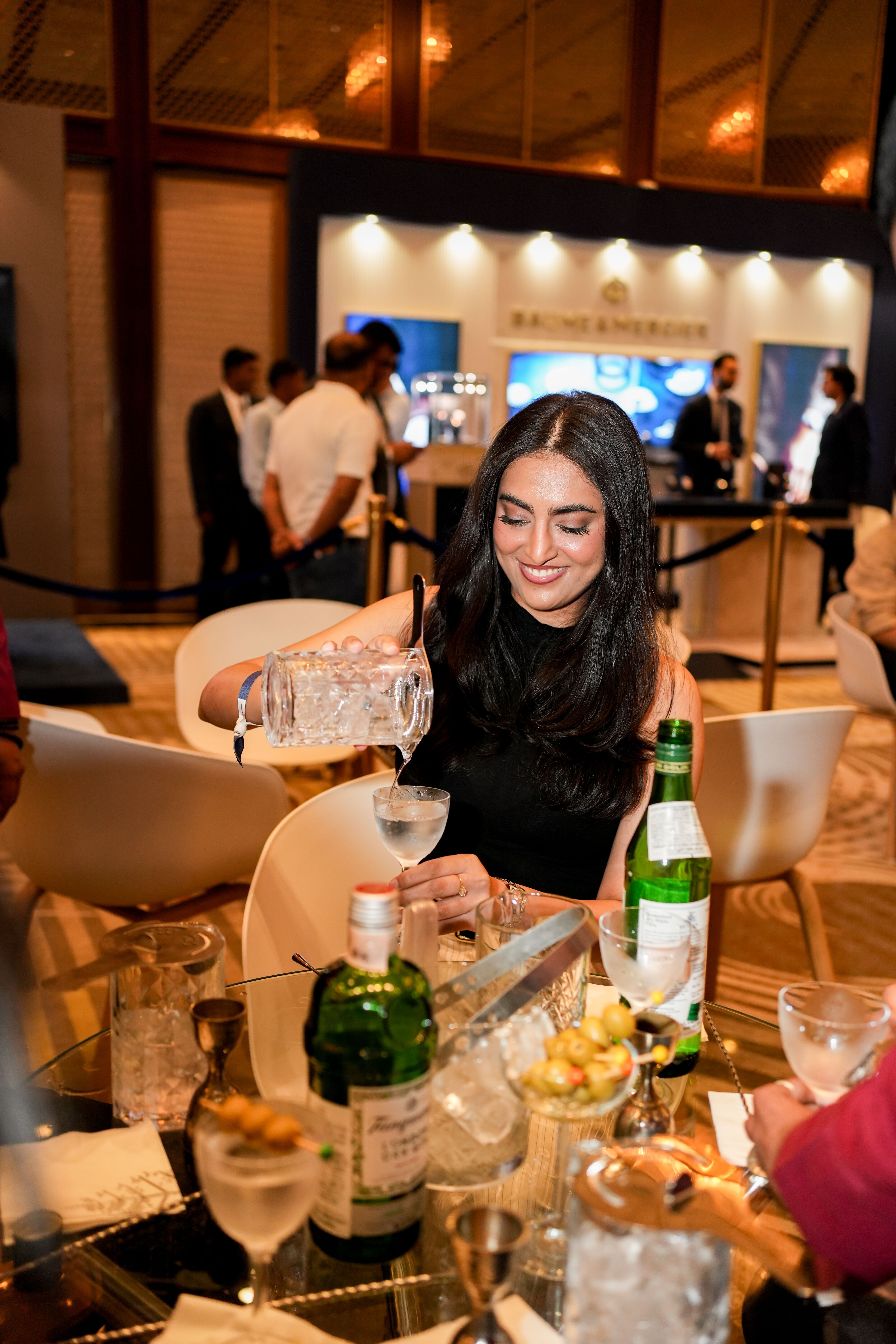
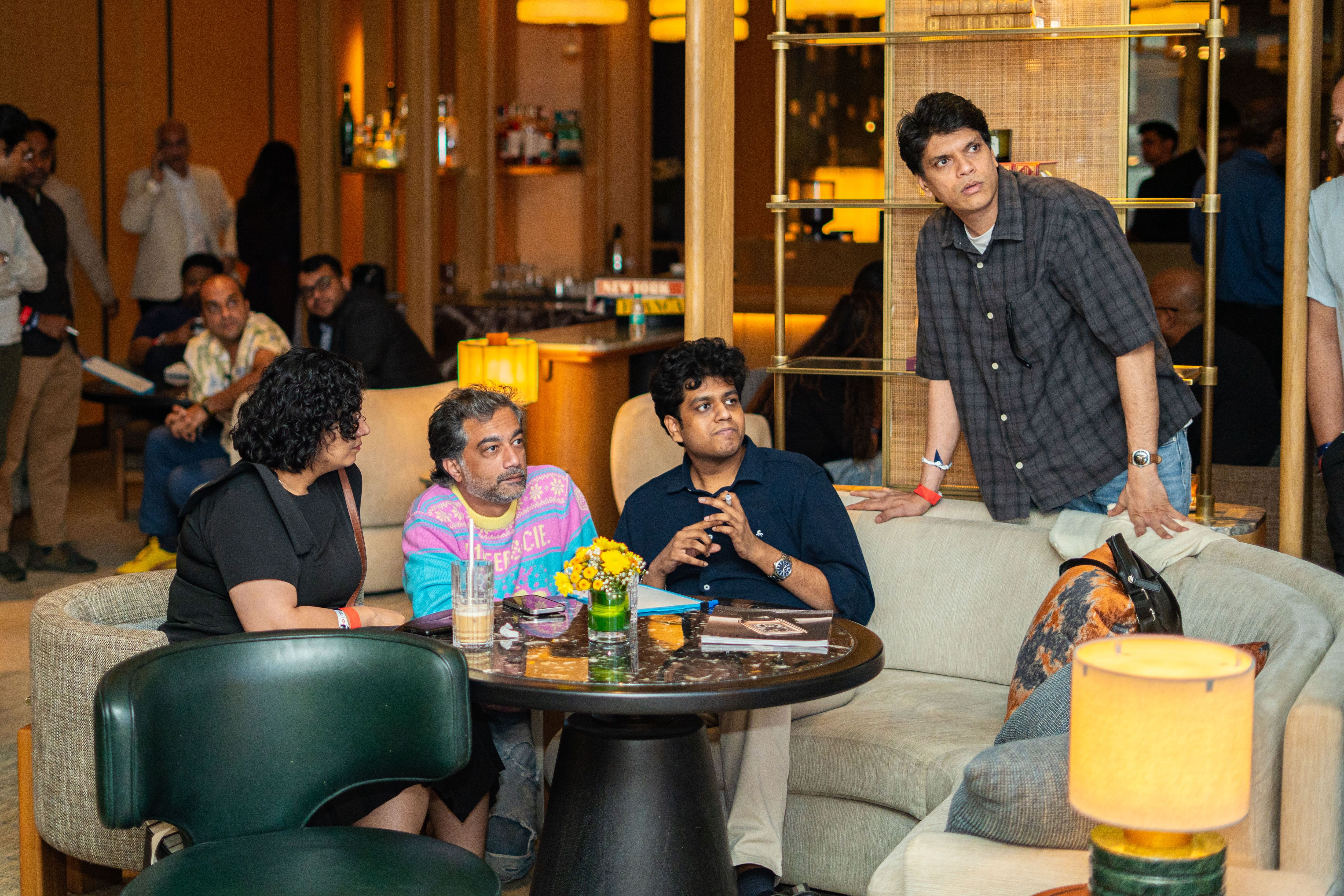
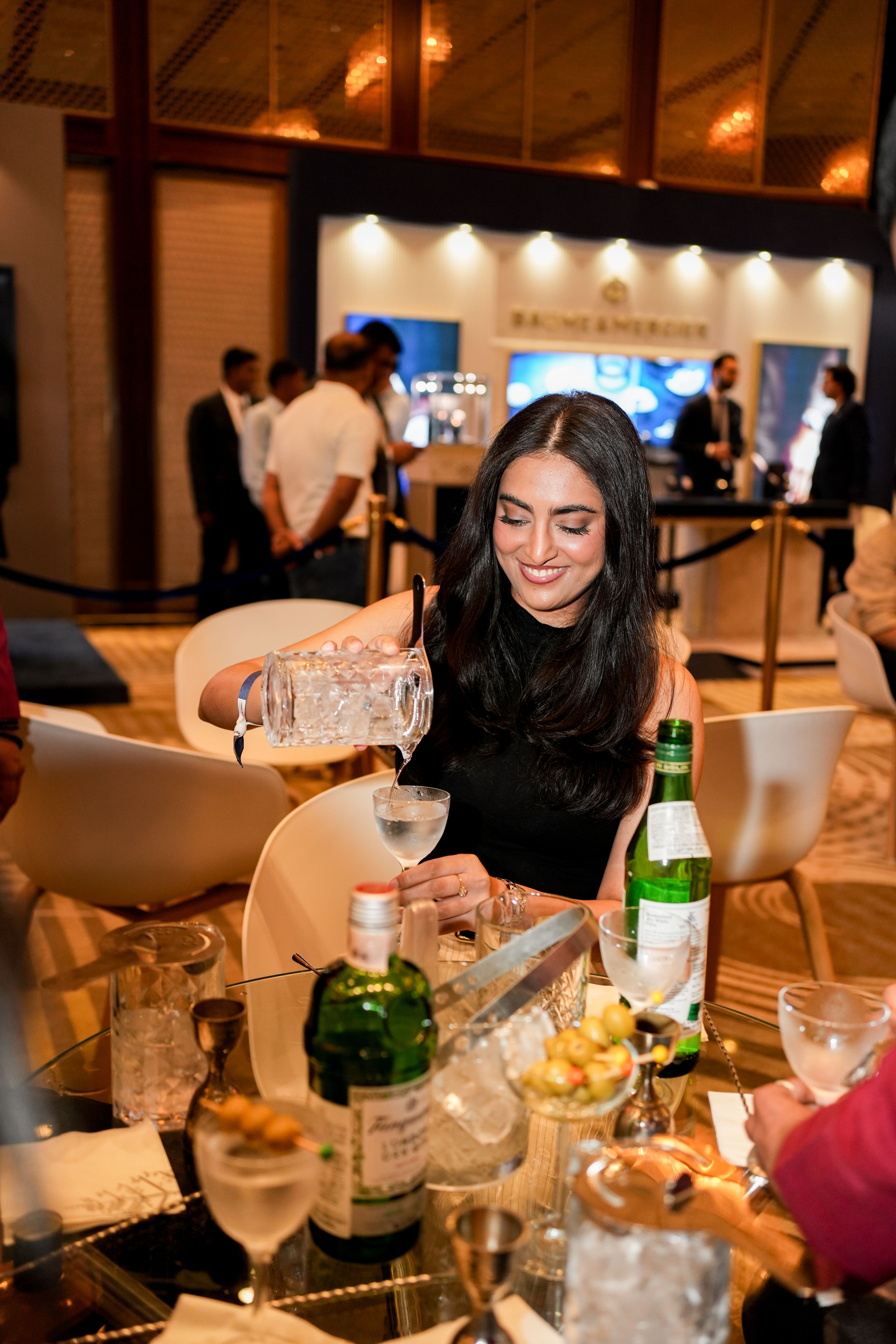
If the daytime program articulated the fair’s intellectual ambitions, India Watch Weekend After Hours revealed what happens when those ambitions are absorbed into lived community. As the sun dropped behind the city’s skyline and formal programming yielded to dimmer lights and louder laughter, the venue morphed into something between a salon and a living room: impromptu wrist‑checks, speculative talk of future collaborations, frank post‑mortems of panels and masterclasses.
Singaporean diplomat and horophile Jerome Wong captured the atmosphere succinctly: “You think buying a watch is just buying it anyway and putting it on the wrist. But it is not. It’s about seeing someone and asking, oh - that’s a nice piece, where is this from? It’s just very interesting to see different watchmaker’s take on the craft and how the collectors react to it.” For him, the best part of the community is precisely those unscripted exchanges of opinion and taste.
By the time the last guests left the Four Seasons, Sunday had done more than close out a successful second edition, it had suggested a new template for what a watch event in India can be: museum, classroom, debating chamber and living room in one. For brands, the message is clear: this is not a fly‑in, fly‑out market, but a place where serious collectors, curious newcomers and a growing ecosystem of retailers, journalists and diplomats are actively building a horological culture of their own.
For India’s collectors, the weekend offered something rare: the feeling that, for twenty-four hours, the center of the horological map had shifted - and that it might, in the years to come, shift again in their direction.