Moritz Grossmann: The Educator Who Built German Watchmaking
 5 min read

Glashütte's history gets written through Ferdinand Adolph Lange. The founder, the visionary, the man who transformed a dying mining town into horological center. That narrative isn't wrong, but it's incomplete. Karl Moritz Grossmann deserves equal billing, yet his death in 1885 ended his manufacture while Lange's name survived. For 123 years, Grossmann disappeared. Then Christine Hutter resurrected a name nobody was asking for during the 2008 financial crisis.
The Mail Sorter's Son Who Outworked Everyone
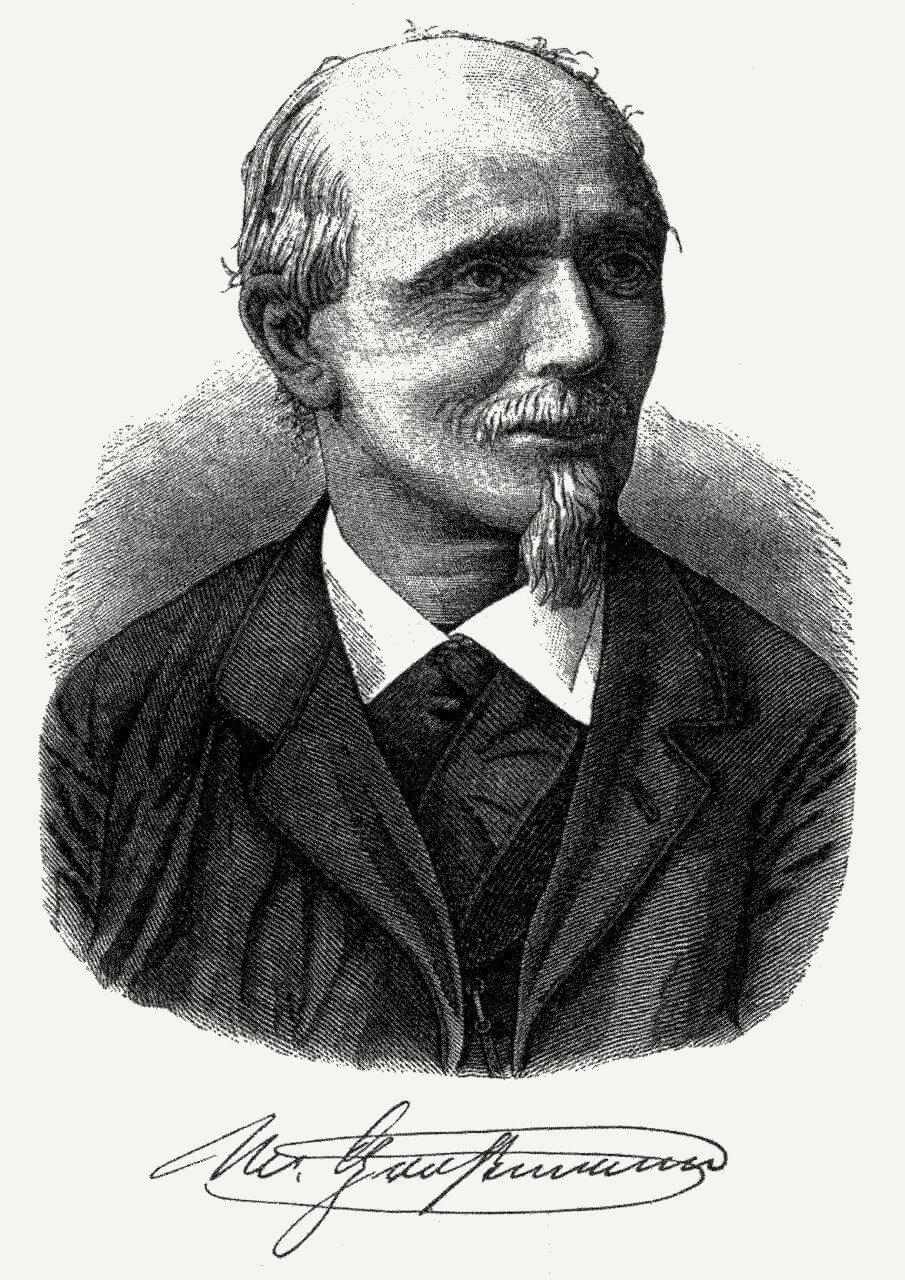
Karl Moritz Grossmann was born March 27, 1826 to a Dresden mail sorter. Modest circumstances, exceptional talent. Teachers secured him a free place at Dresden's Technische Bildungsanstalt. He apprenticed as watchmaker, then left at age 20 in 1846 to absorb European knowledge.
London, Hamburg, Paris, Stockholm, Copenhagen, La Chaux-de-Fonds. He studied wherever serious watchmaking happened, returning to Dresden in 1854. Ferdinand Adolph Lange, nine years into building his Glashütte manufactory, convinced his friend to relocate. Grossmann established his atelier that year. Where Lange focused on pocket watches, Grossmann concentrated on precision tools. He invented the Glashuetter Drehstuhl lathe, optimized lever escapements and chronometer detents, crafted precision pendulum clocks and marine chronometers. Production stayed low—quality over quantity—but his technical contributions influenced the entire community. In 1866, Grossmann submitted "On the detached lever escapement" anonymously to British Horological Institute competition. He won first prize, becoming the first German contestant to win. The clearly structured description convinced the jury and made it reproducible for any knowledgeable reader. This reflected Grossmann's core motivation: expanding watchmaking knowledge rather than hoarding secrets.
The Educator Who Built German Watchmaking
Grossmann's lasting contribution was education. In 1878, after years petitioning the Royal Saxon government, he co-founded the German School of Watchmaking in Glashütte, serving as first chairman while teaching mathematics and languages. This school transformed Glashütte from independent ateliers into systematic training ground. Where Switzerland developed watchmaking through centuries, Glashütte compressed that timeline through formal education. Grossmann's vision created infrastructure that survived two world wars, Soviet occupation, and reunification. He wrote prolifically. In 1878, he translated Saunier's French "Textbook of Watchmaking" into German. His own publication detailed his guiding principle of simple but mechanically perfected watches. He shared technical knowledge freely when most watchmakers guarded secrets. Beyond watchmaking, Grossmann served as Glashütte councilman (1866-1878), Royal Saxon Landtag representative (1876), founded the Gymnasts' Voluntary Fire Brigade and Glashütte Military Society, and headed the committee for Müglitz Valley railway construction. On January 23, 1885, Grossmann died suddenly of stroke in Leipzig after delivering a speech about World Time. He was 60. The Society of German Watchmakers in London donated a memorial plaque. His manufacture was liquidated immediately. No heirs continued the business. The name vanished.
The 123-Year Gap and Resurrection
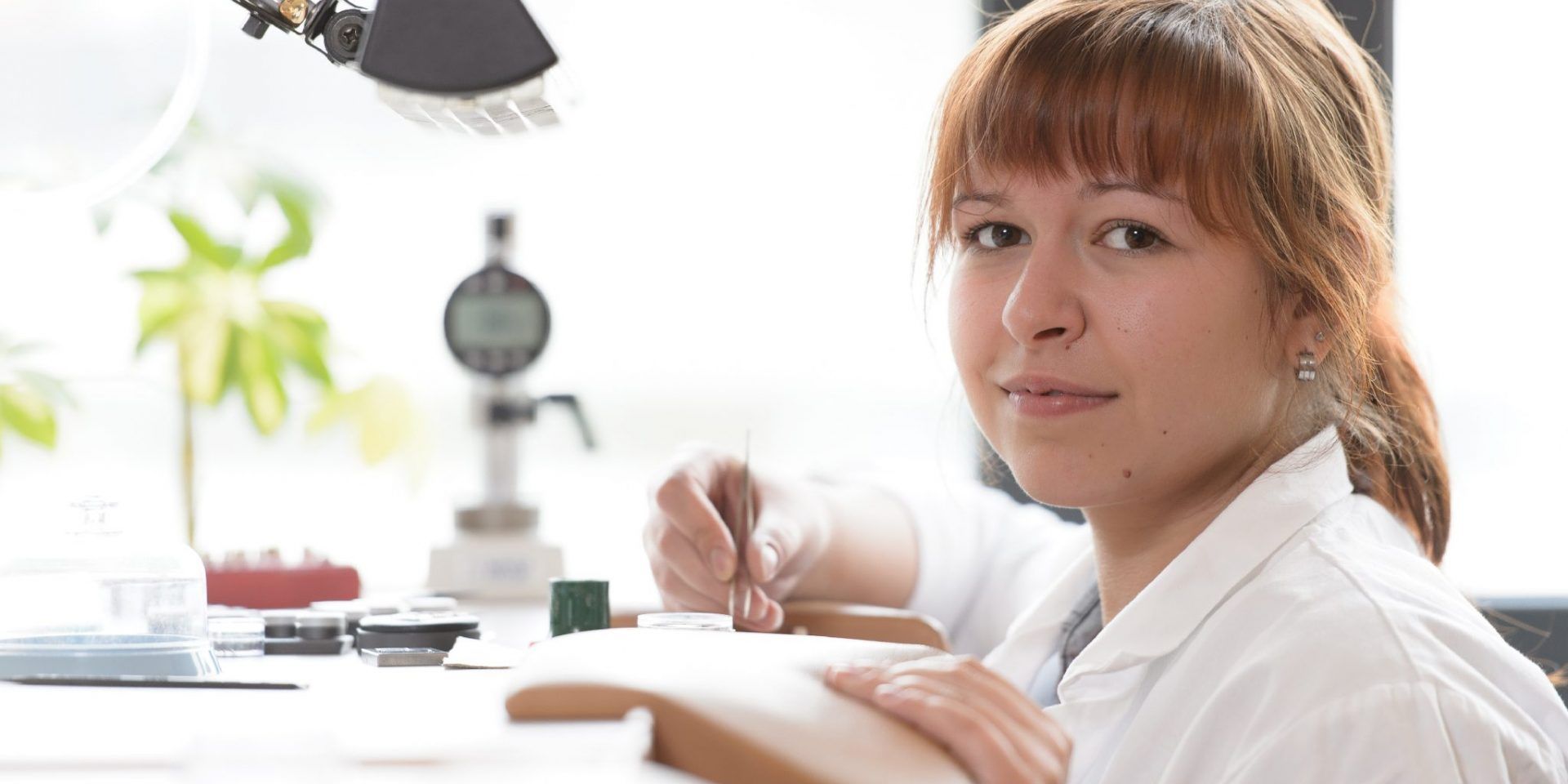
Between 1885 and 2008, Moritz Grossmann existed only in institutional memory. The school he founded continued, eventually becoming the University of Applied Horological and Micromechanical Sciences. A square was renamed Moritz-Grossmann-Platz. But no watches bore his name. This contrasts with Lange's legacy. A. Lange & Söhne survived through descendants until WWII, got absorbed into GUB during Soviet occupation, then was resurrected in 1990. Grossmann had no such protection. Christine Hutter discovered this gap. She apprenticed under master watchmaker Wilhelm Glöggler in Munich, graduated top of her class, and progressed through Wempe, Maurice Lacroix, Glashütte Original (1996), and A. Lange & Söhne. Working in Glashütte, she encountered Grossmann's name and recognized its significance. In 2008, during the financial crisis, she acquired trademark rights with family support.

Hutter committed to in-house development from the beginning. The company operated from her Dresden residence, then moved to former hardware store in Glashütte. By 2010, with 16 employees, they released the BENU containing caliber 100.0. That movement established modern identity: pillar architecture, two-thirds German silver bridge with hand engravings, hand-engraved balance cock, white sapphires in raised gold chatons, hand-polished chamfers. In 2010, Hutter acquired land and hired architects Flender & Drobig. Construction completed 2013. The building on Uferstrasse 1 overlooks Glashütte. Today approximately 40 watchmakers produce no more than 500 watches annually. Grossmann remains the only Glashütte manufactory crafting its own hands in addition to movements. This requires specialized equipment, trained craftspeople, and accepting production constraints. Most manufacturers buy hands from suppliers. Grossmann's insistence demonstrates commitment exceeding commercial rationality.
What the Name Carries Now
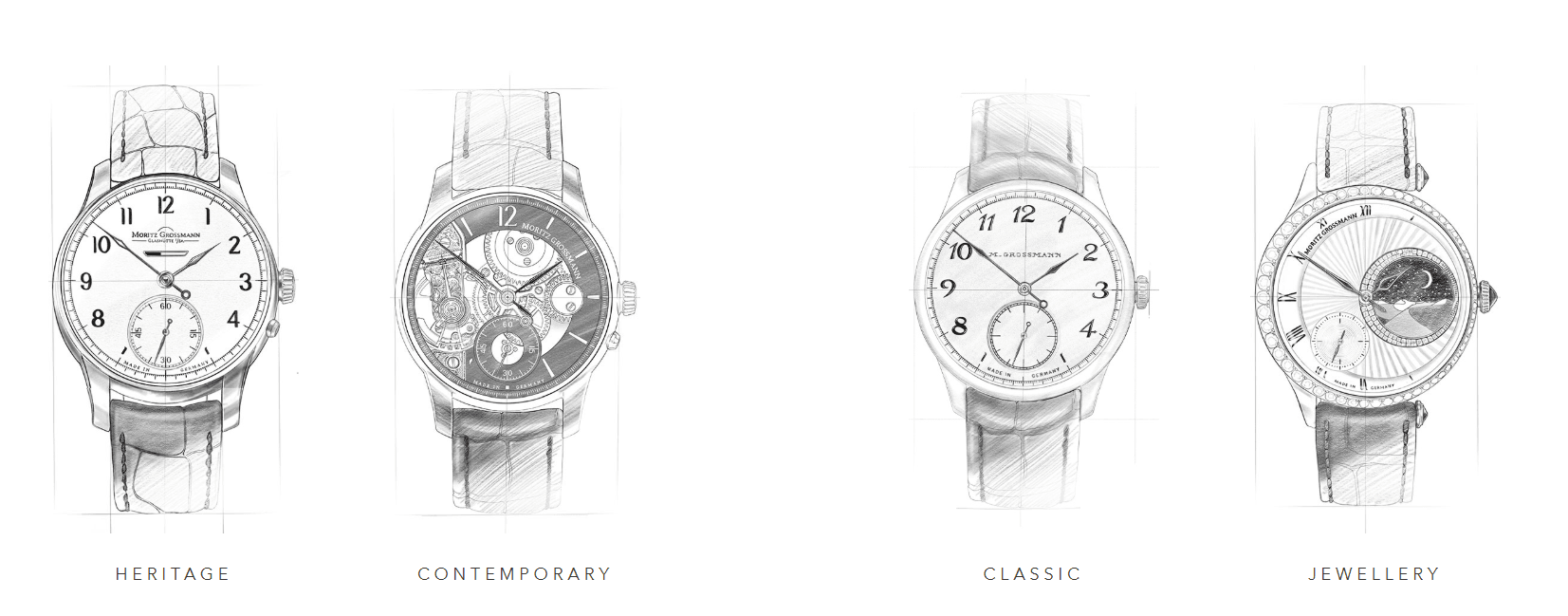
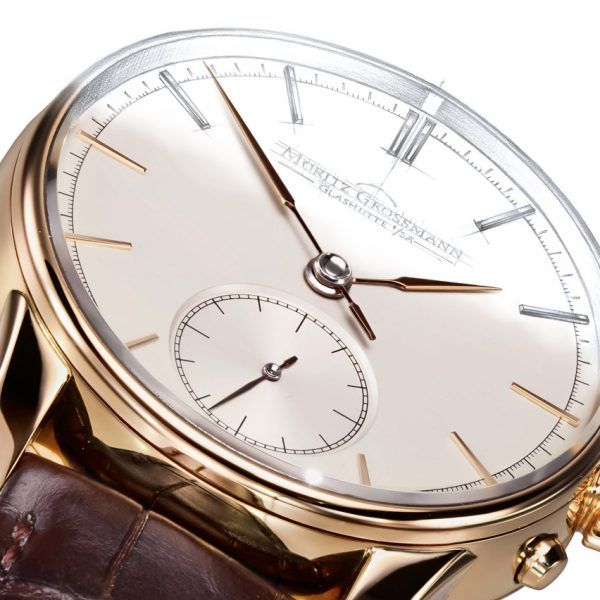
Modern Moritz Grossmann watches range from $15,000 to over $50,000. The Atum provides clean dress watch design. The Benu features traditional Saxon architecture with complications. The Tefnut offers slimmer contemporary line. The Corner Stone presents rectangular case. Special editions like the Tremblage and Universalzeit demonstrate technical ambition. Pricing sits below A. Lange & Söhne but above Glashütte Original, competing with independents rather than established luxury brands. This creates challenges. Lange commands premium through heritage and Richemont backing. Glashütte Original benefits from Swatch Group resources. Grossmann operates independently with Christine Hutter as the only woman founder and CEO of German watch manufacturer.
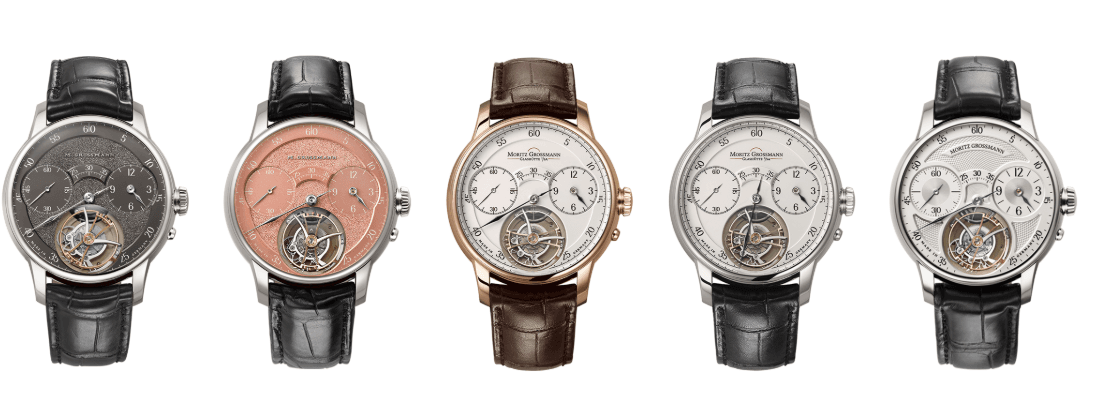
The brand cannot compete on marketing budget or retail presence. It competes on finishing quality and movement architecture. The pillar construction, signature brown-violet screws, hand-engraved balance cocks, and manually crafted hands signal artisanal production. Whether this sustains long-term depends on connoisseur market appreciating subtle distinctions. Christine Hutter resurrected Moritz Grossmann through skilled watchmaking, significant capital, and willingness to operate at scale traditional business analysis would reject. She didn't revive a beloved brand. She resurrected a name known only to historians, then built manufacture capable of rivaling established German brands. Moritz Grossmann died believing he'd contributed to German watchmaking through education and technical advancement. His manufacture disappeared, but the school survived. Christine Hutter's resurrection connects those threads. The watches honor Grossmann's principles—simple design, mechanical perfection, artisanal execution. Whether the market sustains this vision remains uncertain. But for now, the mail sorter's son who outworked everyone finally has watches bearing his name again.


