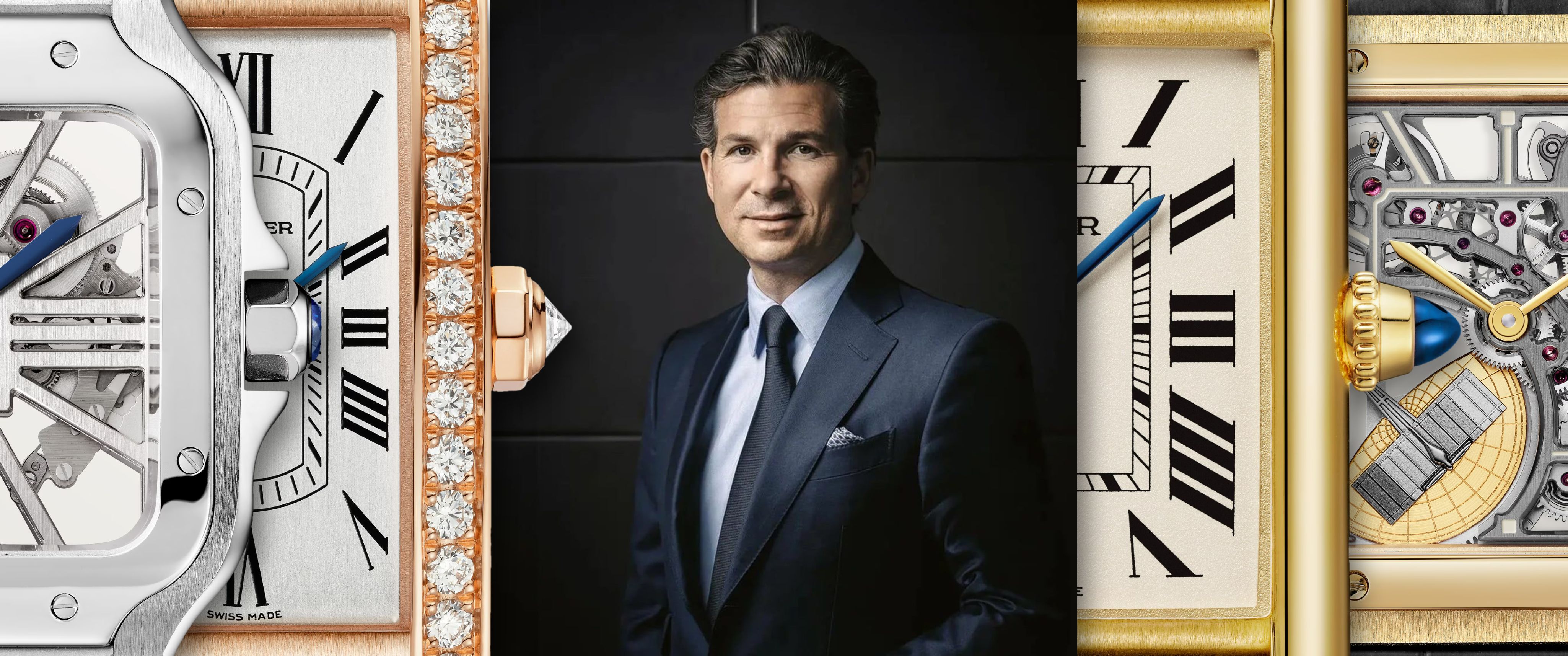
CEO Of The Month | Chapter 9: Louis Ferla - Master Strategist And Visionary CEO Of Cartier
 6 min read

The upper echelons of luxury management are often populated by specialists - jewelry men, watch men, regional experts. Louis Ferla, the Chief Executive of Cartier, defies such easy categorization. He is a product of the East and the West, a “Richemont baby” who has spent nearly a quarter of a century ascending the group’s ladder with a quiet, strategic determination that has largely kept him out of the media glare.
His promotion as Cartier’s CEO in September 2024, after seven highly successful years steering Vacheron Constantin into the “billion‑plus” sales club, wasn’t just a succession - it was a homecoming. Ferla is a rare breed: a CEO who understands the weight of a 175-year-old maison’s heritage but possesses the mercantile instincts forged in the booming markets of Greater China and the Middle East. In an era where the industry holds its breath with every quarterly report, Ferla has been tasked with piloting the vessel of Place Vendôme - a ship with over 10,000 employees, through increasingly turbulent global waters.
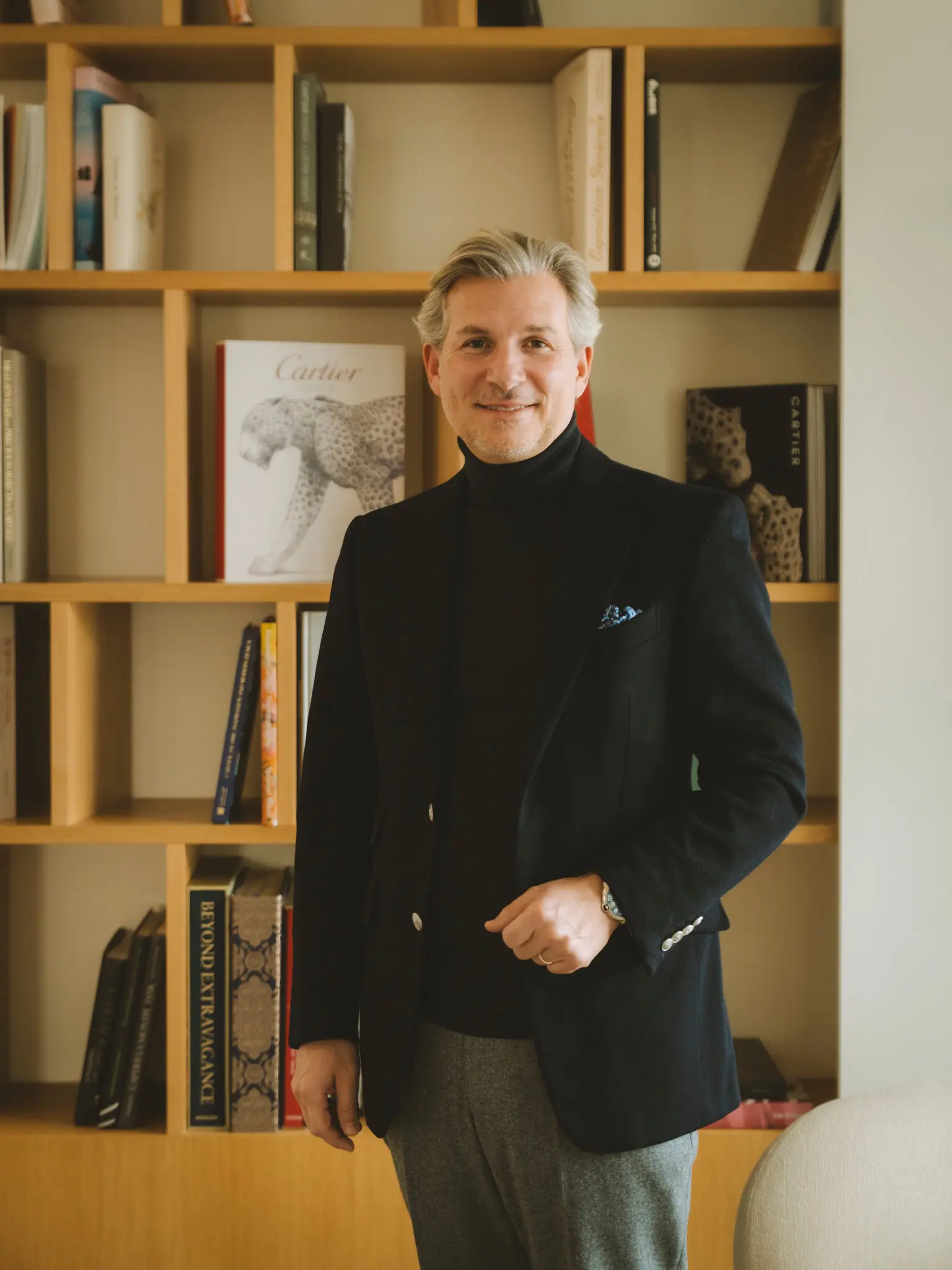
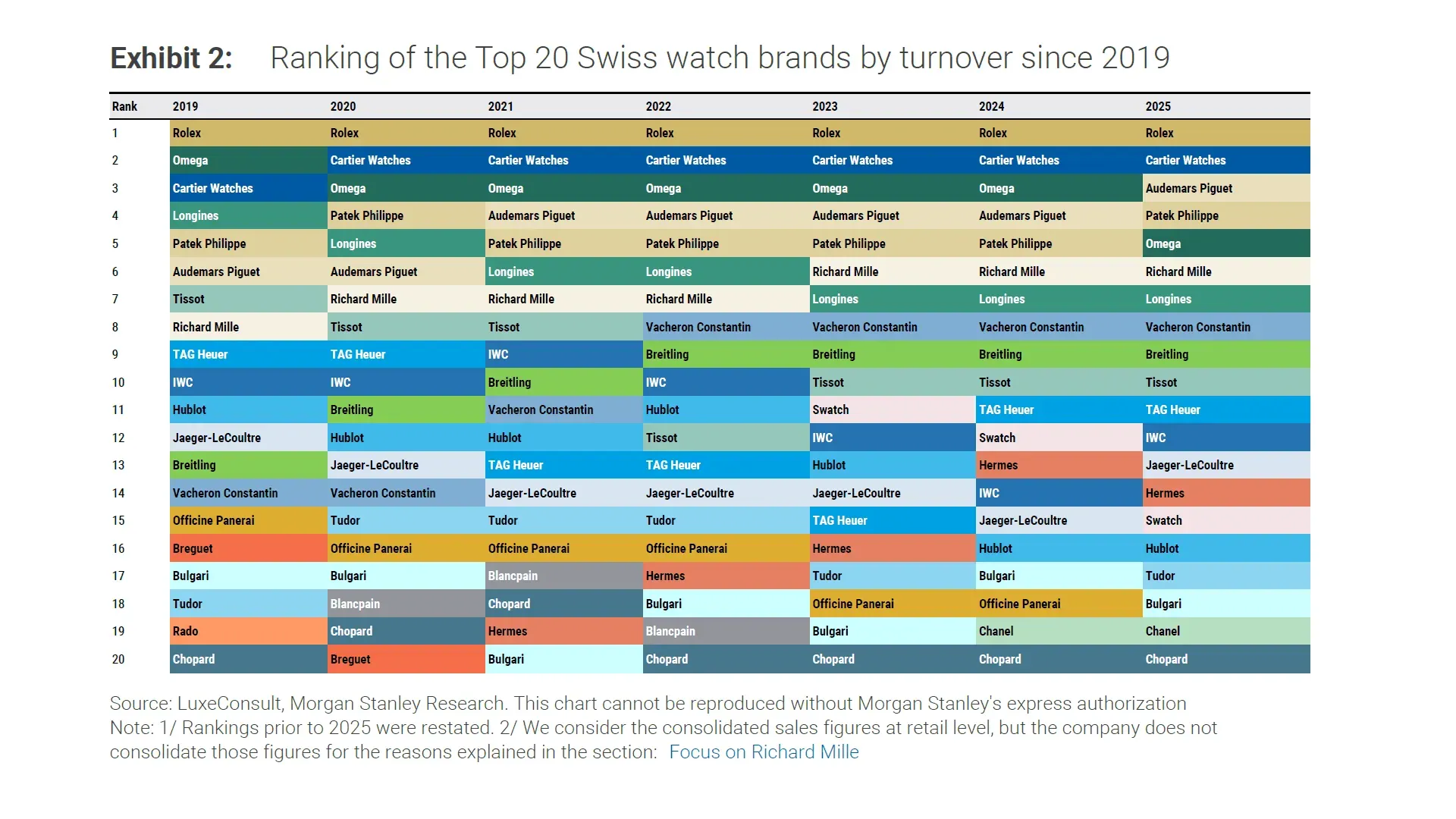
This is the story of how a French executive who studied Mandarin at National Taiwan University took command of the Richemont flagship just as it solidified its position as the number‑two Swiss watch brand behind Rolex and a pillar of the group’s financial performance.
An Introduction To Louis Ferla
Born in France in 1975, Louis Ferla brings a unique blend of cultural fluency, sharp commercial instinct, and deep respect for craftsmanship to Cartier. After earning a degree in International Business and Finance from 3A International Business School in Lyon, he spent a formative year studying Chinese at the National Taiwan University, setting the stage for a career that would be shaped by strategic roles across Asia and beyond.
A seasoned executive with over 25 years’ experience in luxury goods and international business, Ferla’s career has taken him from frontline sales and region-level leadership to the top tiers of strategic management within Richemont’s most prestigious maisons.
Career Foundations: Asia, Language, And Retail Grounding
Ferla joined Richemont in 2001 with Alfred Dunhill in Hong Kong, initially as Area Sales Manager and later as General Manager for Hong Kong and Taiwan, gaining hands‑on exposure to the realities of luxury retail in one of the world’s most demanding markets. This early experience is important to understanding his later leadership style: he is less the abstract brand theorist and more the field‑driven operator, comfortable talking margin and market share but equally focused on team dynamics, distribution quality, and client development.

First Cartier Chapter: Building Markets, Not Just Image
Ferla’s first decade at Cartier, beginning in 2006, is a perfect blueprint in structured international expansion.
- General Manager, Cartier Taiwan (2006 - 2009): He took charge of a sophisticated, highly competitive market where Cartier’s dual identity as jeweler and watchmaker needed to be translated into local retail realities.
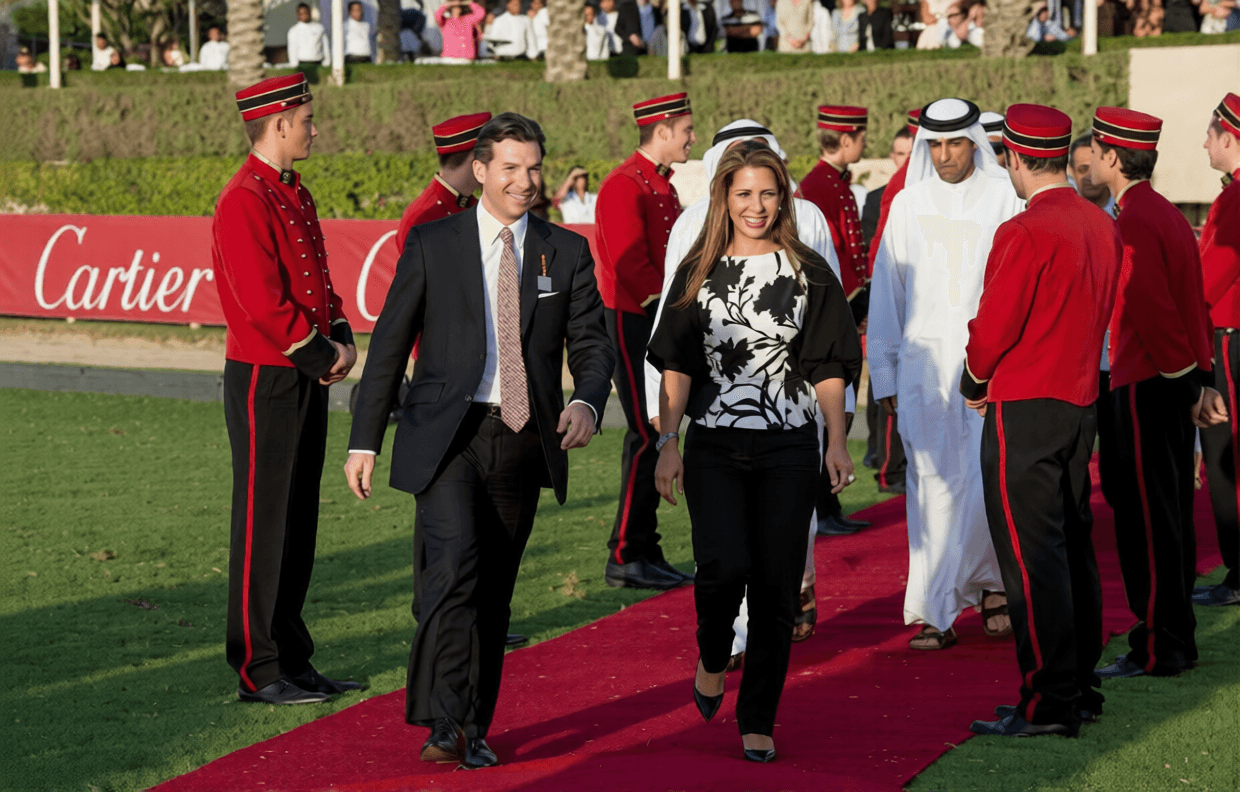
- Regional Director, Middle East, India and Africa (2009 - 2012): From Dubai, he oversaw a region where high jewelry, watches, and accessories intersect with some of the highest-value clients in the world, requiring precise assortment, cultural sensitivity, and long-term relationship building.
- Chairman & CEO, Cartier China: He then moved to one of the most strategically critical markets in global luxury, at a time when Chinese demand was increasingly driving growth across the sector.
In 2015, he was appointed International Business & Client Development Director of Cartier International and joined its International Executive Committee, signaling his shift from regional execution to global strategy. The role placed him squarely at the intersection of network optimization, client experience, and long‑term brand development - competencies that later proved decisive at Vacheron Constantin and now at Cartier.
Vacheron Constantin: Turning Heritage Into A Billion‑Plus Business
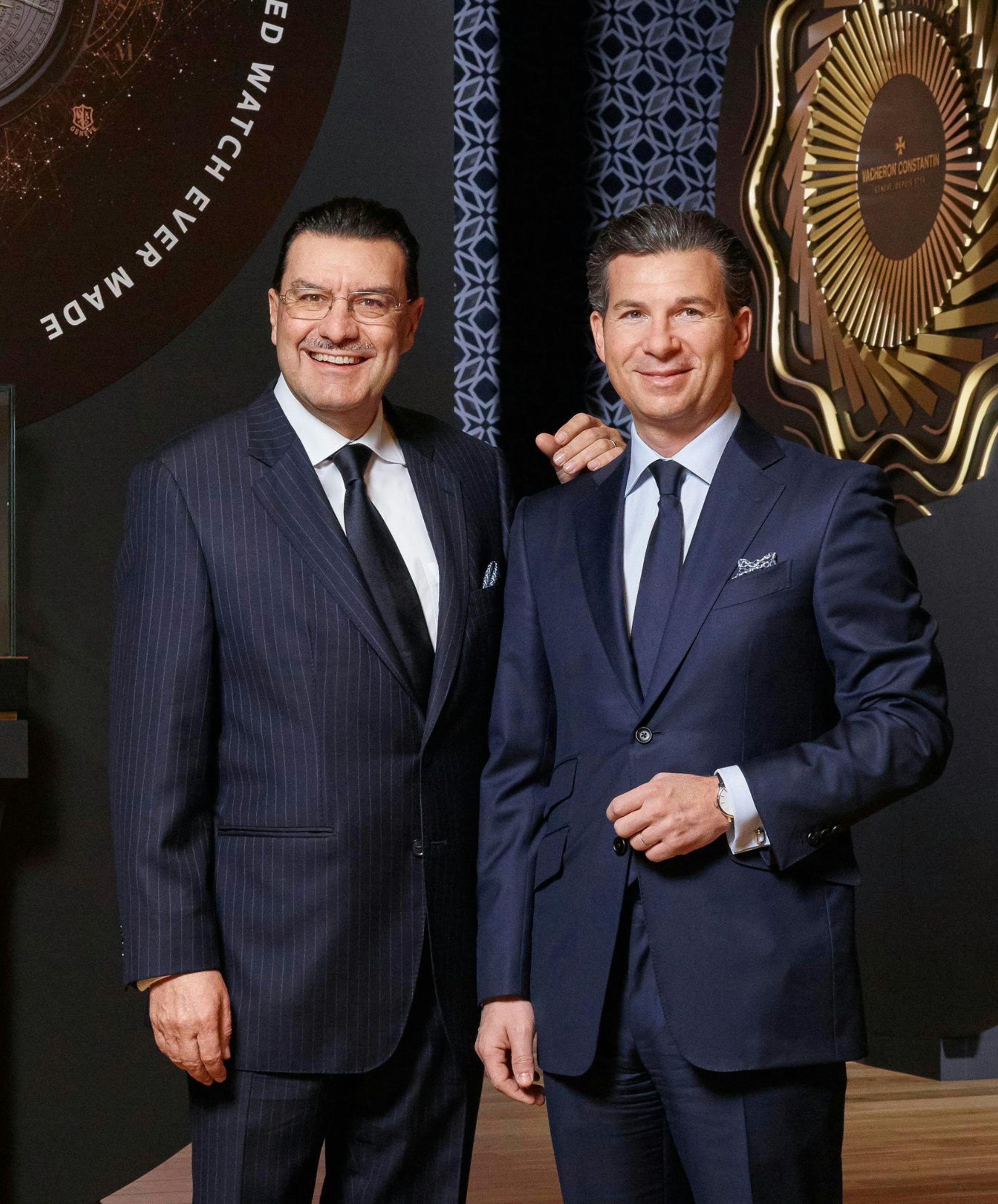
In 2016, Ferla moved from Cartier to Vacheron Constantin as Managing Director Sales & Marketing, and by 2017 he had been appointed Chief Executive Officer of the maison. There, he demonstrated with unusual clarity that he was not just a capable regional leader but a true architect of sustainable growth in high horology.
Industry analysts widely credit him with defining and executing a step‑by‑step pathway that took Vacheron Constantin, for the first time in its 270‑year history, to turnover in excess of 1 billion Swiss francs - estimated at CHF 1.097 billion in 2023 according to Morgan Stanley and LuxeConsult. He did so not by chasing a single “hot” reference, but by strengthening the brand along multiple axes.
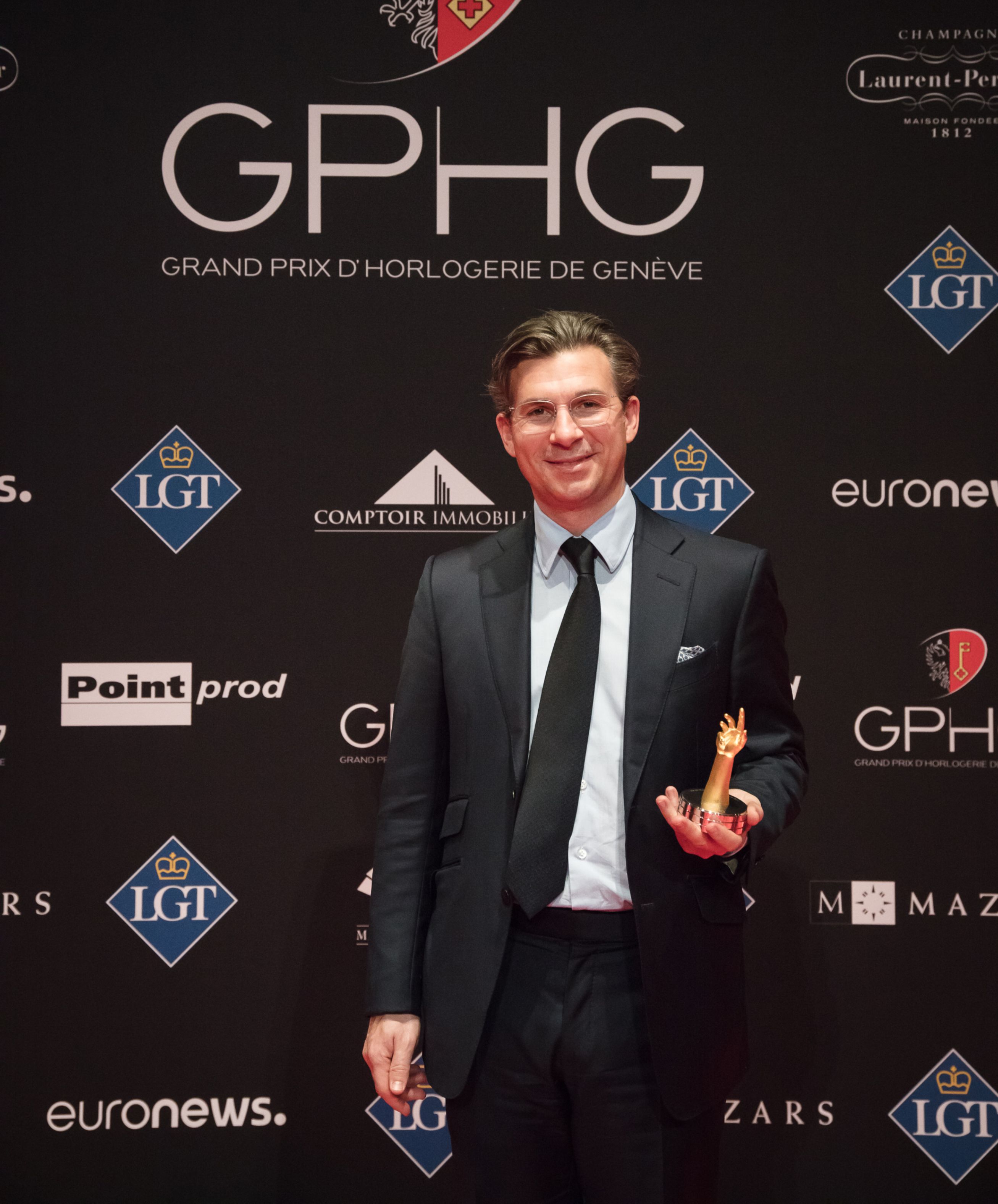
By the time he departed for Cartier, Vacheron Constantin was not only a financial success but also widely perceived as one of the most intellectually serious, creatively ambitious maisons in Swiss haute horlogerie.
Return To Cartier: Taking Command Of The Flagship
Ferla’s return to Cartier in 2024 came as part of a broader Richemont leadership reshuffle that also saw Nicolas Bos elevated to Group CEO and Catherine Rénier move from Jaeger‑LeCoultre to Van Cleef & Arpels. At Cartier, he succeeded Cyrille Vigneron, whose nine‑year tenure had produced unprecedented growth, a renewed focus on icons, and a powerful, transversal luxury positioning across jewelry, watches, and accessories.
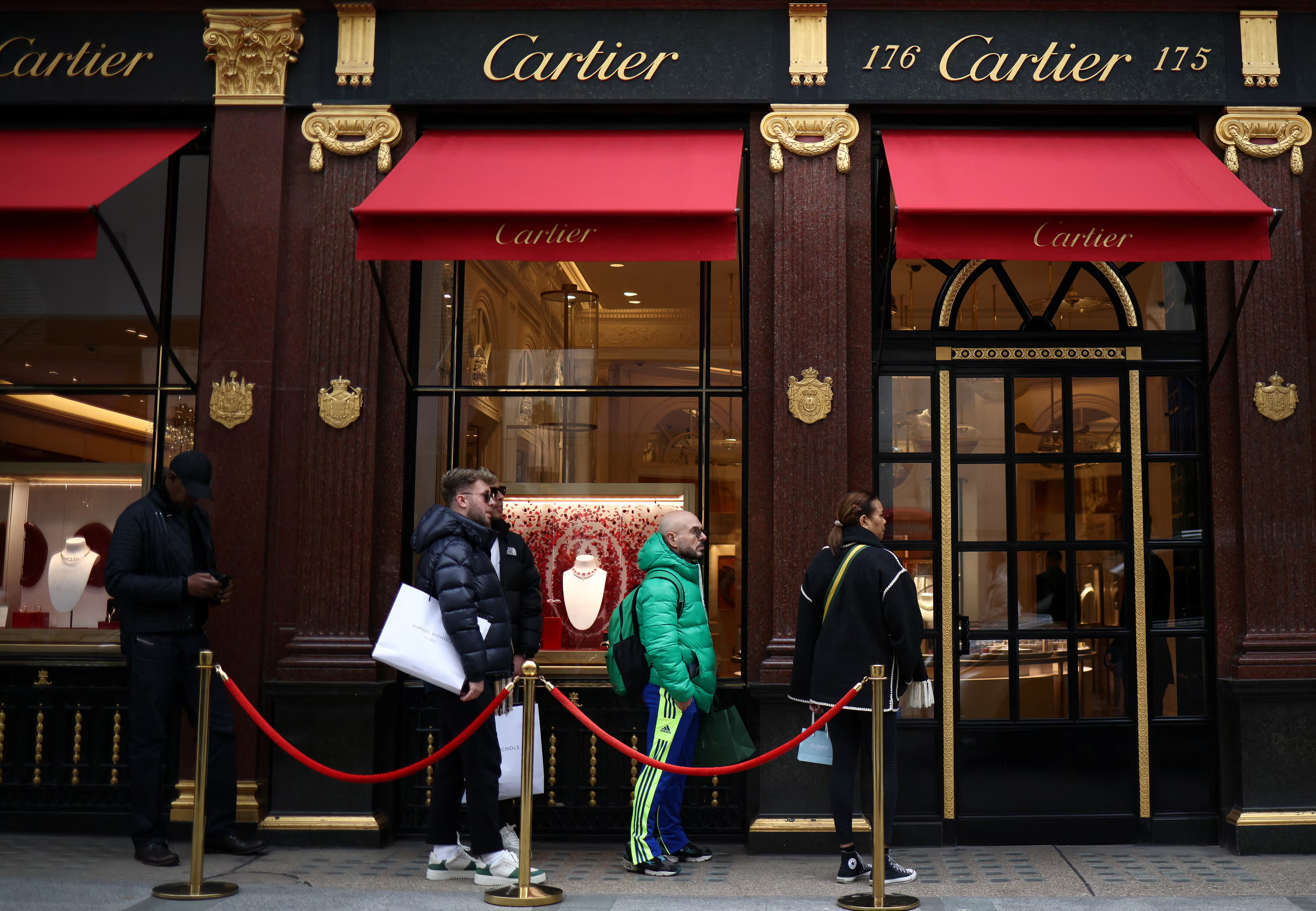
Cartier today is the primary driver in the Richemont portfolio. Estimates suggest Cartier generates around CHF 10 billion in sales, roughly half of Richemont’s total, with watches alone contributing approximately CHF 3.5 billion. Together with Van Cleef & Arpels, Cartier accounts for roughly 68 percent of group sales and the majority of operating profit, effectively financing less profitable or loss‑making brands in the group’s specialty watchmaking segment.
Leading Cartier Through A Changing Landscape
Ferla took formal control of Cartier in September 2024, just as the broader luxury market was contending with higher gold prices, declining diamond prices, slowing demand in China, and U.S. tariffs on Swiss goods that posed a structural headwind. Cartier, however, entered this phase from a position of strength: Richemont’s jewelry division, led by Cartier and Van Cleef & Arpels, reported sales of €15.3 billion in the fiscal year ending March 31, 2025, up from €14.2 billion a year earlier.
Ferla’s first year at Cartier was characterized less by dramatic repositioning and more by disciplined refinement. For Ferla, watchmaking is “vital” to the maison, even as jewelry remains the primary economic driver. He is explicit that his priority is to maintain a calibrated balance across jewelry, watches, perfume, and leather goods, ensuring that Cartier remains accessible through a range of price points while preserving the aspirational aura of its high jewelry and high watchmaking.
Major Achievements (At a Glance)
Under Ferla’s leadership, Richemont has achieved many transformative milestones.
- Taking Vacheron Constantin to an estimated CHF 1.097 billion in sales in 2023.
- Transforming the Overseas collection into a credible peer to the Nautilus and Royal Oak, while simultaneously strengthening Vacheron’s core classic and high‑complication offerings.
- Spearheading Vacheron’s métiers d’art and ultra‑complication projects.
- Steering Cartier through a leadership transition without brand destabilization, maintaining strong performance within Richemont’s jewelry division, which reported €15.3 billion in sales for the year ending March 31, 2025.
- Embedding a “less, but better” communication strategy at Cartier.
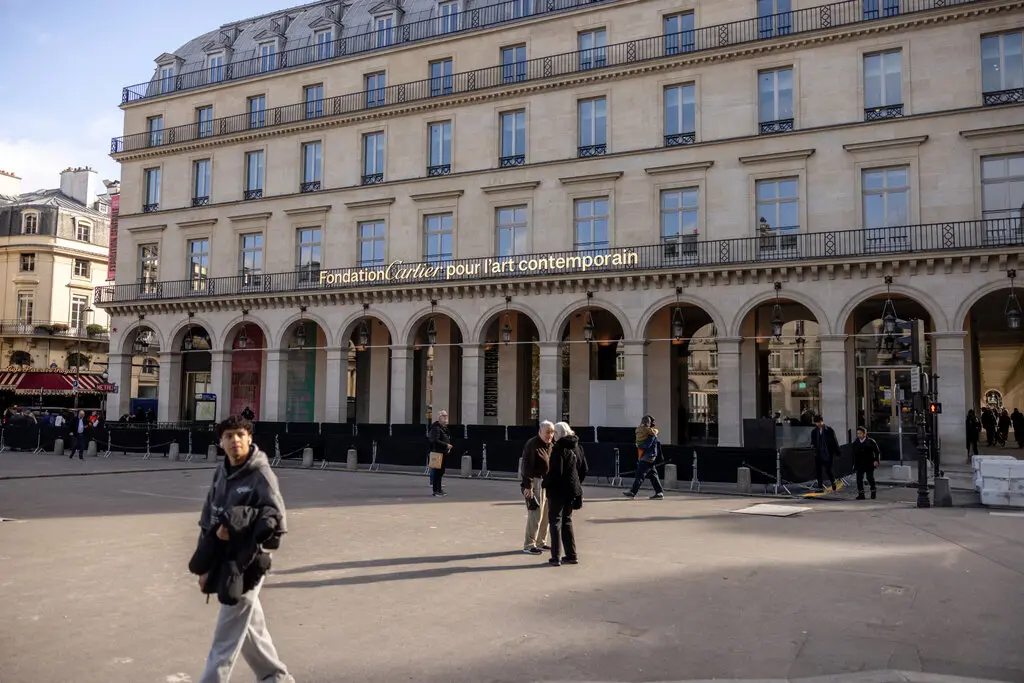
- Overseeing significant cultural and environmental commitments at Cartier, including the new Fondation Cartier site opposite the Louvre and a sourcing strategy in which almost 99 percent of gold used is recycled and stone traceability is tightly controlled.
Looking Ahead: Cartier Under Ferla’s Leadership
As Cartier continues to balance timeless design with modern relevance, Louis Ferla’s role signals a thoughtful stewardship - one that values heritage while embracing growth, innovation, and the evolving expectations of a global clientele. In an age where luxury brands must resonate across cultures, digital platforms, and generational tastes, Ferla’s global sensibility, business acumen, and deep understanding of craftsmanship position him as a CEO not just of distinction - but of lasting impact.
Through his journey, from aspiring international executive to one of the most influential leaders in luxury today, Ferla embodies a rare combination of commercial acuity and creative respect, poised to shape Cartier’s trajectory for years to come.