A City On Time: The Sunday That Redefined India Watch Weekend 2026
 9 min read

Sunday at India Watch Weekend 2026 read like a thesis on what a modern, knowledge-led watch festival could be. From the morning coffee to the last martini stirred well after dark at the Four Seasons Mumbai, the second day unfolded as a continuous conversation between craft, culture, connoisseurship and community.
A Day Framed By Horological Scholarship
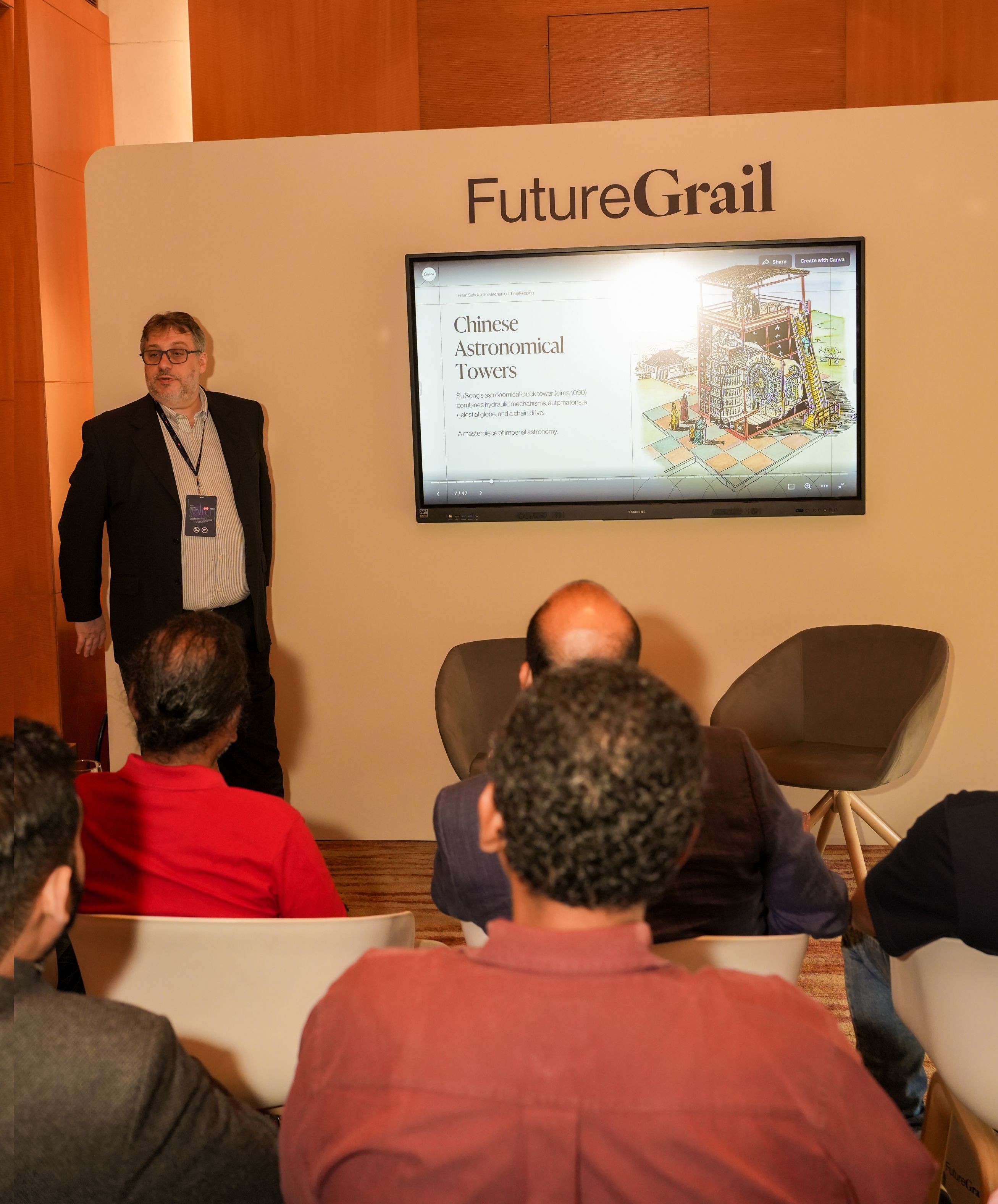
The tone for Sunday had already been set by the two all-day anchors: The FutureGrail Museum and Chambers of Time by Titan, both open from 11:00 to 19:00. FutureGrail’s travelling installation brought a slice of its scholarly hallmarks to Mumbai via its “The History Of Horology Session” which also discussed some rare vintage and complicated horological artefacts. The session encouraged close, unhurried horological education which reinforced FutureGrail as well as India Watch Weekend’s commitment to nurturing horological knowledge and cultivating an informed collector base.
Across the hall, Titan’s Chambers of Time stitched together decades of Indian watchmaking and design into a narrative that felt both familiar and unexpectedly global. Archival Titan models, early quartz stalwarts, and more recent design-forward pieces were presented as milestones in a broader story about how India’s own industrial and aesthetic journey intersected with the international watch scene. The juxtaposition of FutureGrail’s classes in horological tradition and Titan’s domestic heritage quietly underscored how India Watch Weekend positioned India not just as a market, but as a participant in horological history.
Brunch, Martinis, And Private Metal
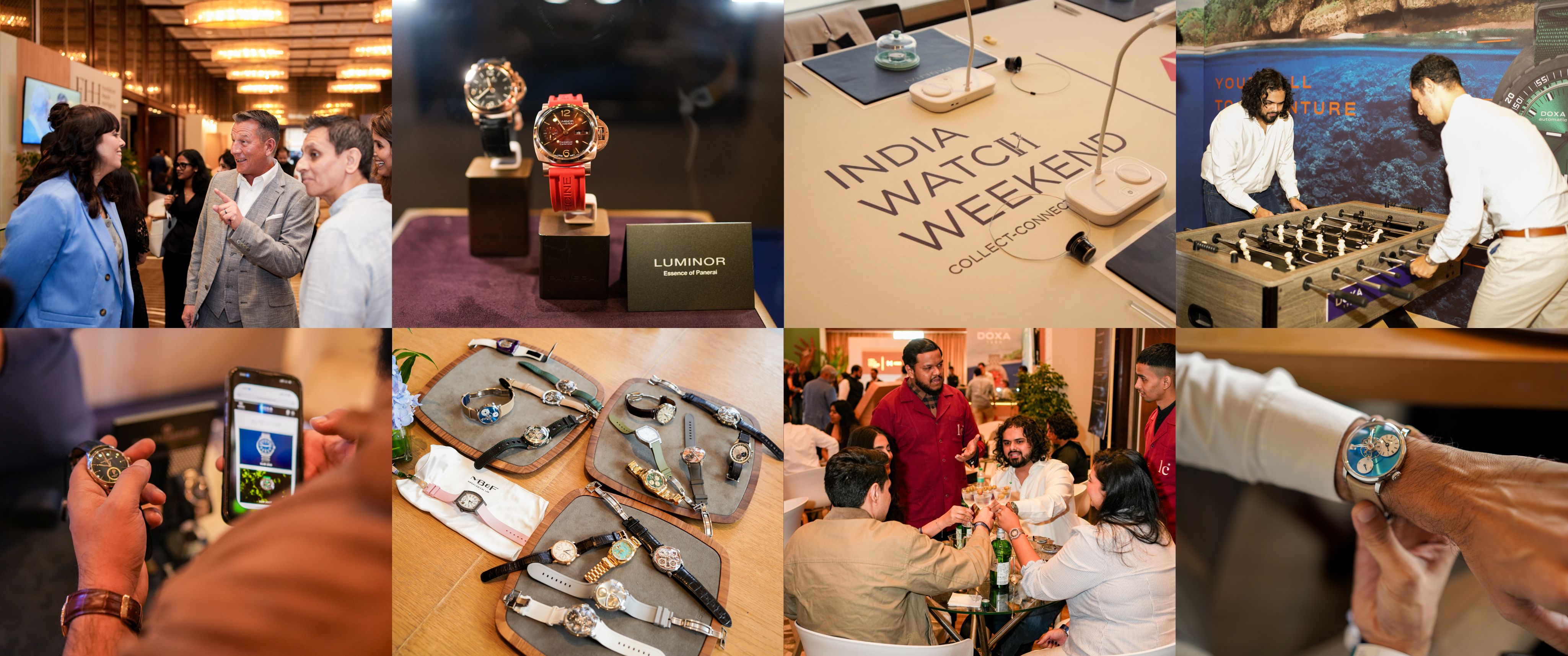
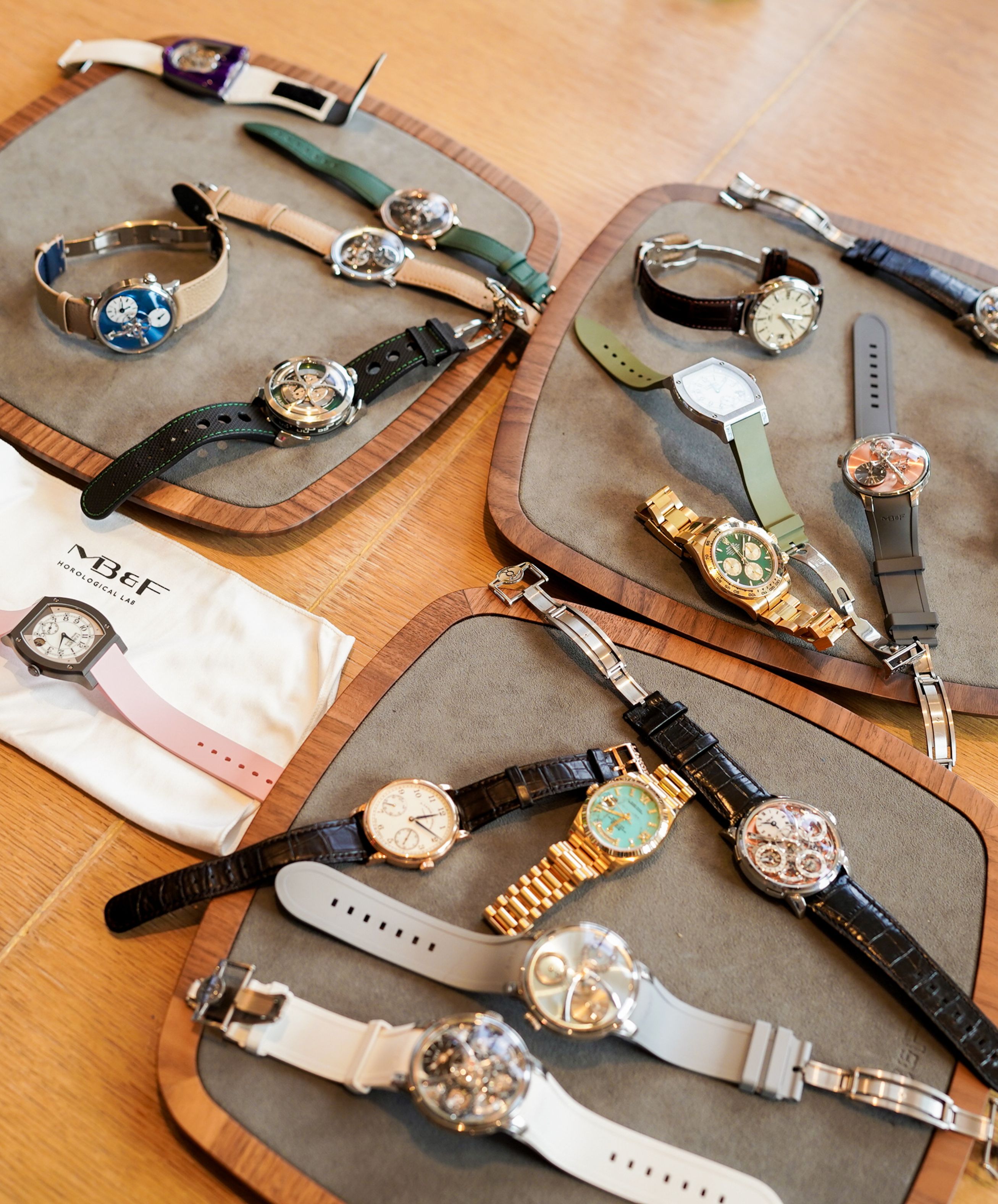
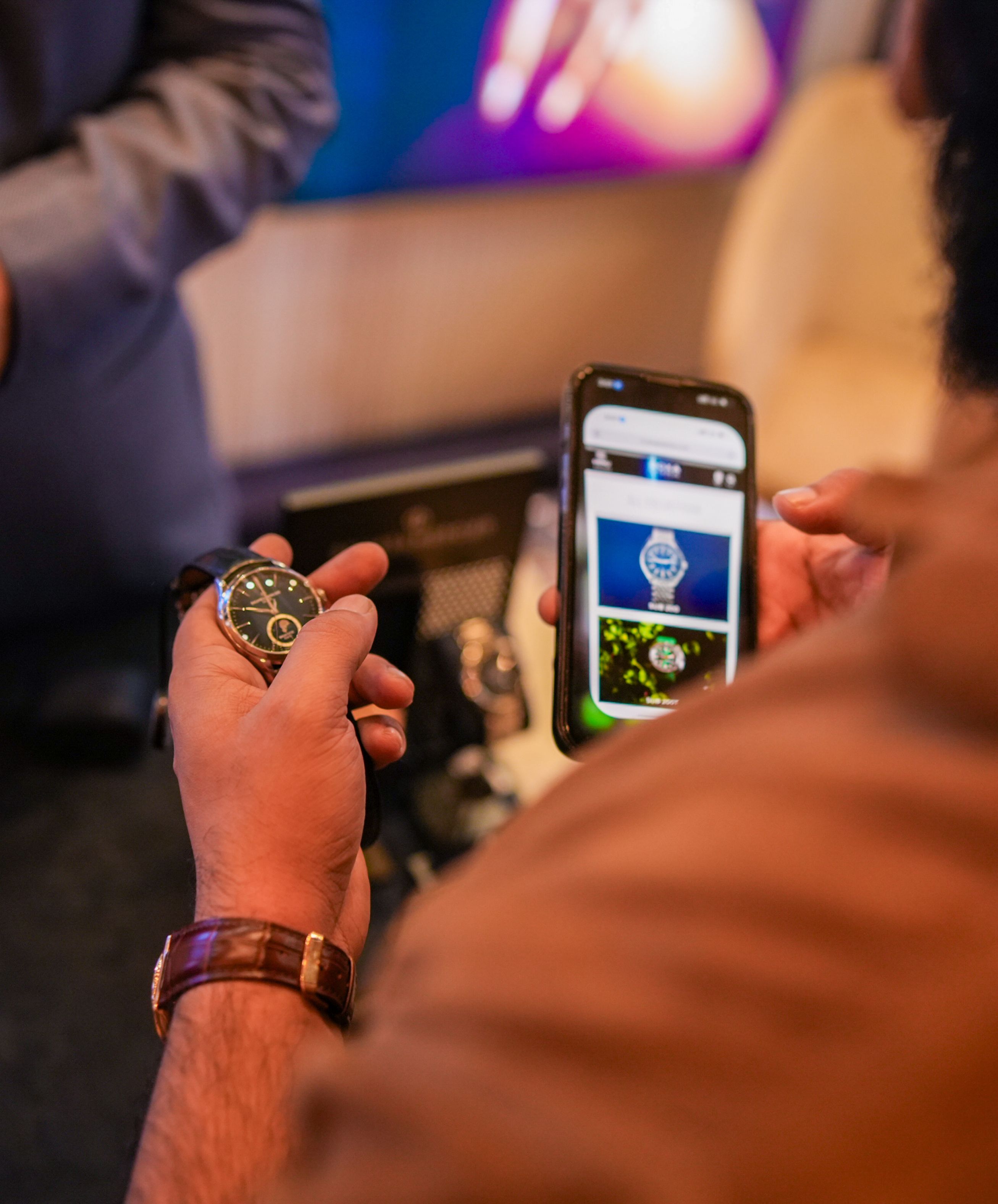
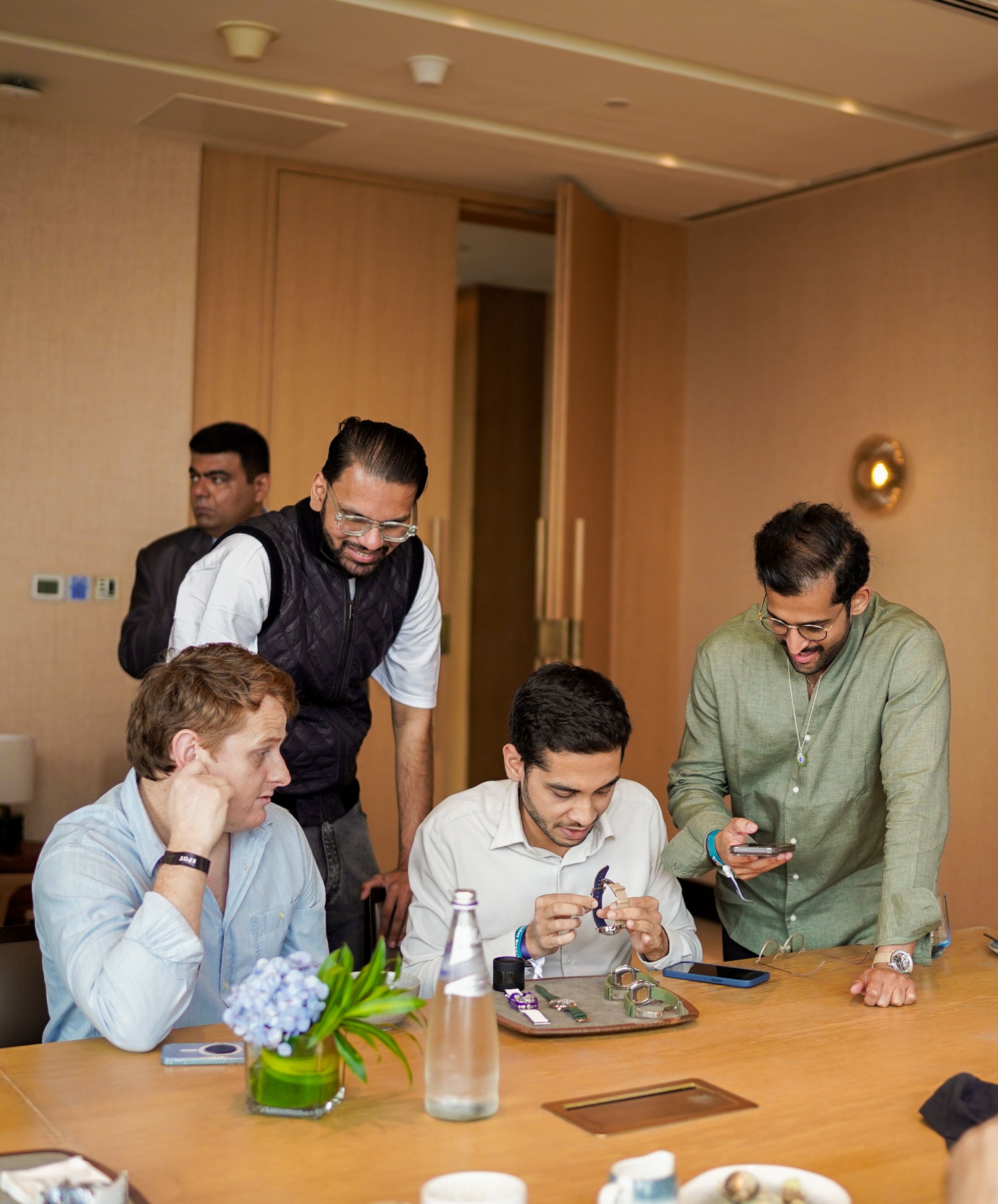
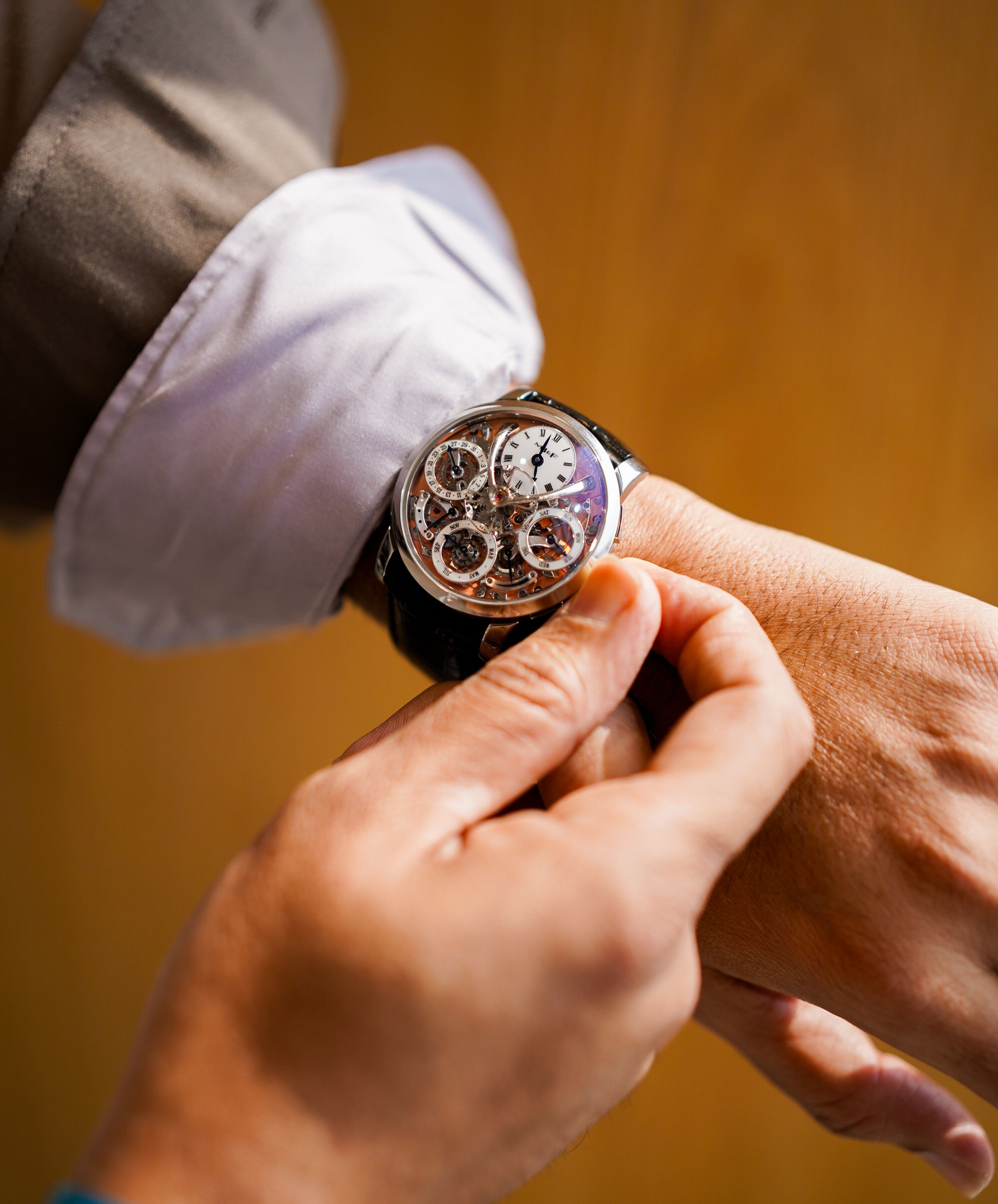
If the exhibitions provided the scaffolding, the late morning and early afternoon supplied the texture. MB&F’s Sunday Brunch, quickly became one of the weekend’s most talked-about moments. In a room that felt more like a collectors’ living room than a brand presentation, guests handled MB&F’s horological machines over plates of brunch classics and coffee, discussing balance wheel sculptures and case geometries with a level of intimacy that would be hard to replicate at a traditional trade show.
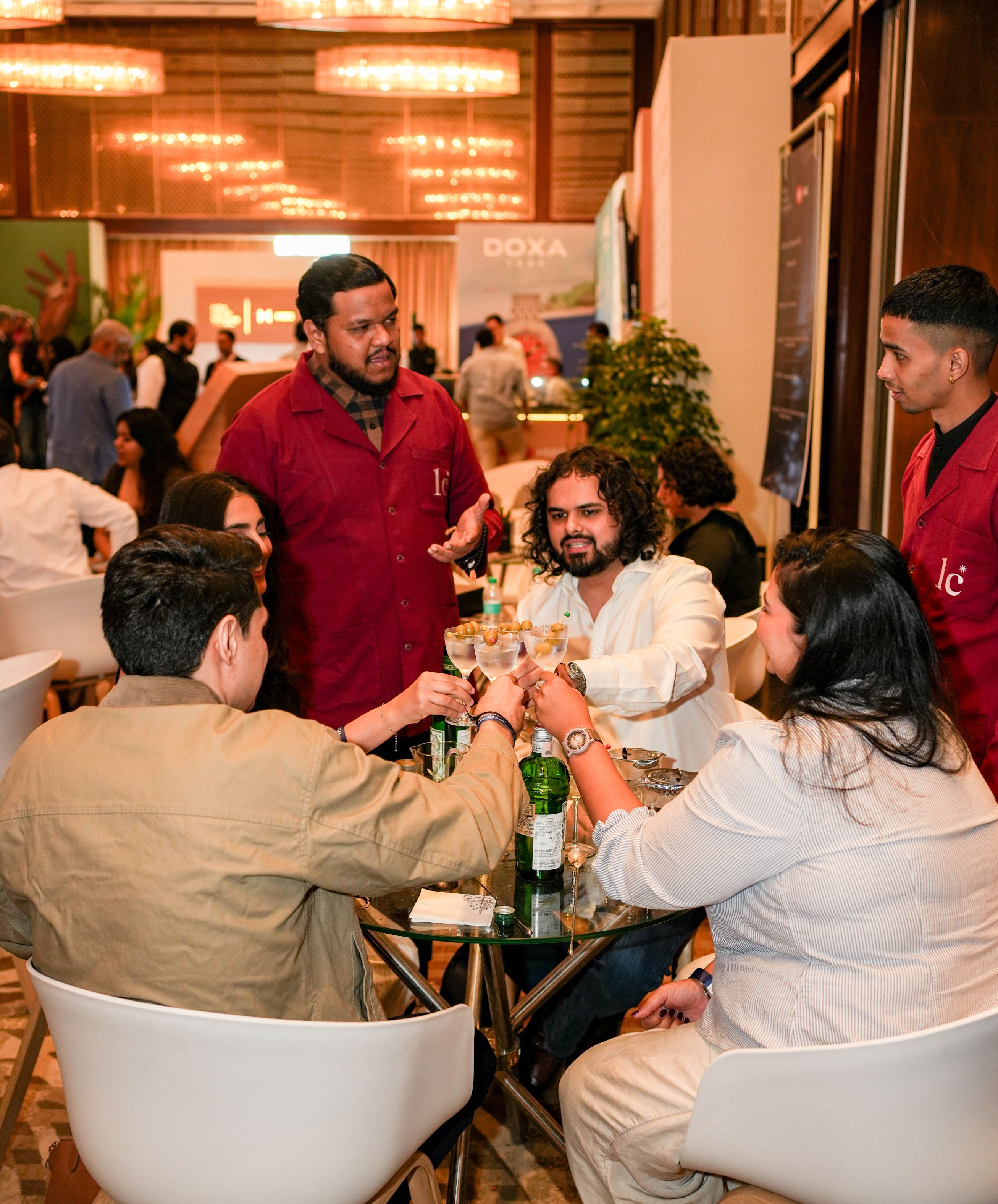
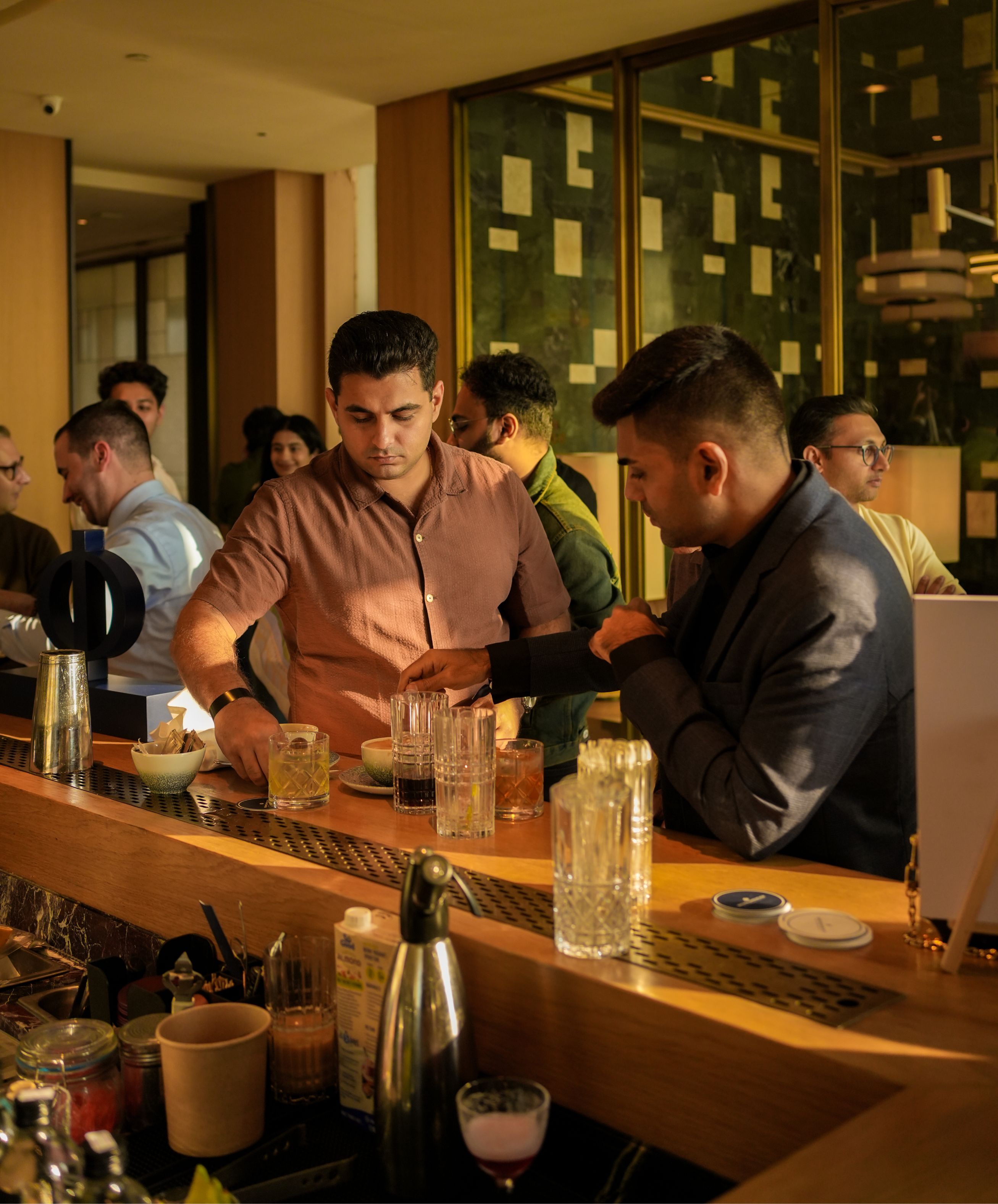
The Late Checkout Bar’s “Make Your Martinis” session turned hospitality into a kind of analog to movement regulation. Under gentle instruction, guests adjusted ratios, temperatures and garnishes with the same attention to nuance they might devote to crown feel or bezel action, discovering that a good martini, like a good watch, lives or dies on proportion and restraint. That thread - precision as a shared language across disciplines - ran quietly through the afternoon and became a recurring reference in conversations.
A. Lange & Söhne, meanwhile, used Sunday to make a decisive technical statement. Two Exclusive Preview windows gave select guests concentrated time with some of the Saxon manufacture’s most coveted references, the sort of pieces that invite loupe-level inspection of bridges, bevels and engraved balance cocks. The atmosphere in those previews was hushed and almost academic, with discussions looping from power reserves and energy management to the philosophy behind German silver and three-quarter plates.
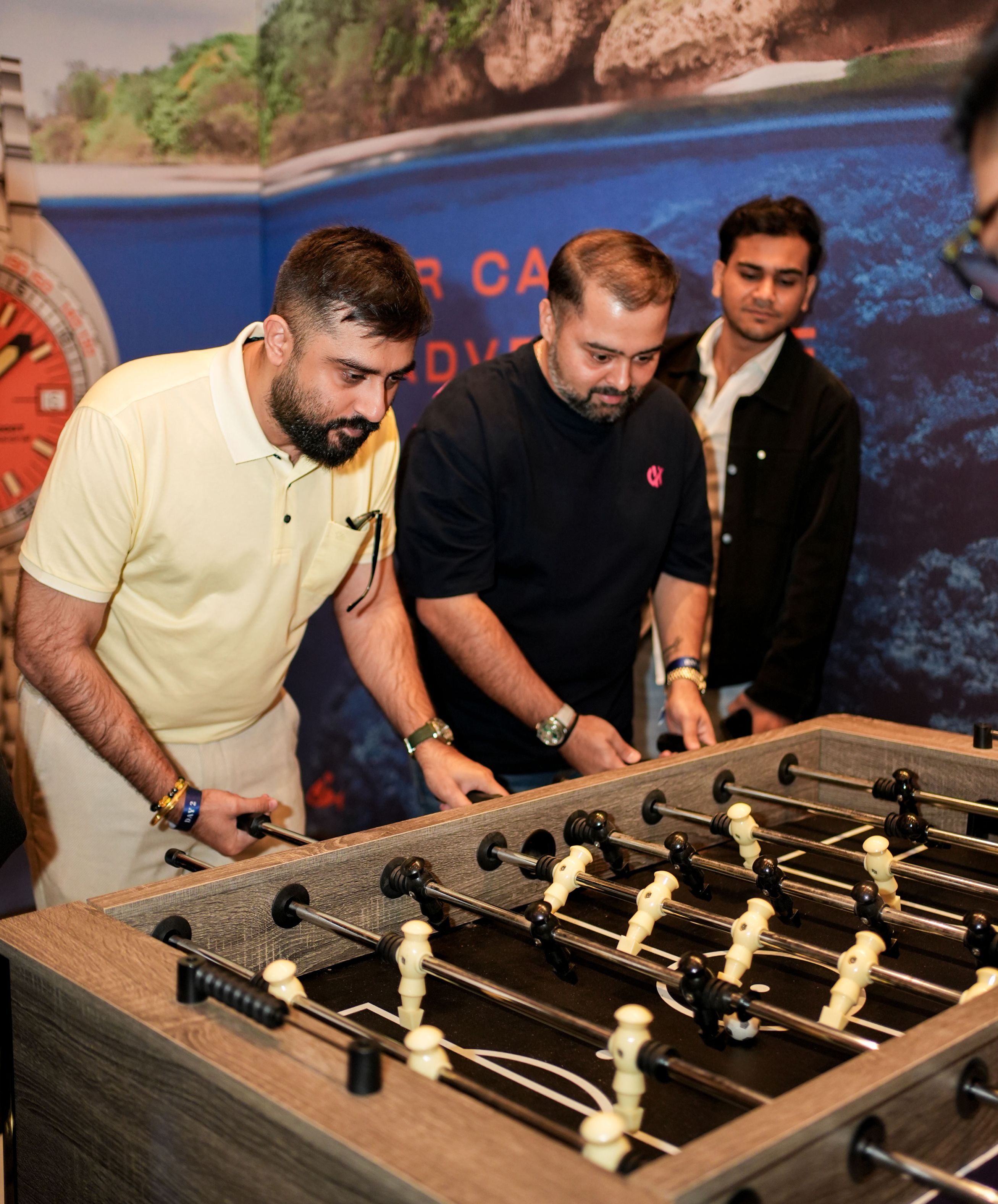
Doxa organized a foosball event which tested the guests' competitive spirits. The CEO of Doxa Jan Edocs, expressed that both days of the event have yielded positive engagements with collectors, potential customers and even fans. Meeting the different generations of collectors through such interactive events, especially the younger enthusiasts allows brands to bring audiences closer to their products. Through events like India Watch Weekend, where people can experience the watches in hand, makes a big difference in shaping their preferences. This level of engagement and the overall sense of community can't be replaced, even by social media.

From Manufacture To Energy Flow
The afternoon’s middle act marked the point where Sunday shifted decisively into full-bore horological education. “Welcome To The Movies: Virtual Manufacture Tours” drew a steady stream of visitors, many of whom stayed for multiple segments. On screen, manufacture floors that most collectors would only ever see in promotional imagery opened up in high resolution: CNC machining, perlage, anglage, assembly benches, timing machines, and quality-control labs appeared in sequence, giving structure to processes that are often only described in catalogues.
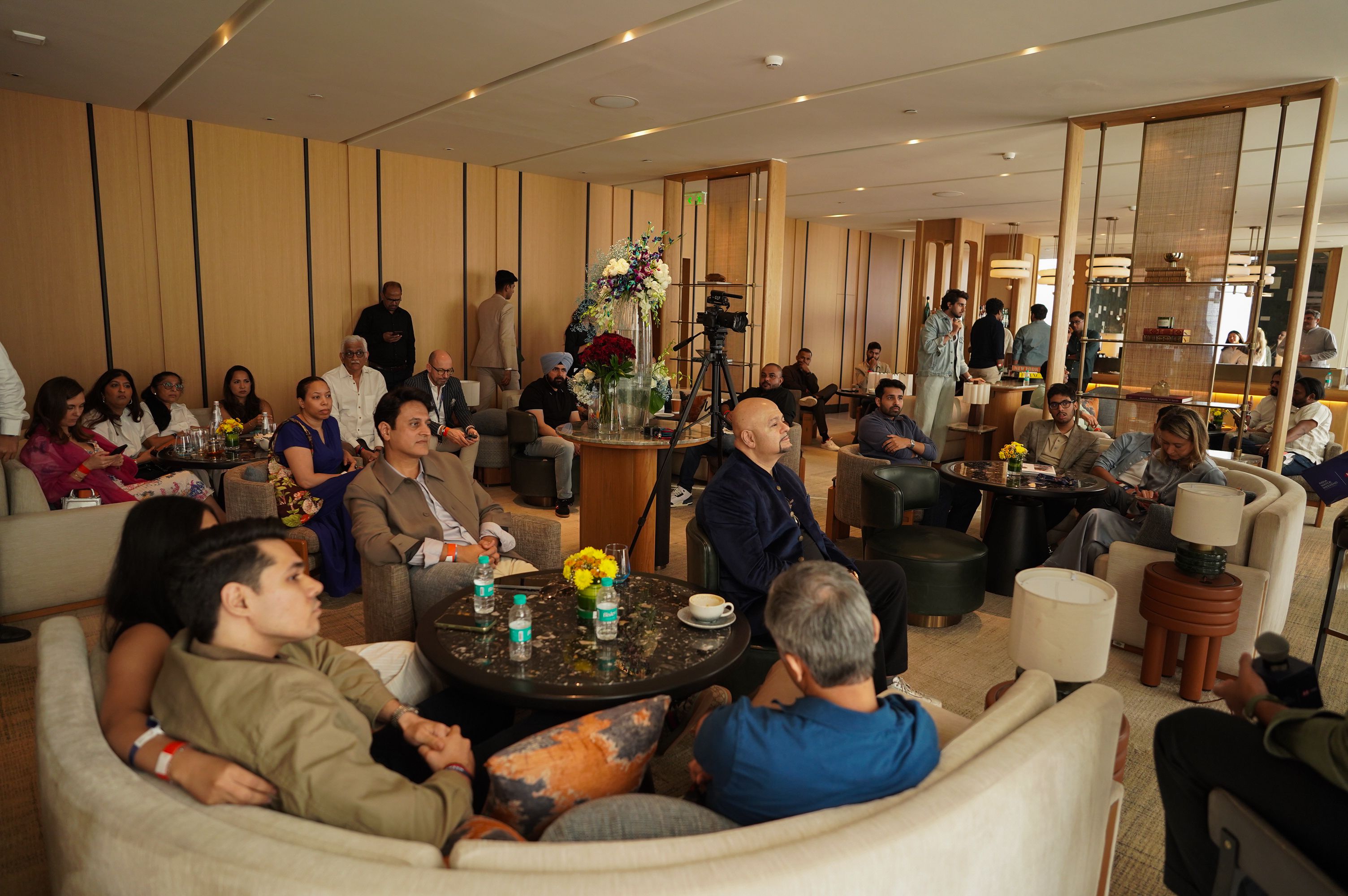
Running concurrently, A. Lange & Söhne’s Energy Transmission Masterclass became, for many, the intellectual highlight of the weekend. Rather than a brand pitch, the session unfolded as a rigorous walk through the physics of mechanical watchmaking - how energy stored in a wound mainspring travels through the gear train, is modulated by the escapement, and ultimately expressed as rate stability on the wrist. Demonstration components and diagrams made abstract concepts tangible: torque curves were explained in terms of amplitude consistency; friction management was tied to material choices and lubrication regimes; constant-force mechanisms and remontoirs d’égalité were unpacked as solutions to the problem of decaying power. Attendees left with a vocabulary that allowed them to discuss what they felt and saw in a watch with far greater precision.
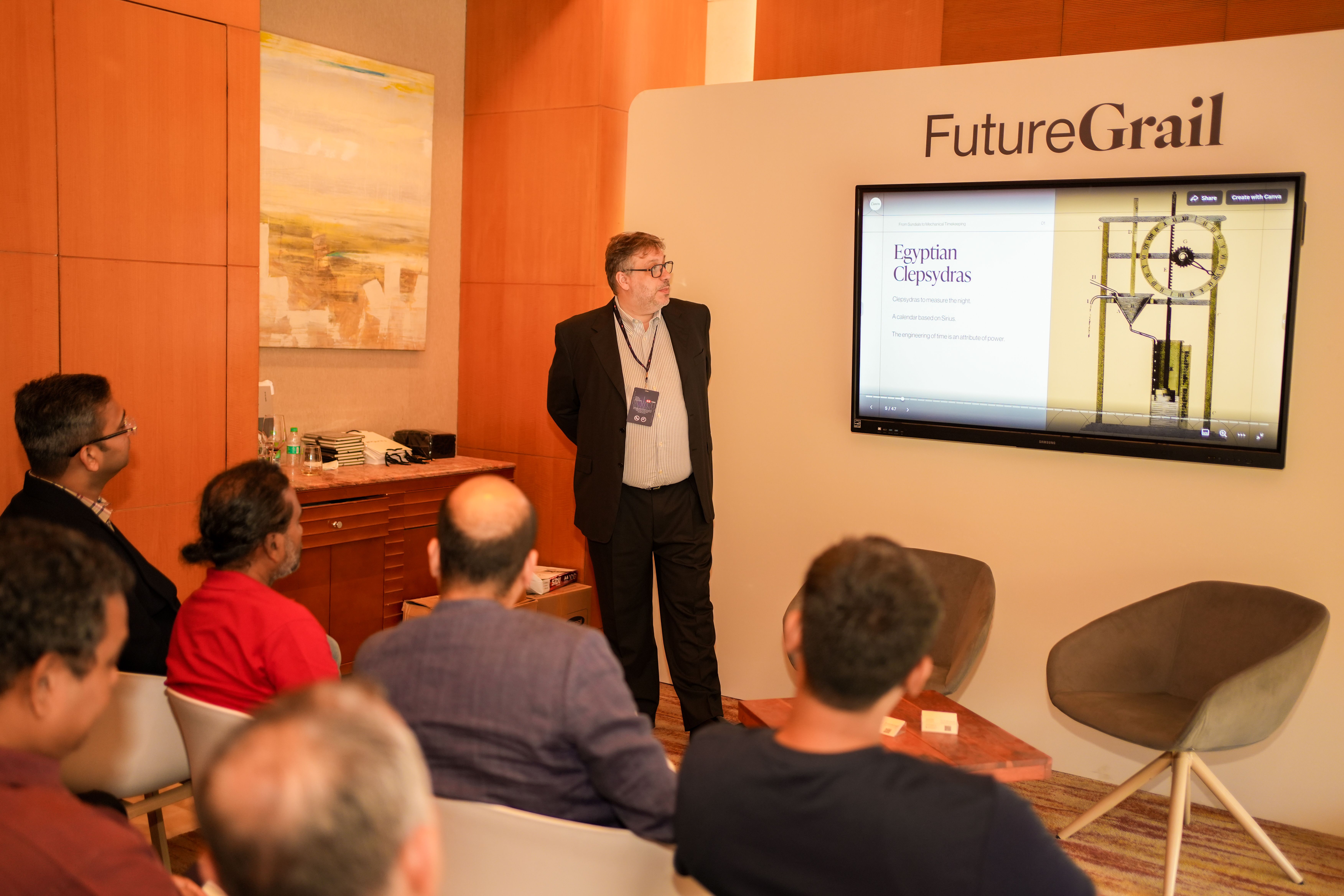
FutureGrail’s “History of Horology” session complemented this focus on mechanics with an equally disciplined focus on time’s cultural arc. Guided by curatorial voices, the audience moved from early portable devices and marine chronometers to mid-century icons and the post-quartz mechanical revival, with key examples - either on-site or projected - illustrating each period. By the end, it became clear that Sunday was not content merely to show watches, it aimed to situate them in a continuum that stretched from navigation and industrialization to contemporary collecting and financialization.
Taste, Texture, And Valuations
The afternoon hours captured the dual nature of modern watch enthusiasm better than perhaps any other slot. In one space, Grand Seiko’s Sake Experience invited guests to sit down, slow down and drink in a particular Japanese vision of time. Guided tastings of sake were paired with trays of Grand Seiko references whose dials and cases riffed on snow, seasons and natural light, making the parallels between terroir in the glass and terroir on the dial almost impossible to miss. Discussions moved effortlessly from polishing techniques and Spring Drive to texture, finish and aftertaste - “Nature of Time” as a literal and metaphorical framework.
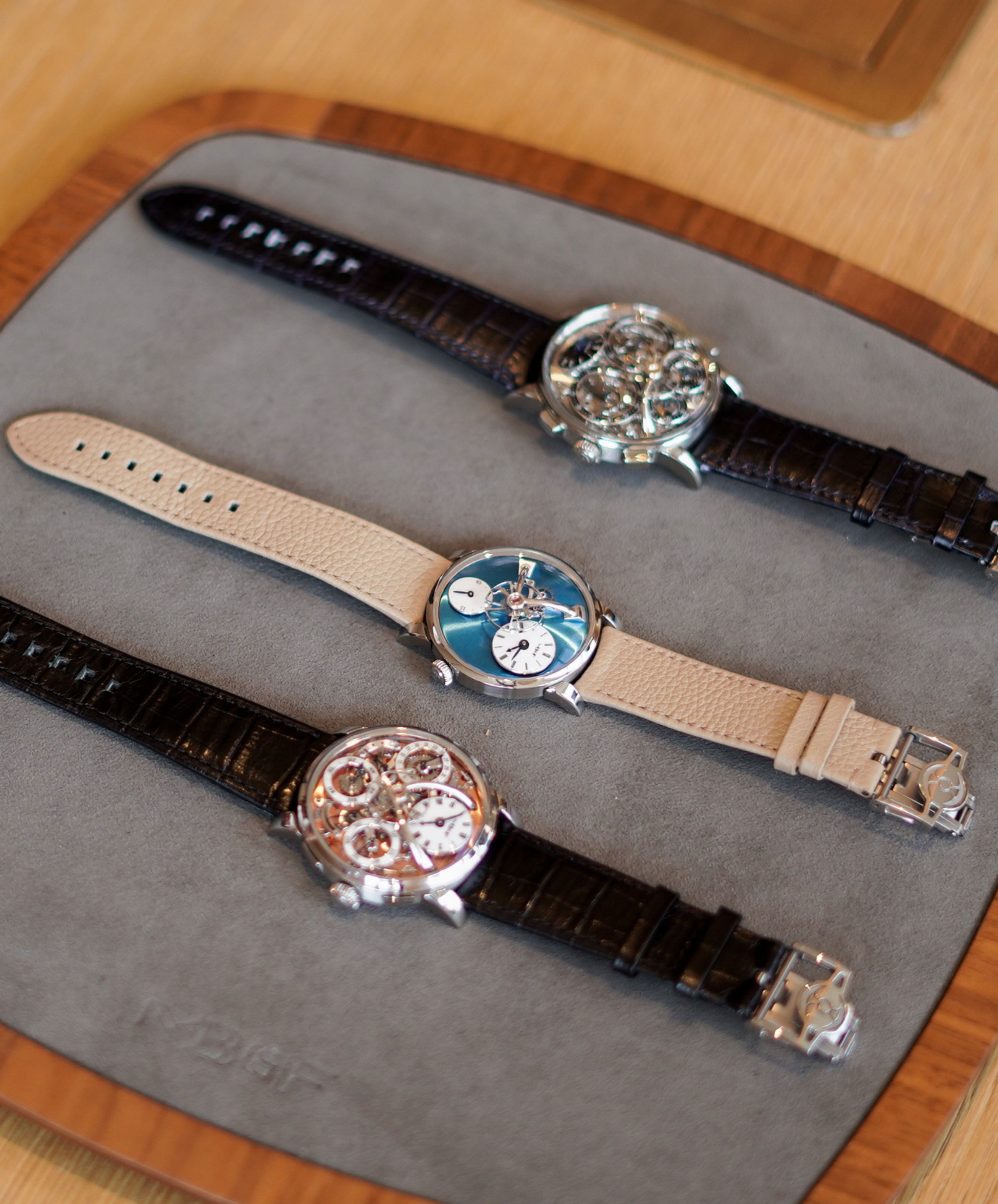
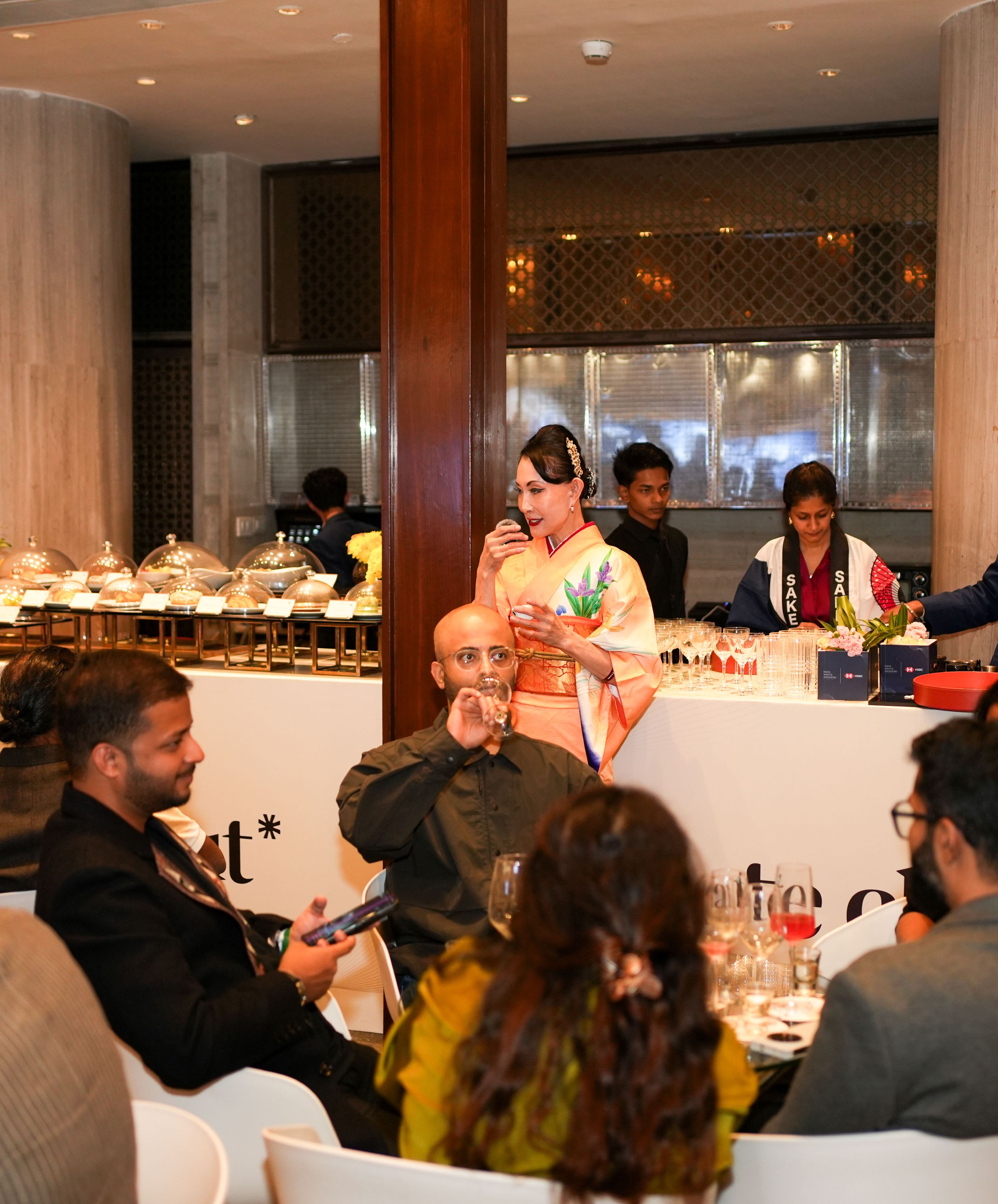
At the same time, FutureGrail’s “Get Your Watches Valued” session attracted a line of collectors cradling everything from family heirlooms to freshly acquired independents. Over the course of the hour, experts walked owners through reference identification, originality, condition, provenance and prevailing market ranges, often adding nuance about liquidity and long-term desirability that does not appear in auction headlines. The clinic did more than assign numbers; it modelled a disciplined way of thinking about value that treated watches as assets without stripping them of emotional weight.
Inner Circle: Indie And Heritage At The Table
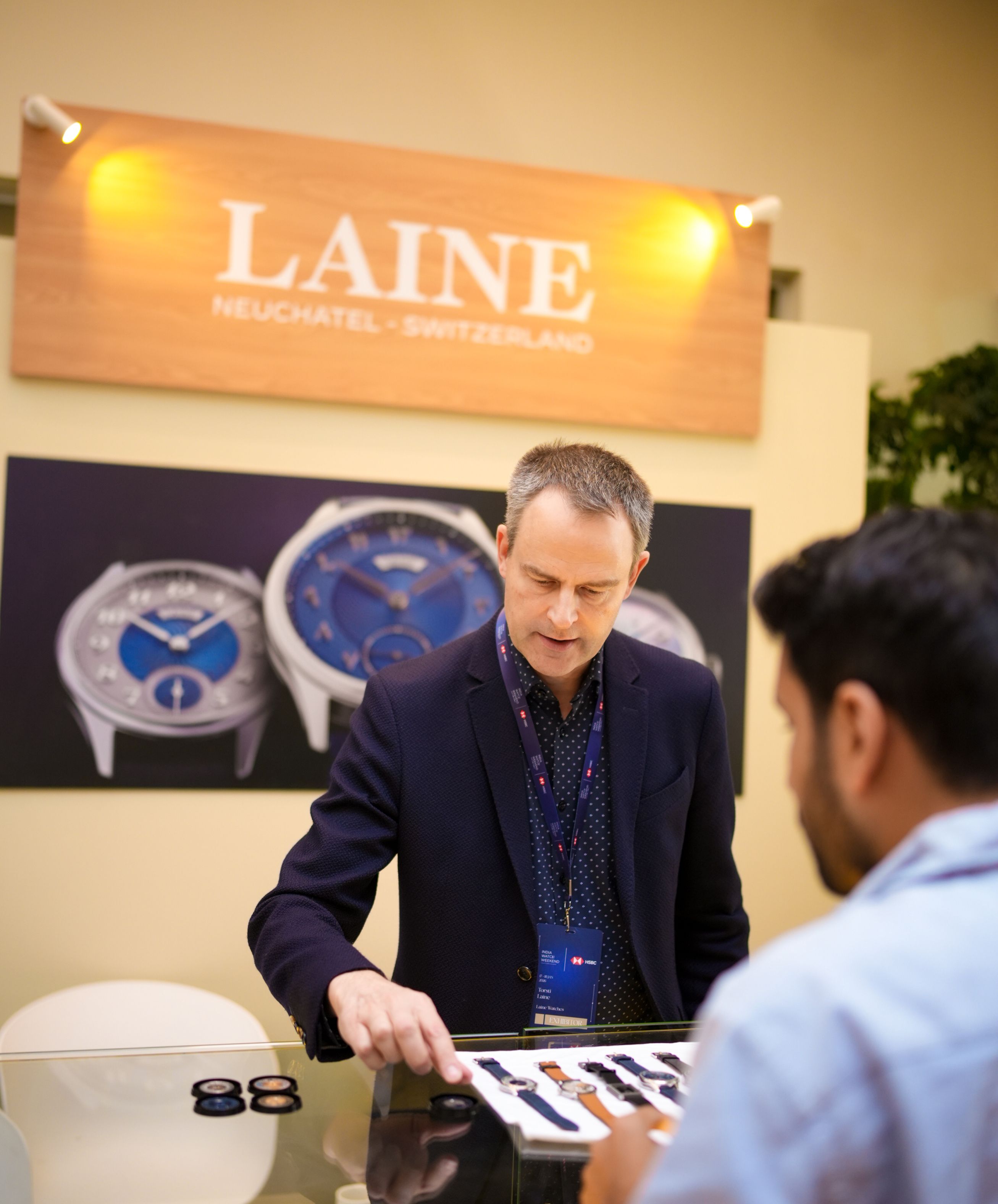
Threaded through the afternoon, the Inner Circle conversations added a human, strategic layer to the day’s mechanics and markets. Torsti Laine sat down for “In Conversation with Torsti Laine, CEO, Laine,” a compact half-hour that nonetheless traced the arc of an independent atelier navigating a global, post-social-media market. Laine spoke to the realities of producing in small series, the importance of dial work as a brand signature, and the complexities of serving a client base that is both geographically dispersed and deeply involved in the design conversation.
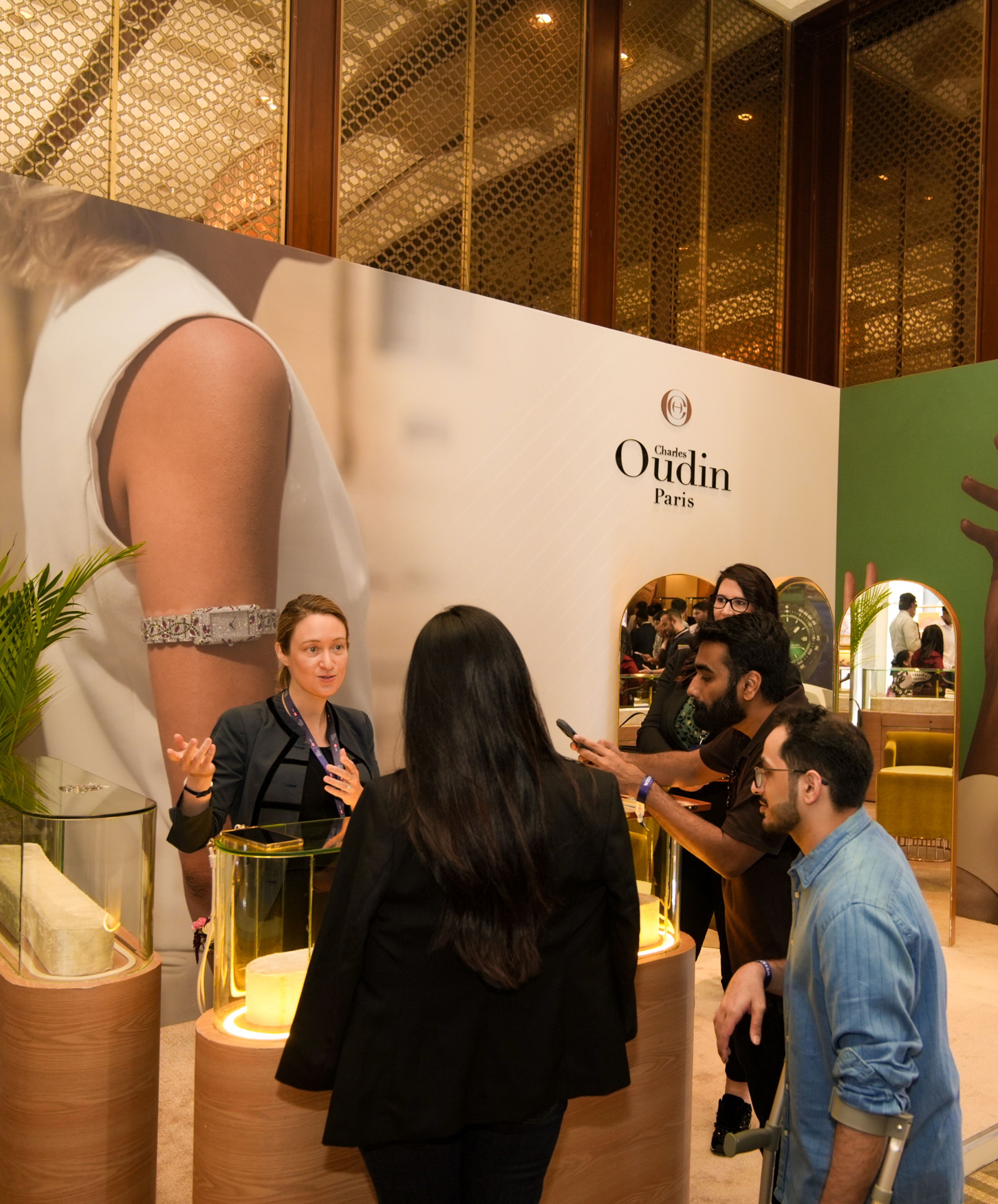
Later, “In Conversation with Claire Berthet, President Charles Oudin” shifted the lens to Parisian heritage. With roots in the 18th century, Charles Oudin has the kind of archive that many young brands can only dream of, and Berthet used the session to explore how a historic Maison can activate that patrimony without lapsing into nostalgia. References to early pendules and Place Vendôme history sat comfortably alongside talk of contemporary clients, design adaptation and the realities of maintaining relevance in a crowded luxury landscape. Taken together, the Inner Circle conversations underscored that watchmaking today is as much about leadership and strategy as it is about bevels and bridges.
Panels: Iconicity And The Price Of Access
The late-afternoon panels delivered on their promise to confront the watch world’s most persistent questions head-on. Panel 1 carried the provocation “Can a Watch Be Iconic Without A 100-Year Backstory? When aesthetics supersede heritage.” On stage, Tamdi Chonge (CEO, EPOS), Torsti Laine (CEO, Laine), Praneeth Rajsingh (CEO, MING) and Rishab, an avid watch collector approached the question from three distinct vantage points, yet circled similar themes. They argued that recognizability, coherence and integrity of design could propel a watch toward icon status long before the calendar blessed it with centenarian credentials, and pointed to contemporary references whose silhouettes and dials had become instantly legible on social media feeds and collector wrists alike. At the same time, they acknowledged that time remained the final arbiter, and that a true icon had to survive cycles of taste, hype and market correction.
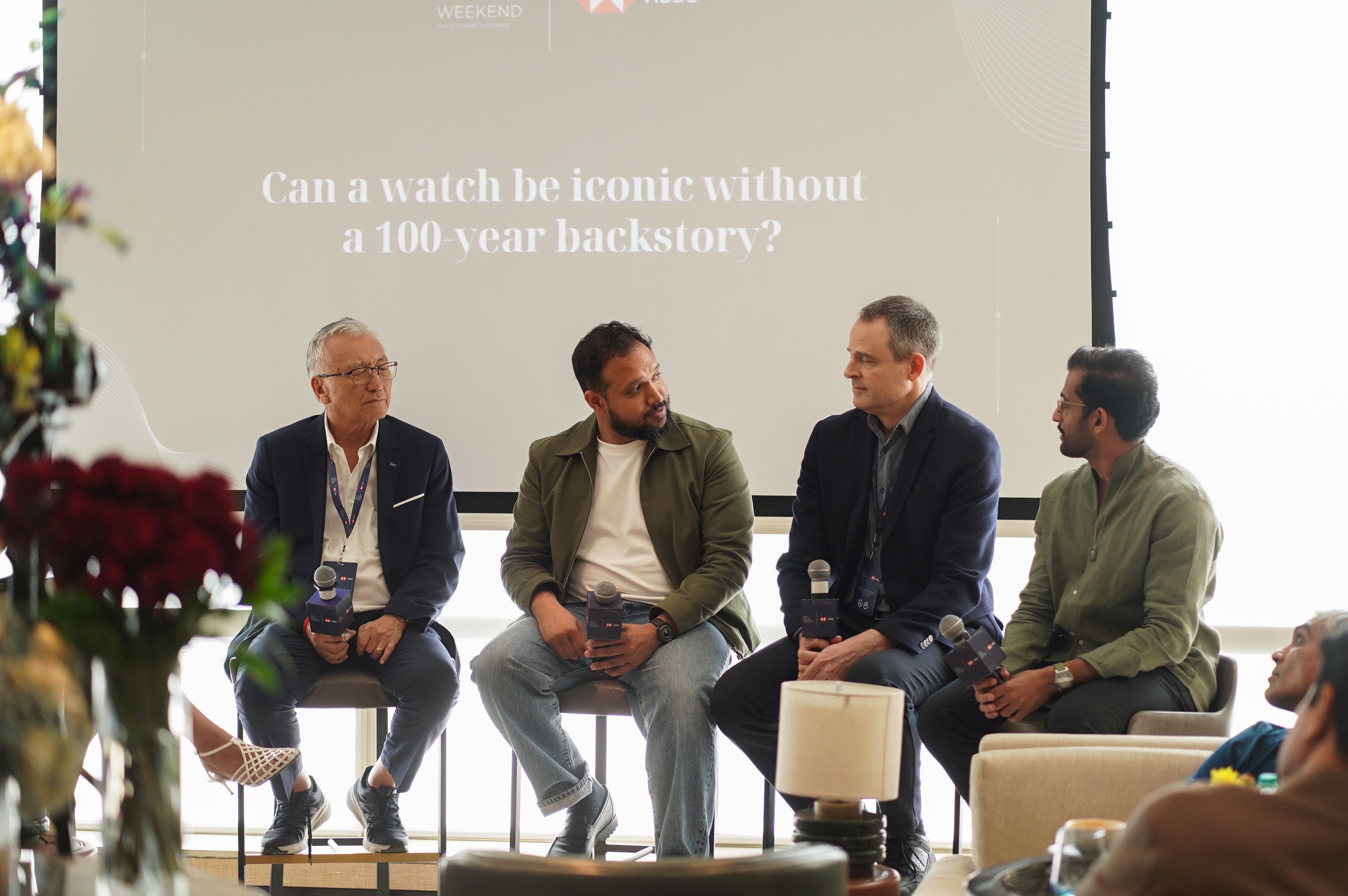
When asked whether a watch can be iconic without a 100-year history, Torsti Laine responded, “iconic changes with time. While the brand operates in a niche segment and caters to a only one particular segment of the watch buying community, sufficing the border audiences isn’t practical. Also, while the brand itself doesn't have a 100-year old history, the works of the brand are based on centuries old techniques. So, there’s genuine heritage there."

The second panel, “Does Money Buy Taste Or Just Access? Aspirational by Design: The Role of Rarity,” struck a more philosophical, and at times self-critical, tone. Ali Nael of FutureGrail joined collectors Mohit Chuganee and Sameer Sheth to dissect the mechanics of access in a world of limited series, boutique-only drops and allocation lists. The panelists agreed that capital could certainly open doors—to private previews, special editions, priority lists—but maintained that taste required something slower: study, mistakes, and a willingness to move beyond consensus “must-have” references. Rarity, they noted, could be organic (driven by genuine production constraints) or engineered (driven by marketing), and the audience seemed particularly engaged when the conversation turned to how each type of scarcity shaped both perceived value and personal satisfaction.
Mohit Chuganee, a collector with more than 65 watches in his collection remarked that events like the India Watch Weekend, where you can experience luxury timepieces intimately can help create as well as shift tastes.
In parallel with the first panel, FutureGrail’s “Insights on the Luxury Watch Market” session provided a kind of macroeconomic counterpoint, reading the charts behind the feelings. Trends in auction performance, regional demand and brand-led pricing were unpacked with an eye toward how markets like India and broader Asia were beginning to recalibrate what “core” and “emerging” markets even meant. The underlying message was clear: the days when a handful of European capitals dictated the center of gravity in high-end collecting were waning, and weekends like this one in Mumbai were part of that shift.
Quiz Night And After Hours
As the sun slipped behind Mumbai’s skyline, the day’s final act made sure that knowledge remained both competitive and fun. The Fondation de la Haute Horlogerie’s “Think You Know Your Watches? FHH Live Quiz” transformed a ballroom into an arena, complete with teams, scoreboards and rapid-fire questions that ranged from basic movement identification to esoteric reference trivia. Laughter and good-natured groans followed every near-miss, but the underlying structure was quietly didactic: each answer became an excuse to clarify a misconception or add a detail, turning the quiz into a final, memorable masterclass.

In a diplomatic flourish that underscored the burgeoning global allure of Indian horology, consuls from many nations including Qatar, China, United Arab Emirates, Yemen, United Kingdom, Singapore, Finland, Japan, France, Columbia, Australia, South Korea, and Turkey graced the India Watch Weekend 2026 with their presence, descending upon this vibrant epicenter of watch enthusiasm. A pivotal highlight was the bespoke horological history session orchestrated by FutureGrail, where attendees delved into the intertwined tapestries of watchmaking innovation and cultural exchange, emerging invigorated by India's ascendant role in this timeless pursuit.
Jerome, who represented Singapore, shared that, "the event was very well organized and together with mainstream brands, the exhibition of indies makes it very attractive for the watch enthusiasts. Also, the best things about events like this is the sense of community it births and also the yielding of a platform for sharing diverse opinions on watches."
Jeff David - Consul General of Canada in Mumbai, stated that, "the significance of the events like India Watch Weekend lies in attracting more and more people to get into the hobby of watch collecting. Such events become platform where passions are nurtured and even shared."
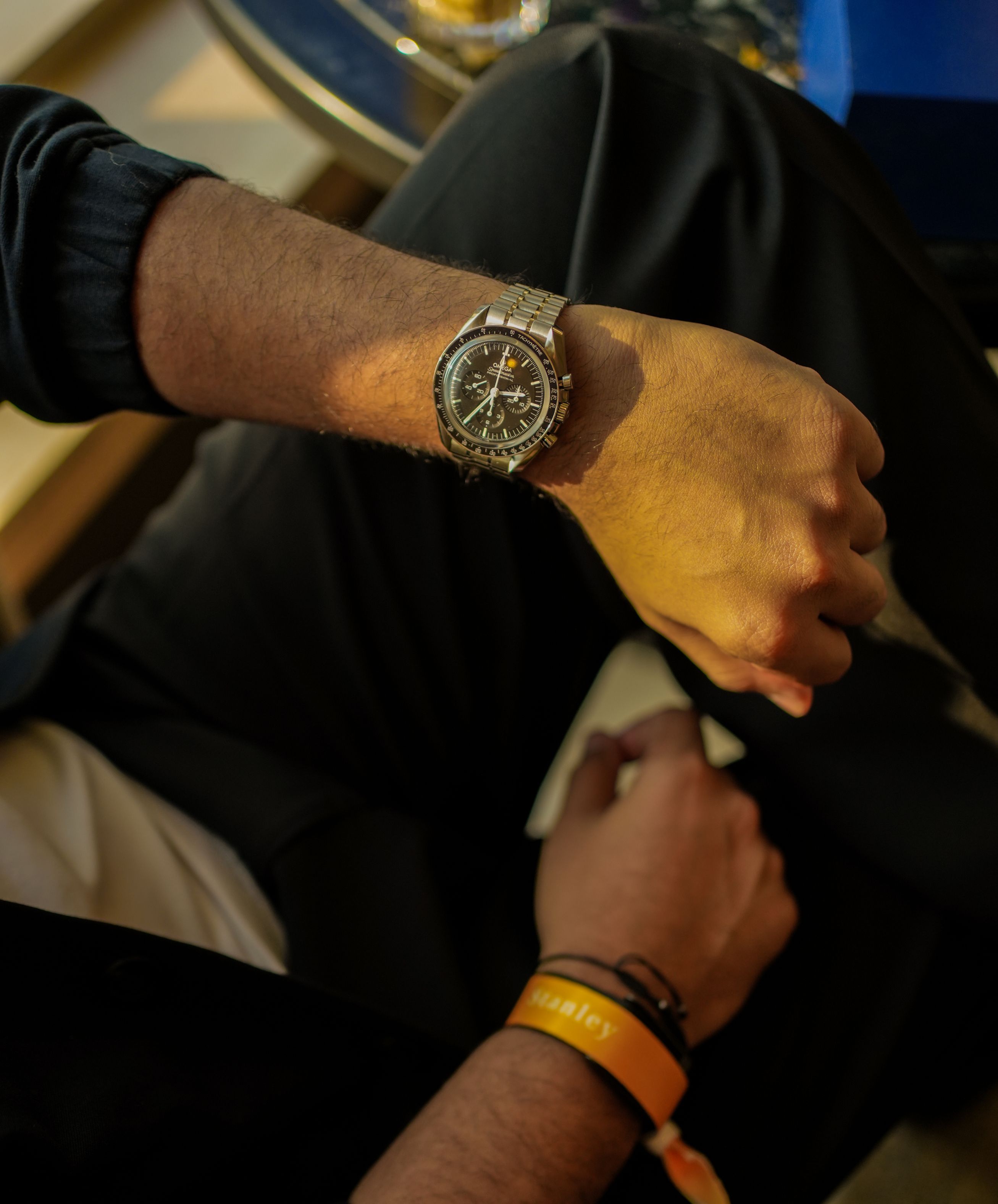
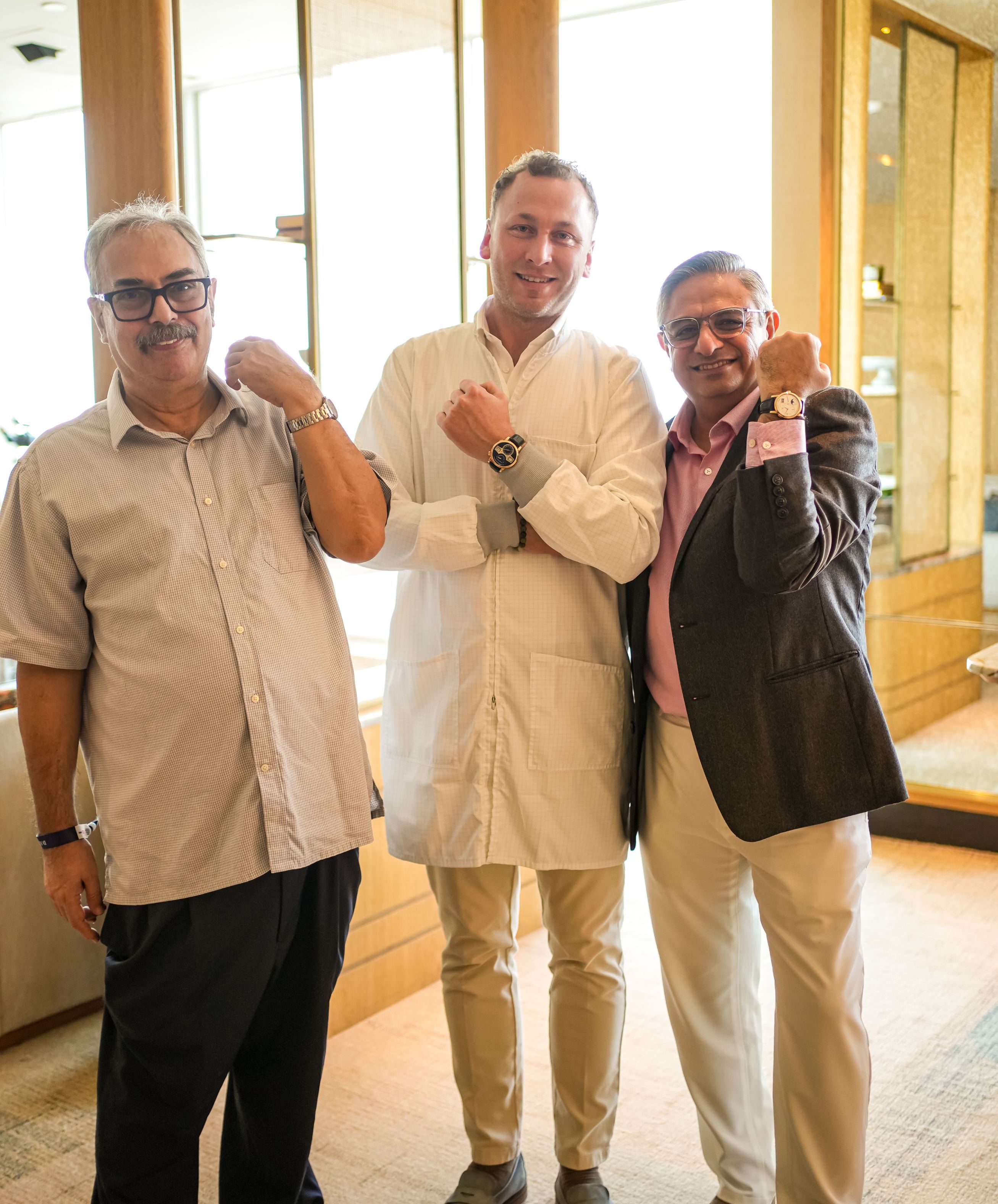
Later, India Watch Weekend After Hours began, drawing a cross-section of brand representatives, independents, journalists and collectors into a more dimly lit, less structured space. Official programming gave way to impromptu wrist shots, speculative rumours about future collaborations and a few candid reflections on the weekend’s panels and masterclasses. If the formal schedule had articulated what India Watch Weekend wanted to be - a serious, globally relevant platform for horological education and exchange - the conversations at After Hours made clear that it had succeeded: people were already talking about next year.
By the time the last guests left the Four Seasons, Sunday at India Watch Weekend 2026 had done more than close out a successful second edition. It had demonstrated that in Mumbai, at least, the watch fair could evolve into something richer: a museum, a classroom, a debating chamber and a living room, all compressed into a single remarkable day.