A Quantitative Analysis Of Patek Philippe’s Most Desirable Run-Outs
 7 min read

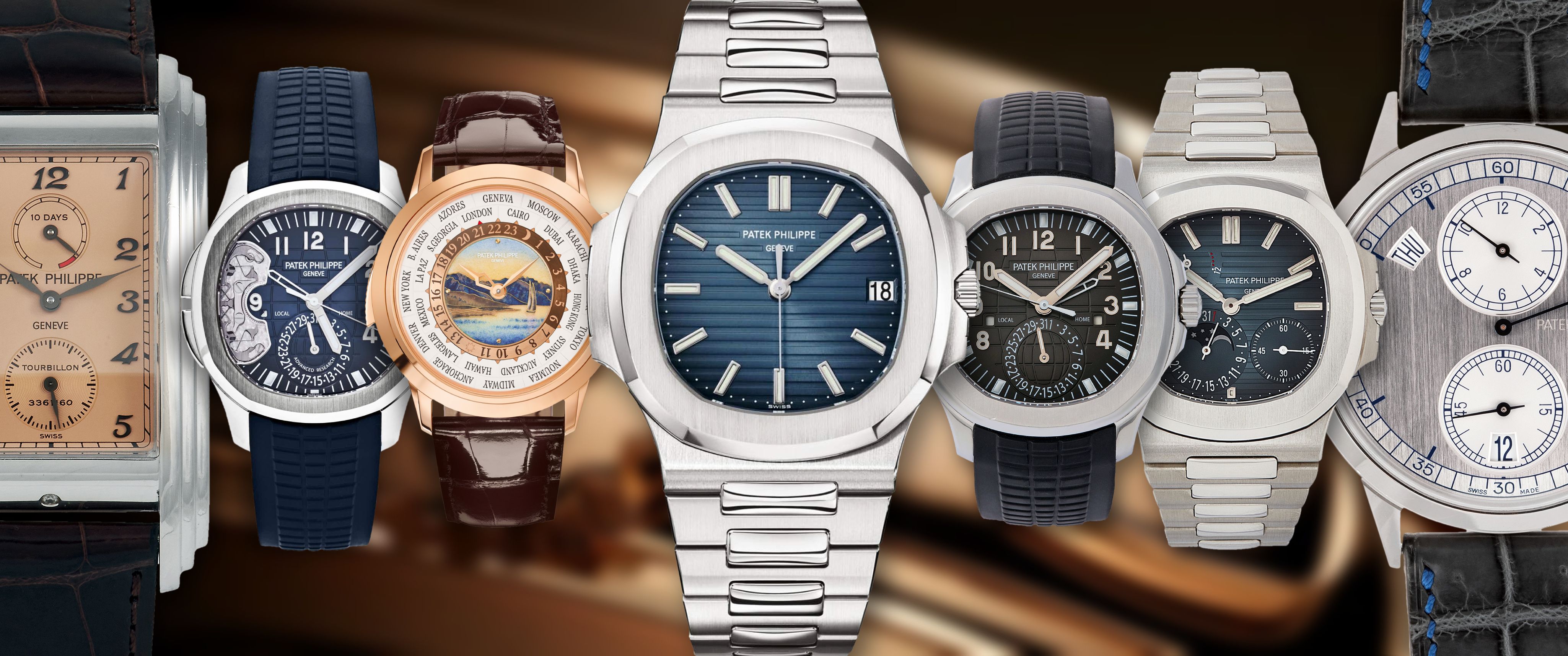
Patek Philippe’s most coveted discontinued references now trade less like watches and more like blue‑chip assets, with waiting lists replaced by dealer shortlists and private WhatsApp groups. Yet beneath the auction‑catalogue hyperbole lies a set of discrete market narratives which, for models like the Nautilus, Aquanaut, or the World Time, can be measured, compared and, crucially, explained.

Defining The Discontinued Grail
It’s true that Patek Philippe produces very few watches every year - about 72,000. This number in itself is an indicator of a modern-era Patek Philippe standard which tends to vary from its past era preferences. Against the early era production volumes, the current yield seems already hefty. But when your collections are populated with highly desirable references, it’s natural that even 72,000 feel few.

However, when the numbers were even low, very low, this period yielded true Patek Philippe rarity. Here the relevancy of low quantity production together with higher artisanal execution, gave birth to very special and highly desirable examples which, understandably, have run out their production periods. What defines desirable but discontinued Patek Philippe is not simply scarcity, but a convergence of design inflection point, technical significance and a finite production window that the secondary market can now quantify.
Why Discontinued Pateks Trade Like Asset Classes?
The market for discontinued Patek Philippe is no longer purely sentimental, it is unmistakably order‑book driven. When viewing their listings and analyzing data tools, tracking their historical performance indicates very apparent attributes.
- Tight float and thin on‑wrist supply: Many discontinued Nautilus and Aquanaut references appear in very low quantities relative to global demand. On Chrono24, only a small volume of available pieces appears versus millions of monthly users.
- Persistent price premiums over historical retail: Even after recent retracements, steel sports Patek Philippe watches that retailed in the mid‑five figures now transact in the high‑five to six‑figure range.
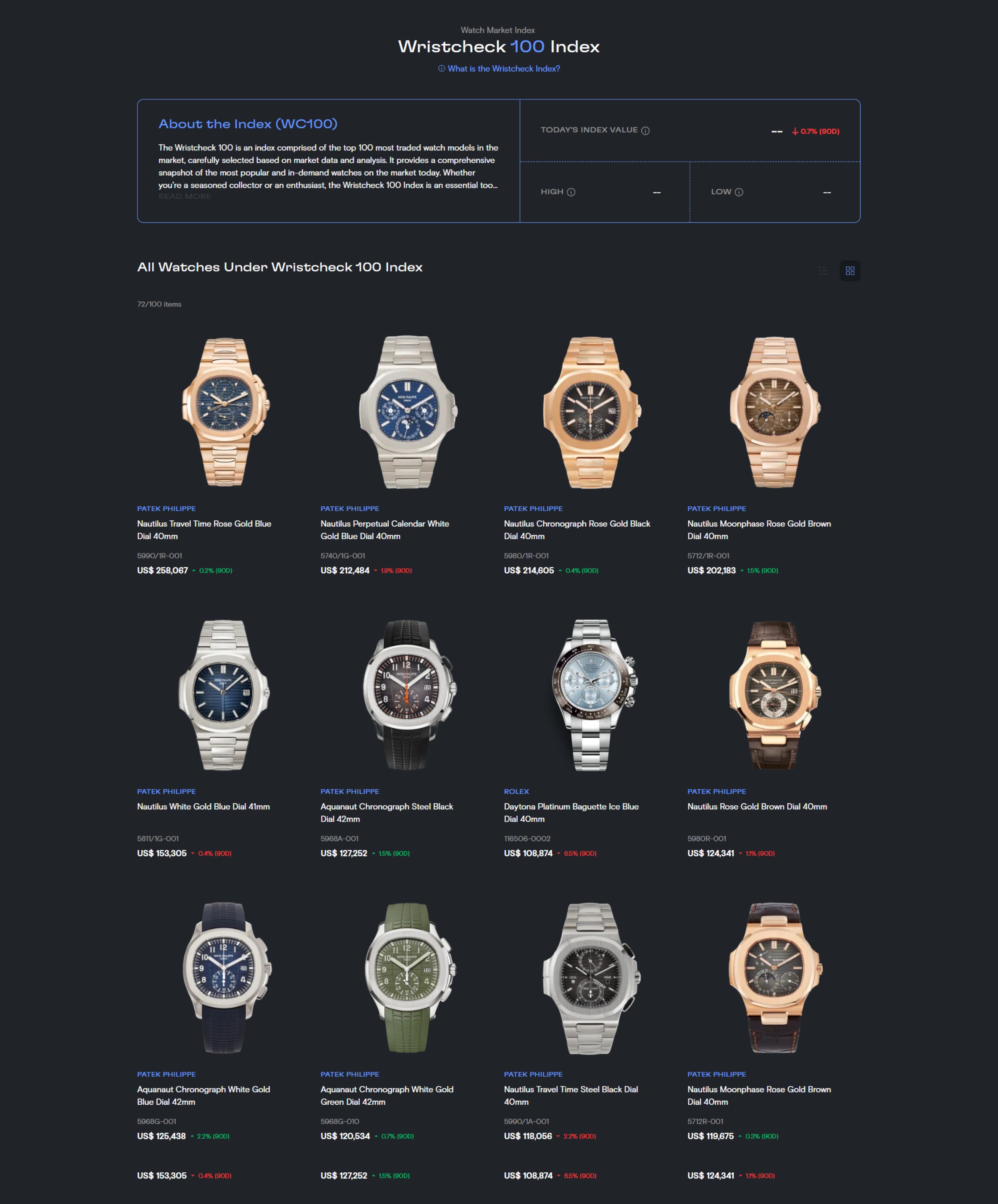
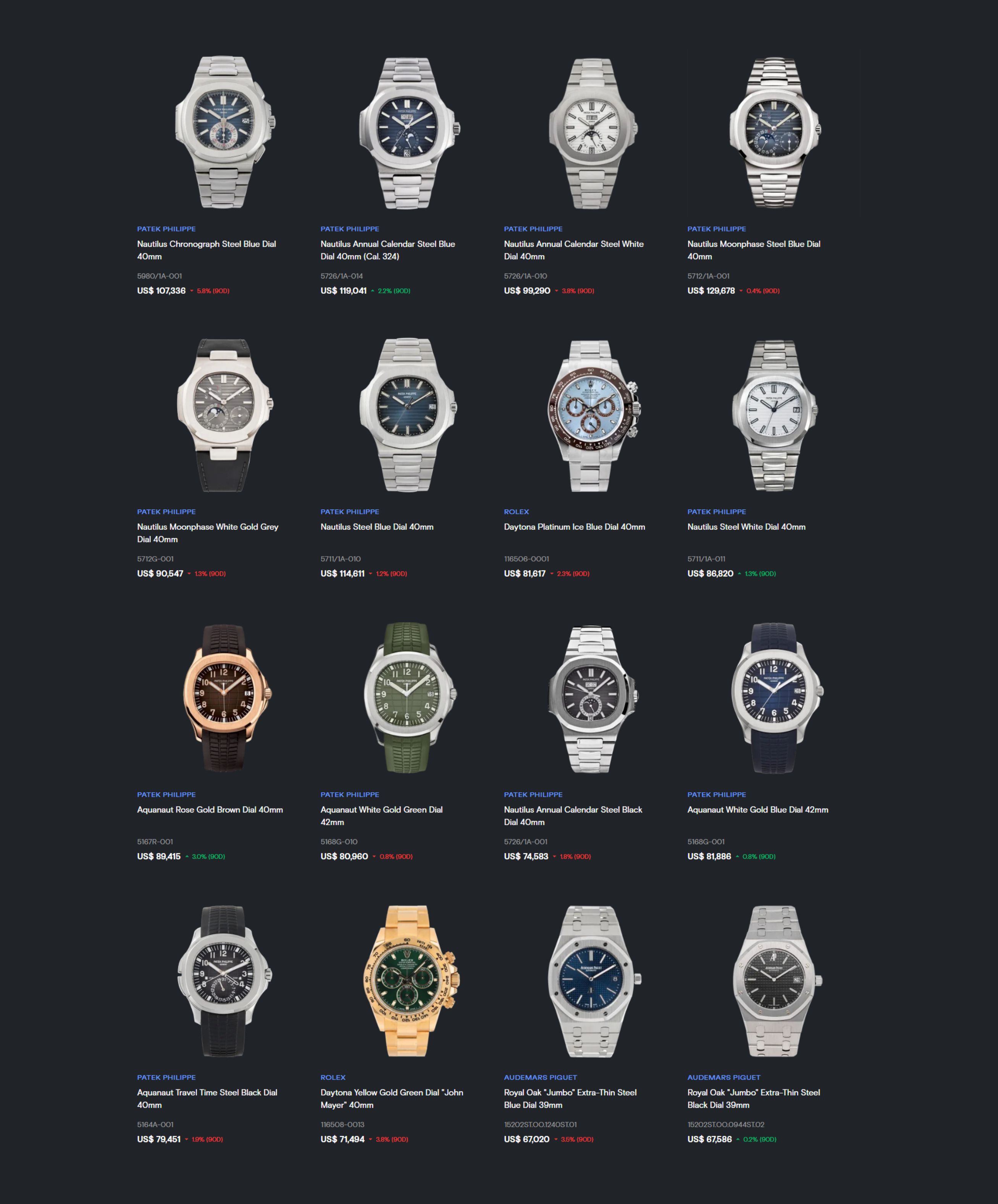
- Structural bid from global platforms: Chrono24’s watch‑collection and market‑performance tools, Wristcheck’s in‑house pricing powered by real‑time transaction data, and index products such as the Wristcheck 100 (25 Patek Philippe listings within the top-40 in a total of 100) all institutionalize market transparency and investor‑style behavior.
In this environment, a handful of discontinued references have become the most desirable, sought‑after, and in‑demand Pateks in the world.
Nautilus: From Steel Sport Watch To Financial Instrument
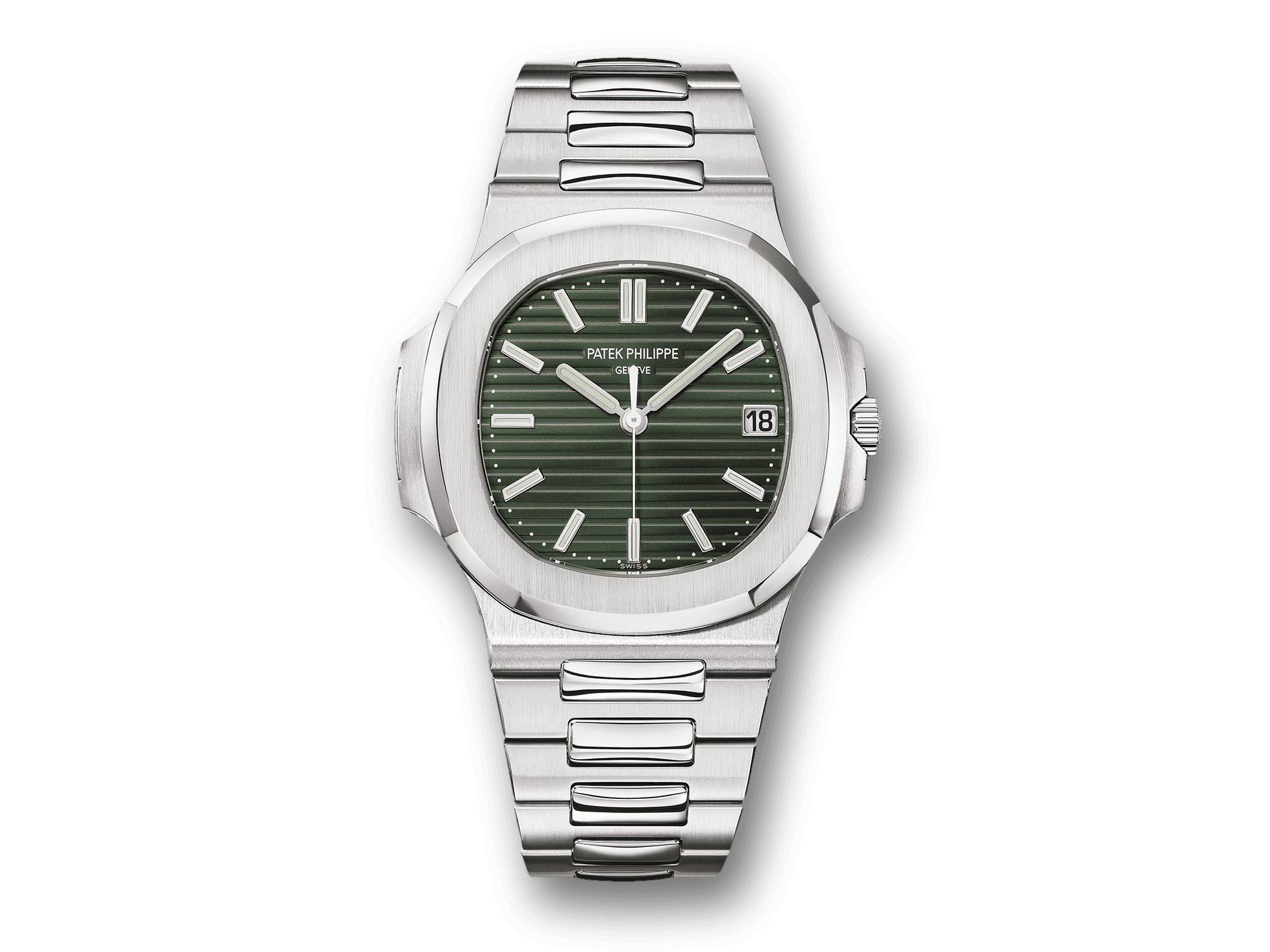
The modern market story begins with the discontinuation of the Nautilus 5711/1A in 2021, which turned a long‑running supply‑demand imbalance into an outright price shock. When Patek Philippe confirmed the end of the 5711, inquiries on Chrono24 almost doubled in January relative to a normal month, and average list prices jumped from roughly $70,000 to around $100,000 within a single week, marking an approximate 50% move that surprisingly was more typical of thinly traded equities than wristwatches.
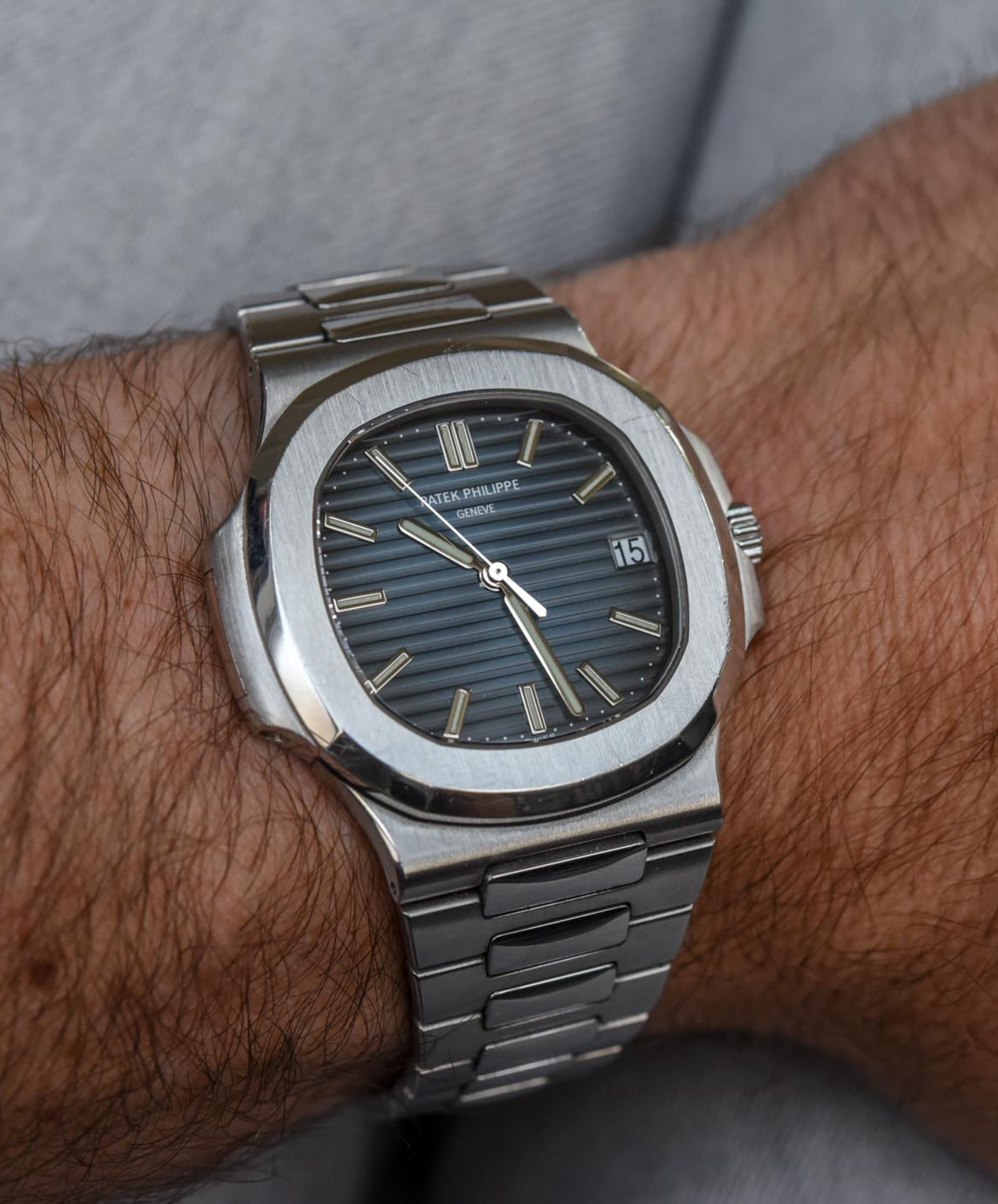
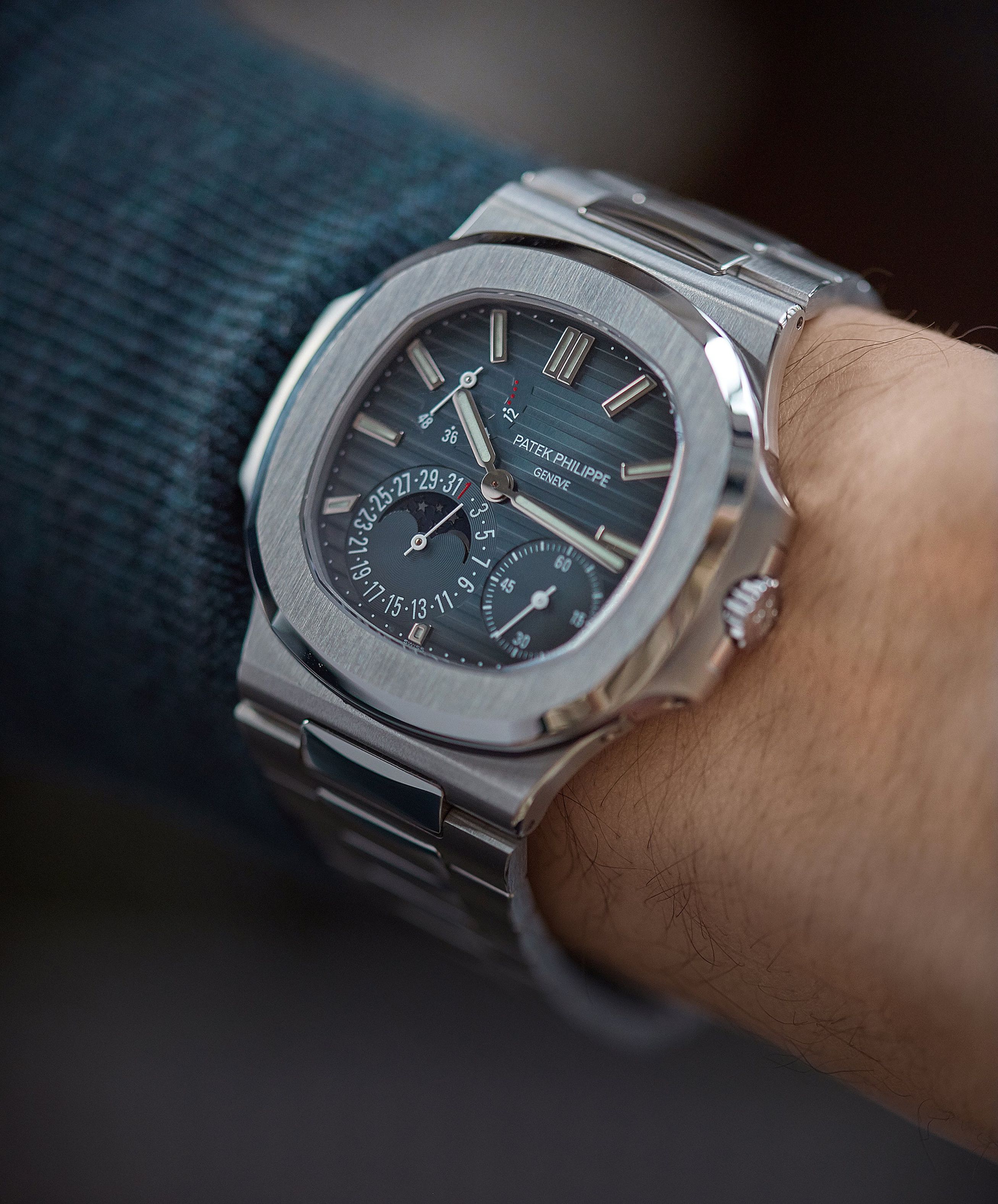
By late 2025, Chrono24 data shows that the standard blue‑dial 5711/1A remains firmly above its original retail, with unworn full‑set examples and the 5711/1A‑014 olive‑green “farewell” trading at substantial premiums, dealer offerings cluster well into a quarter million-dollar territory, with green dials often more than doubling the ask for serviced blue‑dials. The 5712/1A Moonphase, also highlighted indirectly via continued coverage and red‑gold successors, has followed a similar trajectory, with secondary market listings for the 2025 discontinued steel 5712 references commonly clearing $110,000, reflecting not just its Nautilus halo but the added value of micro‑rotor caliber 240 PS IRM C LU and its power‑reserve, moonphase and date complications.
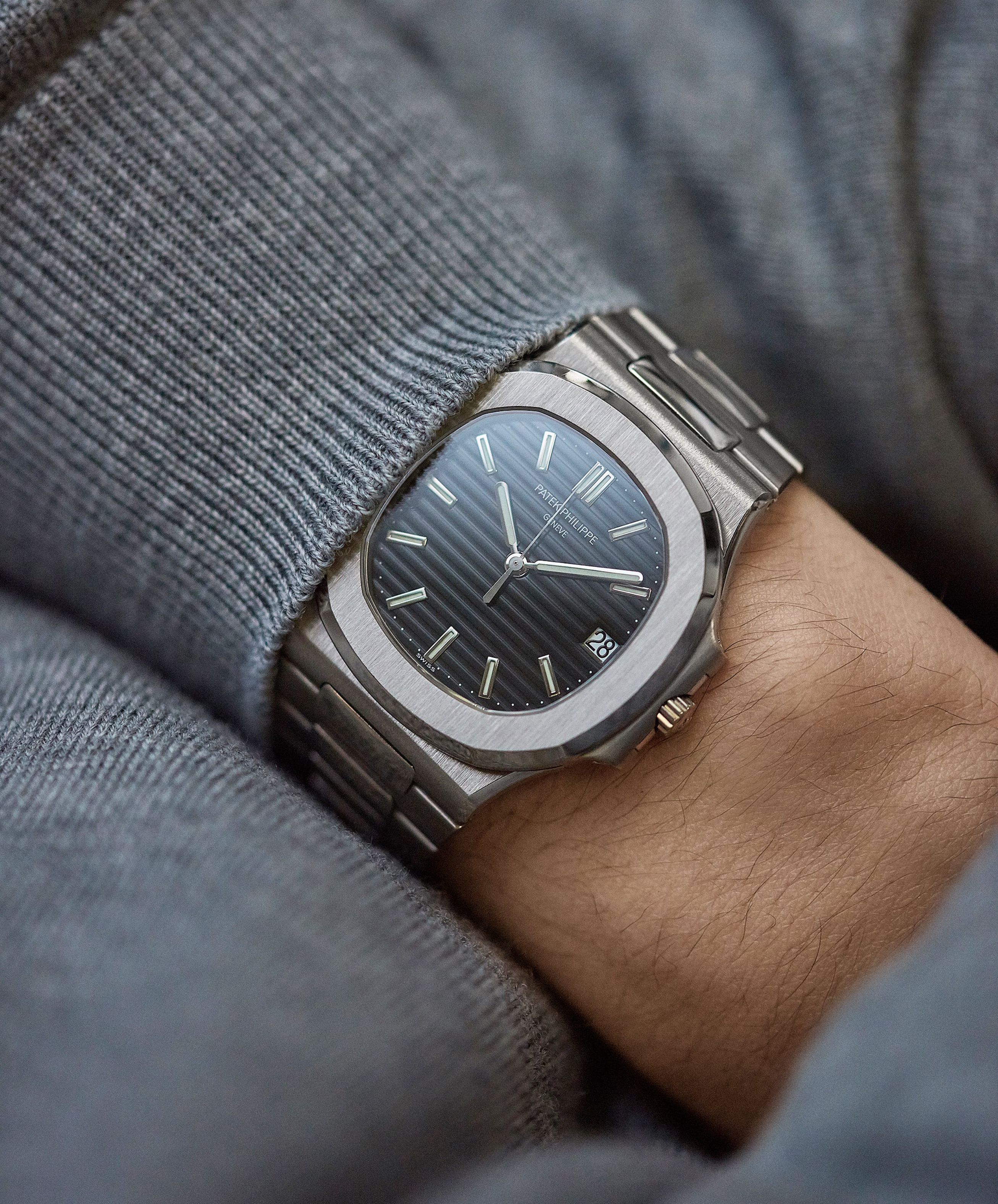
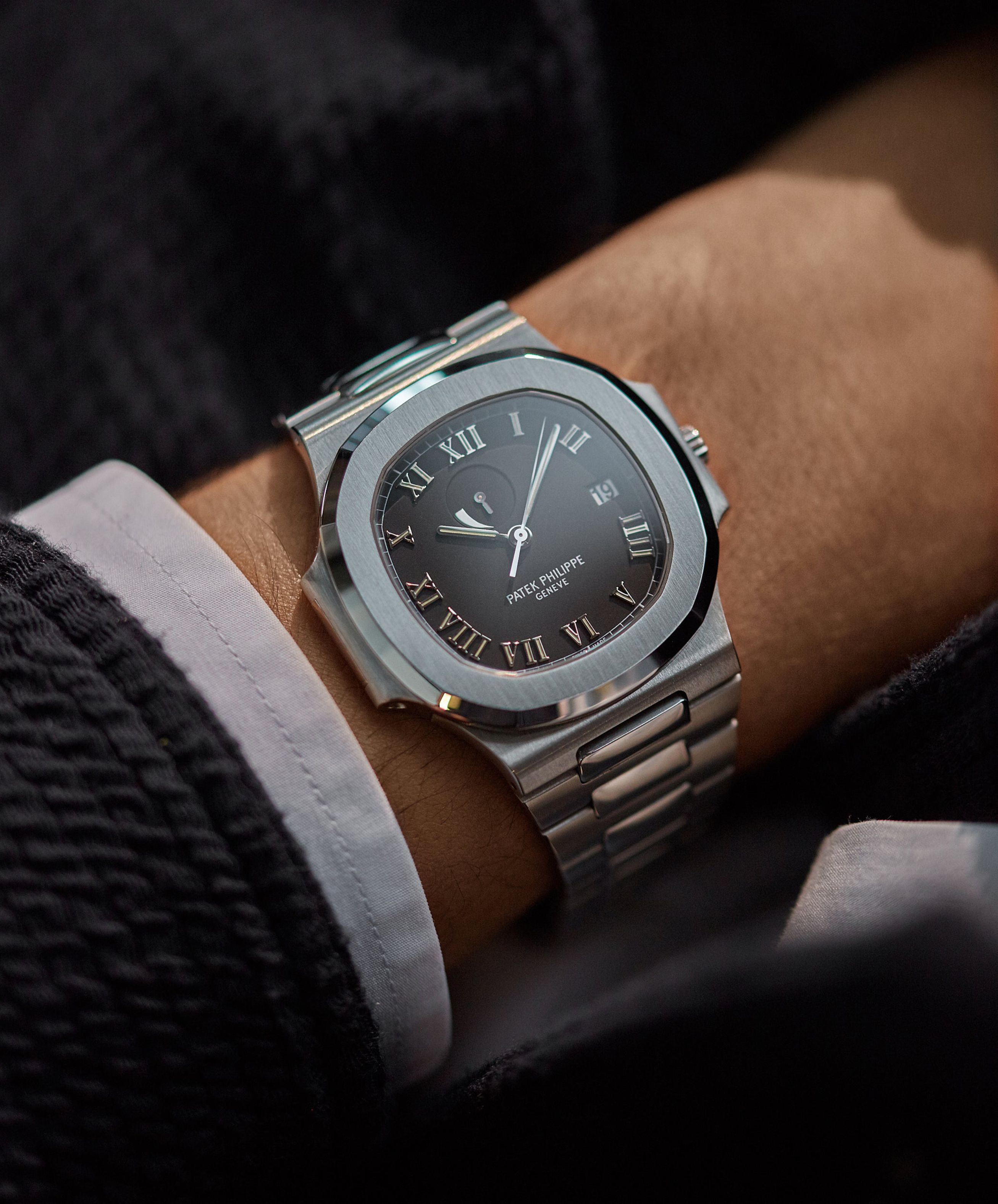
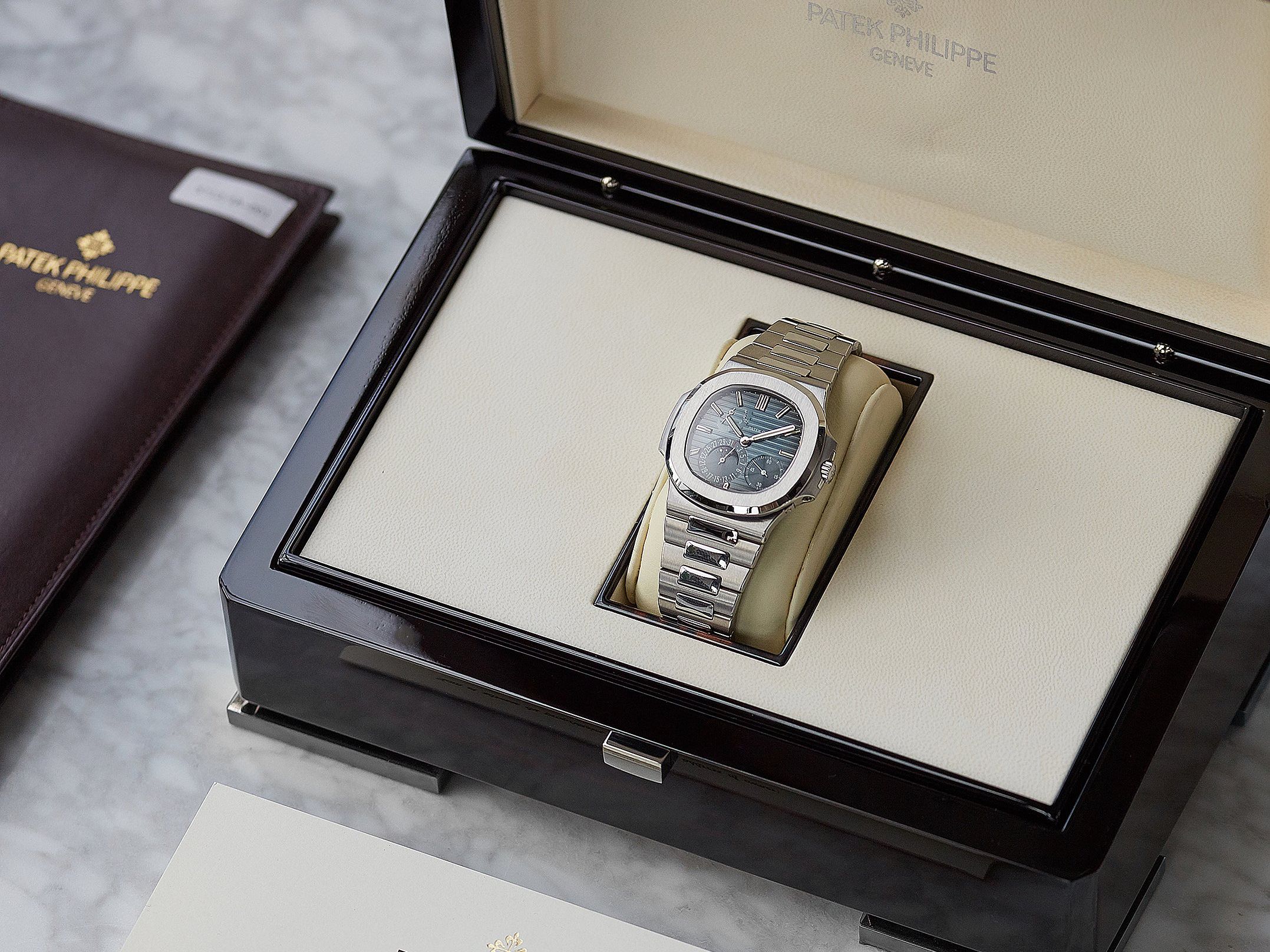
In a similar vein, the 2004 to early 2006 tribute to the original Nautilus reference 3700 - the Nautilus 3711 and the caliber 330 SC IZR‑equipped 3710 “Comet” from 1998 emerge as connoisseur choices: white‑gold two-part case construction, a slimmer profile, and a rare black dial for the former and, in the 3710’s case, a quirky power‑reserve arc and unusual Roman numerals that place it at the intersection of neo‑vintage and modern while being the first true complicated Nautilus model. Today these references sit in a tighter, more quietly appreciating band: they are far rarer in listings, trade at a discount to the hyped steel 5711s but command a notable premium over standard Calatrava or modern white‑gold Nautilus references on a like‑for‑like metal basis, suggesting a collector‑driven rather than purely speculative bid.
Aquanaut: The Travel‑Time Torque
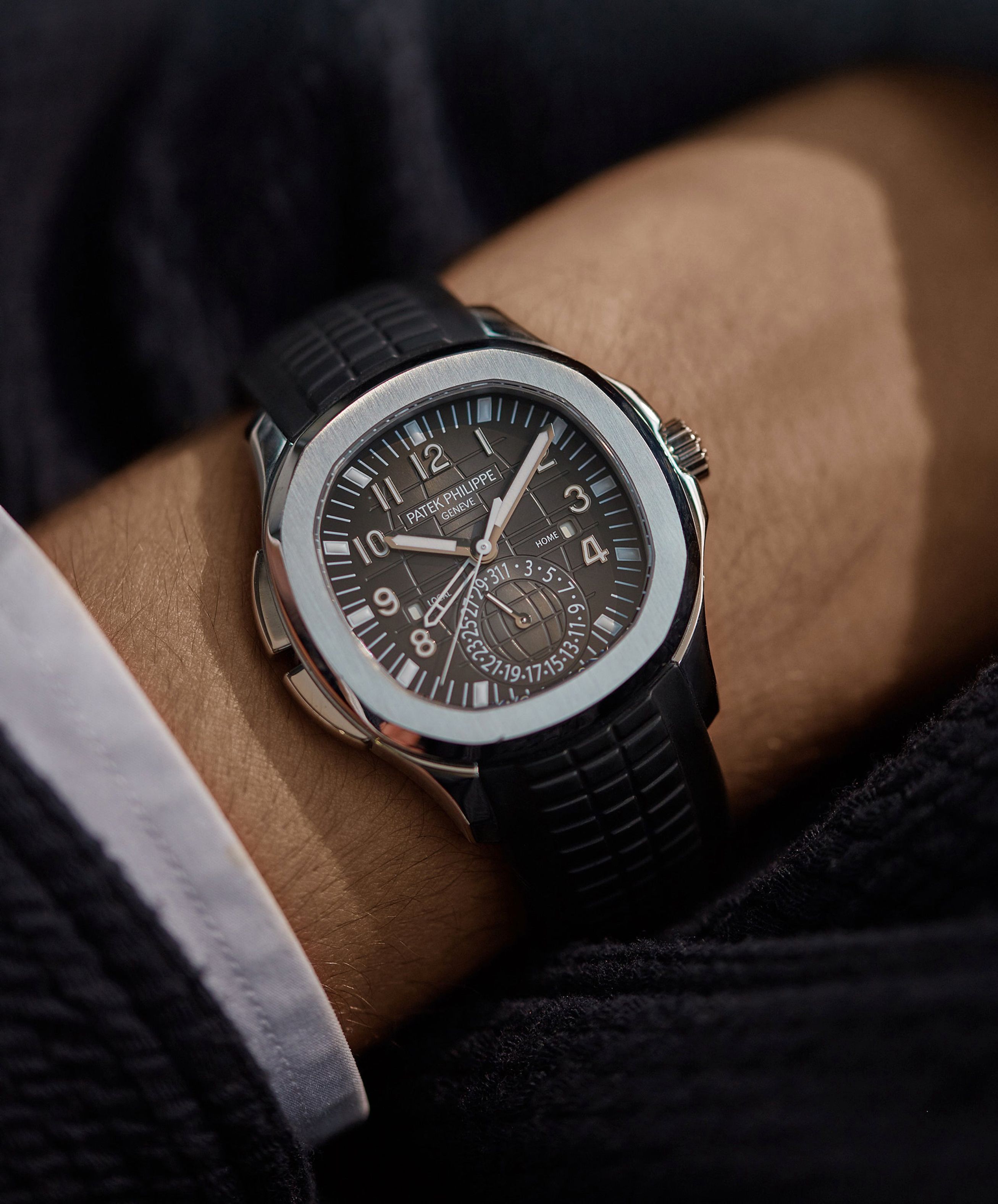
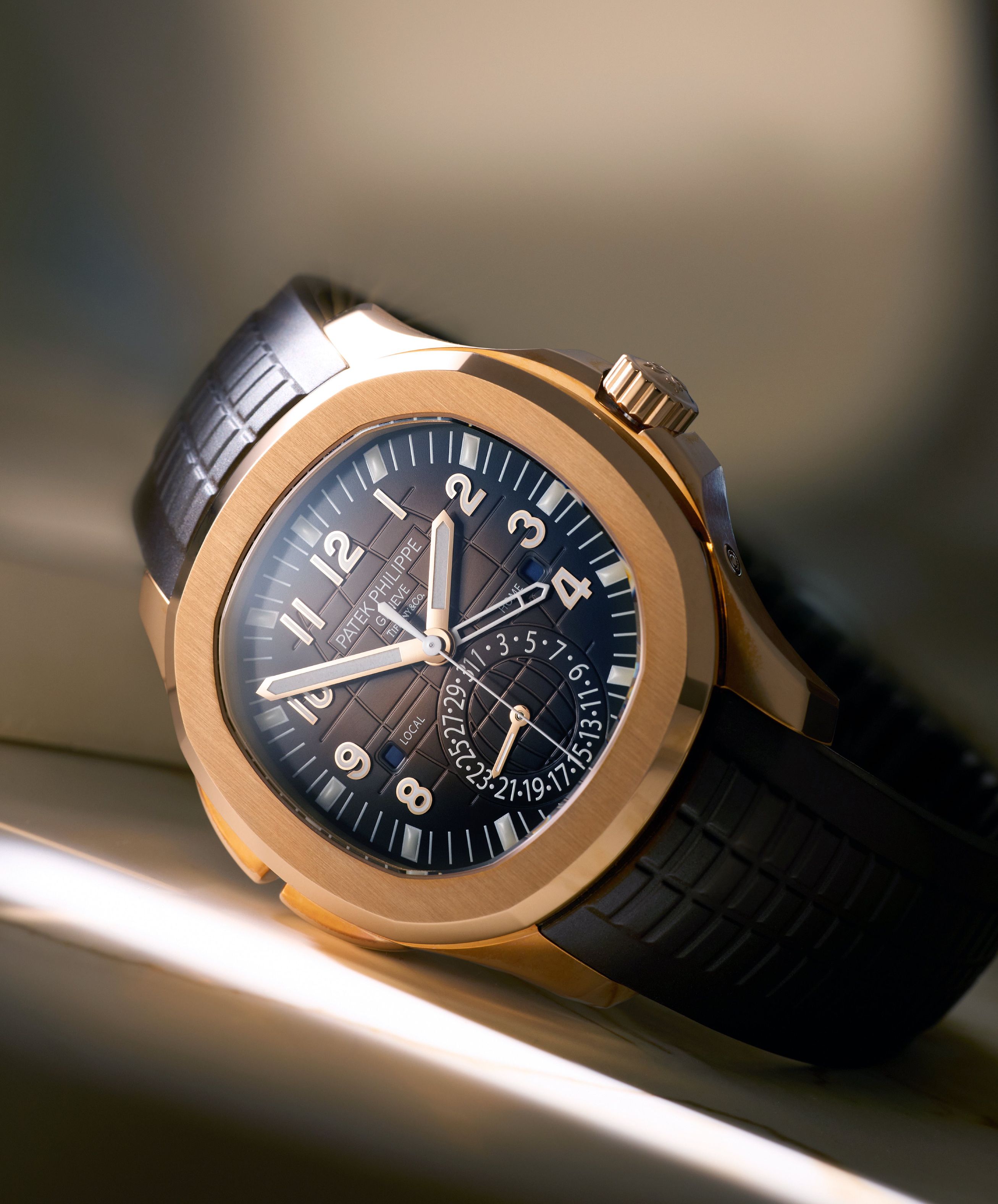
If Nautilus is the benchmark for Patek Philippe desirability, the Aquanaut Travel Time 5164A is the category’s growth‑at‑a‑reasonable‑price thesis. The stainless‑steel 5164A launched with a comparatively approachable MSRP of about $36,400, leveraging caliber 324 S C FUS to deliver dual time, pointer date and twin day‑night indicators in a 40.8 mm, 100‑meter‑rated case. Chrono24’s aggregated pricing shows that, currently, the 5164A’s market value has climbed to roughly $85,000-95,000, more than double its retail, with the rose‑gold 5164R (still in production) tracking even higher at around $120,000 in secondary markets.

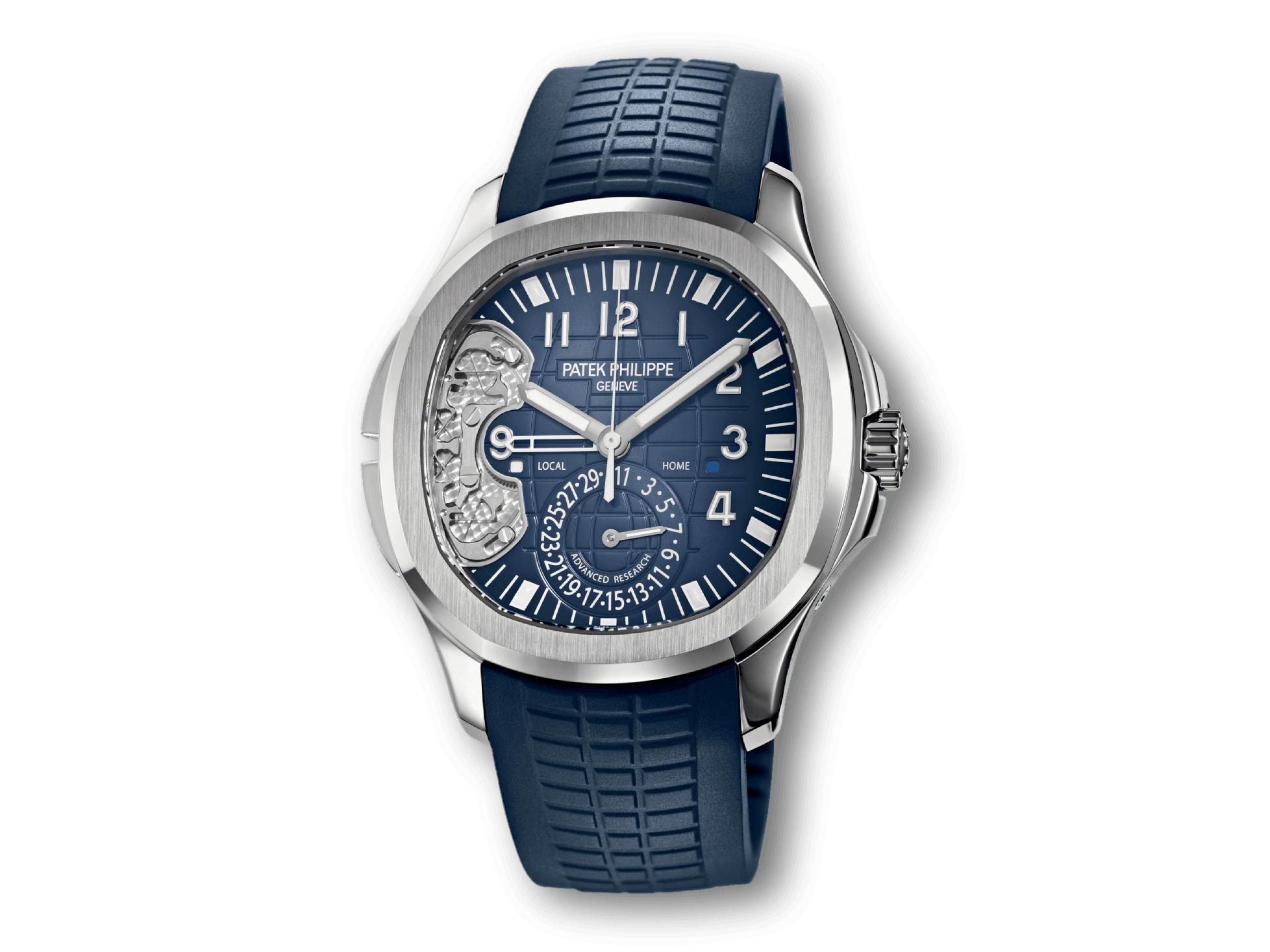
The white‑gold “Advanced Research” Aquanaut Travel Time Reference 5650G is a technological summit that amplifies the discontinued Patek Philippe desirability trend by adding a silicon‑enhanced movement and a limited‑run of 500. Its technical nuances reposition the watch from steel sports to experimental haute horlogerie, with secondary listings in the vicinity of $550,000 as compared to its $58,970 MSRP. Again, highly desirable but discontinued.
World Time, Chiming Pieces And The High‑Complication Ceiling
Above the steel‑sports tier, the World Time Minute Repeater 5531R and the 10 Day Tourbillon 5101P illustrate how discontinued Patek Philippe grand complications trade on a different set of metrics and desirability: complication density, historical importance and low single‑ or double‑digit annual production. The 5531, especially in its discontinued rose‑gold execution with cloisonné enamel center is a modern masterpiece, combining a world‑time complication with a minute repeater capable of chiming the local time, in any of the 24 reference time zones - a technical nuance that sharply limits the number of watches Patek Philippe can produce. On the market, this has translated into auction results and dealer asks that outpace even Tiffany‑stamped Nautilus pieces on a percentage‑over‑retail basis, despite a far smaller buyer pool, underscoring how global collectors now treat such pieces as the apex of contemporary Patek Philippe collecting.

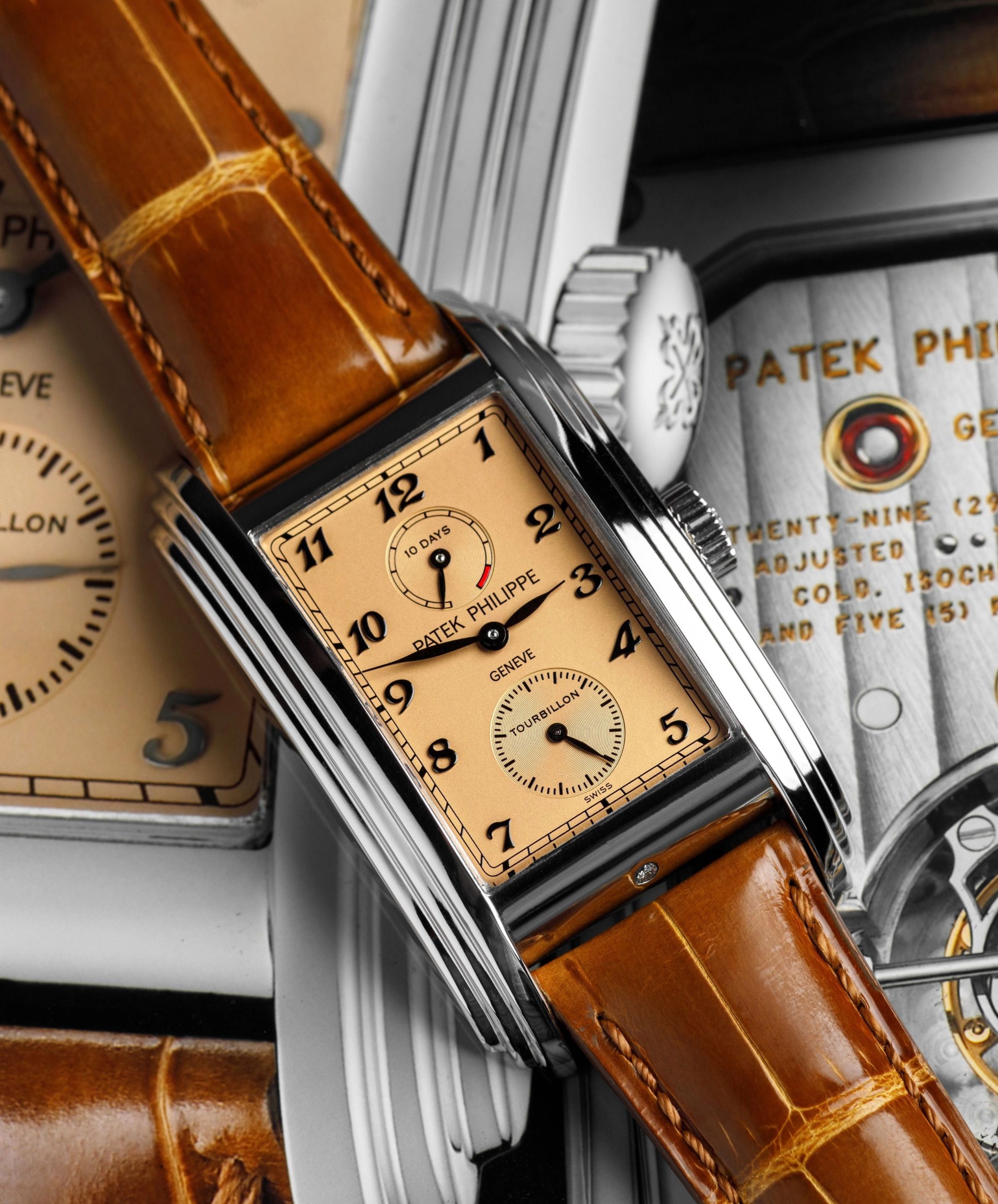
The 5101P 10‑Day Tourbillon, an Art‑Deco tonneau case with salmon dial, Geneva Seal and chronometer certification, represents an earlier philosophy of low‑volume icon building. While production has long ceased, its secondary‑market curve has been slow but relentlessly positive, with few examples available at any time and asking prices reflecting its status as a bridge between classical observatory chronometry and modern presentation watches, unlike the whiplash spikes seen in steel sports models, its appreciation has been characterized by step‑changes around major auctions rather than social‑media hype cycles.
Regulator, Shaped Cases And The Connoisseur’s Arbitrage
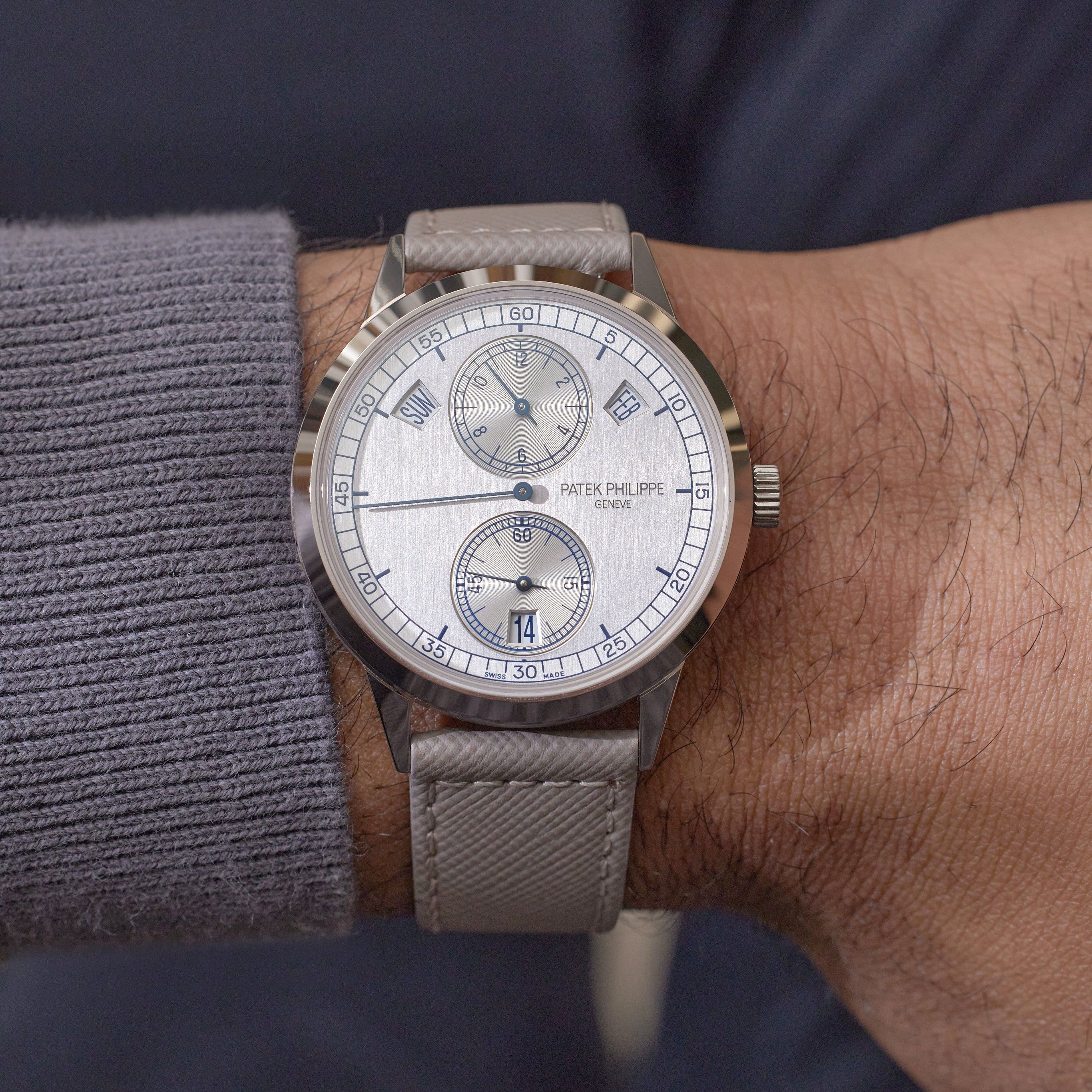
Not every discontinued Patek Philippe reference has experienced 5711‑level fireworks, but that is precisely where sophisticated collectors have found relative value. The 5235G annual calendar with a regulator-style dial, as well as a completely new case-filling micro‑rotor caliber featuring Advanced Research‑style silicon components, has garnered critical acclaim, yet trades at a fraction of a 5711 while offering both technical content and a distinctive dial architecture unavailable in the white gold case and gray dial configuration in the current catalog.
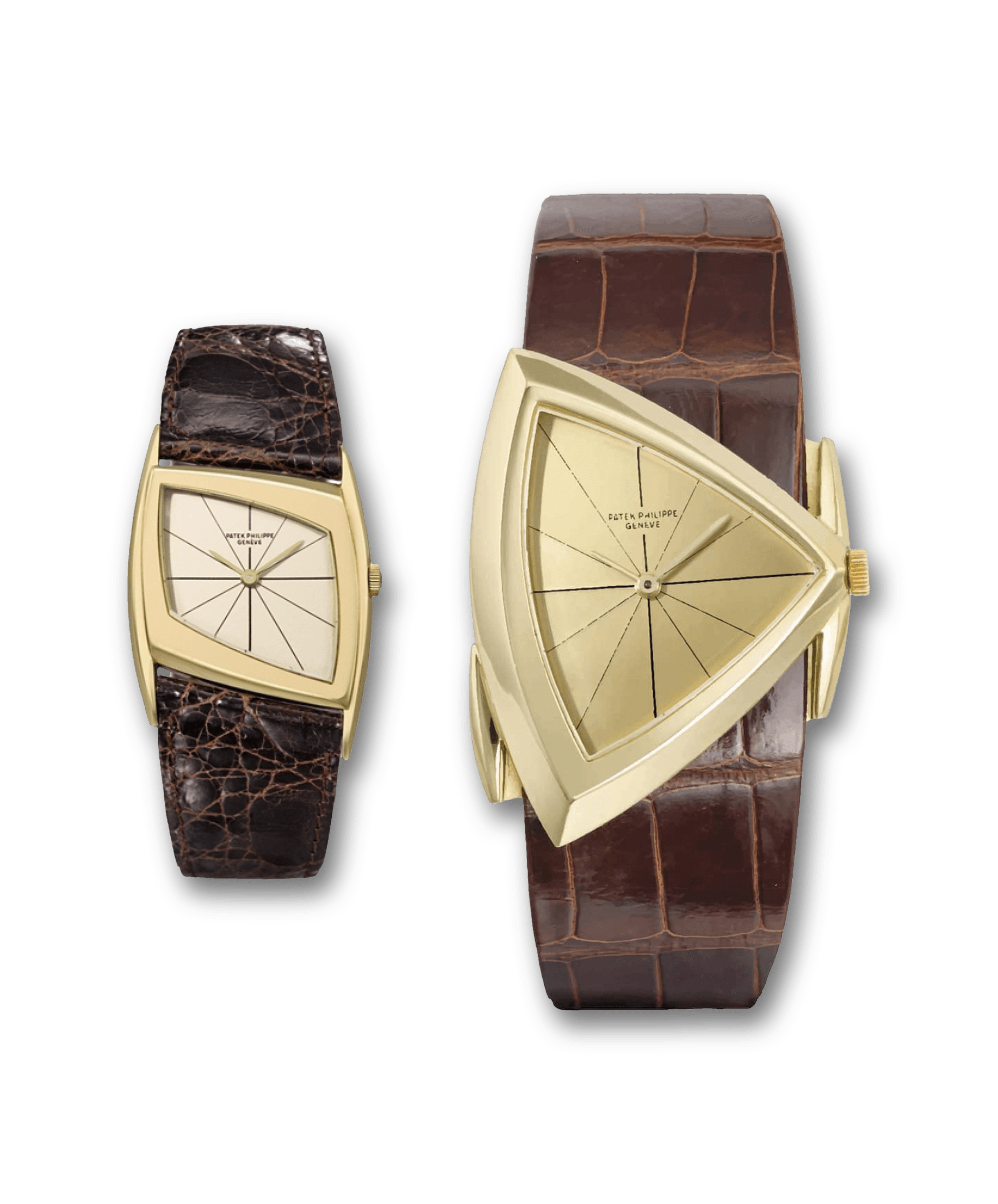
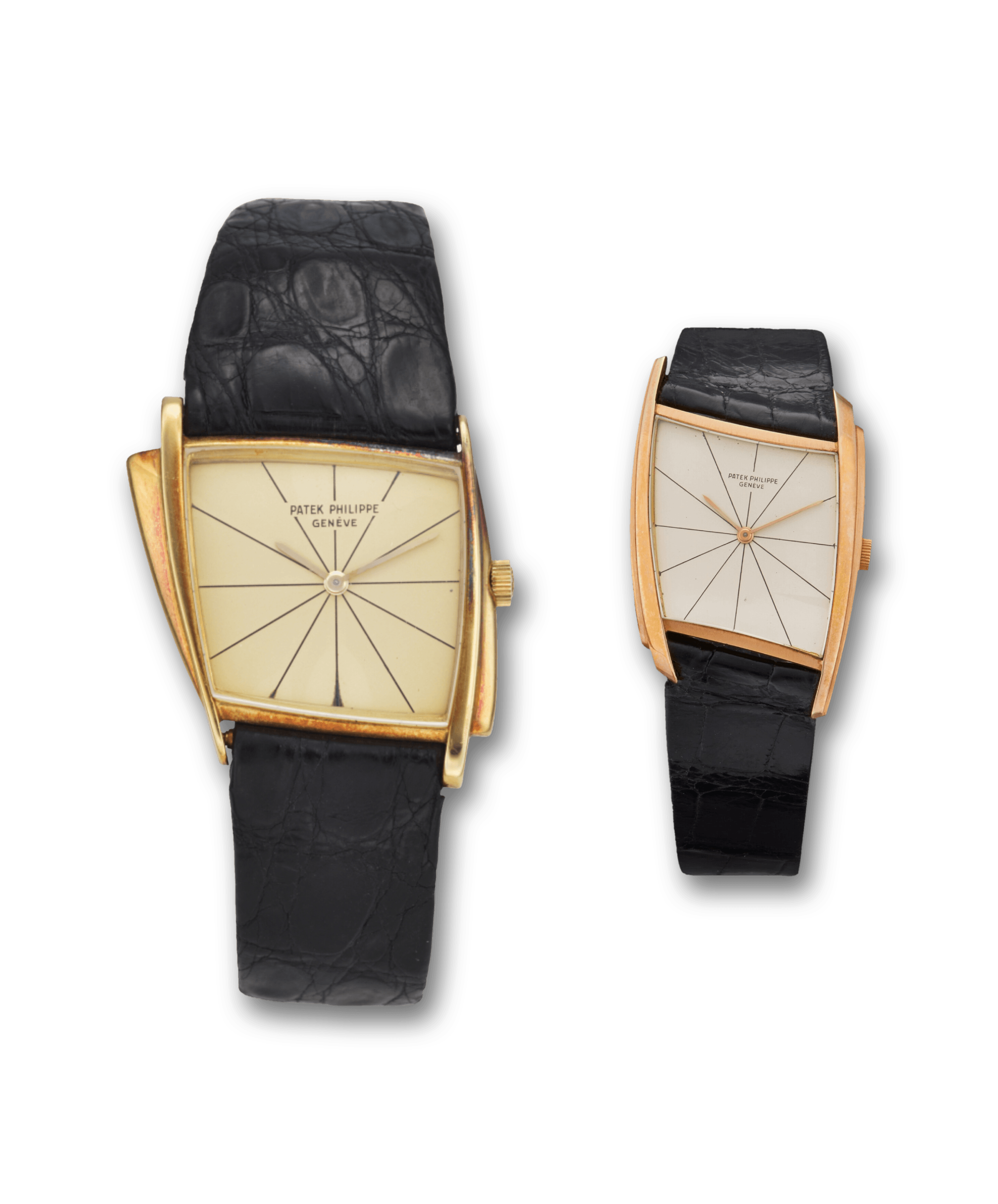
Similarly, mid‑century shaped references such as the Ref. 3412, 3413, 3422, and 3424 are underpinned by a very different market micro‑structure: sparse online listings, more frequent appearances at thematic auctions and pricing that still allows collectors to acquire solid‑gold, manually wound Patek design statements for less than the going rate of a modern steel Aquanaut on rubber. For those willing to look beyond integrated bracelets and rubber straps, these artisanal realizations of designer Gilbert Albert’s manifestations remain modest relative to historical importance, suggesting further room for rerating as scholarship and media attention continue to broaden beyond the usual Nautilus‑Aquanaut gravity well.
Why These Discontinued Pateks Stay In Demand?
Across categories, three quantitative themes explain why these discontinued Patek Philippe references remain among the most sought‑after watches in the world:
- Structural undersupply: Chrono24’s run‑out‑list coverage for the 5711 and sharp demand spikes around discontinuation demonstrate that Patek Philippe’s intent to curtail steel sports volume was real, not rhetorical, and that the brand has not rushed to flood the market with direct successors.
- Asymmetric appreciation: Whether the 5164A’s rise from $36,400 MSRP to roughly $90,000 market value or the 5711’s 50% jump in a single week post‑rumor, price curves show that exit‑velocity is highest at the moment production stops, rewarding collectors who understood the references’ significance before the broader market did.
- Technical and historical depth: From silicon‑enhanced calibers to chiming world‑time mechanisms and 10‑day tourbillons, these watches crystallize specific phases in Patek’s technical evolution, allowing the secondary market to price not just metal and brand, but intellectual property and design lineage.
For the modern collector, constructing a portfolio around these discontinued references is less about chasing the loudest chart and more about understanding why certain Patek Philippe watches became, and remain, systemically important to both the brand’s narrative and the market’s pricing logic. In that sense, the world’s most desirable discontinued Patek Philippe watches are not only status symbols on the wrist, they are also case studies in how scarcity, innovation and storytelling can compound over time.


