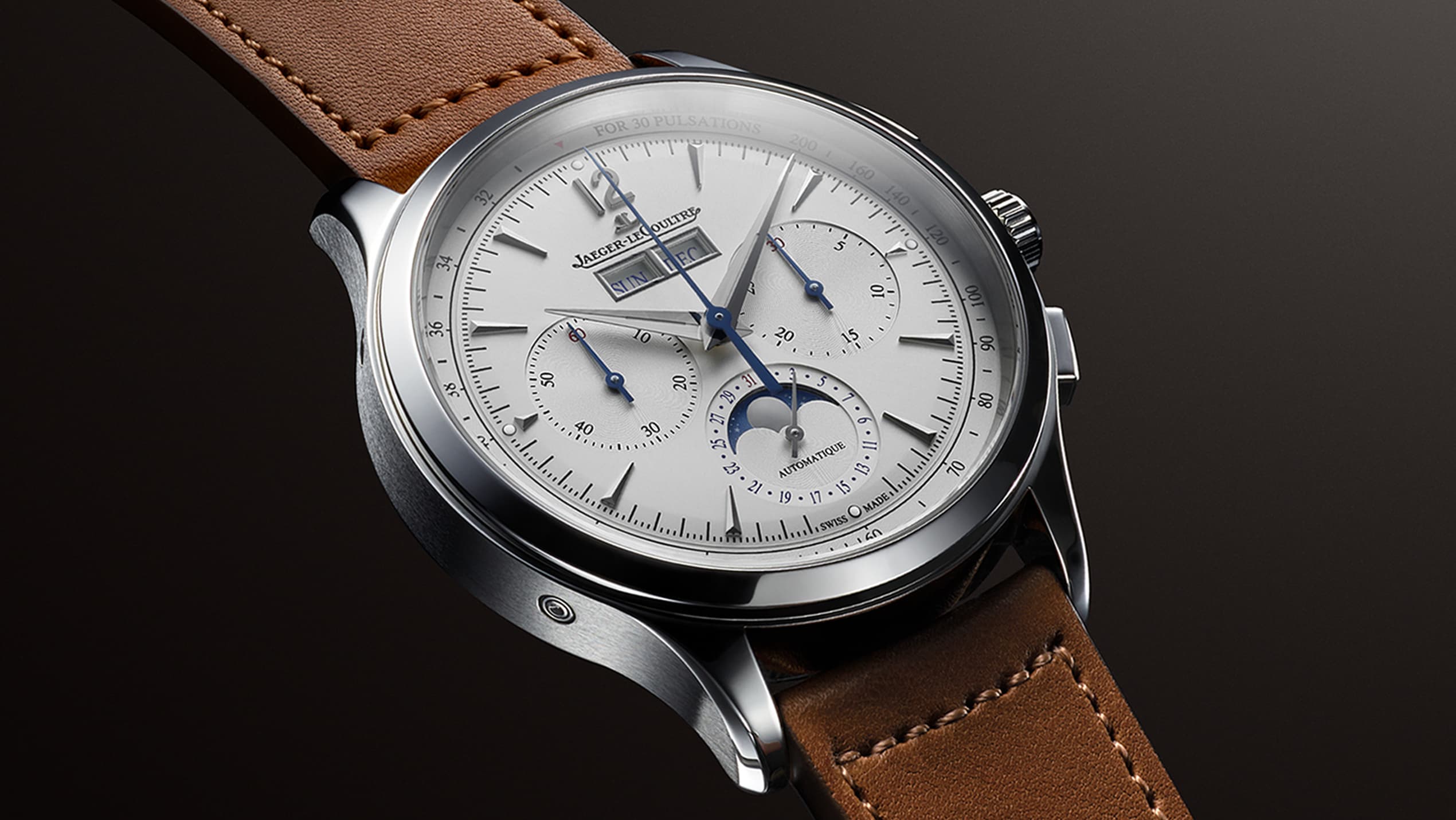
The Quiet Discipline Behind the Jaeger-LeCoultre Master Control
 5 min read

There is a version of watchmaking history in which the 1990s were straightforward. The quartz crisis had passed, the mechanical watch had survived, and the industry's task was simply to remind buyers why a movement you had to wind mattered. What is less discussed is how few manufacturers used that moment to say something genuinely new not about design, not about heritage, but about the integrity of the object itself. Jaeger-LeCoultre did. In 1992, the Le Sentier manufacture introduced the Master Control collection. The name was not chosen for poetry. It was chosen because it described a process: a proprietary certification protocol that subjected every finished, cased-up watch to one thousand continuous hours of testing before it left the Vallée de Joux. Roughly six weeks of mechanical scrutiny, applied not just to the movement in isolation but to the entire watch as it would actually be worn; tested across six positions, wound through repeated power reserve cycles, exposed to temperature variations, pressure, magnetic fields, and shock. The standard COSC chronometer test, by comparison, runs fifteen days and examines the movement alone. Jaeger-LeCoultre was doing something structurally different: certifying the finished product, not just the engine inside it.
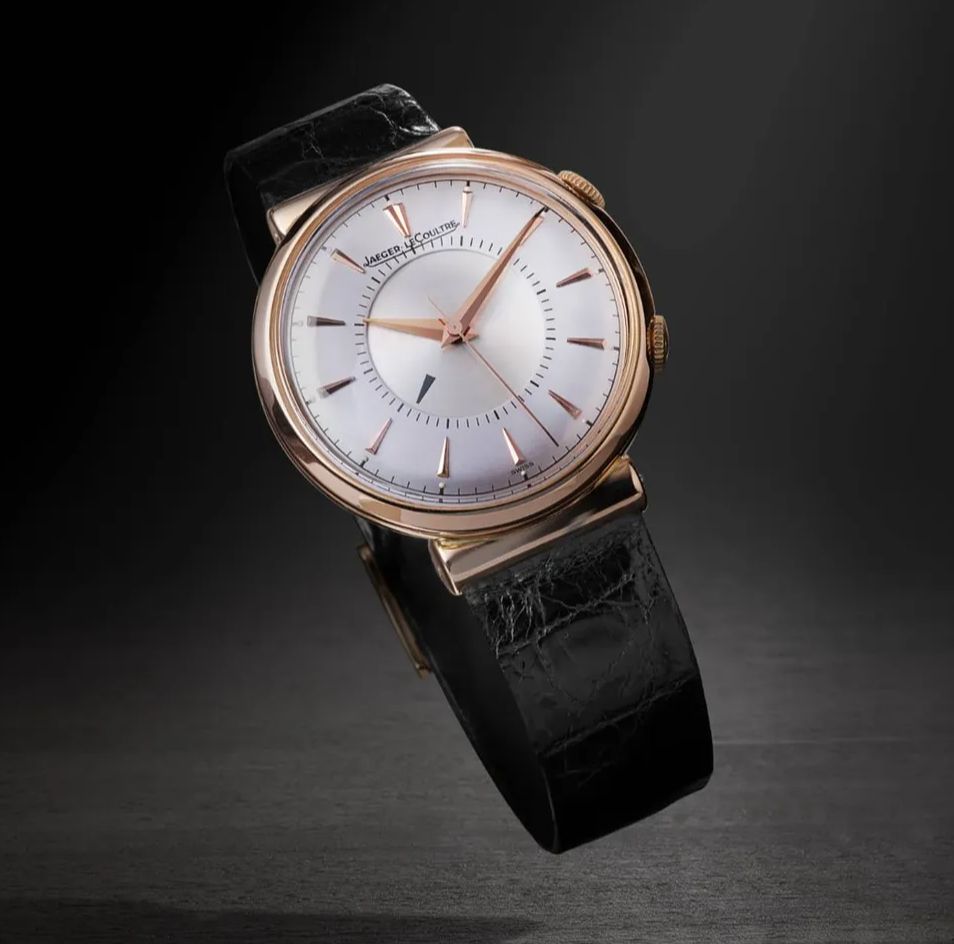
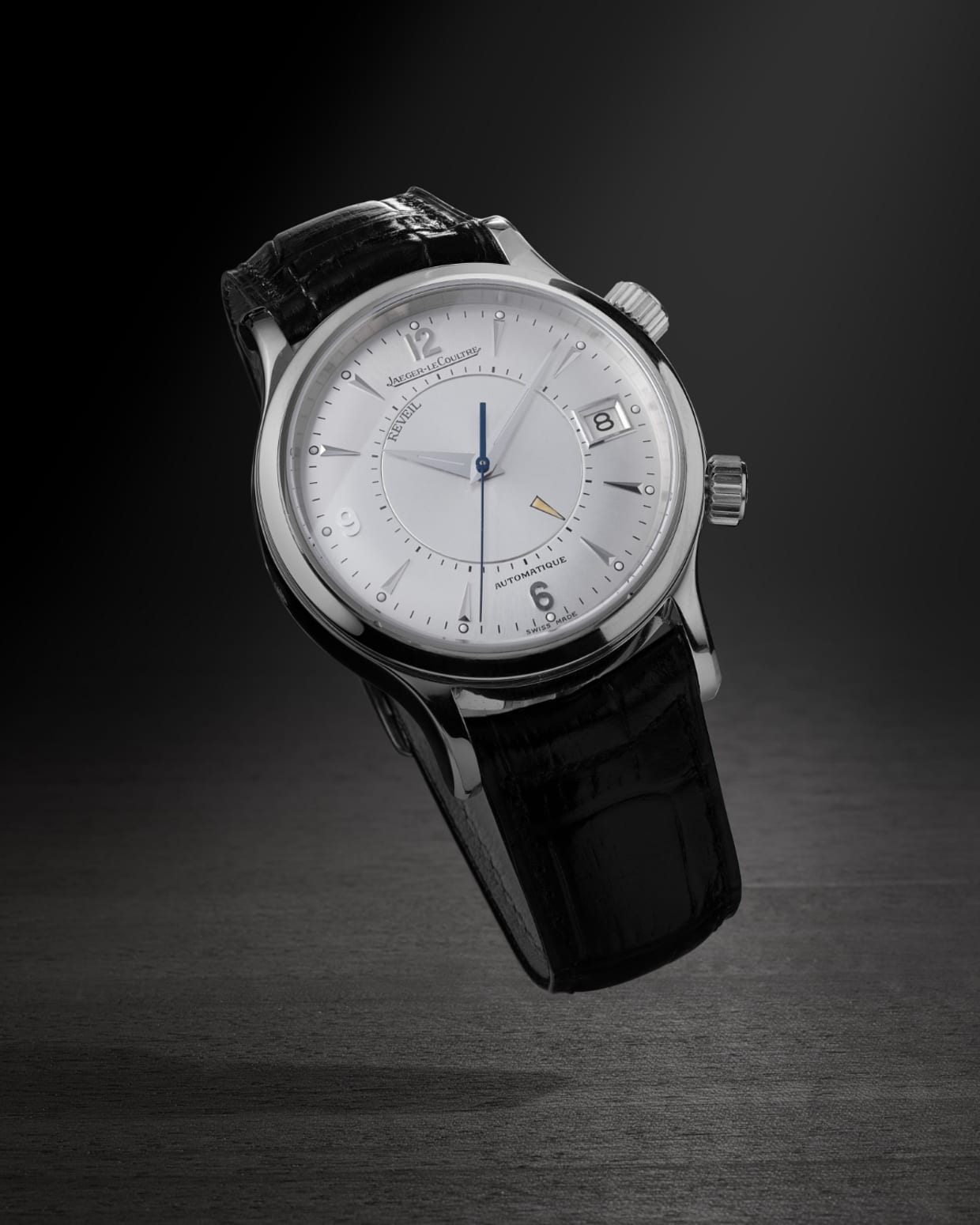
The collection took its name from that test. The watches that passed it earned a quality seal engraved on the caseback. It was, in its quiet way, a provocation, an argument that the correct unit of measure for watchmaking excellence is not the complication count or the case material, but demonstrable, documented precision under real-world conditions. The first movement to carry the 1,000 Hours Control certification was Calibre 889, a manually wound movement that anchored the earliest Master Control references. It was succeeded by Calibre 899, the automatic pillar of the collection that has been refined continuously over the decades since. The original collection was, by design, restrained. The case was round, the dial was clean, the complications were classical: a date here, a triple calendar there. Jaeger-LeCoultre drew consciously from its own postwar archive- the Futurematic, the PowerMatic, the Memovox and produced something that looked like it had existed for decades, because in spirit it had.
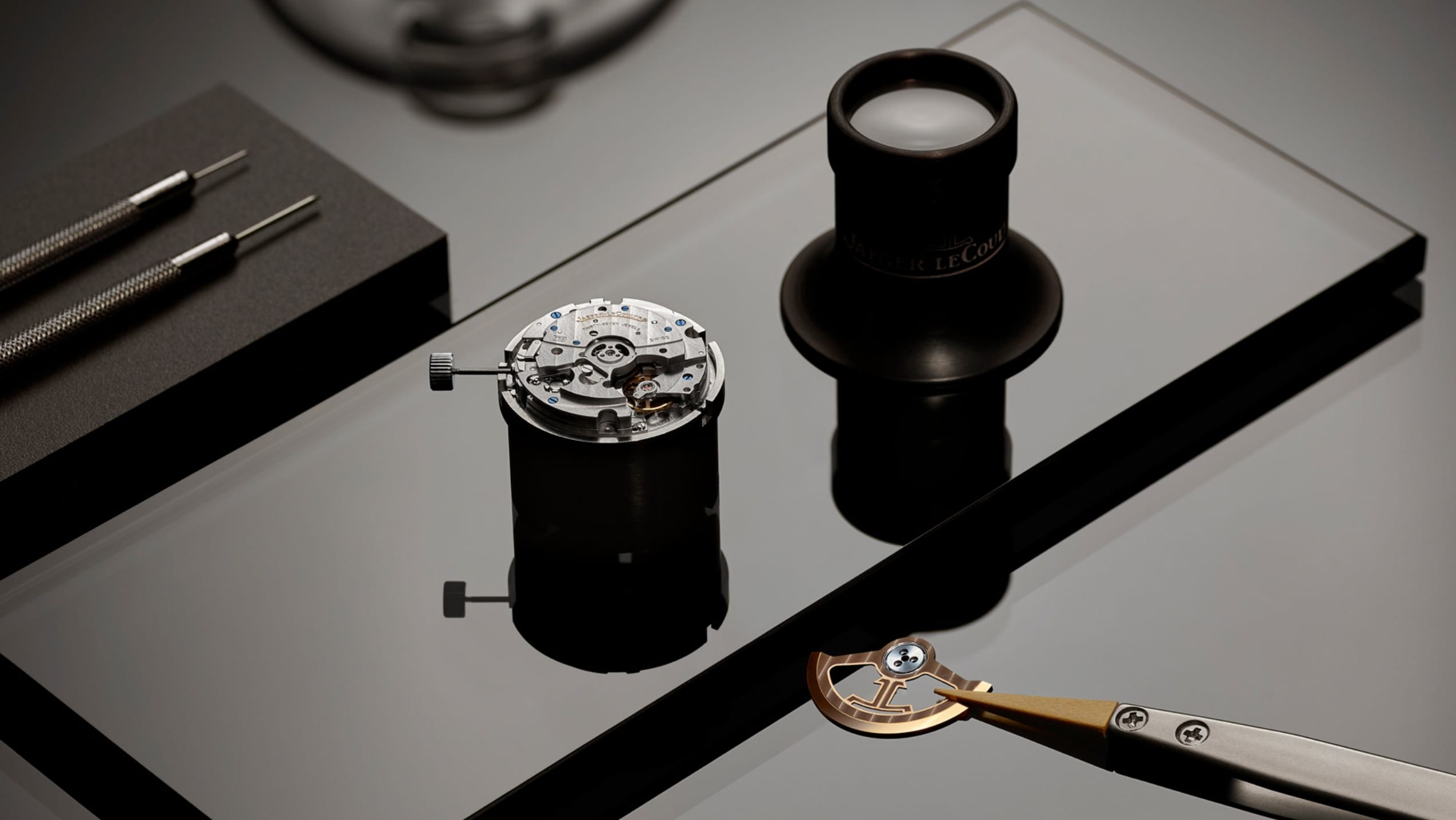
The sophistication arrived gradually. Through the 1990s and into the 2000s, the Master Control absorbed complications that had previously lived in the manufacture's more rarified registers. Perpetual calendars, tourbillons, minute repeaters complications that required significant technical investment- appeared under the Master Control designation, framed not as showpieces but as instruments subject to the same thousand-hour accountability as the simplest date model. This was the collection's organizing logic: that complexity and discipline were not in tension but were, in fact, the same thing pursued at different scales. The Memovox, Jaeger-LeCoultre's historic alarm watch first shown at Basel in the early 1950s, found its way into the Master Control family and brought with it one of the manufacture's most legible design signatures: twin crowns at 2 and 4 o'clock, one to set the time, one to set the alarm. The Master Control Memovox Timer, limited to 250 pieces, extended the alarm function with a countdown display at the center of the dial, a complication that has few parallels in a collection of this character. The Geographic arrived as a traveler's watch with genuine utility; not a second time-zone hand added as an afterthought, but a complete sub-dial with its own hours and minutes display, a 24-hour day-night indicator, and a city name shown in an arched aperture at 6 o'clock. In a landscape of GMT watches that rotate a bezel and call it a world time function, the Geographic was a considered alternative.
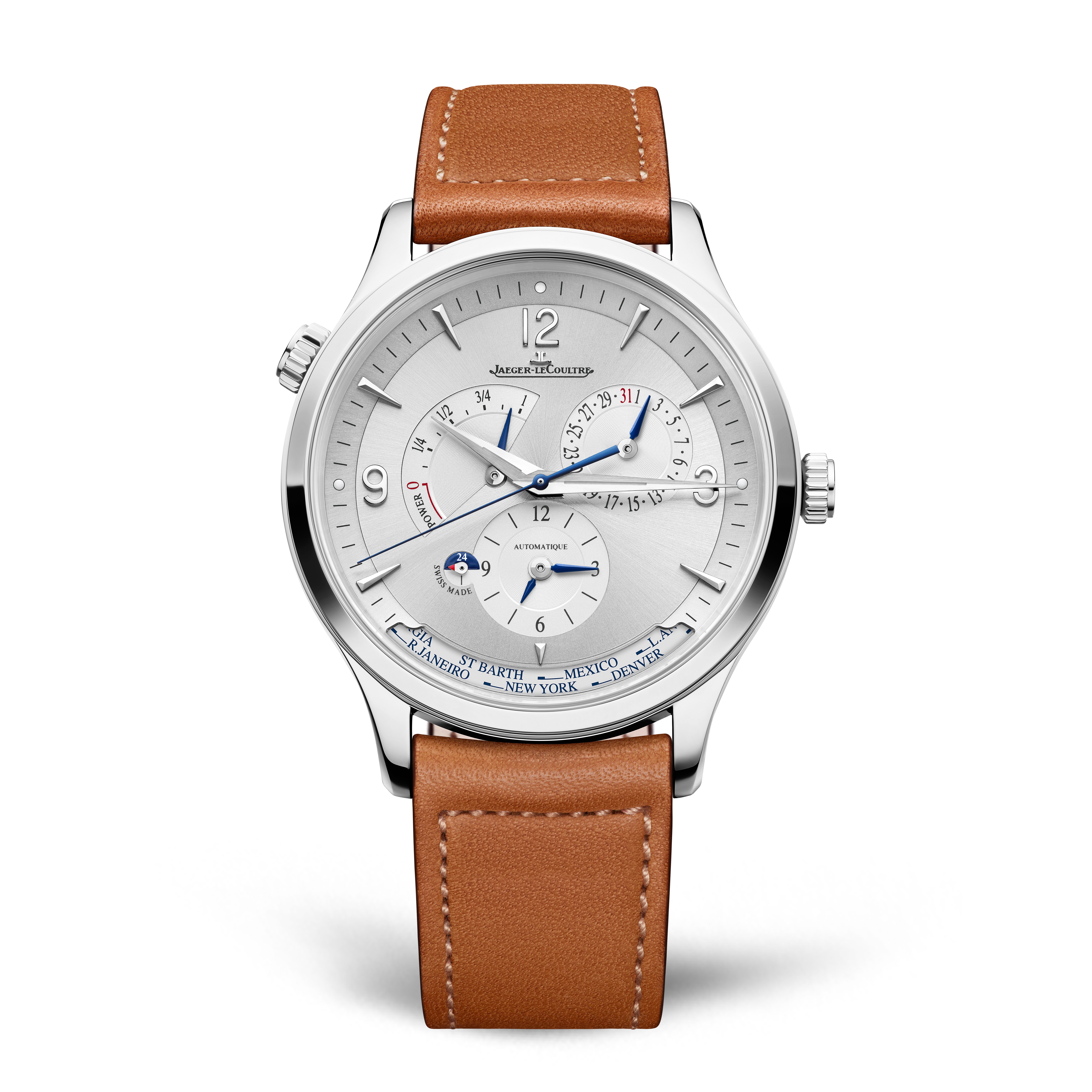
In 2020, Jaeger-LeCoultre relaunched the collection in full. The revision was not cosmetic. The case grew fractionally to a uniform 40mm across all references, the bezels were thinned and given an outward slope, the lugs received more dynamic curvature, changes subtle enough that the watches remained immediately recognizable as Master Controls, but consequential enough that the collection felt genuinely contemporary against the dress watch landscape of its moment. The more significant work happened inside. Calibre 899 was comprehensively re-engineered: a new silicon escapement and pallets reduced friction; the barrel was redesigned to accommodate a longer, stronger mainspring within the same 3.3mm movement height; new lubricants were formulated for the new materials. The result was a power reserve of 70 hours, up from 38, with no increase in case thickness. The Calibre 866 driving the triple calendar received equivalent improvements, including a new jumping complication that causes the date hand to skip from the 15th to the 16th in a single motion, clearing the moonphase aperture at 6 o'clock entirely rather than sweeping across it. It is the kind of refinement that serves no purpose except the correct one: because it is better.

The 2025 Master Control Calendar added a further chapter. Fifty years after Jaeger-LeCoultre had produced its first triple calendar movements, the manufacture returned to that complication in a form that acknowledged both what the collection had become and what the 1940s and 1950s originals had been. The continuity is real. These are not arbitrary design references; the triple calendar with peripheral date and moonphase is genuinely descended from movements the manufacture was building when the Vallée de Joux was still largely insulated from the concerns of the broader watch industry.
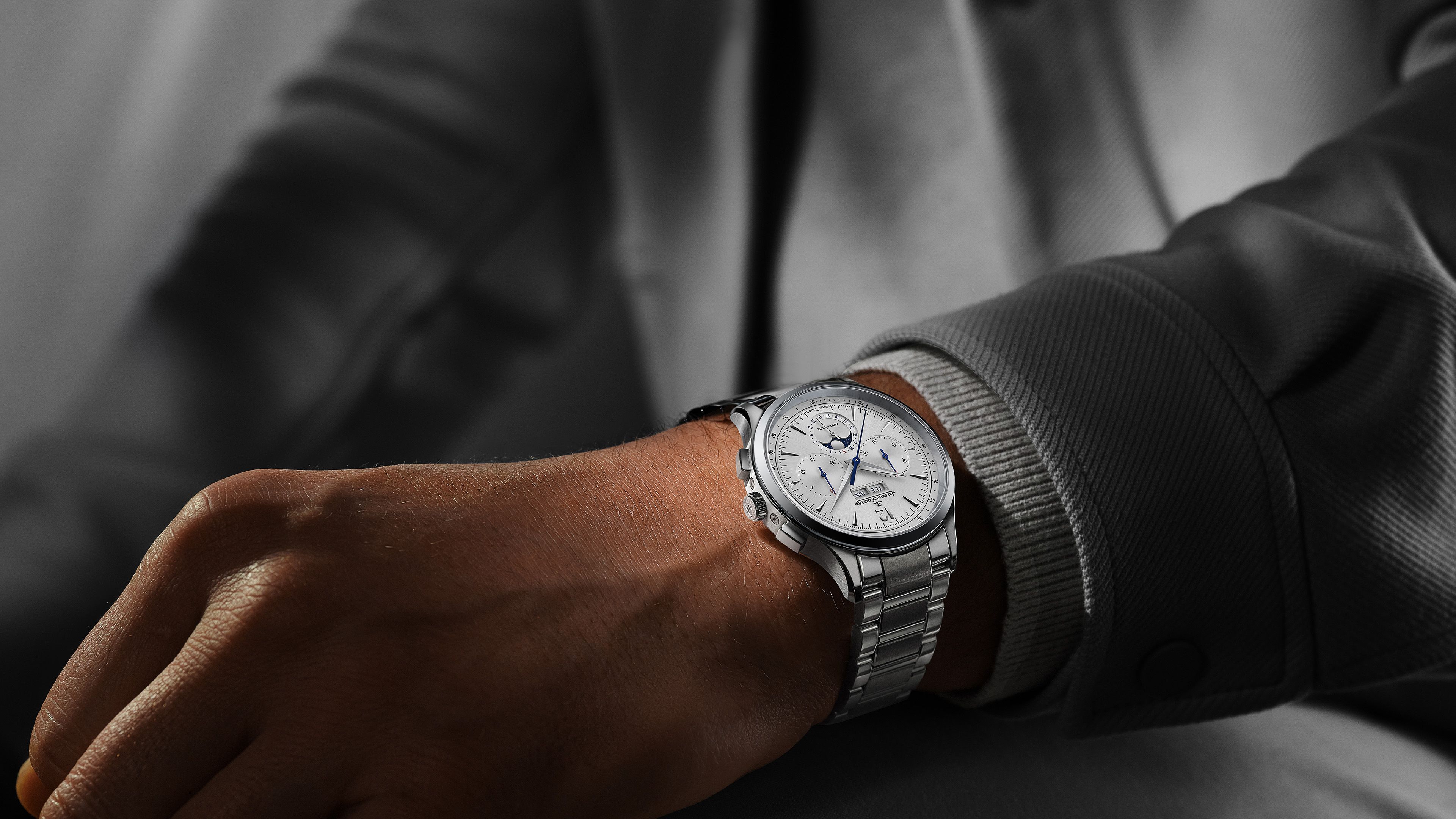
What the Master Control represents, across its three-plus decades, is a particular argument about what a watch is for. Not to impress, not to speculate, not to accumulate meaning from the wrist that wears it. To function with documented, tested, guaranteed reliability, every day, for years. The 1,000 Hours Control certification is now applied to the entire Jaeger-LeCoultre catalog, not just the collection that gave it its name. That expansion is the clearest statement the manufacture has made about what the test meant in 1992 and what it still means: not a marketing proposition, but a standard. One the collection set, and one the rest of the lineup eventually had to meet. The name still fits.
With Watches And Wonders 2026 approaching, the questions remains strong. Will the brand go down the classic route?


