Why Indian Collectors Are Quietly Falling For The Watch
 4 min read

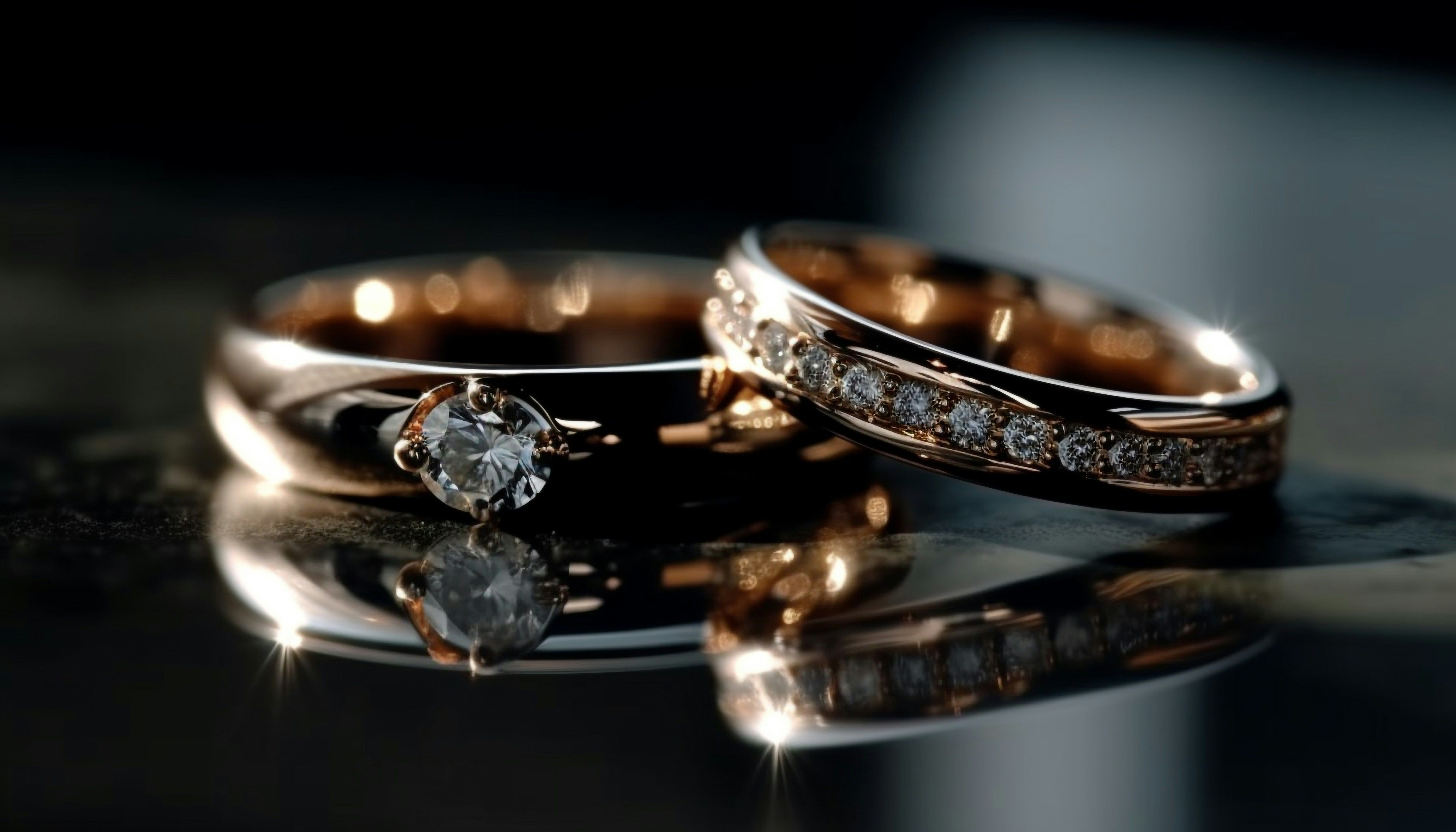
Gold is an asset. Diamonds are complicated. A Rolex on a waitlist you can't buy your way onto? Now that's a different conversation entirely. Nobody planned this. There was no boardroom meeting in which anyone decided India needed more watch collectors. It just happened, slowly, then faster than anyone expected. The conditions were all there. Gold got expensive. Diamonds got complicated. Social media handed the vocabulary of watch collecting to a generation that previously had no idea what a perpetual calendar was. And somewhere in the middle, the Swiss watch quietly became one of the most interesting places to put both money and meaning in India.

A Lab Can Make a Diamond. It Cannot Make a Rolex Waitlist.
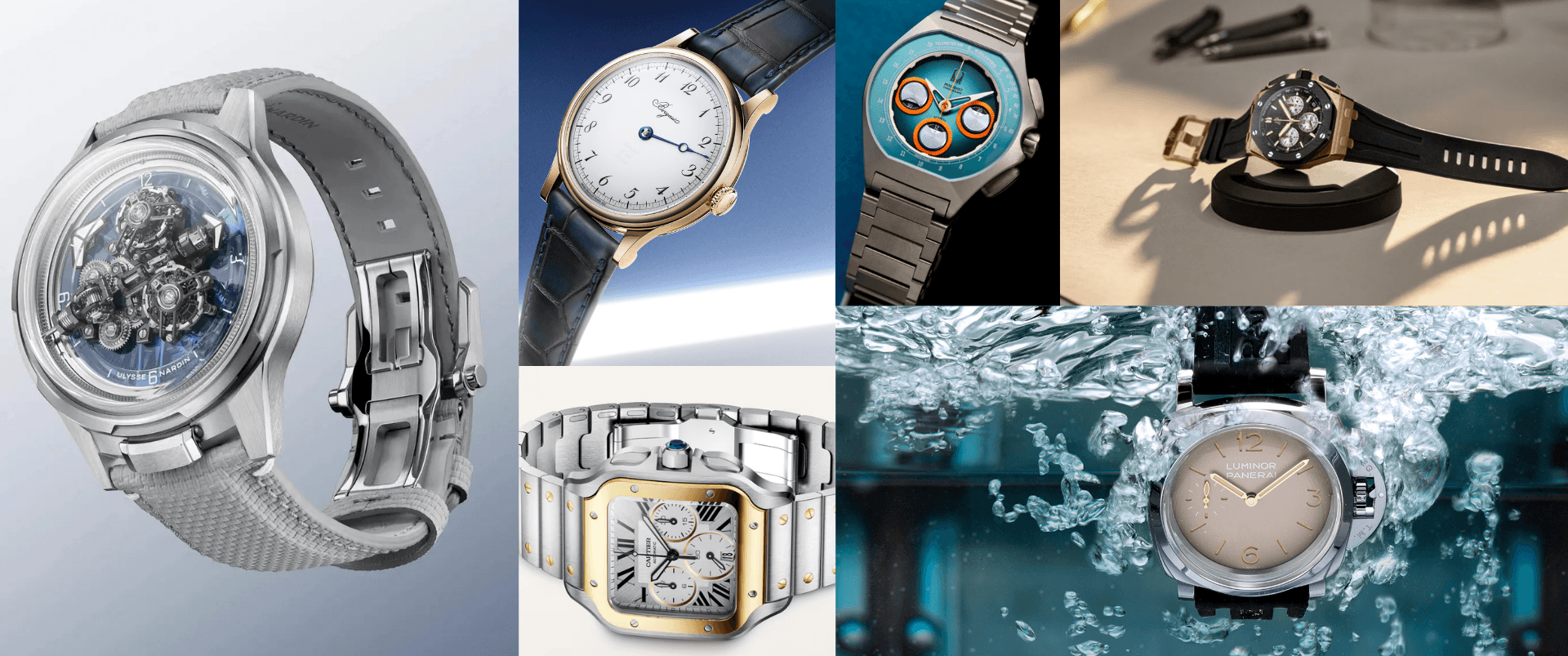
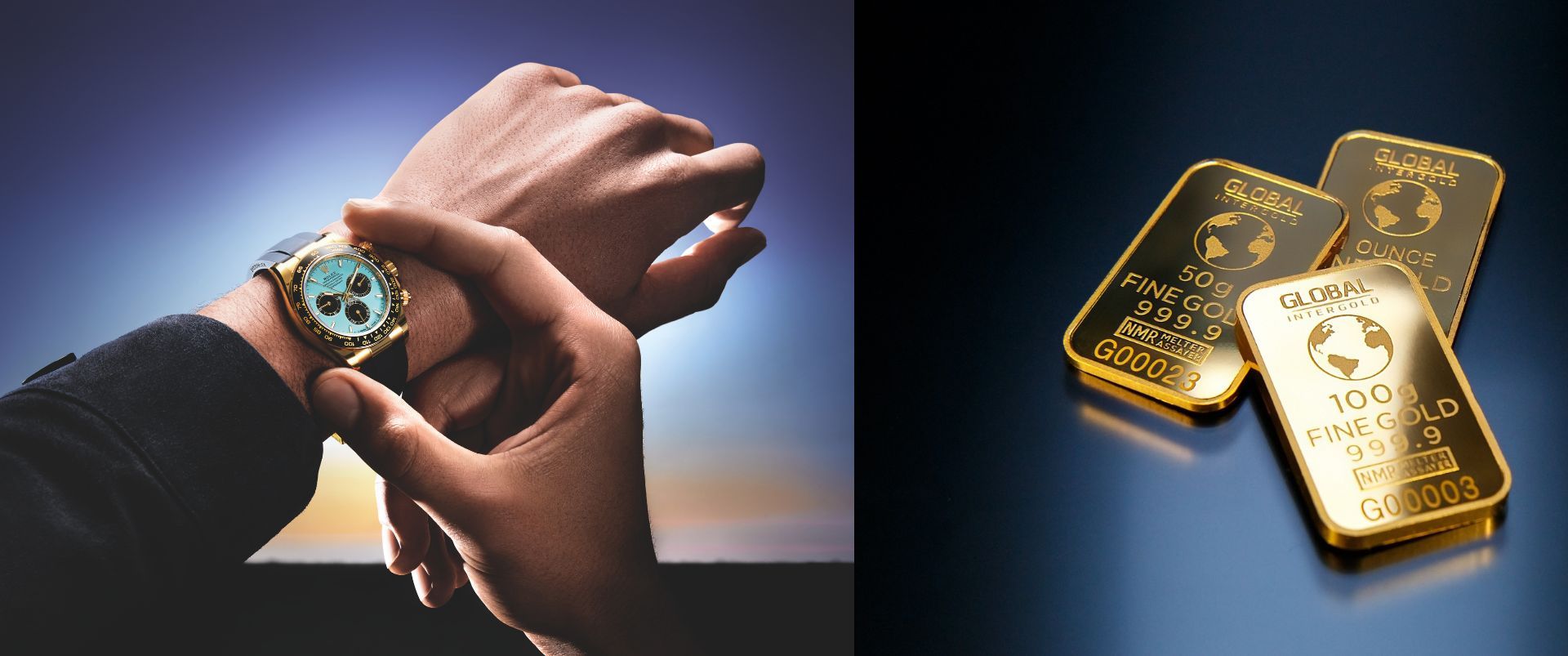
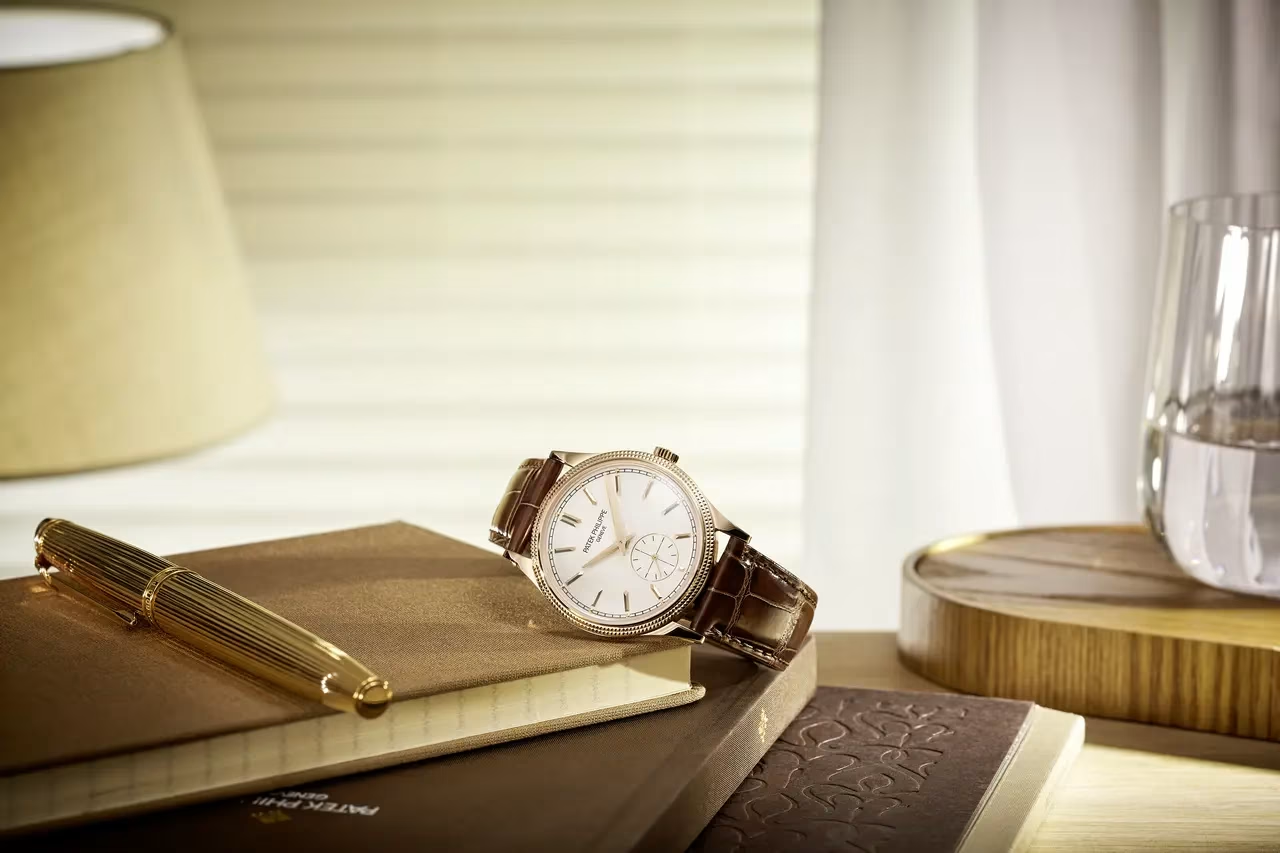
This is the single most important reason watches are winning the preference battle right now. CVD technology can replicate a diamond's physical structure. No technology exists that can replicate a Rolex Daytona's genuine scarcity - the limited production, the authorised dealer queue, the secondary market premium that reflects real global demand. That scarcity is mechanical, not marketing. When you buy a sought-after Rolex, Patek Philippe, or Audemars Piguet, you're not just buying a watch. You're buying something that money - sometimes a significant amount of it - still can't guarantee. There's a waitlist. There's a dealer relationship. There's a queue. In luxury, being the thing that simply cannot be purchased is the most powerful position of all.
Every Year the Rupee Weakens, Every Swiss Watch Gets Harder to Ignore
Here's the maths nobody as a watch retailer will put on a poster, but every serious collector already knows. One Swiss Franc costs approximately ₹100 in 2025. In 2022, it was ₹83. That's a 20% currency-driven price increase on every Swiss watch sold in India, before accounting for the annual increases that Rolex, Patek, and Audemars Piguet implement regardless of what the rupee is doing. Now flip it. If you bought a Rolex Submariner or a Patek Calatrava in 2022 and chose to sell today, your INR exit value has been amplified by both the watch's appreciation and the currency movement. Two tailwinds. Zero planning required. It just happened, and it already has, for a number of early Indian collectors.
Where Did Your Luxury Rupee Actually Work the Hardest?
The watch secondary market, specifically steel sports references from Rolex, Patek, and Audemars Piguet, has comfortably outpaced branded jewellery resale over the same period, and made loose diamonds look like a rough quarter at the casino. Gold in INR terms has done very well, no argument there. But gold doesn't come with a story, a movement, a reference number, or the quiet knowledge that only a fixed number of them exist in the world.
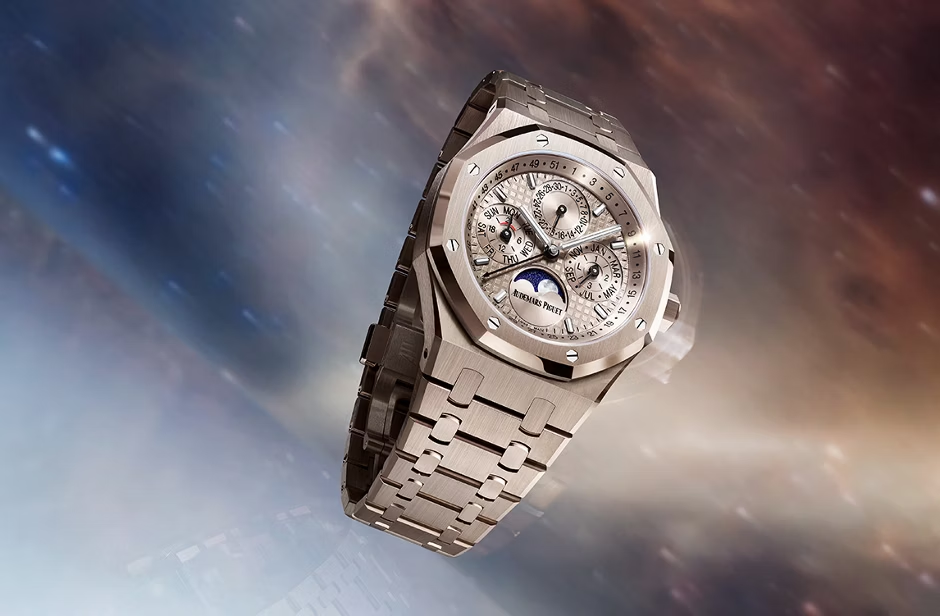
To be precise: not all watches appreciate. Most don't. The dynamic above is specific to certain references from a handful of brands. An entry-level watch bought hoping for a quick flip is just an expensive watch. That distinction matters, and anyone telling you otherwise is selling something.
Instagram, Cricketers, and the Vocabulary Problem That Solved Itself
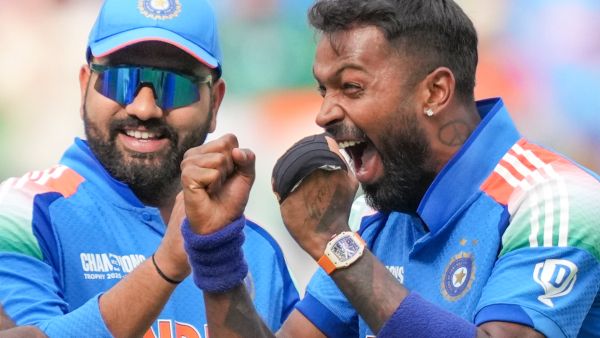
Three years ago, a Rolex on a cricketer's wrist was a blurry background detail. Today, the same image generates comment threads correctly identifying the reference, the bezel variant, and whether the bracelet is jubilee or oyster. That's not a small thing. That's a vocabulary shift. And in luxury, vocabulary is the gateway to desire. Once people know how to want something, know what to call it, know what makes one better than another the market follows. Watches are also doing something jewellery never quite managed for Indian men specifically: giving them an unambiguous, culturally accepted way to signal taste and investment sensibility without it reading as purely ornamental. A Patek Philippe on a wrist in a boardroom communicates something precise. Both gold and watches are fine choices, but the conversation around the watch has become considerably more interesting.
This Is a Preference Shift. Not a Revolution.
India isn't abandoning gold or diamonds. Weddings will still have gold. Anniversaries will still have stones. Grandmothers will still be right about buying when the rate dips. What's shifting is where new discretionary money, aspirational, "I want something that means something" money, is increasingly going. And a growing slice of that is going onto wrists. For a buyer with ₹10–50 lakh in discretionary spend for a meaningful purchase, the watch conversation is now genuinely on the table in a way it wasn't five years ago. That's the shift. Quiet, structural, and backed by data.
The hour has moved. Whether it stays there - now that's the interesting question.