Watches And Wonders 2026 Predictions: The Year Patek Philippe Cannot Ignore
 12 min read

Every year, Geneva holds its breath for roughly the same reasons. The industry gathers, the brands reveal, the press dissects. But most years carry a manageable weight. Watches & Wonders 2026 does not. For Patek Philippe, the fair arriving on April 14th in Geneva carries a combination of pressures that the manufacture has not faced simultaneously before: a jubilee anniversary for its most iconic reference, a new collection that still needs to find its audience, a catalog-wide strategic repositioning away from steel, and a second major event — the Watch Art Grand Exhibition in Milan — scheduled for October that will demand its own suite of exclusives. The aperture through which the brand can miss is narrow. What Patek Philippe shows in Geneva this spring will be read with unusual interpretive intensity, not just for what it is but for what it signals.
To understand what the Manufacture is likely to bring to Palexpo, it helps to understand what it has been quietly building toward. The patterns in Patek Philippe's recent novelty cadence, the signals embedded in Thierry Stern's public statements, the references that vanished from the website in February with a silence that felt deliberate — all of it points toward a show that will be carefully calibrated, technically serious, and almost certainly controversial in at least one respect.
1. The Nautilus at Fifty: The Question Patek Philippe Has to Answer
The Nautilus was launched in 1976 as Reference 3700, designed by Gérald Genta on what is reportedly a paper napkin in five minutes, priced higher than a gold watch despite being stainless steel, and initially ignored by a market that did not understand it. Fifty years later, it has become the most discussed luxury sports watch in the world, a secondary market phenomenon that has behaved more like a financial instrument than a consumer product, and the source of more strategic headaches for its manufacture than any complication it has ever housed.
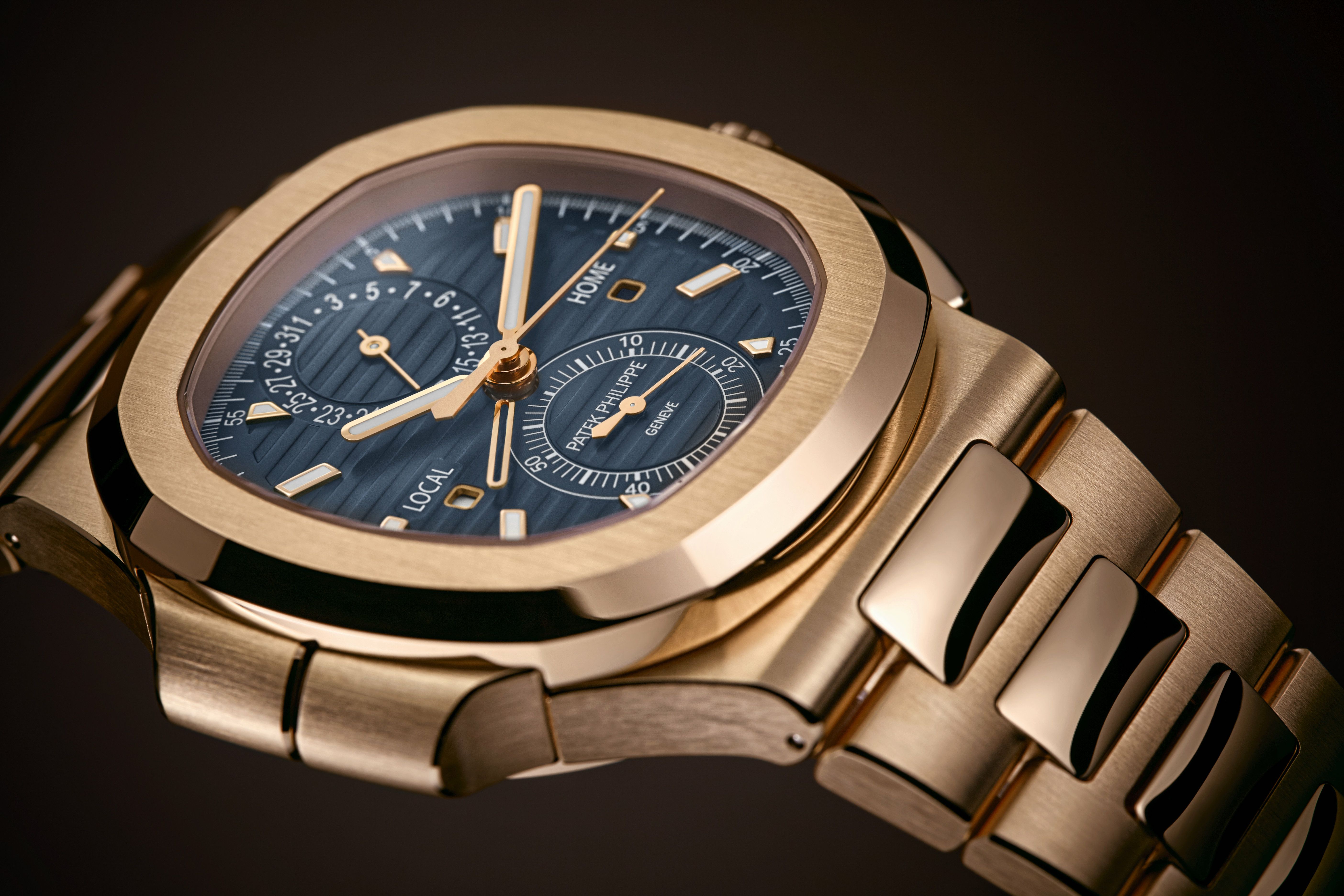
The 50th anniversary arrives at an unusual moment. The steel Nautilus reference 5711/1A was discontinued in 2021, the olive green farewell edition and the Tiffany collaboration extending a sendoff that became its own cultural event. The white gold 5811 arrived as successor and has commanded secondary market premiums approaching $170,000 against a retail of roughly $69,000. The Cubitus launched in October 2024 as the explicit new direction for Patek Philippe's sports watch ambitions. And through 2025, the brand systematically discontinued the remaining steel Nautilus complications: the 5712/1A with its moonphase and power reserve, which had been in production since 2006, exited the catalog. Two steel Nautilus annual calendars — the 5726 variants — remain, for now. Thierry Stern said in a New York Times interview: no steel 5811 would follow the 5711. "We made enough." That is not negotiation — it is a closed door.
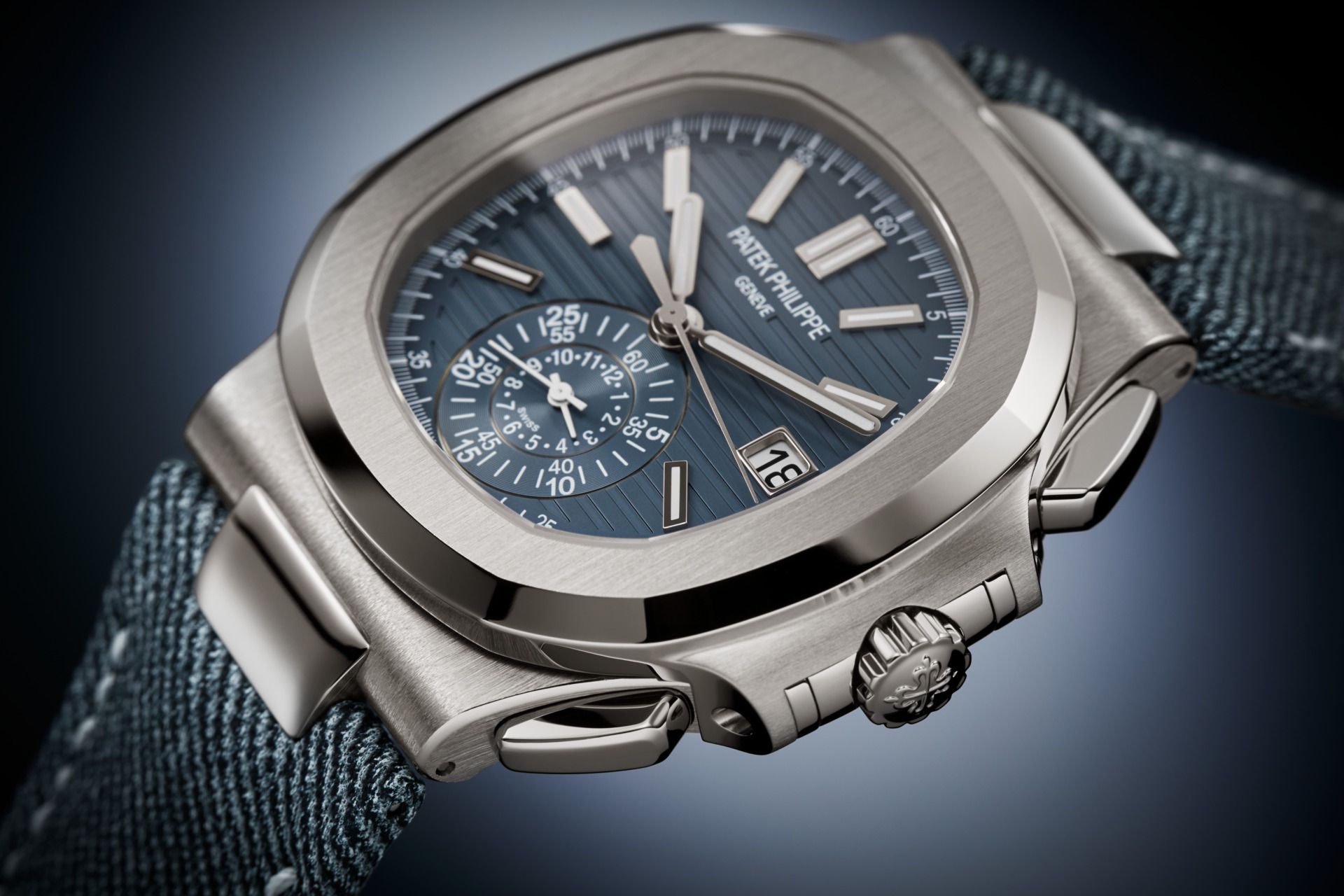
The question for April is how Patek Philippe marks five decades of its most famous watch without reopening every debate it has spent four years managing. The answer almost certainly lies in precious metal. The 40th anniversary in 2016 produced a limited platinum 5711 — technically the same reference, different material, comfortably expensive, impossible to flip on the scale of the steel version. The precedent suggests the 50th anniversary will follow a similar logic. A platinum or white gold interpretation of the current 5811 case, perhaps with a dial color that echoes the blue-striped original Ref. 3700, with production tightly controlled and allocated through relationships rather than waitlists, would serve the brand's positioning while giving the anniversary its due weight. A more ambitious possibility — one that the collecting community has been discussing with the particular fervor reserved for things that seem plausible but deniable — is a Nautilus 50th anniversary piece that incorporates a grand complication for the first time in the reference family's history. A perpetual calendar, most likely, housed in the 5811 case at a price point that definitively removes it from the secondary market speculation that made the steel 5711 such a problem. This would represent a meaningful departure: not the dress-watch perpetual calendars Patek Philippe has produced through the Calatrava and the Golden Ellipse, but a sports-inflected perpetual inside a case designed, at its core, for wearability. Given that 2025 marked a century since the manufacture produced its first perpetual calendar wristwatch — a milestone Patek Philippe underlined by releasing four new perpetual calendar references across multiple collections — the alignment of anniversaries is not subtle.
What seems extremely unlikely, despite sustained collector optimism, is a steel return. Stern has been unambiguous. The 5811 in white gold was a deliberate step up the value ladder, not a placeholder. The Cubitus exists in steel precisely to occupy the space that the steel 5711 vacated — to satisfy demand for a Patek Philippe in steel without recreating the conditions that made the 5711 unmanageable. Bringing back a steel simple Nautilus now would effectively concede that the Cubitus strategy failed and invite an entirely new cycle of gray market volatility. That is not a decision Stern will make in a jubilee year.
2. The Cubitus Question: Year Two
The Cubitus launched to a mixed reception that Patek Philippe likely anticipated but underestimated. The collecting community was divided along predictable lines. Those who found the rounded rectangular case too close to the Nautilus's DNA — too much like a design department that had simply redrafted Genta's porthole and softened the corners — were vocal. Those who appreciated the geometric audacity of a 45mm integrated bracelet watch from a manufacture that had spent decades producing conservative rectangles were marginally less so. The initial references, priced at $65,000 in steel, sold through authorized channels without the secondary market eruption that would have indicated either runaway demand or orchestrated scarcity.
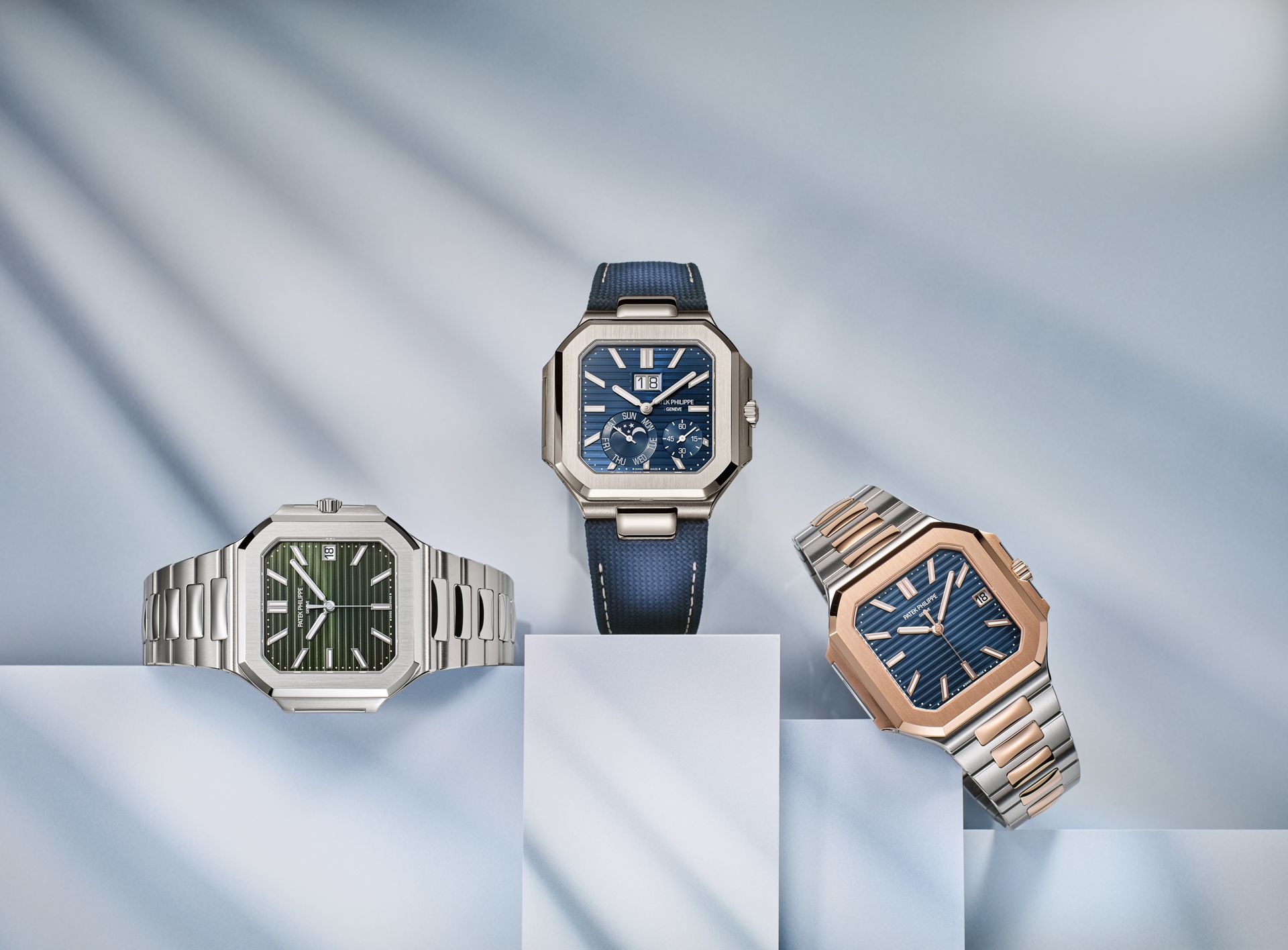
At Watches & Wonders 2025, Patek Philippe moved quickly to address the most obvious criticism: size. The 40mm Cubitus references 7128 in white gold and rose gold arrived alongside the original 45mm, acknowledging that a portion of the target audience found the flagship unwearable. The smaller versions were received as a course correction — necessary, but not transformative. For 2026, the Cubitus needs something different. It needs a complication. The original references were time-only: hour, minute, date. A collection that aspires to sit alongside the Nautilus in terms of prestige cannot remain at that level of mechanical simplicity. The most logical next step is an annual calendar Cubitus — a complication that Patek Philippe has deployed across the Nautilus, the Calatrava, and the Golden Ellipse with consistent success, priced accessibly enough to attract the buyer who wants mechanical depth without the stratospheric cost of a perpetual. A Cubitus annual calendar in steel at around $80,000 to $90,000 retail would put the collection on firmer ground and give its skeptics a horological reason to reconsider.
A Cubitus with no complication is a proposition. A Cubitus with an annual calendar is a collection. There is also a strong case for a Cubitus moon phase — a complication that photographs extraordinarily well, resonates emotionally with buyers who are new to high horology, and has been part of the Nautilus family since the 5712.
3. Perpetual Calendars: The Year After the Century
In 2025, Patek Philippe made explicit that the perpetual calendar was the complication of the moment. Four new perpetual calendar references arrived at Watches & Wonders: the extraordinary 5308G Quadruple Complication, combining a minute repeater, split-seconds chronograph, and an instantaneous perpetual calendar with day/date/month apertures snapping over in 30 milliseconds; the 6159G with its unusual smoked sapphire crystal dial offering a partial view of the movement; and two new Twenty~4 perpetual calendars in rose gold, the first time the ladies' collection had received the complication. It was a year of deliberate emphasis, and it was anchored in the anniversary of the manufacture's first perpetual calendar wristwatch.
For 2026, the perpetual calendar story continues but likely shifts in register. The 5308G Quadruple Complication has set a ceiling in the grand complications space that will not be revisited so quickly. What the collection may receive instead is a perpetual calendar that goes further on the integration side: a Nautilus-family perpetual in precious metal, as discussed; possibly a perpetual in the Aquanaut, which has remained essentially a sports-casual watch with relatively modest complications despite being positioned alongside the Nautilus; or an evolution of the annual calendar format with new movement architecture.
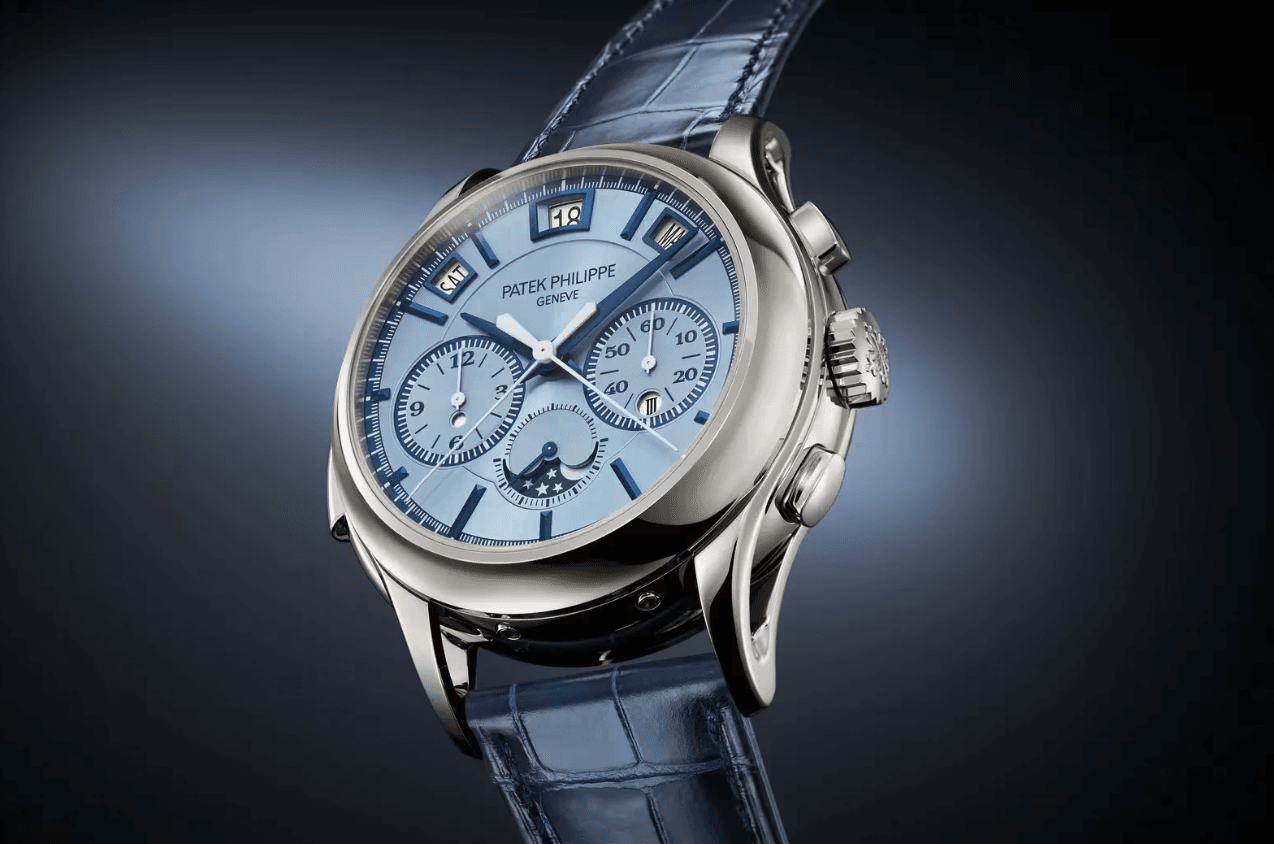
The February 2026 website incident — in which 20 Patek Philippe references briefly appeared marked as discontinued before the labeling was reversed and attributed to a glitch — provided an inadvertent map of likely catalog pruning. Among the references briefly flagged were the Calatrava 5396R-001 annual calendar, the world time references 5130 and 7130, and several officer-case Calatravas in the 5227 family. If any of these departures are confirmed in April, the space they vacate will likely be filled by new references that carry the same complications in updated case geometries or movement generations. Patek Philippe does not remove complications from its catalog; it rotates their housing.
4. The Calatrava: Where the Real Work Happens
Outside the sports watch debate, Patek Philippe's most consequential ongoing horological work happens in the Calatrava. The 2025 reference 5328G with its eight-day power reserve and instantaneous day-date display introduced a new movement — the manually wound 31-505 8J PS IRM CI J — that broke meaningfully from the collection's recent emphasis on slimness. An eight-day power reserve in a dress watch is a specific proposition: it addresses the genuine inconvenience of winding a manual movement daily, reframing the watch as something that can be left on a bedside table through a long journey and picked up reliably upon return. The 2025 platinum Calatrava 6196P, with its opaline rose-gilt dial and manually wound caliber 30-255 PS offering 65 hours of reserve in a 2.55mm-thick movement, represented the other pole of the collection's ambition: maximum slimness, maximum restraint. These two releases — the practical eight-day and the architecturally minimal ultra-thin — map the range within which the Calatrava can continue to develop without repeating itself.
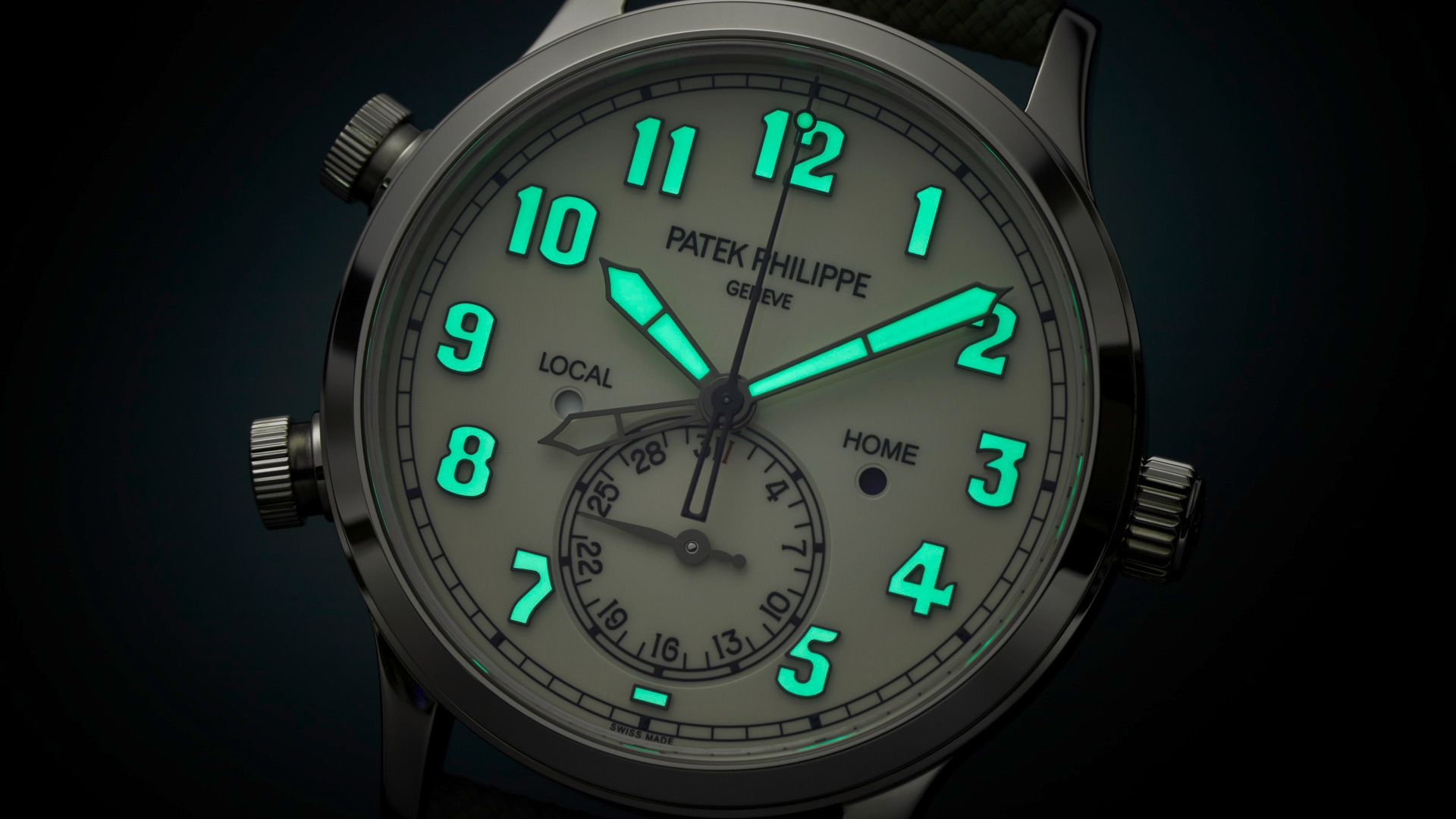
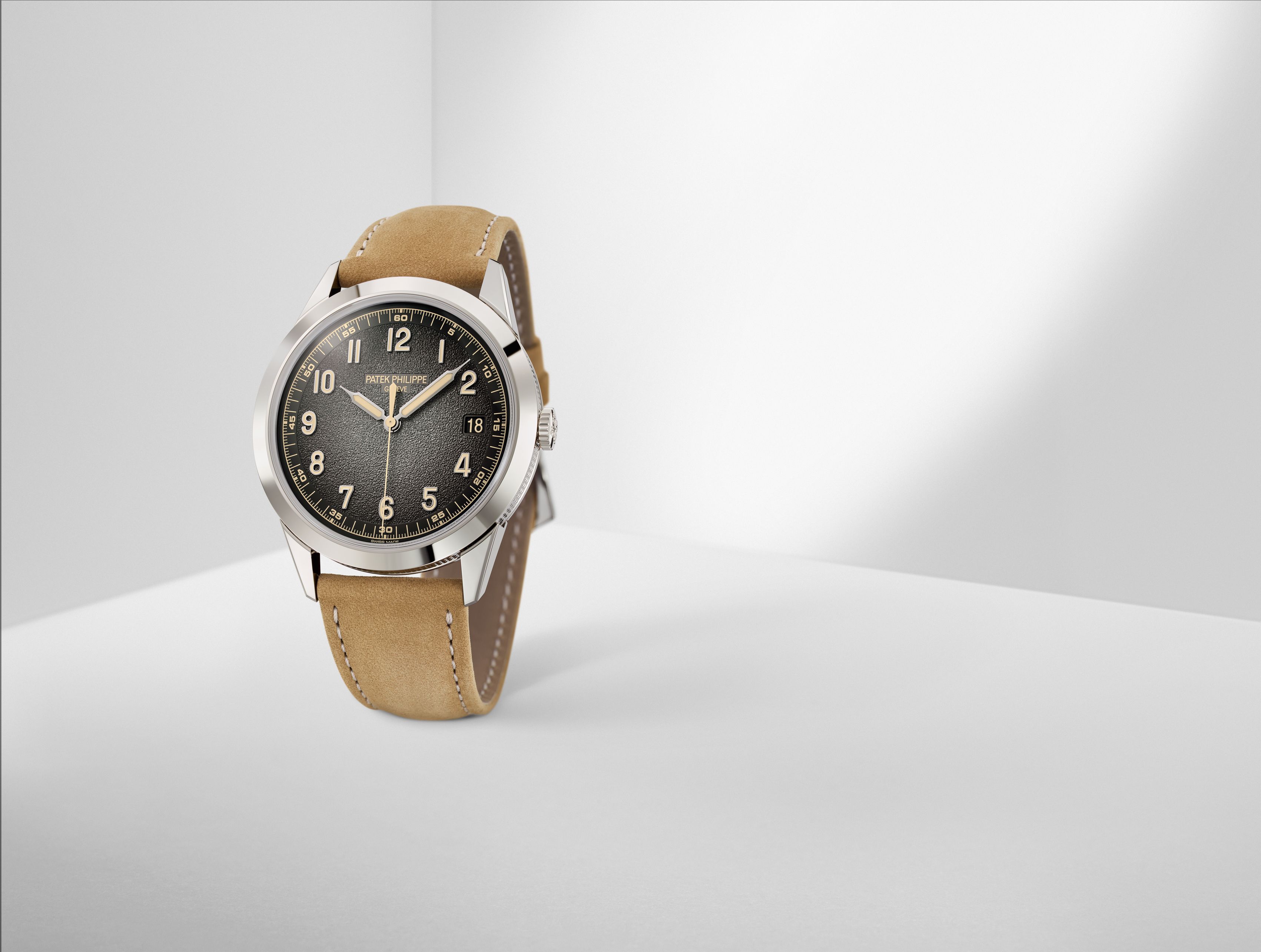
For 2026, the most anticipated potential Calatrava addition involves the Pilot Travel Time. The 5526G returned in 2025 with an ivory lacquered dial and khaki green strap — a move toward the vintage military aesthetic that the aviation watch's history supports. What the Calatrava Pilot line lacks, and what would make strategic sense as a follow-up, is either a world time complication in the Pilot case — distinguishing it from the conventional round world time watches the brand produces — or a new movement generation with improved accuracy specifications. The Pilot is Patek Philippe's most legible watch and sits at the intersection of sport and dress in a way that has expanded the brand's audience. Investing in it mechanically seems overdue.
5. Grand Complications and the Sky Moon Question
The 5308G has, in a single release, made every other grand complication conversation at Patek Philippe more complex. A minute repeater, a split-seconds chronograph, and an instantaneous perpetual calendar in one case, powered by a 799-component caliber that required two patent applications for energy management alone — this is the current summit of what Geneva can produce within the dimensions of a wristwatch. For 2026, the grand complications presence at Watches & Wonders will almost certainly be quieter.
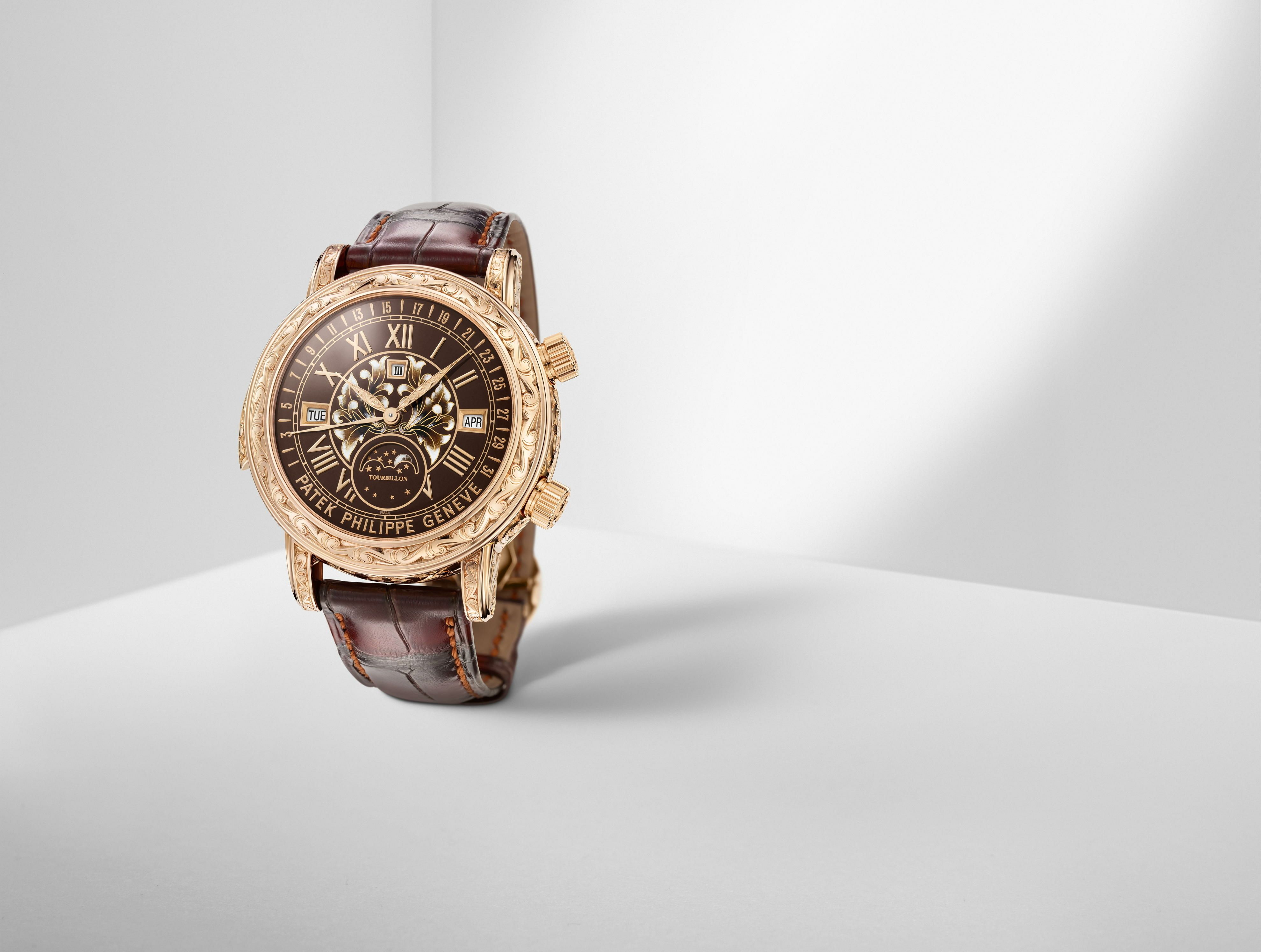
What may appear, however, is a new execution of the Sky Moon Tourbillon — Reference 6002 — in a material or configuration not previously attempted. The Sky Moon Tourbillon is Patek Philippe's most complex regular-production wristwatch, featuring a minute repeater with cathedral gongs, a tourbillon, a perpetual calendar, a sidereal time display, and a star chart on the caseback. It has previously appeared in rose gold and white gold. A platinum execution with enamel dial work — connecting the watch to the Rare Handcrafts tradition — would be a natural evolution, and one that carries the kind of price point (the existing references retail above CHF 1.5 million) that makes it essentially immune to secondary market speculation.
6. Ladies' Watches: Beyond the Twenty~4
The 2025 Twenty~4 perpetual calendar was a meaningful step, and it will likely be followed by continued development of the ladies' complications lineup in 2026. The logic is straightforward: Patek Philippe's female collectors have historically had access to a narrower range of mechanical complexity than their male counterparts, and the brand has been explicitly narrowing that gap. The Twenty~4 perpetual was the most significant statement yet that the ladies' collection would receive the same horological investment as the men's catalog. For 2026, the most plausible direction is a new material or dial iteration within the Twenty~4 perpetual — rose gold with a different dial texture, or white gold with a more elaborate gem-set bezel — rather than an entirely new complication. The collection has just received its most complex movement, and allowing it to establish itself across multiple dial variants before adding further complexity is consistent with Patek Philippe's iterative approach.
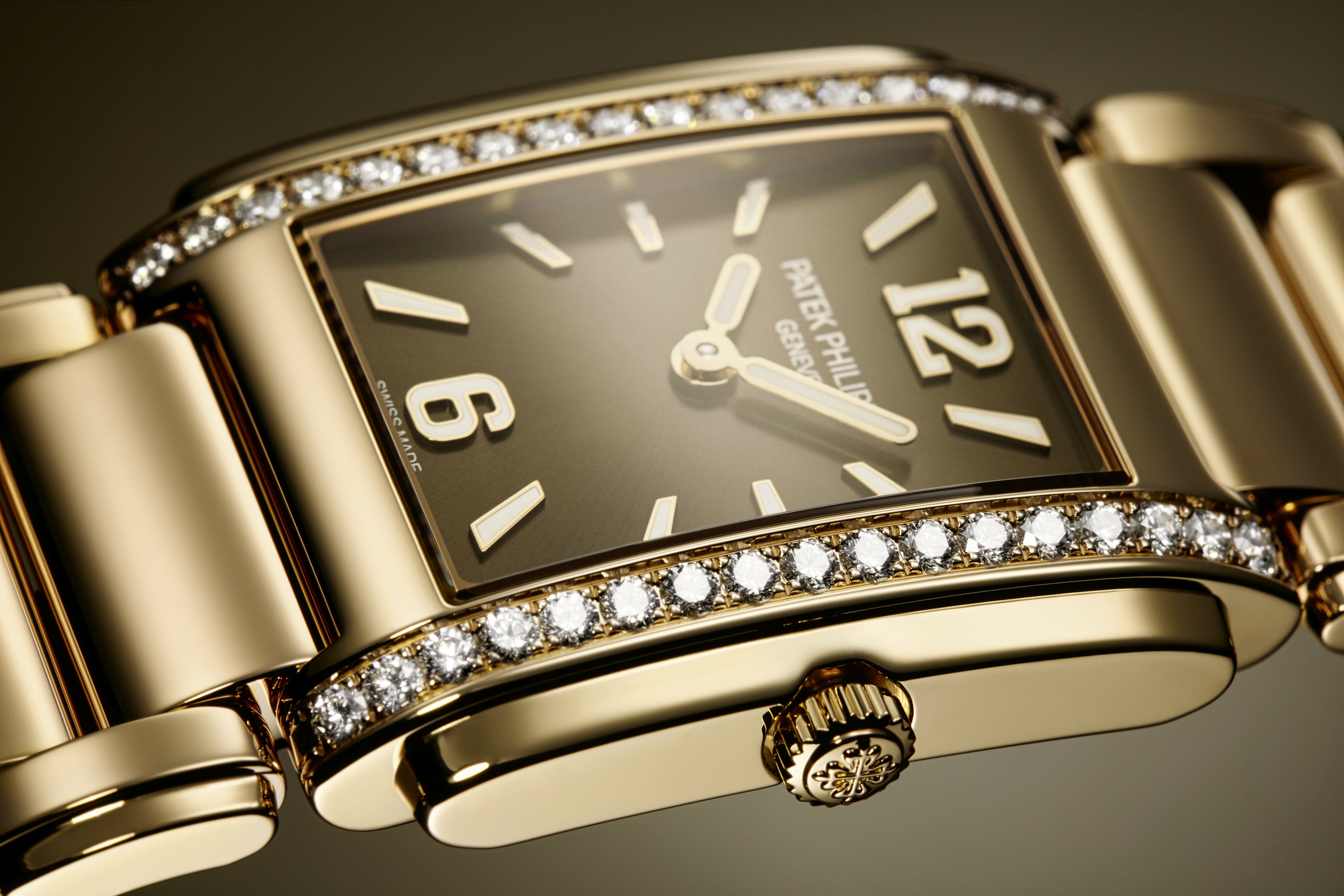
More interesting is the question of the ladies' Nautilus. The 5712/1A in steel having been discontinued, and the 5711 series of ladies' Nautiluses in steel having been progressively retired through 2024 and 2025, what remains in the women's Nautilus catalog is dominated by precious metal and gem-set references. The 50th anniversary creates a plausible occasion for a significant ladies' Nautilus release — perhaps a precious metal version of the 5711 silhouette with a new complication, or a Twenty~4 Nautilus hybrid that has been speculated about for years without materializing.
What the February Discontinuation Signal Tells Us
The episode of February 1, 2026 deserves more attention than it received as a technical incident. On that date, alongside a global pricing adjustment that reduced US prices by approximately 8% while increasing prices in several international markets, Patek Philippe's official website briefly showed 20 references as discontinued — references that were then restored to active status the following morning with no explanation beyond the implied suggestion of a system error.
Whether the event was genuinely accidental or represented a premature publication of catalog decisions that will be confirmed at Watches & Wonders is impossible to verify. What is notable is the composition of the references that appeared: several officer-case Calatravas in the 5227 family, annual calendar references in the 5396 series, world time variants including the diamond-set 7130R, and some ultra-thin references in the 7200 family. If these discontinuities are real, the catalog pruning they represent is consistent with Patek Philippe's historical pattern: retiring references that have run their commercial cycle to create space for updated successors. The 5396R annual calendar's potential retirement, in particular, would make sense if Patek Philippe plans to introduce an annual calendar in a case architecture — the Cubitus, a new Calatrava proportion — that carries the complication into a more contemporary design language. Brands do not retire complications; they migrate them.
What makes this year genuinely interesting is the doubling of occasions. April at Watches & Wonders is not the only event on the calendar. October in Milan is a separate opportunity, historically used by Patek Philippe for its most ambitious limited editions. The two events together mean that 2026 is, effectively, a two-act year for the manufacture, with the fair in April addressing the trade and press, and the exhibition in October speaking directly to collectors in one of Europe's most important horological markets. Between those two moments, in the quiet months of the Genevan summer, the market will form its opinion. The Cubitus will either find its footing or continue to be debated. The Nautilus anniversary piece will trade at a premium or accumulate in boutique inventory, depending on decisions that will not be fully understood until the reference is discontinued. And Patek Philippe, the last independent family-owned manufacture in Geneva, will continue doing what it has done since 1839: making watches that outlast the conversations about them.


