Did You Know? Moritz Grossmann Facts That’ll Surprise You
 6 min read

When it comes to the pinnacle of German fine watchmaking, few names naturally occur to one’s thought. Nestled in the storied Saxon valley of Glashütte where watchmaking of a distinct and industry-defining level is practiced, a Manufacture has quietly and confidently emerged as a purveyor of its finest grade. This symbol of an exacting standard of artisanal-level horological ingenuity is Moritz Grossmann.
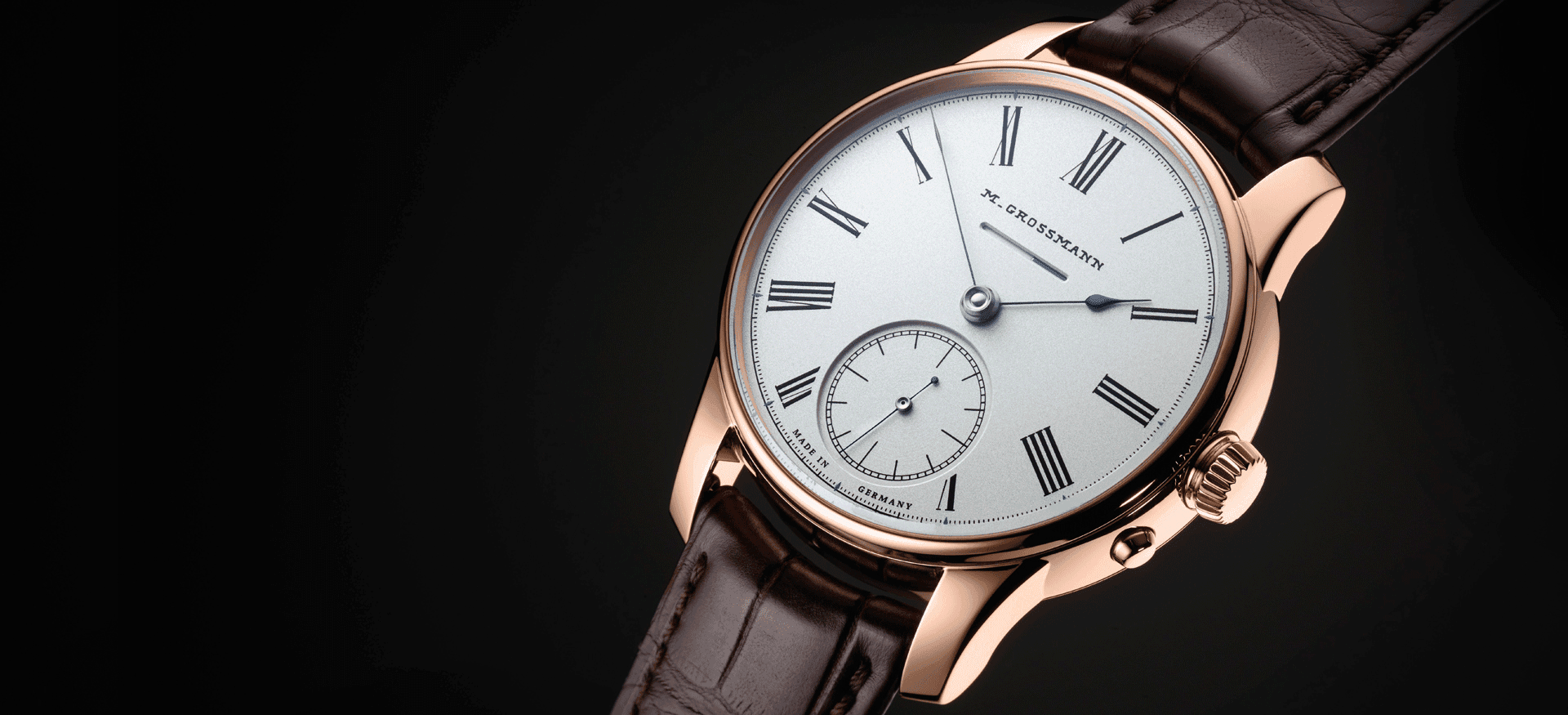
Over the past decade, this independent atelier has evolved from a modest production firm into a celebrated name among connoisseurs, winning admiration for its masterful engineering, artisanal finishing, and distinctive movement architecture. In an industry often dominated by peers functioning at a larger scale, Moritz Grossmann operates with remarkable restraint in production, focusing not on volume but on absolute refinement, and in certain facets of traditional craft - even setting the benchmark.
From Past To Present
Moritz Grossmann’s legacy traces back to its founder, Carl Moritz Grossmann (1826-1885), a visionary whose influence on Glashütte’s rise as the cradle of German watchmaking rivals that of his friend and contemporary, Ferdinand Adolph Lange (1815-1875). It was Lange himself who persuaded Grossmann to leave Dresden for Glashütte, a move that would forever change the region’s destiny.
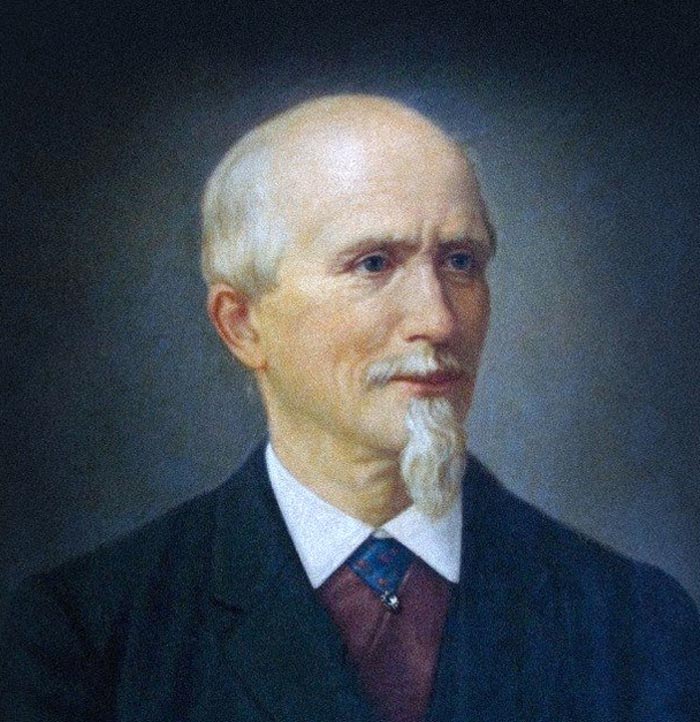
Once settled in Glashütte, Grossmann established his own workshop, producing precision tools, measuring instruments, and a select number of exceptional pocket watches and regulators. His untimely death in 1885 brought an abrupt end to the original manufactory, momentarily silencing one of Glashütte’s brightest minds.
More than a century later, thanks to the unwavering vision of Christine Hutter, a trained watchmaker and seasoned industry expert, the Grossmann name was revived in 2008. Hutter’s background, spanning notable stints at A. Lange & Söhne and several leading Swiss Maisons, provided the perfect foundation to reimagine the brand’s heritage for the modern era.

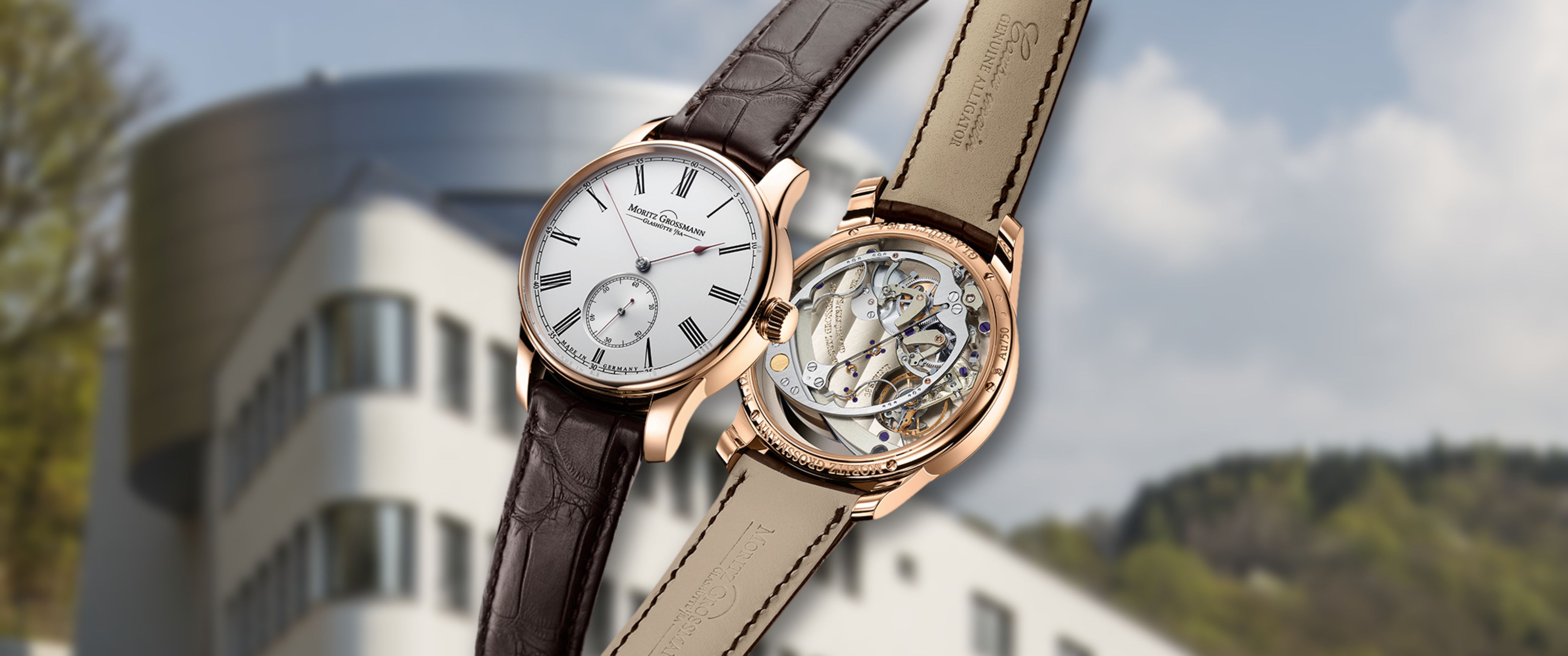
Today, the Moritz Grossmann Manufactory, perched above Glashütte in a contemporary setting that belies its deep-rooted tradition, operates with an almost monastic devotion to in-house excellence. From conceptualization to the final yield, every stage of creation pays homage to the founder’s philosophy: the seamless harmony of technical exactitude and aesthetic purity. True to its origins, Moritz Grossmann continues to represent the artistry of fine German watchmaking, and today we’re going to learn a few rare facts about its founder, the legacy, and its creations.
Carl Moritz Grossmann Significantly Contributed To The Welfare Of Glashütte
Beyond his mechanical pursuits, Carl Moritz Grossmann was a driving force for the community. From 1866 until 1878, he served as a councilman for Glashütte. In 1876, Grossmann was elected representative of the Royal Saxon Landtag, succeeding his friend Ferdinand A. Lange. A couple of years later in 1878, he was appointed head of the committee for the construction of the Müglitz Valley railway line. He was also an award-winning author of many technical books. Symbolic of his interest to expand watchmaking knowledge, in 1878, he translated French watchmaker Claudius Saunier’s book “Textbook of Watchmaking.”
Carl Moritz Grossmann Co-Founded The German School Of Watchmaking In Glashütte
In 1878, Carl Moritz Grossmann co-founded the German School of Watchmaking in Glashütte (Deutsche Uhrmacherschule Glashütte). It was established as a result of his initiative and according to his concept. Even prior to the school’s founding, Carl Moritz Grossmann conducted courses in draughtsmanship for aspiring watchmakers.
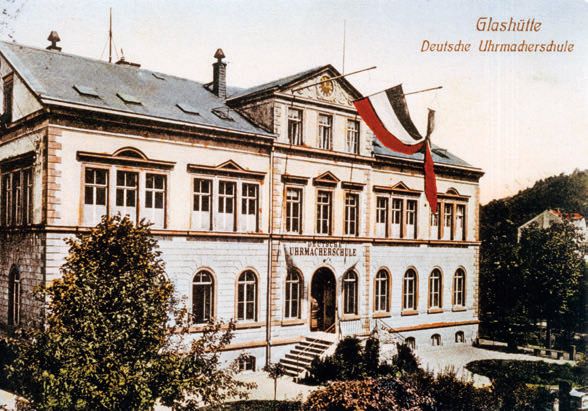
In 1877, he proposed establishing a school to train future German watchmakers and led the local committee responsible for its creation. His vision came to fruition on May 1, 1878, with the founding of the school under the Central Association of German Watchmakers. Despite his many responsibilities, Grossmann, its first Chairman of the Board of Trustees, still found time to teach mathematics and languages, shaping the educational foundation of Glashütte’s watchmaking tradition.
Christine Hutter Is The Only Woman Founder and CEO Of A German Watch Manufacturer
Christine Hutter is the only woman at the helm of a German watch manufacturer and quite possibly the only woman in horological history to create and lead an independent watchmaker brand. On 11 November 2008, Christine Hutter, Eichstätt-born watchmaker and former employee of both A. Lange & Söhne and Glashütte Original, established Grossmann Uhren GmbH in Glashütte.
The Moritz Grossmann Hamatic Features A Historic And The Rarest Winding Mechanism
In 2019, Moritz Grossmann developed its first self-winding watch. While the vast majority of mechanical watches of today rely on a central oscillating weight to provide winding power for the mechanism’s mainspring, the Hamatic system by Moritz Grossmann offers a contemporary take on an historic winding system.
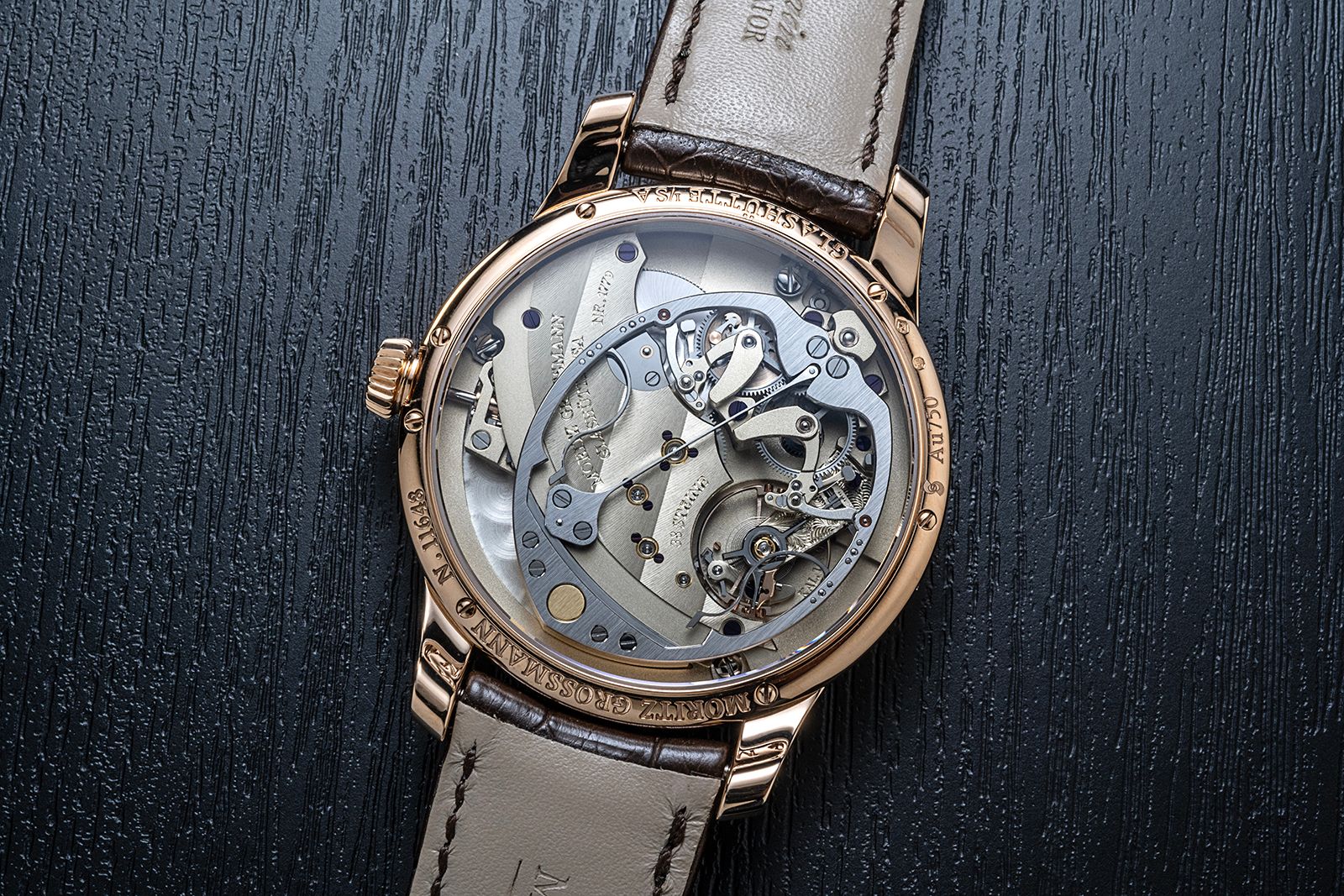
First introduced in the Moritz Grossmann Hamatic self-winding watch, this system relies on a pendulum-style hammer to convert even the smallest movement into winding power. The “hammer” of the Hamatic system is an open oval-shaped pendulum, with a small gold weight at its tip, intended to increase the system’s efficiency. The winding hammer swings through a fairly small arc and causes two pawls to act on the teeth of two winding wheels, which are geared together. The hammer in the Hamatic system can wind the watch in either direction of its swing.
Moritz Grossmann Barely Makes Any Watches
At Moritz Grossmann, a team of approximately 40 skilled watchmakers produces around 300 watches annually. Since every single watch is crafted by the hands of skilled artisans, the production numbers get restricted naturally. In many interviews, the Founder and CEO Christine Hutter has hinted at plans to increase Moritz Grossmann’s annual yield to 800 or 1000 pieces.
The brand produced a total of 350 watches in 2024 and despite its plans to increase production, upholding the highest standards of quality craftsmanship will be a perpetual objective at the Manufacture.
Carl Moritz Grossmann Was Awarded 1st Prize By The British Horological Institute In London
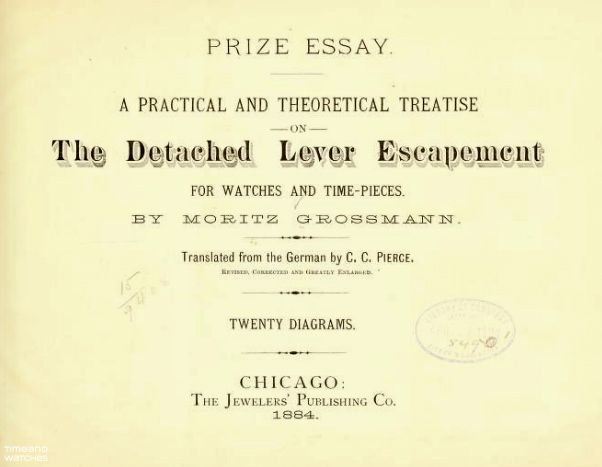
Carl Moritz Grossmann’s first publication was an essay entitled “On the detached lever escapement”. In the year 1866, he submitted the same to the British Horological Institute for a competition and was awarded the first prize, thus becoming the very first German to win such a prestigious competition.
Moritz Grossmann Has Used Two Of The Most Unusual Materials In Watchmaking
The Benu Tourbillon Tremblage by Moritz Grossmann features the use of most novel materials in movement construction. Its finely finished caliber 103.0 features components made from, wait for it - human hair, and guaiacum wood. For the movement’s stop-second function, Moritz Grossmann has used a flexible brush made of actual human hair. This ultra-fine brush gently pushes against the balance to stop it, without disturbing the tourbillon’s intricate architecture.
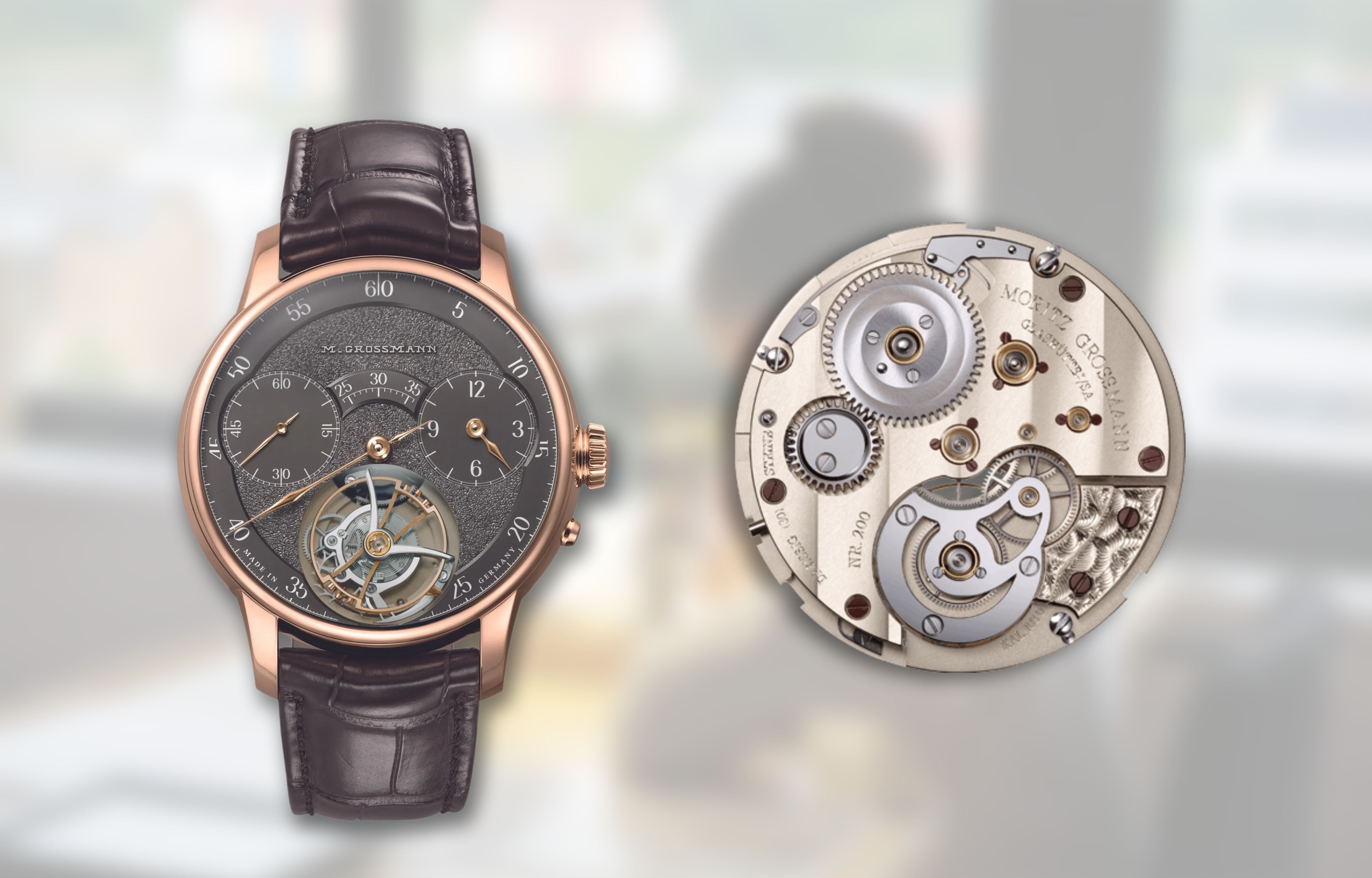
Also, the same caliber uses an oily self-lubricating hardwood known as guaiacum for the brake ring or pinion block of the fourth wheel arbor in its gear train. It’s a nod to the use of guaiacum by British carpenter and clockmaker John Harrison in the 1700s.
Defining The Principles Of Pure Artisanship
At Moritz Grossmann, every single step taken in the realization of its products combines classic watchmaking values with contemporary haute horlogerie standards. In its existence, the brand represents the pinnacle of German watchmaking heritage and craftsmanship.
Watch enthusiasts in India can explore Moritz Grossmann’s fine artisanal splendor at the India Watch Weekend 2026.


