The India Watch Roundup 2025: Most Spotted Timepieces On Indian Wrists
 11 min read

The year 2025 marks an inflection point for India's luxury watch landscape. As we close out what might be remembered as the year India truly arrived, the fundamental shift is impossible to ignore. This isn't merely about increased spending power, though India's projected $200 billion luxury market by 2030 certainly provides the economic substrate. We're witnessing a sophisticated evolution in horological literacy, a sharpening of mechanical appreciation that's reshaping both what Indians buy and how the global watch industry perceives the subcontinent.
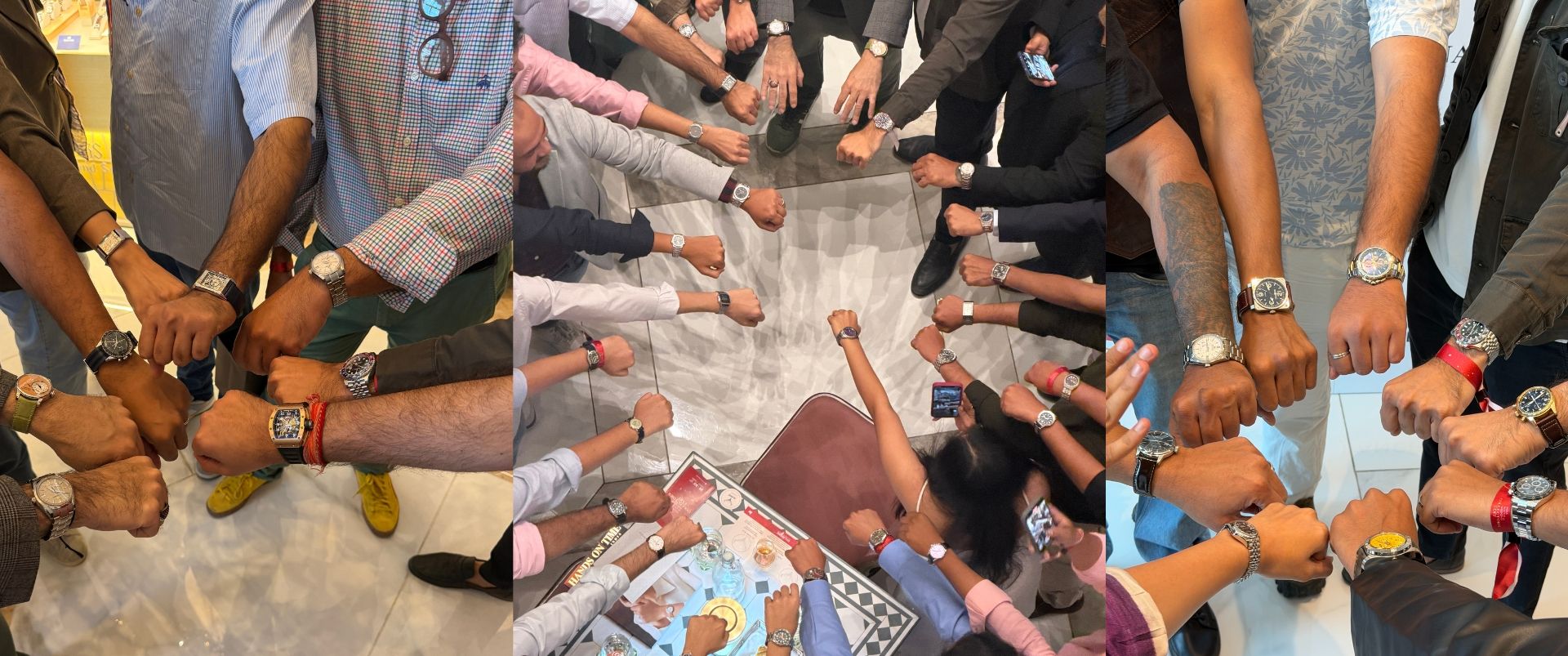
Walk through Mumbai's Colaba, Delhi's Khan Market, or Bangalore's tech corridors, and the wrists tell a story: from Reverso monofaces to F.P. Journe complications, from GMT Masters to White Birch dials. These aren't random acquisitions. They represent a market that has matured from brand recognition to movement appreciation, from status signaling to genuine mechanical understanding.
The Infrastructure Behind the Appetite
Before examining the watches themselves, consider the tectonic shifts in India's retail infrastructure. TimeVallée's opening at Art Of Time in Mumbai, Jio World Plaza's constellation of manufacture flagships including Jaeger LeCoultre, IWC, Cartier, and Panerai, plus Rolex's February boutique debut at DLF Emporio in New Delhi signal something profound. These aren't just selling spaces. They're educational platforms where the gulf between admiring a complication and understanding its mechanical poetry narrows with each consultation. The numbers substantiate the narrative. Deloitte's 2023 forecast positioned India among the top ten Swiss export markets within a decade. We've arrived ahead of schedule. The luxury watch segment expands at 11 to 12 percent annually, with the organized sector now accounting for 64 percent of sales according to recent analyses. But statistics only tell half the story. The other half unfolds on wrists, in boardrooms, at weekend collector meetups, and increasingly at auction previews.
The Watches: What India Wore in 2025
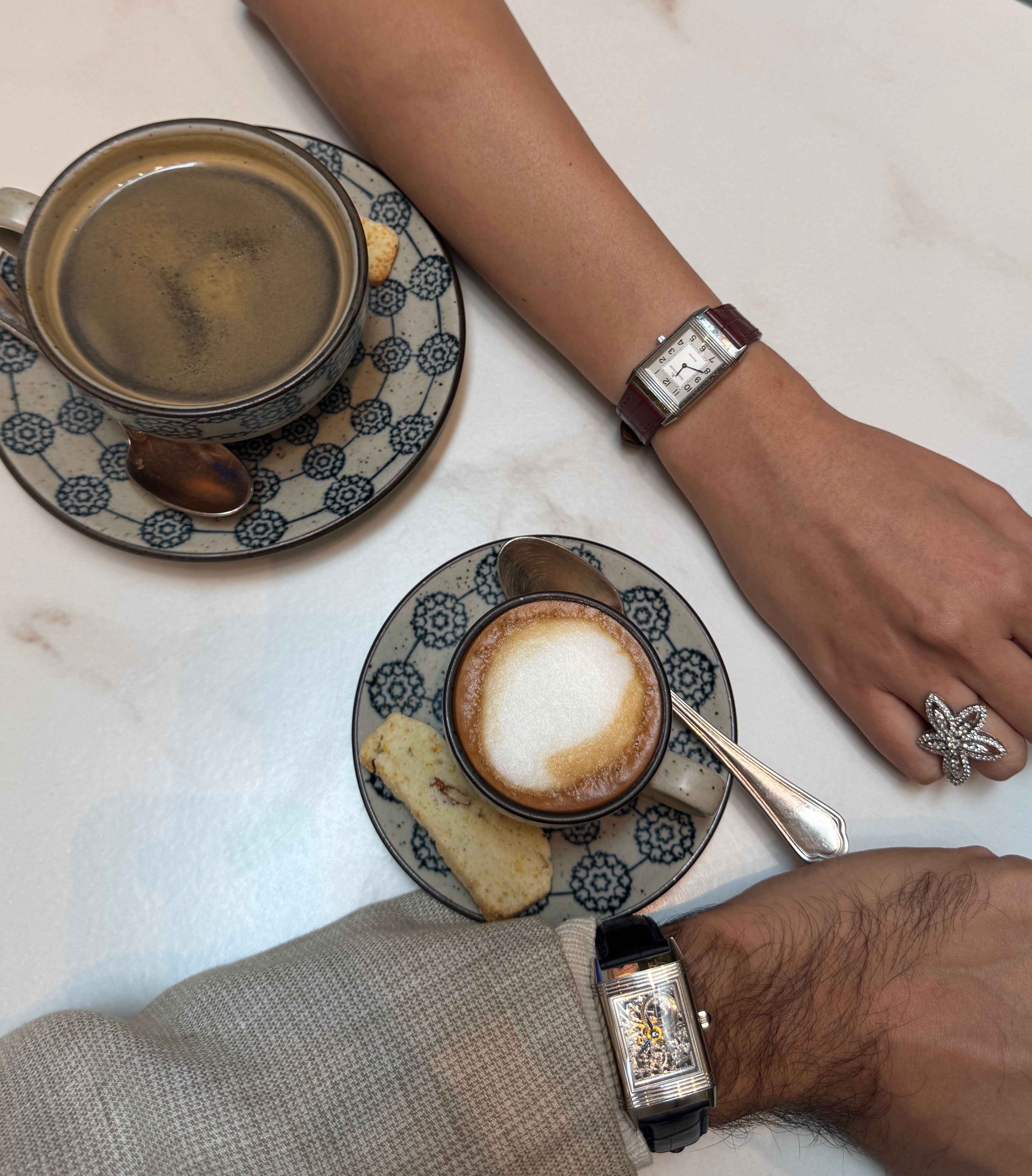
Jaeger LeCoultre Reverso Monoface: Geometry Over Volume
The Reverso Monoface has emerged as the thinking collector's dress watch. Its flippable case, deliberately mono dial in this iteration, represents a philosophical stance: complications need not broadcast themselves. The guilloché work, the subtle sector dial arrangements, the Calibre 822/2 manual wind movement beating at 28,800 vph reward proximity and recognition between those who understand. Indian collectors building nuanced collections beyond obvious grails have gravitated toward this quiet sophistication. It speaks in lowercase, which in 2025 India says volumes.

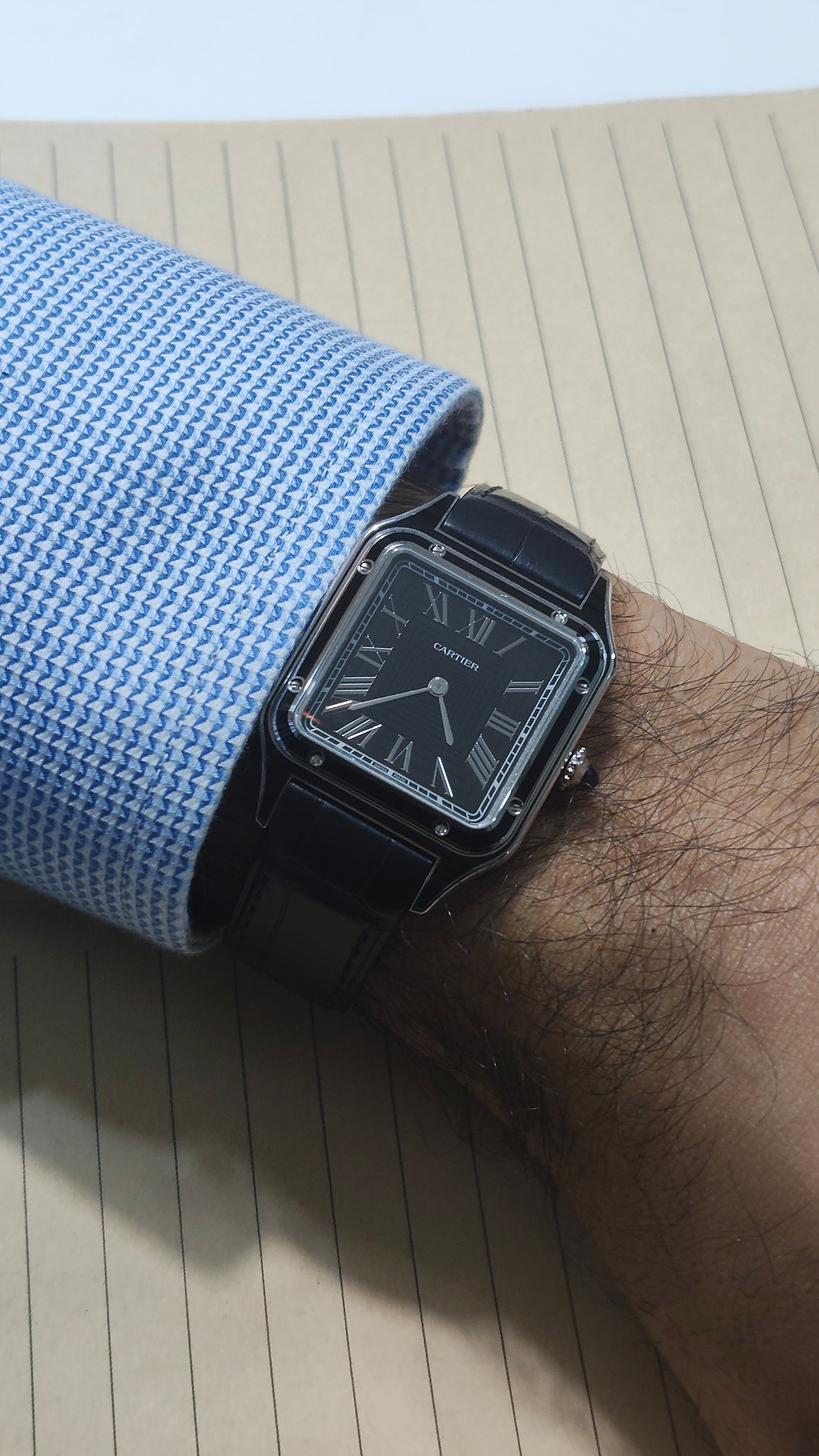
Cartier Santos: The Original Pilot Watch Reimagined
If any single timepiece encapsulates India's growing comfort with haute horology's aristocratic lineage, it's the Cartier Santos. Launched in 1904 for Brazilian aviator Alberto Santos Dumont, the Santos has found unexpected resonance among India's new generation of collectors. The exposed screws on the bezel, seamless bracelet integration, the QuickSwitch system allowing effortless strap changes aren't just design flourishes but mechanical conversations. The in house 1847 MC movement visible through the exhibition caseback offers what Indian enthusiasts increasingly demand: technical credibility wrapped in unimpeachable design language. You'll spot it on investment bankers, fashion entrepreneurs, and increasingly on the wrists of India's growing cohort of female collectors.
The Rolex Trilogy: Daytona, Submariner, and GMT Variations
The crown brand's presence on Indian wrists has evolved from status signaling to genuine appreciation. The Daytona, with its in house 4130 chronograph movement, remains the grail for most enthusiasts. But 2025 has seen a curious shift: those who've secured one speak less about exclusivity and more about the column wheel chronograph's tactile precision, the Parachrom hairspring's magnetic resistance, the Cerachrom bezel's permanence.
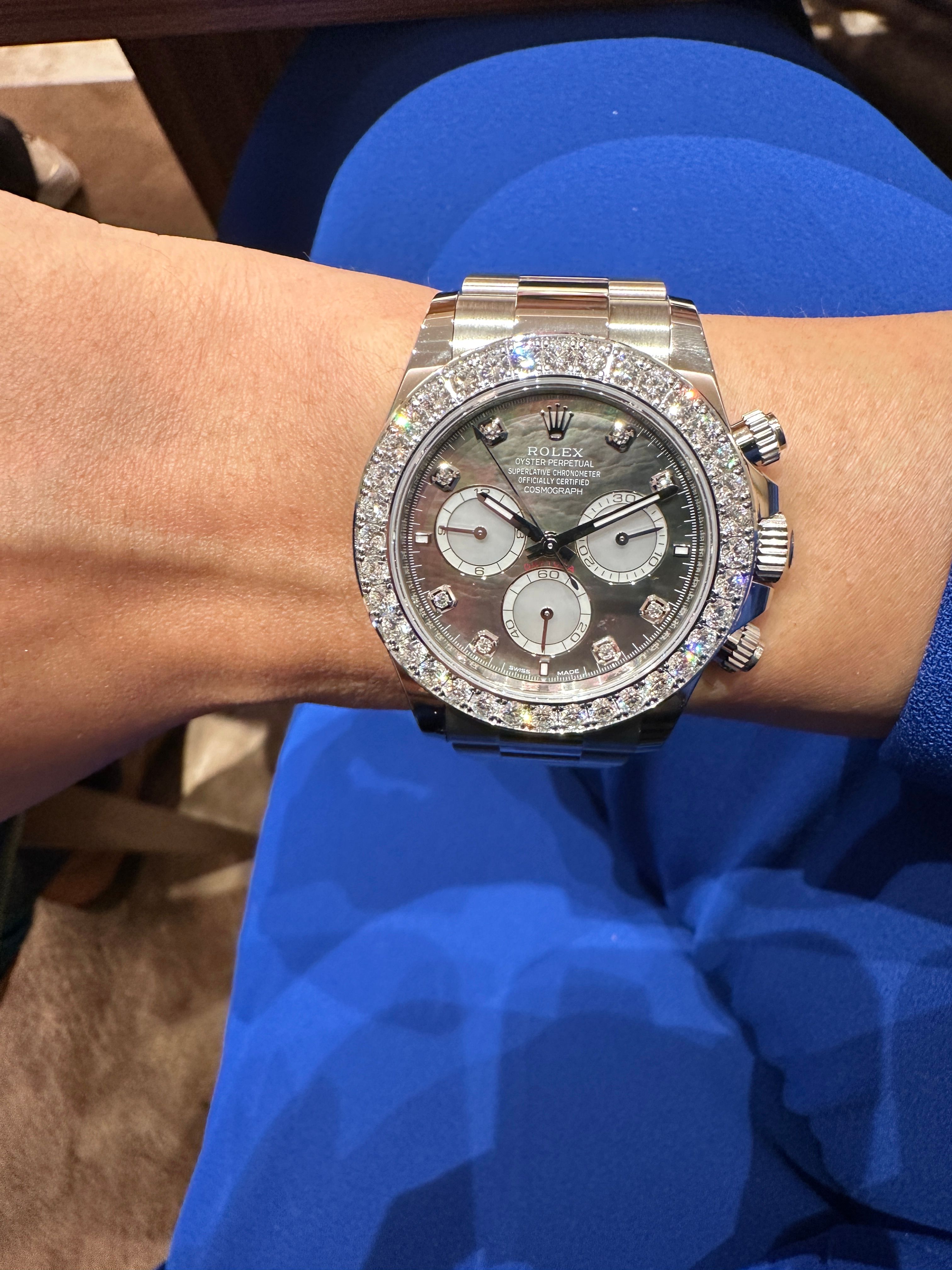
The Submariner and GMT Master II in their various colorway iterations, the Starbucks green bezel Sub, the Pepsi blue and red GMT, have transcended hype to become daily wear for those with access. Indian collectors increasingly discuss these not as trophies but as the mechanical tools they were engineered to be. The GMT Master II's independently adjustable 24 hour hand, the Submariner's 300 meter water resistance supported by the Triplock crown system: these technical specifications, once glossed over, now form the backbone of collector discourse at India's growing number of RedBar chapters.
Grand Seiko White Birch: Japanese Philosophy Meets Indian Appreciation
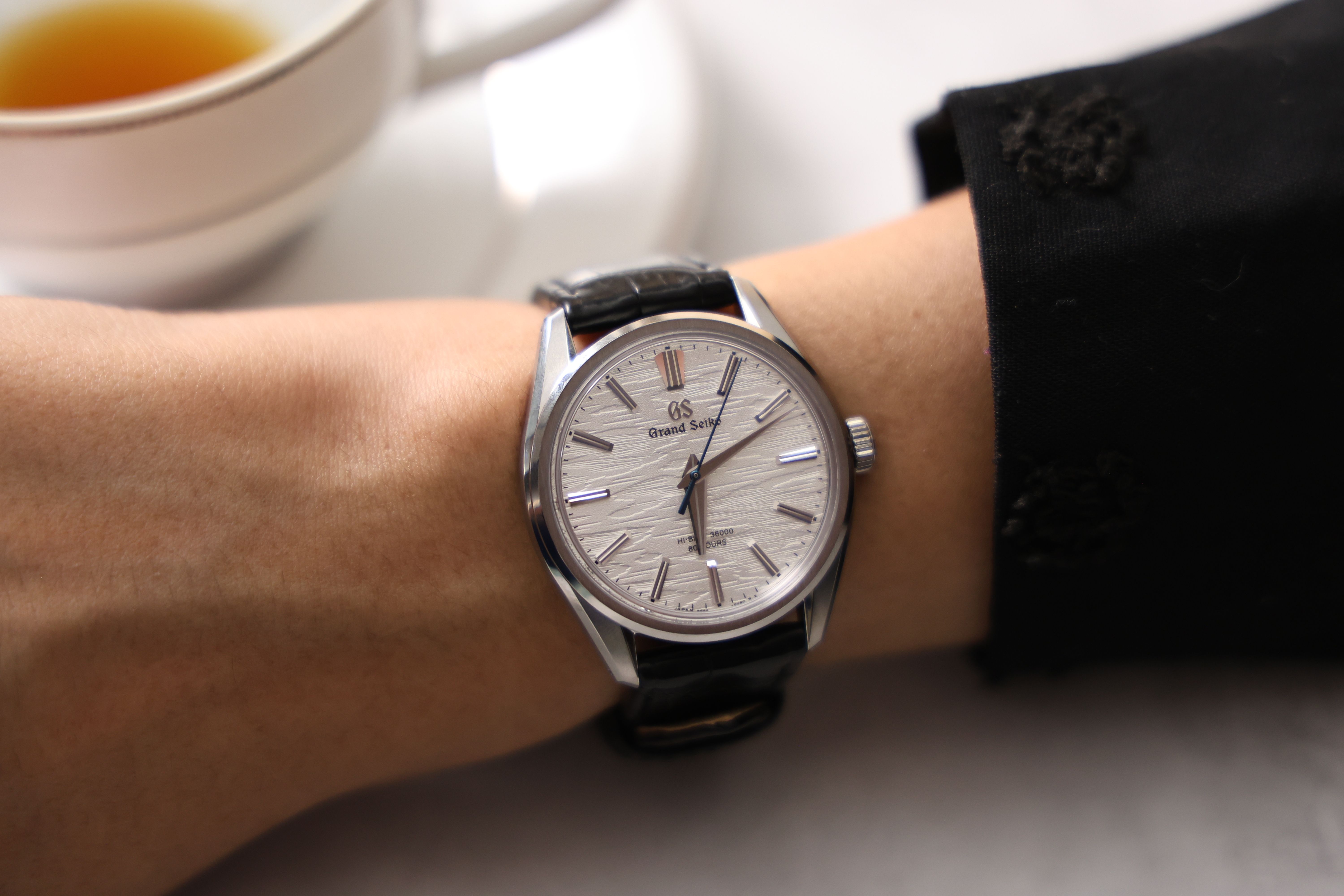
Perhaps no watch better illustrates India's maturing taste than the Grand Seiko SLGH005 White Birch. With its textured dial inspired by Japanese birch forests, powered by the Hi Beat 36000 GMT movement, this timepiece represents Indian collectors embracing watches that require contextual knowledge. The 36,000 vph beat rate isn't just a number but a philosophical commitment to precision. The dual impulse escapement, the free sprung balance with four adjustable weights, the plus five minus three seconds per day accuracy matter only to those who've moved beyond brand equity to movement architecture. The White Birch's visibility on Indian wrists speaks to a broader phenomenon: recognition that Switzerland doesn't hold a monopoly on haute horology. Grand Seiko's establishment of a dedicated Asia Pacific entity in October 2022 underscores the brand's confidence in markets like India, where technical depth trumps marketing gloss.
Audemars Piguet Royal Oak: Understanding Genta's Revolution
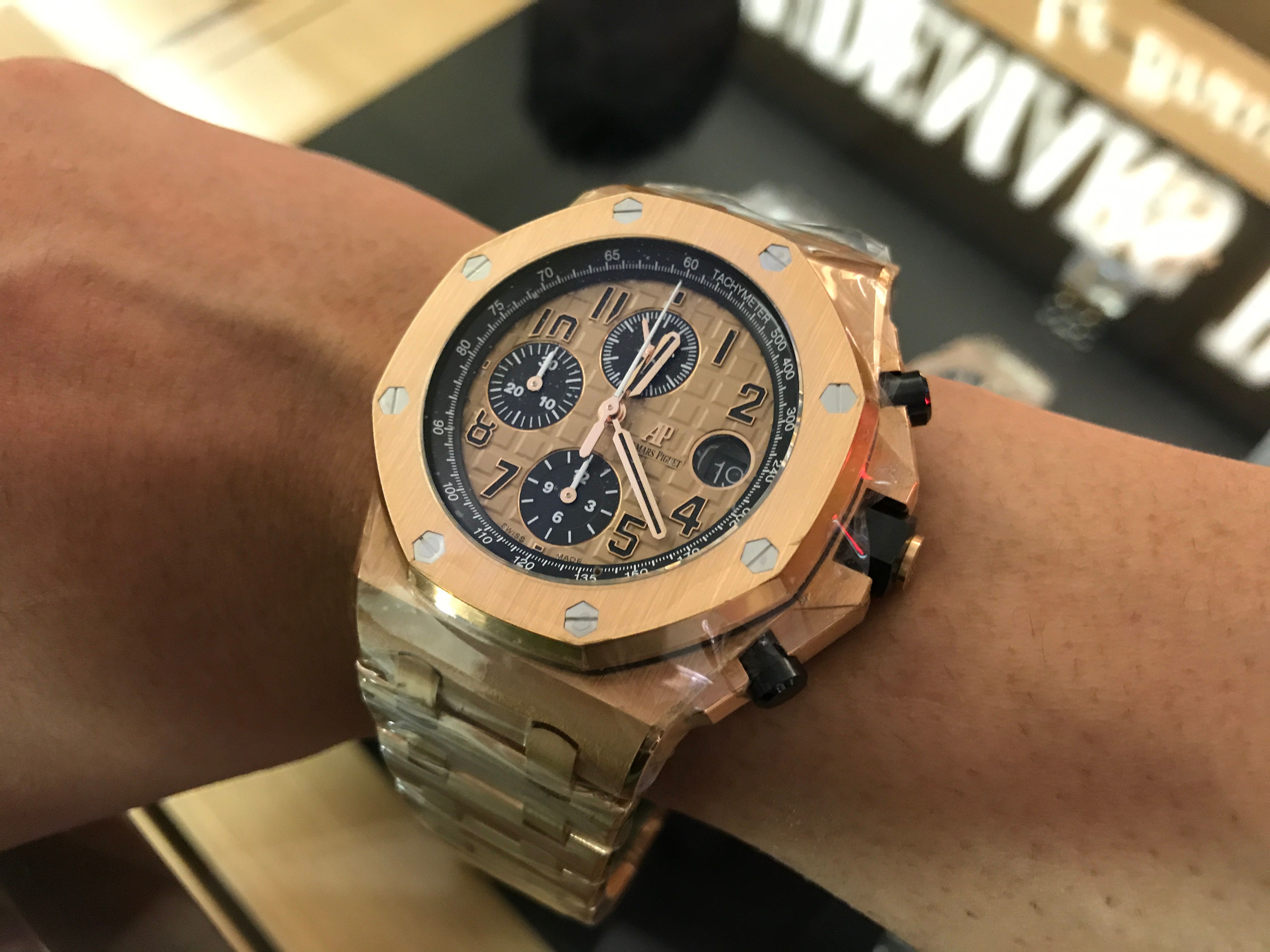
Fifty two years after Gerald Genta's revolutionary design, the Royal Oak continues its reign as the ultimate integrated sports watch. On Indian wrists, you'll predominantly spot the 41mm Jumbo in steel or two tone variants. What's striking isn't the prevalence but the depth of knowledge surrounding them. Collectors discuss the Calibre 4302, AP's contemporary take on the ultra thin automatic movement. They debate the merits of Petite Tapisserie versus Grande Tapisserie dial finishing. They understand that the original steel Royal Oak's conception was radical precisely because it applied haute horology finishing standards to a sports watch case.
Patek Philippe Nautilus: Beyond the Waitlist
If the Royal Oak represents democratic luxury, relatively speaking, the Patek Philippe Nautilus 5711 and its variants occupy a different plane entirely. In India, Nautilus ownership often marks a specific achievement tier. But 2025 has seen an interesting development: those who own them increasingly purchase secondary complications, the perpetual calendar 5740, the chronograph 5980. The Nautilus is no longer just an endpoint but a gateway into understanding Patek's technical supremacy.

Breguet Tradition and Type XX: Horological Archaeology
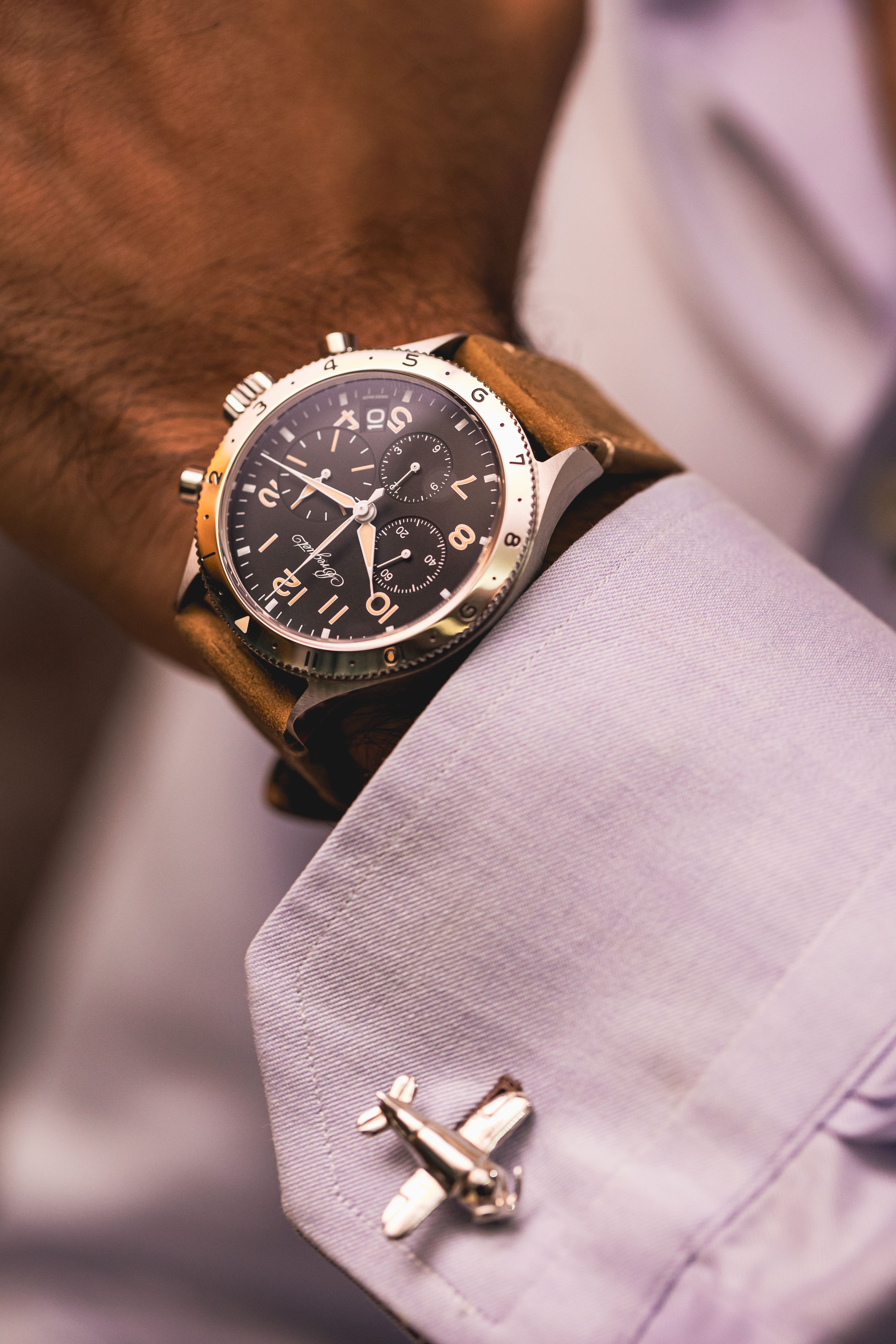
Breguet's presence on Indian wrists remains understated but significant. The Tradition series, with its deconstructed movement architecture visible from the dial side, appeals to the technically inclined. The inverted movement display, the pare chute shock protection system invented by Breguet in 1790, the engine turned dials reward historical knowledge. Similarly, the Type XX chronographs, originally developed for the French military, have found favor among those who appreciate aviation chronographs with actual military pedigree rather than marketing driven pilot's watches.

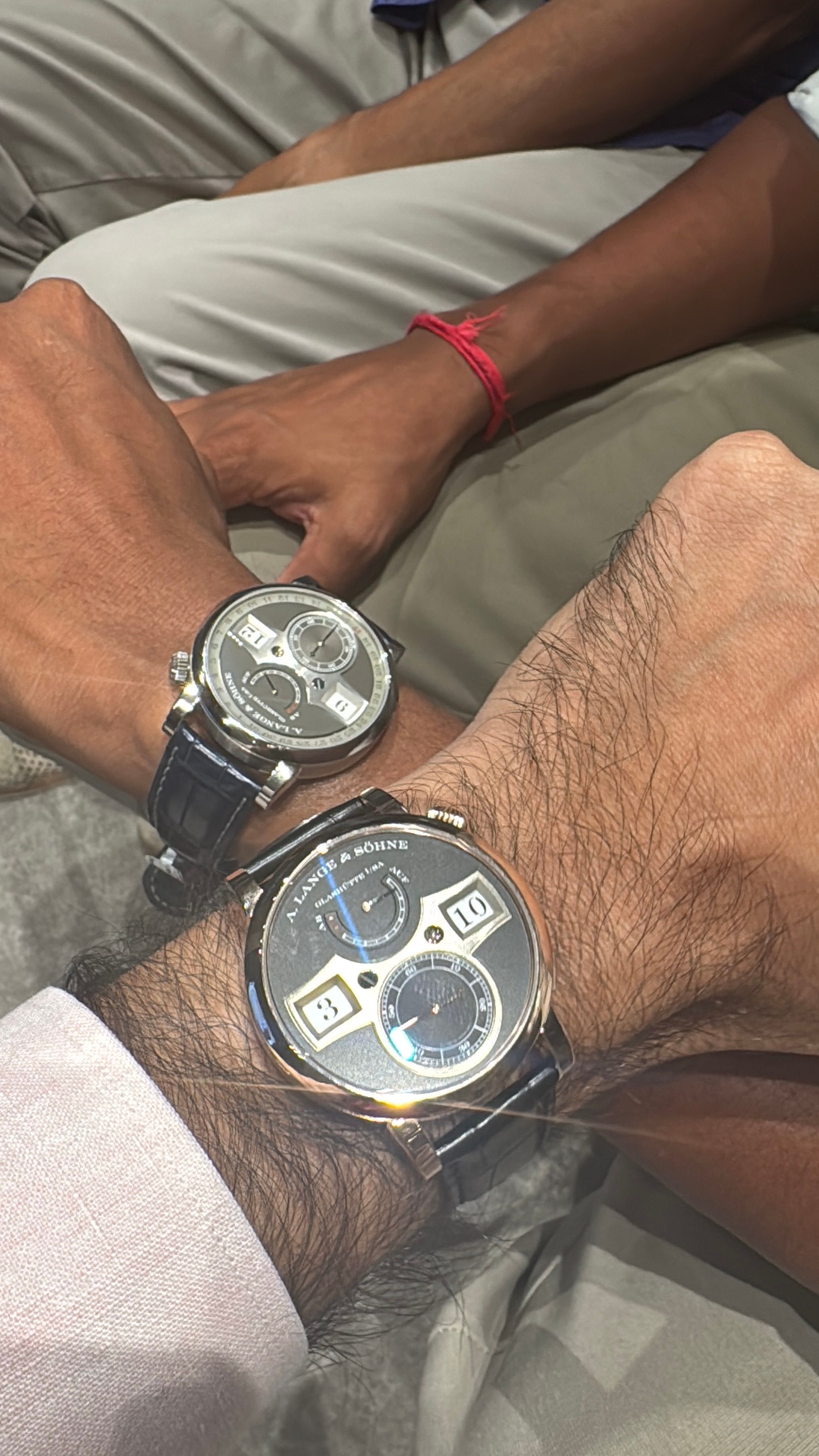
A. Lange & Söhne Zeitwerk: German Precision as Wrist Statement
The Zeitwerk's jumping digital display, powered by an intricate mechanical movement, represents haute horology's answer to quartz accuracy. In India, where German engineering enjoys particular reverence, Lange watches signify a specific collector profile: those who've moved beyond conventional displays into complications that challenge traditional timekeeping. The Zeitwerk's constant force escapement, ensuring uniform energy delivery regardless of mainspring tension, exemplifies German precision philosophy.
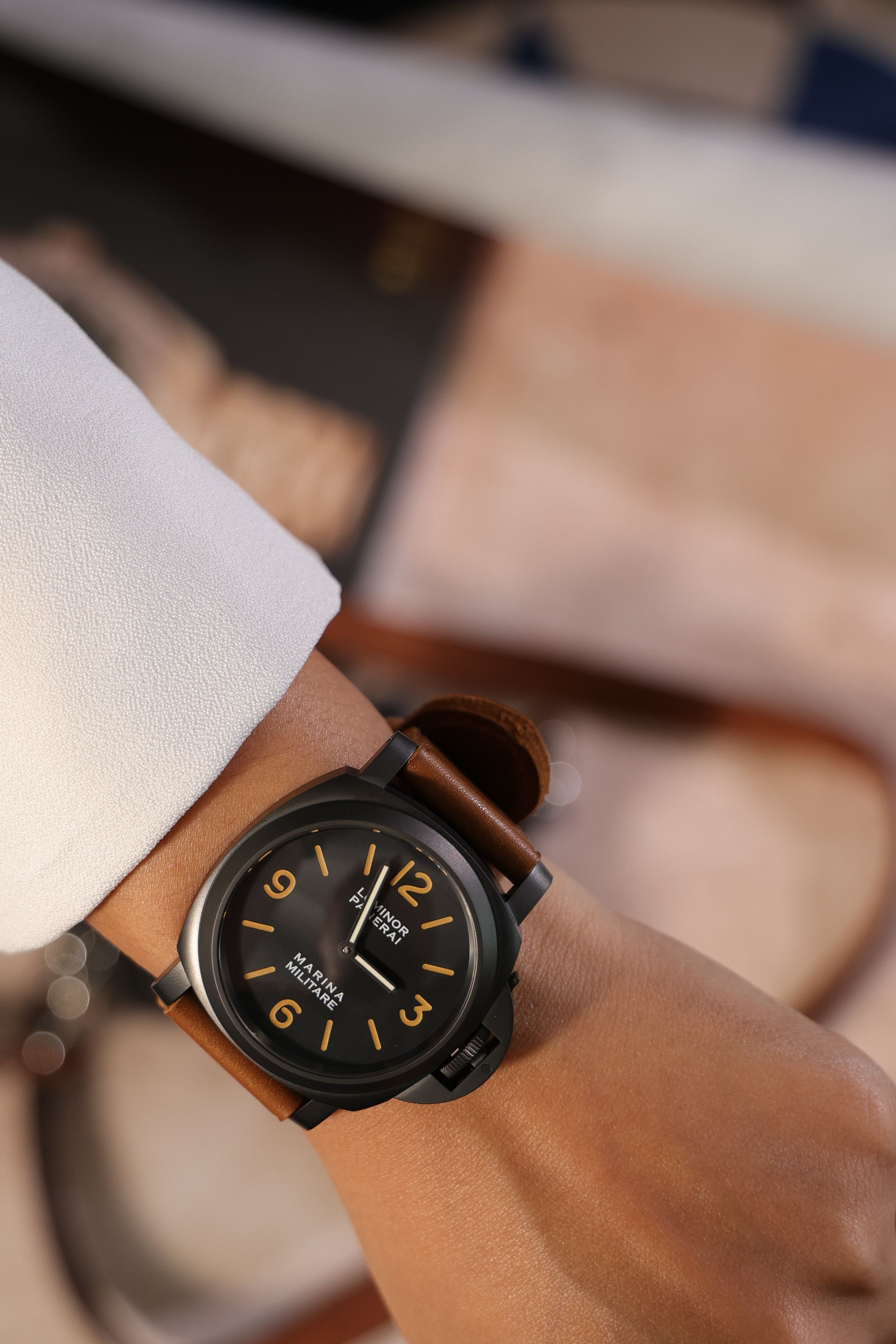
Panerai Luminor: From Fashion to Function
Panerai's presence on Indian wrists has evolved. Early adopters gravitated toward imposing case proportions and military history. By 2025, those still wearing Panerai, particularly the Luminor Marina variants, understand the brand's transition from outsourcing movements to developing in house calibers. The P.9010 automatic movement with its three day power reserve and instantly adjustable hour hand represents Panerai's maturation. Indian collectors appreciate this evolution, seeing Panerai as Tuscan watchmaking finding its technical voice.
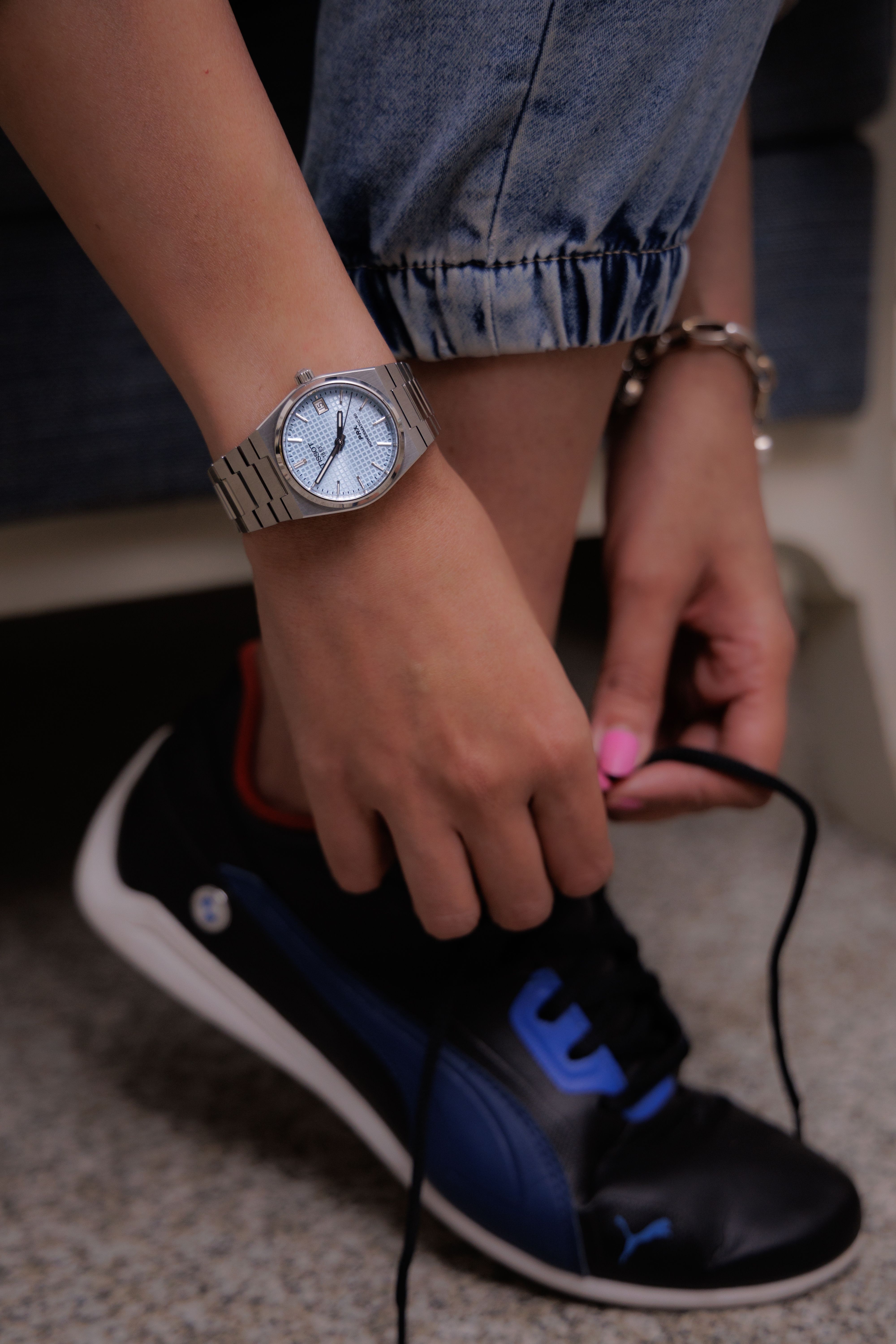
Tissot PRX: The Gateway That Performs
Not every consequential watch costs a fortune. The Tissot PRX, with its integrated bracelet design and Powermatic 80 movement offering 80 hours of power reserve, has become India's gateway to serious watch collecting. Its design language echoes the integrated sports watches costing ten times more, while its Swiss movement delivers genuine horological substance. The PRX's prominence in India's tier two and tier three cities, facilitated by digital retail expansion, represents the democratization of mechanical watch appreciation.

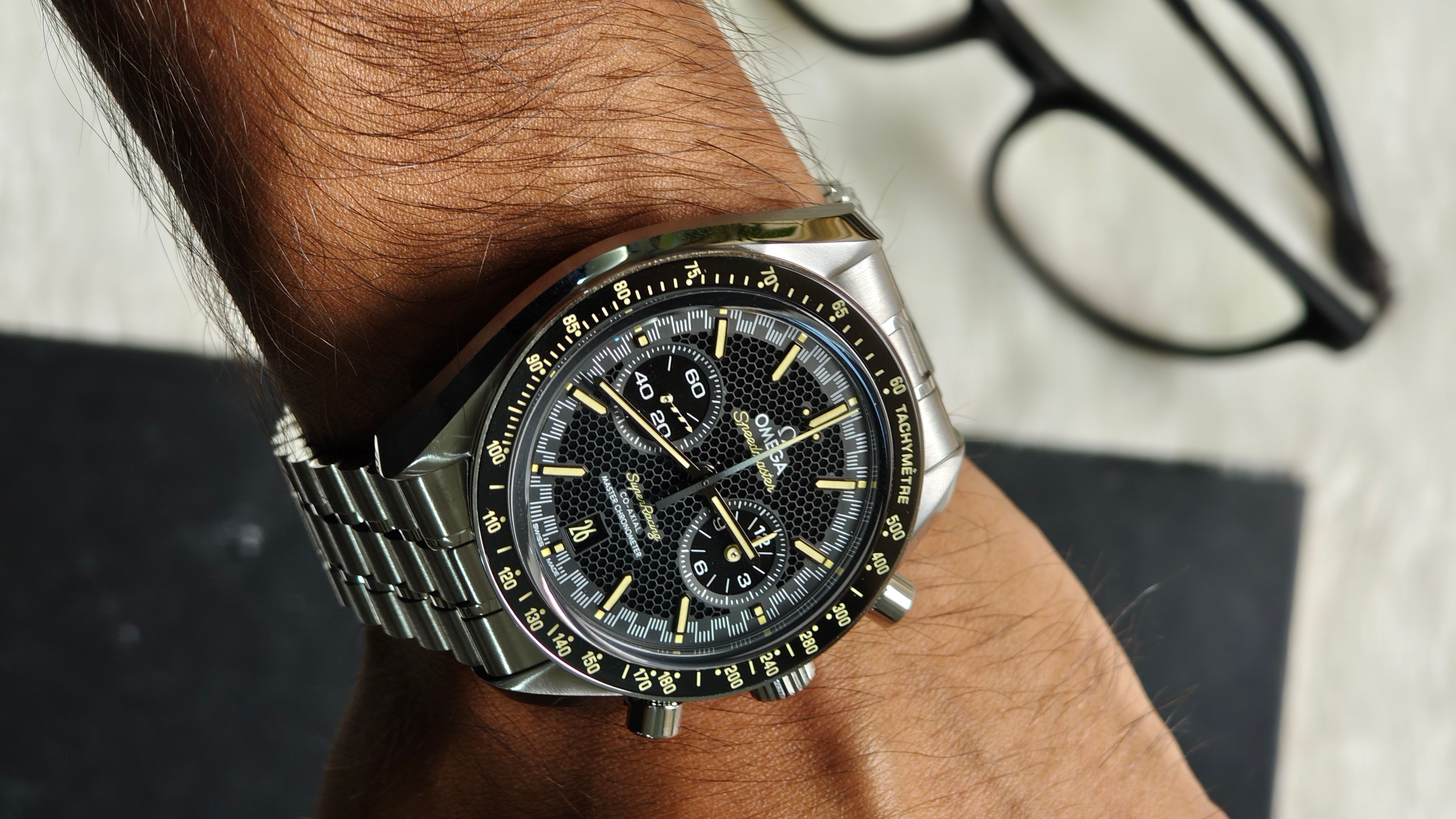
Omega Speedmaster: The Moon on Every Wrist
The Speedmaster Professional maintains its unique position in India's watch landscape. NASA certification, the manual wind Calibre 3861 with Co Axial escapement, hesalite versus sapphire crystal debates animate conversations at every level of Indian watch collecting. The Speedmaster's presence transcends popularity. It's a touchstone, a reference point against which other chronographs are measured. Recent variations from the Silver Snoopy Award 50th Anniversary to the Tokyo 2020 Olympics editions show up regularly at collector gatherings, each iteration sparking technical discussions about movement evolution and design philosophy.
F.P. Journe: The Apex
François Paul Journe's watches represent the absolute pinnacle of independent watchmaking. In India, Journe ownership remains exceedingly rare, but those few Chronomètre Optimums, Octa Reserves, and Sonneries on Indian wrists signal something profound: a collector base that understands and values what makes Journe special. The rhodium plated brass movements, the chronometer precision, the inverted movement architecture aren't just technical specifications but philosophical statements about watchmaking's purpose.


Baume et Mercier Riviera: Mediterranean Cool in Tropical Heat
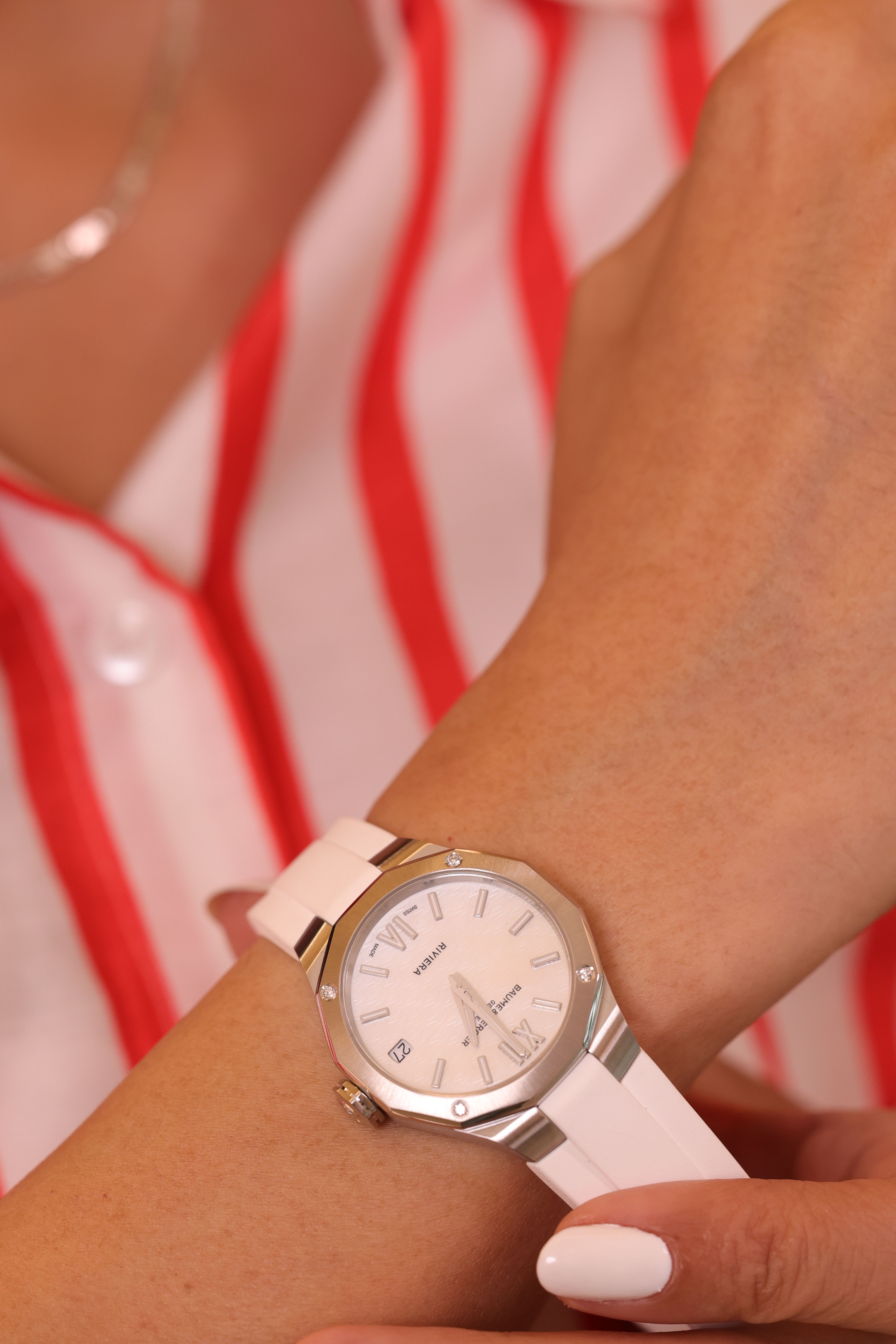
An unexpected presence has been the Baume et Mercier Riviera. This octagonal cased sports watch has found its audience among those seeking integrated bracelet design without Royal Oak or Nautilus waitlists or price tags. The Riviera's twelve sided bezel, the Côtes du Jura guilloche dial pattern, and its inherent wearability make it the accessible face of luxury sports watches. Indian collectors appreciating its 1970s design DNA and contemporary execution represent a market segment comfortable mixing price points while maintaining aesthetic cohesion.
Why These Watches, Why Now
The watches dominating Indian wrists in 2025 share certain characteristics revealing the market's maturation. First, there's marked preference for mechanical complexity presented accessibly. The Rolex GMT's traveler functionality, the Speedmaster's chronograph precision, the Grand Seiko's high beat movement serve purposes beyond technical showmanship. Indian buyers, increasingly global in their professional and personal lives, appreciate watches that travel well both physically and conversationally. Second, there's growing appreciation for brand heritage presented honestly. Watches with genuine military or professional histories, the Omega Speedmaster's moon missions, Panerai's Italian Navy commando connections, Breguet's aeronautical Type XX, resonate more powerfully than manufactured narratives. Indian collectors, coming from a culture with its own rich history, recognize and value authentic heritage. Third, finishing quality has become paramount. The hand polished bevels on A. Lange & Söhne bridges, the Geneva stripes on Patek movements, the perlage on Grand Seiko base plates: these details, once invisible to most buyers, now drive purchasing decisions. Social media, particularly Instagram's watch community and YouTube's detailed reviews, has democratized knowledge about what separates competent watchmaking from exceptional craft.
The Secondary Market Inflection
India's certified preowned market exploded in 2025, with platforms facilitating authenticated transactions and warranty coverage. This development has democratized access to discontinued references and vintage pieces. Growing comfort with preowned purchases indicates market maturity: collectors understand that a watch's value often appreciates rather than depreciates, that vintage references sometimes offer superior case proportions or movement finishing compared to contemporary equivalents.
Rolex's Certified Pre-Owned program, launched in December 2022, has particular significance for India. The two year international warranty accompanying CPO Rolexes addresses a primary concern for Indian buyers: authenticity and after sales support. This program, combined with domestic platforms offering authentication services, has transformed the preowned segment from caveat emptor territory to a legitimate acquisition channel.
The Knowledge Economy
India's horological education has accelerated through multiple channels. Manufacture workshops and technical seminars, once rare events, now occur regularly at flagship boutiques. Online communities, RedBar chapters in Mumbai, Delhi, Bangalore, and increasingly in tier two cities, provide forums for knowledge exchange. YouTube channels run by Indian collectors break down complications, compare finishing quality, and debate value propositions with technical rigor previously absent.
Watch journalism has also matured. Publications and platforms now employ writers who understand the difference between a pin lever and a column wheel chronograph, who can discuss the merits of silicon hairsprings versus traditional Nivarox alloys, who recognize that not all in house movements represent equivalent technical achievements. 2025 has witnessed accelerating female participation in India's luxury watch market. Women collectors aren't limiting themselves to jewelry watches but are purchasing the same complicated timepieces as their male counterparts: Cartier Santos, Royal Oaks in 37mm variants, Grand Seiko's elegant sports models. This shift reflects broader societal changes but also the watch industry's belated recognition that technical watchmaking isn't gender specific.
Generationally, India's watch market shows interesting stratification. Those under 35 demonstrate greater willingness to purchase from independents, microbrands, and Japanese manufactures. They're less bound by traditional brand hierarchies, more influenced by design language and movement specifications. The 35 to 50 cohort tends toward established manufactures but with increasing technical sophistication. Those over 50, particularly first generation wealth creators, show the most traditional brand preferences but are beginning to diversify as their knowledge deepens.
Looking Forward
India's luxury watch market in 2025 stands at a fascinating juncture. The infrastructure is established, the consumer base is educated and expanding, and international manufactures recognize India's strategic importance. But the most intriguing development isn't quantitative but qualitative. India isn't simply becoming another market for Swiss watches. It's developing its own collecting culture, its own aesthetic preferences, its own technical priorities. The watches we've examined, from accessible excellence like the Tissot PRX to apex independence like F.P. Journe, map this evolution. They represent not just what Indians buy but what they value: mechanical integrity, historical authenticity, design cohesion, technical advancement. These priorities, refined through increasing exposure and education, are shaping how international brands approach the Indian market. As we enter 2026, expect continued boutique expansion, more localized limited editions, and increasing participation from independent watchmakers recognizing India's sophisticated collector base. The watches on Indian wrists will continue evolving, but the trajectory is clear: India has moved from peripheral market to central player in global horology. The hour markers have shifted. India isn't just telling time. It's marking the hours with increasing authority, taste, and technical comprehension. For those paying attention, the wrist check reveals not just individual watches but a market coming into its own, one complication at a time.
As another year closes, one can't help but look back at the wrists that caught our attention, the boutiques that opened their doors, and the conversations that deepened our appreciation. 2025 has been quite a year for Indian horology. Here's to the complications ahead.