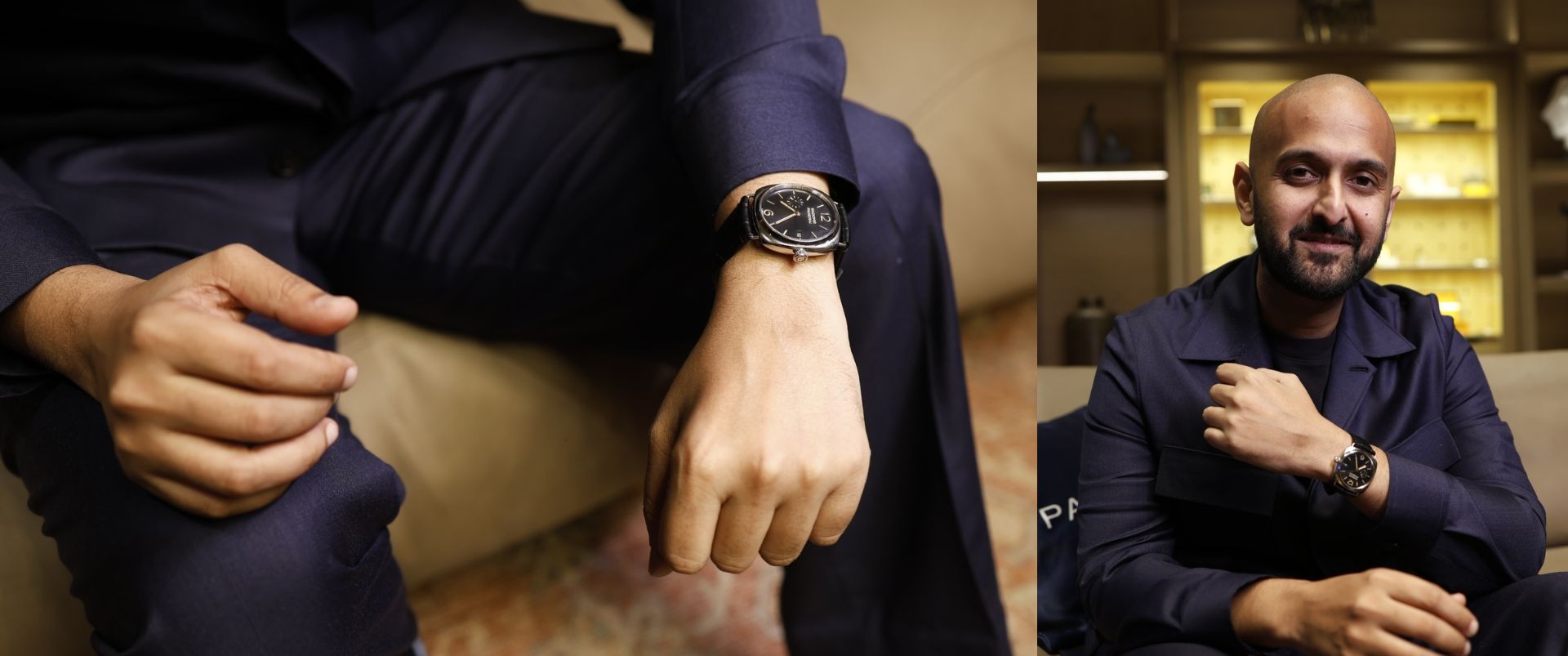
"There’s No One Size Fits All", Pranav Saboo, MD & CEO Of Ethos Watches On The New Indian Watch Buyer & More
 5 min read

India’s luxury watch story did not quietly evolve. It arrived in a flash of cameras, celebration and national pride. When Hardik Pandya lifted the World Cup wearing a Favre Leuba Chief Skeleton, it marked something more than a personal style choice. It was a cultural crossover moment. Cricket met craftsmanship. Mass visibility met mechanical art. And for perhaps the first time, the world of horology in India stepped fully into the mainstream.
At the center of this shift is Ethos Watches, led by MD and CEO Pranav Saboo. As the company builds on strong growth momentum into 2026, it is not just riding the wave of India’s luxury boom, it is actively shaping how the country understands and consumes fine watchmaking. We caught up with him to understand the watch boom, watch buyer behaviours and more. For Saboo, that World Cup moment was both personal and industry-defining. “It was a proud moment for the entire watch industry,” he said. “He’s been known to appreciate watches and collect them. He had reached out a couple of weeks earlier for pieces he was considering, and to then see one on his wrist at that moment was a delight. It was a surprise, but a very positive surprise.”
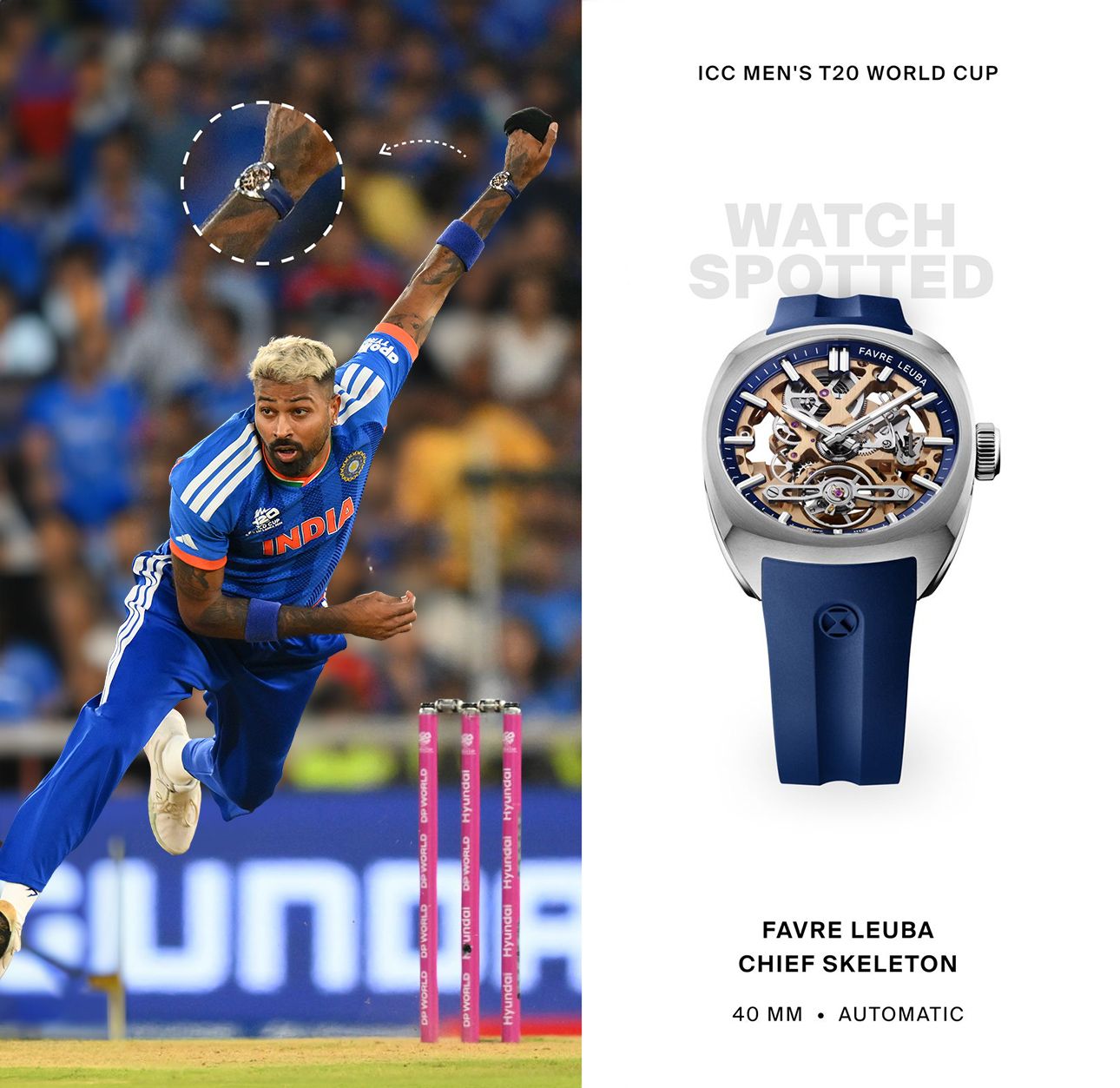
But the larger significance, he insisted, lies beyond the individual. “More importantly, watches as a whole got attention on a stage as large as the World Cup finals. That’s the real victory.” That visibility is not accidental. It is the result of a deeper shift underway in India, one that is economic, cultural and deeply personal. “Our increase is a testimony to the Indian economy and to Indian people who are so appreciative of fine quality,” Saboo explained. “As a young nation builds wealth, people have the ability to express themselves, to enjoy craftsmanship, to enjoy art.”
Then comes the line that defined this moment. “We are moving beyond what we need into what makes us human.” That transition, from utility to expression, is where watches find their strongest footing. “There aren’t many things you can spend on that you carry every day,” he said. “You can take a watch into a boardroom, to a beach, and then pass it on to the next generation. These are moments of history, creativity and craftsmanship that you carry with you.” But if India is ready for watches, it is still learning how to understand them. And that is where Ethos has built its sharpest edge. “Ethos has to be the ultimate expression of what a watch maison stands for,” Saboo said. “We need to take their value and express it to the customer. But how do you do that at scale in a nascent industry?” The answer has been long term and deeply intentional. “We’ve set up an academy,” he explained. “People come in for a full month. They stay there, they train, and then they go through refresher programs.” This is not a surface-level initiative. It is infrastructure. “Three years ago, we started with our first full-time trainers. Today, we have fourteen. We’ve crossed a thousand people at Ethos, and we’re onboarding one new person every day.”
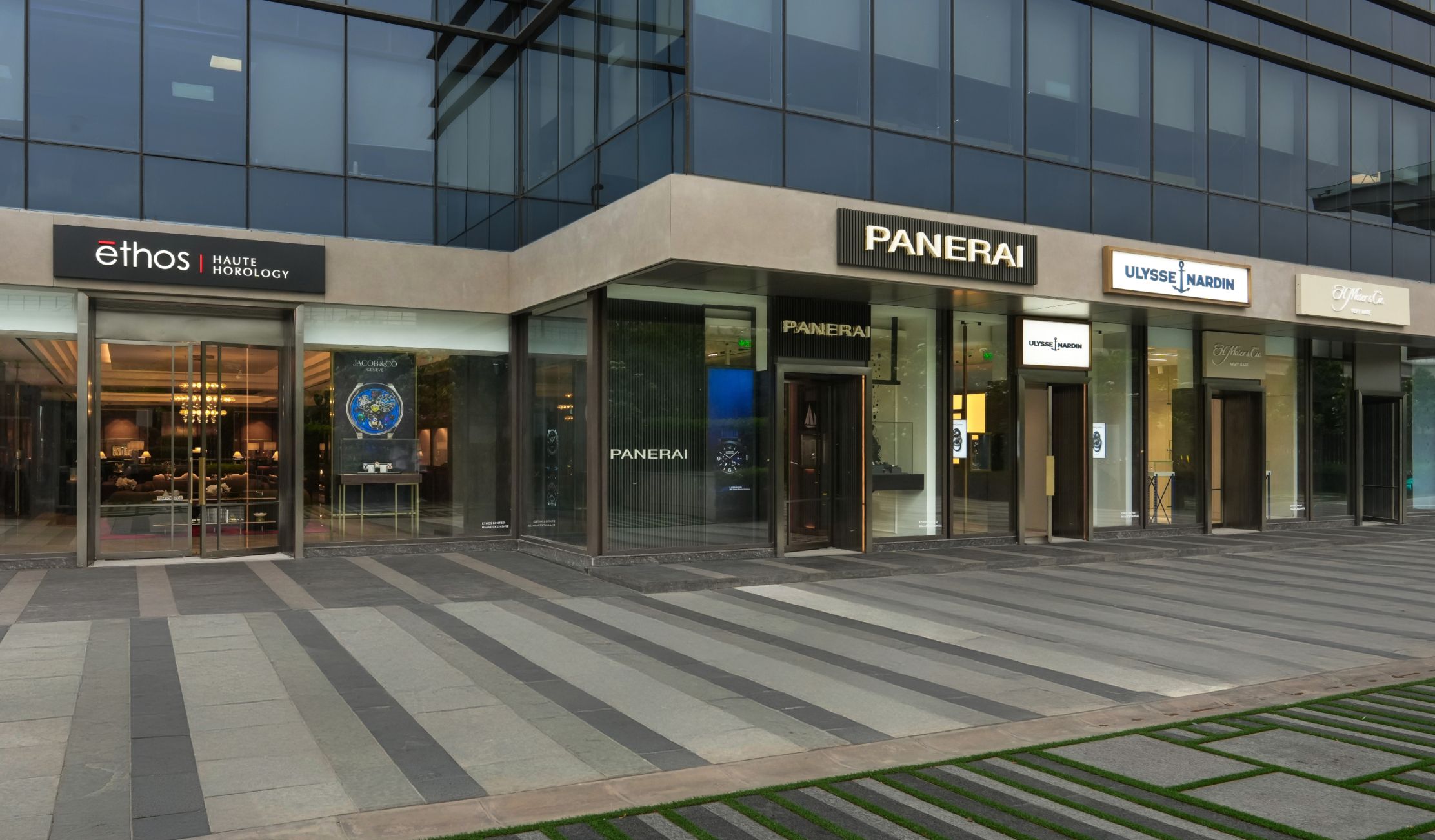
At its core, this is about translation. “They need to understand the passion, the sweat, the effort that goes into making a watch and be able to express that to the customer.” That philosophy extends directly into how Ethos approaches retail. In a market often divided between mono brand boutiques and multi brand stores, Saboo sees the answer in combining both, but doing it differently.
“A boutique is like the Pro Max version of an iPhone,” he said. “The iPhone itself is beautiful. This is the Pro Max version. But it works best in a cluster.” That thinking comes alive in what Ethos calls the City of Time, a retail concept that quietly represents one of its strongest competitive moats. Here, brands coexist within a single destination while still retaining their individual worlds. “There’s a cluster of brands,” Saboo explained. “People can come here, experience different environments, and still compare. Panerai gets its own boutique. It deservedly deserves that space. But at the same time, we are making it easy for the customer.” It is a subtle but powerful shift, from selling watches to building destinations.
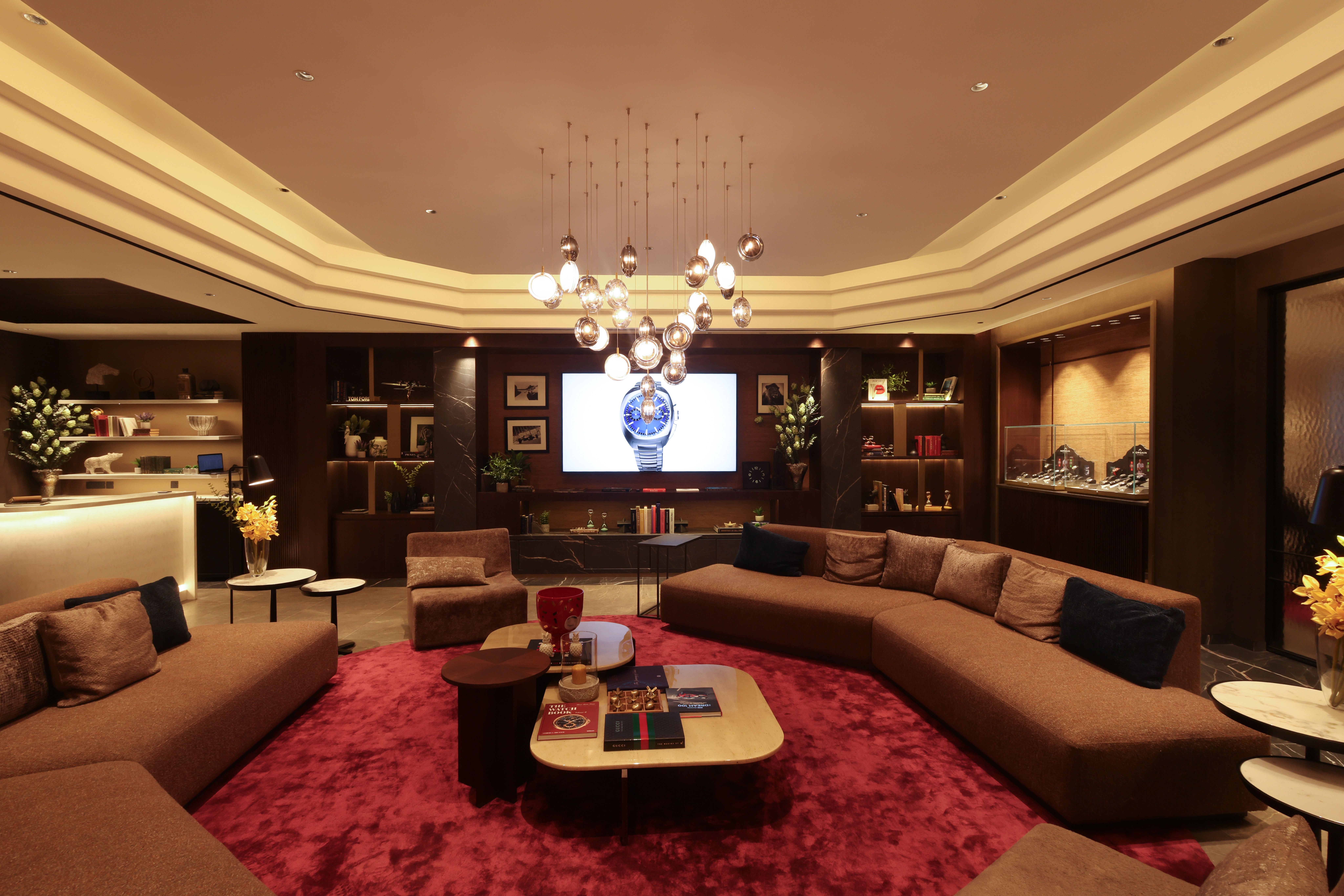
Underpinning all of this is a clear understanding that the Indian watch buyer is not one person. Walk into an Ethos store today, and you are just as likely to encounter a first time buyer as you are a seasoned collector. “The ideal customer is someone who loves watches or is open to enjoying the craftsmanship and the world of horology,” he said. “But we do differentiate in how we serve them.” The contrast is stark and telling. “A first time buyer may look for a brand name. Someone may walk in after their first big bonus wanting something that gives them social gratification. That is natural in a young nation.” And then there is the other customer. “If it’s their fourth watch and they want to understand the finishing on the base plate of the movement, that’s a completely different conversation.”
Two customers. Two mindsets. One retail ecosystem designed to serve both.
As the market matures, platforms that bring the community together are beginning to emerge as well. The India Watch Weekend marked a significant step in that direction, offering a shared space for brands, collectors and enthusiasts. “It was lovely to see,” Saboo said. “I hope it gives us more opportunities to collaborate, to bring the industry together, to discuss common ambitions and vision. It creates a ground for the industry to meet the collector.”
And then, as always, it comes back to the wrist. At the event, it was a vintage-inspired Panerai Radiomir. “I love smaller sizes, slimmer sizes,” he said. “I have a thin wrist, and I’ve always liked that vintage look.” It feels like a quiet metaphor for where the industry itself is headed. More thoughtful. More self aware. Less about excess, more about meaning. India’s watch story is no longer emerging. It is defining itself in real time. And if this moment is anything to go by, it is not just participating in global horology anymore. It is becoming impossible to ignore.


