An Australian Open Upset And The Tech Favoring Tennis-Friendly Timekeepers
 6 min read

Tennis. There’s more to it than meets the eye!
The said came as a perplexing realization when yours truly was introduced to the sport a few years back. Novice then and, regrettably, an amateur still, the technical aspects of the sport, at least, have been decently drilled into me.
There’s a unique technicality in tennis that’s calculated in terms of swing weight, string tension and sweetspot. With mere grams dictating swing speed and racket balance, adjustments in both the equipment - restricted to just the racket, as well as playing styles are finely incremental.
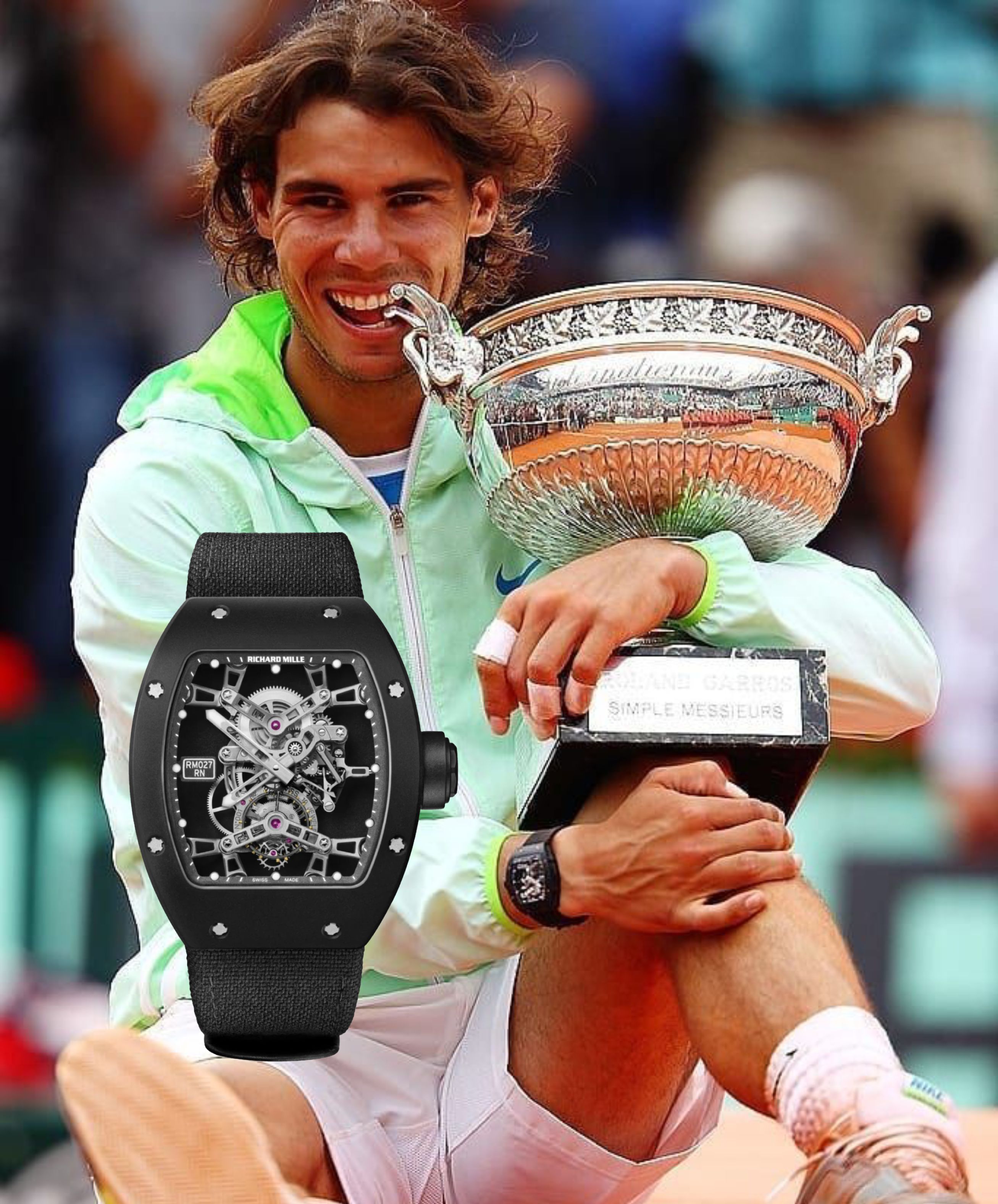
So, in a sport where a few grams can alter the overall balance and impact of the swing, the trend of on-court wristwatches is reasonably not a mainstream tradition. Tennis is all about feel, the confidence in the swing, and more prevalently, the hesitation to adjust. But when Rafael Nadal takes to the courts at Roland Garros 2010 wearing his Richard Mille RM 027, literally for the slam’s entirety, it’s telling of the margins for willingness to adjust, either for styling savoir faire or as an ambassador commitment.
The said is even abstruse in regards to a player of Rafa’s meticulousness, who even has a specific bottle placement routine. So, in an era of the sport with major technology and analytics integration with player performance optimization, an unwanted extra of grams on the wrist is a gamble. Or is it?
A Wrist Trouble At The Happy Slam
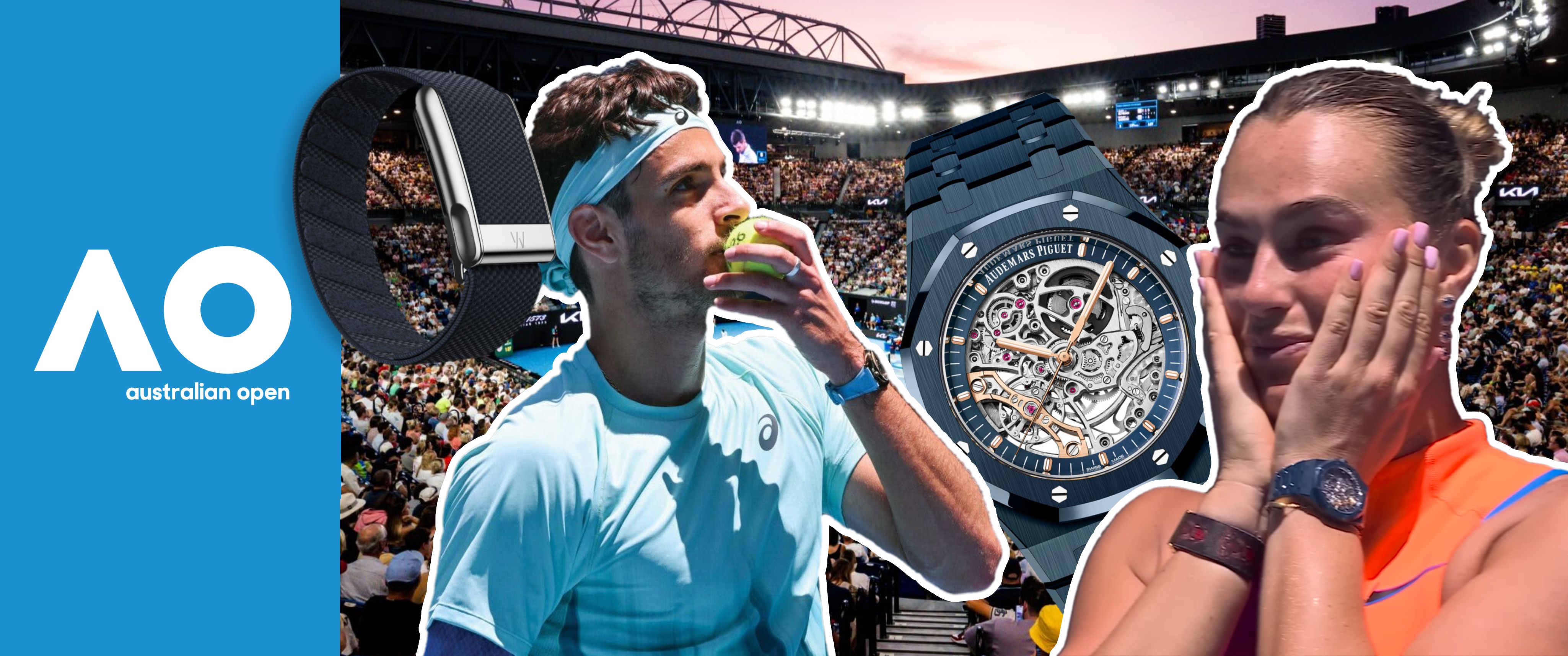
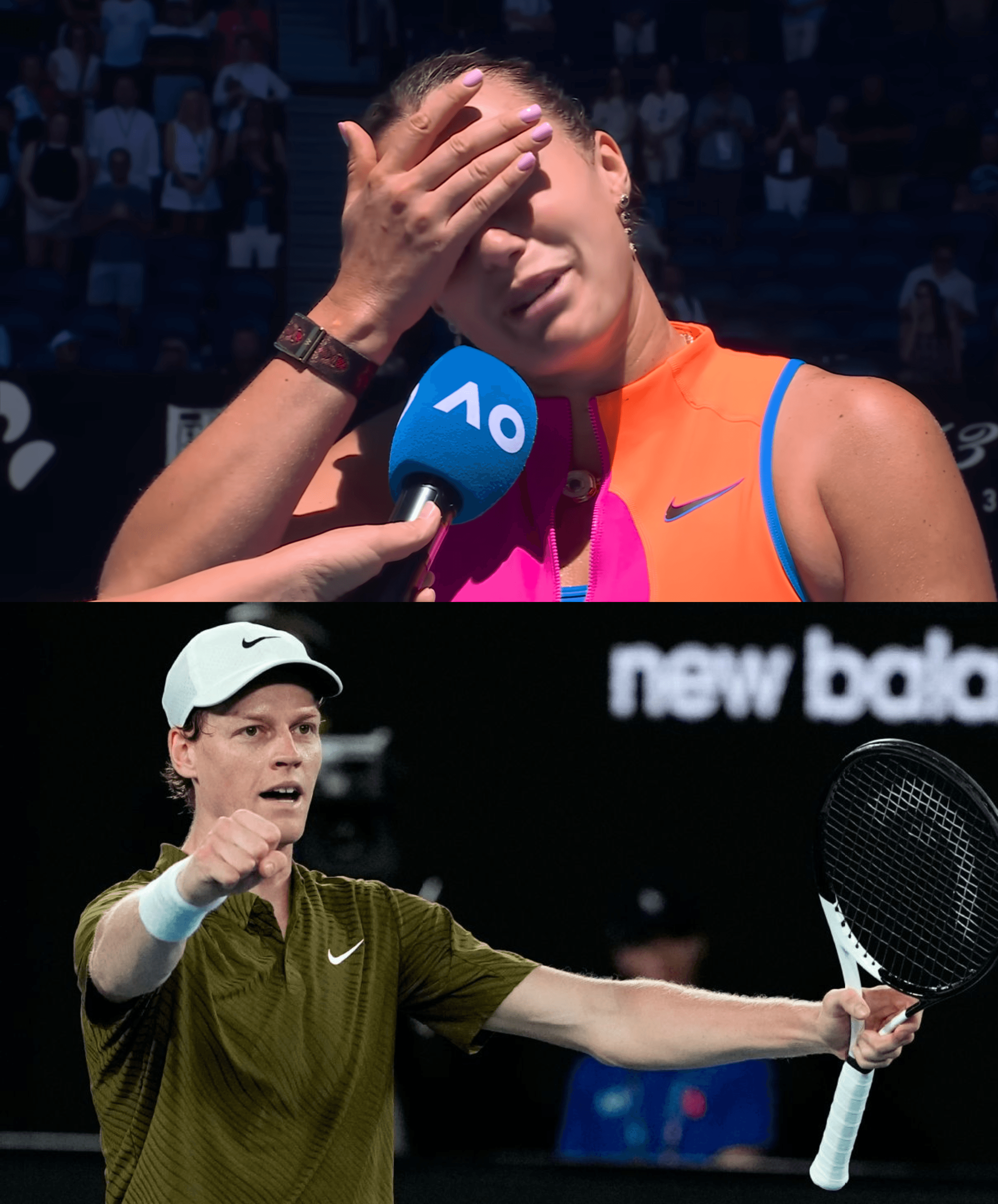
While not a conventional timekeeper, a fitness tracker band makes sense on an athlete’s wrist. Here, it earns better logical legitimacy than the RM 027 - a tourbillon wristwatch. Yet, at the ongoing Australian Open, both Carlos Alcaraz and Jannik Sinner, the leading ATP players, were asked to remove fitness trackers from their wrists before their round of 16 matches. Likewise, the women’s world number one, Aryna Sabalenka, too was advised to remove a device earlier in the tournament.
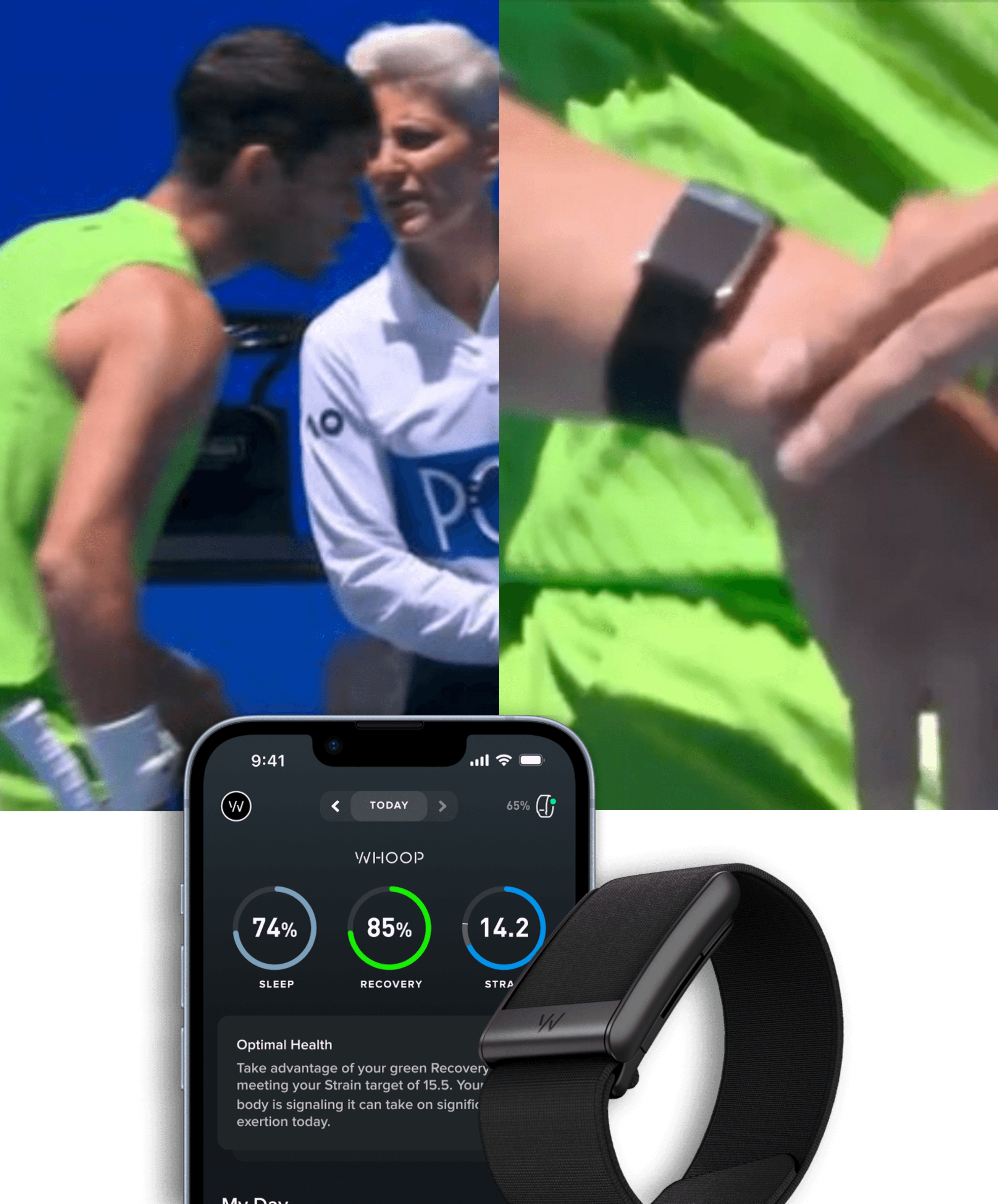
When data analytics forms a key element in elite sports performance, the decision by governing bodies to disallow health analytical devices, a.k.a wearables, at Grand Slam tournaments is in no fundamental favor to the sport and quite remarkably, of no direct in-match performance increment.
Afterall, “Data is not steroids,” as Will Ahmed - Founder of Whoop, the brand worn by Alcaraz, posted on X.
I’m in no place to debate the inconsistent regulatory policies of the sport’s governing bodies, of which both ATP and WTA, and even ITF, approve of their use on tour. As surprising have been Djokovic’s consecutive walkovers in his quarterfinal and semifinal matches at AO 2026, could the technical standoff ensuing out of this wearables debacle push more players to sport horological extravagance on their wrists, perhaps even in the gradually permeating trend of “double-wristing!”
High Horology And The Australian Open
Despite the principal vulnerabilities of mechanical wristwatches against shocks and aggressive motion (also read as the sport of tennis), the pairing of two seems logically flawed. How a modern mechanical wristwatch survives the forces sustained when hitting down-the-line rocket forehands has something to do with their close-to-nothing weight and supreme shock resistance. At just 11.5 grams, the Richard Mille RM 27-05, the latest iteration of today’s horological subject, can withstand a G-force of 14,000.
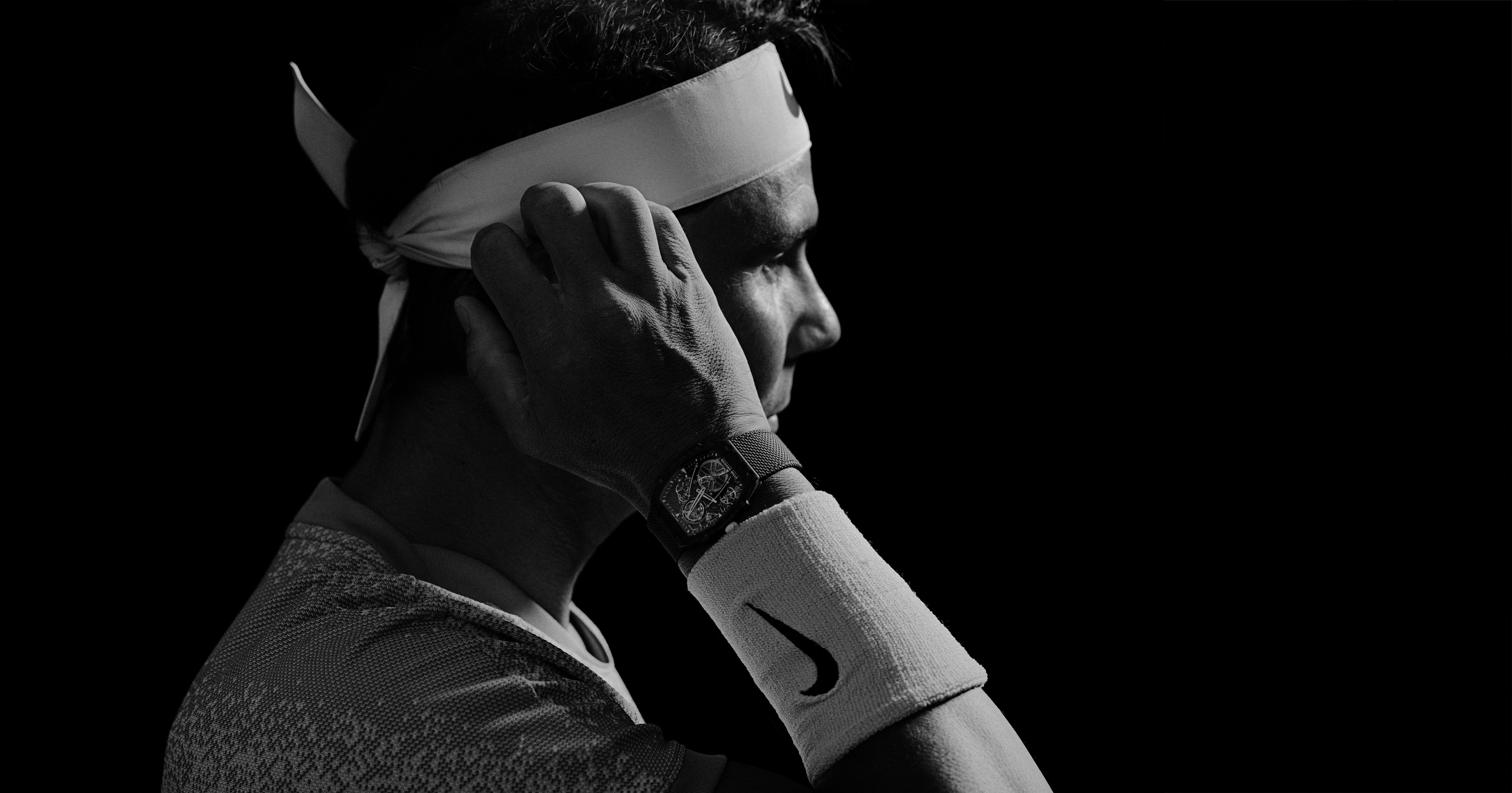
While not every watch worn on the pro-tour excels at par with the technical superlatives of the above, yet the frequent appearance of high horology on the tennis courts signals the degree of disruption at play. At this year’s Australian Open only, a few too many wristwatches have been spotted both on and off the court.
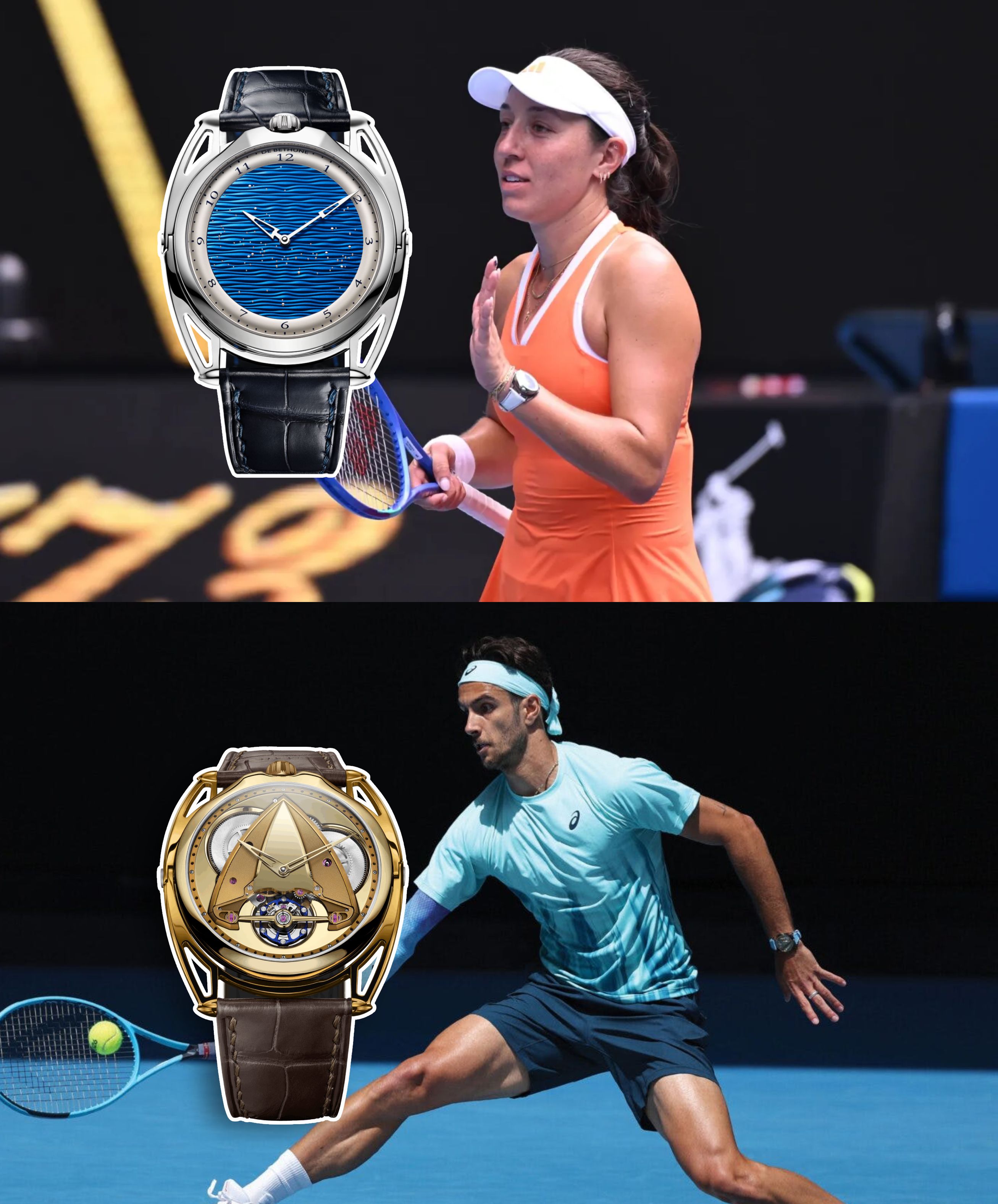
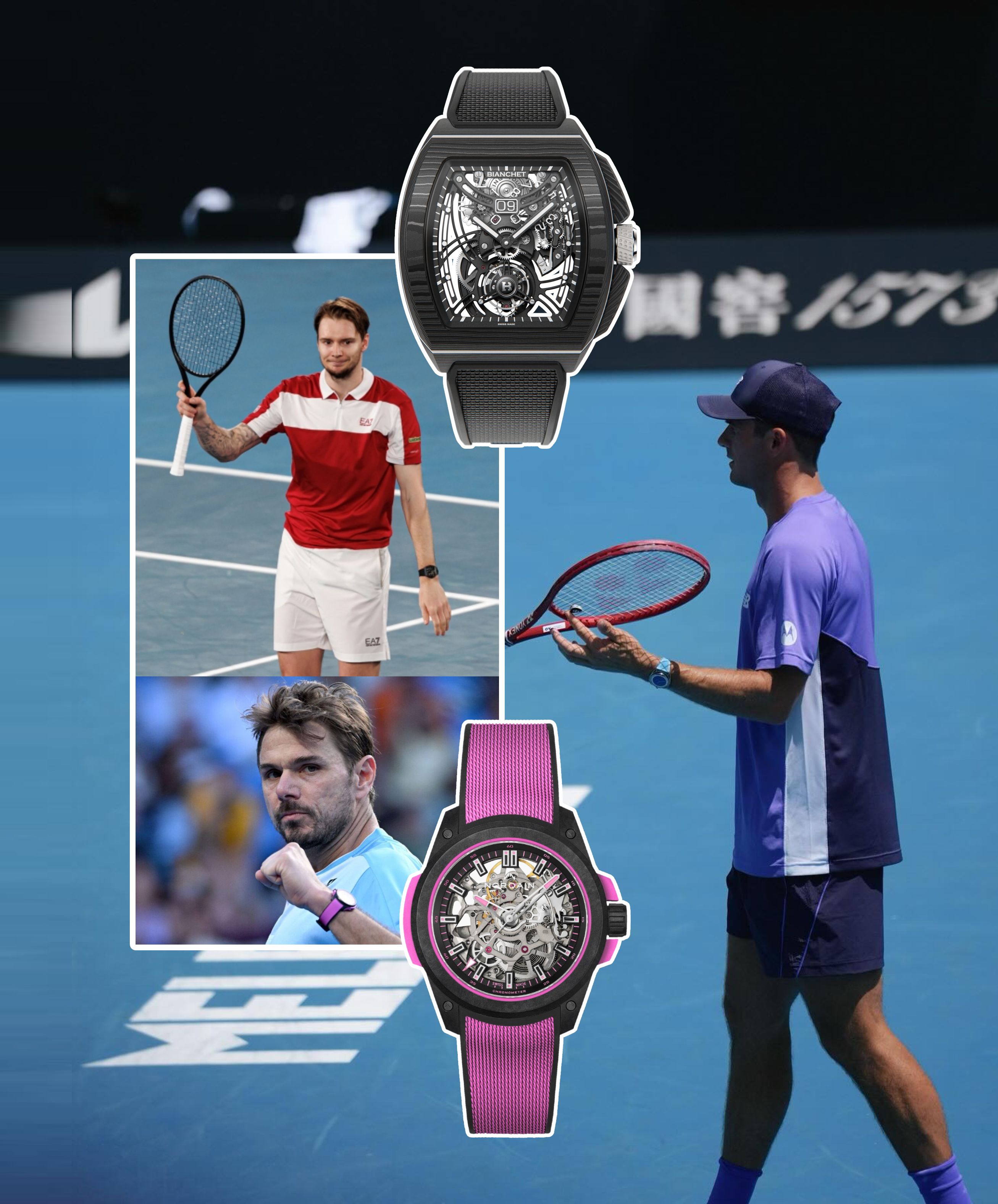
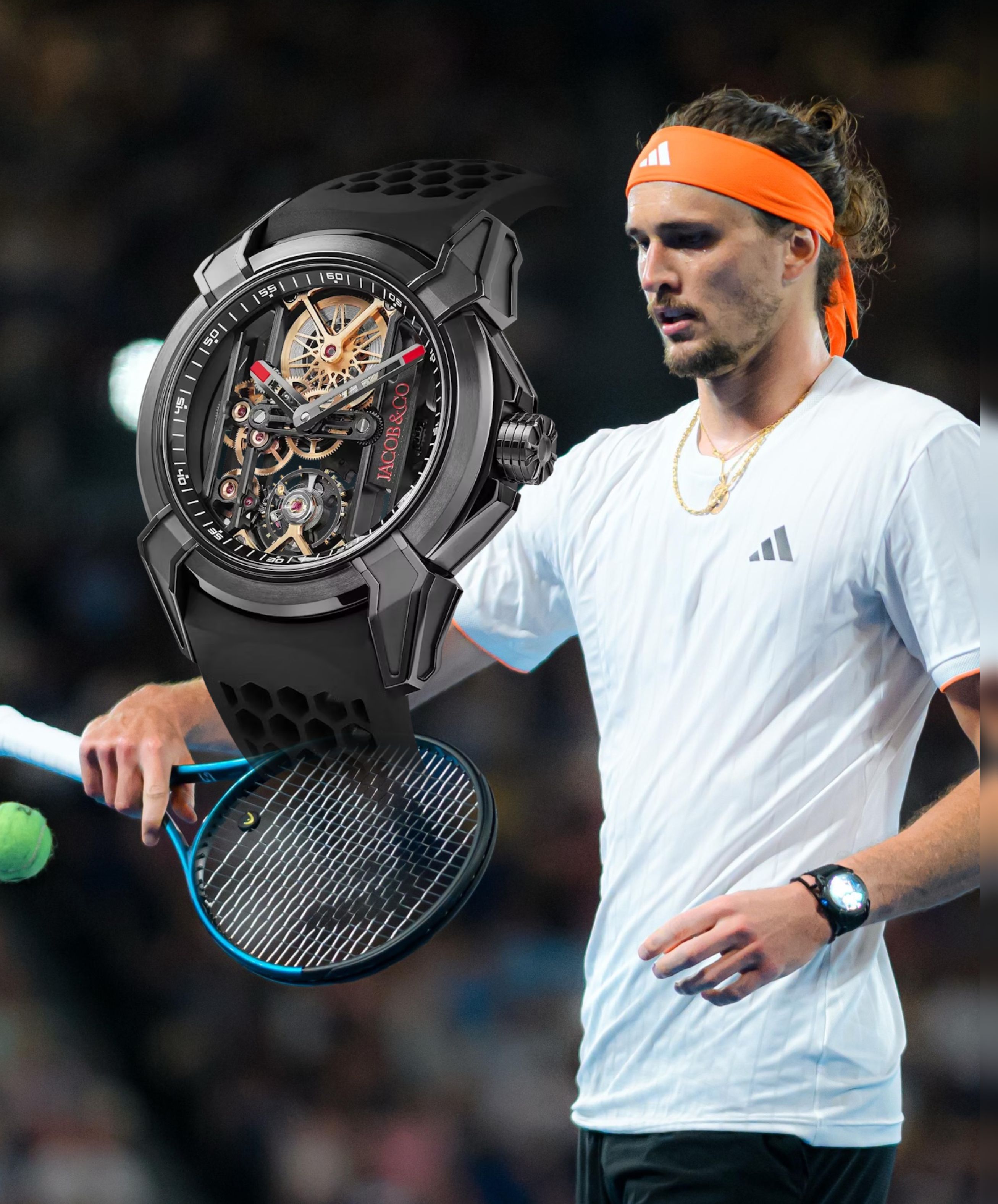
Among the ones that logged match time are the De Bethune DB28XS Yellow Tones of Lorenzo Musetti, DB28XS Starry Seas of Jessica Pegula and Tommy Paul, Alexander Zverev's Jacob & Co Epic X Skeleton Black Titanium, Norqain Wild One Skeleton of Stan Wawrinka, Alexander Bublik’s Bianchet Flying Tourbillon Grande Date, and Roger Federer’s Rolex Land-Dweller at the tournament’s opening ceremony match/event.
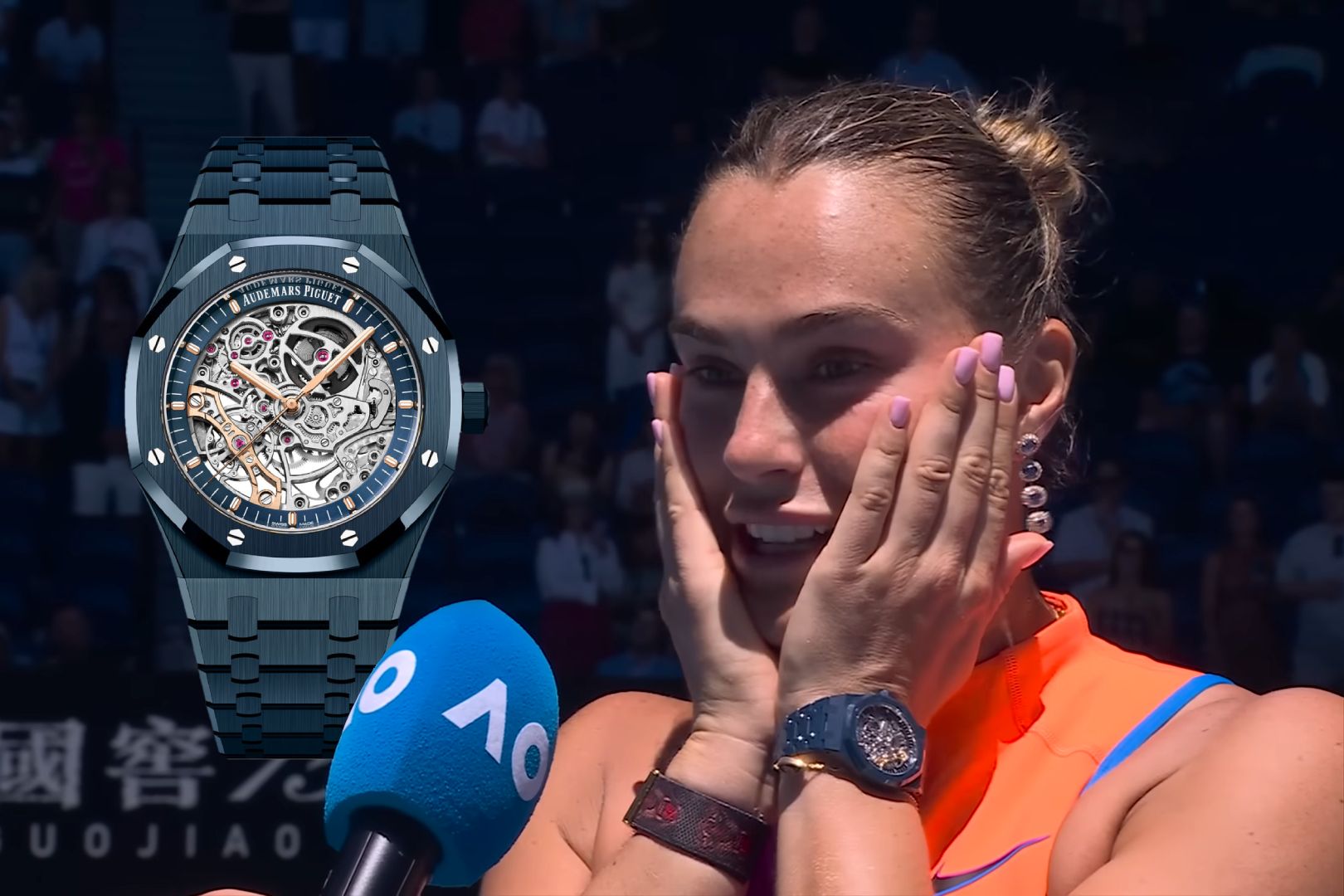
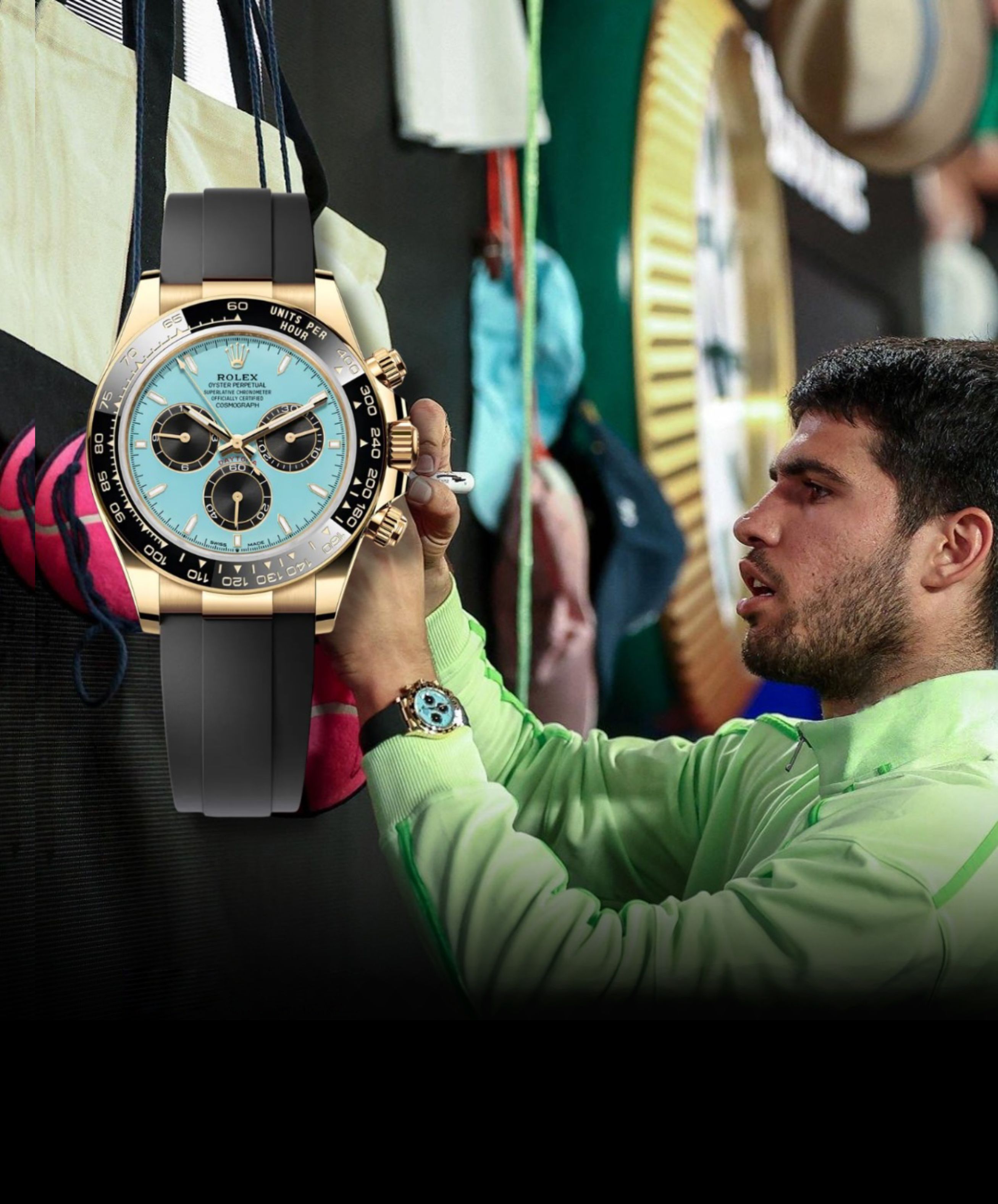
Djokovic’s Hublot Big Bang Tourbillon Novak Djokovic Goat Edition, local boy De Minnaur’s Gerald Charles Maestro Sport Tennis, F.P Journe Élégante of Donna Vekic, Casper Ruud’s Fleming Series 1, and the Audemars Piguet Royal Oak Double Balance Wheel Openworked of Aryna Sabalenka marked notable post-match appearances. Alongside these, Rolex testimonees Carlos Alcaraz, Jannik Sinner, Iga Świątek, Coco Gauff, Ben Shelton, and Taylor Fritz were quick to don their coronets before appearing for their on-court interviews.
Tennis-Ready Timekeeping
Around the world, about 106 million people play tennis at some level. That’s huge! Still, tennis remains an elitist sport and somewhat synonymous with the finer things that exist. The glamorous nature of the sport and the recurring costs of club memberships (and of Asics Gel Resolution Xs) restrict its mass-demographic viability. For a sport that’s costly at all levels when compared to peer indulgences, those finding fun in it deserve a strong wrist game.
So, here’s what exists as a perfect horological supplement, beyond the ones listed above, as accessories for athletes.
As lightweight remains the name of the game, anything from zero to 50 grams would be excessively ideal. Yes, many mechanical wristwatches make this cut-off and as a parallel to the trend of ultra-thin watchmaking, the consequent yield is complicated of highest sorts and marks an undertaking of superlative extremes.
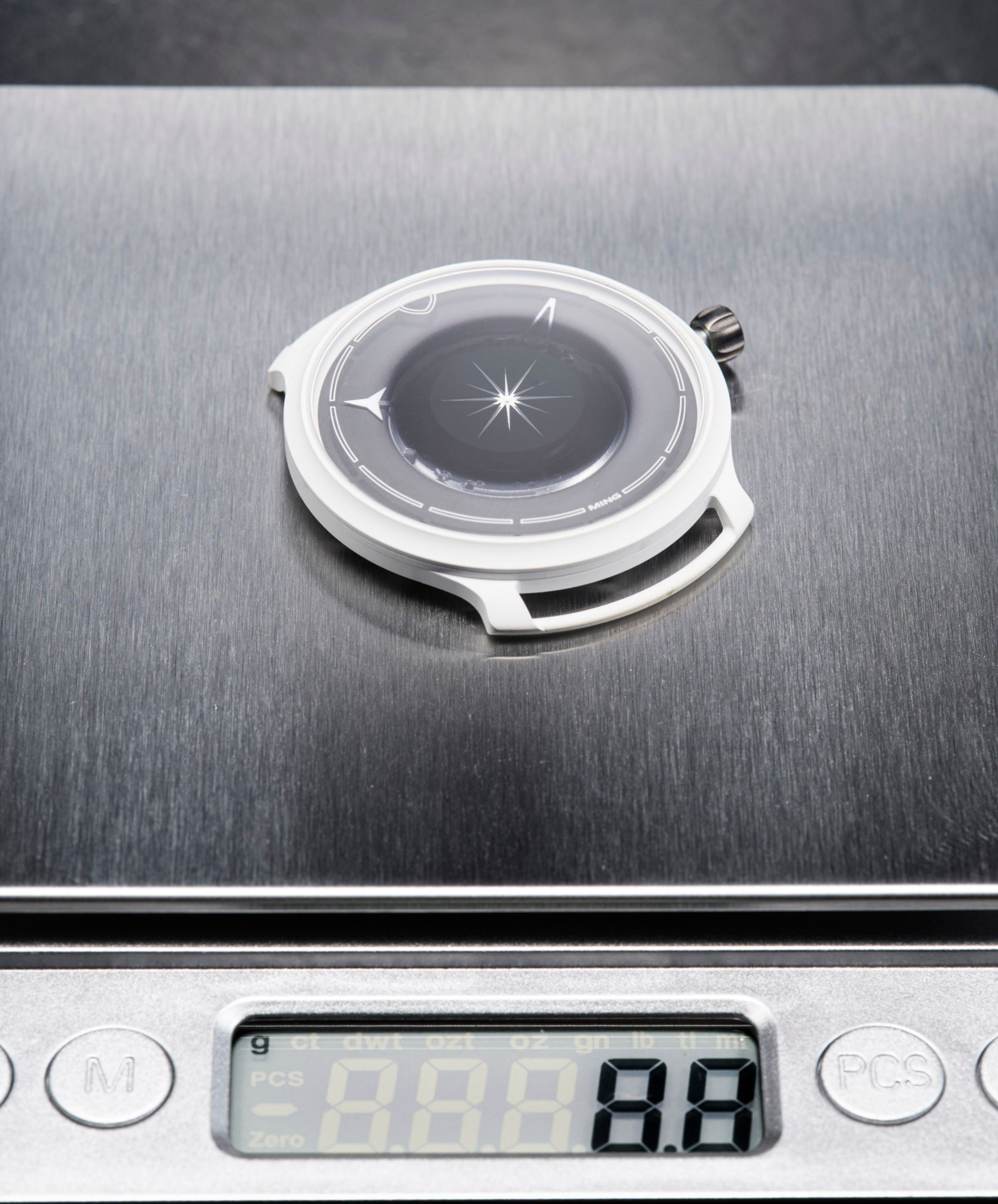
Of the watches that follow overkill tactics to realize weight-reduction as a primary objective, the remarkable is primarily attributed to material technology. This Ariana Grande level obsession with weight loss however doesn’t come easy. With mass and material reduction taken to extremes, only a few remarkable wristwatches make the cut. The Ming LW.01 Manual at 8.8 grams, Behrens Ultra-Light 11G at 11 grams, the Montblanc TimeWalker Pythagore Ultra-Light Concept at 14.88 grams, and the Omega Seamaster Aqua Terra 150M Ultra Light at 55 grams, all find their purpose in being the next heavier thing to air and make the cut as ideal on-court tickers.
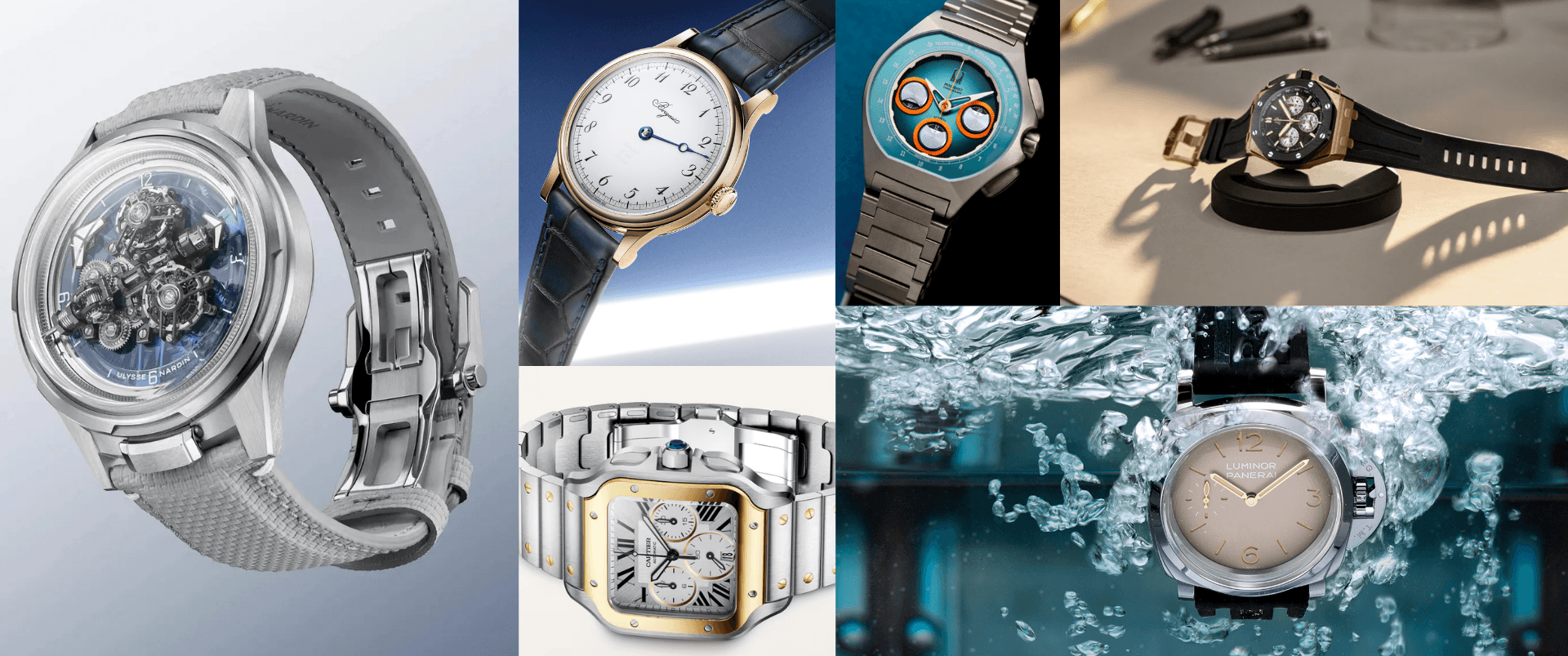
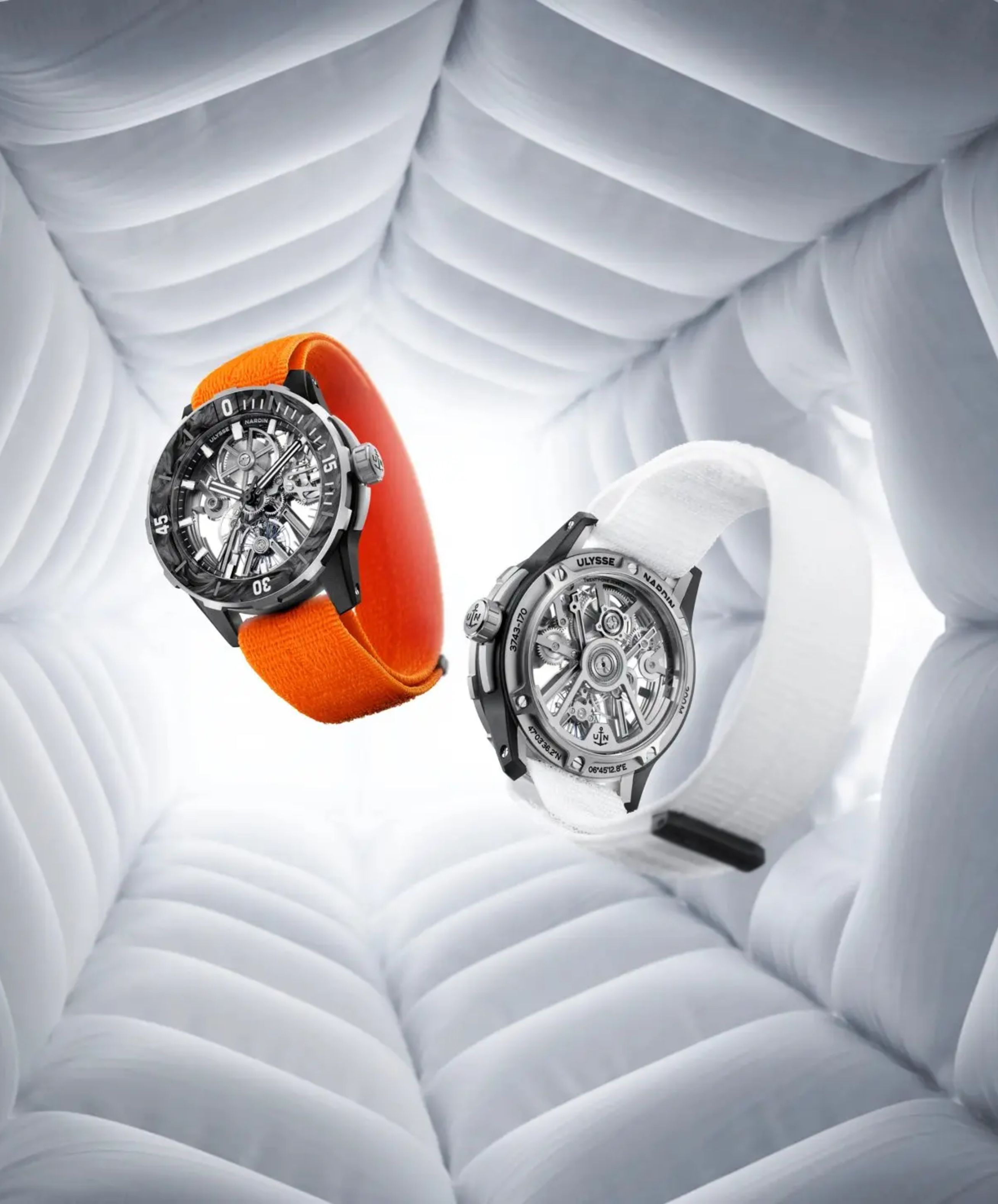
The most impressive of the featherweight horological yield with a tennis-friendly appeal has to be the Ulysse Nardin Diver [AIR] 46 grams, which beyond being redundant in literal mass is impressively shock resistant to 5,000 G. The slightly heavier IWC Big Pilot’s Watch Shock Absorber XPL excels in its protection from acceleration forces as it can survive g-forces in excess of 30,000.
In all these realizations, the quest for minimal mass culminates through the extremities of material science and creative engineering to yield a product that feels comfortable on the court or becomes one you can’t even feel at all.

Game, Set, Watch
In the gram-obsessed game of tennis, where Rafa’s RM 027 outlasts, and even undercuts in weight, Whoop wearables and AO refs play umpires to tech, high horology steals the set. Ditch the data and double-wrist with a Bianchet and UN! Because nothing says “game, set, match” like a timekeeper lighter than air, and more shockproof than a racket dampener.