Do Watches Make You Money? Unpacking The Verdict With FutureGrail At India Watch Weekend
 6 min read

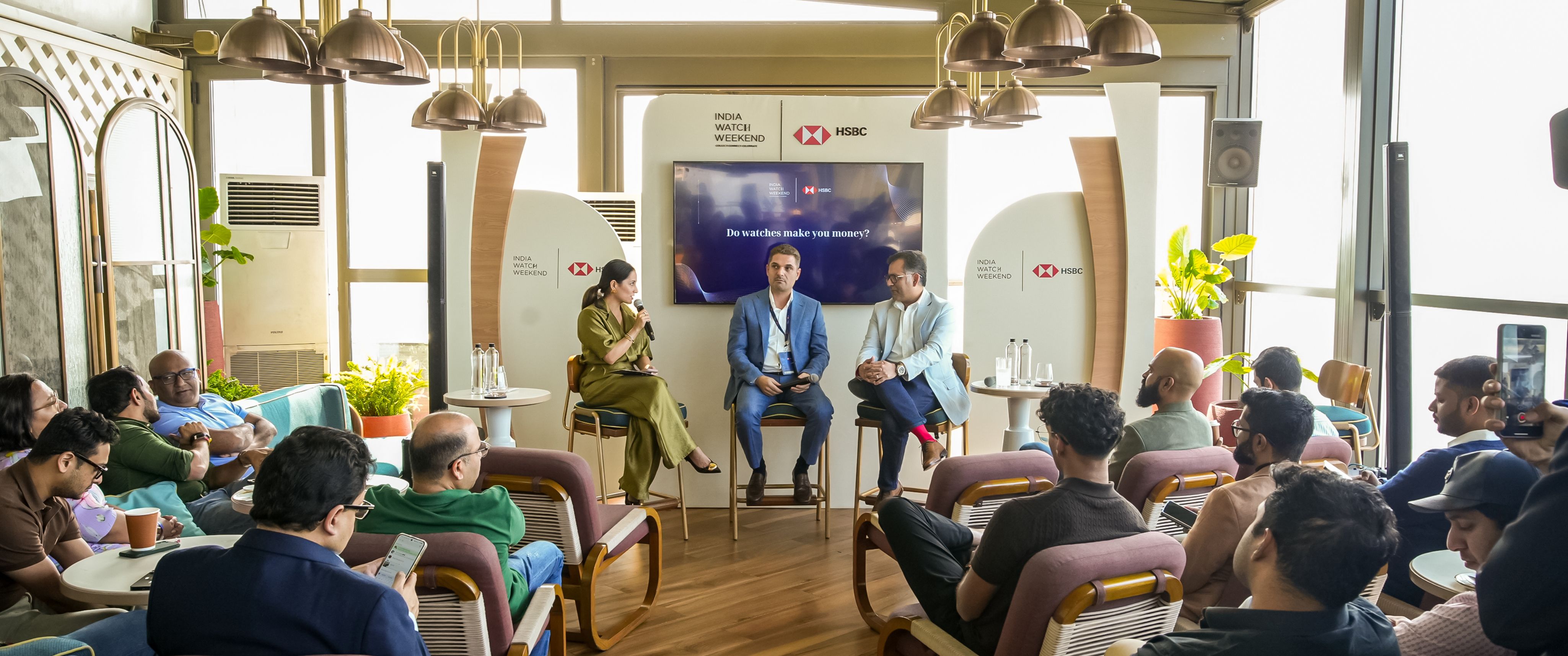
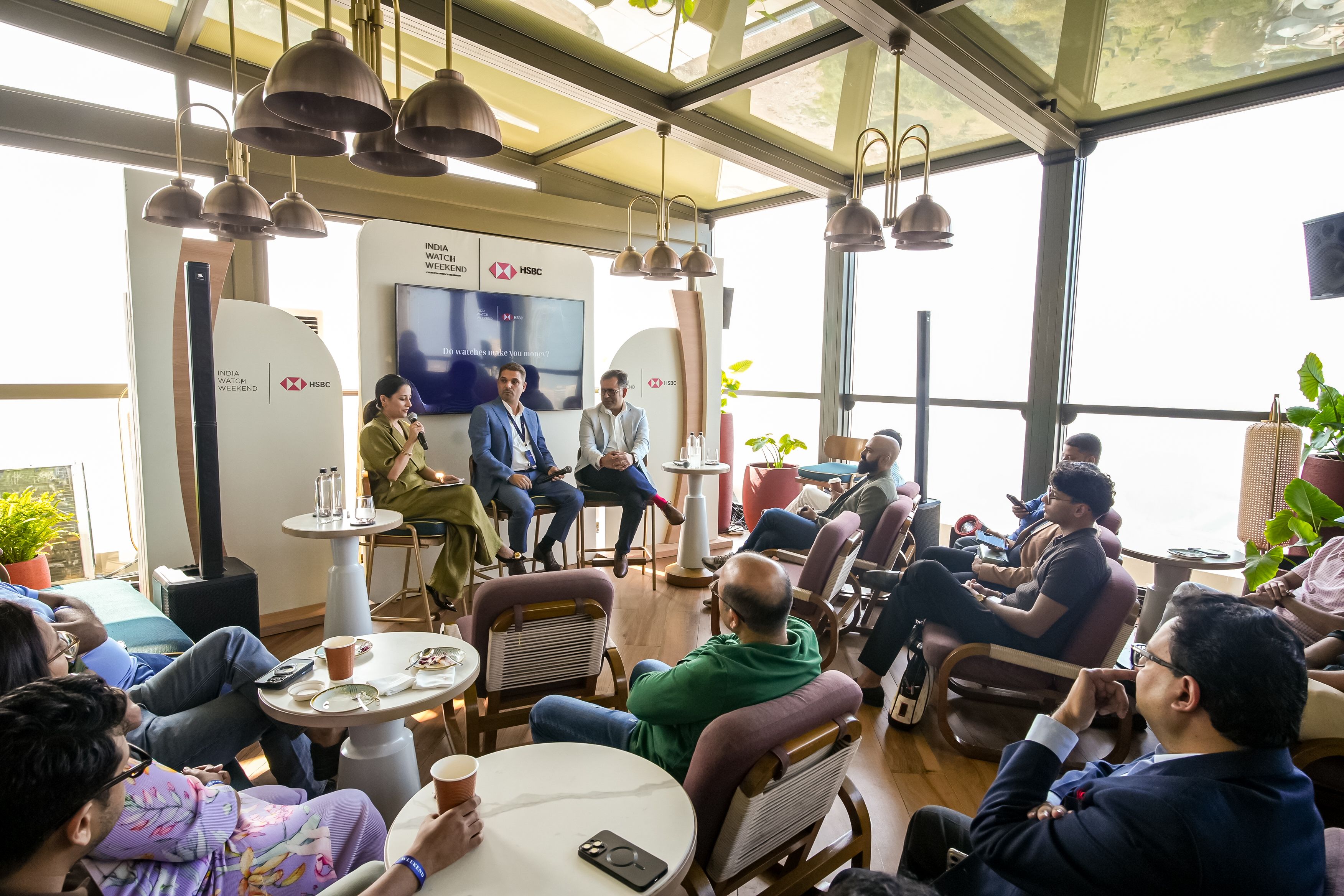
At India Watch Weekend 2026, one of the most crowded spaces wasn’t drawn by a product presentation or a celebrity collector, but by a deceptively simple question: Do watches make you money?
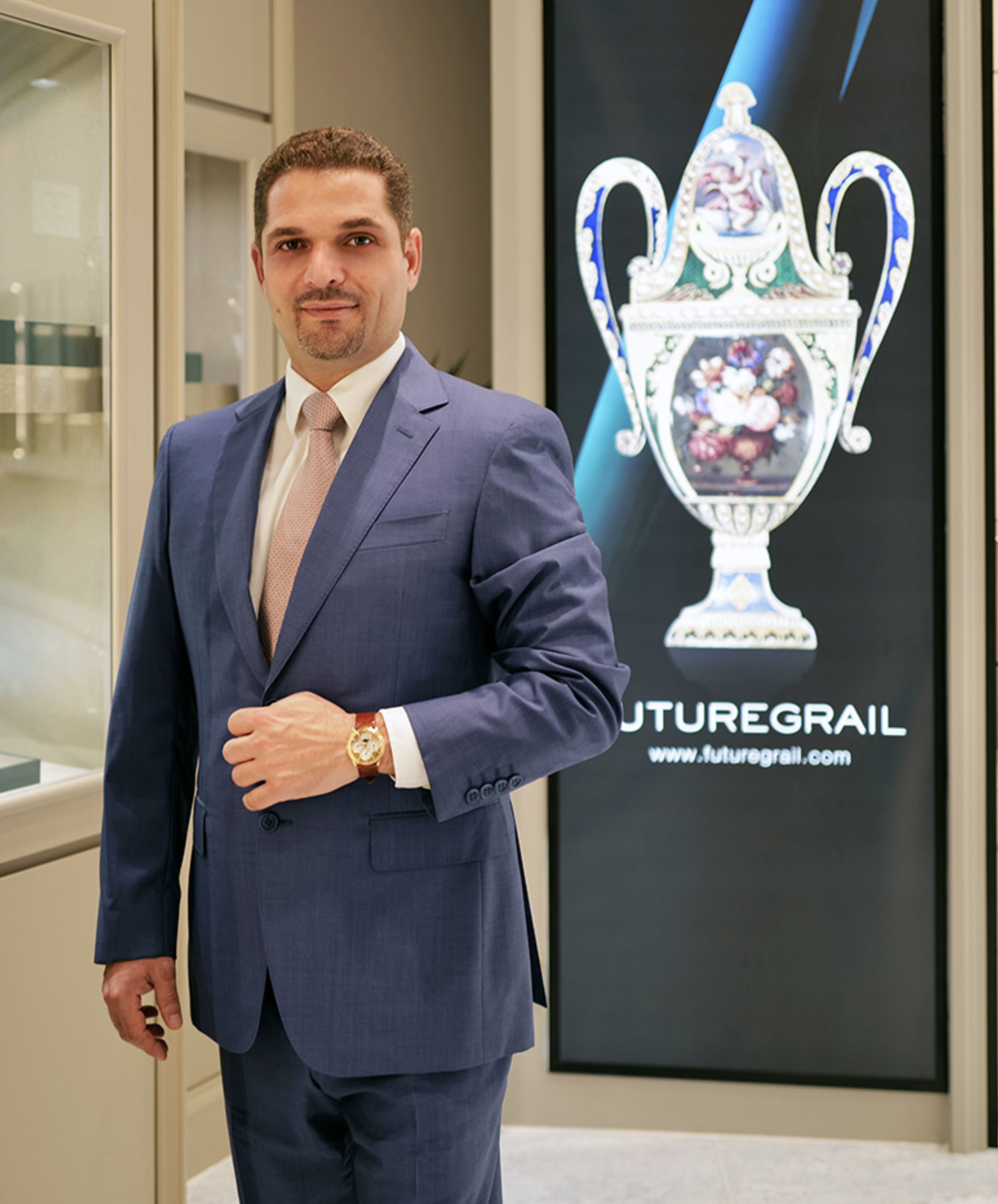
The panel brought together two voices rarely placed side by side in public watch discourse. On one end was Ali Nael, founder of FutureGrail and a veteran of the vintage and collectible watch trade, whose career has been shaped by long-cycle thinking, connoisseurship, and the realities of secondary markets. On the other was Rohan Sachdev, EY India’s Consulting Leader, offering a macroeconomic, risk-adjusted framework grounded in capital markets, liquidity, and asset cycles.
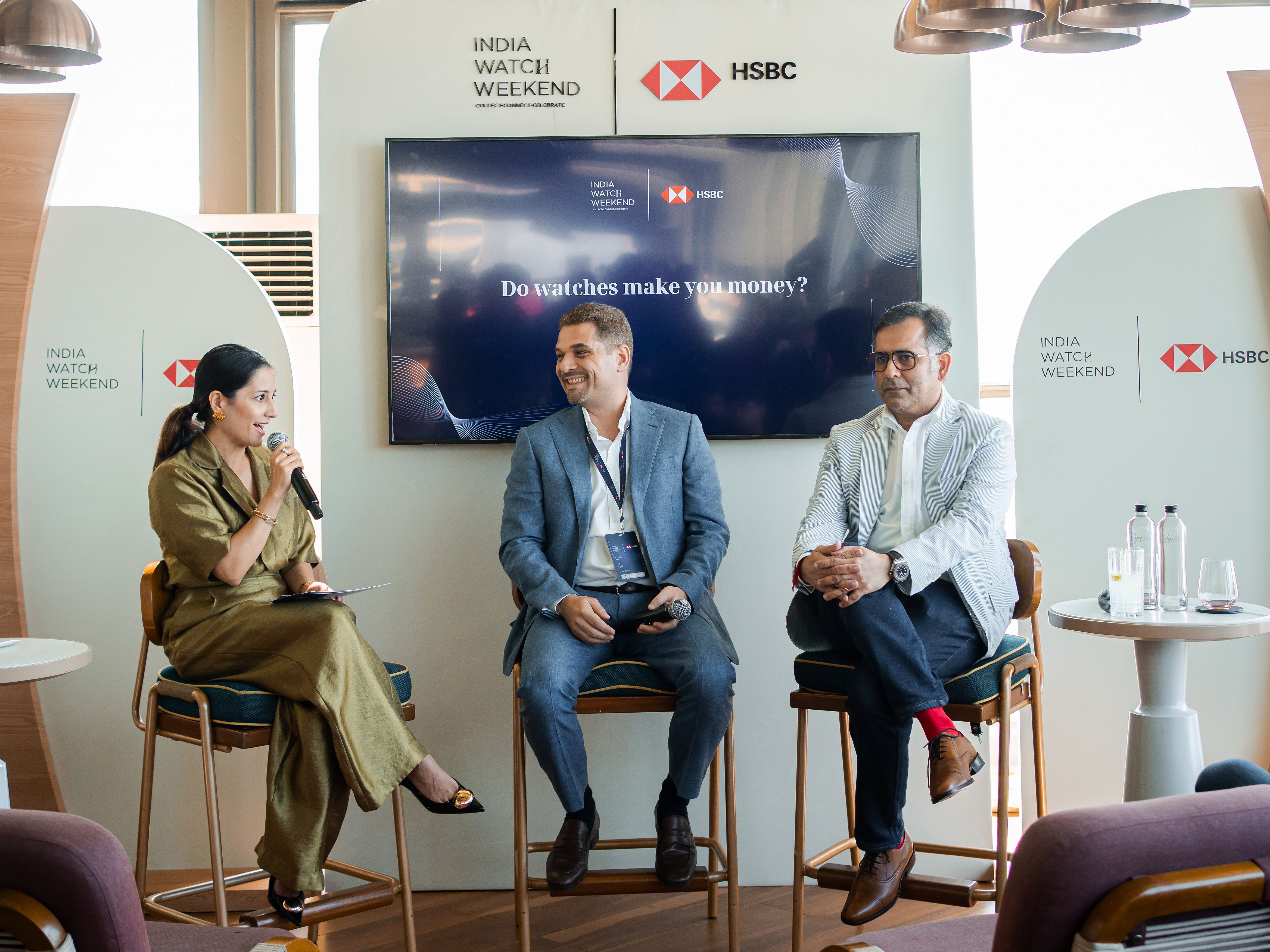
What emerged was not a binary yes-or-no answer, but something far more interesting: a nuanced map of how watches sit at the intersection of wealth preservation, cultural behavior, market cycles, and human psychology - particularly in an India that is rapidly redefining its relationship with luxury.
Forget hype, this was a dissection of watches as wealth preservation, cultural artifacts, and - yes, sometimes - modest performers against inflation.
Investment Vs. Preservation: Framing The Question Correctly
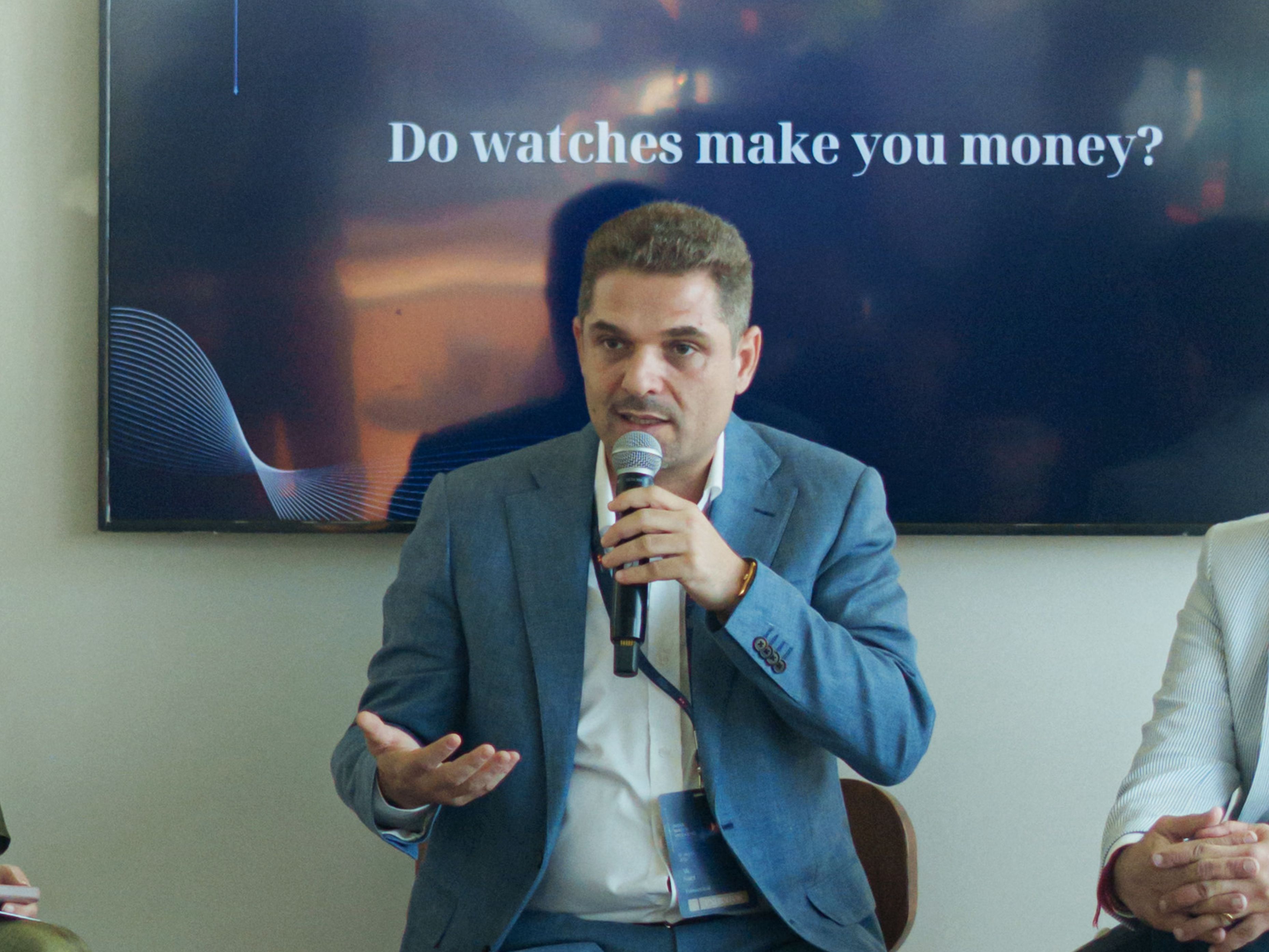
Ali Nael was quick to challenge the framing itself. Watches, he argued, should rarely be approached as “investments” in the traditional sense. “If you buy the right watch, with the right advice, and a long-term horizon, yes - it can make money,” he said. “But that’s not the right starting point.”
Instead, Ali consistently returned to the idea of preservation of wealth. For him, watches occupy a space closer to gold, art, or rare books than equities. They are tangible assets that can store value, sometimes grow it, and crucially, deliver non-financial returns along the way: enjoyment, use, and intergenerational continuity. “It has to be a very long-term horizon,” he stressed, echoing the patience required for true appreciation.
Rohan Sachdev, echoed this distinction from a different angle and framed it through a risk-adjusted lens. Supposing a hypothetical ₹10 lakh allocation in 2005 - split across equities, real estate, gold/silver, or watches - he noted, historical data makes the hierarchy clear: equities and real estate dominate long-term returns, followed by gold. Watches, by contrast, typically fall into a single-digit annualized return band, often in the range of 5-9% over long periods. “It's not the best-performing asset,” Rohan conceded, yet he reframed it brilliantly: “You buy a Porsche, it depreciates - but you enjoy it. Watches beat inflation, and that's the plus.”
But that comparison, both panelists agreed, misses the point.
“You don’t buy a watch the way you buy a stock,” Sachdev said. “You wear it. You live with it. That changes the equation.”
The Long Game: Returns And Rarity
Diving technical, Ali shared his personal ledger. Starting as a collector before launching 2ToneVintage in 2018 - Singapore’s pioneer in retail for pre-owned watches with in-house watchmakers offering warranties for the pieces. “There are watches that appreciate 100%, 200% in 3-5 years,” he noted, though his baseline is humbler: 10% annually to hedge “real inflation” (the erosive loss of purchasing power, not official CPI). Even breaking even in a pinch satisfies him, it’s hard-earned capital parked in objects of passion.
Rohan nodded to industry reports citing 5-9% average luxury watch returns, spiking to 10-30% for blue-chip models from the likes of Rolex or Patek Philippe. But he doesn’t chase speculation. “I look at watches as preservation of wealth,” he said.

Long Horizons And The Myth Of Quick Profits
One of the panel’s most important clarifications was the dismantling of the “quick flip” narrative that dominated watch culture between 2021 and 2023.
That period, marked by post-pandemic excess liquidity, speculative buying, and unprecedented price spikes, was described by Sachdev as a classic asset bubble. It was fueled not by collectors, but by flippers chasing arbitrage.
Nael was blunt: those participants are largely gone.
“Speculators disappeared when the correction came,” he said. “What’s left now are real collectors.”
For those remaining, the time horizon is everything. Nael typically evaluates watches on a five- to eight-year cycle, particularly in the vintage and rare categories. Over such periods, high-quality, well-documented watches tend to at least retain value and often exceed inflation, especially when bought intelligently.
Crucially, both panelists rejected the idea that every watch appreciates. Retail modern watches, like cars, generally depreciate. Appreciation is the exception, not the rule and usually limited to historically important, scarce, or culturally resonant references.

Rolex, Rarity, And The Demand-Supply Paradox
No discussion of watch value can avoid Rolex, and the panel tackled the brand head-on. Rolex produces over a million watches annually - hardly scarce by definition. Yet its watches often behave like appreciating assets. Why?
Nael reduced it to first principles: demand and supply.
“For millions of people, across India, China, and beyond, the first luxury watch is a Rolex,” he said. “That demand doesn’t disappear.”
What distorted the market in recent years was not production, but speculation. Artificial scarcity, waiting lists, and secondary premiums were driven by intermediaries, not end-users. As that layer receded, availability began normalizing, a trend both panelists have observed firsthand, including increased visibility of Rolex stock at authorized dealers.
Independent watchmakers, by contrast, operate on a completely different axis. Brands producing 500 or 1,000 watches annually can maintain value with far fewer buyers, supported by deep collector loyalty and cultural capital. In such niches, even a hundred committed collectors can sustain an entire market.
Macro Forces: Tariffs, Currencies, And Supply Chains
Sachdev brought a necessary macroeconomic lens to the discussion, particularly when addressing geopolitics. Trade tariffs, especially those affecting Swiss goods, don’t just increase sticker prices. They ripple through foreign exchange markets, often strengthening the Swiss franc and compounding cost inflation. At the same time, disrupted supply chains can halt production over seemingly trivial components - a sobering reality in modern watchmaking.
“Luxury supply chains are incredibly fragile,” Sachdev noted. “A $200 missing part can halt a six-figure watch from being delivered.” Such shocks, he argued, permanently reset pricing structures. Markets may stabilize, but they rarely revert.
India’s Watch Market: Culture Before Capital
If there was one area where both panelists showed optimism, it was India. The country’s expanding middle class, rising disposable income, and growing exposure to global luxury culture, credited in part to events like the India Watch Weekend, are reshaping the market. But Nael stressed that India will not simply replicate Western collecting patterns.
Cultural factors matter. In many Asian societies, selling an asset, especially a luxury one, carries stigma. The secondary market historically struggled against notions of “loss of face.” Education, transparency, and trusted platforms are slowly changing that, but the shift is generational.
Importantly, India’s collectors are entering the market after witnessing the excesses of speculative bubbles elsewhere. That, Nael believes, gives them an advantage. “They won’t make the same mistakes,” he said. “They’re smart, educated, and globally aware.”
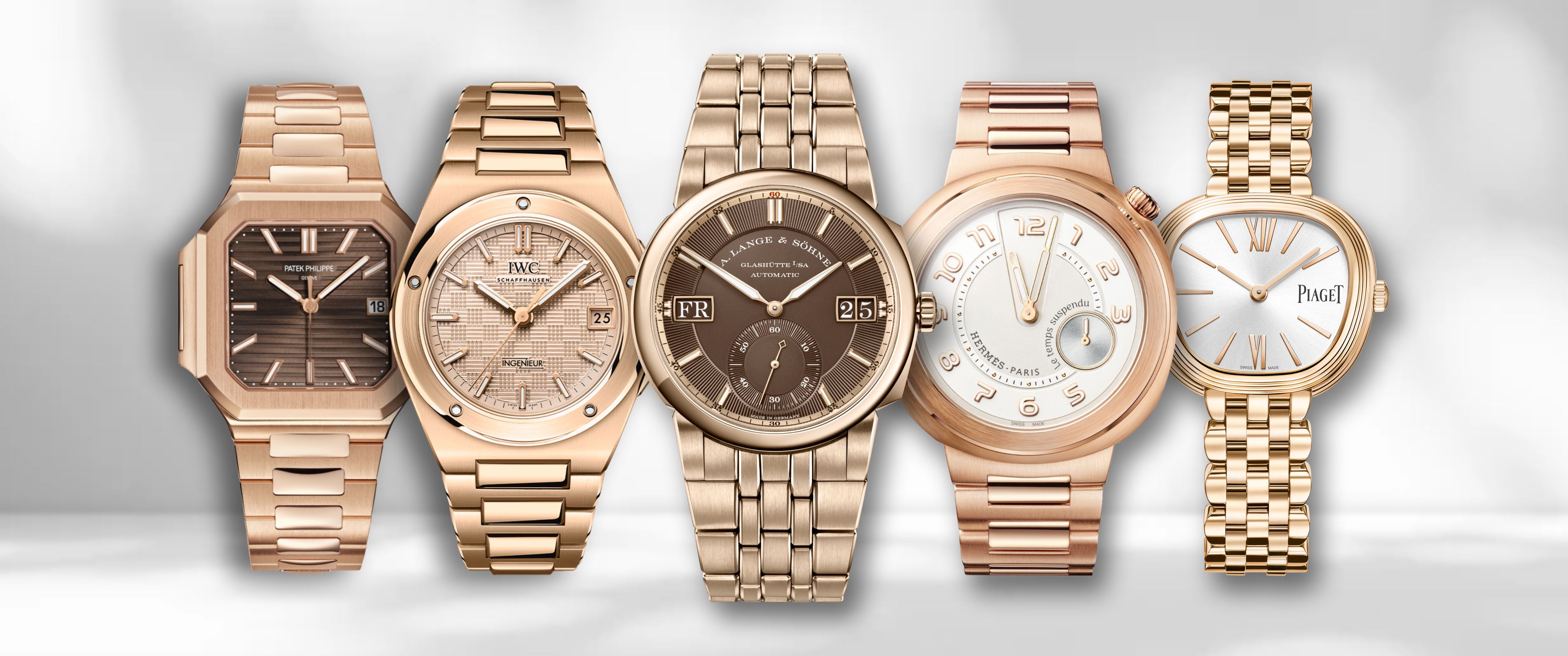
As the discussion tilted towards metal prices, neither panelist believed that metal values should drive buying decisions. Collectors buy watches for design, mechanics, and emotional connection, not commodity arbitrage. That said, gold watches, particularly in India, are experiencing a cultural resurgence, driven as much by tradition as by fashion. Still, the panel was clear: metal prices may influence long-term floors, but they rarely define desirability.
Collecting As Identity, Not Strategy
Perhaps the most revealing moments came when the conversation turned personal. Ali Nael admitted he does not regret any watch purchase - not because all were profitable, but because he assesses the downside before buying. Regret, for him, comes only when a watch lacks emotional connection.
Sachdev seconded the sentiment by sharing about his most cherished piece - a vintage Omega inherited from his father, a reminder that the most valuable watches often have nothing to do with market value.
Asked about hype brands, Nael dismissed status-driven collecting entirely. Watches, he argued, should be understood by those who wear them, not those who recognize them. His verdict? Watches won’t top stocks or precious metals but preserve wealth, delight souls, and, selectively, appreciate.
And we couldn’t agree more!