DOXA: When Function Creates Cult Status By Accident
 6 min read

Most cult watches got there on purpose. Limited runs, celebrity endorsements, strategic marketing. But DOXA? They just wanted to build a watch that wouldn't kill divers. The cult thing happened later, kind of by accident, which makes it better.
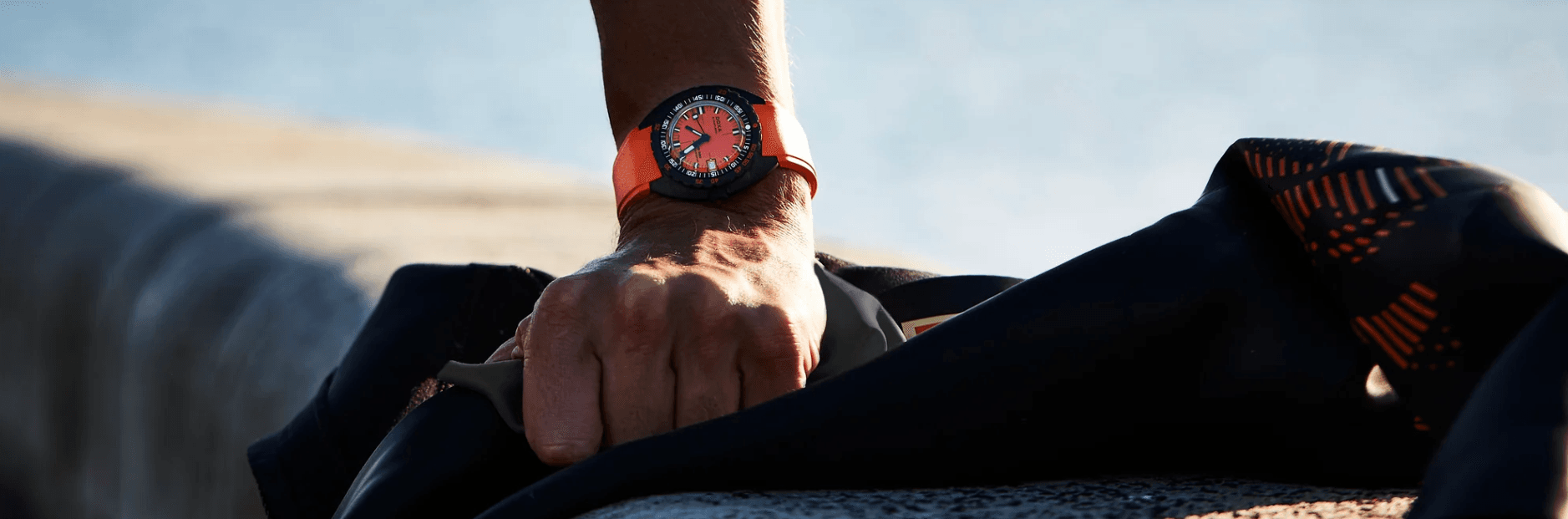
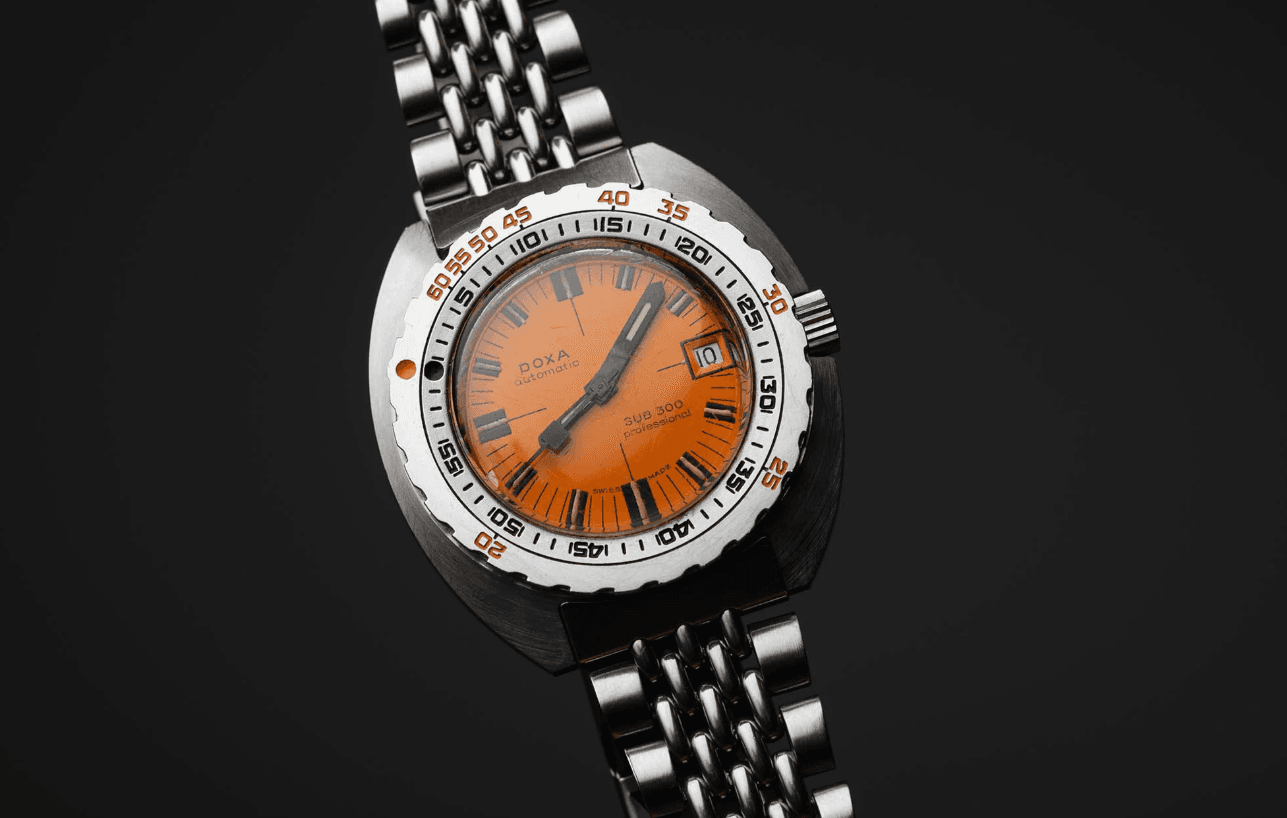
The dive watch category already existed. Rolex had the Submariner. Blancpain had the Fifty Fathoms. Both were over a decade old. Both worked fine. Both looked good on James Bond types ordering martinis at hotel bars. Urs Eschle, DOXA's head of product development, looked at this landscape and thought: these aren't actually for divers. They're for people who want to look like divers. Real divers need something else. So he built it. From scratch. With actual divers. Including Claude Wesly, who'd worked with Jacques Cousteau. They tested light visibility in Lake Neuchâtel. Orange won. Not red. Not yellow. Orange was the last color to disappear underwater. Science, not aesthetics. The case was a cushion shape, forged from a single block of steel. Fewer seams, less water penetration, better protection for the crown. The bezel had those thick serrated teeth you could grip with dive gloves. And printed on it? The U.S. Navy's no-decompression tables. Line up your depth, read your safe dive time. No calculator needed. No guessing. The minute hand was oversized. Bigger than the hour hand. Because when you're underwater, you're counting minutes, not tracking appointments.
Jacques Cousteau wore one. Not because DOXA paid him. Because it worked. He liked it enough that his company, U.S. Divers, became the exclusive U.S. distributor. Early American models got the Aqua-Lung logo printed on the dial. That twin-hose scuba tank design. Direct endorsement from the man who basically invented recreational diving. His entire Calypso diving crew wore them. The Swiss Army's elite divers adopted the SUB 300T after rigorous testing. Between 1968 and 1975, they issued about 150 units, each engraved with a serial number matching the diver's equipment. This wasn't marketing. This was actual military procurement.
The SUB 300T Conquistador. First commercially available watch with a helium escape valve. Co-developed with Rolex, who wouldn't release their own HEV-equipped Sea-Dweller until 1971. The science: saturation divers breathe helium-oxygen mixes at depth. Helium molecules are tiny. They penetrate watch cases. During decompression, pressure inside the watch builds up. Without a release valve, the crystal can literally explode off the watch. The HEV solved this. Automatically. Small spring-loaded valve on the case side. O-ring seals. Physics doing the work. The SUB 300T was rated to 1,200 meters. Four times deeper than the original SUB 300. Not 300T because it went to 300 meters. T stood for something else entirely. The depth rating quadrupled because the case had to be that robust to house the HEV system and survive saturation diving protocols. Professional tool watch credentials: established.
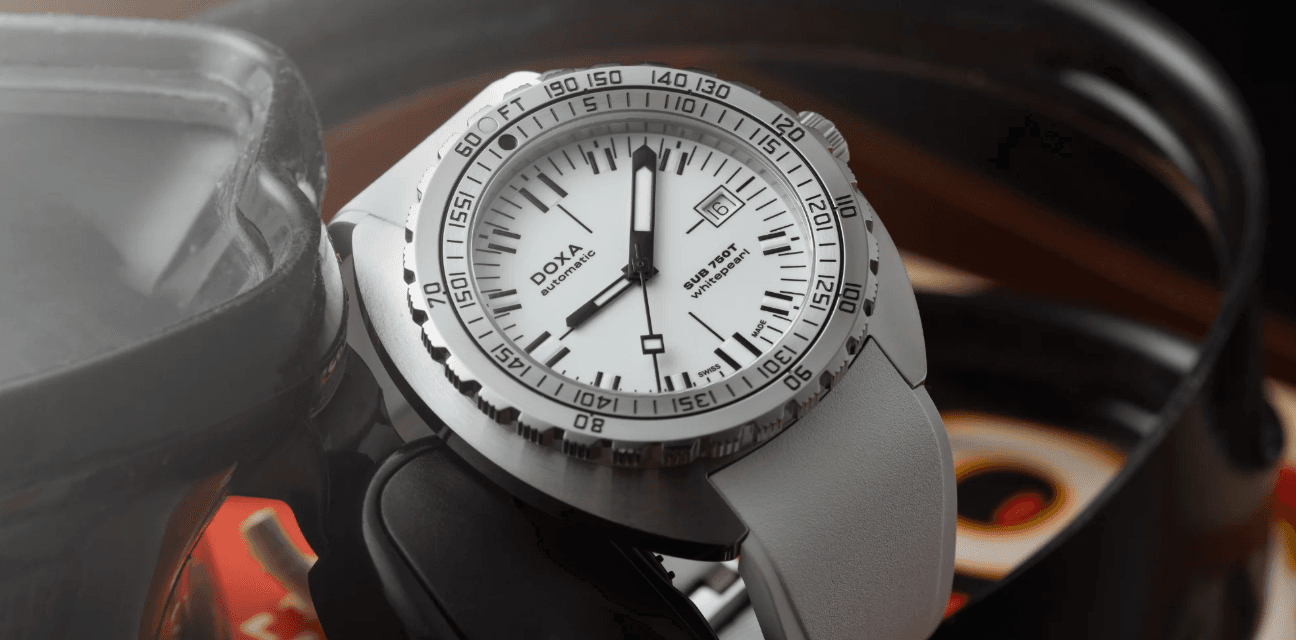
Quartz crisis hit. DOXA, like everyone else making mechanical watches, struggled. The brand faded. Not dead, just dormant. Kept alive by a small group of enthusiasts who knew what these watches meant. Forum threads. Dive club photos. The occasional vintage piece appearing at auction. Then Clive Cussler happened. The adventure novelist. He wore a DOXA. Not for a photo shoot. He actually dove with it. His fictional character, Dirk Pitt, wore an orange SUB 300T through dozens of novels. Cussler wasn't doing product placement. He was writing what he knew. The watch that worked when you needed it to work. That kept the name alive. In a specific kind of way. People who read those books, who dove recreationally, who appreciated tools that did jobs. Not the horological mainstream. The people who actually used watches for their intended purpose.
Jenny family acquired DOXA. Romeo F. Jenny knew dive watches. His company had made some of the first watches rated to 1,000 meters. He saw what DOXA had been. Saw what it could be again. Rick Marei left Microsoft to resurrect the SUB line. He understood the brand's history. Understood the cult following. Spent nearly two decades bringing back vintage designs with modern materials. The community that had kept DOXA alive through the lean years? They became customers. Then evangelists. Jan Edöcs took over as CEO in 2019. Direct-to-consumer sales model from 2001 onwards. Pioneer move. No waiting for retail partners to understand what made these watches special. Sell directly to people who already knew.
The cult status wasn't manufactured. It emerged from function.
That orange dial everyone recognizes? Originally selected through underwater visibility testing. Not because it looked cool. Because it worked. The cushion case, the beads-of-rice bracelet, the no-deco bezel. All solutions to actual problems. When Tudor brought back the Black Bay, when Omega reissued the Seamaster 300, they were responding to vintage enthusiasm. DOXA didn't need to respond. They'd been there the whole time. The design hadn't changed because it didn't need to change. It worked in 1967. It works now.
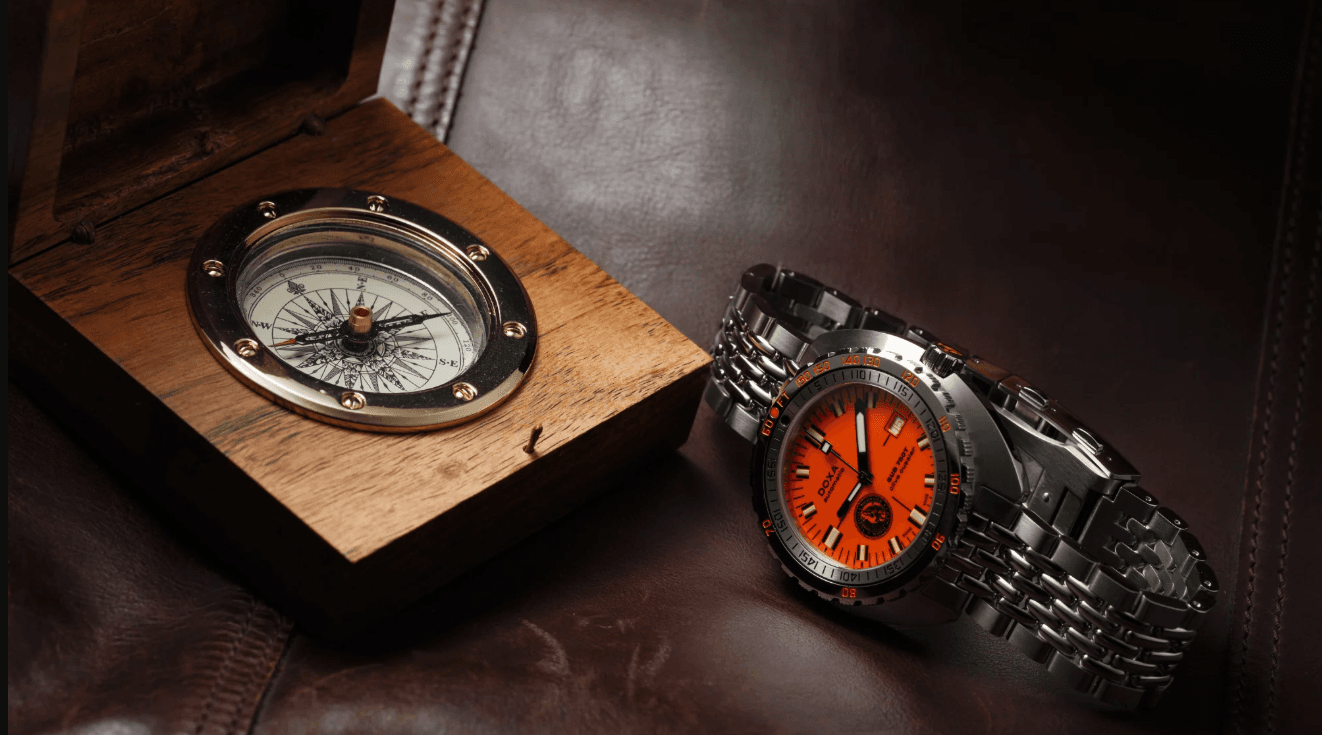
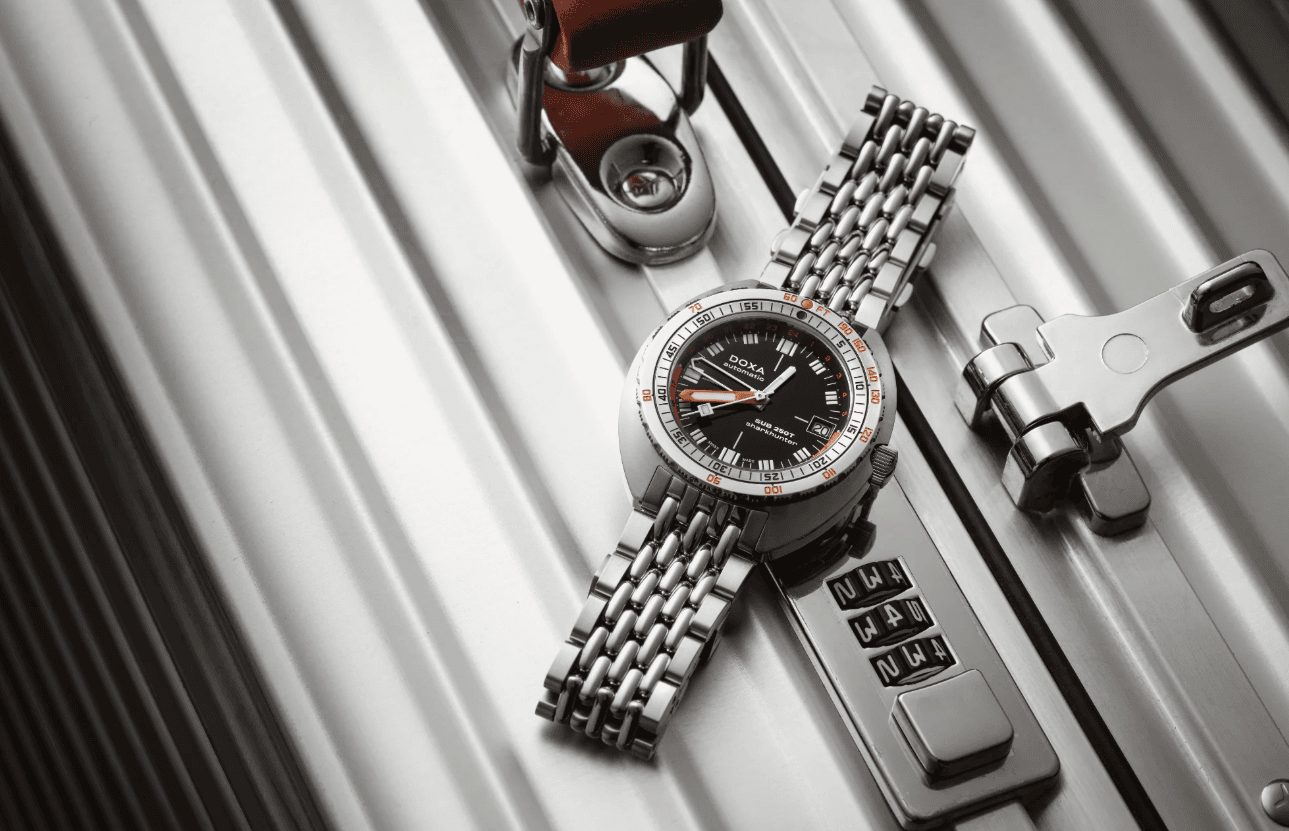
Vintage SUB 300s from the first generation can hit five figures. Not because of artificial scarcity. Because only about 100 examples remain. These were working tools that got used. Hard. Most didn't survive. The ones that did have provenance. Dive logs. Salt corrosion. Stories. Modern production runs in eight dial colors. Professional (orange), Sharkhunter (black), Searambler (silver), plus Caribbean, Divingstar, Aquamarine. Each color has its own name, its own following. The collectors who argue about which dial is the "real" DOXA inevitably come back to orange. Because that's the one Cousteau wore. That's the one that made scientific sense.
The Accidental Part
DOXA never set out to build a cult watch. They set out to build a watch that worked underwater. Better visibility. Clearer decompression data. Protection for saturation divers. Solve the problems. Make the tools work. The cult formed around that honesty. Around watches that looked weird because function dictated form. Around a brand that nearly died but got saved by the people who actually used these things.
You see a vintage SUB 300 on someone's wrist, you know. Not "I bought this because it's cool." But "I know what this is. I know why it matters." That's the difference. That's why the cult exists. Rolex marketed the Submariner. Omega marketed the Seamaster. DOXA just built the SUB and let divers figure it out. Cousteau figured it out. The Swiss Army figured it out. Clive Cussler figured it out. The cult grew from there.
Function creates cult status when the function is genuine. When the design isn't compromised. When the watch does what it was built to do, for the people who actually need it to do that thing. DOXA didn't chase cult status. Cult status found them. Because they made something that worked. That's the accident. That's the lesson. Buy one. Dive with it. Or don't dive and just appreciate that someone made this thing the right way. The orange dial will make sense eventually. They tested it in Lake Neuchâtel. The science is sound.