Inside The Atelier Of Laine: A Virtual Journey Through Finish And Feel
 4 min read

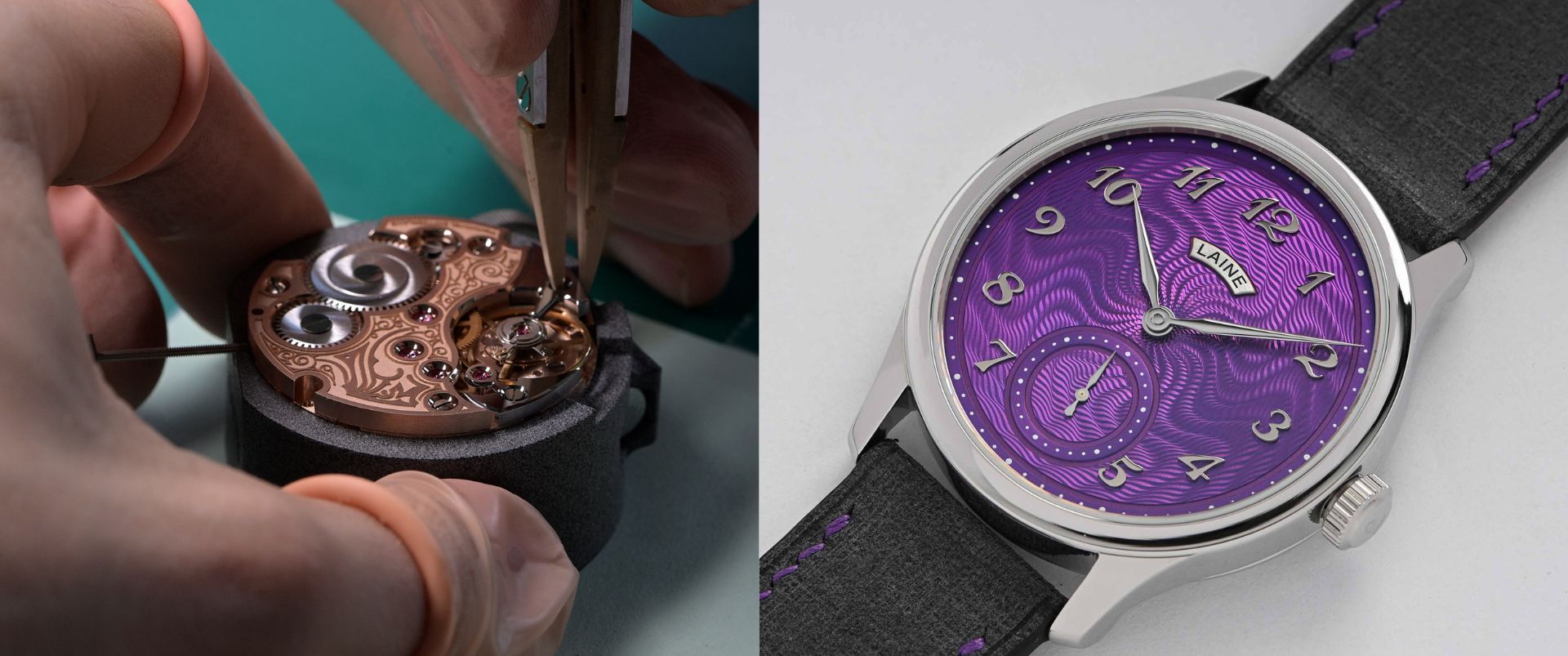
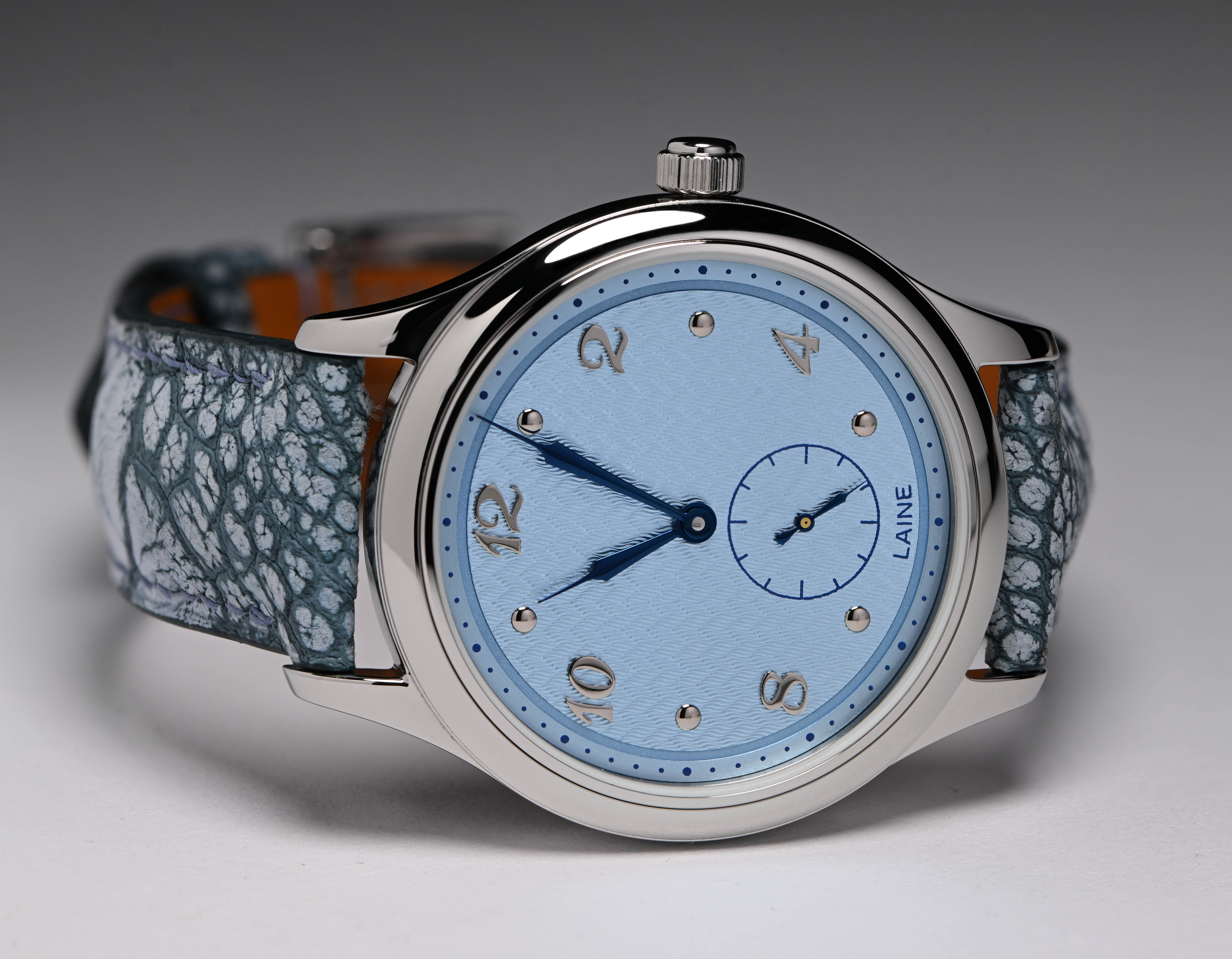
I have tried on many watches in my career as a writer working in the industry of luxury watches, however I experienced a watch for the first time when I strapped on a timepiece from Laine. I recently had the honour of tracing the journey of a watch from its initial render to the final in hand product thanks to this Swiss Maison. Somewhere between the quiet precision of La Chaux-de-Fonds and the rhythm of hand-finishing tools at work, I found myself drawn into a process that is as meditative as it is meticulous.
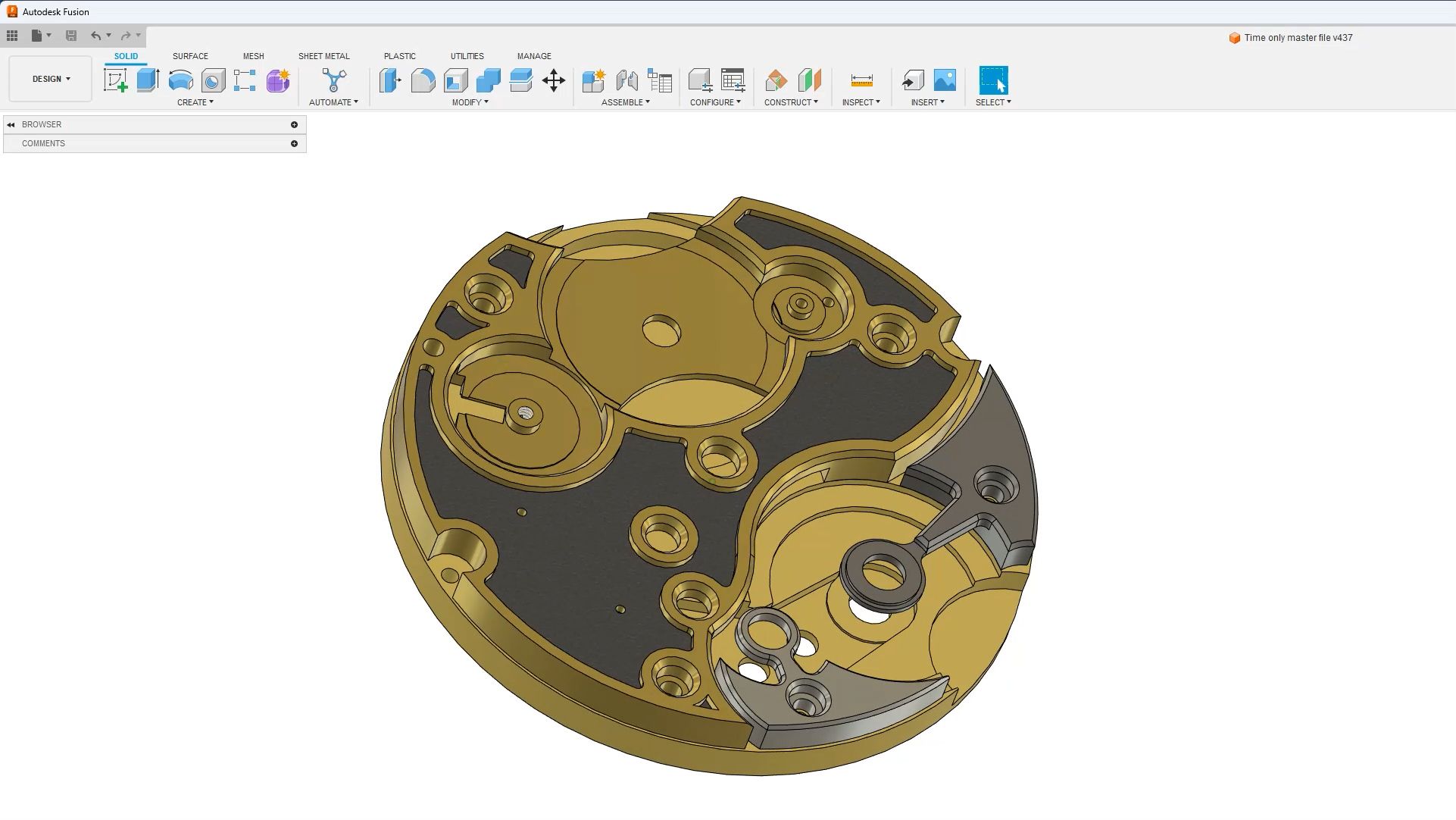
It begins quite unassumingly on a computer screen. Every component starts life as a CAD rendering. It is clean, exact and almost clinical. Dimensions are entered, tolerances measured and proportions matched. Everything is mapped out on screen before a single piece of metal is touched. But what struck me was how quickly this digital precision transitions into something far more tactile. From CAD to CAM, the process evolves into toolpaths and machining strategies, and soon enough raw metal meets CNC machines. Steel plates are cut, components begin to take shape and the watch starts to move from concept to reality.
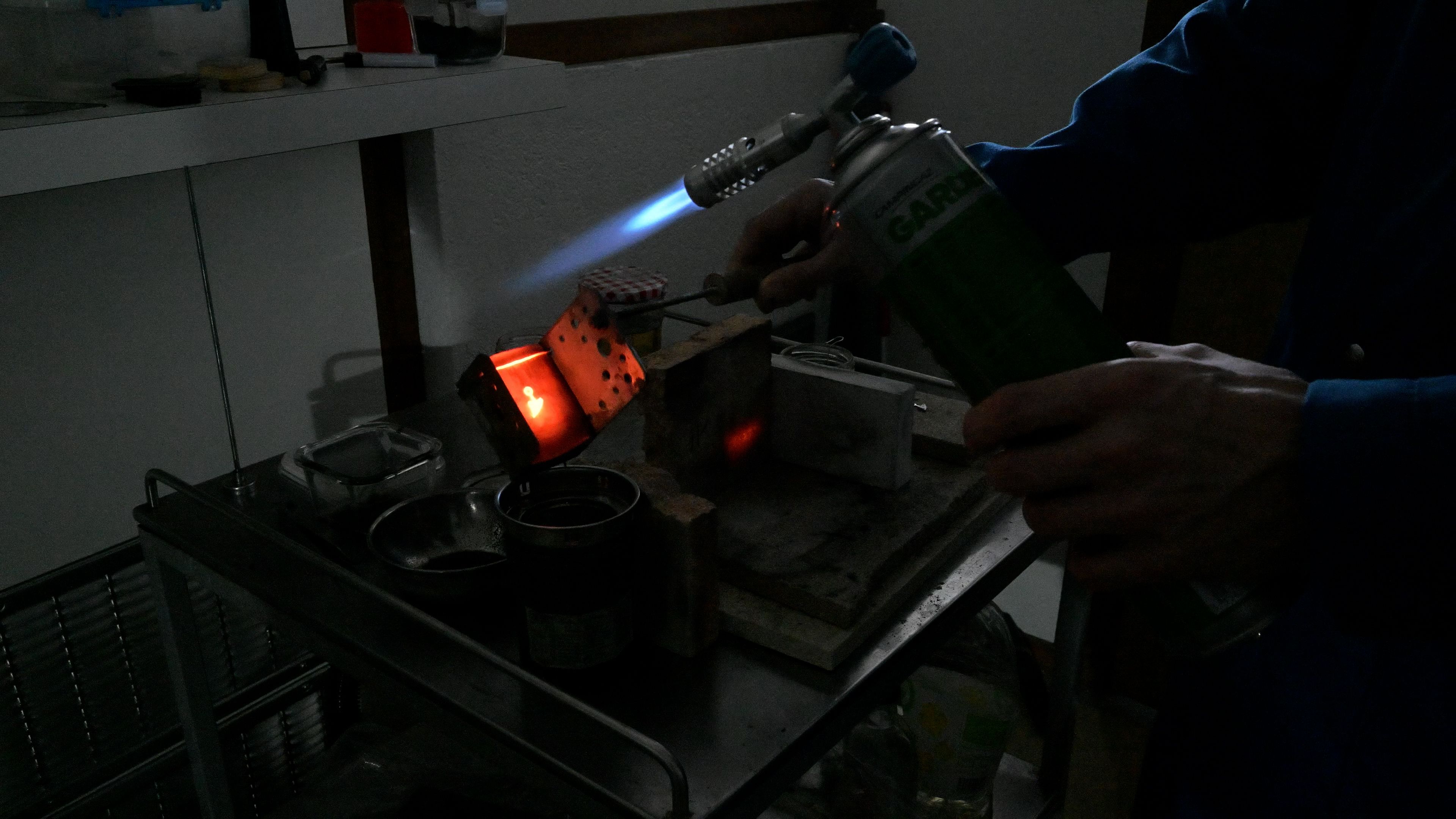
And yet, this is only the beginning. Once the parts are machined, the real story unfolds. I watched as steel was heated until it glowed a deep red, then quenched in oil a moment that felt almost primal in contrast to the earlier digital precision. From there, every surface is revisited, refined and reimagined by hand. Finishing is not just a step, it is the philosophy.
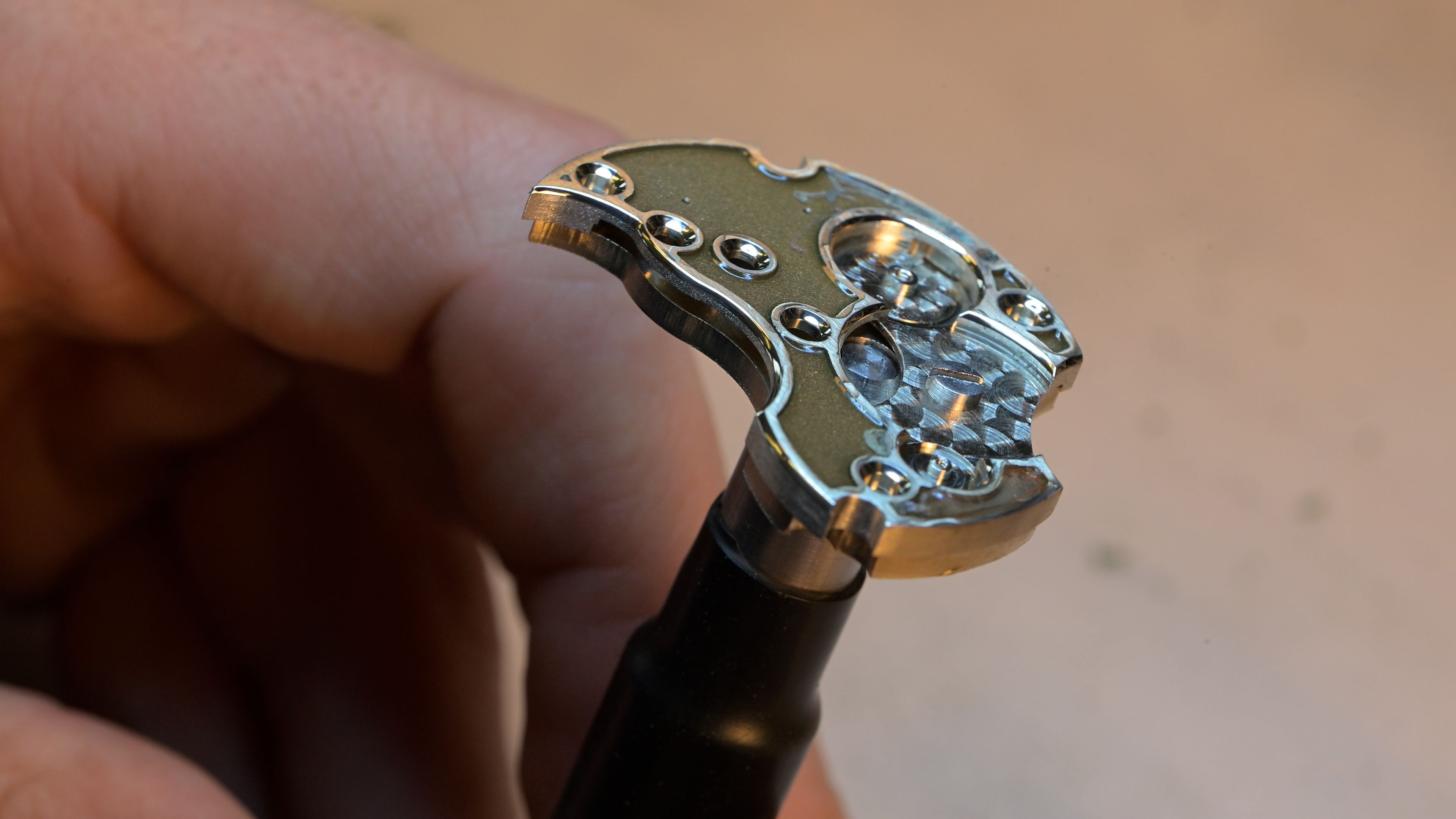
Edges are filed into shape first with coarse tools, then gradually with finer abrasives. Sandpapers move from rough to almost impossibly fine. Every angle is softened, every line sharpened until the part begins to reflect not just light, but intent. Even something as seemingly minor as a screw hole is treated with reverence: cut, polished and perfected until the “before” and “after” feel like two entirely different objects.
And then comes the part that stayed with me long after the tour ended the black polishing. Slow, exacting, almost obsessive. A steel bridge is worked on a bronze plate with diamond paste, then moved to an even finer surface. Thirty seconds of polishing, followed by a pause under the microscope. Inspect. Repeat. Refine. It can take hours to achieve what is to the naked eye simply a mirror finish but up close, it is something far more profound. A flawless distortion-free surface that absorbs and reflects light in equal measure. This is not decoration, it is devotion.
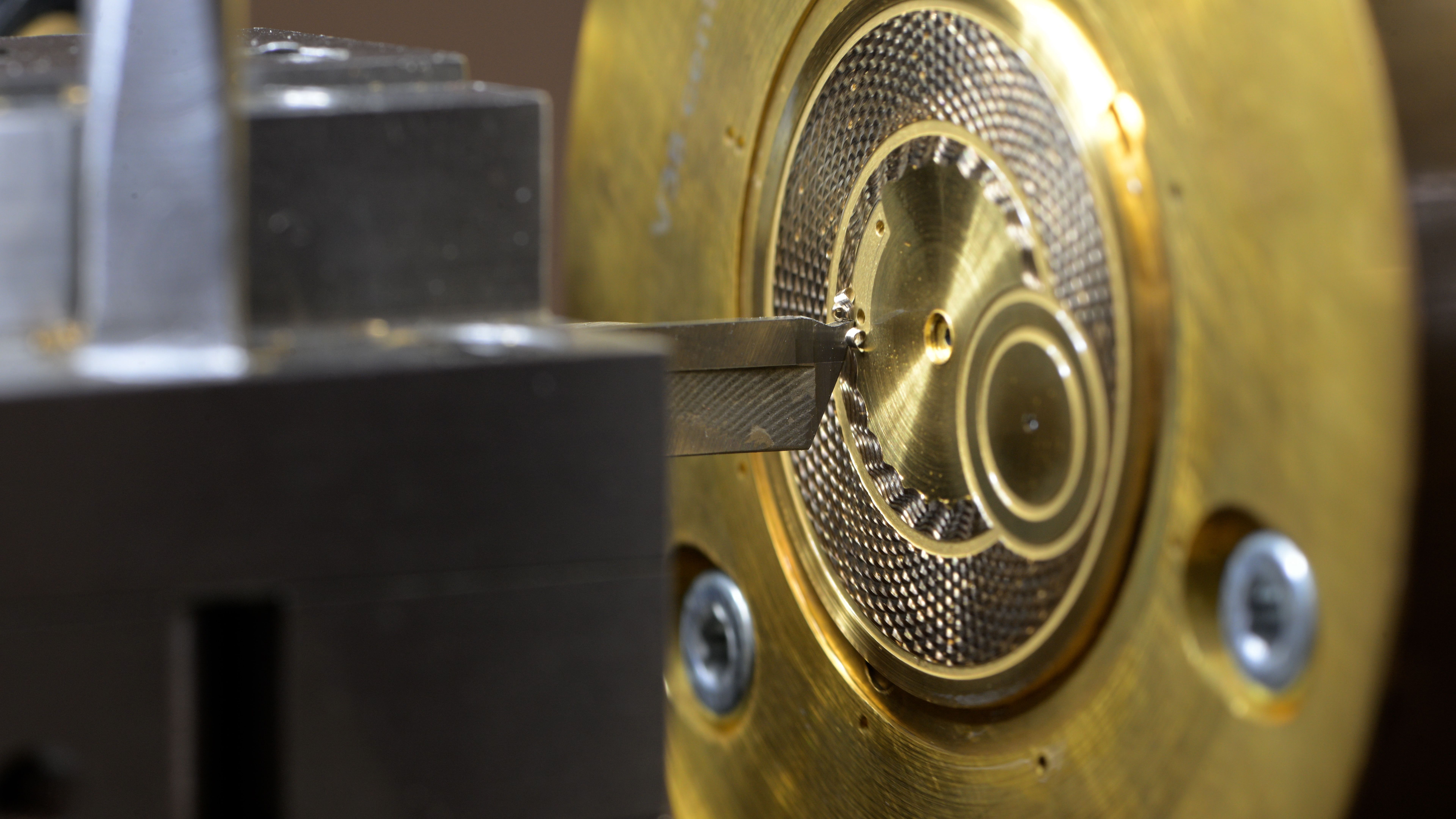
The bridges, crafted from German silver are equally expressive. Perlage patterns bloom across recessed surfaces in overlapping circles, applied with careful, rhythmic precision. Chamfers are polished until they catch the light just so. Every detail feels intentional, never excessive. And then, almost quietly, the artistry deepens. Guilloché takes the spotlight. Watching it happen even virtually is hypnotic. Antique machines which are over a century old are still in operation and still precise. The gentle left-right motion dictated by cams, the steady rotation of the dial, the human hand guiding pressure with unwavering control. At 30x magnification, every movement matters. Every line must be perfect. Patterns emerge slowly, almost ceremonially each pass building on the last.
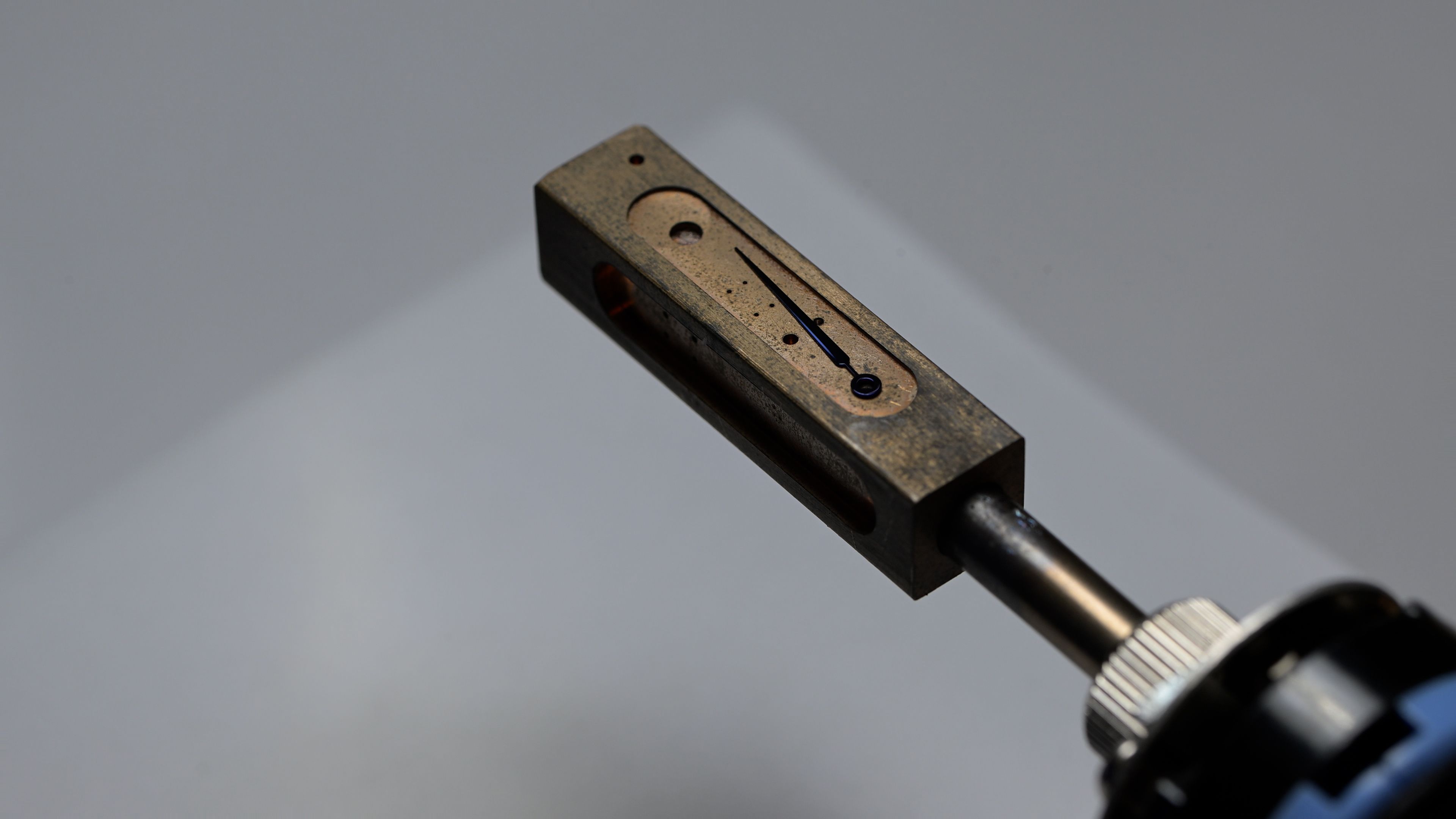
Even the hands of the watch are treated as miniature canvases. Cut from steel, shaped by hand, refined through successive stages of filing and polishing, and finally brought to a mirror finish using gentian wood and diamond paste. Then comes heat-bluing a fleeting but critical moment where steel shifts from brown to violet to that unmistakable, even blue. It lasts seconds, but demands absolute control. There is something deeply satisfying about watching colour emerge from fire.
And just when you think you’ve seen it all, there’s dial printing. Done in-house, with paint carefully transferred using traditional methods. Another reminder that here, control over craft is everything. By the time we reach assembly, the atmosphere shifts. There’s a quiet tension in the air. Every component, now perfectly finished, is also incredibly vulnerable. A single slip could undo hours of work. Metal tweezers sometimes even wooden ones are used with almost surgical care. The fully polished balance bridge is placed delicately, the movement comes alive and the watch runs.
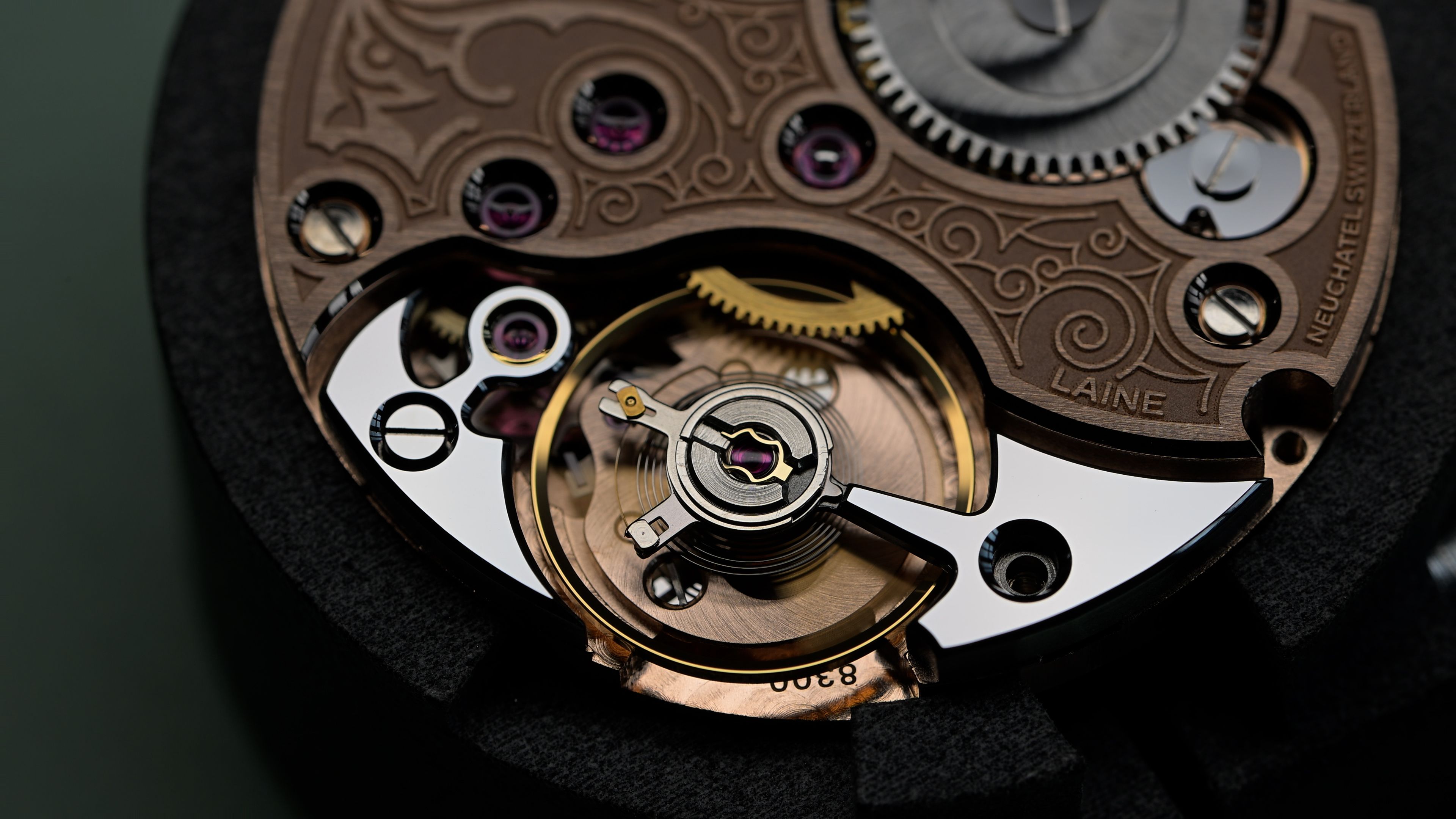
In that moment, what stayed with me wasn’t just the technical mastery though there is plenty of it. It was the sense of intimacy. The understanding that behind every polished surface, every engraved line, every blued hand, there is time. Not just measured, but invested and utilized to perfection. And perhaps that’s what defines a Laine watch most. Not just how it tells time but how much time, detail and precision it holds within it.