What Does 2026 Look Like For These Swiss Maisons?
 7 min read

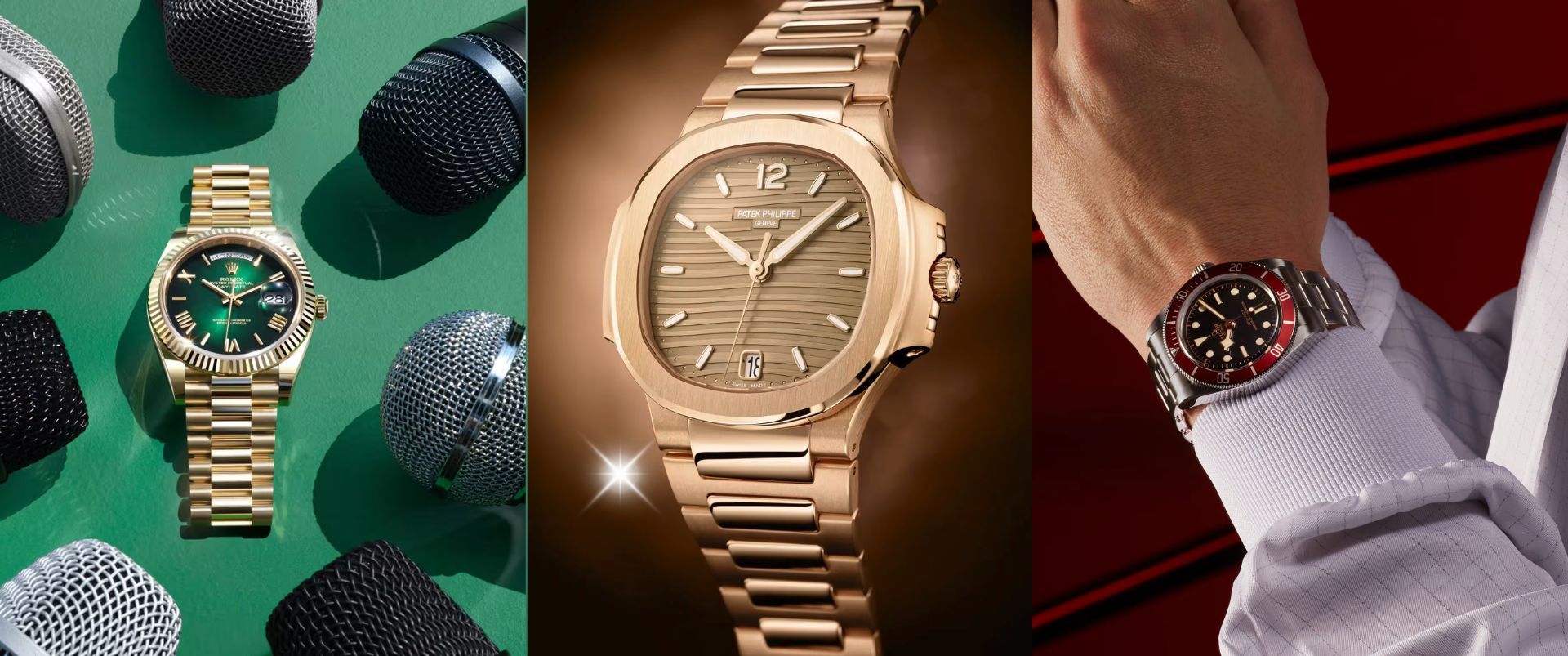
A new year can be the beginning of anything you want. It may start with a vision board, career aspirations, personal goals, fitness benchmarks and so much more. But what does 2026 hold for the watch industry? We all know that luxury is currently in a moment of flux. The rules are changing, the codes that governed the industry since decades maybe undergoing some much-needed modification. So what can we expect from the new year? Will it be the year of momentum, stagnation, dynamic change or something else? One thing is for sure, brands will continue to celebrate their glorious history as that is what has given them the position they currently enjoy.
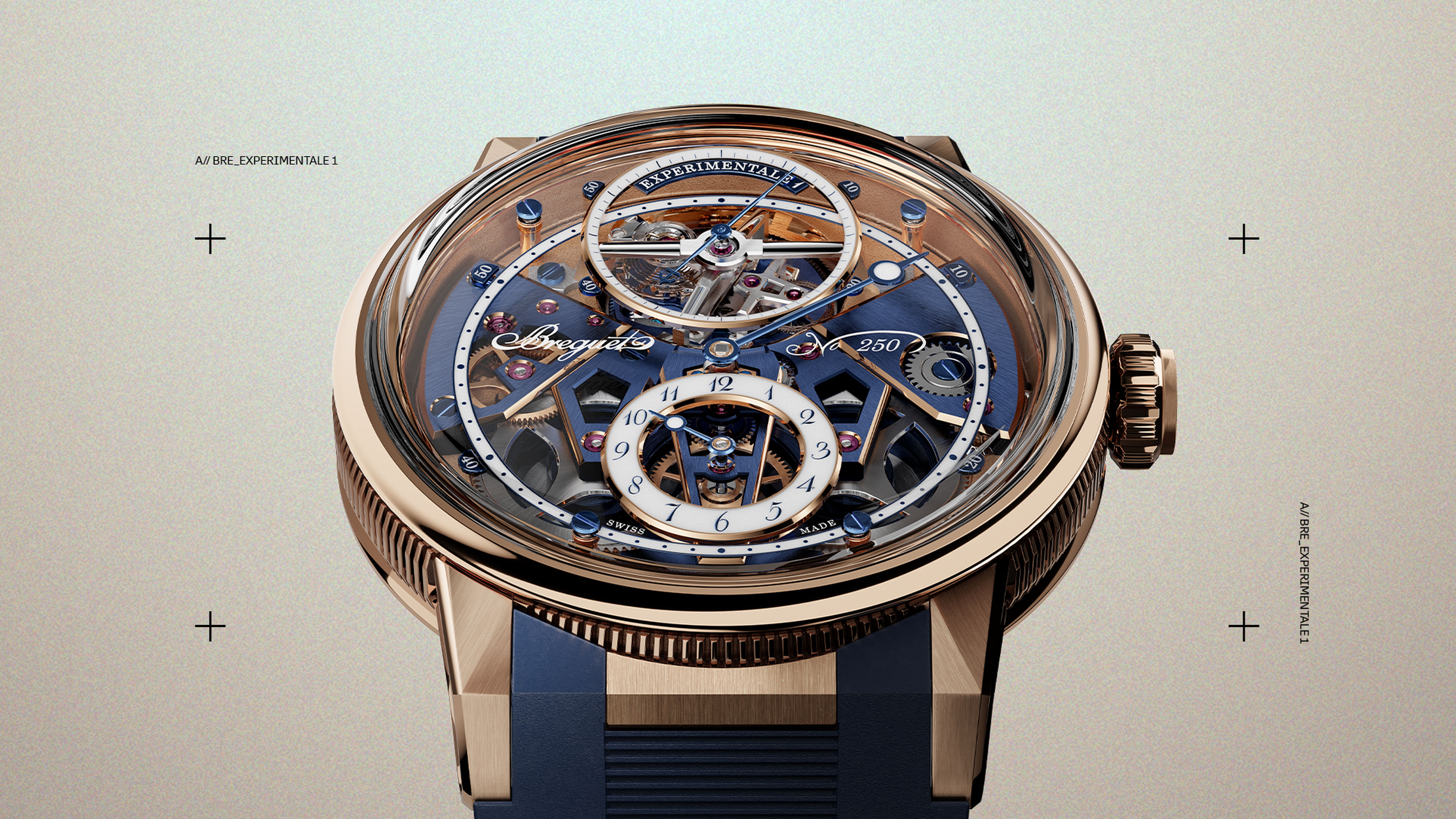
Let’s be honest… the watch industry loves a good birthday party. In fact, it thrives on them. Few industries celebrate their past with quite as much enthusiasm as haute horlogerie. But when your product is built on heritage, emotion and generational storytelling, nostalgia isn’t just marketing it’s practically a movement. And to be fair, we’re not complaining. Anniversary years tend to give collectors exactly what they want: beautifully executed throwbacks, thoughtful reinterpretations and occasionally, watches that make wallets tremble and waiting lists that stretch into the next decade.
2025 proved the formula still works flawlessly. Breguet marked 250 years with spectacular releases, Audemars Piguet celebrated 150 years in grand style, and Vacheron Constantin toasted 270 years with equal finesse. Not every milestone triggered fireworks, though. The Rolex GMT-Master quietly turned 70 without so much as a ceremonial nod, while Omega and Hublot made considerably louder noise around the Planet Ocean and Big Bang hitting the 20-year mark. So naturally, the big question now is: which icons are about to blow out candles in 2026? Quite a few, as it turns out and some of them are absolute heavyweights.
The 50th Anniversary of the Patek Philippe Nautilus (1976)
Far more than just a watch, the Patek Philippe Nautilus is a masterstroke that transformed steel into status and redefined what true luxury could look like on the wrist. Launched in 1976 as reference 3700, the Nautilus followed the Royal Oak Jumbo of 1972 into the luxury steel sports arena. Both watches shared the same legendary designer, Gérald Genta, whose influence on modern watchmaking borders on mythological at this point.
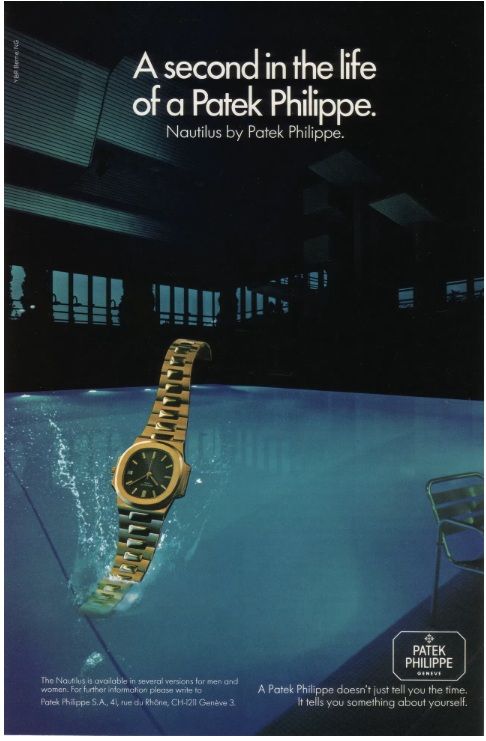
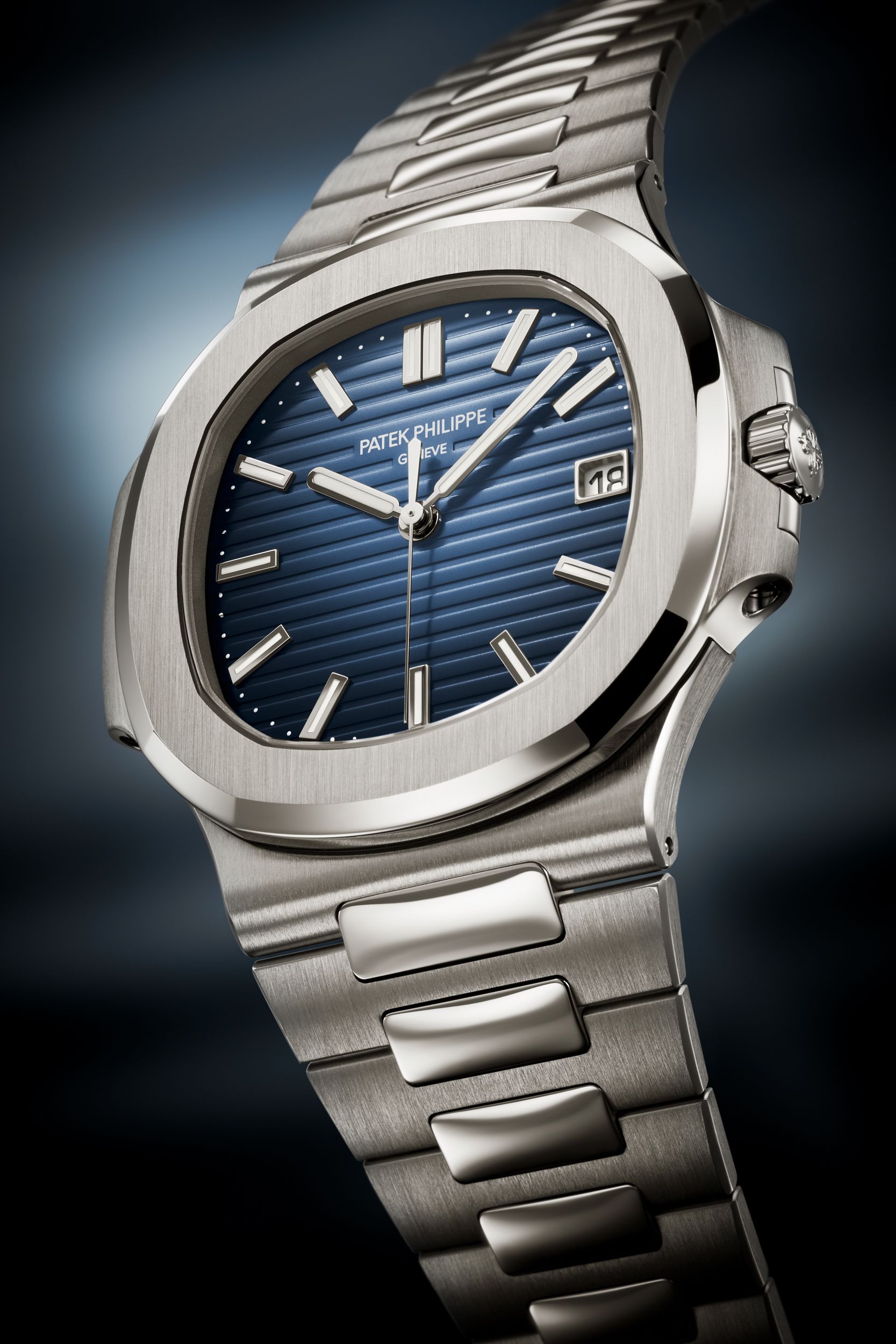
The Nautilus took its time to build cult status, but once it did, there was no looking back particularly with the steel time-and-date reference 5711, which became one of the most sought-after watches on the planet. Since the 5711 has now been replaced by the white gold 5811G, and considering Patek Philippe celebrated the model’s 40th anniversary in 2016, speculation around a 50th anniversary edition feels inevitable. Will Patek bring steel back into the spotlight? Possibly… but unlikely. Thierry Stern has repeatedly hinted that steel is not his priority. A platinum 5811P anniversary model, however, sounds like the sort of mic-drop moment Patek Philippe might enjoy delivering.
The 50th Anniversary of the TAG Heuer Monza (1976)
Not every icon shouts for attention, some quietly build a cult following. The TAG Heuer Monza firmly belongs in that latter category. Introduced in 1976, the Monza was created to celebrate Ferrari’s triumphant Formula One season, when the team secured both the constructors’ and drivers’ championships for the first time since 1964. The watch arrived with a distinctive C-shaped blackened case and automatic movement, immediately establishing a bold, motorsport-driven identity.
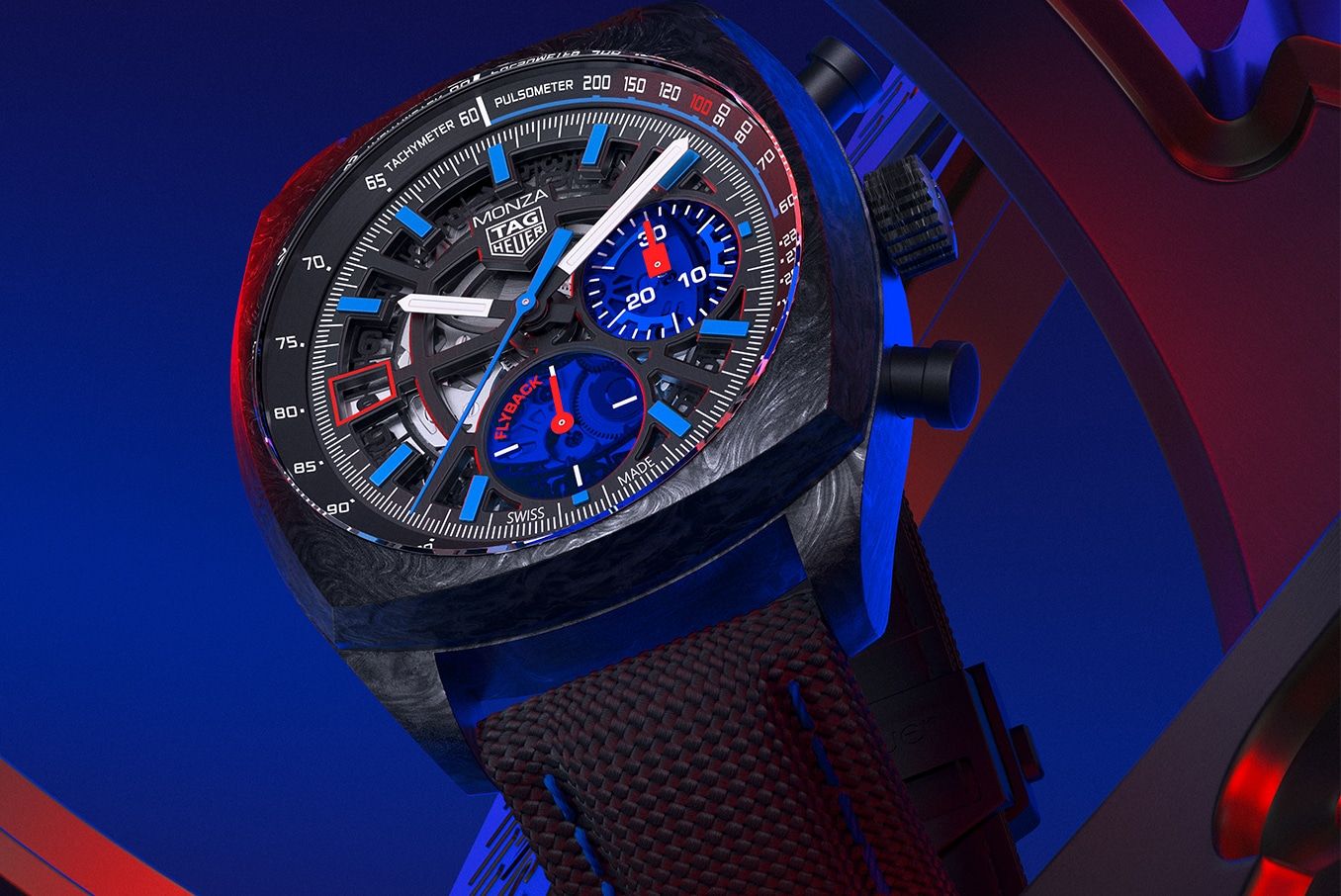
Interestingly, the Monza was originally positioned as a more accessible option. It used a base metal case rather than stainless steel and housed the Calibre 15 instead of the Calibre 12, earning it the label of an “economy” model though time has elevated its reputation significantly. Over the years, the Monza has resurfaced in several compelling reinterpretations, including the El Primero-powered Monza Calibre 36 and a black-coated anniversary edition released in 2016. More recently, TAG Heuer introduced the Monza Flyback Chronometer in forged carbon with an openworked dial a striking technical statement that could easily serve as the foundation for a bold 50th anniversary edition.
Tudor’s 100th Anniversary (1926)
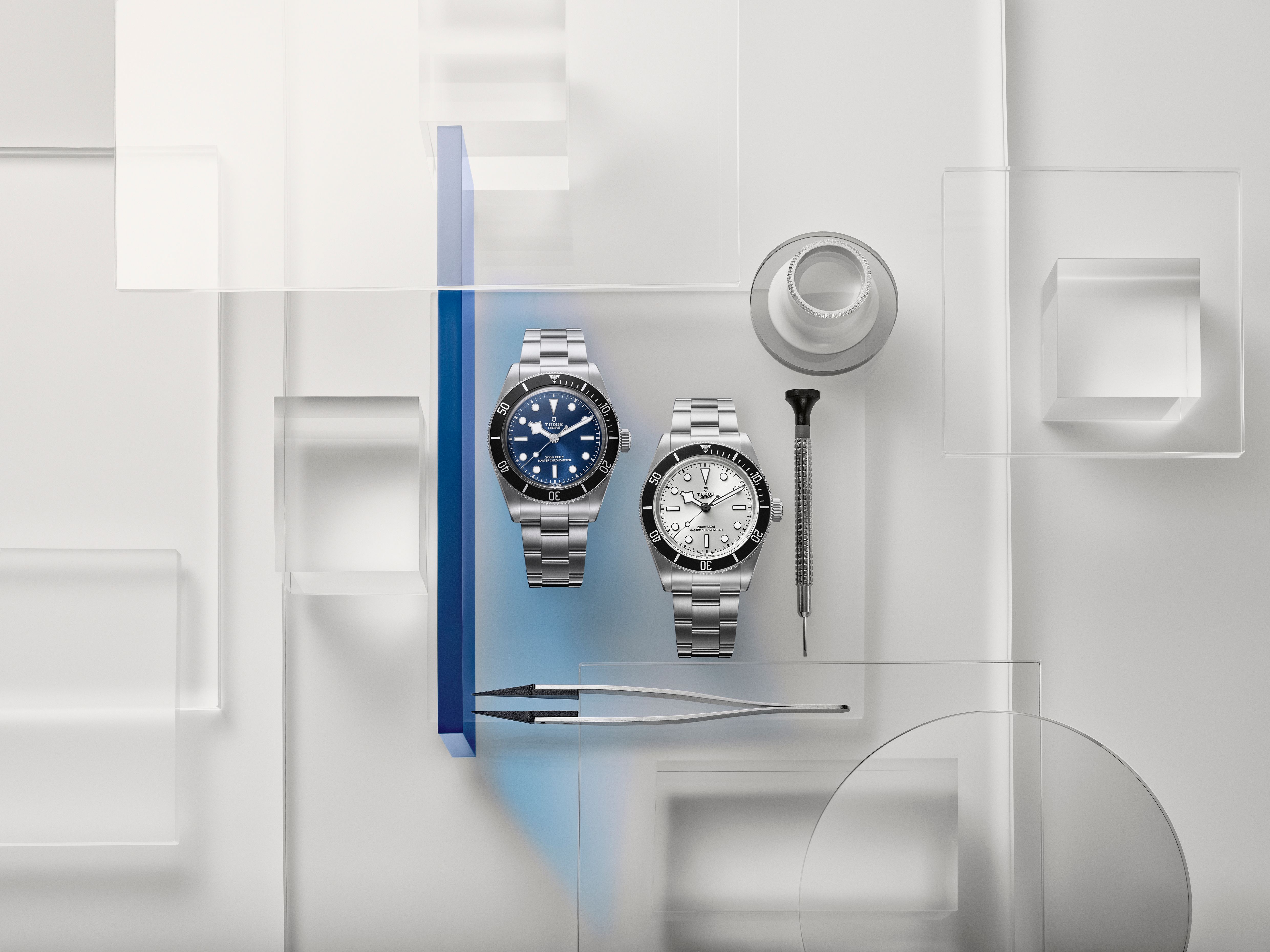
Few origin stories in watchmaking are as refreshingly pragmatic as Tudor’s. When Hans Wilsdorf founded the brand in 1926, he had a very clear vision. As he famously said, he wanted to create watches that Rolex agents could sell at a more modest price point than Rolex itself. That straightforward philosophy has shaped Tudor’s identity ever since, allowing the brand to balance accessibility with serious technical credibility. Exactly how Tudor plans to celebrate its centenary remains a mystery, but expectations are naturally high. The brand has built a reputation for surprising enthusiasts with technically impressive releases and strong design language. Whether that translates into entirely new models, innovative complications, or special commemorative pieces is still unknown but it’s safe to say Tudor won’t let 100 years pass quietly.
The 100th Anniversary of the Rolex Oyster (1926)
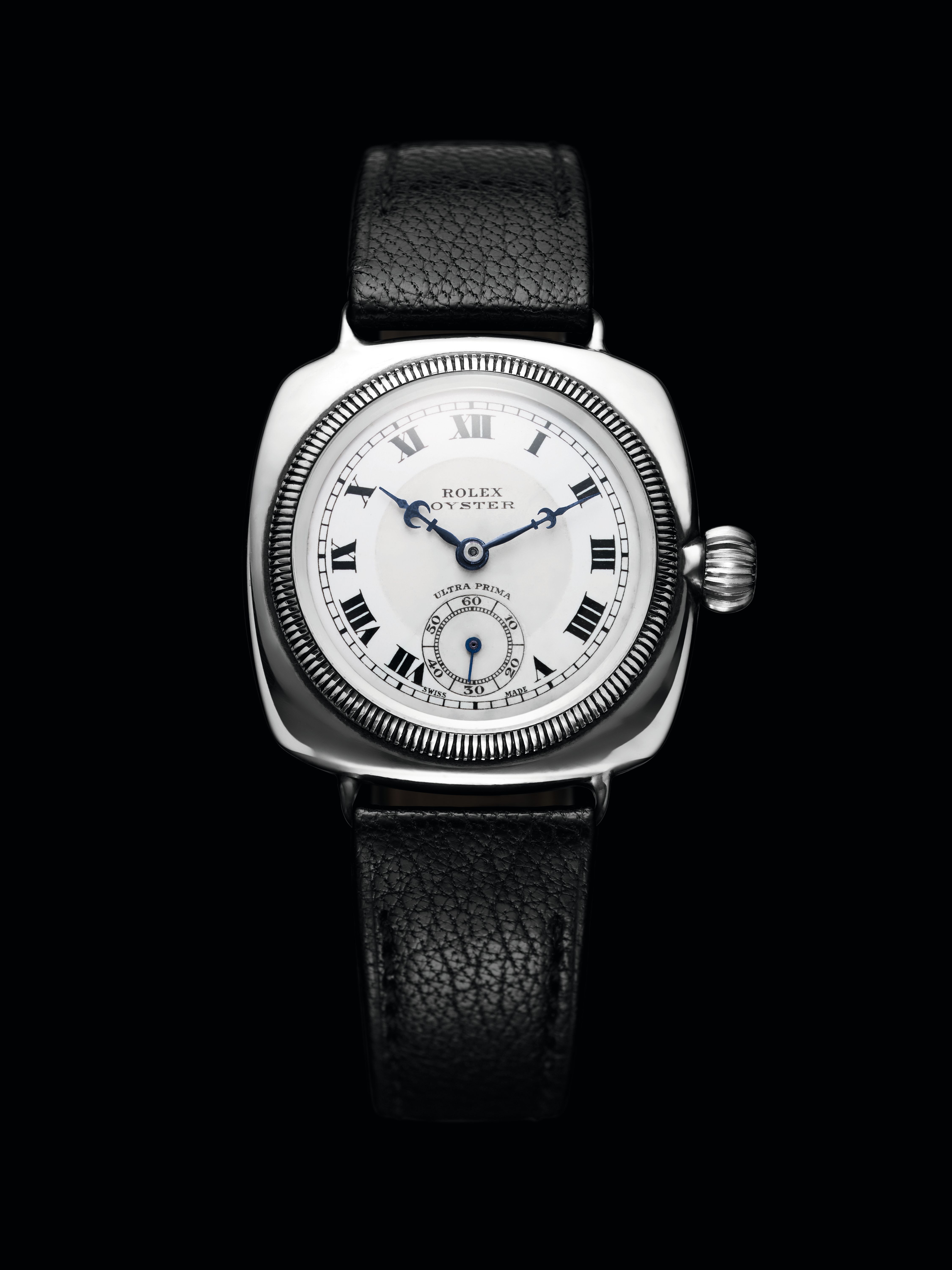
The year 1926 wasn’t just important for Tudor. It was a defining moment for Rolex as well, marking the birth of the Oyster the brand’s first waterproof and dustproof wristwatch and arguably one of the earliest truly water-resistant wristwatches ever created. The Oyster introduced a hermetically sealed case that protected the movement from external elements, effectively creating the blueprint for modern Rolex design. Even today, the words “Oyster Perpetual” remain central to the brand’s identity.

That said, Rolex is famously restrained when it comes to anniversary celebrations. While the brand has occasionally released commemorative models, it rarely treats milestones as headline events. Still, a full century of the Oyster is a monumental achievement, and if there was ever a moment for Rolex to unveil something genuinely new, this would certainly be it.
The 70th Anniversary of the Rolex Milgauss (1956)
The Milgauss anniversary story requires a small historical footnote because, like many Rolex legends, its timeline is slightly more layered than it first appears. Prototype versions of the Milgauss were already being tested at CERN before 1956. Early examples under reference 6543 were delivered around 1954, with somewhere between 75 and 200 pieces produced. However, the Milgauss truly entered commercial production in 1956 with reference 6541, widely regarded as the first official production model. Rolex itself recognises 1956 as the collection’s starting point, making 2026 its 70th anniversary.
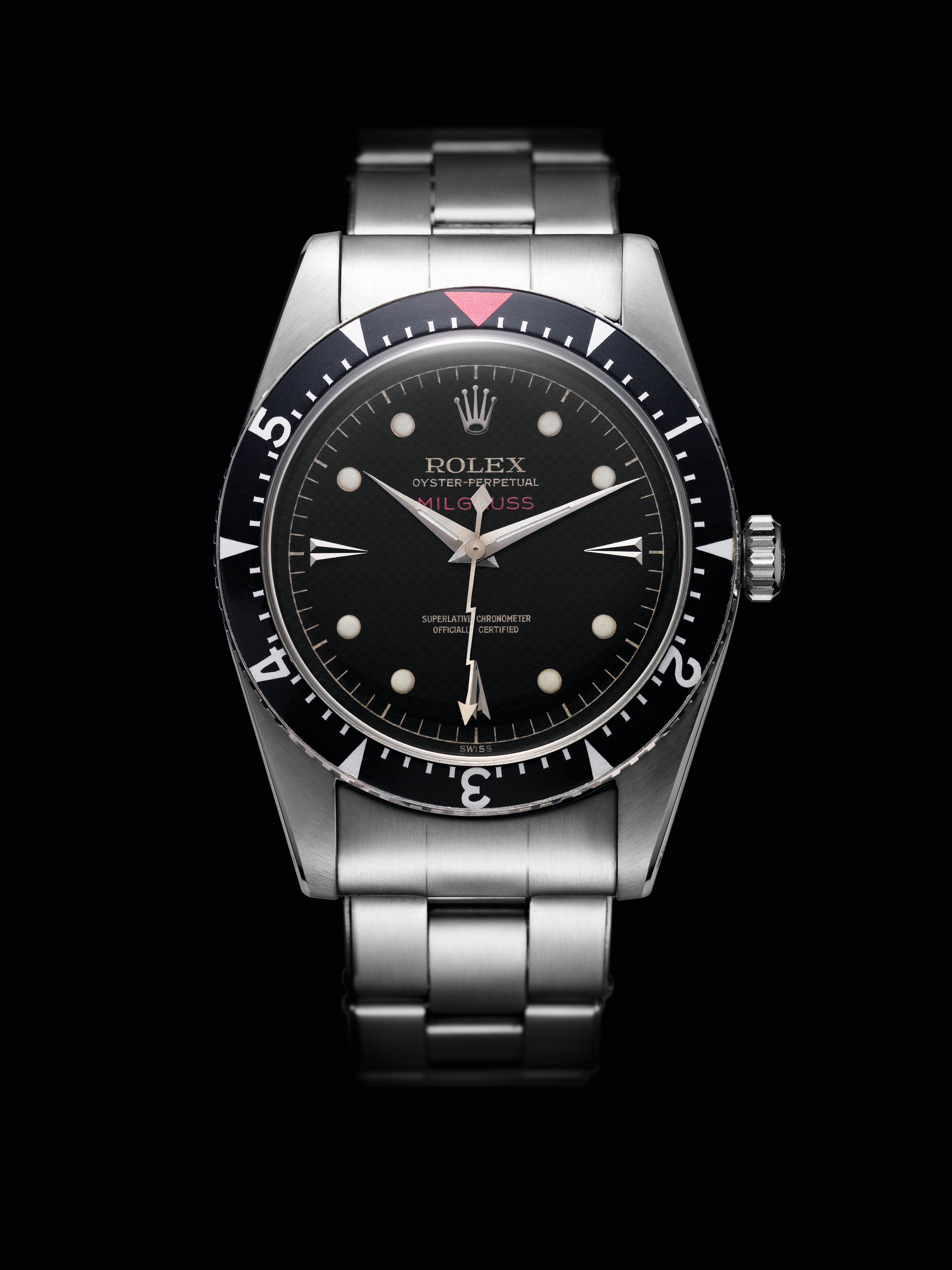
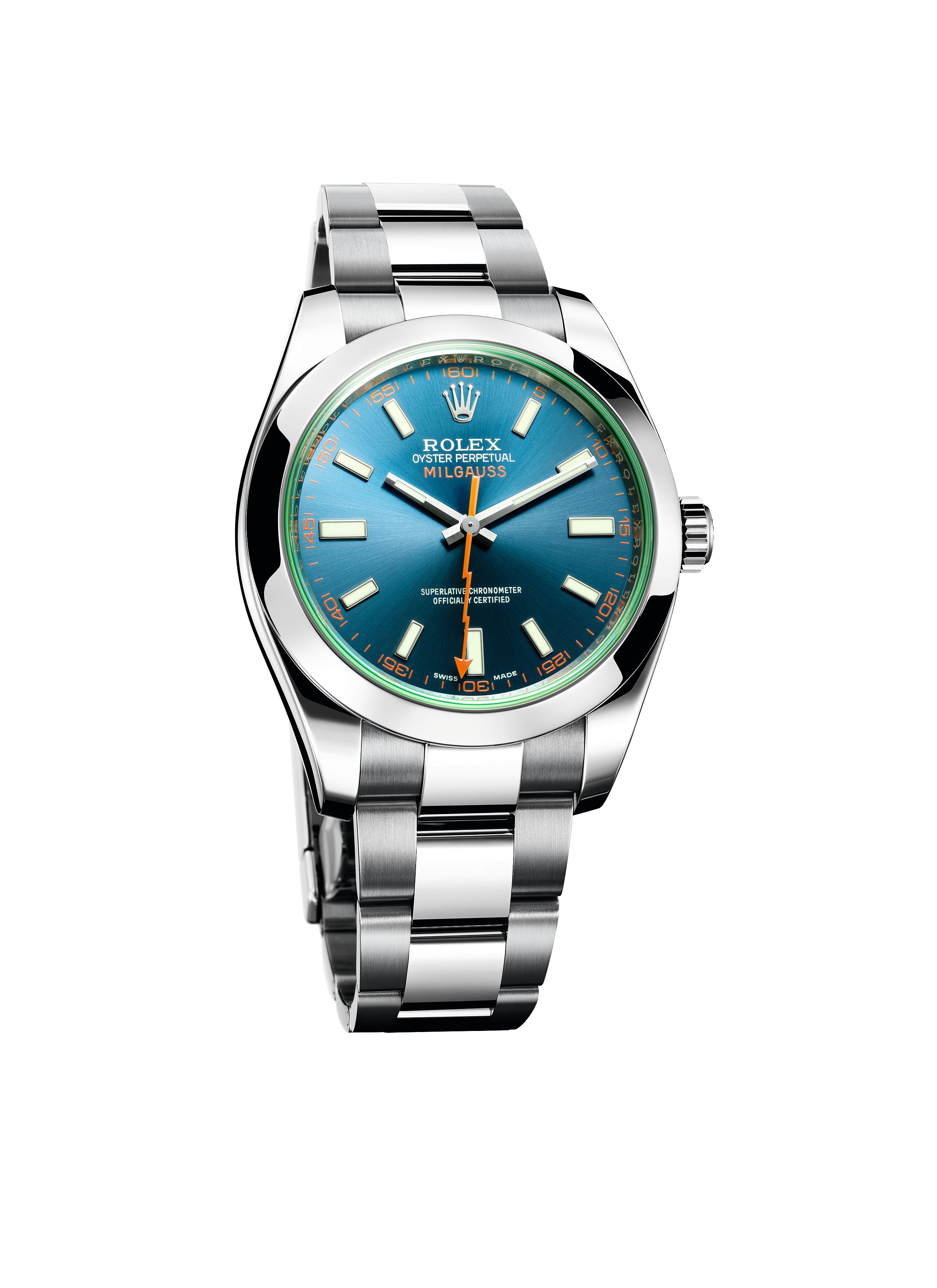
With Rolex continuing to push technical boundaries, particularly in anti-magnetic performance through developments such as the Dynapulse escapement, many enthusiasts believe the Milgauss is overdue for a proper comeback. If Rolex is looking for the perfect platform to showcase next-generation engineering, this anniversary could provide exactly that.
The 70th Anniversary of the Rolex Day-Date (1956)
Also born in 1956, the Rolex Day-Date remains one of the most powerful symbols of status in modern watchmaking. Often referred to as the Presidential watch, it was the first wristwatch to display the day of the week fully spelled out, positioned in an arched window at 12 o’clock, alongside a date window at 3 o’clock. From its earliest days, the Day-Date was positioned as Rolex’s flagship offering. It launched in precious metals yellow, pink and white gold and introduced the now legendary President bracelet. Early references included the smooth bezel 6510 and the fluted bezel 6511.
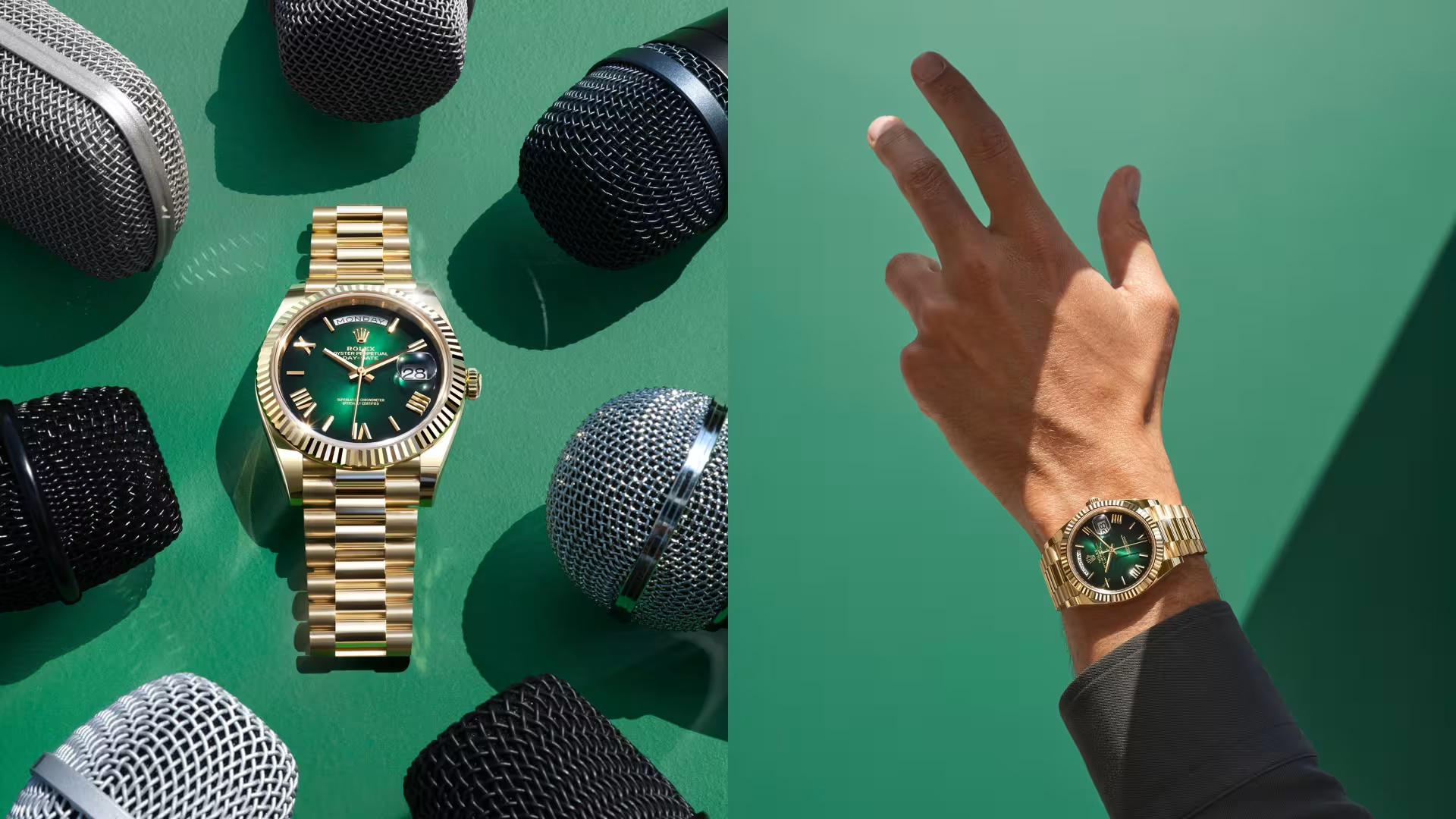
The Day-Date continues to hold a central place within Rolex’s catalogue, but the last major technical update arrived in 2015 with the Day-Date 40 and the introduction of the 32xx generation movements. With over a decade of proven performance and the model approaching its 70th anniversary, 2026 could be an ideal moment for Rolex to refresh one of its most enduring icons.
The 30th Anniversary of the Vacheron Constantin Overseas (1996)
The Vacheron Constantin Overseas traces its roots to the 1977 reference 222, the brand’s answer to the Royal Oak and Nautilus phenomenon. The Overseas itself officially debuted in 1996, offering Vacheron’s interpretation of the luxury sports watch for a new generation. Following strong early success, the collection evolved in 2004 with a more contemporary design language, before undergoing a major revamp in 2016 for its 20th anniversary. The current third-generation Overseas blends modern refinement with clear visual and mechanical continuity from the original 1996 model.
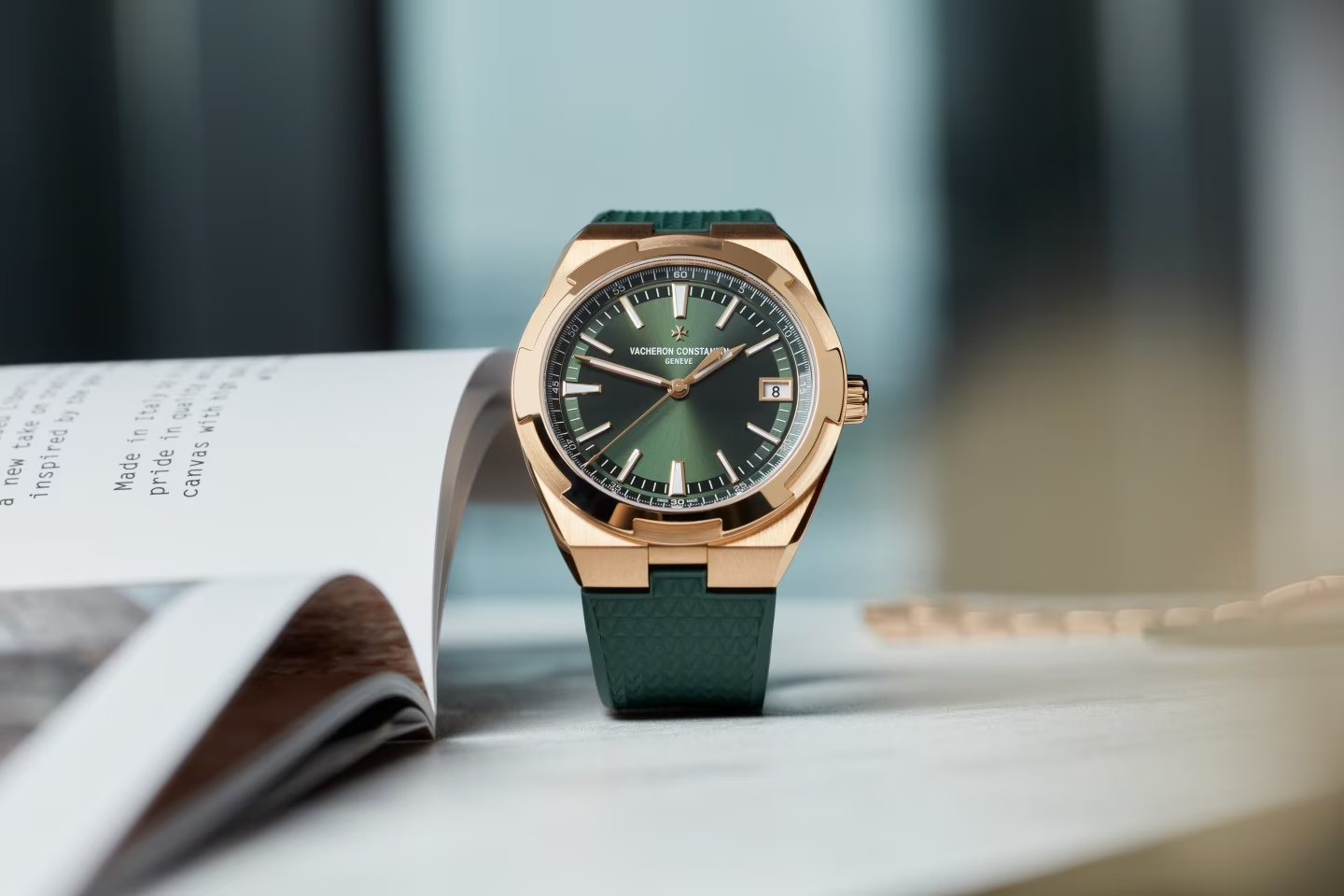
While launching a completely new fourth-generation Overseas might feel slightly premature, Vacheron Constantin has never shied away from celebrating its milestones with limited editions and thoughtful reinterpretations. For its 30th anniversary, special versions of the Overseas feel almost inevitable ensuring collectors will be watching closely.
A Year Where History Will Tick Loudly
If 2026 proves anything, it’s that watchmaking history doesn’t sit quietly in archives it continues to tick, evolve and occasionally demand a celebration worthy of its legacy. From the untouchable aura of the Nautilus to the engineering promise of a Milgauss revival, and from Tudor’s century-long journey to the enduring prestige of the Day-Date, the coming year could offer collectors a remarkable blend of nostalgia, innovation and, inevitably, temptation. Because in watchmaking, anniversaries aren’t just about looking back. They’re about reminding us why these icons still matter and why, decades later, they continue to capture our imagination one second at a time.


