Did You Know? The Grand Seiko Beyond Snowflakes And Spring Drive
 6 min read

It’s funny how our minds work. Today it feels as if Grand Seiko has been around literally forever and with the exponential affinity that its products attract, it seems as if the brand has been in the game from long. But playing in an industry where legacies can be traced back centuries, Grand Seiko is actually still an infant. It is perplexing to learn that the brand founded in 1960 which we now equate with a distant Swiss giant was only made available outside of Japan in the year 2010.
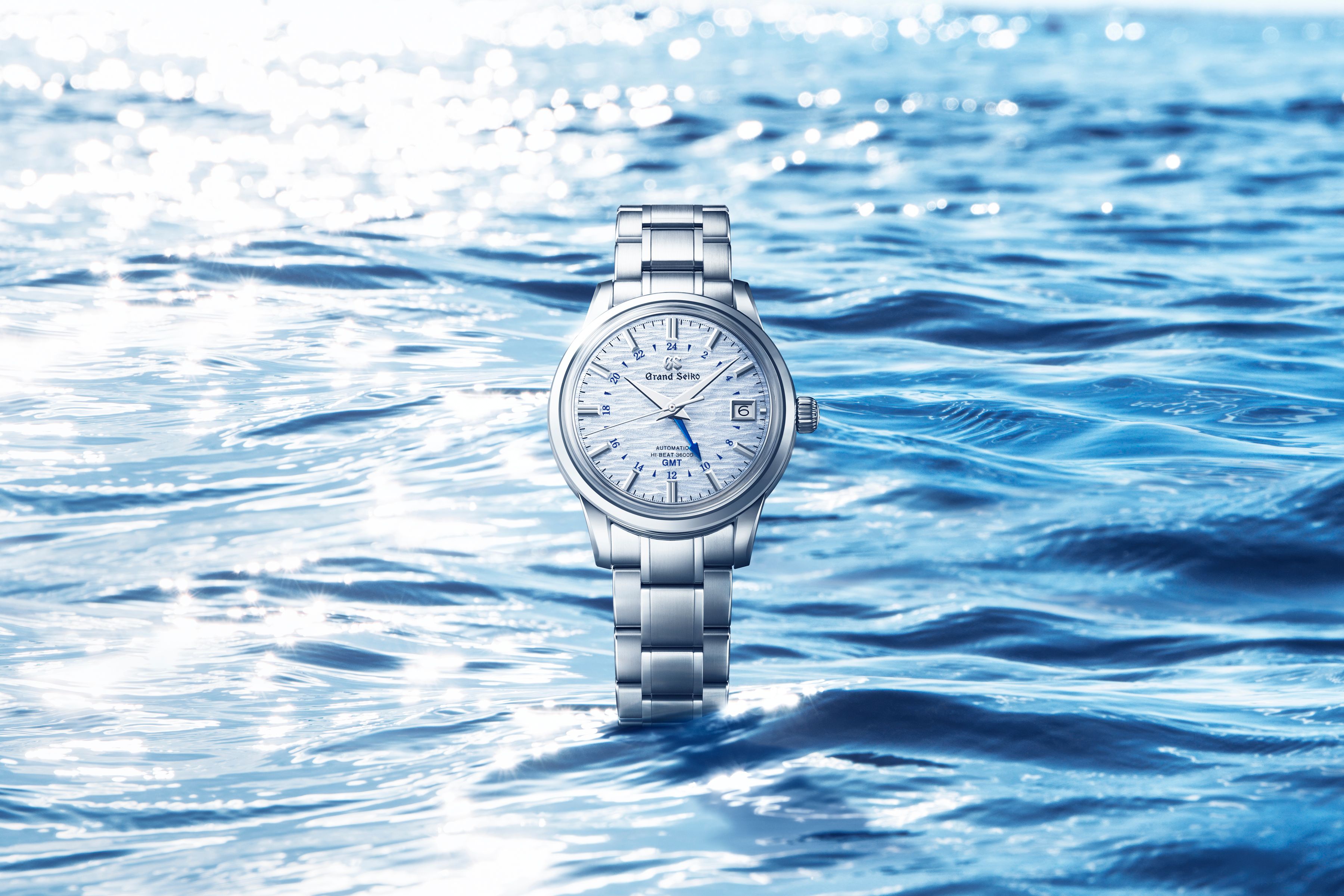
And in this short period of time, Grand Seiko has evolved to be one of the finest mainstream luxury watchmakers in the sub ₹15,00,000 price range. The brand represents the highest level in regards to materials, detailing, dial quality, as well as mechanics. There’s no lack of quality in Grand Seiko’s portfolio and the application of honest hand finishing, a unique Spring Drive movement, hand crafted dials, hand polished cases, and hand adjusted movements makes even its entry-level offerings carry so many more factors of differentiation when compared to the Swiss.
Moreover, the overall charm of the products and a sense of cultural grounding with Grand Seiko makes them true soulful entities in a largely clinical segment. Their in-house movements, particularly the Spring Drive system, exist as modern horological marvels and are genuine tours de force in an overpopulated ecosystem of ebauches.
Grand Seiko’s degree of hand-crafted beauty simply isn’t offered by Swiss watchmakers in the same price range, and that brings reason to the fact that it has one of the fastest growing communities of fans.
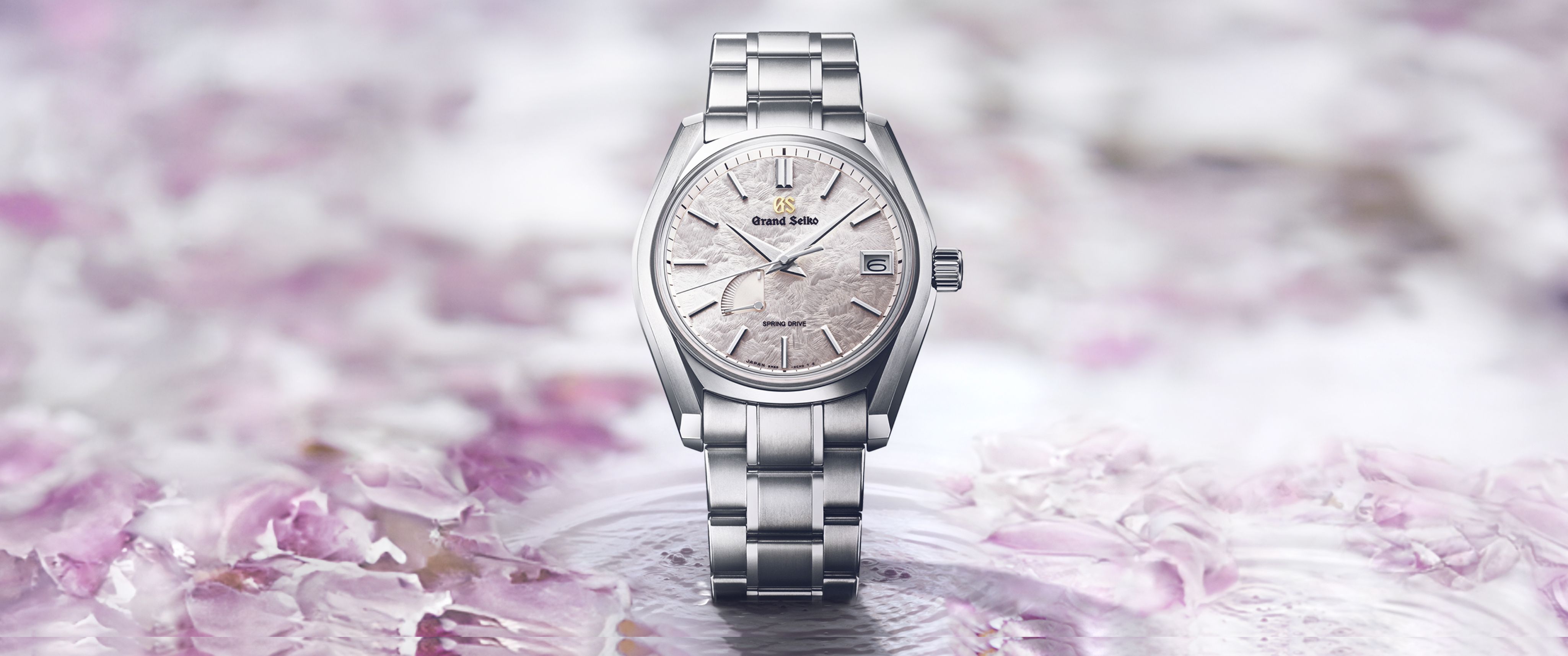
However, most often Grand Seiko is often reduced to a single image: a snow-textured dial and a gliding seconds hand. Yet behind the familiarities lies a brand whose most intriguing stories occur deep in its innovations, its studio and even its training school. Here are some rarely known facts that reveal just how uncompromising, and quietly radical, Grand Seiko really is.
A 10‑Year Path Just To An “Entry‑Level” Bench
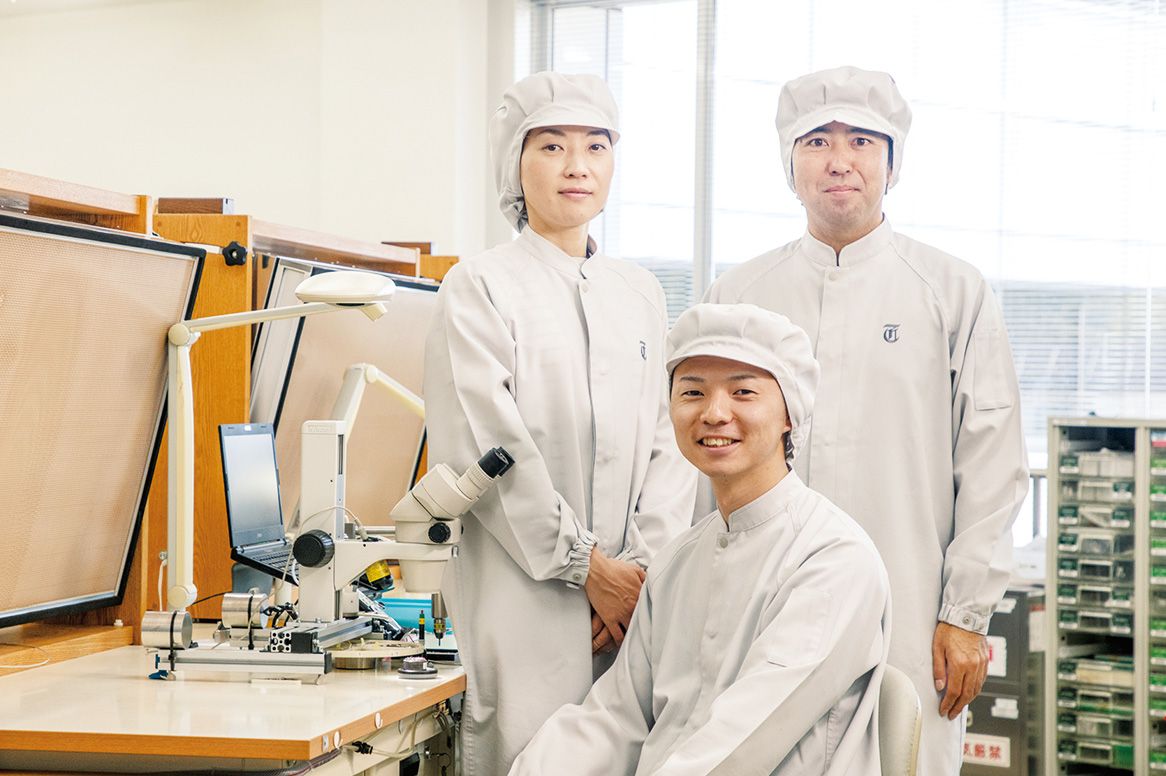
At many Swiss Maisons, a two‑year program such as WOSTEP can qualify a watchmaker to work on production movements. Grand Seiko, by contrast, typically requires about a decade of experience before a watchmaker is recognized as a Bronze‑level Grand Seiko watchmaker, the brand’s true entry tier. Above Bronze, the internal hierarchy ascends to Silver (nationally recognized master) and Gold (internationally recognized, just six held this status in 2019, each re‑tested every two years), making the path to the top of the Japanese bench one of the most demanding in modern horology.
Heat‑Blued By Hand, One Hand At A Time
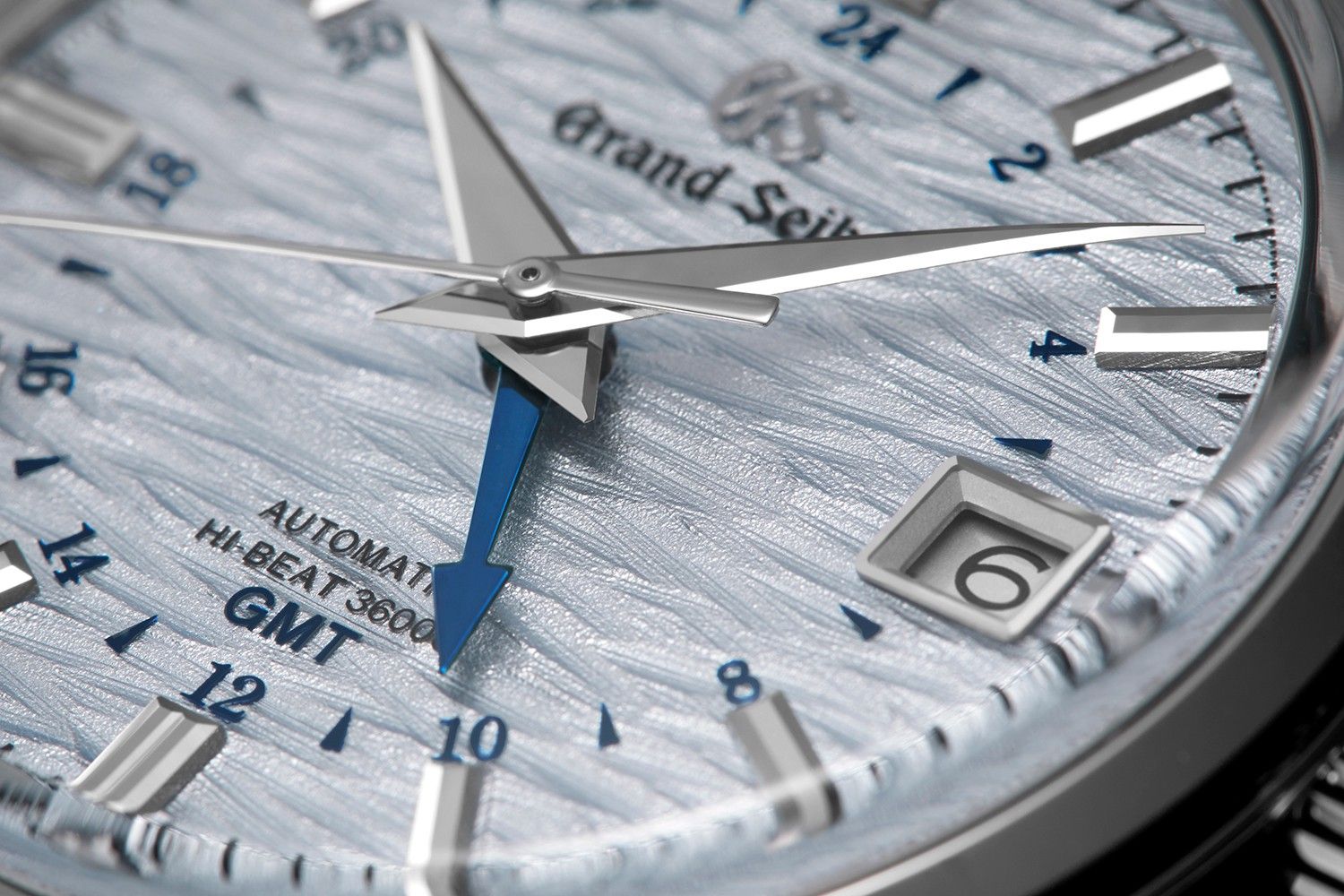
Most brands blue hands in batches, relying on ovens and timers that inevitably introduce variation and a high reject rate. Grand Seiko instead heat‑blues its hands individually on a hot plate, with a specialist whose entire day is spent watching the metal until the exact shade of blue appears, there is no timer, only a trained eye. This laborious, single‑piece process yields a remarkably consistent hue, even on minuscule seconds and power‑reserve hands that many owners never realize were finished by a dedicated bluer in Shiojiri.
Zaratsu Isn’t Japanese In Name, But It Is In Spirit
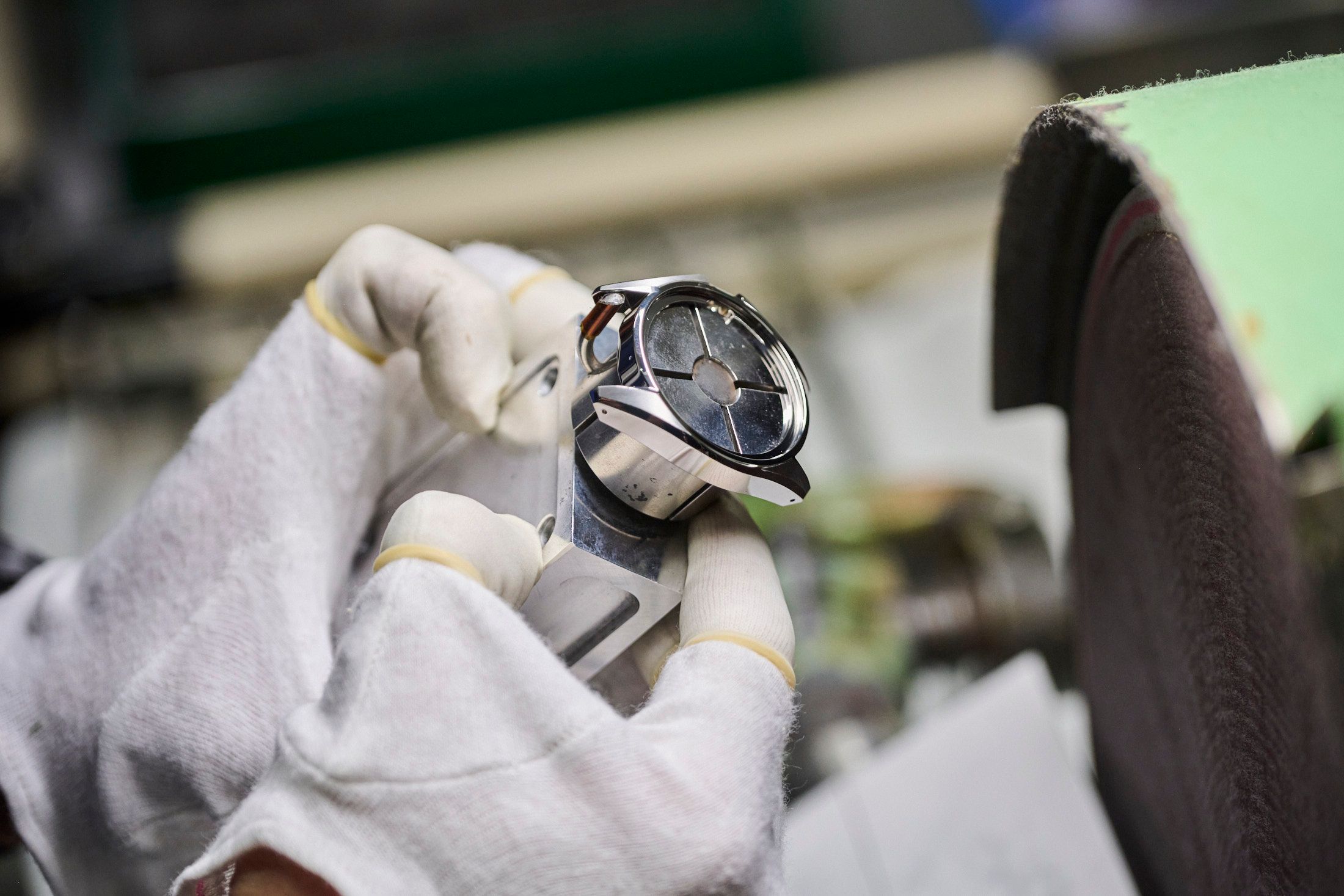
Collectors speak of “Zaratsu polishing” as if it were an ancient Japanese secret, but the term actually derives from Sallaz, the German maker of the polishing machines Seiko bought in the 1950s. “Zaratsu” is simply the Japanese phonetic rendition of “Sallaz”, yet over decades Japanese artisans transformed the use of these machines into a distinct art: configuring their stations individually to create planar, distortion‑free mirror surfaces that dramatize light and shadow across complex geometries. Many caseworks extend Zaratsu even beyond flat planes with their fully mirror‑polished curved lugs, representing a significant technical leap in controlling reflection on compound curves.
Movements That Map The Watchmakers’ World
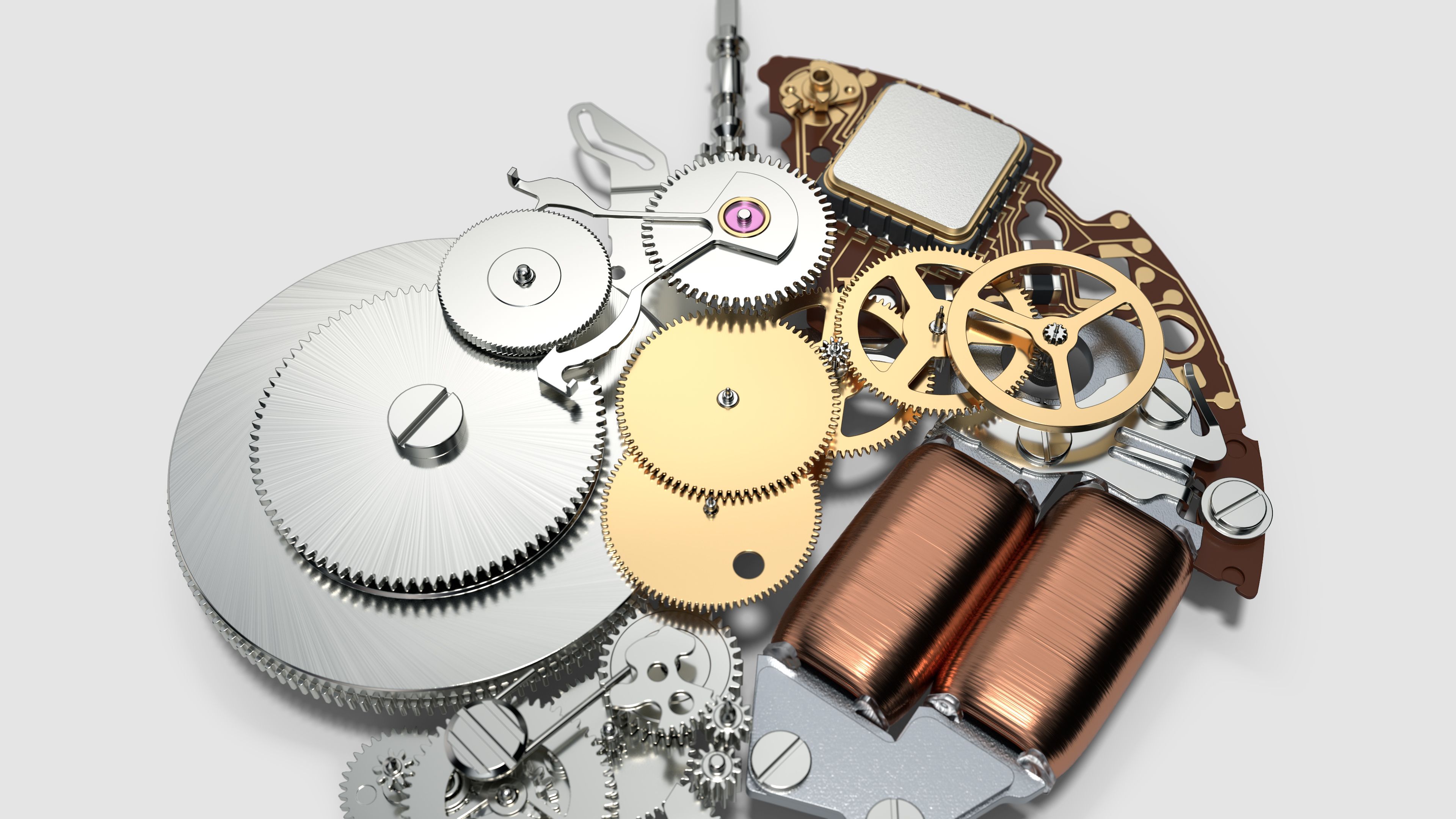
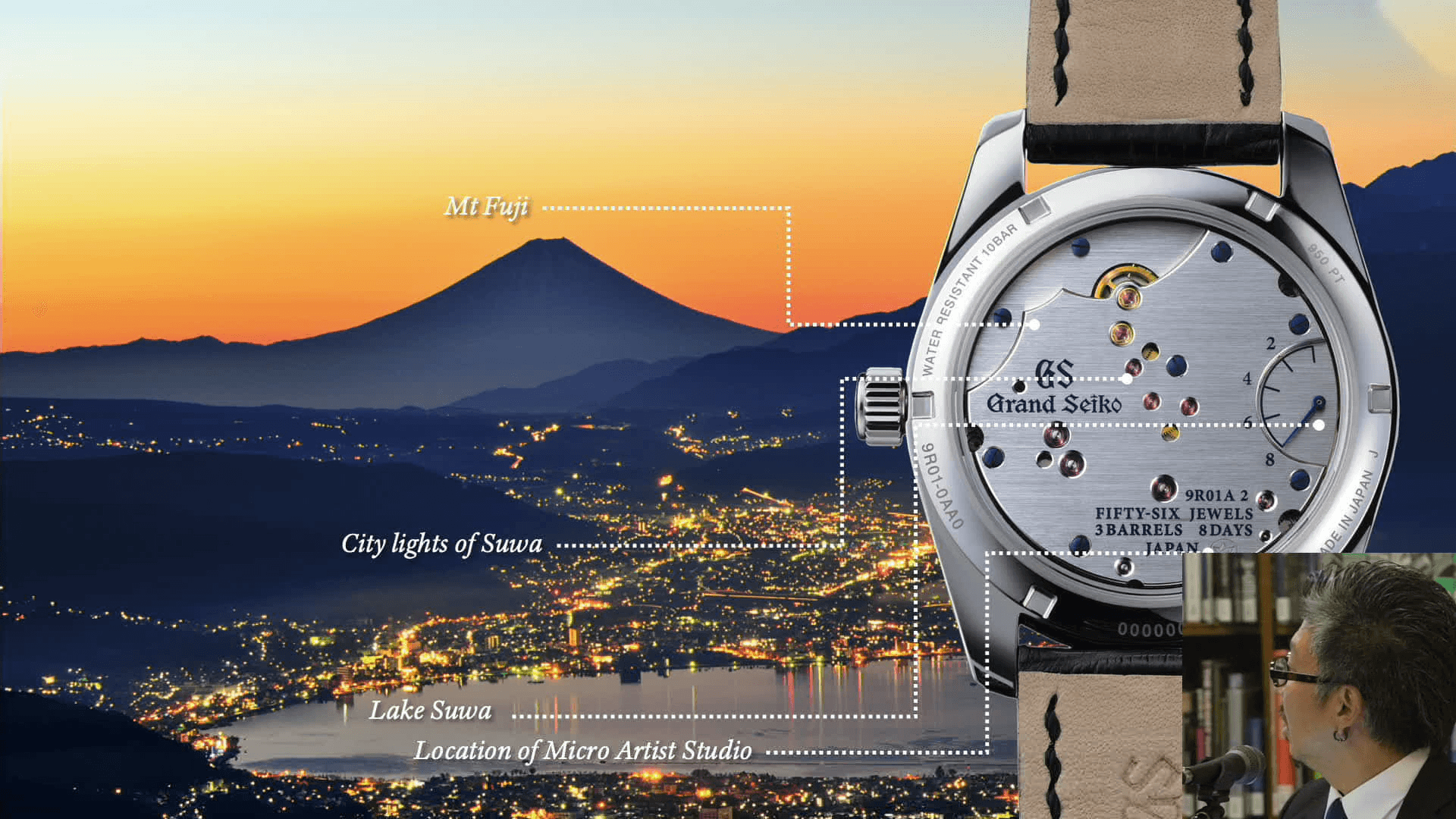
Several high‑end Grand Seiko and Credor calibers quietly encode the landscape around the studios that build them. In Spring Drive caliber 9R01, the long bevel from roughly 9 to 1 o’clock represents Mt. Fuji, the glide wheel sits like a sun over the “mountain”, while jewels, screws and circular apertures evoke the night lights of Suwa and the power‑reserve layout mirrors the form and position of Lake Suwa, a small emblem marks the Micro Artist Studio itself within this miniature topography.
Caliber 9R65 uses aligned “Tokyo stripes” and tiered gears to suggest a mountain, surrounding forest and the distant Japanese Alps when viewed upright from 6 o’clock, turning the movement into a stylized aerial map of the region where it is assembled.

Star Symbols That Quietly Change The Spec Sheet
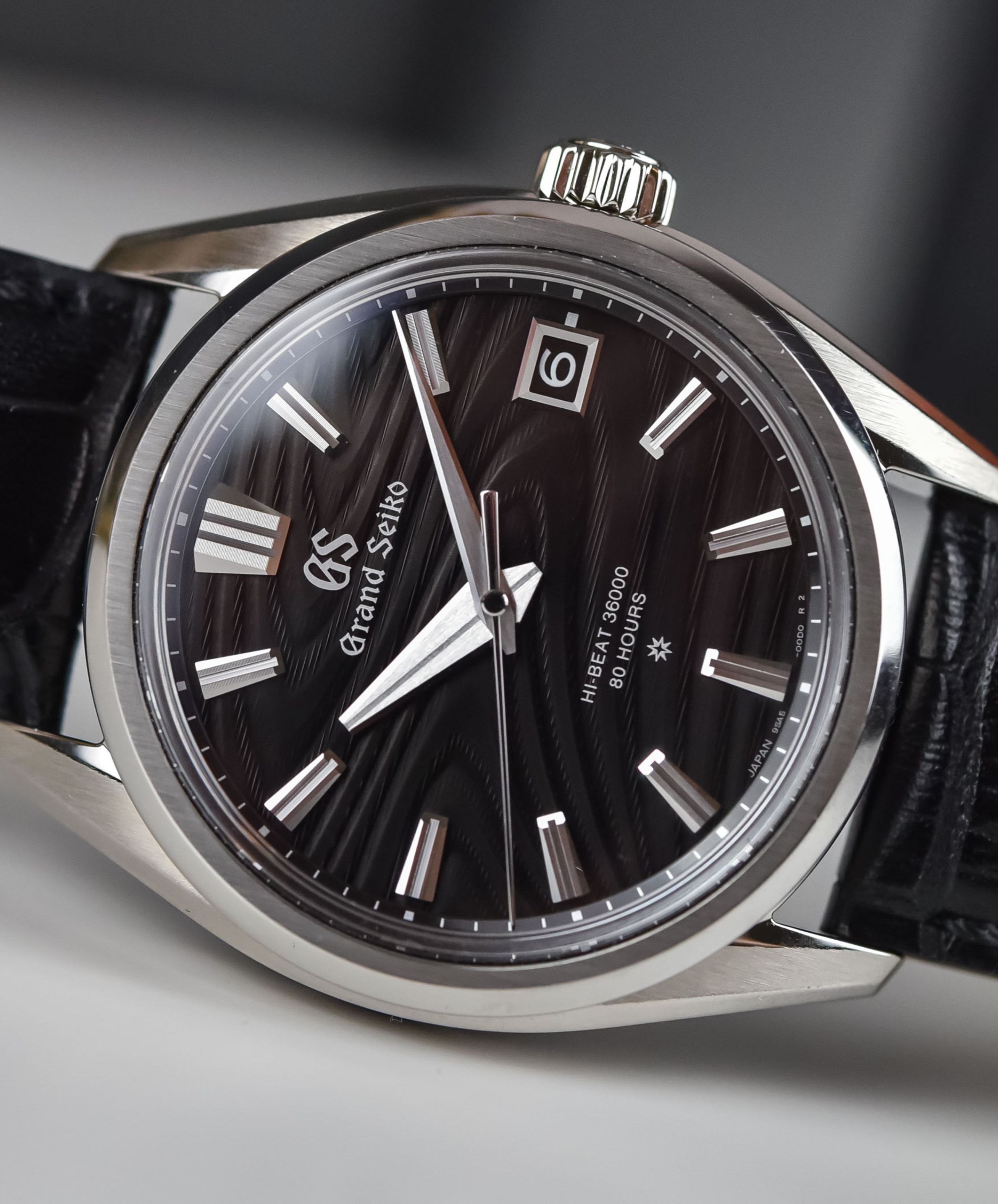
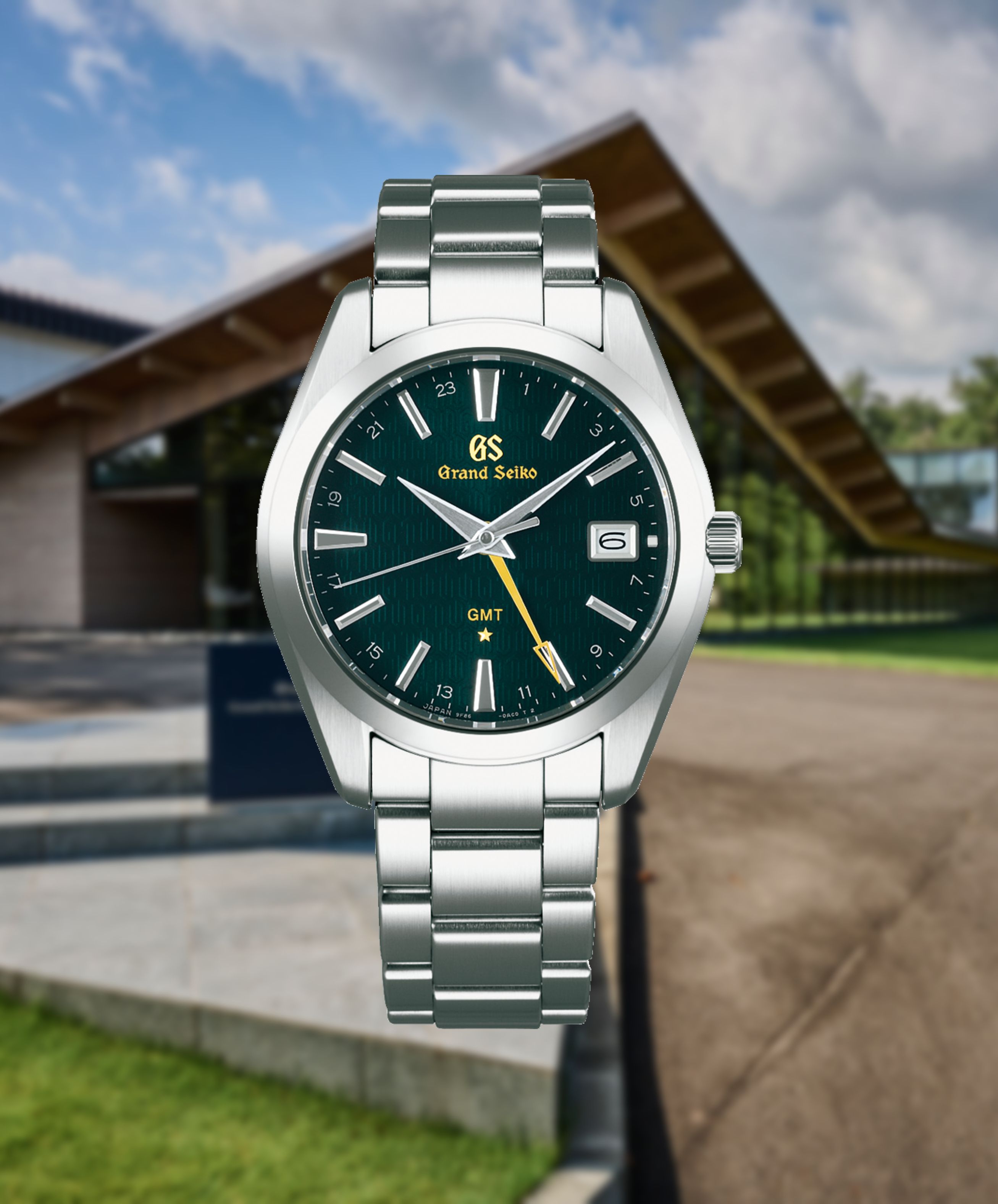
Not all Grand Seiko stars are created equal, and both types have precise meanings that rarely make the headlines. An eight‑pointed star on the dial denotes a “Special Dial”, indicating the use of precious metal for the dial plate, hands and/or indices, for example, the SLGH007 has its indices, GS letters, and a date-window frame in gold. A five‑pointed star, by contrast, belongs to Grand Seiko’s elite 9F quartz pieces and certifies a 5‑seconds‑per‑year accuracy rating, effectively flagging Very Fine Adjusted quartz performance directly on the dial.
Quartz That Is Grown, Aged And Over‑Engineered On Purpose
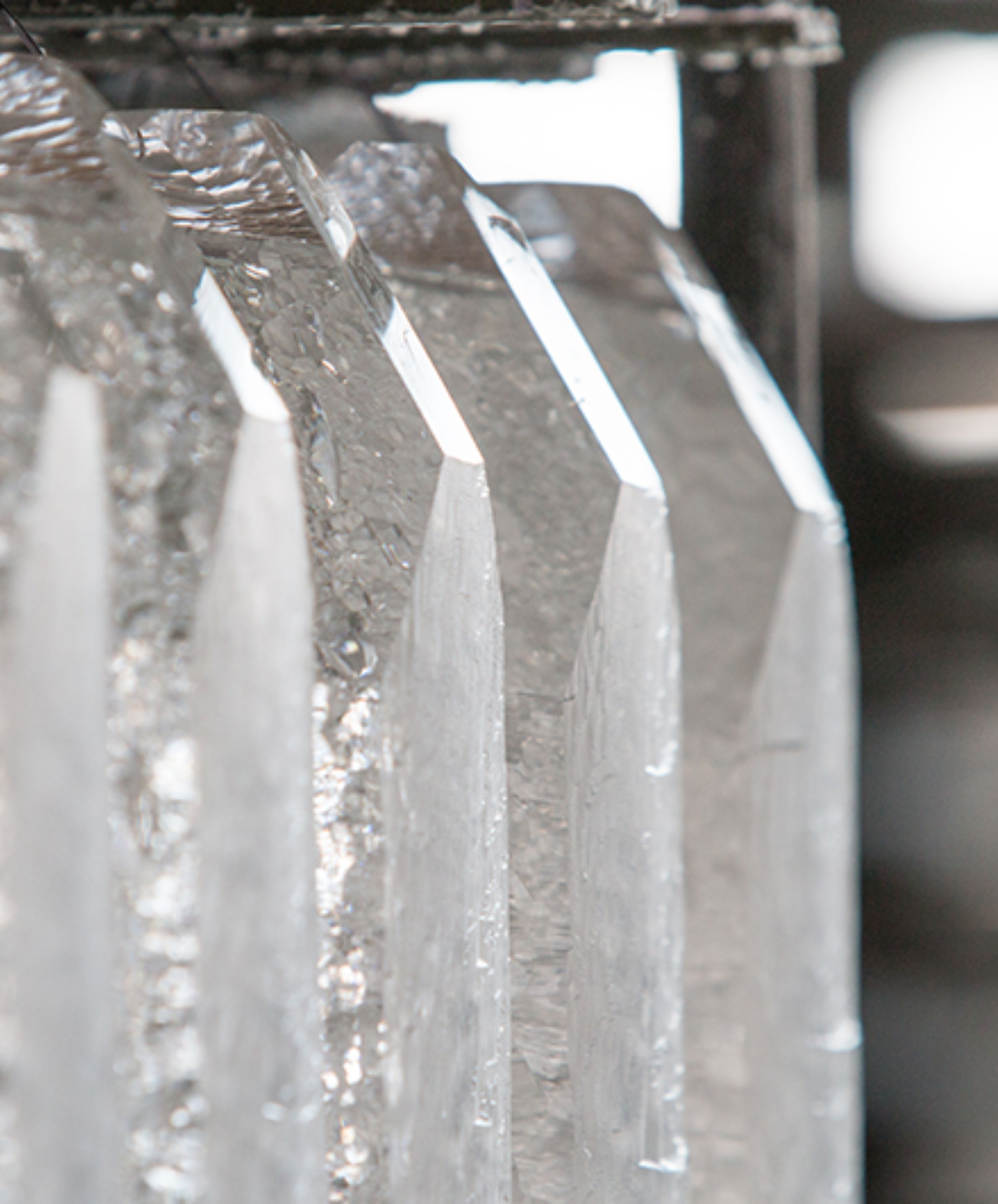
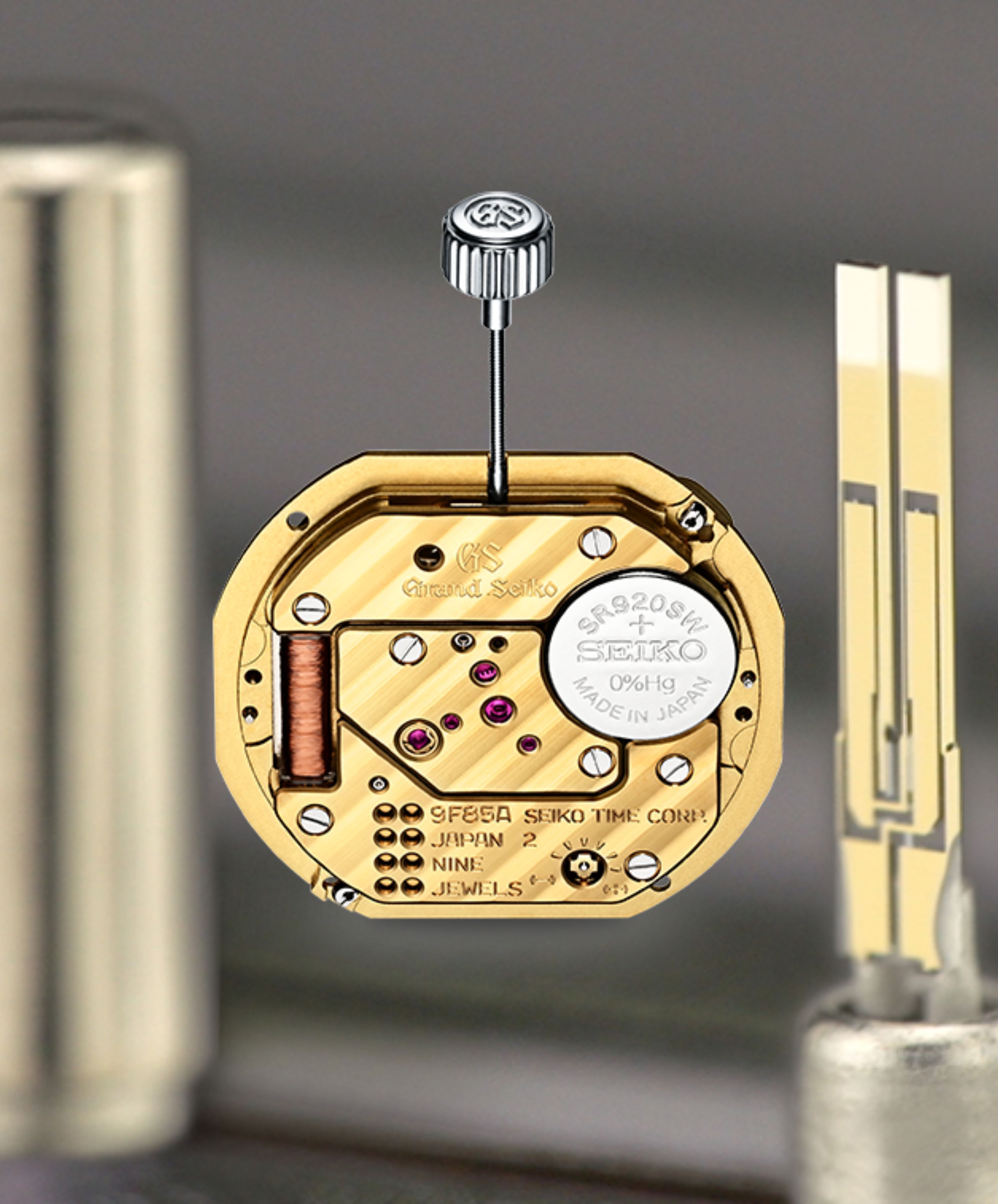
Enthusiasts know Grand Seiko’s 9F as “high‑end quartz”, but few appreciate how far the brand pushes the technology. The quartz crystals used in 9F are grown and aged in‑house, then individually selected for stability, enabling exceptionally tight regulation and forming the basis for the 5‑seconds‑per‑year “star” references. The movement itself incorporates a Backlash Auto‑Adjust Mechanism so the seconds hand lands crisply on each marker, an instant‑change calendar, and enough torque to drive the same broad, faceted hands used on mechanical models, all in service of elevating quartz to a level of craft that rivals mechanical haute horlogerie in engineering ambition.
Spring Drive As An Aesthetic, Not Just A Technology
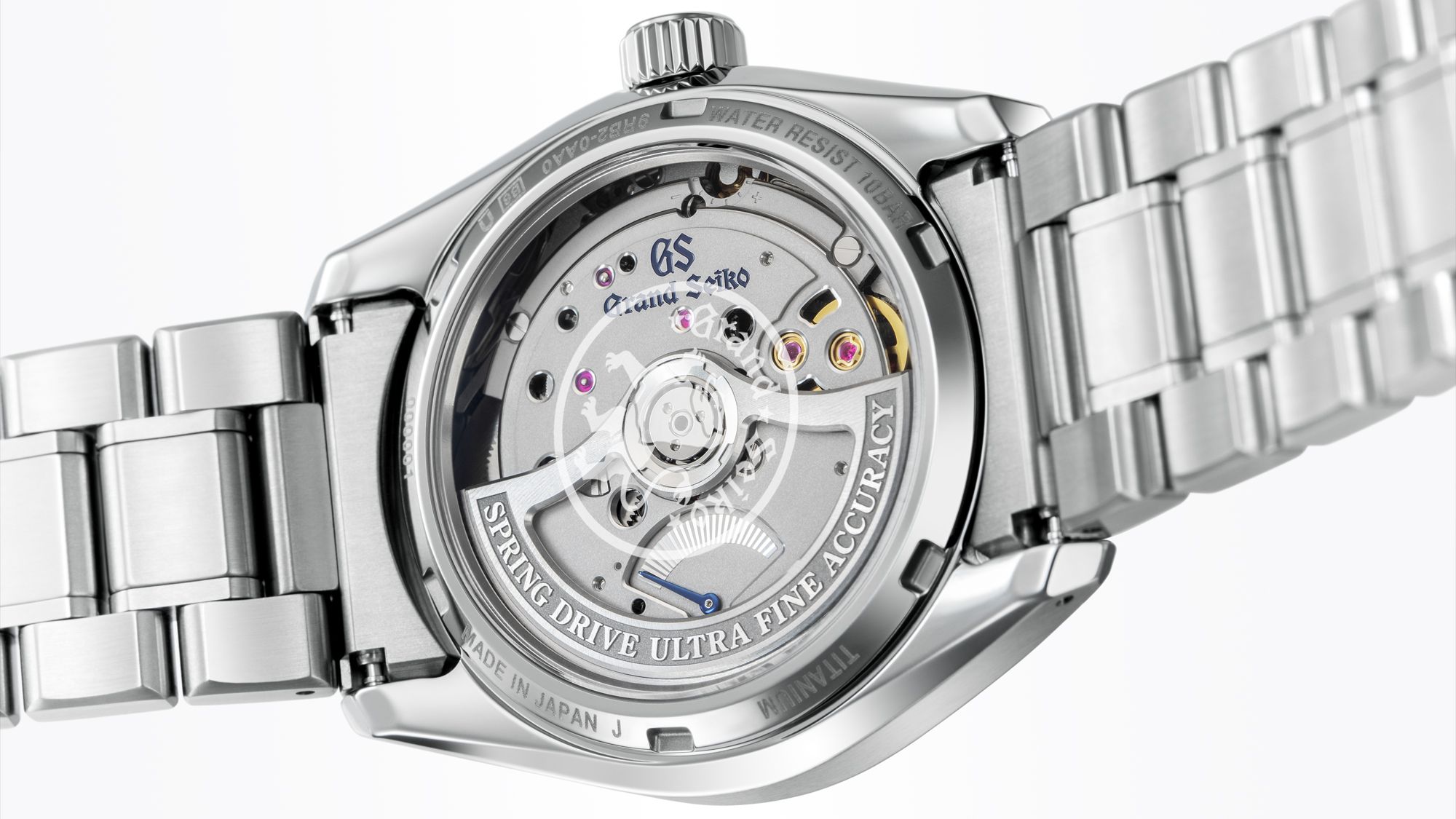
Spring Drive is usually described as a hybrid of mechanical and quartz, but within Grand Seiko it is also treated as a philosophical expression of the “nature of time”. The movement’s regulation system uses a quartz reference and electromagnetic brake rather than a traditional escapement, allowing the glide wheel, and consequently the seconds hand, to move in a continuous, unbroken sweep that visually evokes the constant flow of time rather than its division into discrete ticks.
Discovering Japan’s Finest At India Watch Weekend
All the exceptionally elaborate details aren’t just specs on a sheet, they are the grammar by which Grand Seiko expresses its obsession with accuracy, durability, legibility and beauty, often in places only the most attentive collector will ever see. If you are that attentive collector, then India Watch Weekend 2026 is where the splendor of Shinshu will find a superlative exhibit as a perfect New Year’s treat.


