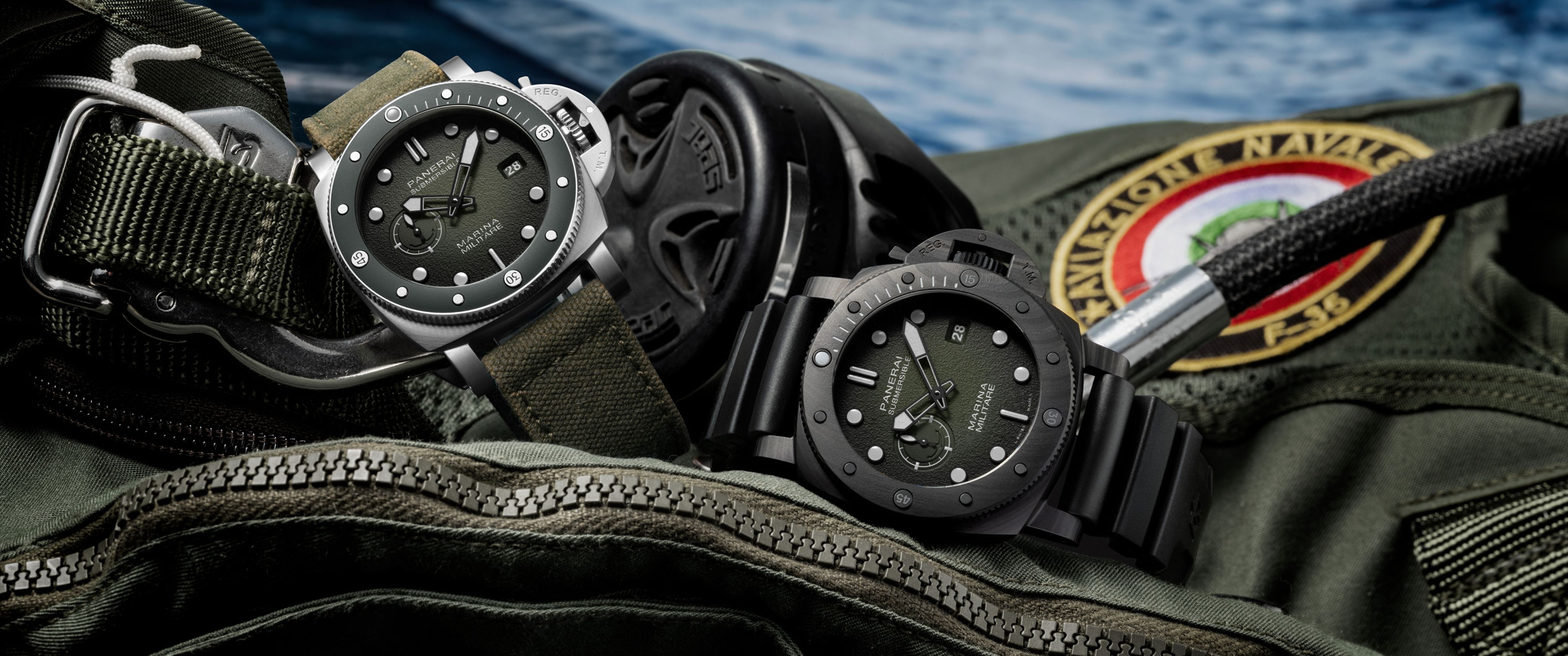
Did You Know? 10 Panerai Facts Only Hardcore Paneristi Know
 7 min read

Panerai has a unique history, and that’s in many ways what drives the brand as well as people to the brand. That fact that it has the most instantly recognizable products always plays to its benefit. If your wrists are big enough, there’s nothing more than a Panerai that you’d wish for.
Panerai is favored by a strong naval heritage and has its origins rooted in Italian precision engineering. The brand we know today as Officine Panerai was founded by Giovanni Panerai in Florence in 1860. It was then an office combining the functions of a watchmaking school, a repair workshop and even a point of sales for Swiss timepieces in Italy.
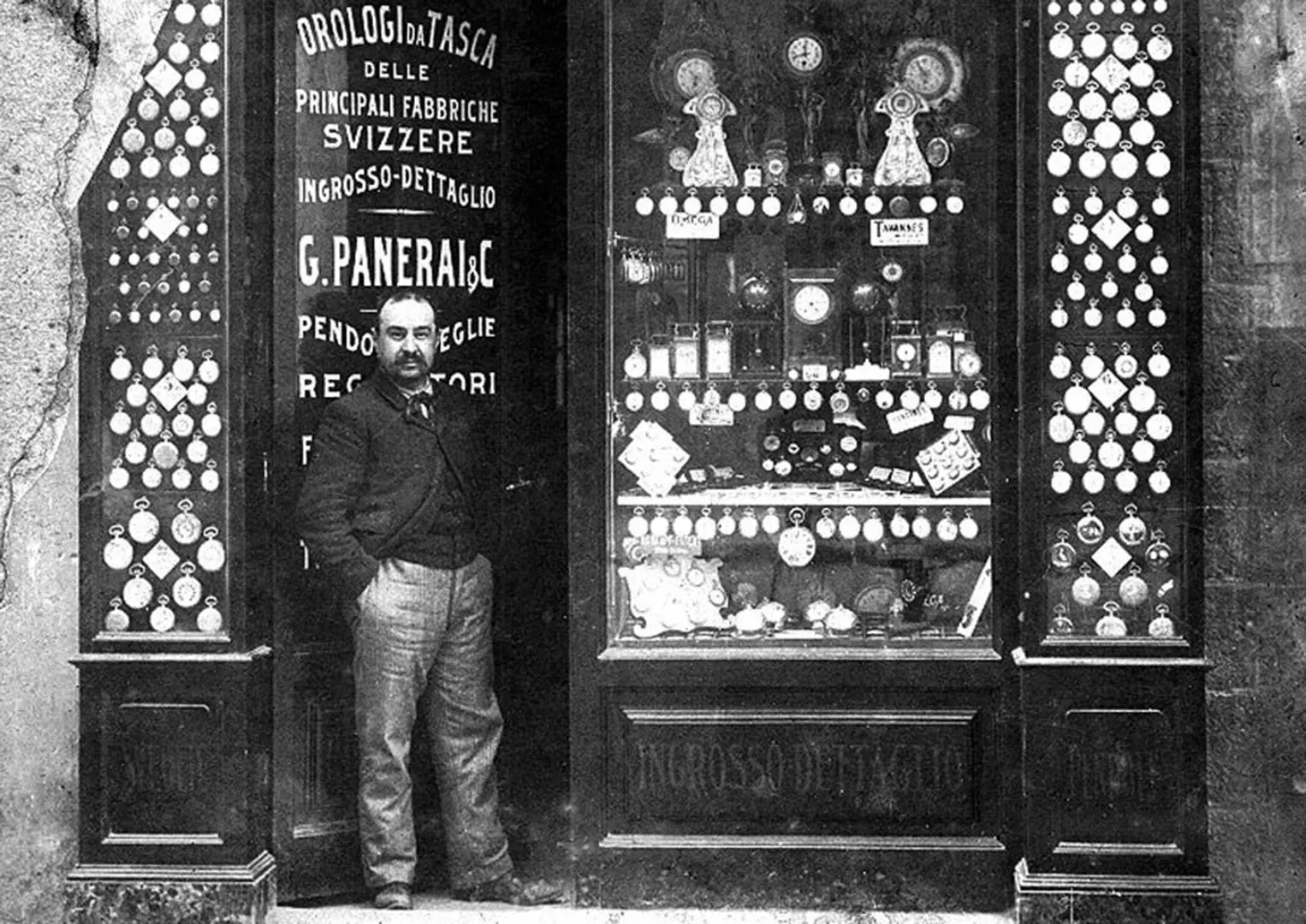
The late nineteenth century saw Panerai transition into a watch production model relying on a strong network of Swiss suppliers. Soon, Panerai of the time realized a competency in mechanical instrument design which became its prime source of income.
Later, By the turn of the twentieth century, the firm became an official supplier to the Royal Italian Navy - the Regia Marina. The years coincided with Panerai’s invention of a “self-sustaining source of illumination” which proved to be the central pivot for its business model then. The following years witnessed growing innovation as well as interest in waterproof timekeepers and by tying its core competence to the same, Panerai would devise some of the most important dive watches in the history of watchmaking.

This article will highlight a few things about Panerai that only hardcore Paneristi know. So, mask on, fins up as we dive deep into the rarely known facts from the Panerai tale.
Panerai Pioneered The Use Of Luminescence On Watches
Following the discovery of Radium by Pierre and Marie Curie in 1898, Panerai began exploring the use of this self-luminous element to improve the visibility of naval instruments, a critical category of equipment it supplied to the Royal Italian Navy, including watches. By 1916, the company had developed and patented a proprietary compound called “Radiomir,” a radium-based paste created from a mix of radium bromide, zinc sulfide, and mesothorium that offered legibility in low light conditions.
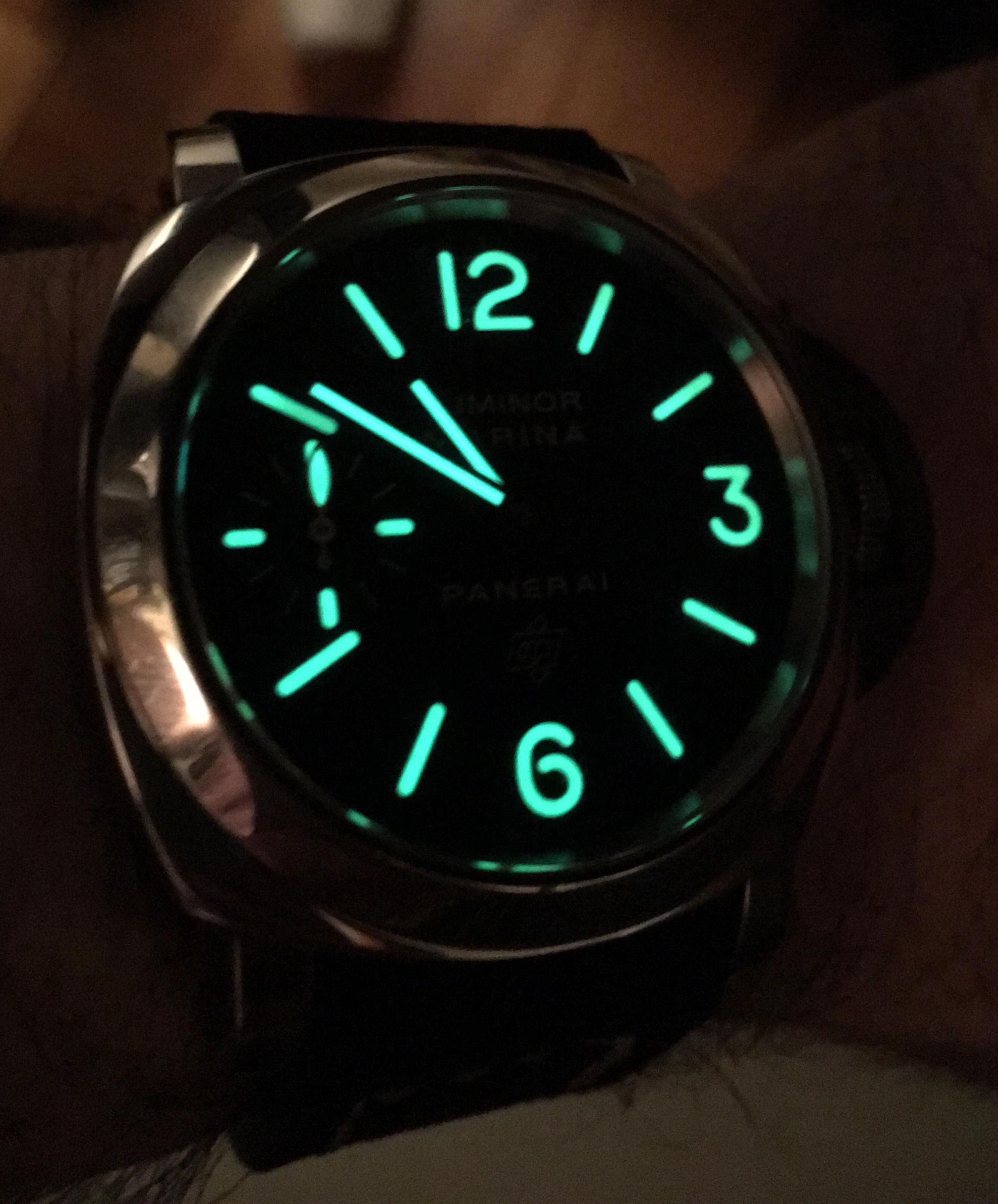
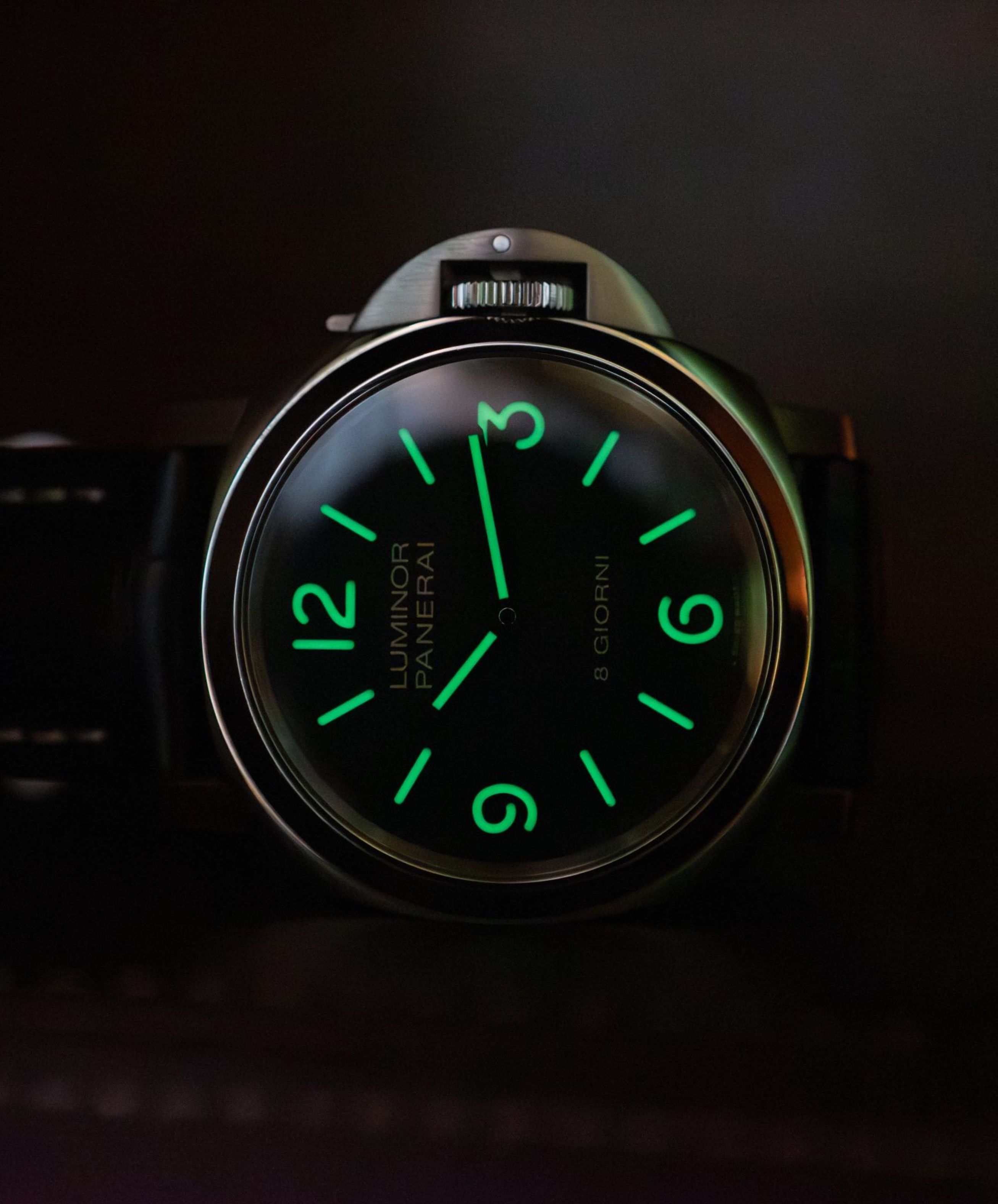
This breakthrough not only transformed Panerai’s military tools but also laid the groundwork for one of the most influential inventions in 20th century watchmaking. Later, the brand transitioned from hazardous radium in Radiomir to safer tritium-based “Luminor” in 1949, maintaining strong underwater glow while reducing health hazards.
Rolex Was A Supplier To Panerai
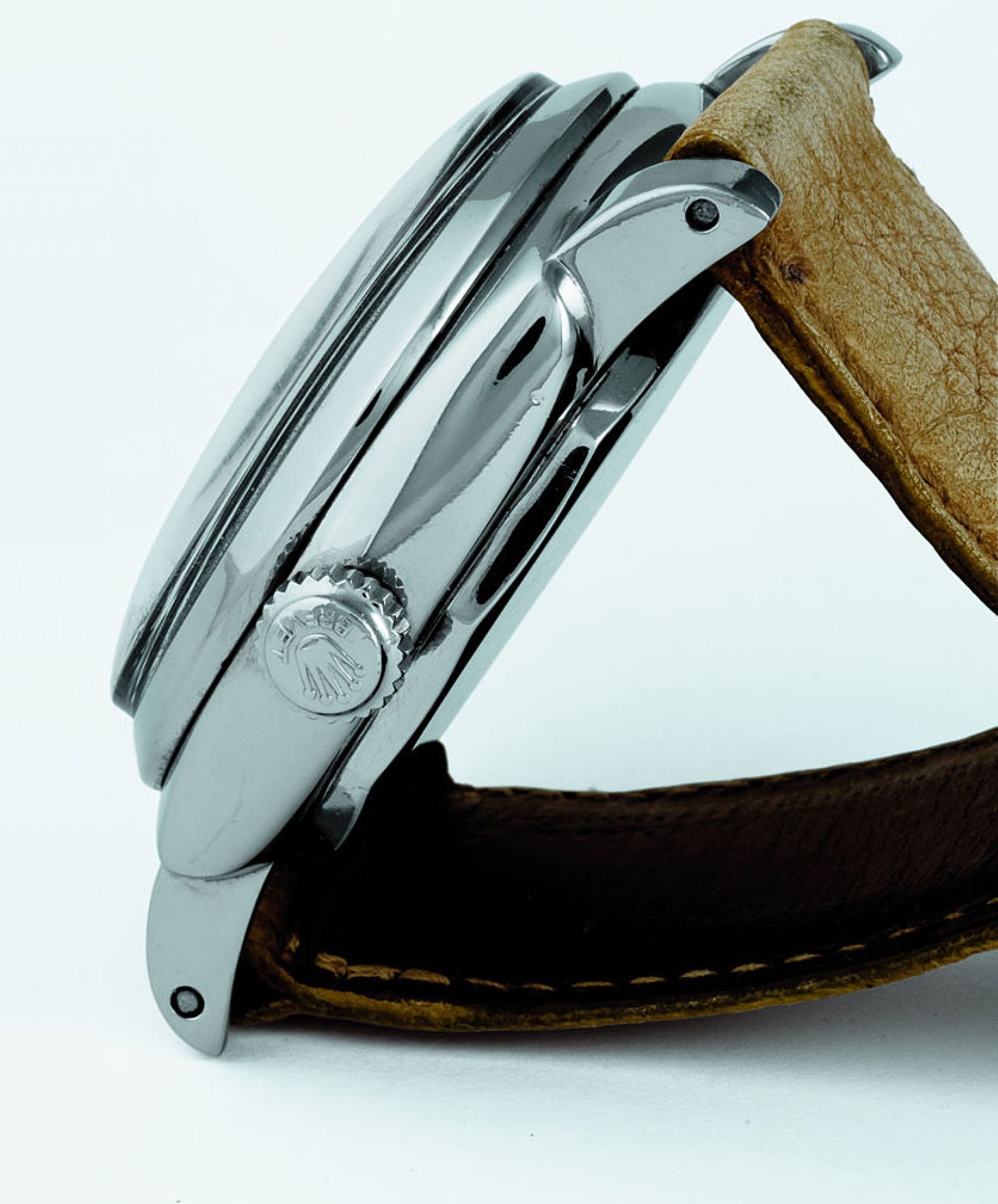
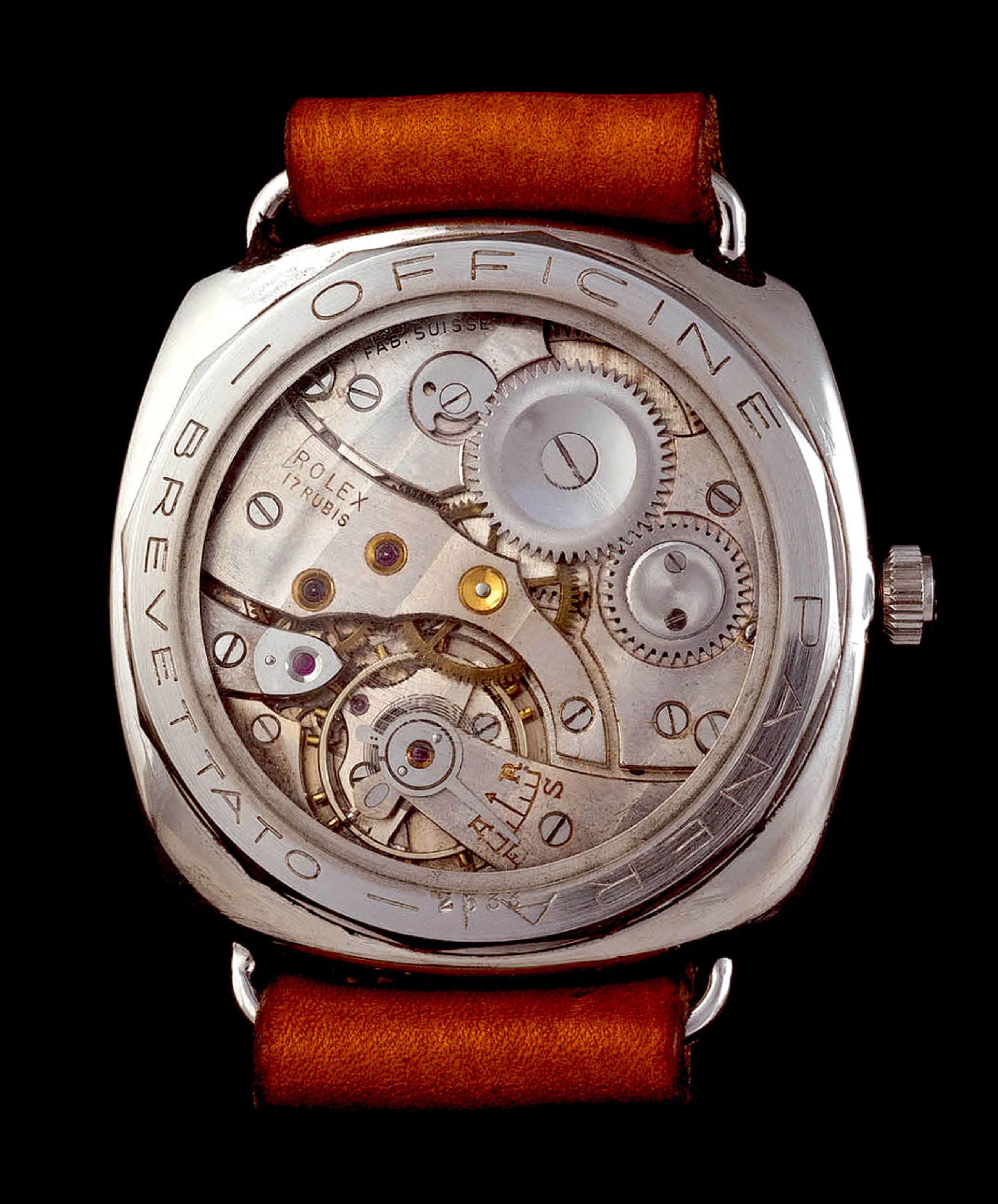
When Panerai founder Giovanni Panerai and his son Leon Francesco diversified their watch repair and retail business into designing their own watches, they relied on a network of Swiss suppliers including Rolex. By the early 20th century, Panerai sought a keen objective in supplying a wristwatch prototype suited to the Italian navy’s needs. Rolex, which had already experimented with the concept of an “Oyster” waterproof watch case, supplied Panerai with their hand-wound calibers to power the first 47mm Radiomir watches in 1936.
Panerai Didn’t Consistently Exist As A Wristwatch Maker
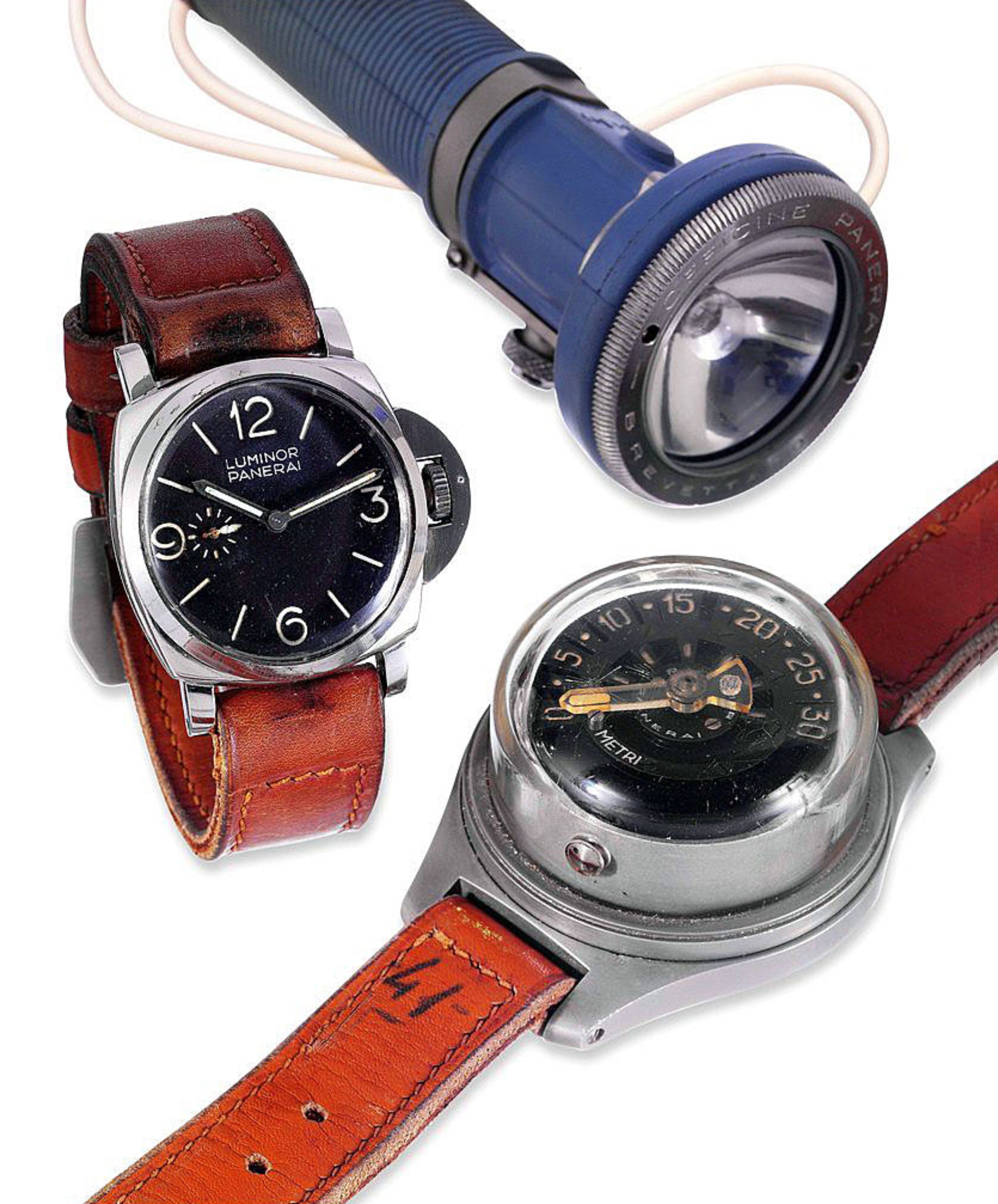
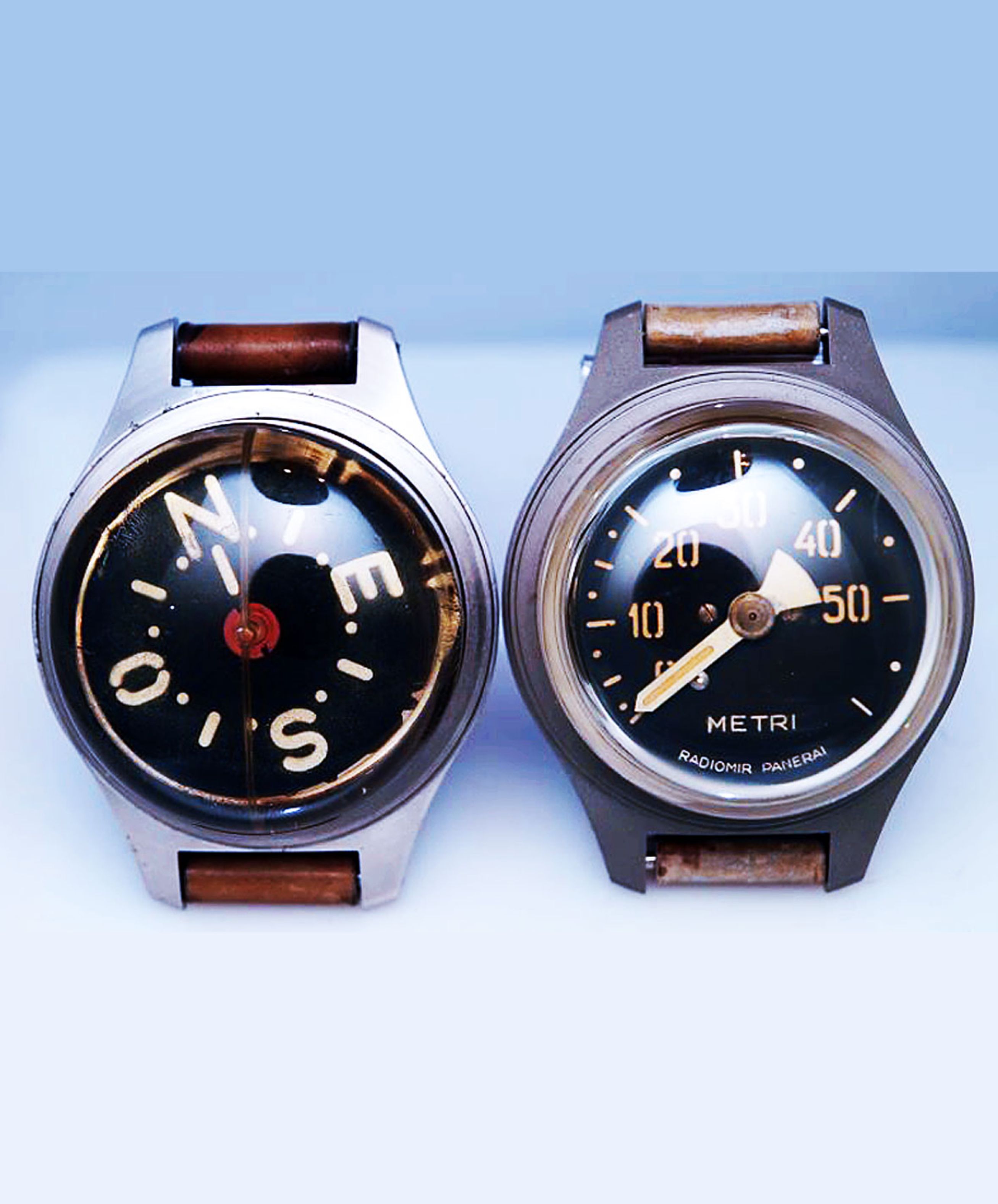
For a company that has been in operation for over 160 years, Panerai has ventured into diverse disciplines in its manufacturing endeavors with a consistent focus on developing some sort of naval mechanical instruments, specifically wrist-mounted depth gauges and compasses. When Panerai’s partnership with Rolex ended in 1956, it marked its departure as a wristwatch manufacturer up until 199 when the company returned to consumer-based watchmaking with the introduction of the Luminor, Luminor Marina, and the Mare Nostrum models.
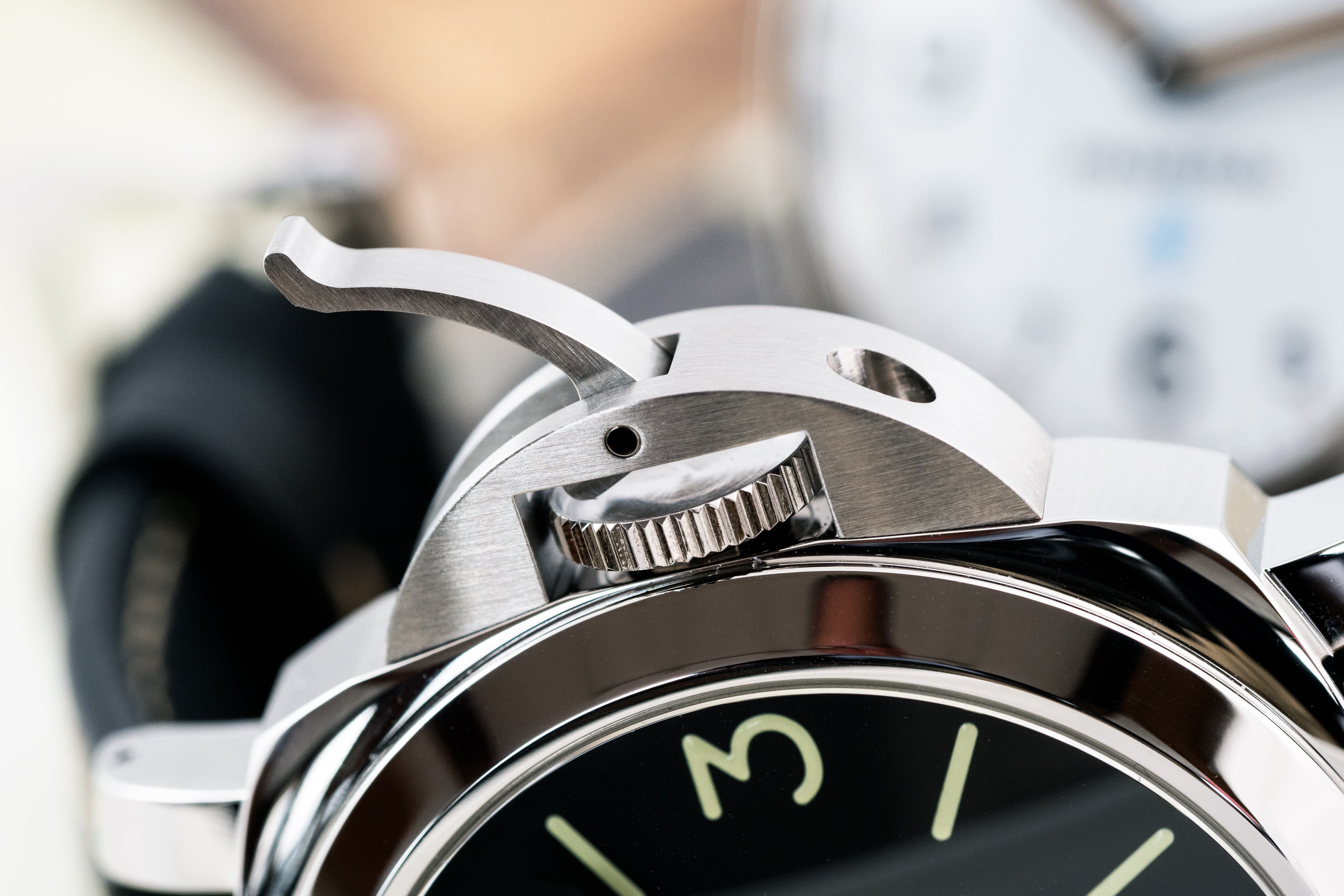
The Luminor’s Locking Crown Guard Proved More Reliable Than Screwed Crowns
Back when threaded screwed crowns were still in their infancy, their repeated use, especially for winding the movement, posed a risk of stripping the thread off the screws. This would compromise the watch’s water tightness. Panerai came with the solution in the form of a lever that bridges over the top of the crown to clamp it in place. It also delivered the added benefit of protecting the crown against knocks. Talk about killing two birds with one stone!
Panerai Created An Unlubricated Caliber With A Service Interval Of 50 Years
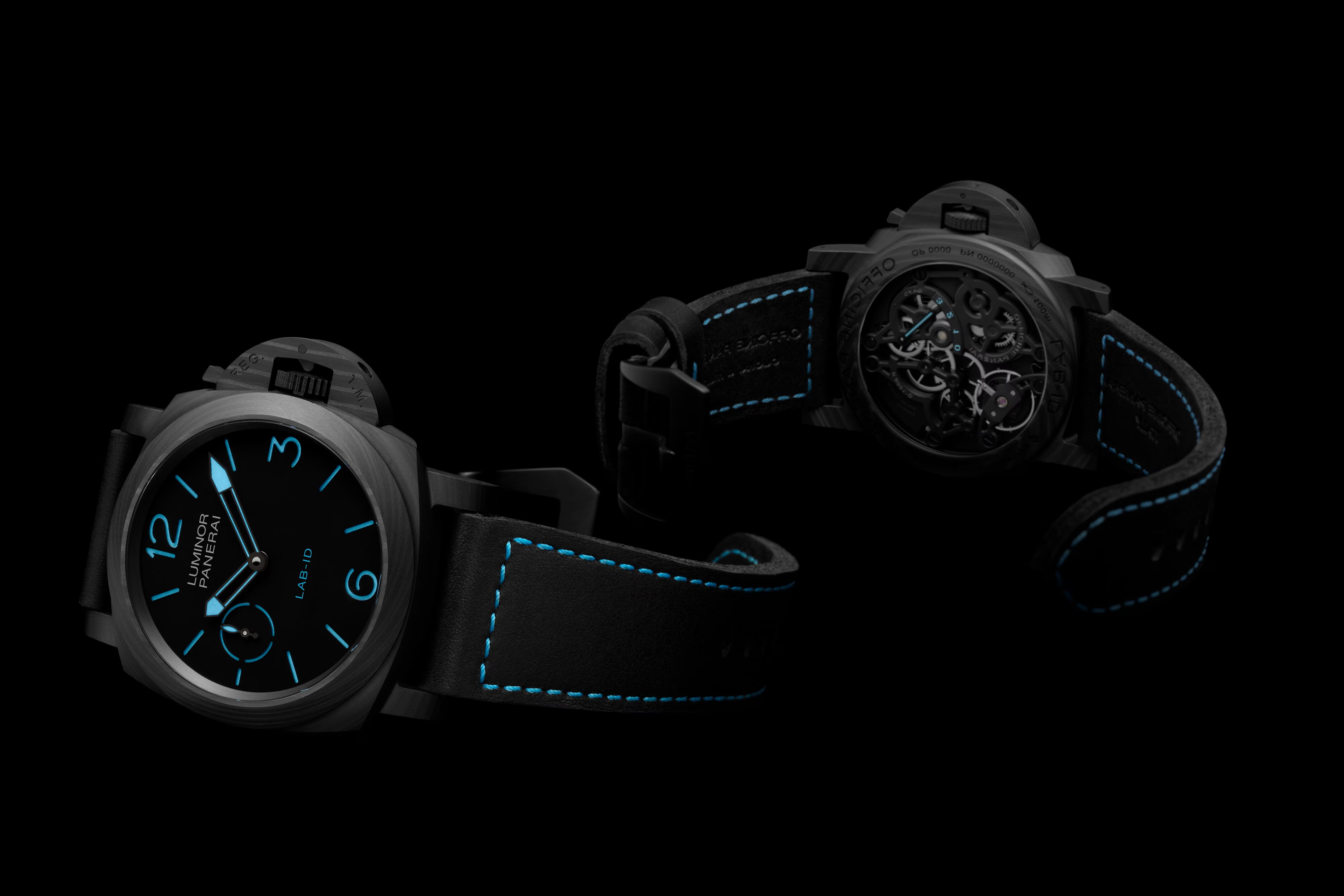
At the 2017 edition 0of the SIHH, Panerai introduced the Lab-ID Luminor 1950 Carbotech. This groundbreaking watch was powered by an extremely technically advanced caliber P.3001/C which requires no oils or liquid lubricants. Constructed from carbon, tantalum-based ceramic, and with proprietary coatings, the caliber was capable of running 50 years without servicing. This caliber with only four jewels as pivot points came with a service interval-matching 50-year guarantee.
This 49mm PAM00700 was limited to just 50 pieces and is ranked as one of Panerai’s most innovative creations to date.
Panerai Developed Its First In-House Movement In 2005
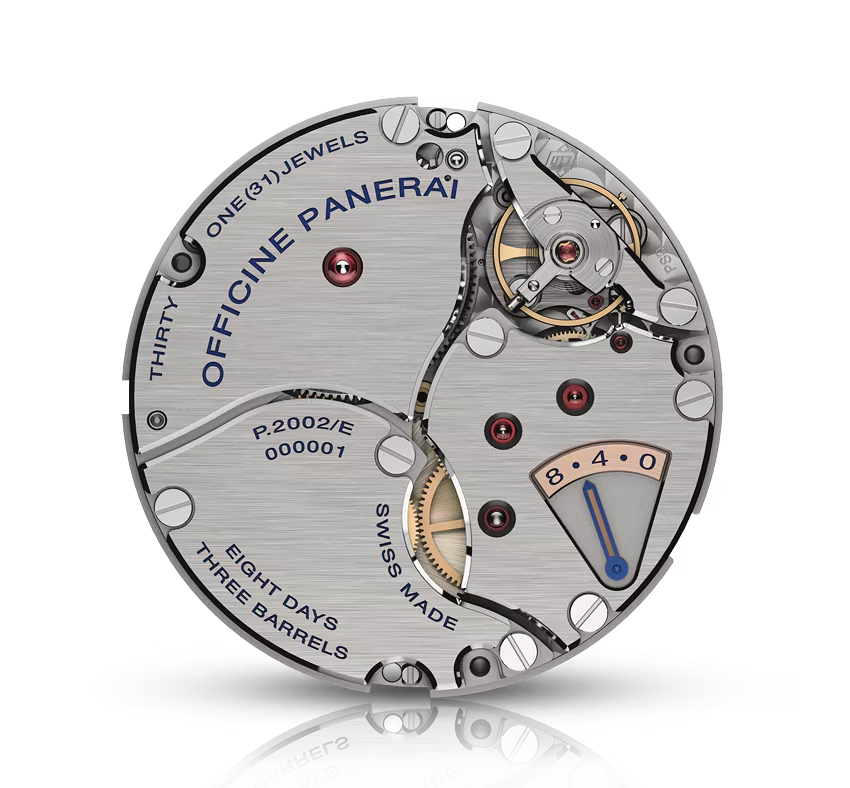
When Panerai was acquired by the Richemont Group in 1997, an inevitable focus on in-house movement developed took pace and came to fruition with the release of the hand-wound caliber P.2002 in the year 2005. It featured three mainspring barrels delivering an 8-day power reserve and bore a GMT complication as well.
Panerai’s Largest Watch Measured A Whopping 60mm
The trend of large case sizes owes a fair bit to the creations of Panerai and one Sylvester Stallone as well. However, there’s a watch that absolutely puts to shame your average Big Bang or Royal Oak Offshore, and yes, it comes from the house of Panerai.
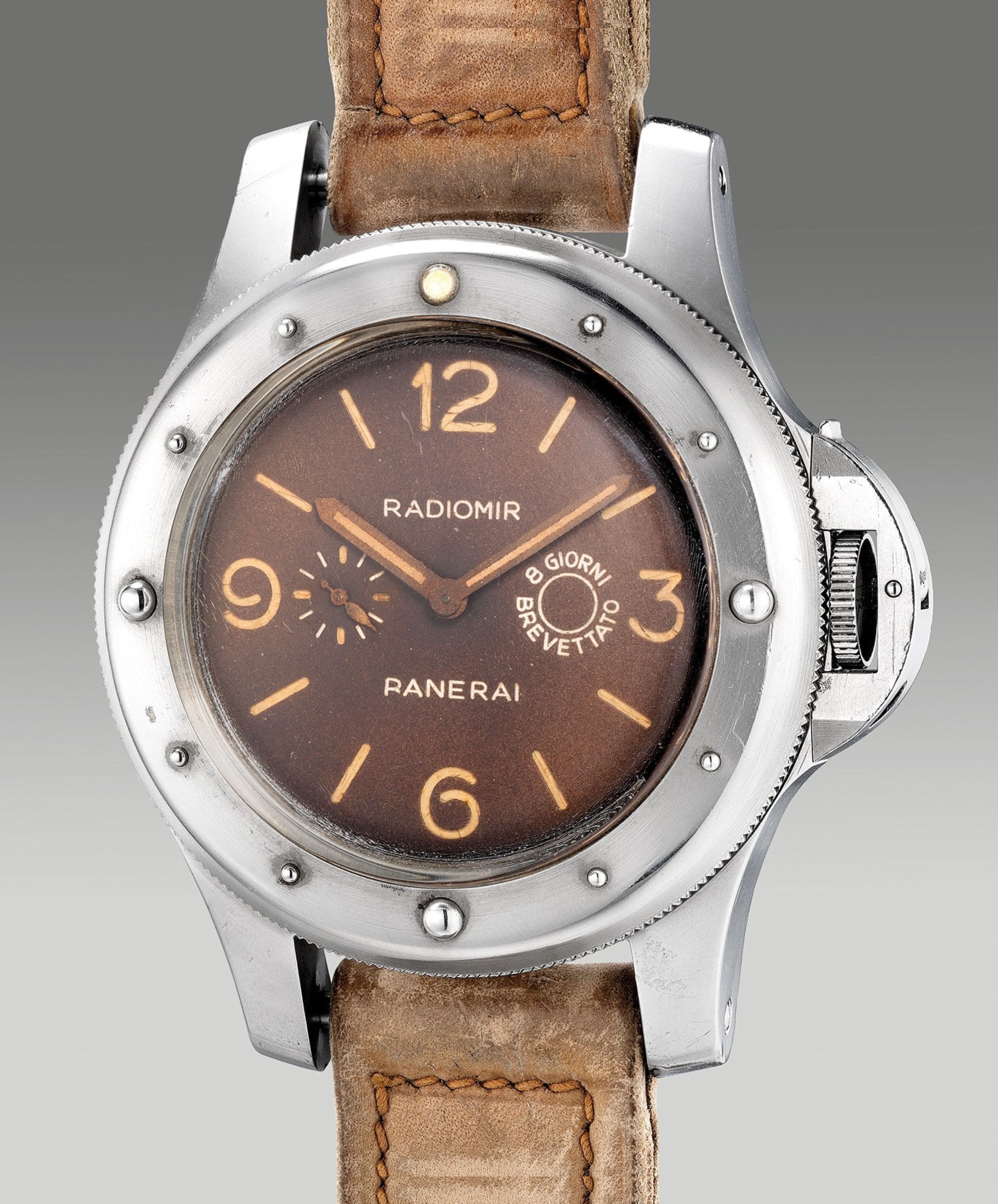
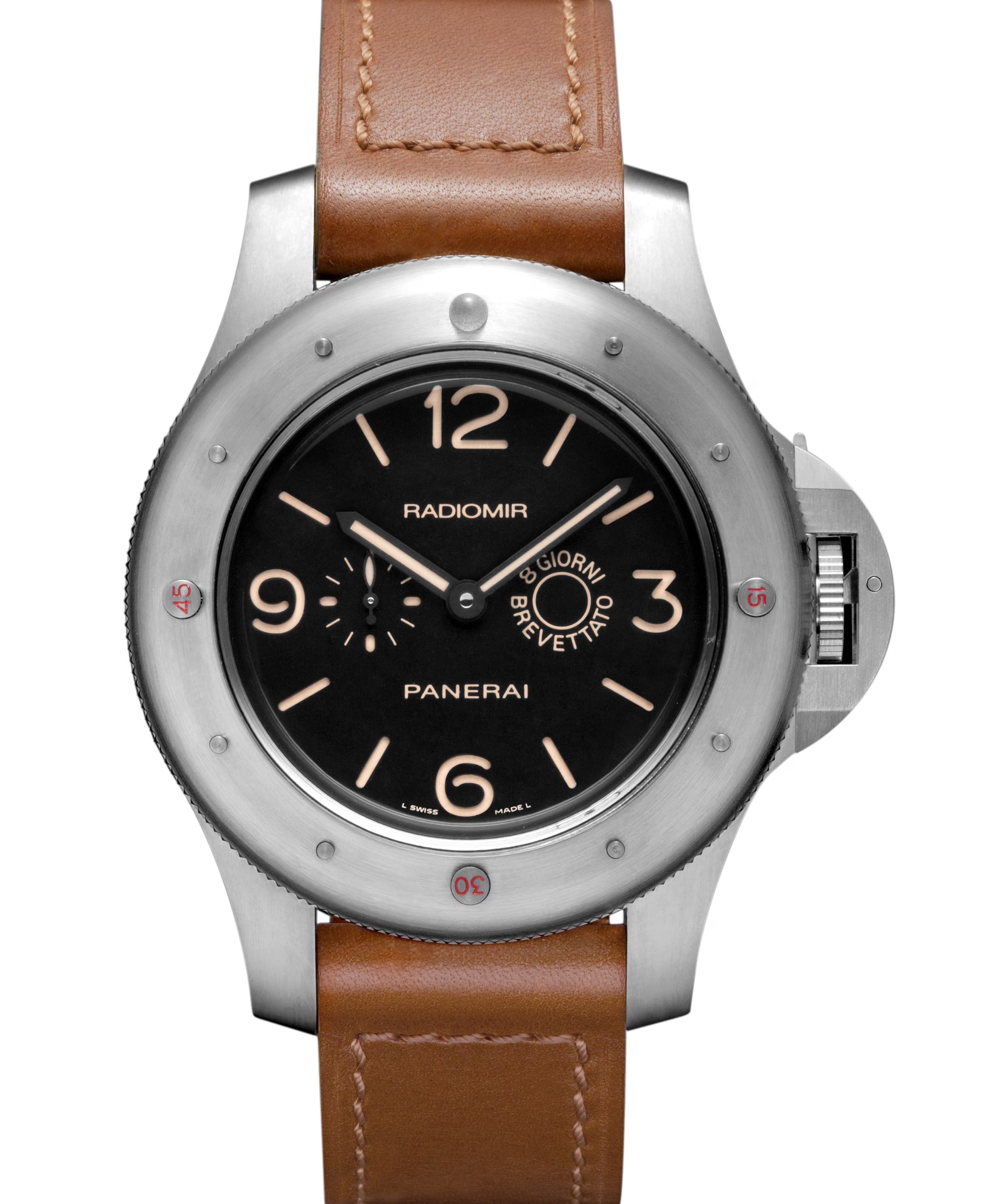
The Panerai Radiomir Egiziano PAM00341 of 2010 is a 60mm behemoth recreation of the original GPF 2/56, also known as the “Egiziano Grosso,” a 1956 commission for the Egyptian navy measuring 60mm. While the original Egiziano Grosso was made in a short production run of somewhere between 60 to 100 watches, the 2010 Radiomir Egiziano PAM00341 was created as a limited edition of 500 pieces.
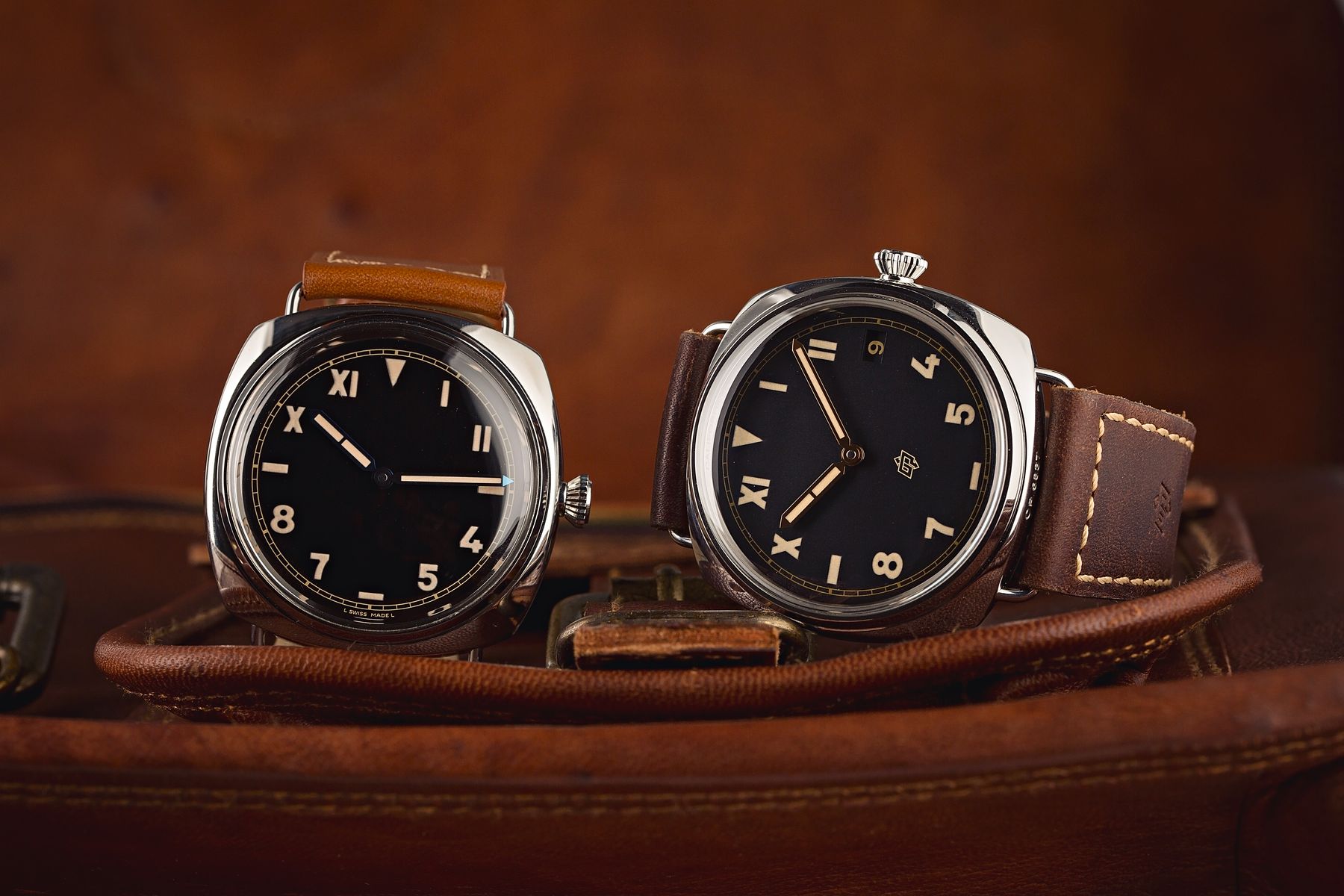
Panerai’s “California Dial” Features Roman Numerals, Arabic Numbers, And Geometric Markers
Originally patented by Rolex and also supplied to Panerai was a unique dial configuration featuring a distinctive alternation of Roman and Arabic numerals, bar markers and a railway track minute circle. While Rolex never actually used the moniker “California Dial,” Panerai frequently releases watches inspired by particular vintage models that are equipped with what they officially term as “California dials.”
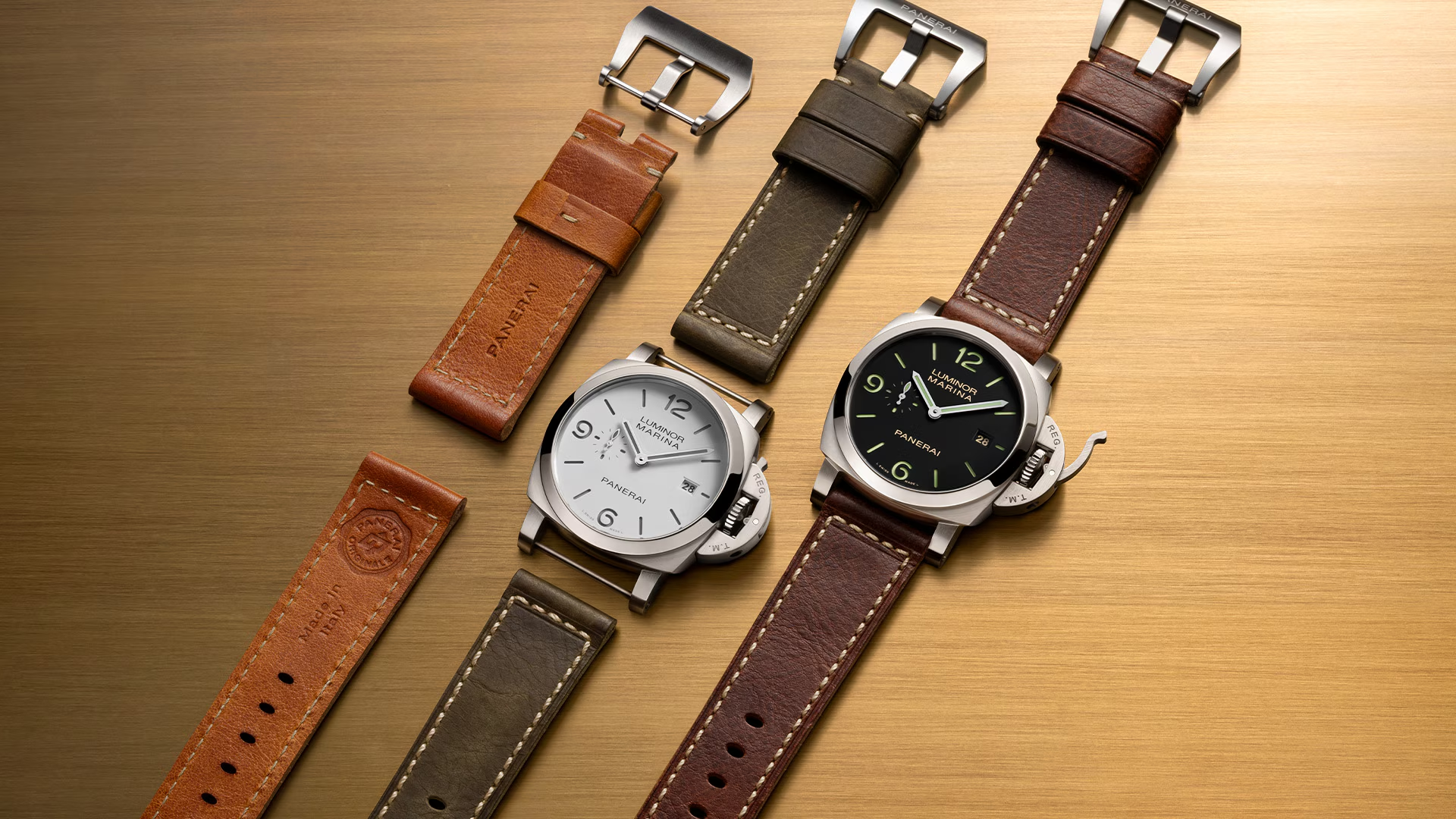
Not Just Its Cases, Panerai Even Tests Leather Straps For Underwater Performance
In order to guarantee flawless performance even when exposed to extreme conditions, Panerai conducts a variety of water-based tests on both the cases and the leather straps. The tests simulate everything from seawater to human perspiration. The brand pays extra attention to study the effects of salt water on both the case and the Panerai leather straps. Artificial seawater and chemicals are used to recreate the different varieties of human precipitation for testing the leather straps.
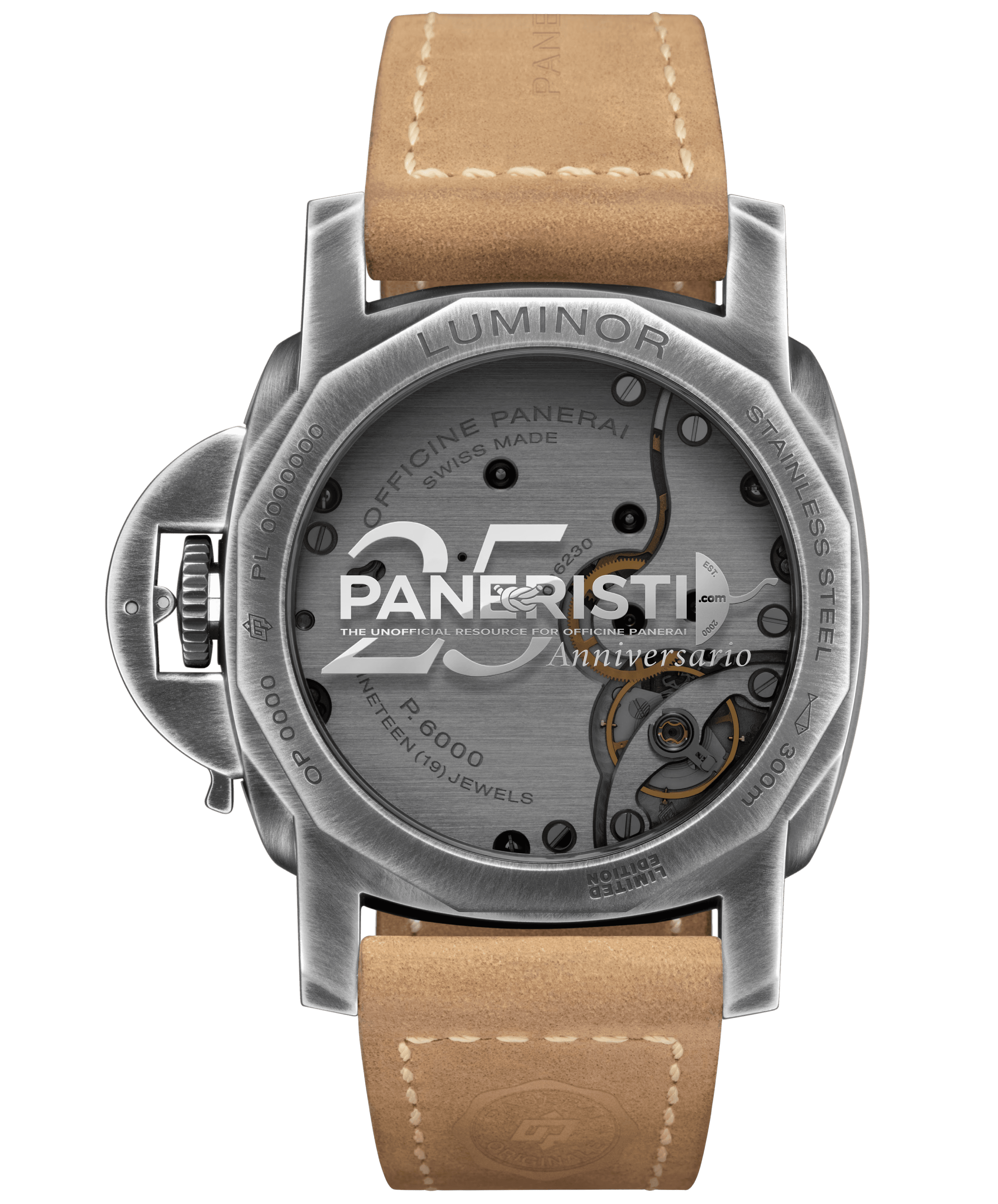
Paneristi - Panerai’s Collector Community Is The Largest Of Its Kind
Founded in 2000, the collector community of Panerai, known as the Paneristi, is 30,000 members strong and has more than 30 local hubs globally. The website paneristi.com is a seminal reference for all the news, updates, gossip and debates surrounding Panerai in particular and watches in general. It also exists as one of the largest single-brand watch enthusiast forums on the internet.

Art In Motion And A Growing Legacy
While any self-claiming watch nerd acknowledges the iconic Luminor and Radiomir models, beyond the distinct flavor of its yield, Panerai’s successes as well as struggles have remained lesser-known to the masses.
The brand has propagated its unique Italian naval essence across the globe and also in India, where it has maintained a strong presence and serves its luxury watch market via official boutiques and a trusted network of authorized retailers.

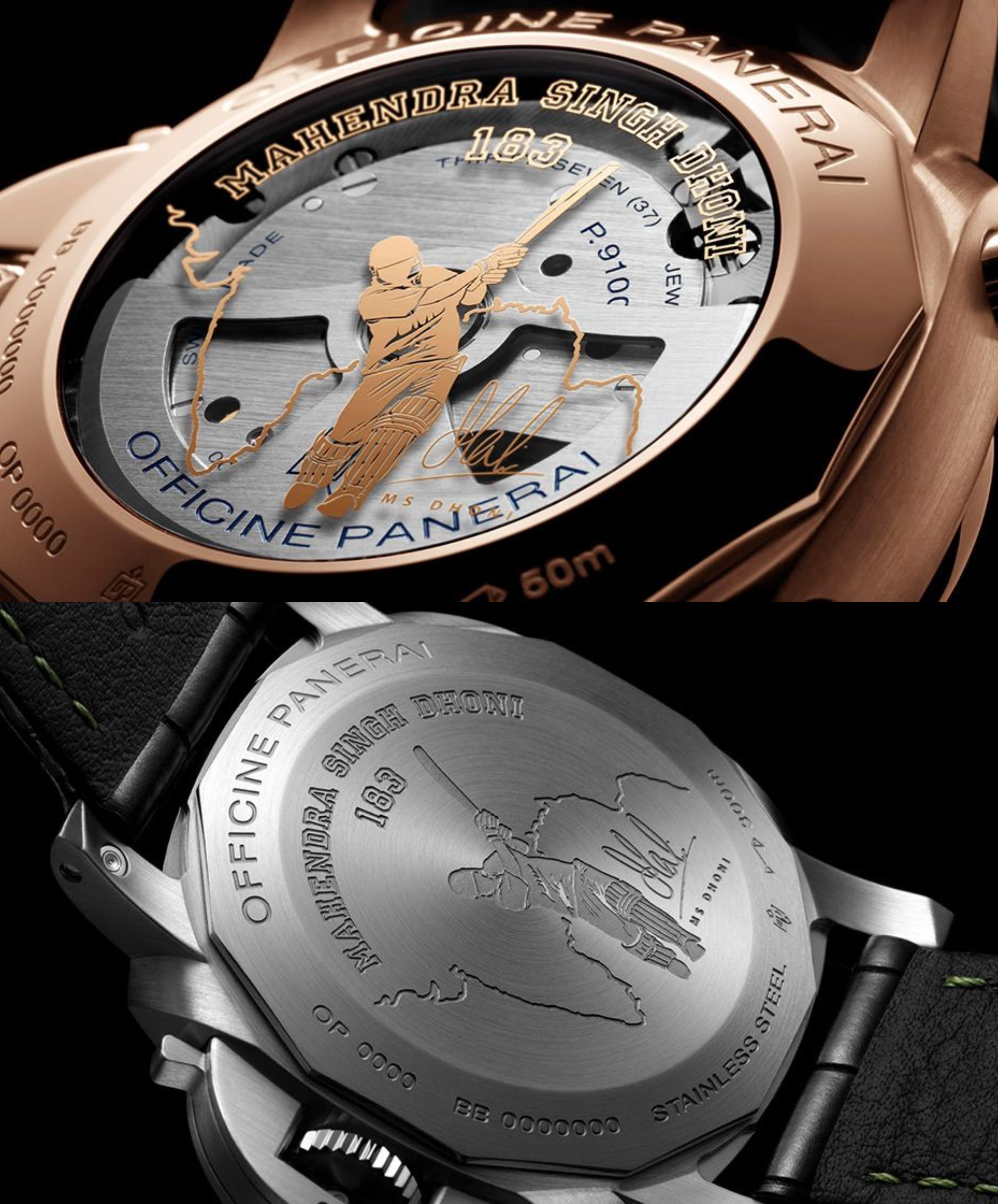
Moreover, the partnership with cricket icon M.S. Dhoni has significantly elevated Panerai’s profile in India which will further be cemented when the brand will mark its presence at the upcoming India Watch Weekend 2026 event in January.


