Inventing Gold, The Breguet Way: What Sets Breguet Gold Apart?
 5 min read

Breguet’s new proprietary “Breguet Gold” is not just another flavor of 18k. It’s a deliberate act of metallurgical revisionism that looks back to Abraham‑Louis Breguet’s workbench and then fast‑forwards straight into the most demanding expectations of 21st‑century haute horlogerie. In realizing the creations celebrating Breguet’s 250 years of crafting emotions, this alloy becomes the visual and technical anchor of horological inventions and reinventions that feature gold not merely as precious metal, but as narrative, memory and material science made visible.
Gold In Watchmaking History
Gold’s relationship with watchmaking is as old as portable timekeeping itself: from 17th‑ and 18th‑century verge watches to the ultra‑thin pocket chronometers of the late 19th century, gold cases were the natural habitat of serious horology. For much of this history, the metal was prized not just for conspicuous value, but for its unique combination of malleability, corrosion resistance and workability at the bench, which suited engine‑turning, hand‑engraving and elaborate case construction in ways steel simply did not.
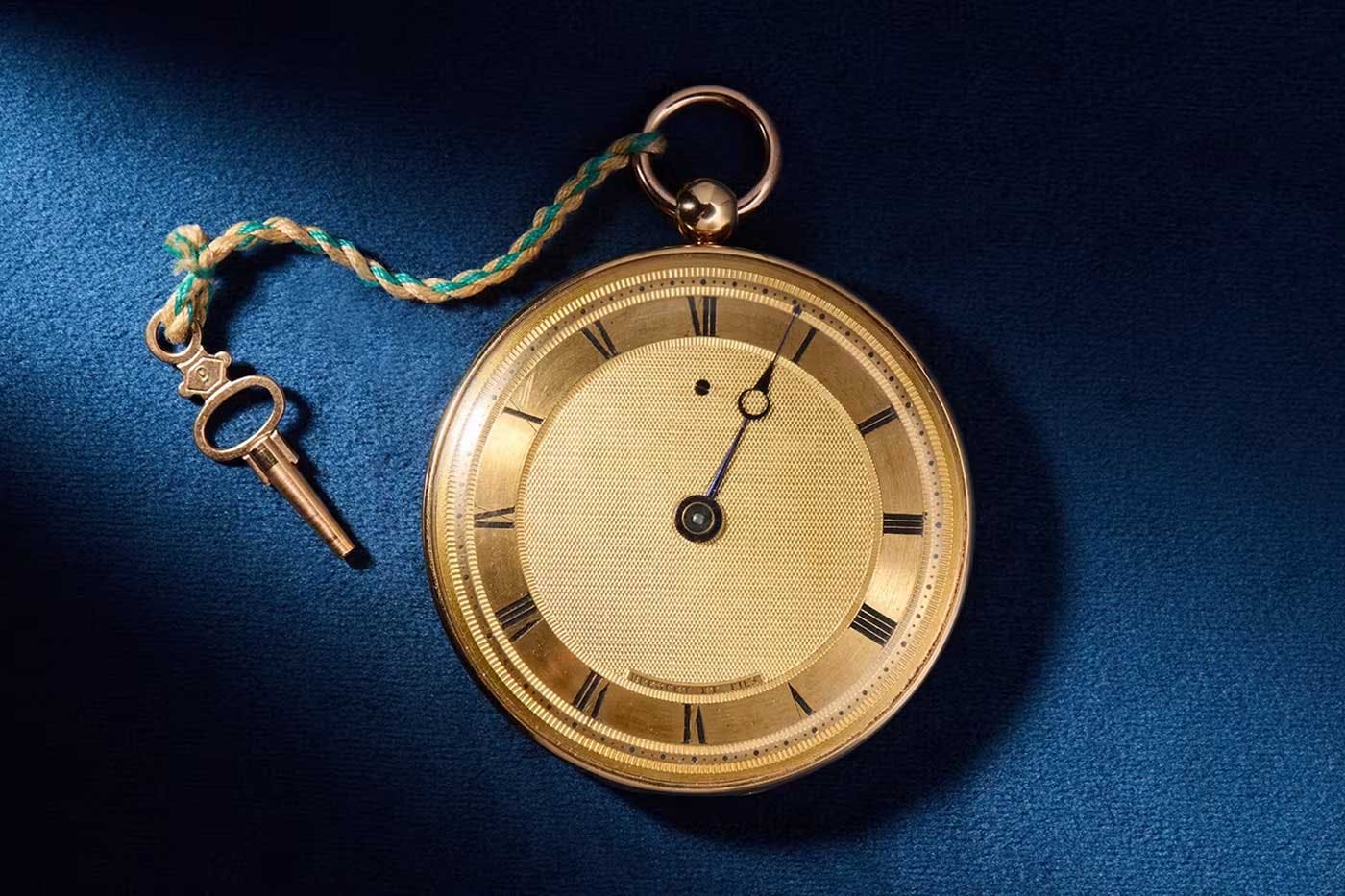
By the time Abraham‑Louis Breguet established his Paris atelier in 1775, gold had already become the default casing material for serious clients - royalty, statesmen, financiers, who expected their watches to be as durable as they were decorous. In Breguet’s Souscription watches of the late 18th and early 19th centuries, the metal carried a twofold purpose: it was both the canvas for restrained, rational dials and the architecture for movements that had to withstand daily use in an age before shock resistance and synthetic lubricants.
Historically, the gold used by Breguet was often characterized by a softer, more "muted" yellow hue compared to the saturated, brassy yellow golds common in the Victorian era or the high-copper "red" golds of the mid-20th century. This "blond" gold was a hallmark of the Enlightenment aesthetic: understated, legible, and possessing a quiet radiance. The evolution of gold in watchmaking has often swung between the extremes of pure yellow and deep rose, but the contemporary 250th-anniversary collection marks a deliberate pivot back to this ancestral palette.
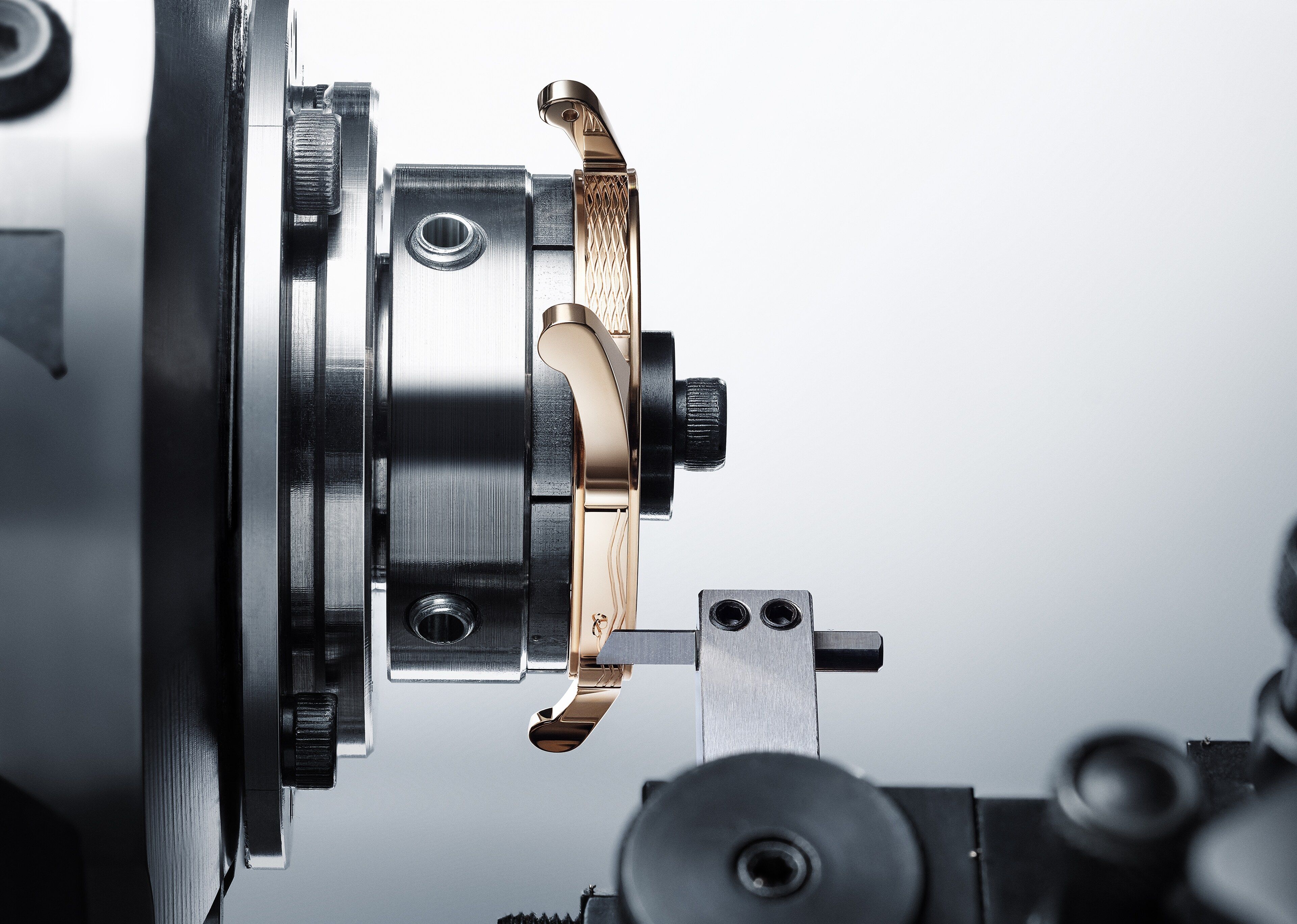
Hence, it’s legacy that sets the stage for the modern Maison's relentless pursuit of improvement. The recent releases irrefutably serve as a direct conduit to Breguet’s glorious past.
Gold’s Modern Significance And Value
In the modern era, gold occupies a more complex territory in watch collecting. On one hand, steel has captured a disproportionate share of speculative attention, especially in integrated‑bracelet sports models. On the other, gold has remained the quietly rational choice for collectors who care less about flipping and more about permanence and craft. Where steel often leads to volatility, gold frequently acts as a stabilizer. Its intrinsic metal value, lower production volumes and more conservative buyer profiles tend to reduce the amplitude of market swings.
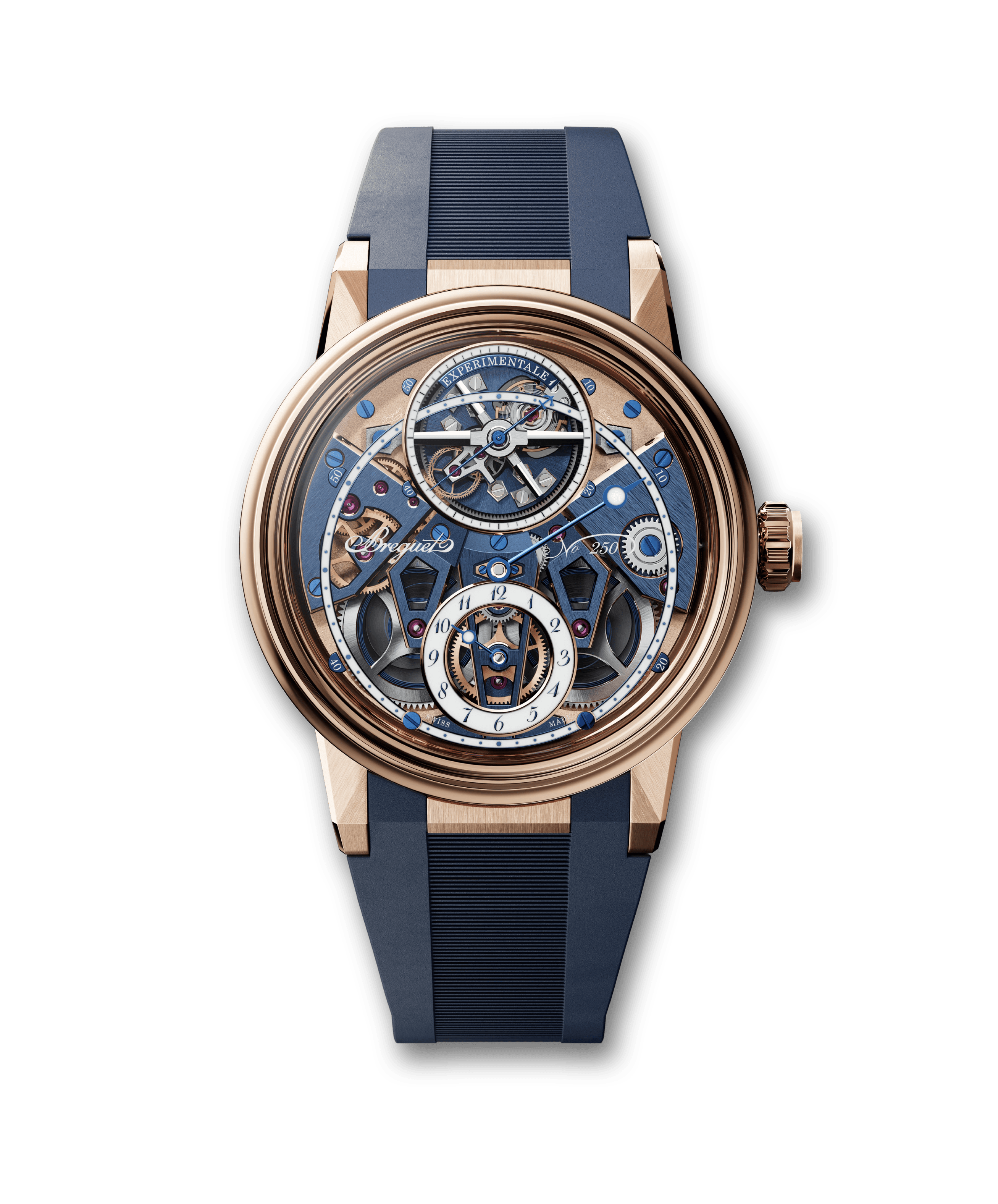
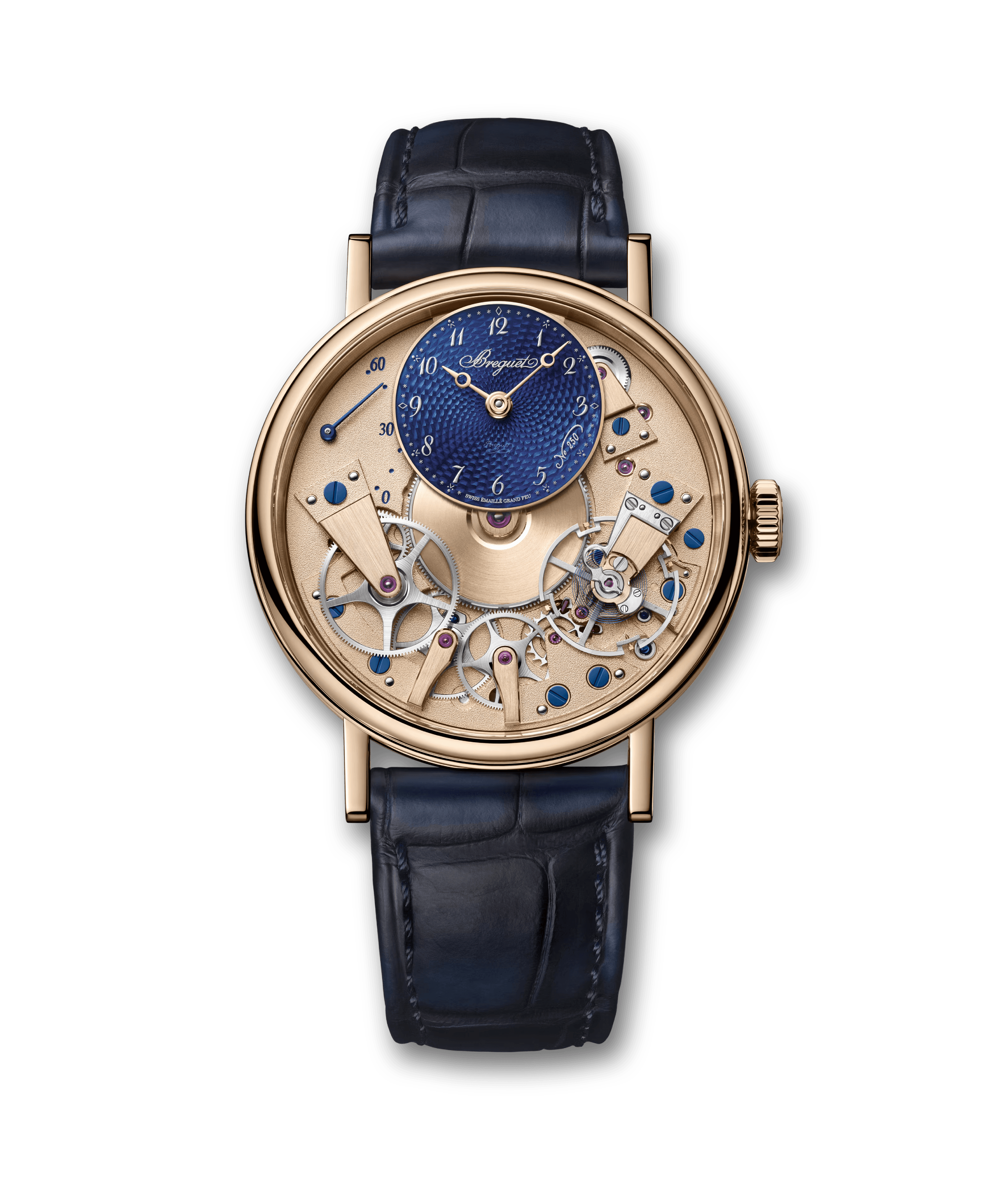
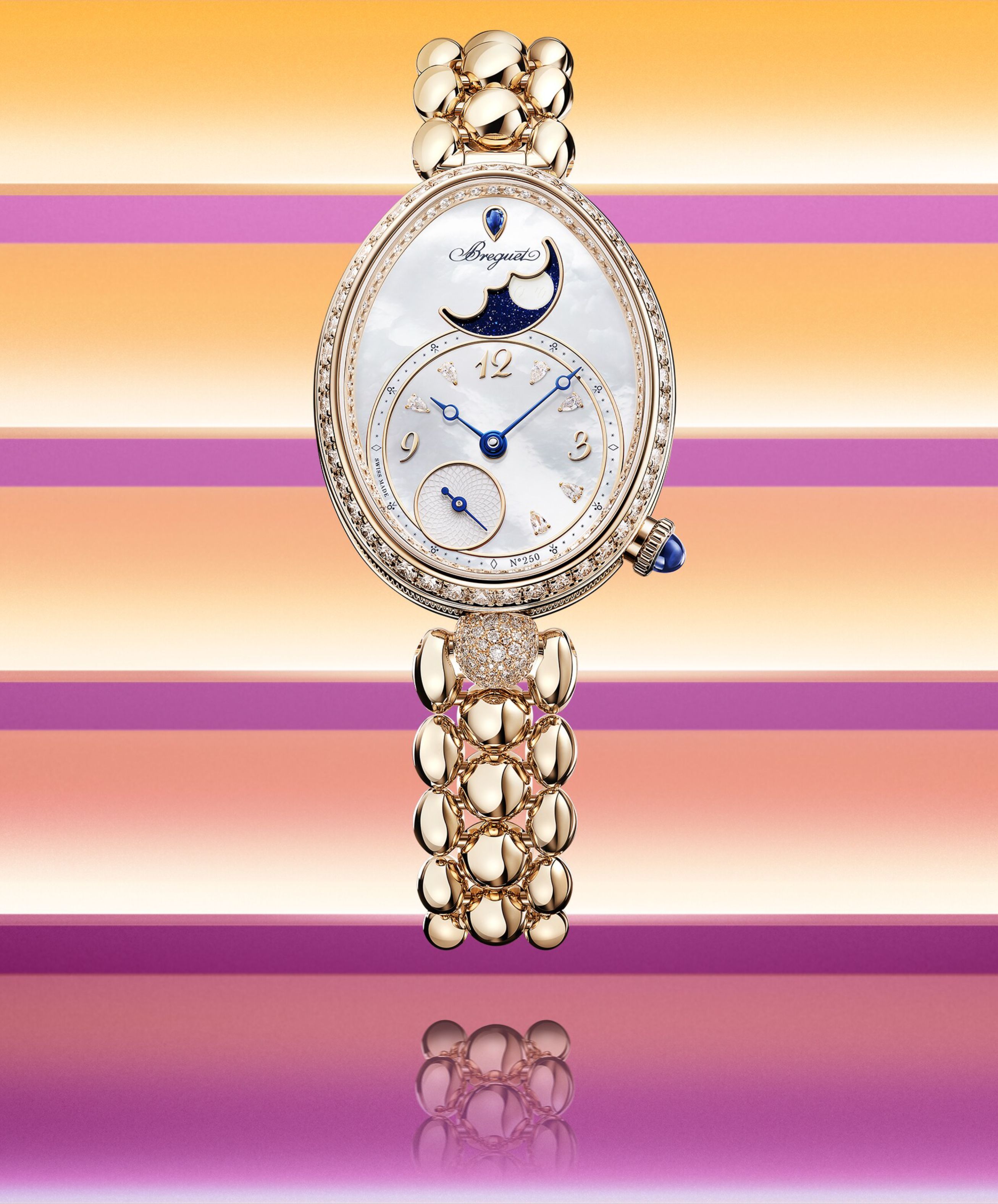
For high‑end Maisons like Breguet, gold is also the medium through which intangible value is made tangible. The dozen horological realizations that recognize Breguet’s 250th anniversary festivities sit at the intersection of several powerful currents - anniversary halo pieces, historically anchored designs, and one proprietary alloy, and that combination positions them as long‑term connoisseur’s watches rather than short‑cycle trend objects. Collectors who gravitate to such pieces typically look for three things: technical integrity, historical coherence and aesthetic restraint, all of which are amplified, rather than obscured, by thoughtfully tuned gold cases.
The Alchemy Of Breguet Gold
Generally, the distinctions between rose, red, and pink gold are rooted in the specific alloys of copper and silver mixed with pure gold. A.L. Breguet, operating in an era before strict standardization, was a master of these nuances. His use of gold was always dichotomous: deeply aesthetic yet rigorously technical.
Now, about the heart of the matter, i.e. Breguet Gold.
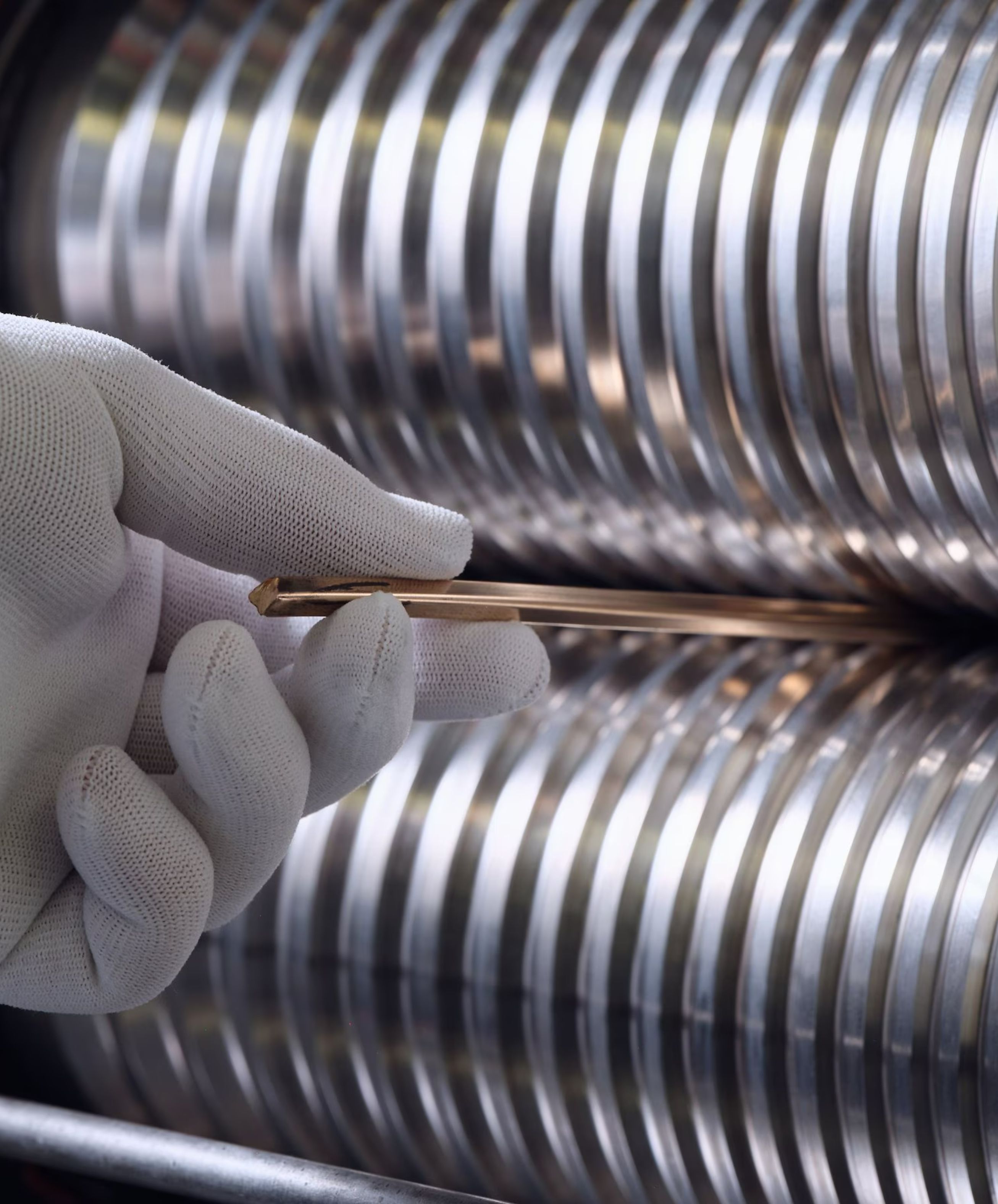
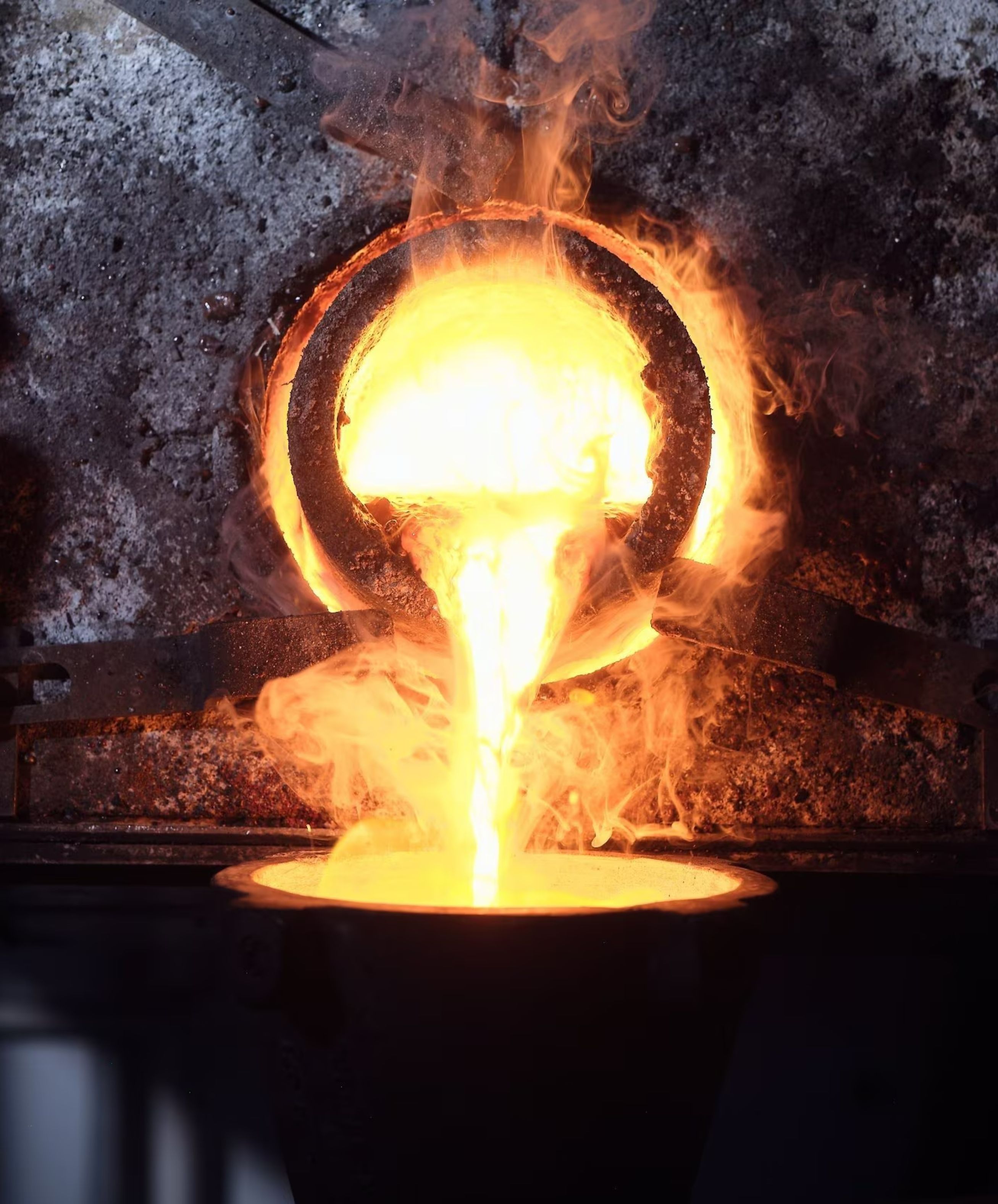
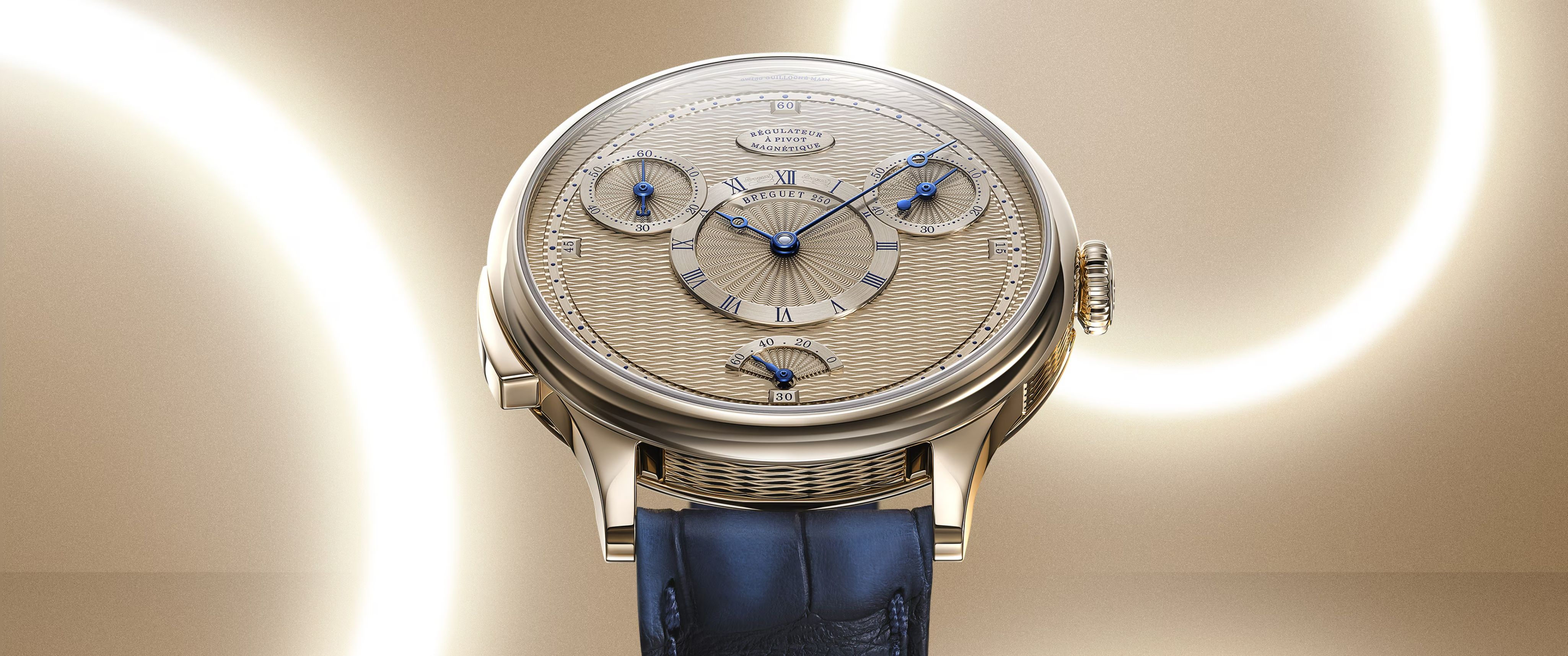
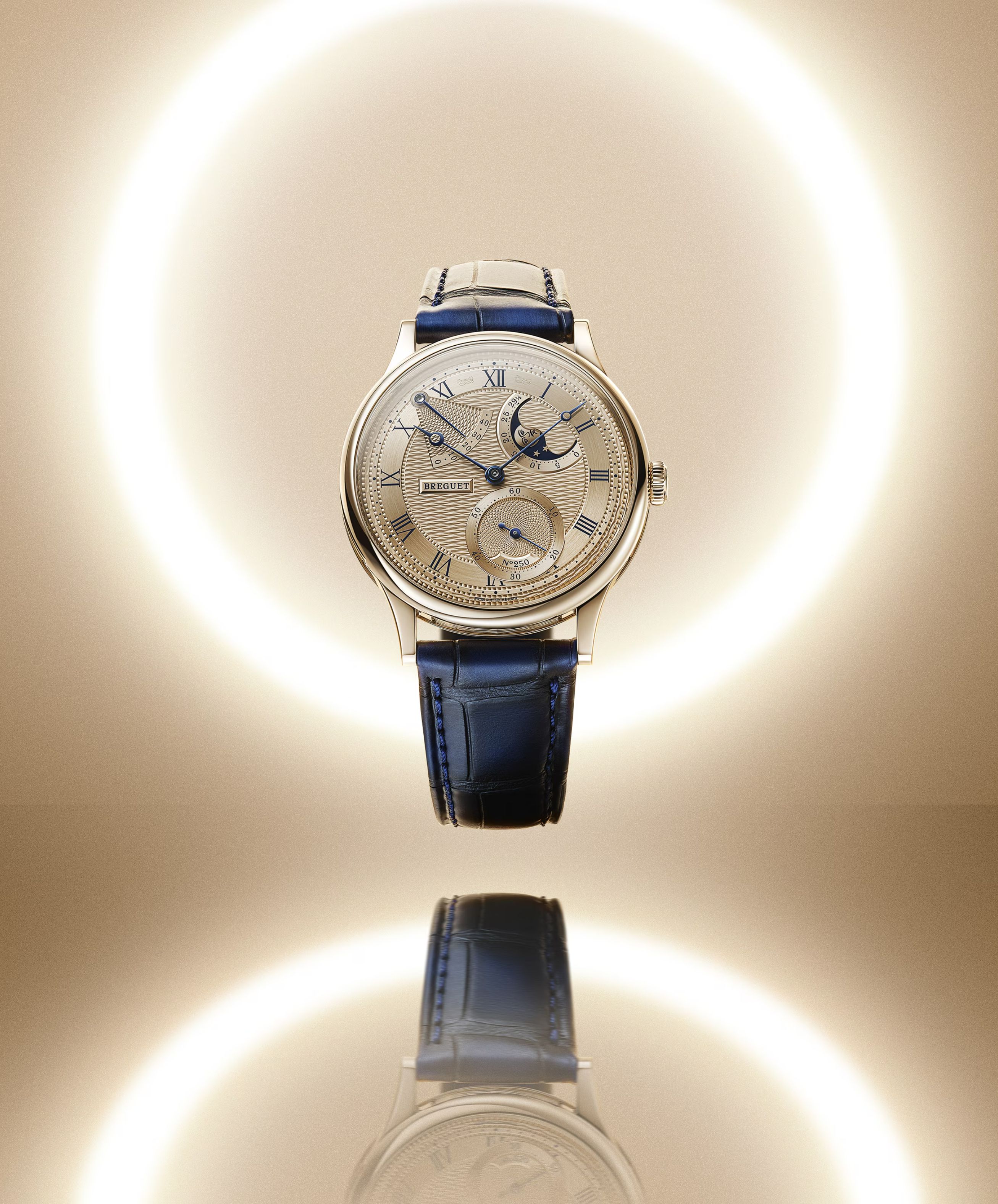
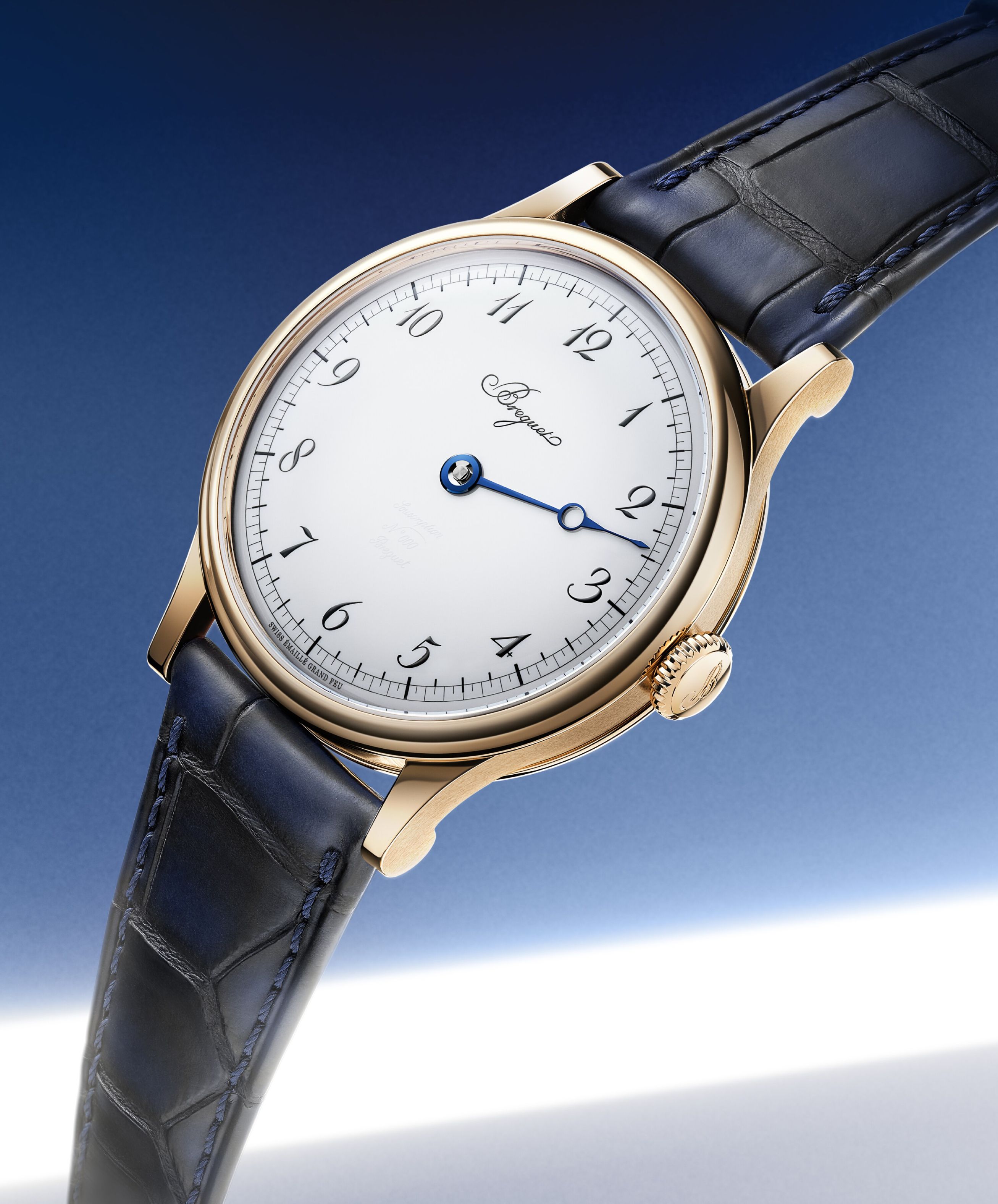
Breguet Gold is an 18k proprietary alloy formulated from gold, silver, copper and palladium, developed specifically for the Maison's 250th anniversary and debuted in the Classique Souscription 2025. Visually, it reads as a “blond” gold, warmer and richer than conventional yellow, yet without the pronounced coppery saturation of modern red or rose gold, which gives its specific yield an almost pocket‑watch‑era softness on the wrist.
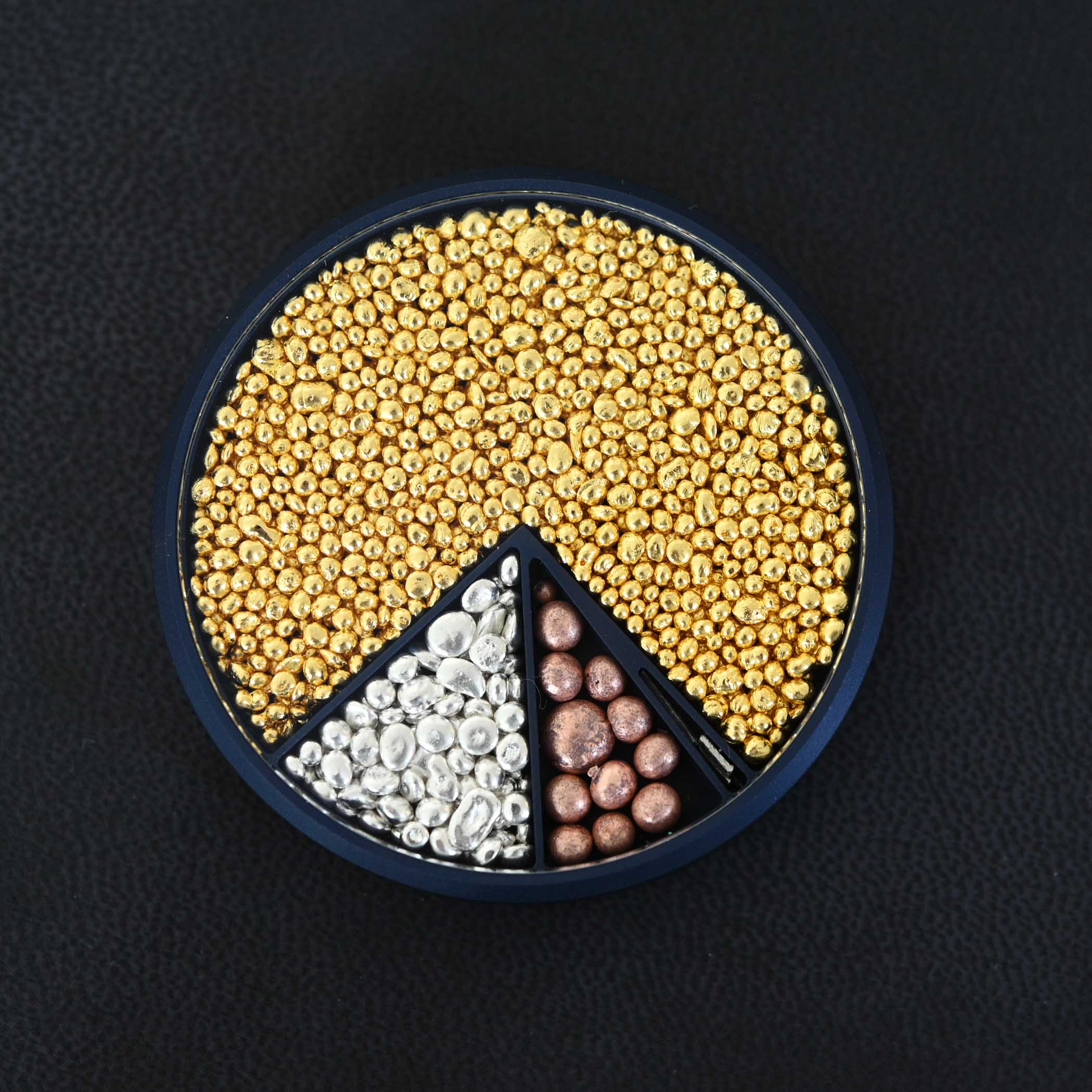
From a metallurgical standpoint, each constituent plays a distinct role. Gold provides the bulk of the mass and the 18k purity (75% by weight), along with the corrosion resistance and density that make the case feel decisive but not ponderous. Copper deepens the hue and hardens the alloy, improving scratch resistance relative to pure gold and helping crisp up the edges of brushed as well as polished surfaces. Silver, a classic component of traditional European gold alloys, lightens the tone and contributes to the alloy’s particular “blond” balance, keeping it from drifting too far into red‑gold territory and enhancing the way the metal interacts with natural and artificial light.
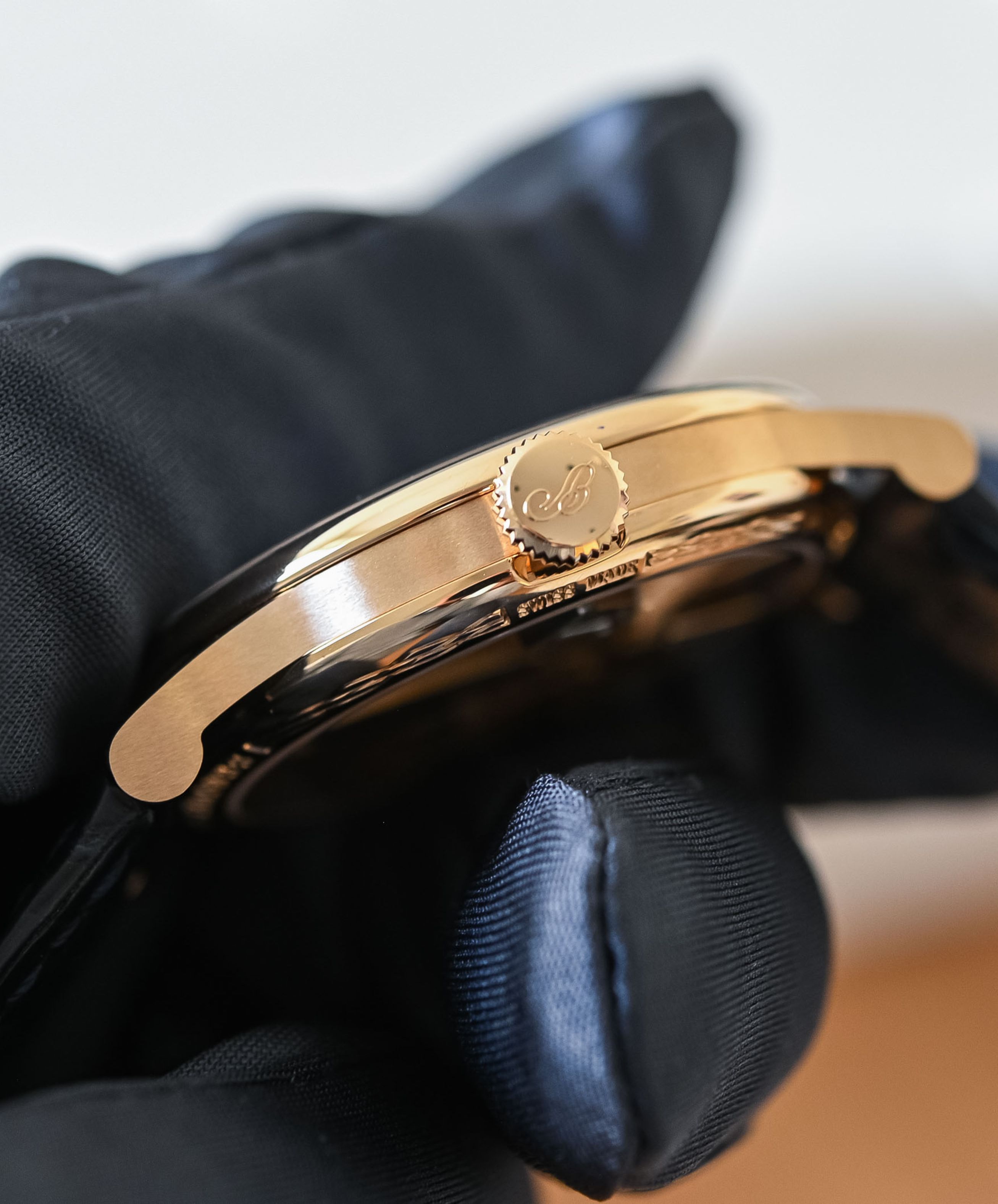
Palladium, the critical modern ingredient, acts as a noble stabilizer, checking the oxidizing tendencies of copper and improving long‑term colorfastness and tarnish resistance. In contemporary watch metallurgy, palladium and other platinum‑group metals are often used to control how an alloy ages on the wrist, ensuring that what the owner sees after years of wear remains close to what left the case‑making atelier. In Breguet Gold, this manifests as a tone that remains coherent and even across both brushed and polished surfaces.
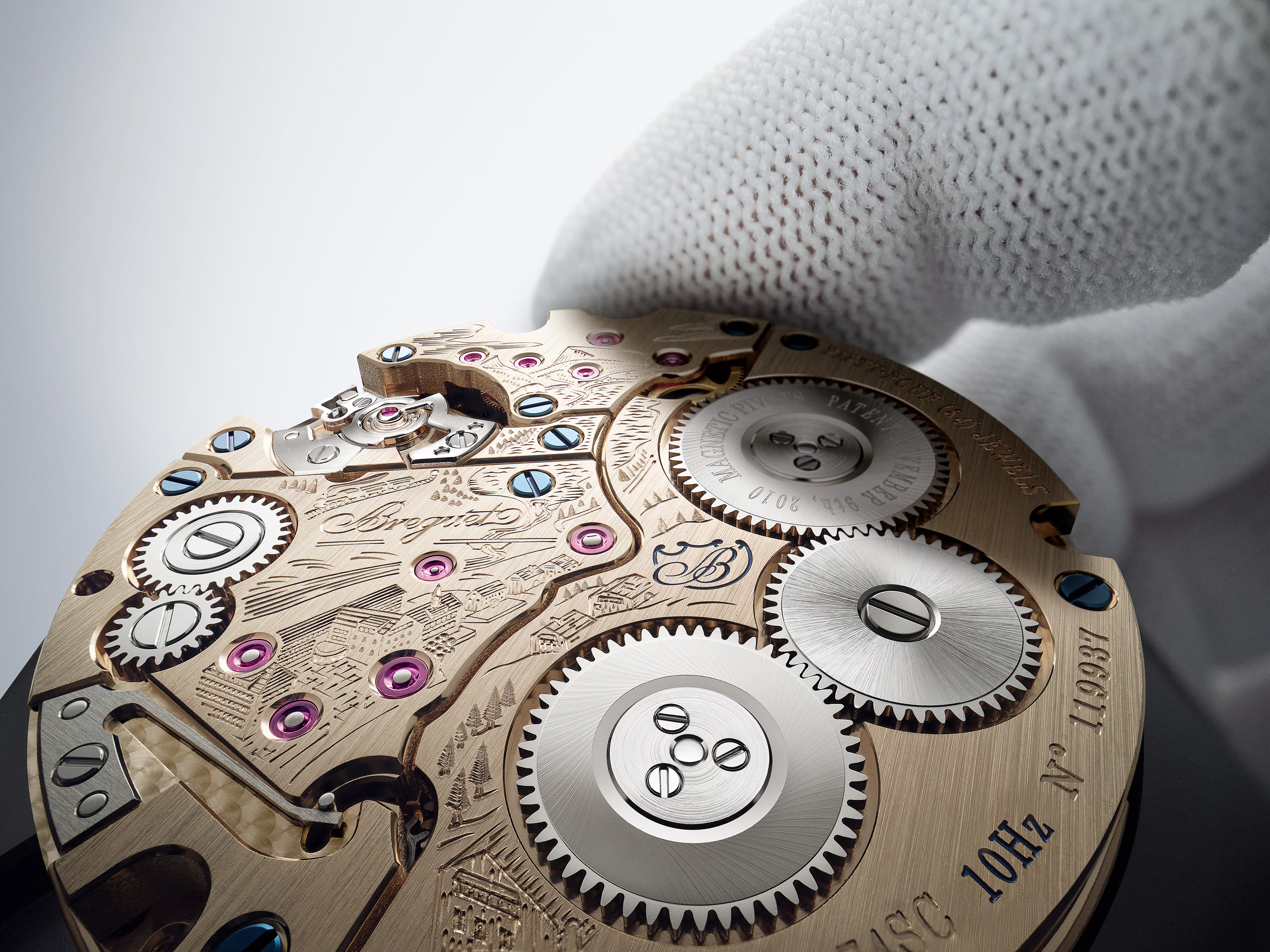
Critically, in some way, Breguet has extended the alloy’s visual signature from the exterior into the interior by featuring it in the construction of its calibers powering the anniversary creations. These components are gilded in a shade that deliberately echoes Breguet Gold, creating a continuous chromatic narrative inside out.
Breguet Gold In Practice
The specific designs and architectural nuances of the watches celebrating Breguet’s 250 years of crafting emotions exhibit how Breguet Gold has been engineered to serve both aesthetics and tactile experience. Their construction justifies the alloy’s finish retention, its resilience, malleability, and more importantly a philosophical coupling with the founder’s mastery of alchemical nuances.
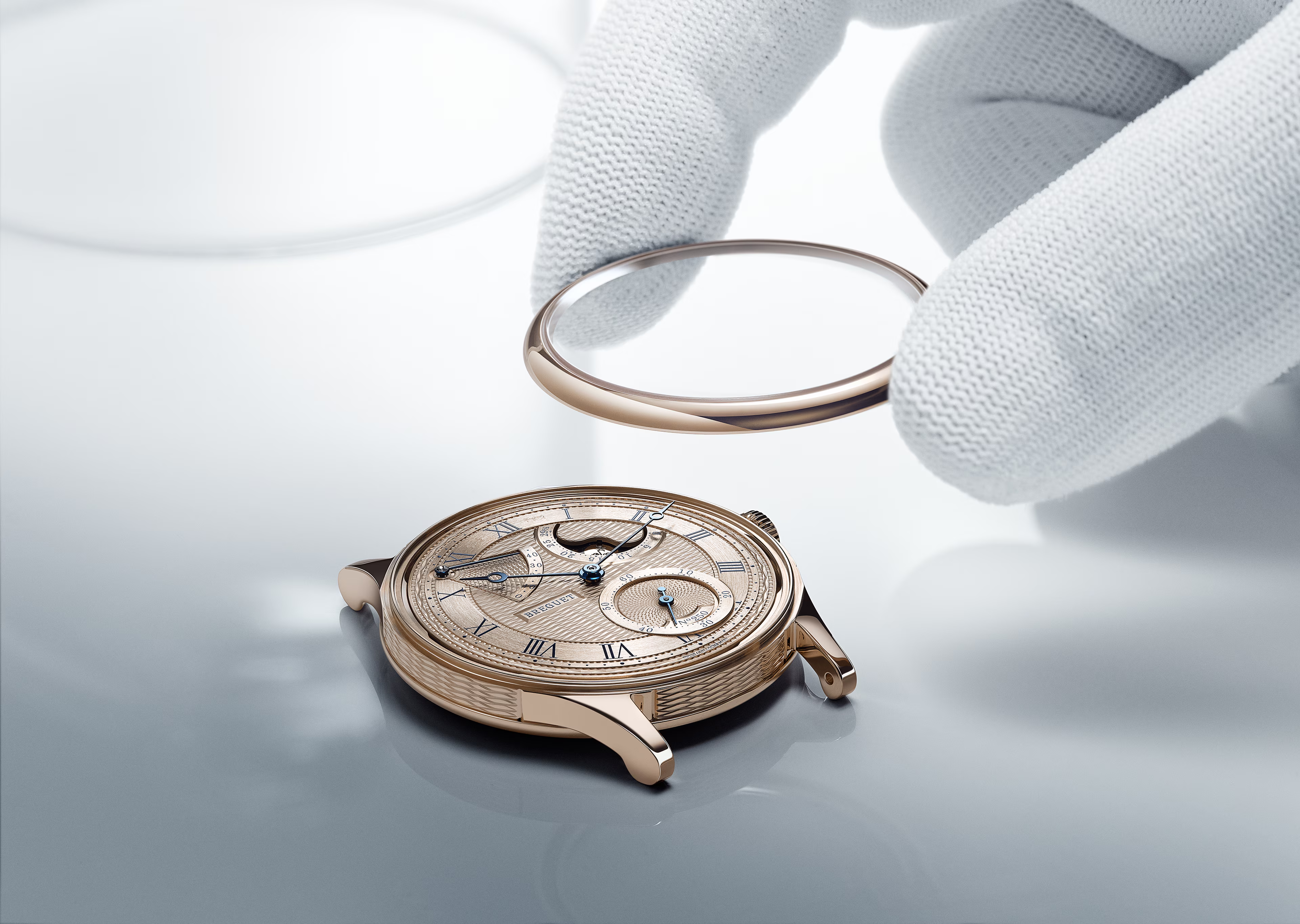
In the end, what sets Breguet Gold apart is not just its recipe, but its intent. This is an alloy conceived as a bridge between centuries: chemically modern but historically literate, engineered to evoke the hue and behavior of the gold that once left Breguet’s Quai de l’Horloge atelier, while quietly answering contemporary demands for durability, color stability and visual coherence between case and caliber. In a market saturated with marketing‑driven “exclusive” metals, Breguet Gold feels unusually honest - an act of horological alchemy in which the transformation is not from base metal to noble, but from history to material, and back again.


